


From:

Low in calories, full of flavor, and bursting with compounds that can reduce cholesterol and improve immunity, mushrooms sound too good to be true. But rest assured: The edible varieties are nutritional powerhouses. Luckily, there's no need to trek into the wilderness to find the most health-promoting kinds. Here's a closer look at the top fungi among us.
Tip
Clean mushrooms only right before using (wash as you would any other vegetable). If you rinse ahead of time and store them wet, the moisture speeds up spoilage.
Maitake
What
Also known as Hen of the Woods, these strange-looking mushrooms have fanlike lobes that make up a feathery mass. Rich, woodsy-flavored maitakes taste best in the fall; the rest of the year, seek out frozen or dried.
Why
In addition to providing vitamin D, maitakes may enhance the immune system, lower blood sugar, and hinder tumor growth.
How
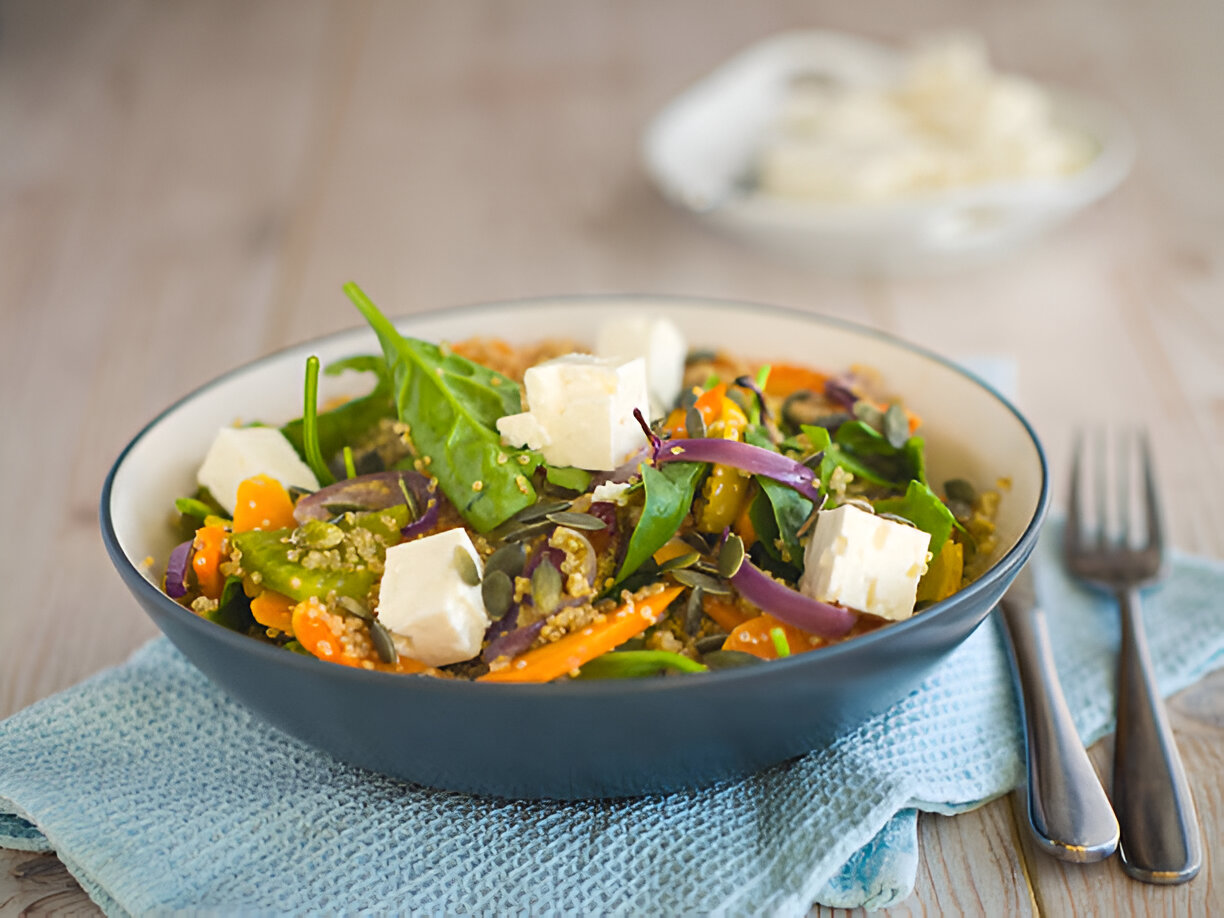
Add warm sauteed maitakes to a spinach salad or use in soups; their firm texture holds up well.
Shiitake
What
The shaggy-capped shiitake grows on fallen logs from hardwood trees such as oak or the shii tree from which it gets its name.
Why
Shiitakes may boost the immune system thanks to the carbohydrate lentinan, which has antiviral and antimicrobial properties. Antioxidants thioproline and ergothioneine may also attack free radicals.
How
Top a pizza with the chopped or torn sauteed shiitake caps (not the tough stems) along with sun-dried tomatoes and goat cheese, or toss in a veggie stir-fry.
White Button
What
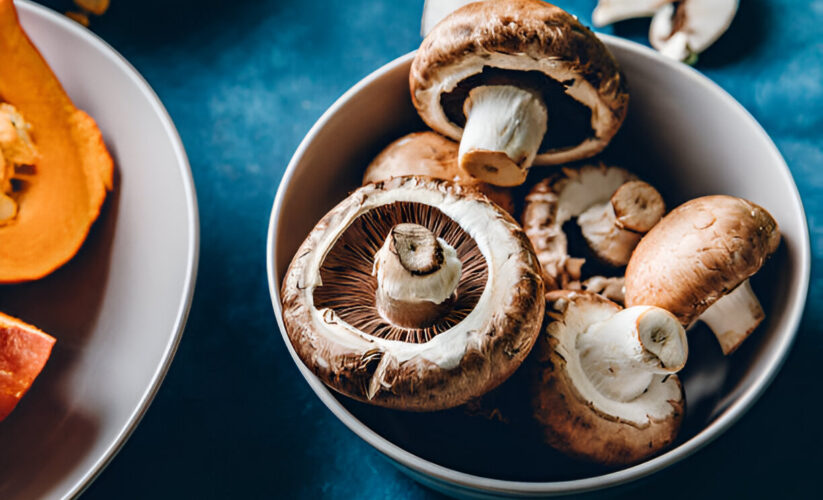
With a near-white flesh and a smooth, round cap, this ubiquitous mushroom has a mild flavor and more nutritional kick than it usually gets credit for.
Why
According to one study, white buttons contain more antioxidants than more expensive maitakes. They may also help prevent breast cancer. Avoid eating raw, though. They contain natural carcinogens that break down with cooking.
How
Saute them in olive oil with fresh tarragon or sage, and serve on a toasted baguette.
Morel
What
Cone-shaped morels mainly grow wild in the spring, generally not through cultivation. The darker the mushroom, the more intense the flavor. Dried morels are available year-round and have an even stronger wallop than fresh.
Why
A good protein source (with about 2 grams of protein per five medium morels), these mushrooms provide seven amino acids.
How
Saute morels with seasonal vegetables such as asparagus, peas, or fava beans, and serve over pasta.
Oyster
What
These fan-shaped mushrooms grow in the wild and through cultivation on tree trunks and rotted stumps. Their peppery flavor mellows with cooking.
Why
Oysters provide both protein and fiber. They also may lower cholesterol by inhibiting an enzyme that's key to cholesterol synthesis.
How
Sprinkle with olive oil and rosemary, and roast them along with potatoes.
Portobello
What
Portobellos have roundish, dark-brown caps that can grow up to 6 inches in diameter.
Why
A prime source of potassium, portobellos offer more of this nutrient than bananas ounce for ounce. Like white buttons, be sure to cook before eating.
How
The caps' dense texture makes them a great burger substitute on the grill. Just toss the stem before cooking.
First Published: March 2009