


From:

With its earthy, slightly salty taste, Swiss chard (or just chard) pleases the palate in two ways: first with its nutrient-dense leaves and second with its crunchy stalk. Don't let its name fool you, though. This green hails from Sicily, not Switzerland, and is a staple of Mediterranean cuisine.
Recipes
Chard Potstickers
Chard Quiche
Health Benefits
Related to spinach and beets, Swiss chard offers fantastic antioxidant protection in the form of phytonutrients known as carotenoids. Specifically, the beta-carotene, lutein, and zeaxanthin found in chard help maintain eye health and may reduce the risk of cataracts. Further support comes when the body converts beta-carotene to vitamin A, which also helps promote healthy vision, boosts immunity, and may even fight cancer.
Chard's high vitamin C content provides even more immune support. Just 1 cup of cooked Swiss chard supplies more than a third of your daily value of vitamin C. Vitamin E, another chard superstar, has shown anti-inflammatory effects and helps protect tissue from oxidation damage.
Eating foods with plenty of vitamin E might also reduce the chances of developing coronary artery disease, which can lead to a heart attack or heart failure. Other heart-healthy perks found in chard include vitamin B6 and potassium — which may reduce the risk of heart disease and high blood pressure, respectively. Keeping your cholesterol low by eating good sources of fiber such as chard may lower heart-disease risk even more.
Aside from supporting your eyes, immune system, and heart, chard helps maintain bones and may protect against osteoporosis, thanks to high doses of vitamin K and magnesium as well as a good amount of calcium.
How To Buy
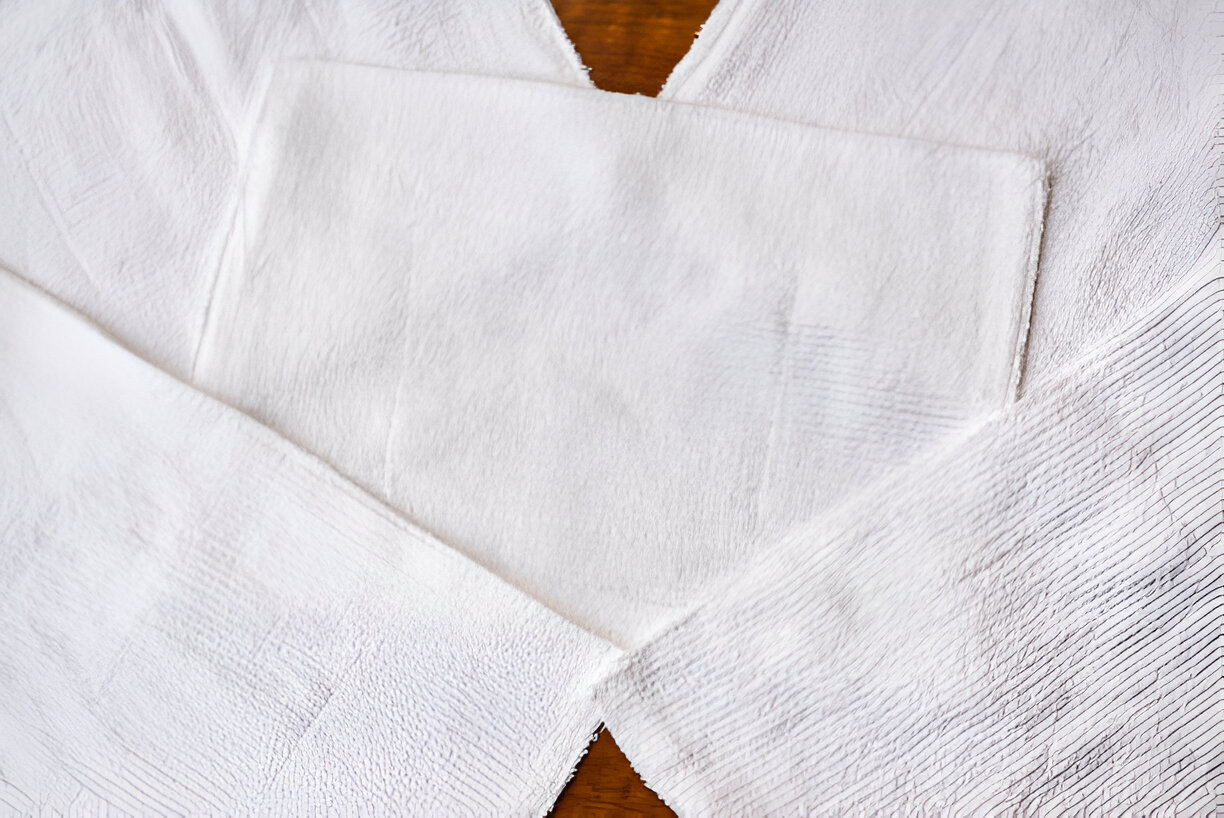
You'll typically find three types of chard in stores and at farmers' markets: Rainbow chard has colorful red, pink, yellow, or white stalks; Fordhook Giant is identifiable by crinkly leaves and thick, white, tender stalks; and Ruby Red (or Rhubarb) chard has thin, red stalks and slightly stronger flavors. Regardless of kind, look for crisp, vibrant green leaves with no yellow or brown marks. Avoid leaves with small holes. After a mild rinse, store chard in moistened paper towels in a plastic bag (with a few pinholes to allow air to circulate) in the refrigerator for two or three days.
Cooking Tips
The leaves and stalks are both edible. In addition to enhancing recipes, chard makes an excellent side dish. Saute sliced chard (leaves and stems) with a little olive oil and minced garlic; season with salt and pepper.
Nutrition Breakdown
Per 1 cup cooked, boiled, and drained, without salt
:
Calories:
35 kcal
Fat:
0.14 g
Fiber:
3.7 g = 15 percent* of DRI**
Magnesium:
150 mg = 47 percent of DRI
Vitamin C:
31.5 mg = 42 percent of DRI
Vitamin E:
3.31 mg = 22 percent of DRI
Vitamin K:
572.8 mcg = 636 percent of DRI
*Percentages are for women 31 to 50 who are not pregnant.
**DRI, Dietary Reference Intake, is based on National Academy of Sciences' Dietary Reference Intakes, 1997 to 2004.
First Published: May 2009