


Nail color changes are not cosmetic noise — they are diagnostic signals your body has been transmitting long before symptoms escalate into clinical events. For executives operating under sustained cognitive and physiological load, early nail discoloration can indicate compromised microvascular circulation, iron-deficiency states affecting cellular oxygen delivery, or hepatic stress markers that directly correlate with accelerated biological aging. Ignoring these signals doesn't just risk your health — it risks your decision-making capacity, recovery efficiency, and the mitochondrial output your performance depends on. For example, shifts toward autumn colors for nails may serve as subtle indicators of these physiological imbalances. What your nails reveal, when read correctly, is a low-cost biomarker window most high-performers have never been taught to use.
The Nail as a Clinical Surface
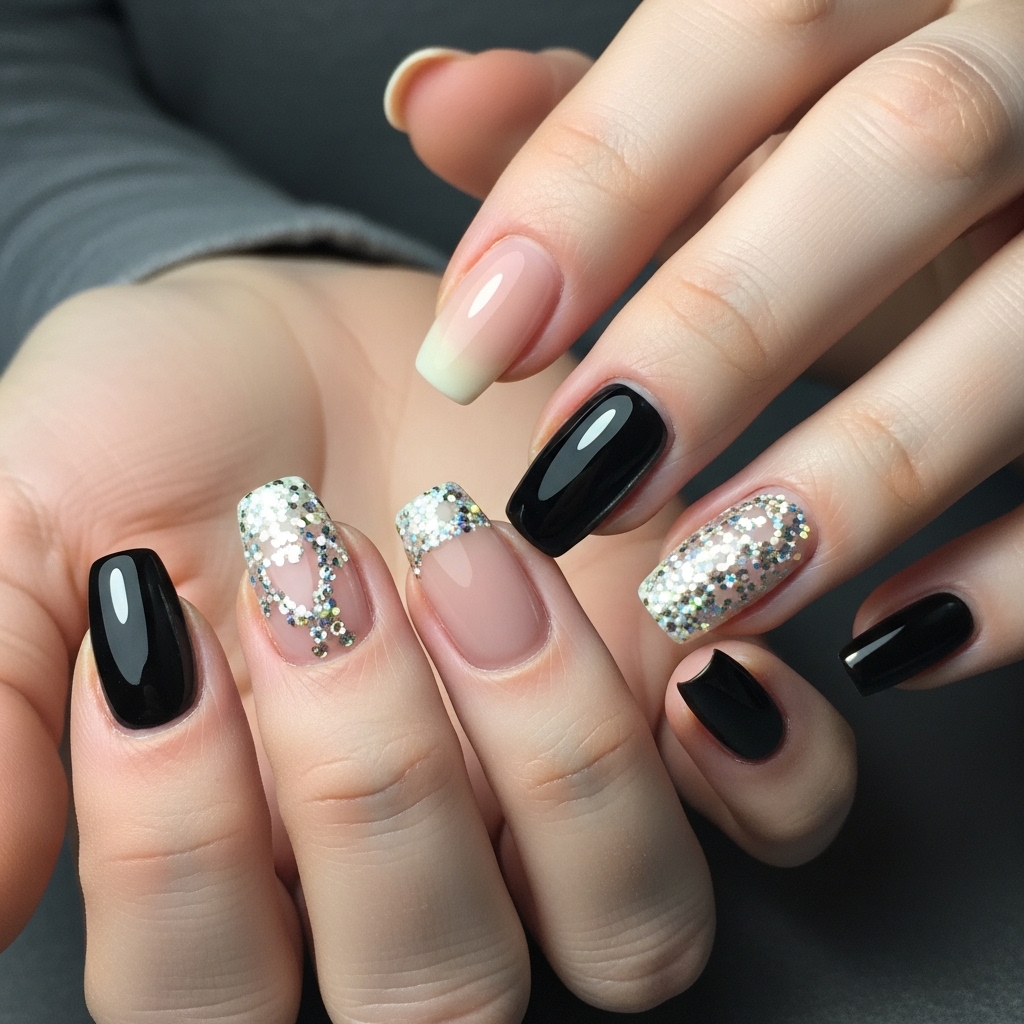
The human nail unit — nail plate, nail bed, lunula, and surrounding tissue — draws from a dense capillary network tied directly to systemic blood flow. Unlike skin tone or facial appearance, nail color shifts resist attribution to passing stress or cosmetic variation.
They persist. Moreover, they compound. In a large share of cases in skin and internal medicine literature, they appear before formal diagnosis by months to years.
For a professional operating at high output, that lead time is leverage. Understanding what nail colors indicate — and what body variable they track — converts an overlooked surface into an early-warning system.
READ ALSO: Summer Nails 2026: Hot Colors and Designs
White Nails: The Hepatic and Albumin Signal
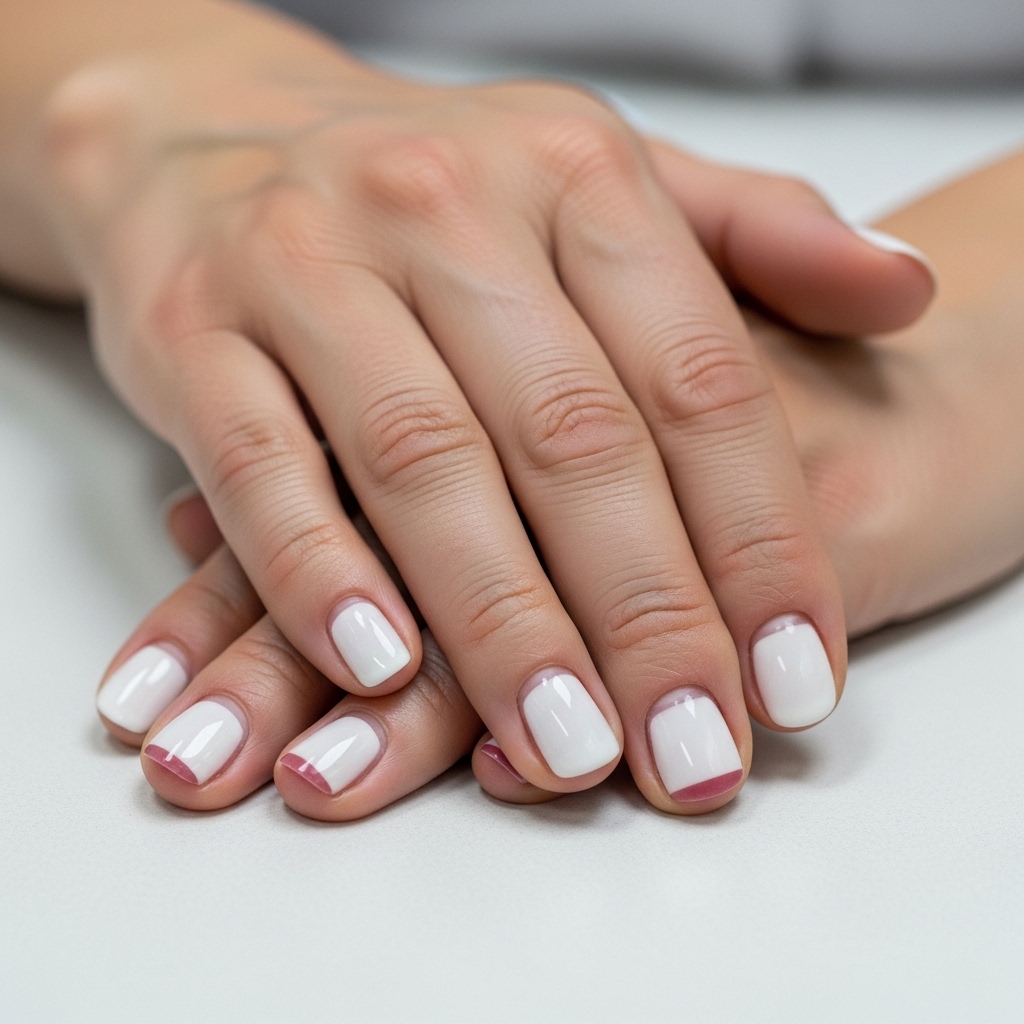
Mostly white nails — termed leukonychia or, in broader form, Terry's nails — signal low albumin levels. This drop often accompanies liver dysfunction, protein malnutrition, or heart failure. NIH clinical records link Terry's nails to cirrhosis, type 2 diabetes, and chronic kidney disease.
In each condition, reduced blood supply to the nail bed and altered protein use drive the visible change.
Albumin carries cortisol, thyroid hormones, and fatty acids through the body. A falling albumin level — even within the low-normal range — can disrupt hormone signaling and fat metabolism. Both connect directly to metabolic function and mental output.
READ ALSO: Gingerbread Nails You’ll Want All Season Long
Yellow Nails: Lymphatic Compromise and Respiratory Markers
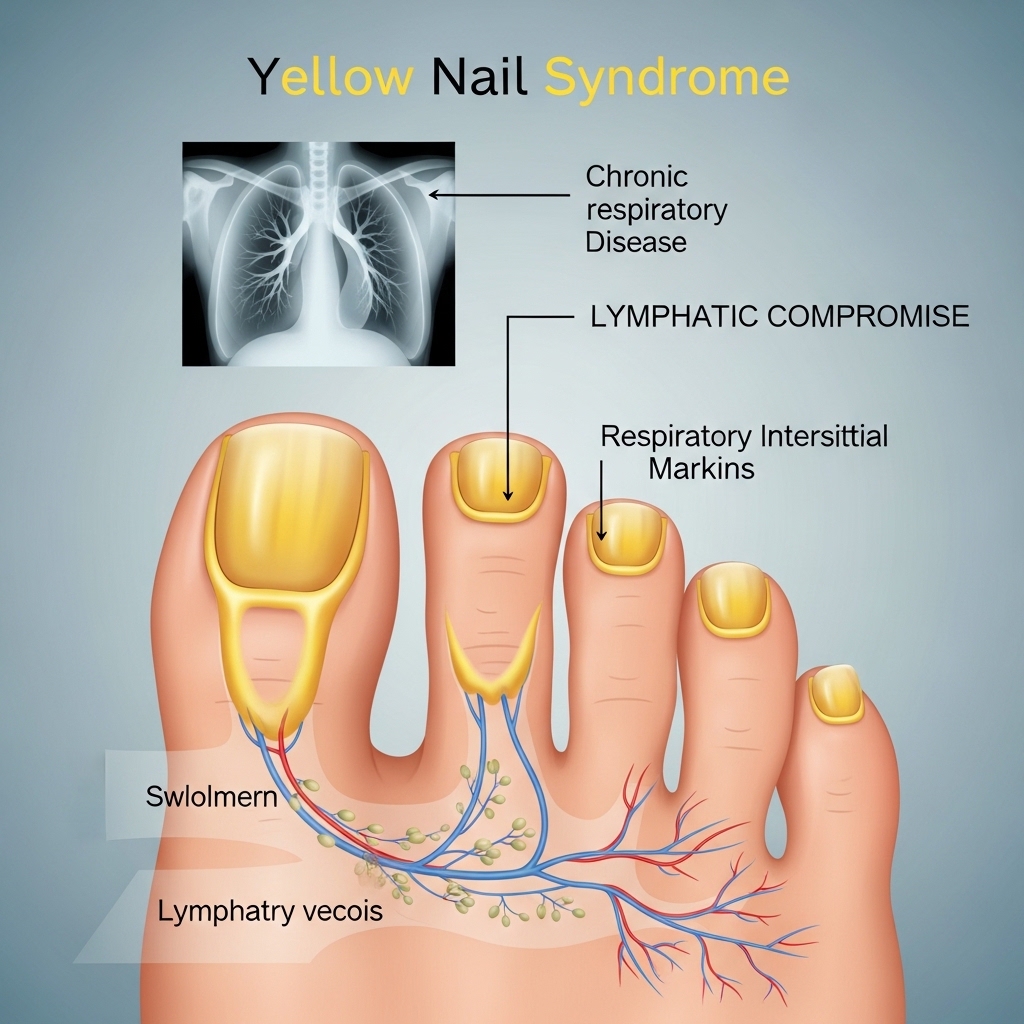
Yellow nail color, absent fungal infection, marks lymphatic dysfunction. The formal presentation — Yellow Nail Syndrome — is a triad: yellow nails, lymphedema, and fluid around the lungs. Full presentation is rare. Partial signs — yellow color with thickening and slowed growth — appear more often than older literature acknowledged.
Yellow nails also link to chronic lung conditions, including bronchiectasis and recurring pleural fluid. These reduce the lung's ability to exchange gases. As a result, VO2 max declines — the strongest single predictor of all-cause mortality in long-term cardiovascular studies.
Fungal nail infection should be ruled out first. Even so, persistent yellow color without fungal origin in a professional over 40 warrants lung and lymphatic assessment.
READ ALSO: Autumn Colors for Nails You’ll Wish You Wore Sooner
Blue or Purple Nails: Oxygen Delivery and Cardiovascular Load
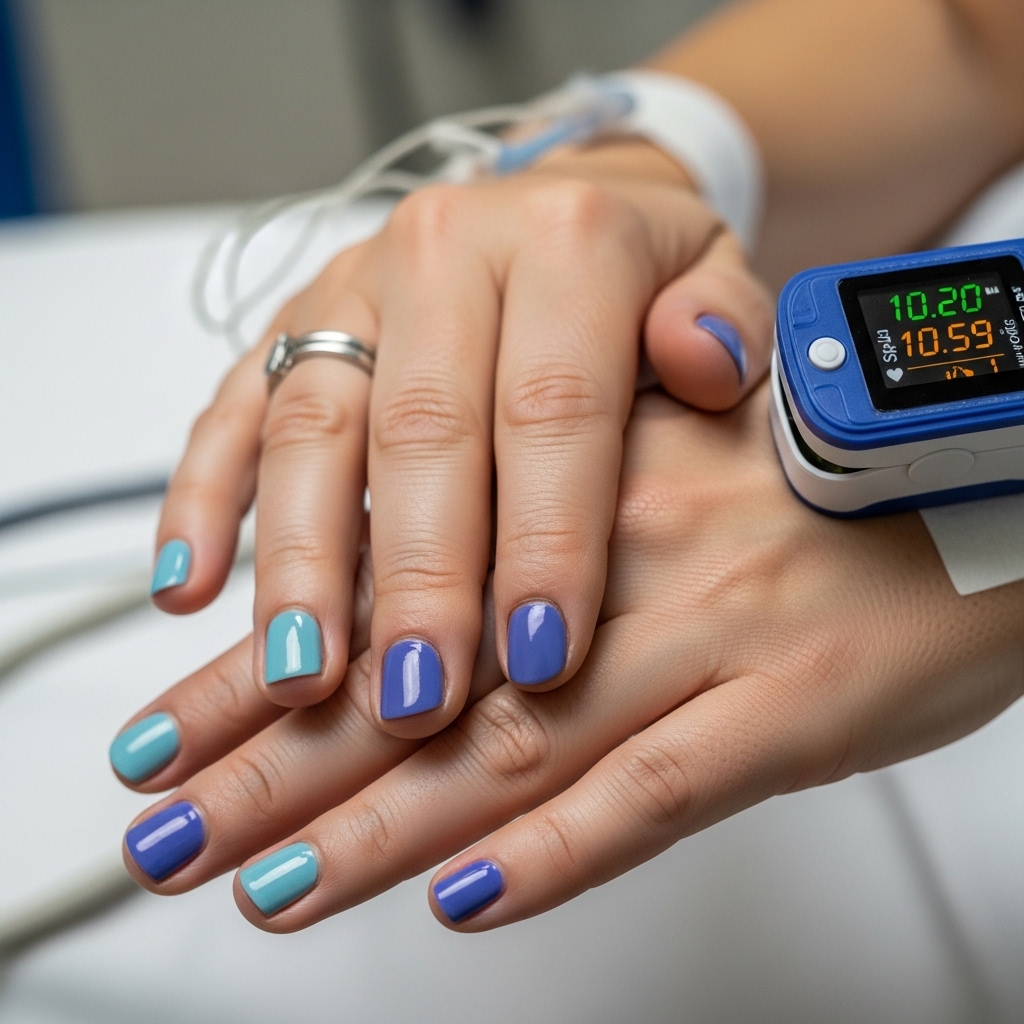
Blue, purple, or dark violet nail beds signal reduced oxygen in peripheral blood vessels. When hemoglobin carries too little oxygen, it darkens — visible through the translucent nail bed. This can reflect low cardiac output, impaired lung function, or vessel-narrowing conditions like Raynaud's phenomenon.
Blue nail beds outside of cold exposure signal that heart or lung efficiency has dropped. Peripheral tissue is no longer getting enough oxygen.
The American Heart Association has linked peripheral oxygen delivery to long-term cardiovascular risk. Early signs of vessel damage — including nail bed changes — often appear before cardiac events by significant intervals. Cardiovascular efficiency declines on a gradient. Nail bed color shows where on that gradient the body sits.
READ ALSO: Spring Nail Colors for 2026: Trending Shades You’ll Love
Dark Brown or Black Streaks: Melanocytic Activity and Subungual Hemorrhage
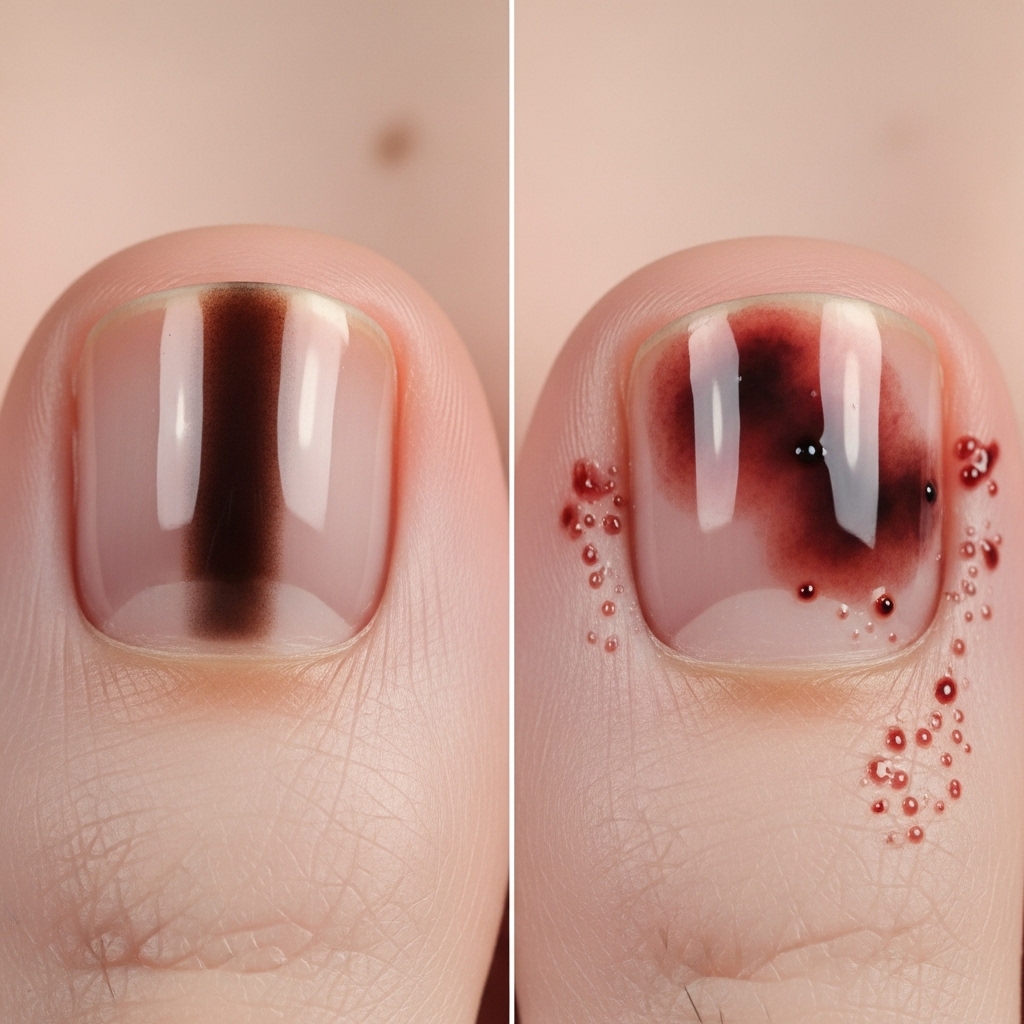
A dark streak from nail base to tip — melanonychia striata — requires diagnosis spanning benign pigment variation and subungual melanoma. Subungual melanoma is one of the most delayed cancer diagnoses in practice. It appears more often in people of Asian, African, and Hispanic descent, but occurs across all groups.
The Journal of the American Academy of Dermatology has identified late diagnosis as the primary driver of poor outcomes.
Nail thickness at removal is the dominant survival variable. The gap between first appearance and biopsy often exceeds 24 months. Black color without a streak — particularly under the nail tip — often marks a blood blister from minor trauma. Recurring bleeding without clear physical cause can indicate clotting or platelet issues.
READ ALSO: Best Cuticle Oil for Healthy Nails
Red or Dark Splinter Hemorrhages: Inflammatory Markers and Endocarditis Risk
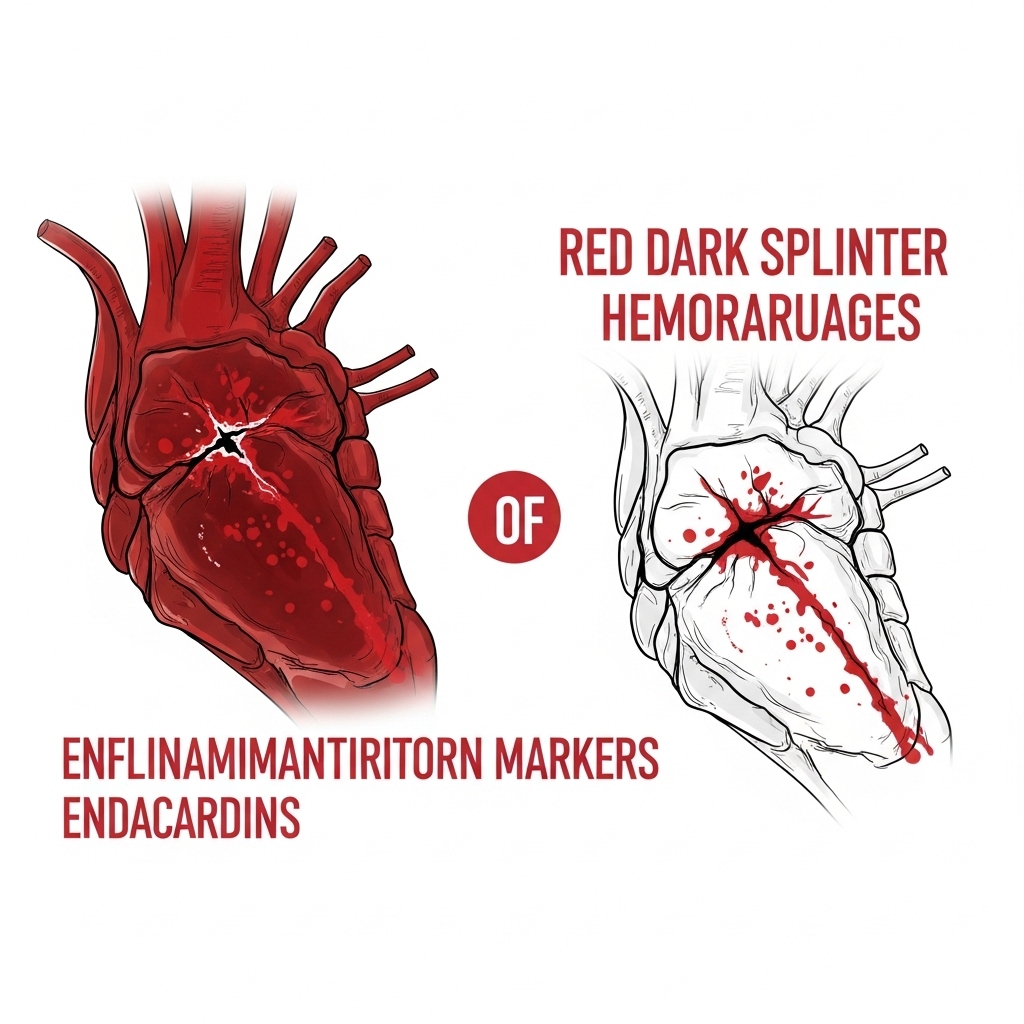
Fine, dark-red vertical lines beneath the nail plate are splinter hemorrhages. Small blood clots or vessel damage produce them. One splinter hemorrhage commonly traces to minor trauma. However, several appearing at once — without physical cause — are a recognized sign of infective endocarditis, a life-threatening heart infection.
Vasculitis, antiphospholipid syndrome, and lupus also produce this pattern. Each drives elevated inflammatory markers — C-reactive protein, erythrocyte sedimentation rate, and interleukin-6.
These markers link to faster biological aging. Chronic low-grade inflammation shortens telomeres and breaks down mitochondria — both signs of biological age running ahead of chronological age.
READ ALSO: The Best Nail Strengtheners for Healthy, Strong Nails
Pale or Colorless Nails: Iron Status and Hemodynamic Reserve
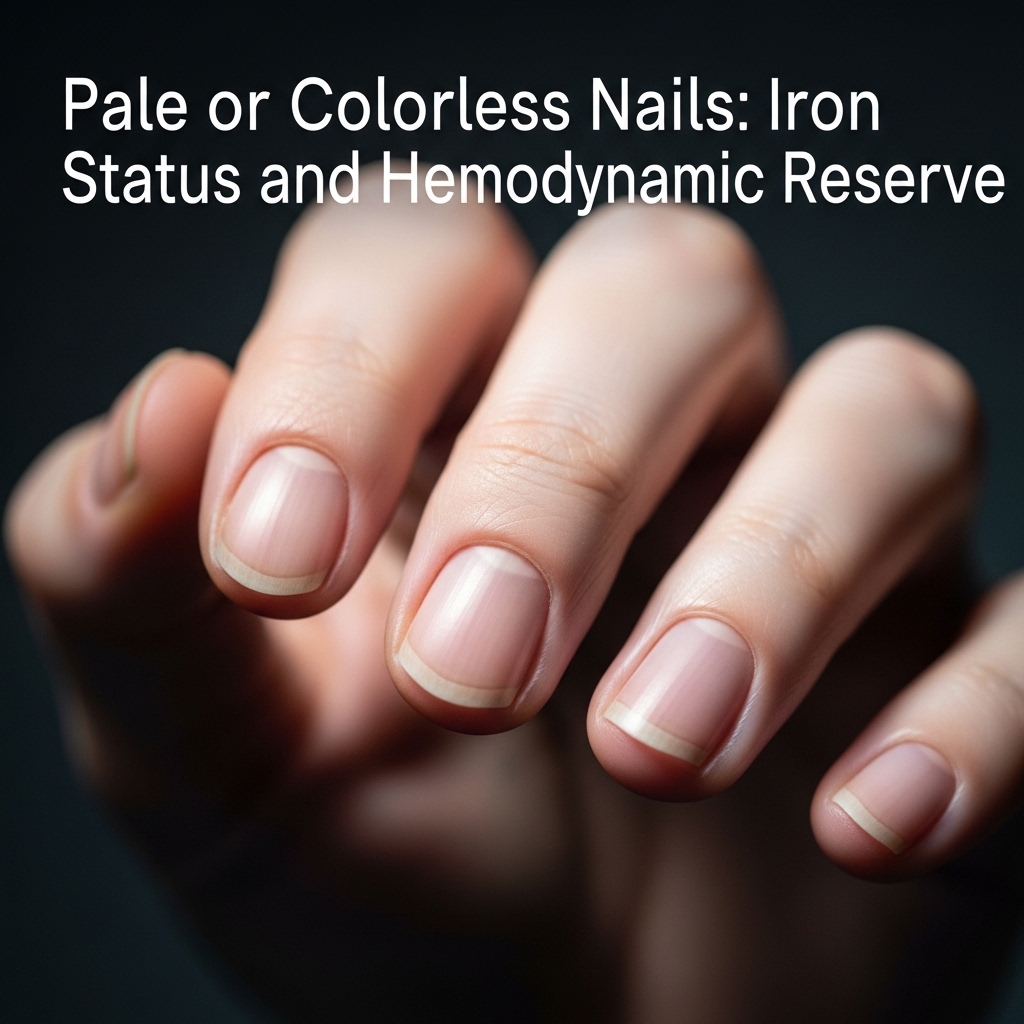
Abnormally pale nails rank among the most accessible visual signs of anemia. Iron-deficiency anemia reduces hemoglobin and weakens oxygen delivery. Aerobic output, mental function, and recovery all decline as a result. Koilonychia — spoon-shaped nails with pallor — marks significant iron deficiency.
Framingham Heart Study data links even mild deficiency — ferritin below 30 ng/mL — to lower exercise tolerance, poor temperature control, and slower mental processing.
For executives under pressure, the iron-cognition link is real. Ferritin in the lower-normal range correlates with drops in working memory and sustained attention — both central to high-stakes decisions.
READ ALSO: Nail Trends to Watch in 2026
Green Nails: Bacterial Colonization and Immune Competency
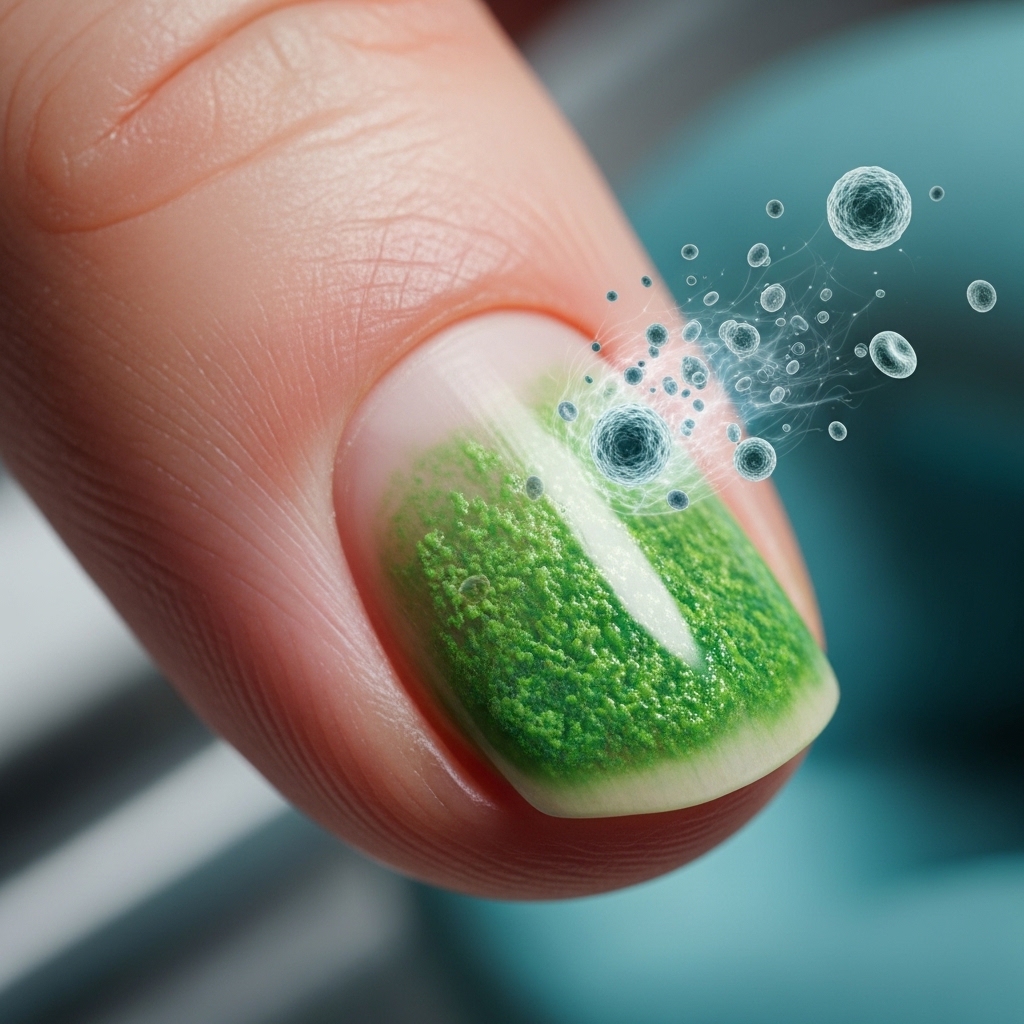
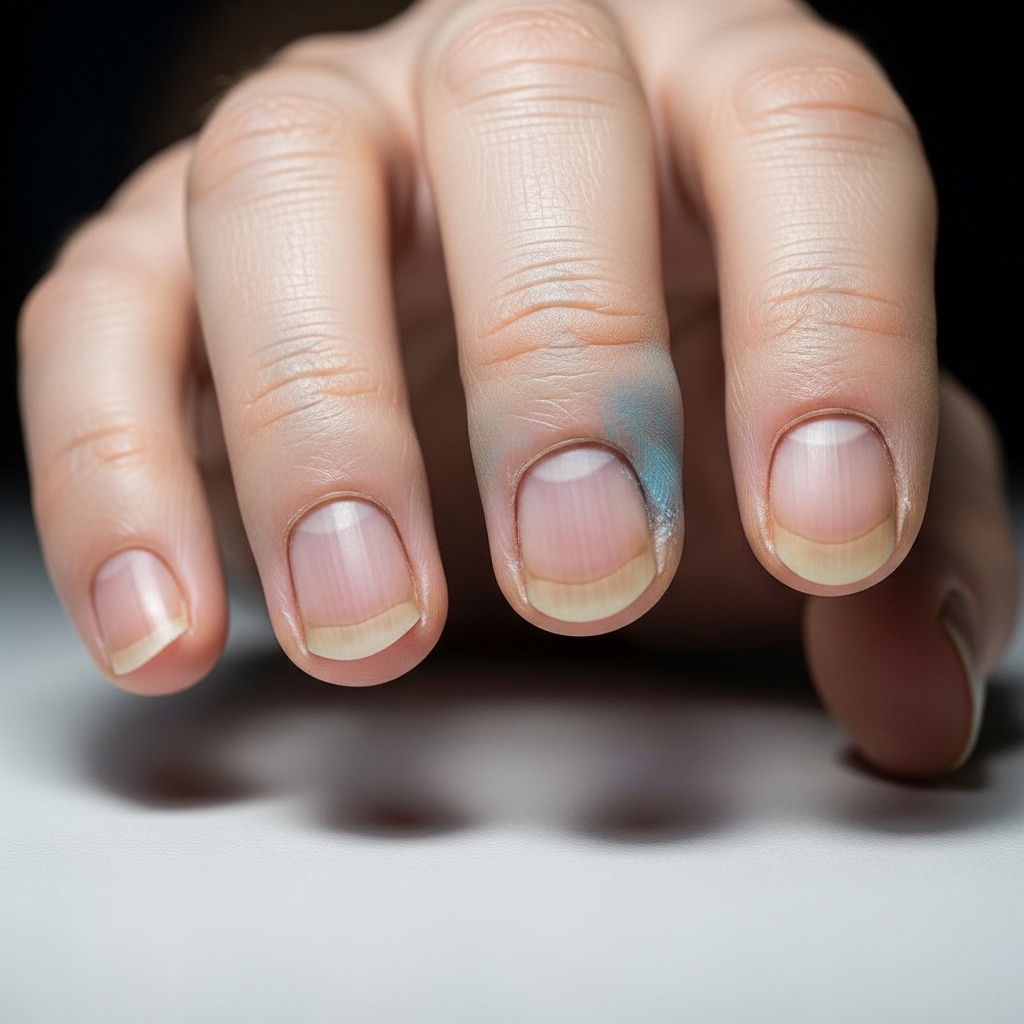
Blue-green color beneath the nail plate or at its edges typically signals Pseudomonas aeruginosa. This bacterium produces pyocyanin, the pigment behind the color.
It most often takes hold in nails weakened by moisture, trauma, or prior fungal infection. Its relevance extends beyond skin health. Pseudomonas in otherwise healthy adults raises questions about local immune function.
Executives with heavy travel, poor sleep, and chronic stress already face reduced innate immunity. Even opportunistic infections, therefore, serve as immune indicators worth noting.
READ ALSO: Russian Manicure: The Trend You Need to Know
Half-and-Half Nails: Renal Function and Metabolic Aging
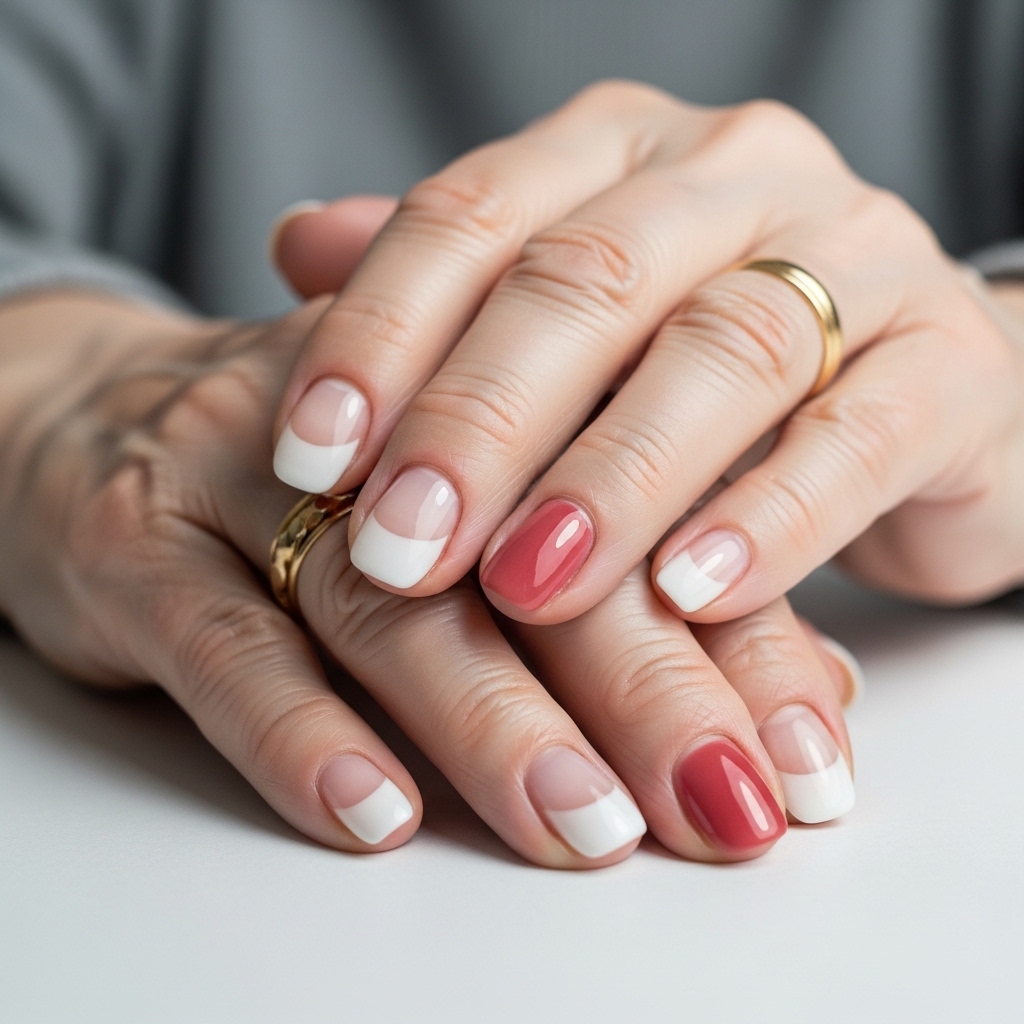
Half-and-half nails — Lindsay's nails — show a white upper half and a brown or pink lower half.
This pattern links strongly to chronic kidney disease and appears in many patients on renal dialysis. The kidney's role in biological aging gets too little attention in performance medicine. Declining filtration rate disrupts hormone production, mineral balance, and waste removal.
Early kidney decline — detectable through creatinine, cystatin C, and eGFR — is a legitimate longevity variable. Lindsay's nails offer a prompt for formal kidney assessment.
READ ALSO: The At-Home Spa Guide – Whole Living Beauty
Clubbing: Chronic Hypoxia and Cardiopulmonary Efficiency
Nail clubbing — bulbous fingertips with a drumstick-like shape — is one of the most significant nail findings in internal medicine. Chronic low oxygen drives it. Linked conditions include pulmonary fibrosis, congenital heart disease, lung cancer, and inflammatory bowel disease.
The Schamroth window test is a simple self-check. Place two matching fingernails back-to-back. Healthy nails show a clear diamond-shaped gap. Clubbing closes it.
Active professionals often assume good heart and lung function. Nevertheless, clubbing develops slowly — over months to years. Its presence warrants lung testing, chest imaging, and oxygen monitoring under effort.
READ ALSO: Autumn Colors for Nails You’ll Wish You Wore Sooner
Pitting and Ridging: Autoimmune Inflammation and Psoriatic Disease Burden
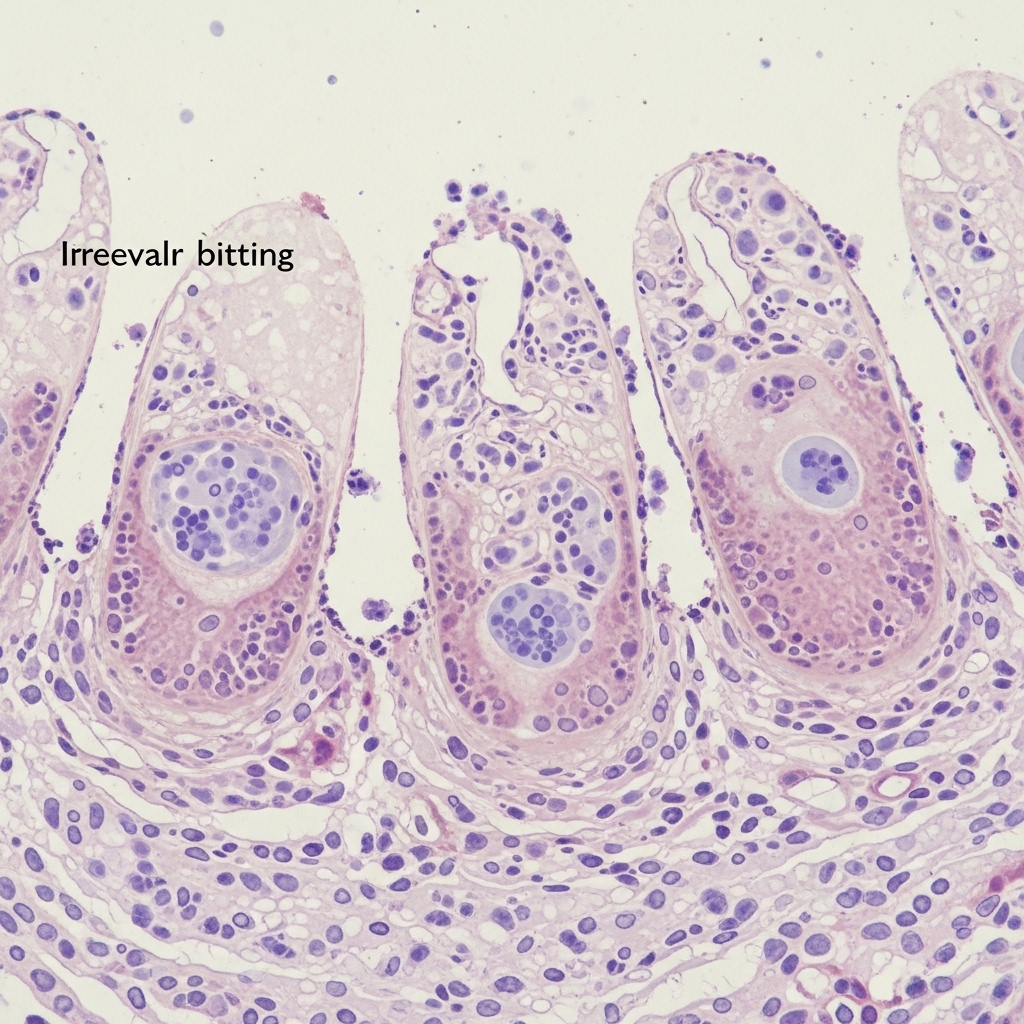
Nail pits, horizontal ridges (Beau's lines), and vertical ridges each point to different systemic conditions. Nail pitting is the most specific skin sign of psoriatic disease. The National Psoriasis Foundation reports it in over 70% of people with psoriatic arthritis.
Beau's lines mark periods when nail growth stopped due to acute stress. Illness, surgery, chemotherapy, or poor nutrition can each cause them. Multiple Beau's lines across all nails at once record a body-wide event — often before the person recognized how severe the stress was.
Vertical ridging is common with aging but speeds up with nutritional gaps, chronic dehydration, and oxidative stress — each with clear intervention paths.
READ ALSO: Best Cuticle Oil for Healthy Nails
Translating Nail Signals Into Evidence-Based Action
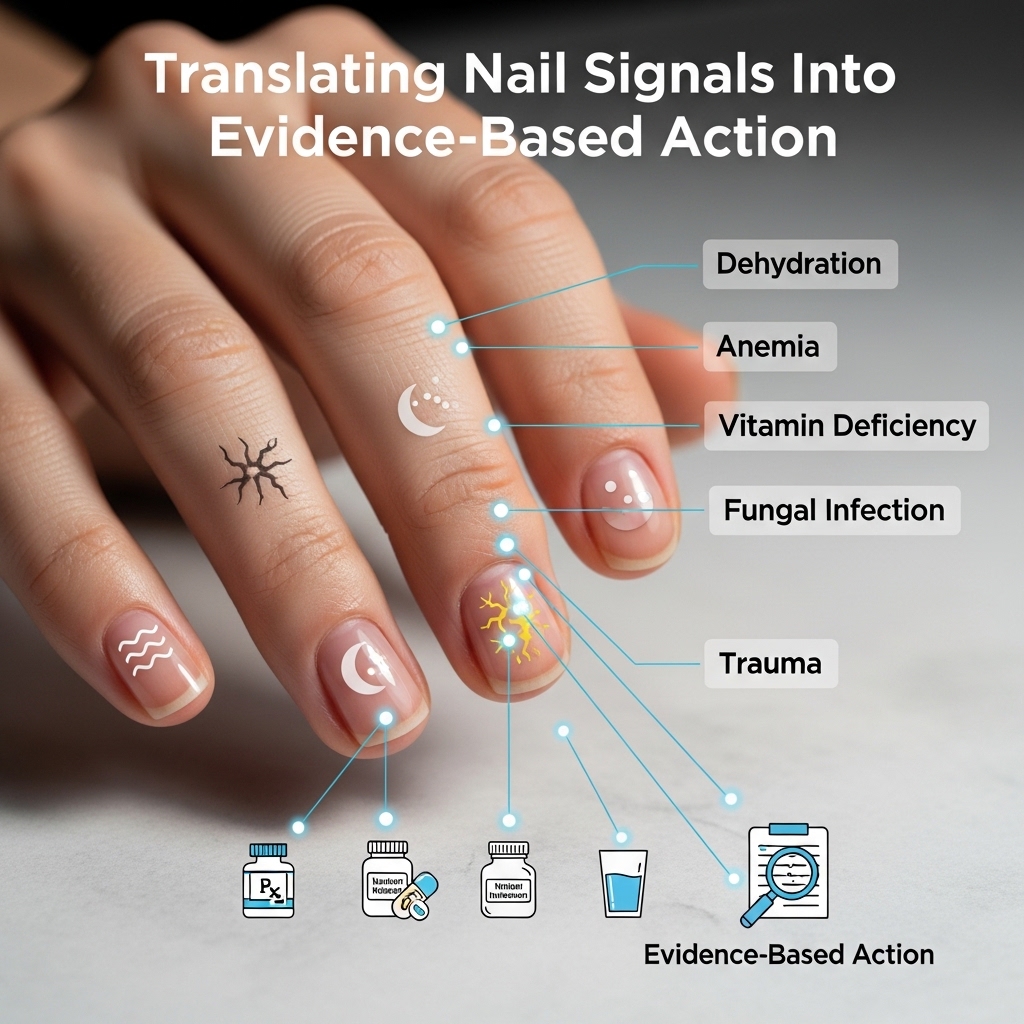
The evidence supports a structured, tiered approach. The first tier is regular observation — photographing all ten nails monthly and noting color, shape, and texture changes.
The second tier is targeted bloodwork: relevant panels — ferritin, albumin, liver enzymes, eGFR, CRP, cystatin C, and CBC — confirm or rule out deeper issues. The third tier is specialist referral when findings persist: a dermatologist, rheumatologist, or internist can resolve uncertainty through biopsy, culture, or imaging.
For professionals already using longevity tools — glucose monitors, HRV tracking, or biological age panels — nail assessment adds a cost-free daily data point with zero friction.
UP NEXT: Summer Nails 2026: Hot Colors and Designs
Persistent nail color changes linked to iron deficiency, liver stress, or chronic inflammation correlate directly with faster biological aging. Inflammatory burden alone links to telomere shortening and mitochondrial breakdown — pushing biological age ahead of chronological age. WholeLiving's Biological Age Estimation Model incorporates this factor directly — your assessment takes under five minutes.
Ready to understand how these factors are influencing your biological age right now? [Take the Biological Age Assessment →]