

Skin barrier dysfunction is a clinically measurable marker of systemic inflammatory load. It is also one that compounds with age, chronic stress exposure, and environmental oxidative burden. For professionals in their late thirties through fifties, transepidermal water loss and declining ceramide production accelerate visible aging. Additionally, these factors compromise the skin's primary immunological function. Selecting a facial toner misaligned with your skin's pH and lipid profile actively disrupts barrier integrity. This triggers low-grade inflammatory signaling with downstream effects on cellular repair. However, a correctly matched toner supports acid mantle preservation, regulates sebum production, and reinforces the structural conditions necessary for long-term dermal resilience. As a result, this can help achieve decelerated epidermal aging.
What the Skin Barrier Actually Does
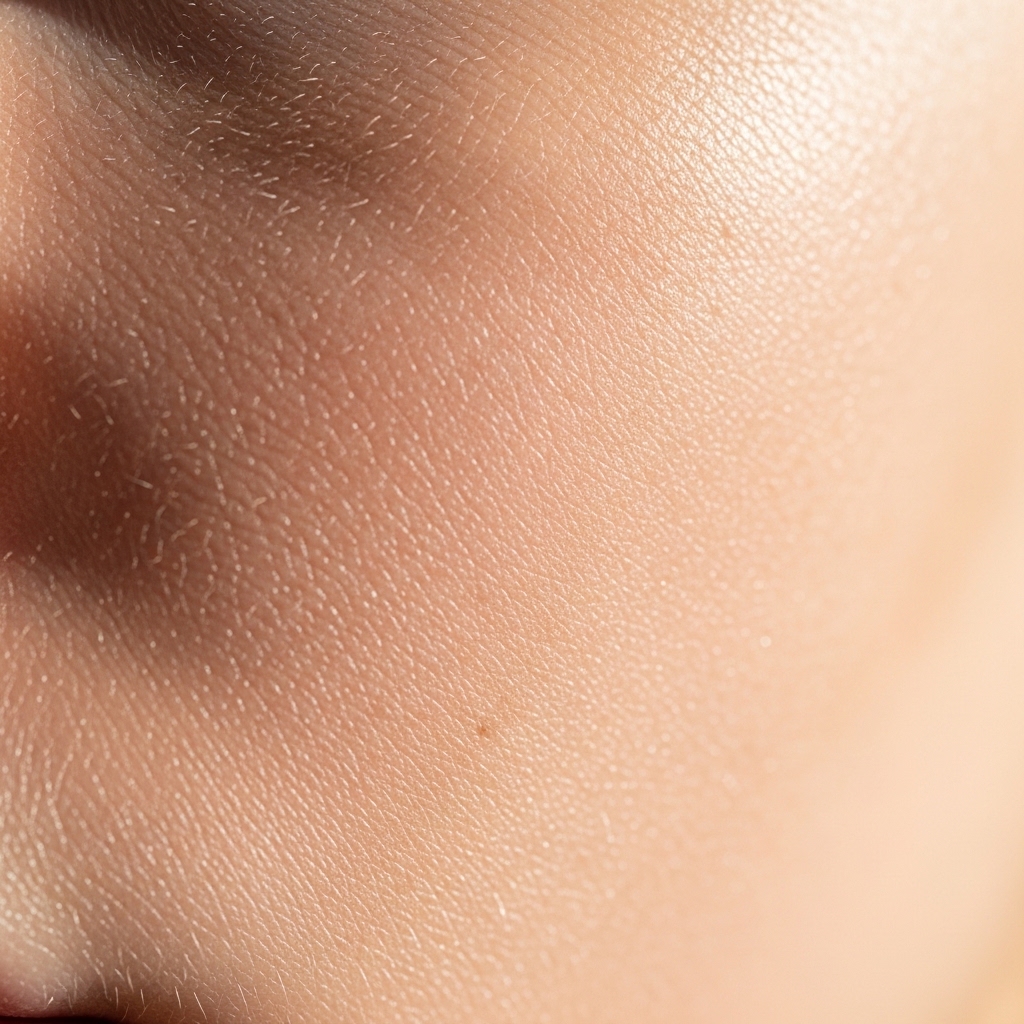
The skin barrier — formally called the stratum corneum — functions as the body's primary interface with the external environment. It regulates transepidermal water loss (TEWL), blocks pathogen entry, and modulates immune signaling. These functions determine whether the skin responds to challenge with inflammation or tolerance. When this barrier operates optimally, the skin maintains hydration, resists irritation, and ages more slowly at the cellular level.
Barrier integrity depends on two structural systems. The first is the lipid matrix — a layered arrangement of ceramides, cholesterol, and fatty acids filling the spaces between skin cells. The second is the acid mantle — a thin film of sebum and sweat that maintains a pH between 4.5 and 5.5. Both systems respond directly to the products applied daily.
Dermatological research has documented that even brief barrier disruption elevates local inflammatory cytokine activity. Repeated disruption — from unsuitable cleansers, environmental exposure, or mismatched topical products — produces chronic low-grade cutaneous inflammation. Over time, this inflammatory burden accelerates visible aging and degrades immunological function.
Understanding the skin barrier as an active physiological system reframes the toner decision entirely. Product selection becomes a question of whether a formulation supports or undermines a system with measurable longevity implications.
The Role of pH in Skin Barrier Maintenance
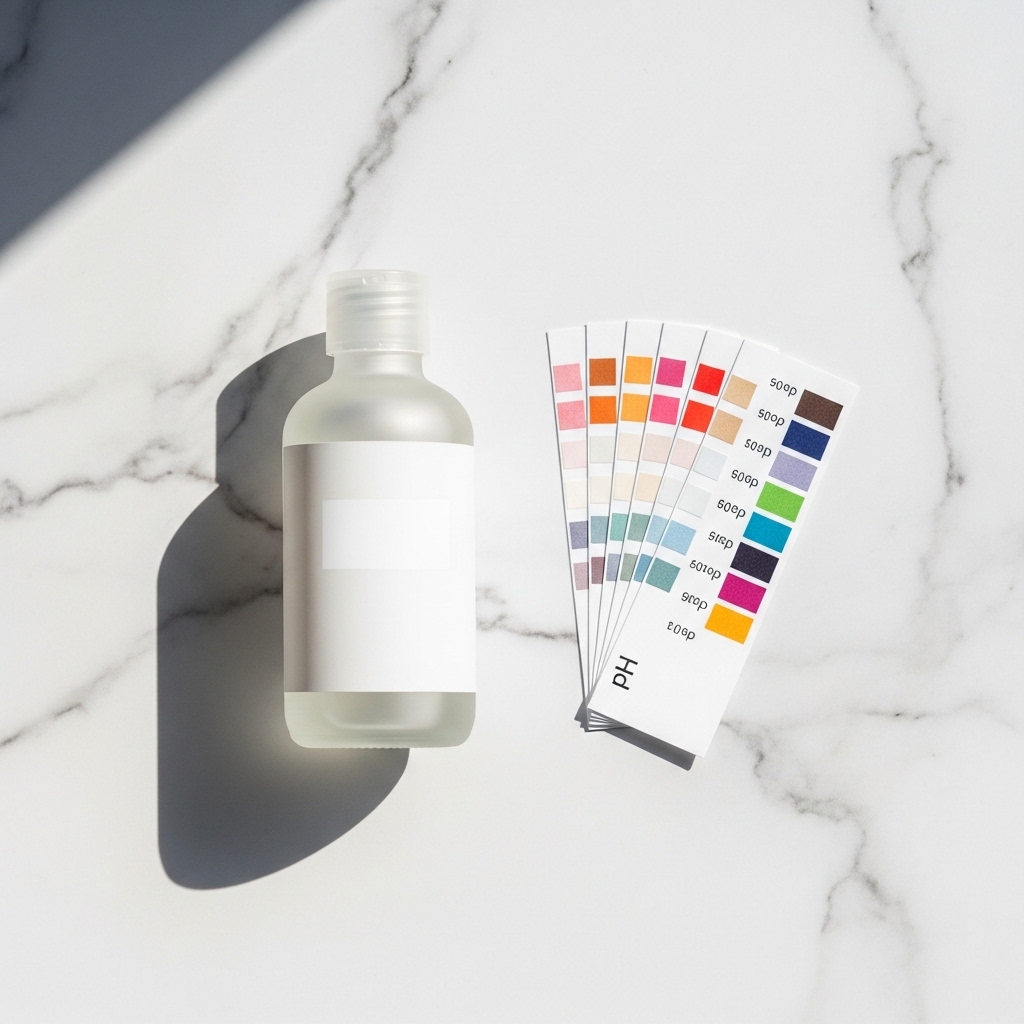
Skin pH is not cosmetic detail. It governs the enzymatic activity that produces ceramides, regulates microbial balance, and determines how effectively the barrier rebuilds after disruption. A healthy skin pH of 4.5 to 5.5 supports the kallikrein serine protease enzymes responsible for natural cell turnover and lipid synthesis — a relationship well-established in the dermatological literature.
When pH rises above this range — as it does after contact with alkaline cleansers or high-pH toners — barrier enzyme function is impaired. Ceramide production slows and TEWL increases. The skin becomes more vulnerable to both irritant and pathogenic exposure. Research in the cosmetic science literature has documented that even temporary pH elevation prolongs barrier recovery time measurably, though the magnitude of this effect varies by individual skin type and baseline barrier status.
Toners interact directly with post-cleansing skin pH. A well-formulated toner either restores or maintains the acid mantle after cleansing. A poorly matched toner — too alkaline for dry skin or too acidic for a compromised barrier — amplifies the disruption that cleansing initiates rather than correcting it.
This pH dynamic explains why toner selection cannot be separated from the cleansing protocol. The two steps function as a system. Optimizing one while ignoring the other produces incomplete barrier support at best and compounding disruption at worst.
How Skin Type Determines Toner Requirements
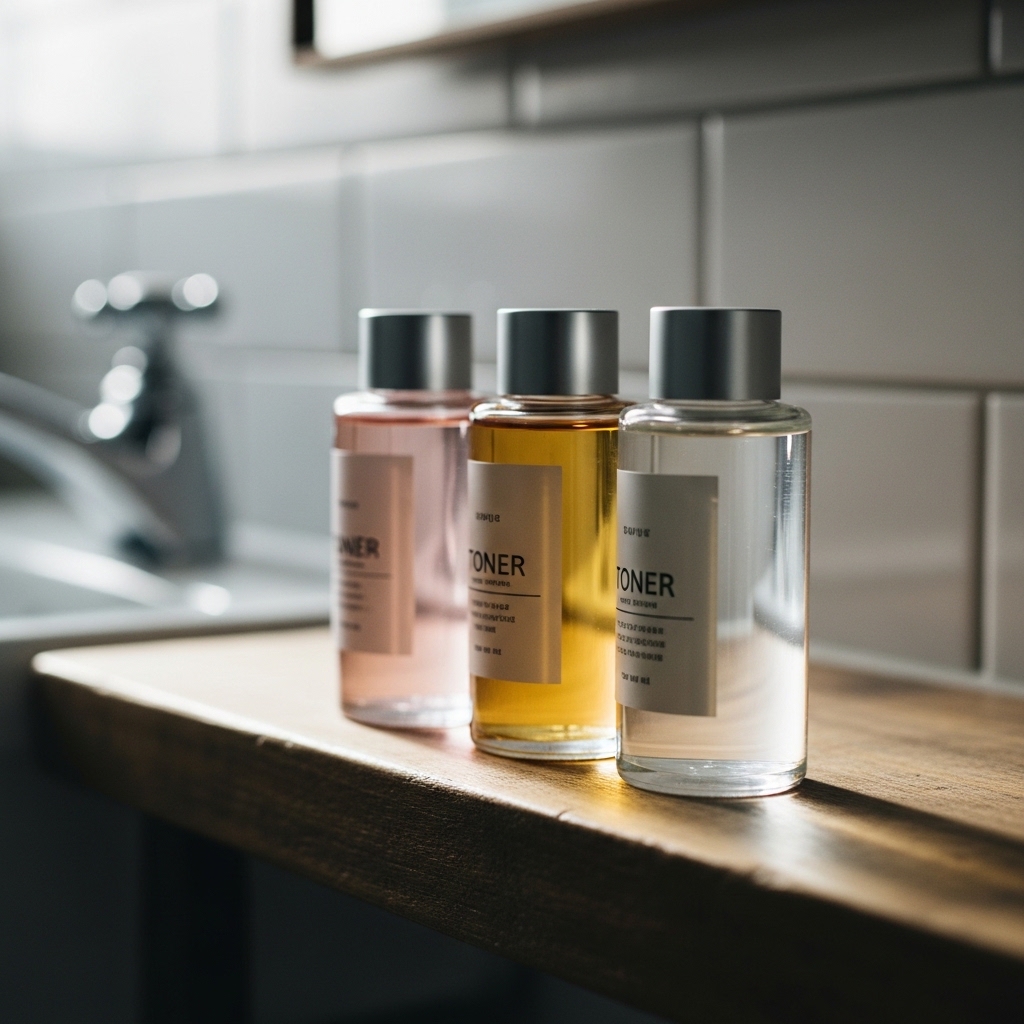
Skin type is not a marketing category. It reflects the underlying physiology of sebaceous gland activity, ceramide concentration, water-holding capacity, and inflammatory sensitivity. Each of these variables responds differently to topical ingredients. Toner formulations vary significantly in how they interact with each skin profile.
Oily skin produces excess sebum and maintains higher natural hydration. It is, however, more prone to follicular occlusion and surface pH disruption. This skin type generally tolerates mild chemical exfoliants — such as low-concentration salicylic acid or glycolic acid — that dissolve excess sebum and support cell turnover without stripping barrier lipids.
Dry skin, by contrast, produces insufficient sebum and maintains lower ceramide concentrations. It requires toners that deliver humectant and emollient support — ingredients such as glycerin, hyaluronic acid, and panthenol. These draw water into the stratum corneum and reduce TEWL. Exfoliating acids in this context accelerate moisture loss and compromise already-reduced barrier function.
Sensitive and barrier-compromised skin presents the most significant formulation challenge. These skin types exhibit heightened inflammatory reactivity and reduced tolerance for active ingredients. Toners for sensitive skin should focus exclusively on barrier reinforcement — pH correction, ceramide support, and anti-inflammatory botanical actives — while avoiding all forms of chemical exfoliation.
READ ALSO: Best Makeup Toner To Keep Pores In Check
Ingredients That Support Barrier Function
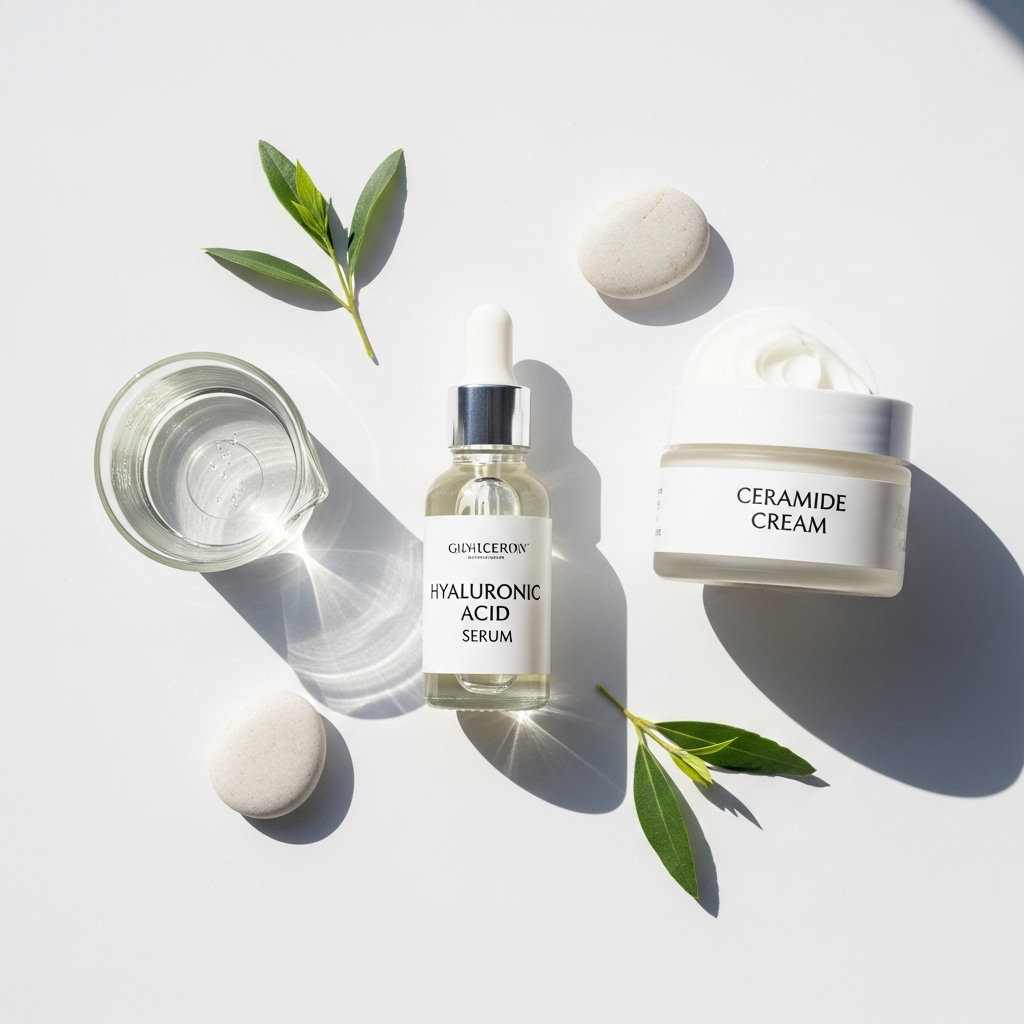
Barrier-supporting toner ingredients fall into three functional categories: humectants, barrier-reinforcing lipids, and anti-inflammatory actives. Each category addresses a distinct aspect of skin barrier physiology. Effective formulations typically combine representatives from more than one category.
Humectants draw water from the dermis and environment into the stratum corneum. Glycerin is the most extensively researched humectant in dermatology. Peer-reviewed literature consistently documents its capacity to increase skin hydration, reduce TEWL, and support barrier recovery following disruption. Hyaluronic acid functions similarly, with particular efficacy at low molecular weights that allow deeper epidermal penetration.
Barrier-reinforcing lipids — particularly ceramides and fatty acids — directly replenish the structural components that chronic disruption depletes. Toners containing ceramide NP, ceramide AP, or ceramide EOP support the lipid matrix in ways that humectants alone cannot achieve. These ingredients work most effectively at skin-compatible pH levels.
Anti-inflammatory actives including niacinamide, centella asiatica, and bisabolol reduce the local cytokine activity that barrier disruption triggers. Niacinamide has been documented in multiple peer-reviewed studies to reduce TEWL, improve barrier recovery speed, and attenuate sebum production in oily skin. This makes it one of the few topical ingredients with demonstrated cross-skin-type utility.
Ingredients That Compromise Barrier Function
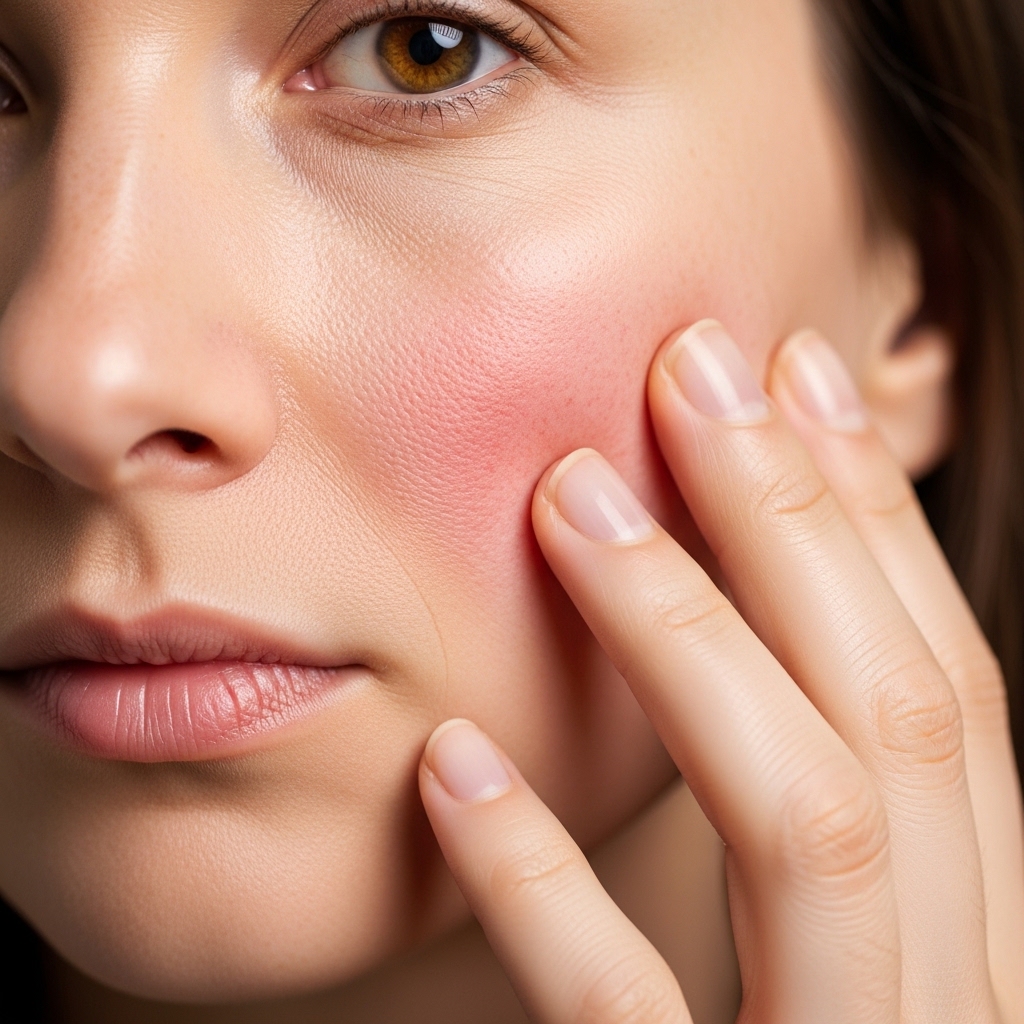
Not all common toner ingredients support barrier integrity. Some widely marketed components actively disrupt the structural and immunological systems that healthy skin depends upon. Understanding which ingredients cause harm — and through which mechanisms — guides more precise product selection.
Alcohol denat — denatured alcohol — appears in a significant proportion of commercial toners. It typically functions as a vehicle for active ingredients or as an astringent agent. It disrupts the lipid matrix directly, increases TEWL measurably, and impairs ceramide synthesis with repeated use. Its immediate mattifying effect on oily skin creates a misleading impression of efficacy while causing underlying barrier damage.
Fragrance — both synthetic and natural — is among the most common causes of contact dermatitis in topical skincare products, consistently identified as a leading allergen in patch-test studies. Fragrance compounds activate cutaneous immune receptors and trigger inflammatory cascades. Many professionals apply fragranced toners daily without attributing barrier sensitivity or chronic redness to this ingredient. That misattribution compounds over time.
High concentrations of exfoliating acids — including glycolic, lactic, and mandelic acid — damage the barrier when applied without appropriate formulation context or skin type matching. These ingredients serve legitimate functions in oily skin when correctly formulated. Applied daily to dry or sensitive skin, however, they accelerate the very barrier degradation they are sometimes marketed to address.
Toners and the Inflammatory Aging Connection
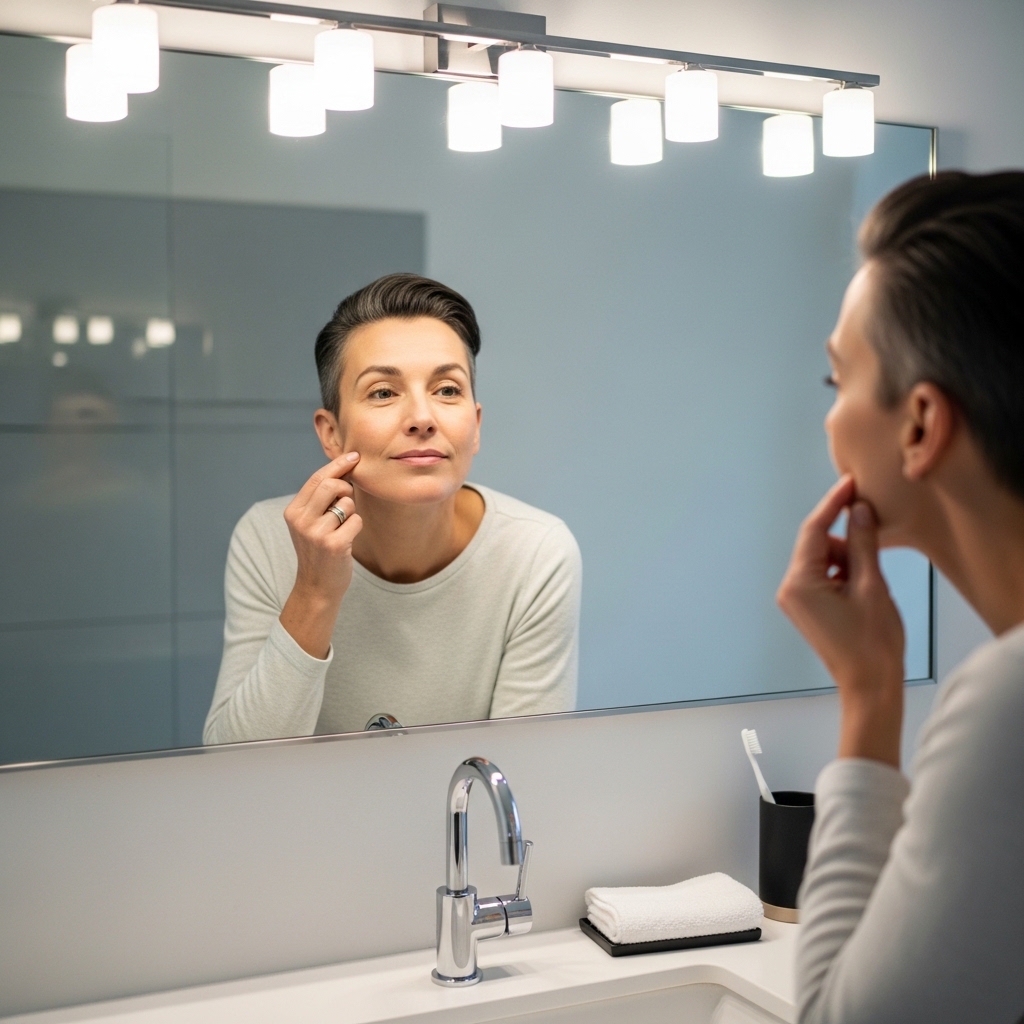
Cutaneous inflammation and systemic aging share overlapping biological mechanisms. Research in the field of inflammaging — the chronic low-grade inflammatory state associated with biological age advancement — has identified the skin as both a site and a signal of this process. Persistent barrier dysfunction contributes to the cytokine environment that accelerates cellular aging beyond the skin itself.
Skin barrier research has documented associations between barrier impairment and elevated pro-inflammatory cytokines — including interleukin-1 alpha — in both cutaneous and circulating measurements. The skin is not the primary driver of systemic inflammatory load. Its contribution is, however, not negligible — particularly when barrier disruption is chronic and widespread.
For professionals in the 35 to 60 age range, this connection carries clinical relevance. This demographic already faces age-related decline in ceramide production and barrier recovery speed. Daily application of barrier-disrupting products compounds this natural trajectory. Consistent use of barrier-supporting formulations, conversely, may attenuate the pace of both cutaneous and adjacent systemic inflammatory burden, though long-term controlled trial evidence in this specific population remains limited.
Toner selection therefore participates in a broader inflammation management strategy. It does not replace systemic interventions — nutrition, sleep, and stress physiology all exert larger effects on inflammatory load. It does, however, operate as a daily modifiable variable that either adds to or subtracts from cumulative barrier stress.
READ ALSO: How Facial Cleansing Protocols Affect Skin Barrier Health and Biological Age
Exfoliating Toners: Clinical Utility and Appropriate Use
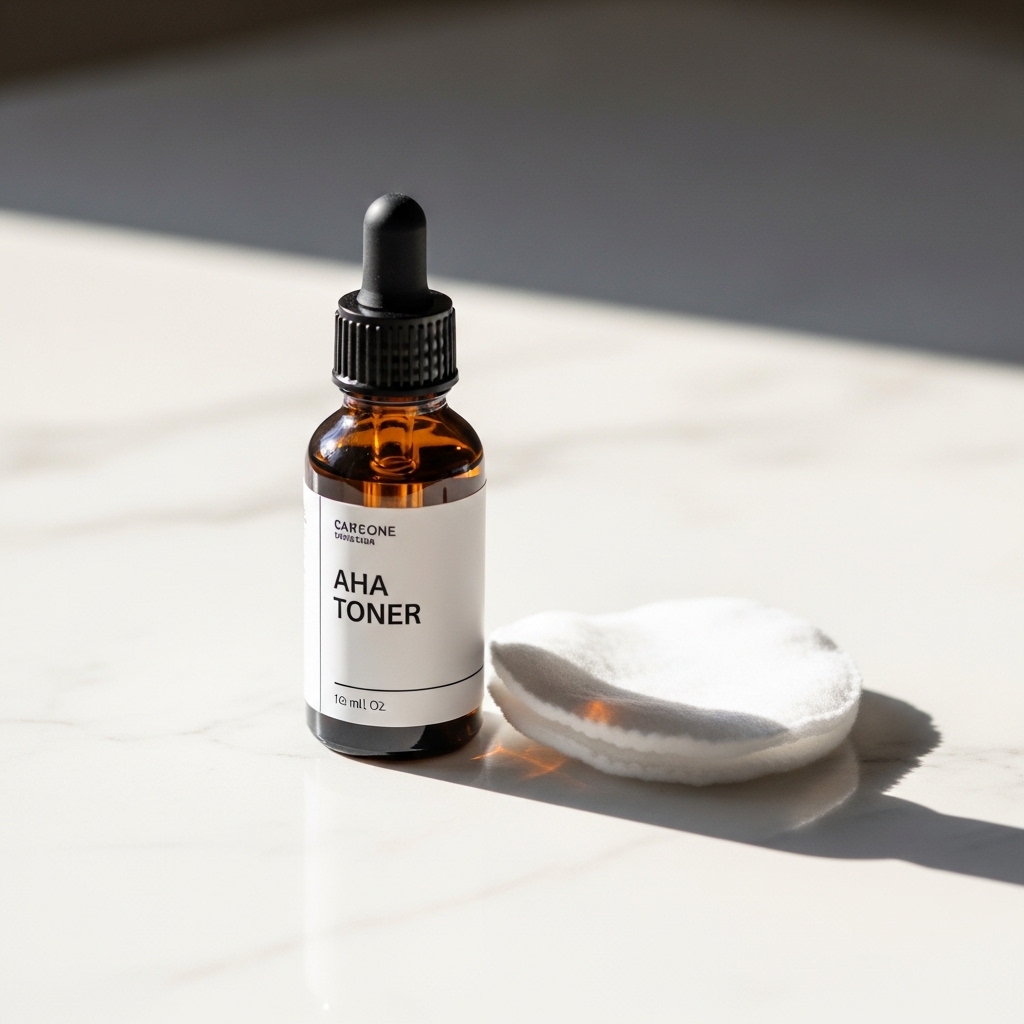
Chemical exfoliation serves a legitimate dermatological function. Alpha-hydroxy acids (AHAs) such as glycolic and lactic acid dissolve the bonds between dead skin cells. They accelerate turnover and improve surface texture, hyperpigmentation, and comedone clearance. Beta-hydroxy acids (BHAs) such as salicylic acid penetrate follicles and dissolve sebaceous debris — making them specifically effective for oily and acne-prone skin types.
The clinical utility of exfoliating toners, however, depends entirely on appropriate use parameters. Concentration, formulation pH, application frequency, and skin type compatibility all determine outcome. Low-concentration AHAs at pH 3.5 to 4.0, applied two to three times weekly to oily or combination skin, support barrier function through accelerated turnover. The same formulation applied daily to dry or sensitive skin compromises it.
Peer-reviewed dermatological research has documented associations between appropriate AHA use and improvements in dermal collagen density and epidermal thickness over time — both markers of biological skin age. These outcomes depend on consistent, correctly matched application. Overuse or misapplication produces the opposite: thinned epidermis, chronic barrier disruption, and accelerated visible aging.
The practical distinction is between exfoliation as periodic support for a healthy barrier and exfoliation as a daily intervention on a compromised one. The first approach produces documented benefit. The second produces documented harm.
The Microbiome Dimension
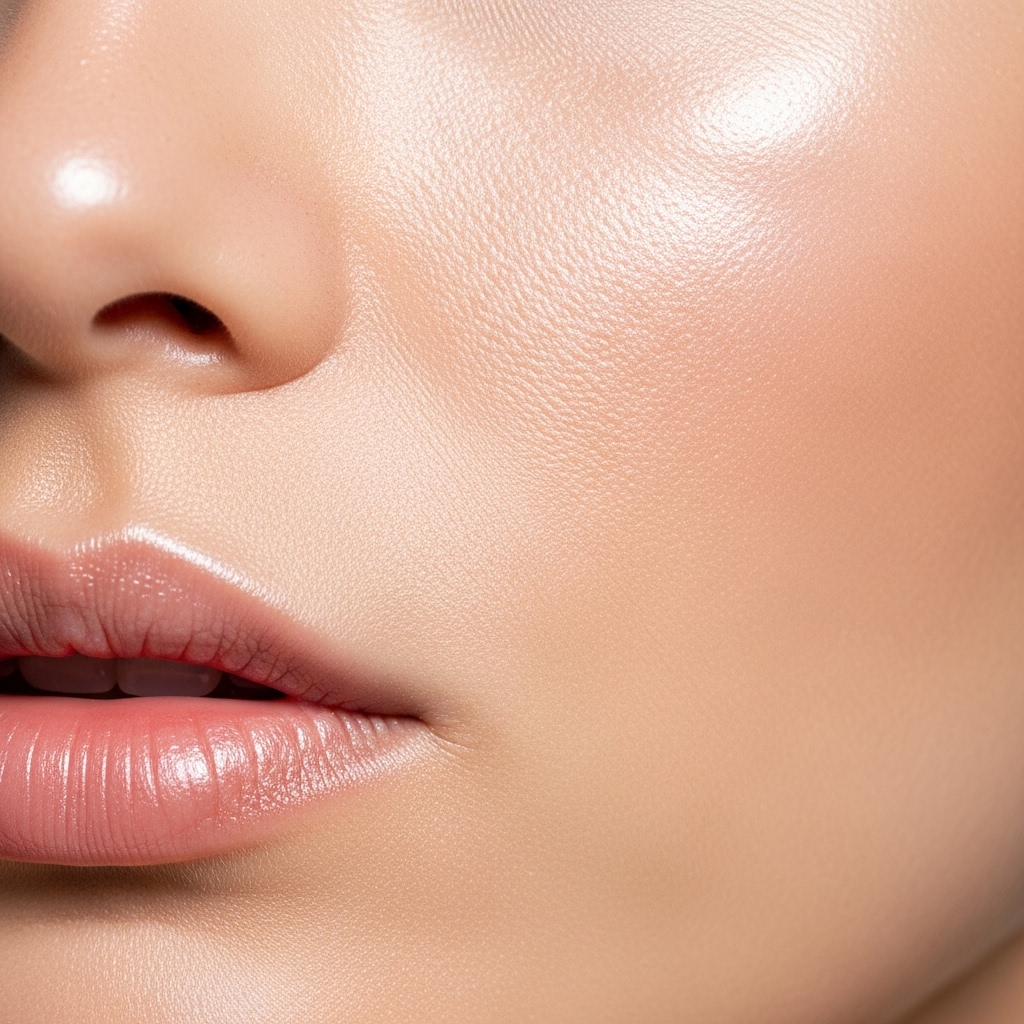
The skin hosts a complex microbial ecosystem — the cutaneous microbiome — that plays an active role in barrier defense, immune calibration, and pH regulation. Disrupting this ecosystem with inappropriate topical products produces consequences that extend well beyond surface irritation. The immunological function of the barrier itself is affected.
Commensal bacteria — particularly Staphylococcus epidermidis — produce antimicrobial peptides that reinforce barrier integrity and suppress pathogenic microbial growth. The broader skin microbiome community also contributes short-chain fatty acids and other metabolites that support barrier function. Alcohol-containing toners, high-pH formulations, and broad-spectrum antimicrobial ingredients deplete these beneficial populations, creating microbial imbalance that increases inflammatory reactivity.
Research in dermatological microbiology has documented associations between microbiome disruption and conditions including acne, rosacea, atopic dermatitis, and perioral dermatitis. Many of these conditions are triggered or worsened by daily product use rather than environmental factors alone. Toner selection directly influences microbiome composition through its pH effects and ingredient profile.
Some formulations incorporate prebiotic ingredients — such as inulin or fructooligosaccharides — with the aim of supporting commensal bacterial populations. The topical prebiotic evidence base is less mature than the broader microbiome literature, and these ingredients should be understood as promising rather than definitively established in their efficacy.
READ ALSO: Dry Skin Moisturizer Tips for Soft, Nourished Skin
Biological Age and Skin Barrier Trajectory

Skin aging is not merely cosmetic. It reflects the accumulated biological processes — oxidative stress, glycation, collagen cross-linking, and mitochondrial dysfunction — that characterize systemic biological aging. Research on mitochondrial involvement in skin aging is active but less established than the other mechanisms listed; it should be understood as an emerging rather than confirmed contributor. The skin expresses these processes visibly, making it a surface-level indicator of deeper physiological age trajectories.
Barrier function declines measurably with biological age. Ceramide production decreases, TEWL increases, and post-disruption recovery slows. UV exposure, chronic stress, and poor sleep quality all accelerate these changes. Daily use of barrier-disrupting topical products adds a further modifiable accelerant to this trajectory.
The mechanistic rationale for consistent barrier support — through appropriate moisturization, pH maintenance, and avoidance of disruptive ingredients — is well-grounded in dermatological research. Whether this consistently slows the measurable decline in barrier function associated with chronological aging has biological plausibility, though it has not been definitively confirmed in long-term controlled trials across the relevant age groups.
For professionals focused on longevity variables, this positions toner selection within a broader biological age management framework. The decision made daily at the skin surface either supports or accelerates a trajectory that connects to systemic aging processes.
Building a Toner Protocol by Skin Type
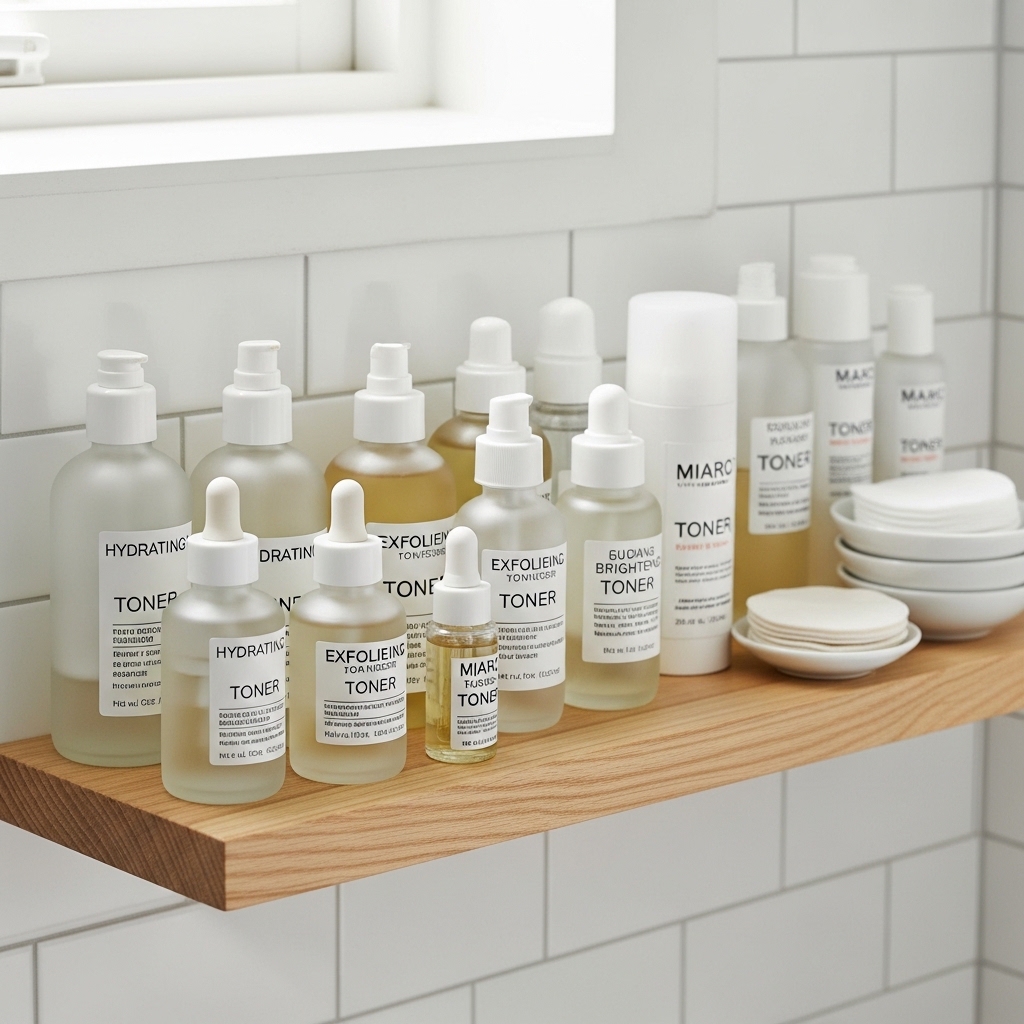
A toner protocol requires matching formulation to skin type, cleansing method, and the active ingredients that follow in the skincare sequence. Toners do not function in isolation. They prepare the skin surface for subsequent product absorption and either reinforce or undermine the efficacy of what follows.
For oily and combination skin, a low-concentration BHA or AHA toner applied on alternate evenings supports sebum regulation and cell turnover. On intervening days, a hydrating toner containing glycerin and niacinamide restores surface hydration and maintains pH balance. This alternating protocol delivers exfoliation benefit while preserving the barrier integrity that daily acid use would compromise.
For dry and normal skin, a hydrating toner containing glycerin, hyaluronic acid, and ceramide-supporting ingredients — applied morning and evening — supports TEWL reduction and barrier reinforcement without introducing exfoliation risk. These skin types rarely benefit from acid toners as a daily practice. They respond more consistently to barrier-building formulation strategies.
For sensitive and barrier-compromised skin, the evidence most strongly supports a simplified protocol. A single fragrance-free, alcohol-free hydrating toner focused on pH correction and humectant delivery addresses the primary need. Active ingredients and exfoliants should be introduced only after barrier function has stabilized, and under the guidance of a dermatologist familiar with barrier repair protocols.
Evidence-Based Options for Toner Selection
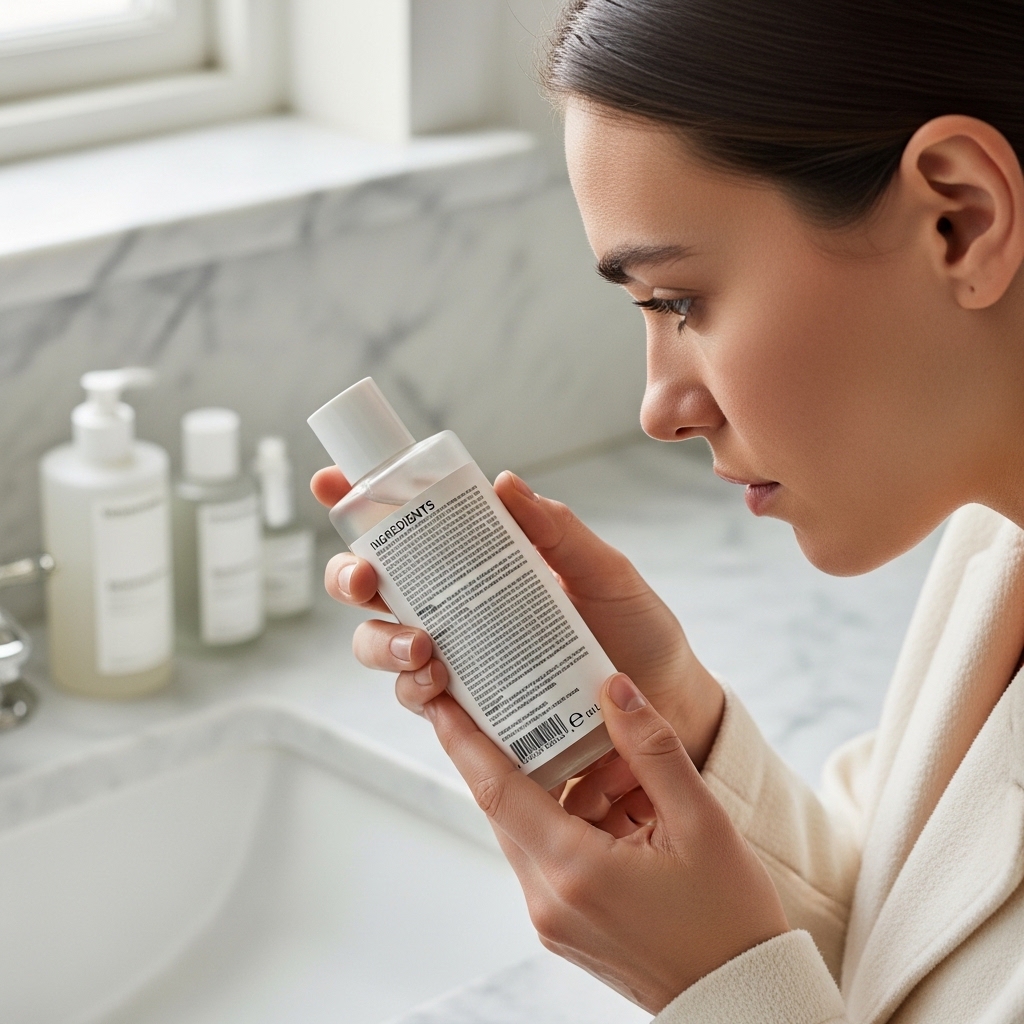
The evidence reviewed here supports several options professionals may consider when evaluating or revising their toner protocol. Checking the pH of a current toner against the skin-compatible range of 4.5 to 5.5 — using inexpensive pH strips — represents a practical first step. Reviewing ingredient lists for alcohol denat, synthetic fragrance, and high-concentration acids identifies barrier-disrupting variables directly. Cross-referencing skin type with formulation category — humectant-focused for dry skin, BHA or low-AHA for oily skin, fragrance-free barrier support for sensitive skin — provides a functional evaluation framework. For professionals experiencing chronic barrier symptoms such as persistent redness, sensitivity, or TEWL-related dryness, consultation with a board-certified dermatologist offers access to evidence-based repair protocols beyond what over-the-counter formulations achieve. These are evidence-based options, not prescriptions; individual skin physiology varies and professional assessment remains the most precise available tool.
UP NEXT: Body Wash for Slowing Down in a Fast Morning
Chronic skin barrier dysfunction elevates circulating pro-inflammatory cytokines — including interleukin-1 alpha — contributing to the systemic inflammatory load that research in the Inflammaging field directly associates with accelerated biological age advancement and degraded cellular repair capacity. WholeLiving's Biological Age Estimation Model incorporates this factor directly — your assessment takes under five minutes.
Ready to understand how these factors are influencing your biological age right now? [Take the Biological Age Assessment →]