
Chronic reliance on restaurant meals and ultra-processed convenience food is measurably accelerating biological age in high-performing professionals — not through occasional indulgence, but through cumulative dietary patterns that suppress anabolic recovery, elevate fasting insulin, and sustain low-grade systemic inflammation. For executives and founders operating under sustained cognitive and physiological demand, evening nutrition represents a critical recovery window that most are systematically mismanaging. Cheap home dinner ideas, when constructed around whole-food macronutrient principles, offer a direct and evidence-supported intervention — one that protects lean muscle mass, stabilizes evening cortisol, and reinforces the metabolic foundation that long-term performance depends on.
The Evening Meal as a Metabolic Event

Professionals who skip dinner preparation pay a real physiological cost. Defaulting to delivery apps or packaged food disrupts overnight metabolic activity, hormonal cycling, and cellular repair. In turn, these disruptions reduce recovery quality and erode long-term tissue health. For individuals sustaining high cognitive and physical output, dinner is a biochemical input. It directly shapes next-day performance, inflammatory load, and body composition.
Research from Harvard T.H. Chan School of Public Health consistently links whole-food diets with reduced all-cause mortality and lower metabolic disease risk. Crucially, these outcomes do not require high food spending. The financial barrier to a performance-supporting dinner is smaller than most professionals assume. The real obstacle is the absence of a repeatable system that demands minimal mental effort.
Cheap home dinner ideas, viewed through a clinical lens, close the gap between dietary intention and actual behavior. Moreover, home preparation from low-cost whole ingredients delivers nutritional control that no restaurant meal — at any price — can reliably match.
READ ALSO: Dinner Compositions Clinically Linked to Reduced Inflammatory Markers and Extended Healthspan in High-Performers
Protein Adequacy and Muscle Preservation After 35

Skeletal muscle mass declines at 3 to 8 percent per decade from around age 30. This process — sarcopenia — accelerates under chronic stress, poor sleep, and low dietary protein. For professionals in their late thirties through late fifties, preserving lean tissue is a functional longevity variable. It directly affects insulin sensitivity, resting metabolic rate, and physical resilience. Furthermore, the evening meal is a critical protein delivery window, especially after sedentary or high-stress days.
Research in the Journal of Nutrition shows that 25 to 40 grams of high-quality protein per meal optimizes anabolic signaling in adults over 35. Importantly, meeting this threshold at dinner does not require expensive proteins. Canned sardines, eggs, legumes, canned tuna, and chicken thighs all meet or approach this target. Each costs a fraction of a restaurant equivalent.
Practical cheap home dinner ideas built on these protein anchors include sardines on whole grain toast with a green salad, lentil soup with a poached egg, and spiced chickpea stew over brown rice. Each meal takes under 30 minutes. Each delivers adequate protein for muscle preservation. And each costs less per serving than any equivalent delivery order.
Inflammatory Load and the Processed Food Penalty
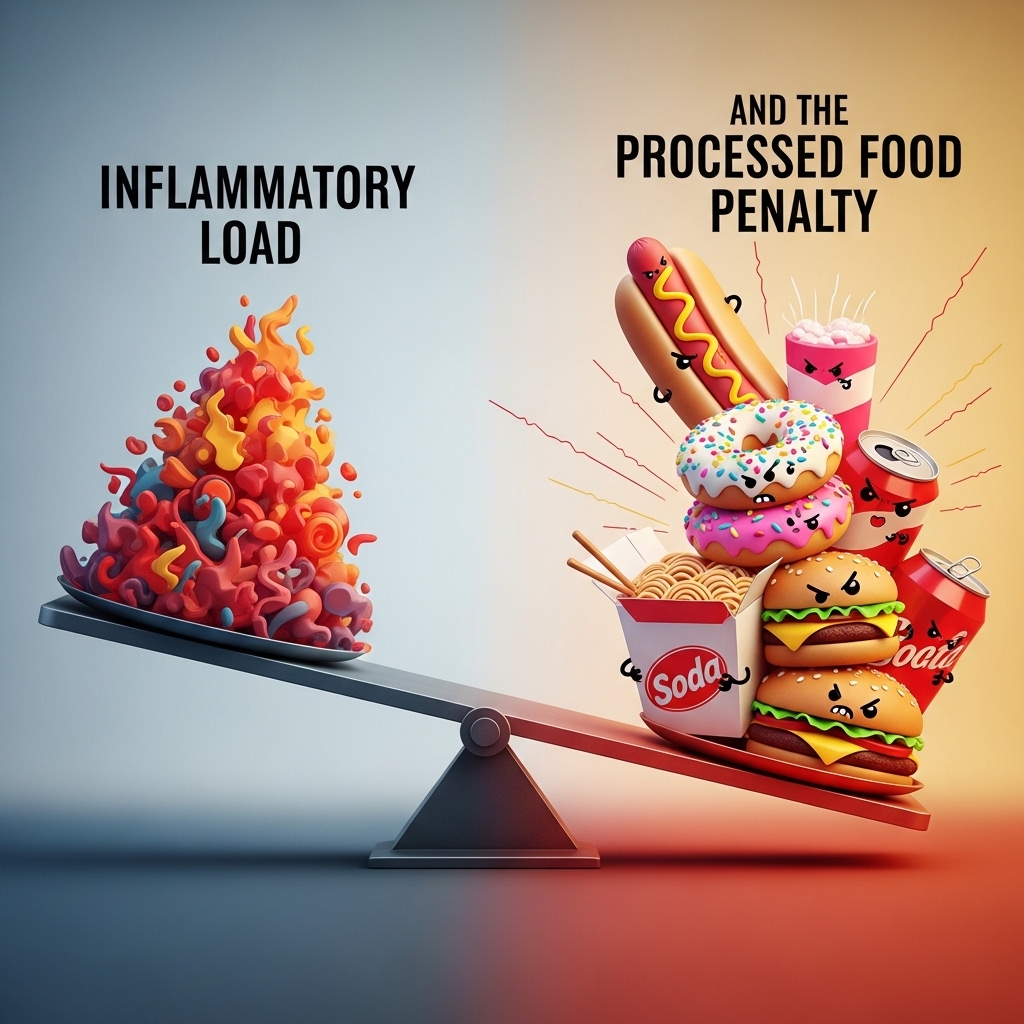
Systemic low-grade inflammation drives cardiovascular disease, cognitive decline, and faster biological aging. Diet substantially shapes this process. A 2019 analysis in The BMJ tracked over 100,000 participants in the French NutriNet-Santé cohort. It found that a 10 percent rise in ultra-processed food consumption linked to a significant increase in cardiovascular disease risk.
Executives who routinely eat restaurant meals and delivery orders rarely account for cumulative inflammatory burden. Commercial food preparation prioritizes taste and shelf life. As a result, it produces meals high in refined seed oils, sodium, added sugars, and emulsifiers. Together, consumed daily, these compounds sustain a pro-inflammatory state. This state disrupts endothelial function, weakens gut barrier integrity, and raises cytokines including interleukin-6 and C-reactive protein.
By contrast, home preparation using whole ingredients eliminates most of this load by default. A dinner of roasted vegetables, olive oil, and a lean protein contains none of the additives found in its restaurant equivalent — and costs less. Therefore, the anti-inflammatory case for cheap home dinner ideas rests on basic ingredient chemistry, not superfoods or supplements.
READ ALSO: Healthy Dinners
Glycemic Management and Evening Insulin Dynamics
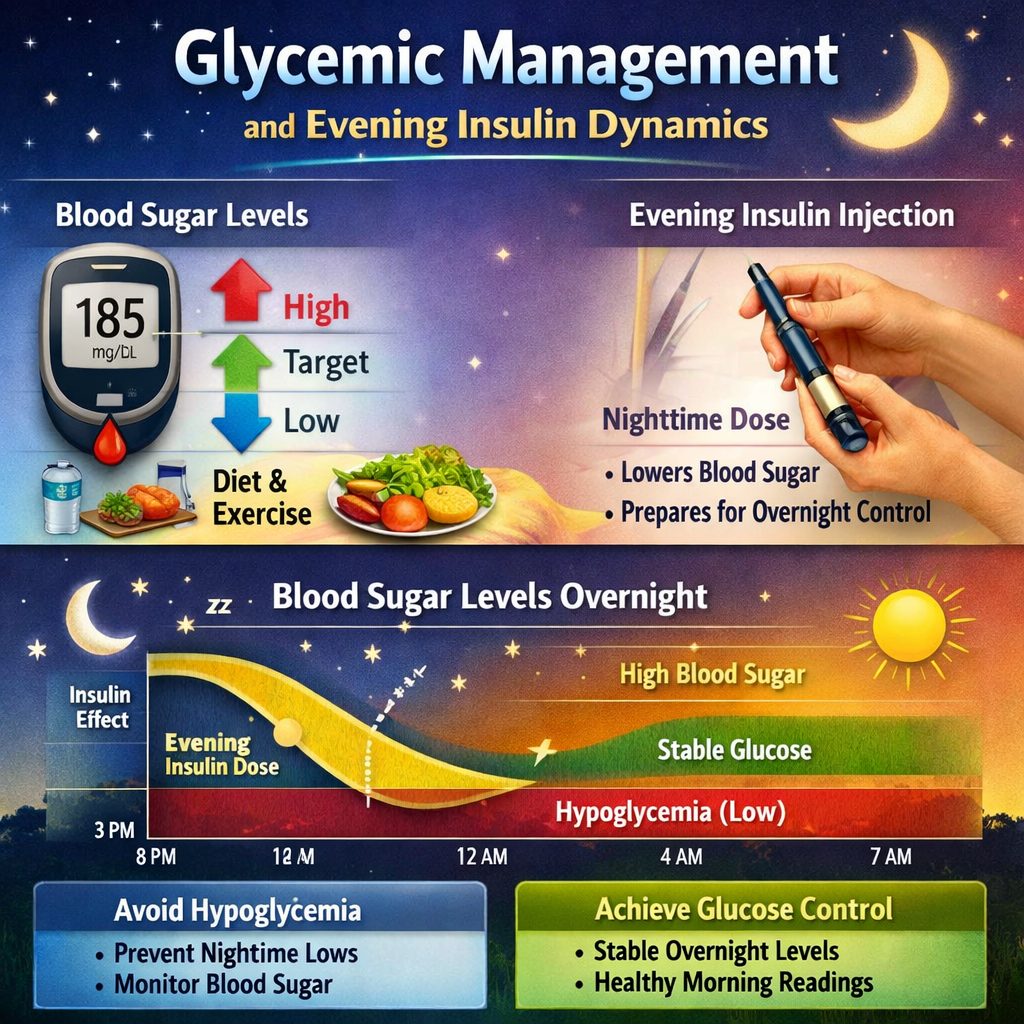
Insulin sensitivity follows a circadian pattern. It declines across the day, which means carbohydrates consumed at dinner produce higher blood sugar responses than the same foods eaten at breakfast. For professionals with any degree of insulin resistance — estimated to affect 40 percent of American adults, many without symptoms — chronically elevated evening glucose creates real harm. It accelerates glycation, disrupts overnight growth hormone release, and impairs sleep quality.
The National Institutes of Health has confirmed that dietary fiber intake inversely associates with fasting insulin and metabolic syndrome markers. Consequently, cheap whole-food dinner ingredients rank among the most effective tools for managing evening blood sugar. Legumes, non-starchy vegetables, whole grains, and resistant starches are high in fiber and low in cost. No specialty food or supplement is required.
In practice, this means choosing lentils over white pasta and brown rice over refined grains. It also means filling half the plate with non-starchy vegetables. A black bean stir-fry over cauliflower rice, or a slow-cooked chickpea and tomato dish with roasted broccoli, delivers a low glycemic load and strong micronutrient content — at a cost competitive with any convenience food.
Sleep Quality, Cortisol Cycling, and Nutritional Inputs

High glycemic evening meals — especially large, late ones — elevate insulin, suppress melatonin onset, and keep core body temperature high. All three effects delay sleep and reduce slow-wave depth. For professionals already carrying elevated evening cortisol from sustained stress, a nutritionally disruptive dinner compounds these barriers further.
Tryptophan — the precursor to serotonin and melatonin — is found in low-cost proteins including turkey, eggs, canned tuna, and pumpkin seeds. Research in the journal Nutrients has linked tryptophan-rich diets to improved sleep efficiency and reduced nighttime wakefulness. No single food acts as a sleep drug. However, a dinner that supports melatonin synthesis, avoids blood sugar swings, and digests efficiently produces a meaningful cumulative effect on sleep quality.
Cheap home dinner ideas aligned with these outcomes include baked eggs with spinach and feta, turkey and vegetable soup, and a grain bowl with pumpkin seeds, roasted sweet potato, and tahini. These meals are anti-inflammatory and moderate in glycemic load. They are also light enough to allow full digestion before sleep — a standard that commercial food options rarely meet at any price.
READ ALSO: Nutrient Dense Vegan Meals for Mindful Eating and Health
Cardiovascular Variables and Dietary Fat Quality
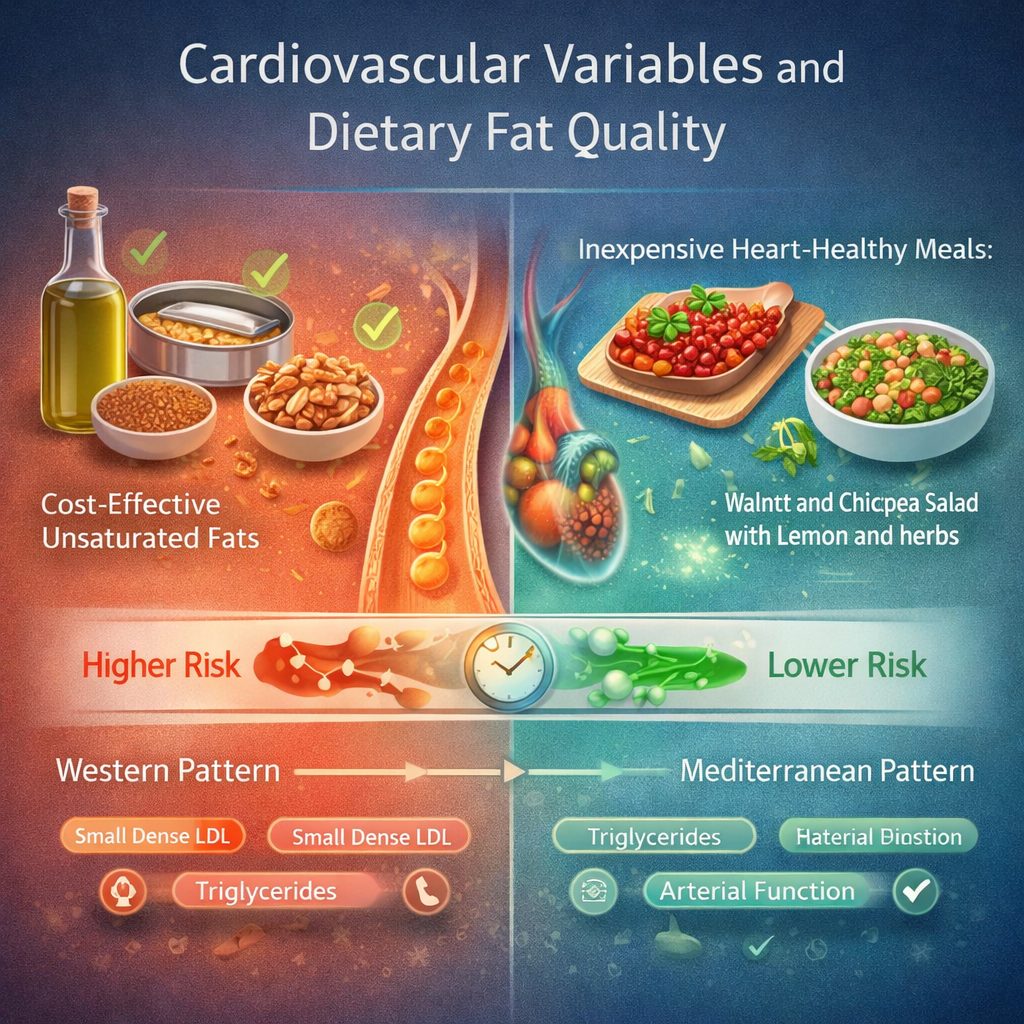
Cardiovascular health between 40 and 60 responds strongly to dietary fat quality — not simply quantity. Fat source shapes LDL particle size, triglyceride levels, and arterial function over time. The Framingham Heart Study has produced decades of evidence linking dietary pattern to cardiovascular risk. Crucially, these risks emerge and solidify during midlife.
Extra-virgin olive oil, sardines, canned mackerel, walnuts, and flaxseed are cost-effective sources of cardio-protective unsaturated fats. These are not premium foods. They are inexpensive staples found in the diets of populations with the lowest observed rates of heart disease. Similarly, the Mediterranean dietary pattern — consistently among the most evidence-supported frameworks for heart health — is achievable at low cost when built around these anchors.
A dinner of canned mackerel with roasted tomatoes and olive oil over whole grain bread, or a walnut and chickpea salad with lemon and herbs, delivers a fat profile associated with reduced cardiovascular risk. The cost per serving is low. The outcome-to-cost ratio is high. Thus, cheap home dinner ideas built on these ingredients are not a compromise — they are nutritionally equivalent to far more expensive approaches.
Cognitive Performance and the Gut-Brain Axis

Executive cognitive function — working memory, decision quality, and stress tolerance — is partly regulated by gut microbiome composition. The gut-brain axis links intestinal bacteria to the central nervous system via the vagus nerve and immune signaling pathways. Consequently, diets low in fiber and high in processed ingredients reduce the bacteria that produce short-chain fatty acids. They also elevate gut permeability and reduce neurotransmitter precursor synthesis.
Research from the Weizmann Institute of Science has shown that fiber diversity drives microbiome richness. This richness, in turn, correlates with lower inflammation and better metabolic markers. Cheap home dinner ingredients — legumes, root vegetables, whole grains, leafy greens, fermented foods like yogurt or sauerkraut, and varied spices — provide exactly this fiber variety at minimal cost.
As a result, cheap home dinner ideas built around diverse plant ingredients are not simply adequate substitutes. By most microbiome and cognitive health measures, they outperform expensive but fiber-poor restaurant meals. A lentil soup with mixed vegetables and natural yogurt surpasses, on gut health metrics, a costly but low-fiber protein plate.
The Time Economics of Home Preparation
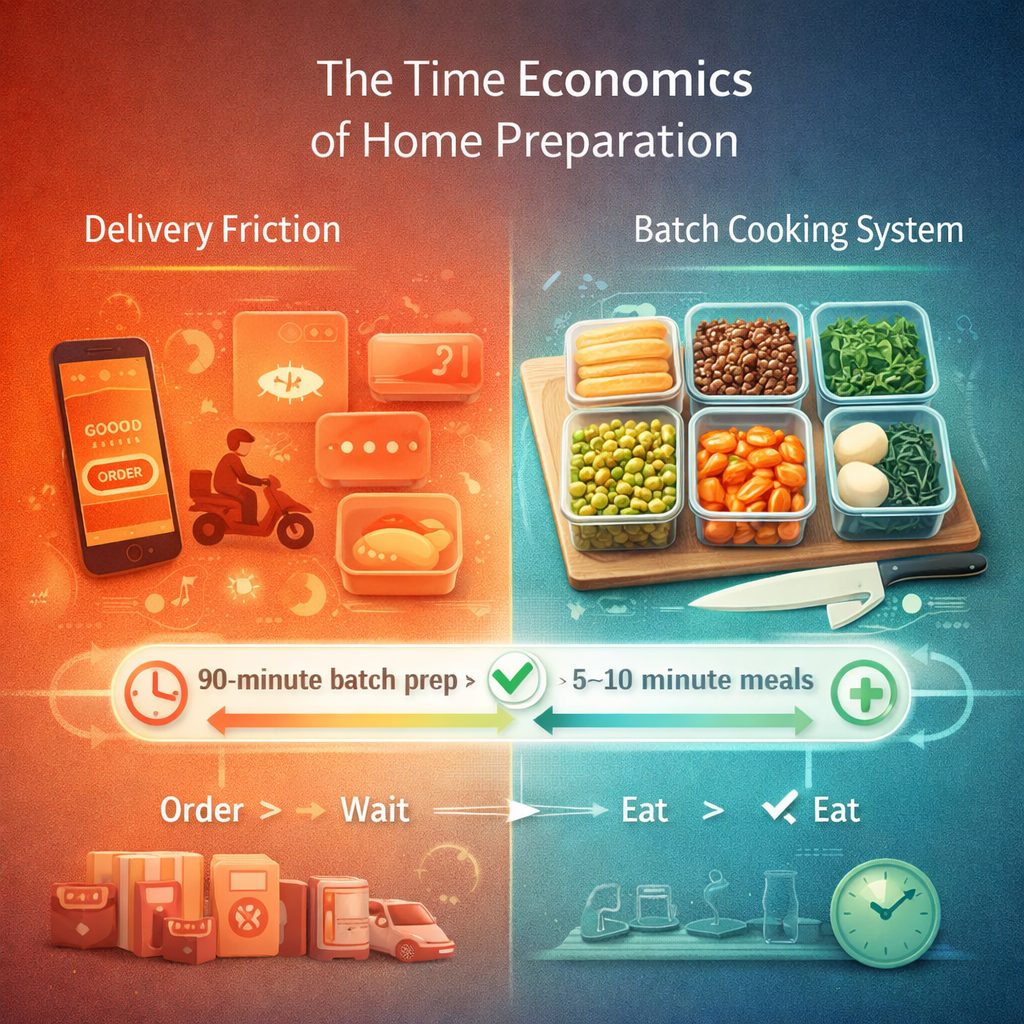
The most common barrier professionals cite is time. The perceived cost of planning, shopping, and cooking after a full workday feels high. However, this objection weakens when preparation follows a structured, low-decision protocol. The real comparison is not between a complex home-cooked meal and a delivery order. It is between a batch preparation system and the cumulative time spent ordering, waiting, and eating food with worse nutritional outcomes.
Batch cooking shifts the equation. Preparing grains, legumes, and roasted vegetables in bulk once or twice per week reduces weekday cooking to assembly. For example, 90 minutes on Sunday — producing cooked lentils, roasted sweet potatoes, hard-boiled eggs, and washed greens — pre-loads four or five cheap home dinners. Each then takes five to ten minutes to assemble on a weekday evening.
When calculated honestly, this approach is not slower than ordering delivery. In many cases, it is faster. The friction is structural, not temporal. Therefore, the solution is better system design — not a restructured schedule.
READ ALSO: Easy Recipe Using Chicken Breasts: Juicy Every Time
Micronutrient Density at Low Cost

The assumption that food quality scales with price does not hold when ingredient selection follows the evidence. Micronutrient density — vitamins, minerals, and plant compounds per calorie — peaks in broadly inexpensive foods. Dark leafy greens, frozen vegetables, eggs, legumes, canned fish, sweet potatoes, and whole grains consistently outperform expensive processed health foods on this measure.
Iron, zinc, magnesium, B vitamins, and omega-3 fatty acids all appear in cheap whole-food sources. Each plays a direct role in energy metabolism, brain function, and hormonal balance. For instance, magnesium deficiency — which affects most adults in industrialized nations — links directly to elevated cortisol, poor glucose control, and reduced sleep quality. Correcting it requires more pumpkin seeds, leafy greens, and legumes. None of these are expensive.
Therefore, cheap home dinner ideas built around these ingredients are not nutritionally inferior to high-budget alternatives. In most micronutrient dimensions, they are equivalent or better. This finding should shift how high-performing professionals evaluate the link between food cost and health outcome.
Evidence-Based Options for the High-Performing Professional

The evidence across this article points to a clear reframing. The home-cooked evening meal, built from inexpensive whole-food ingredients, is a high-leverage health intervention available at any budget. Several structural options emerge from the research. First, building dinners around a rotational protein anchor — eggs, canned fish, legumes, or chicken thighs — delivers the muscle protein signal that grows more critical after 35. Second, rotating high-fiber plant ingredients weekly supports microbiome health and blood sugar stability. Third, replacing commercial oils and sauces with olive oil, herbs, and whole spices removes the primary source of dietary inflammatory load. Finally, a once-weekly batch preparation session reduces weekday decision fatigue and makes home cooking time-competitive with delivery. These are evidence-grounded options — not directives. Implemented consistently, they associate with the metabolic, cardiovascular, and cognitive outcomes that matter most across a professional lifespan.
UP NEXT: Foods to Avoid Eating with Acid Reflux for Daily Comfort
Consistently preparing cheap home dinners from whole-food ingredients — rather than relying on ultra-processed convenience meals — directly reduces systemic inflammatory markers, stabilizes evening insulin, and supports the cellular repair processes that population-level research associates with measurably lower biological age. WholeLiving's Biological Age Estimation Model incorporates this factor directly — your assessment takes under five minutes.
Ready to understand how these factors are influencing your biological age right now? [Take the Biological Age Assessment →]