
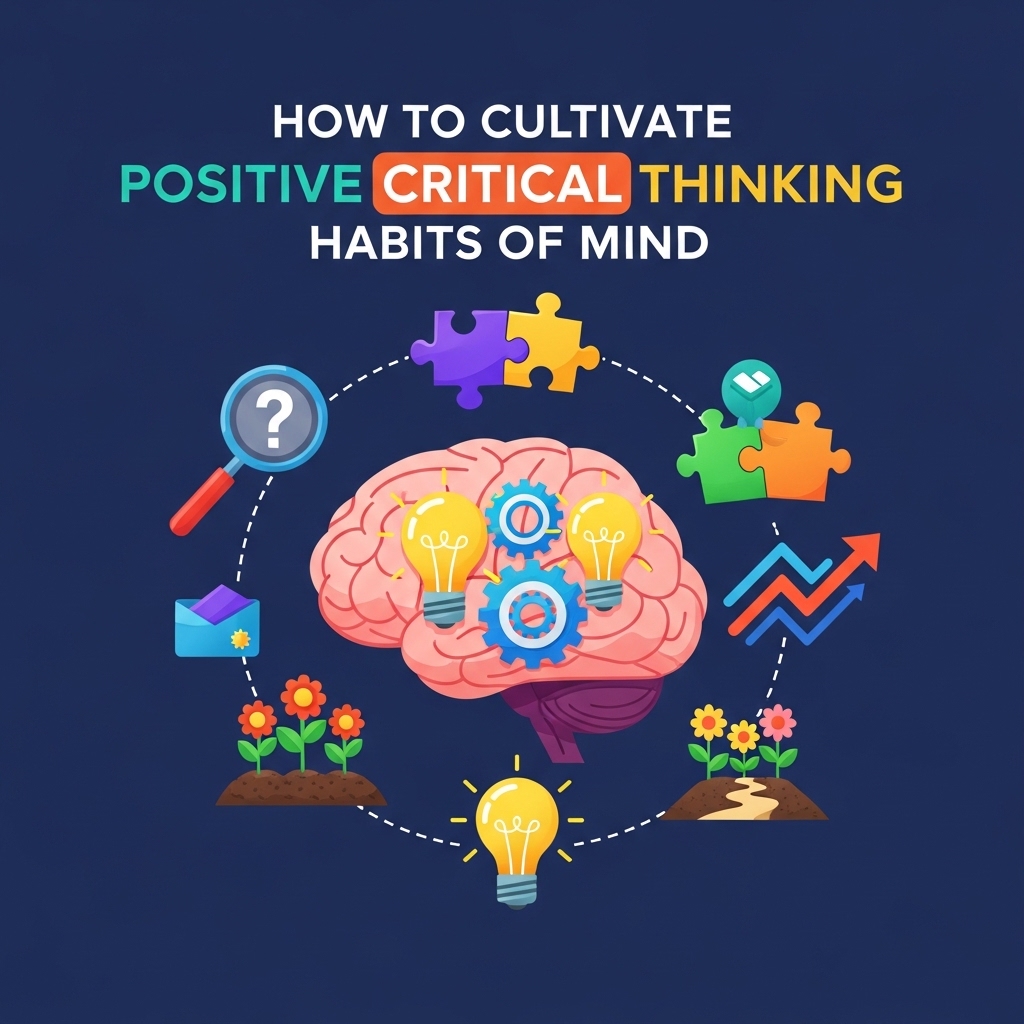
As you navigate through the complexities of everyday life, it’s natural to come across situations that require clarity and thoughtful decision-making. Critical thinking becomes essential in these moments, as it helps you analyze and evaluate information objectively. The ability to cultivate positive critical thinking habits not only enhances your problem-solving abilities but also guides you toward making informed, balanced decisions. In this article, we will explore practical steps that will empower you to cultivate these habits and apply critical thinking in your personal and professional life.
What Is Critical Thinking and Why Does It Matter?
Critical thinking is more than just a skill—it is a mindset that empowers you to analyze and evaluate information in a structured way. It’s about questioning assumptions, considering various perspectives, and making informed decisions based on evidence rather than emotions or biases. By practicing critical thinking, you are better equipped to identify complex problems, challenge your own beliefs, and avoid common cognitive biases that cloud judgment.
Why is this so important? Because critical thinking helps you think deeply about your choices and their consequences. It ensures that you don’t just accept information at face value but take the time to truly understand it. Whether you are facing a personal dilemma, tackling a work-related issue, or solving a complex problem, critical thinking allows you to find innovative solutions and make decisions that stand the test of time.
The Role of Self-Awareness in Critical Thinking
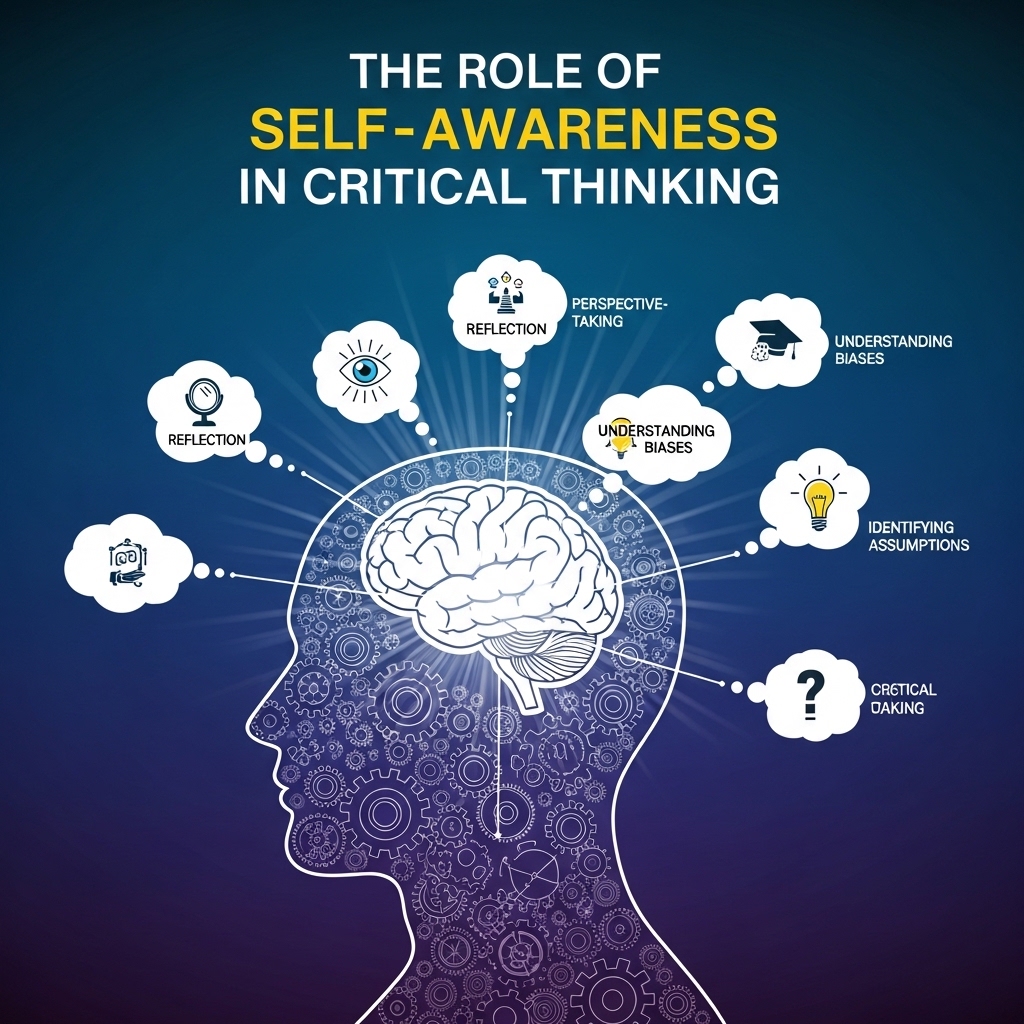
One of the first steps in developing critical thinking skills is becoming self-aware. When you recognize your own personal biases, you are better able to set them aside and view situations objectively. For example, when faced with a tough decision, you might unknowingly lean toward a choice that aligns with your previous experiences or beliefs. Self-awareness helps you recognize when this is happening and encourages you to seek alternative viewpoints.
Reflecting on your thought process also allows you to improve your thinking over time. By understanding how you arrived at a decision, you can determine what worked and where you could have thought more critically. The reflection process doesn’t just help in finding solutions to problems; it also promotes personal growth and continuous learning.
Key Components of Critical Thinking
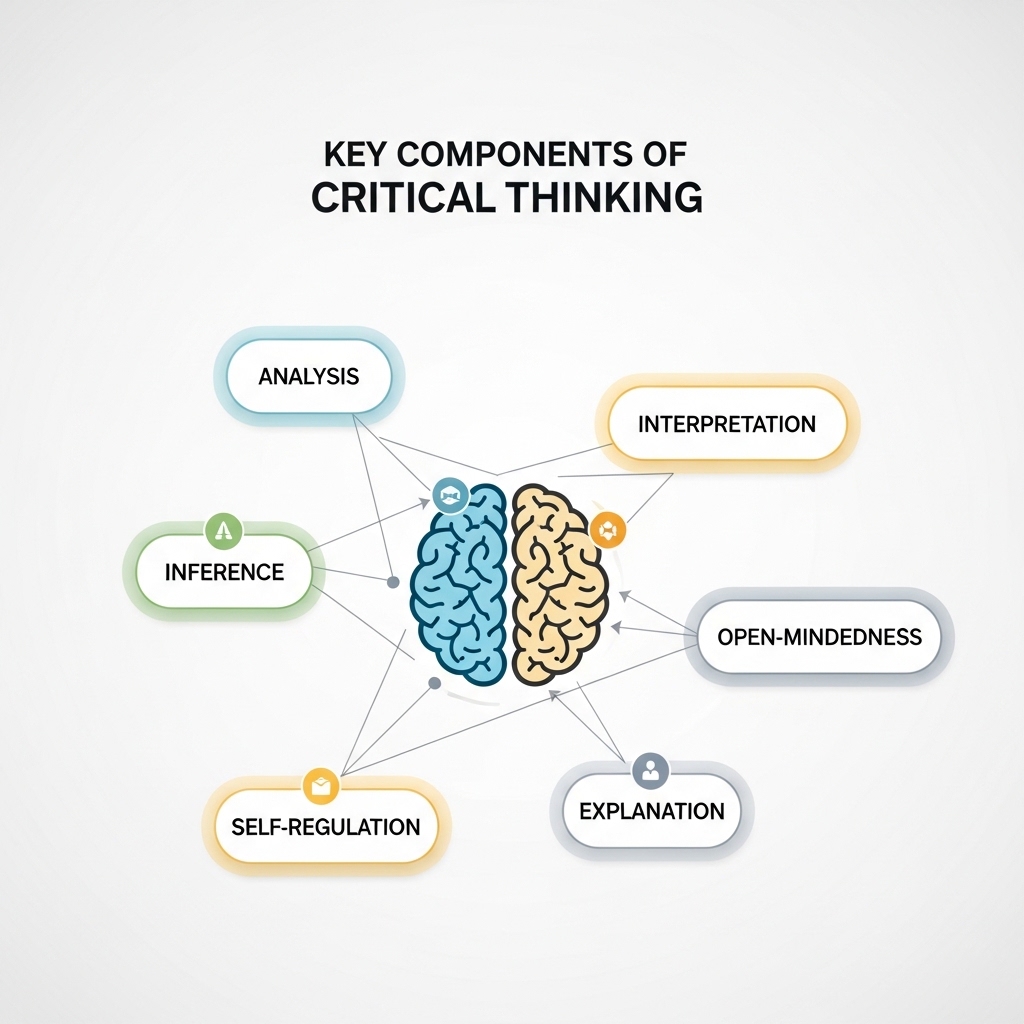
To cultivate critical thinking, it’s helpful to understand the core components that make it effective. Here are the key elements you need to focus on:
- Problem-Solving Skills – Problem-solving is central to critical thinking. It involves breaking down complex problems into manageable parts and finding the most effective solution. Whether you are facing a small challenge or a major life decision, strong problem-solving abilities allow you to approach problems with confidence.
- Reflection – Reflection is the process of looking back on your thought processes to understand your decision-making path. It’s essential for identifying areas for improvement. By regularly reflecting on your choices, you can make better informed decisions moving forward.
- Analysis – Analysis is the ability to break down information, assess it critically, and draw conclusions based on facts. It requires you to stay objective and focus on relevant information rather than getting distracted by emotions or assumptions.
- Open-Mindedness – Being open to different perspectives is a hallmark of a great critical thinker. Open-mindedness allows you to evaluate all sides of an issue and consider alternatives that you might not have thought of initially.
How to Cultivate Positive Critical Thinking Habits
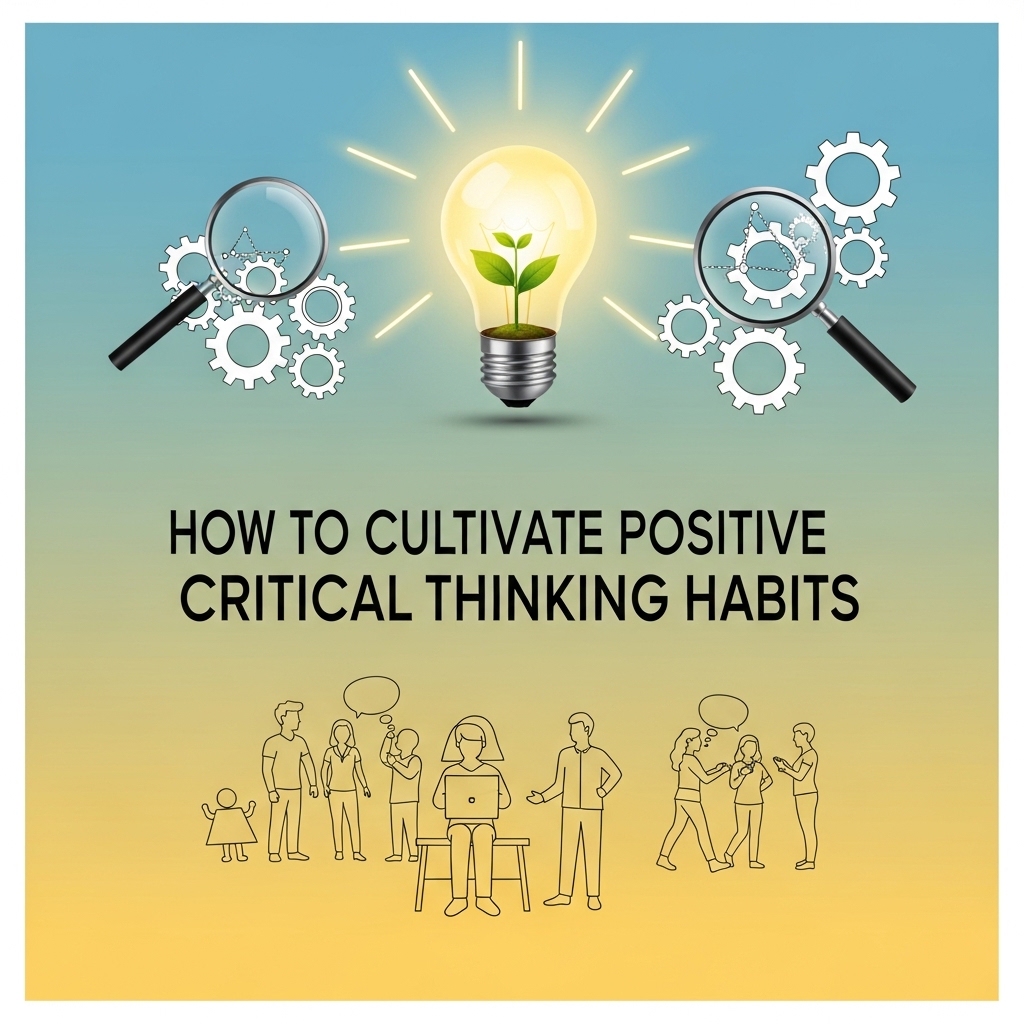
Now that you understand what critical thinking is and why it matters, let’s discuss how to cultivate critical thinking habits in your daily life. Here are some practical steps you can take:
- Engage in Active Listening – When you actively listen, you focus on understanding the speaker’s message without forming judgments prematurely. This habit not only improves communication but also helps you gather relevant information to analyze. By paying attention to both what is said and how it’s said, you gain a deeper understanding of the topic at hand. Active listening also enhances your ability to understand multiple perspectives, which is essential for problem solving.
- Ask Probing Questions – To deepen your understanding and challenge assumptions, make it a habit to ask probing questions. Instead of accepting things at face value, ask questions like, “Why is this the case?” or “What would happen if we looked at this from another angle?” These questions help you think critically about the situation, seek out relevant information, and explore alternative systems for solving problems.
- Challenge Your Assumptions – We all have preconceived notions that influence the way we think. Part of being a critical thinker is the ability to challenge those assumptions. Ask yourself: “Am I letting my personal biases cloud my judgment?” By questioning your assumptions, you open yourself up to innovative solutions and new perspectives that you may not have considered.
- Reflect on Your Thought Processes – After making a decision, take a moment to reflect on the thought process that led you there. Did you gather enough relevant information? Did you consider all possible perspectives? Reflecting on your decisions not only helps you learn from your mistakes but also strengthens your problem-solving skills.
- Seek Feedback and Constructive Criticism – Seeking constructive criticism from others is a valuable tool in cultivating critical thinking. Whether it’s from a colleague, mentor, or friend, feedback can offer insights that you might have missed. By being open to feedback, you strengthen your ability to evaluate situations objectively and improve your thinking.
READ ALSO: Philosophy of Learning in a World Obsessed With Speed
The Importance of Practicing Regularly

Like any other skill, critical thinking improves with practice. The more you engage in critical thinking, the more natural it will become. Problem-solving will feel more intuitive, and analyzing situations will feel effortless. By integrating critical thinking into your daily life, whether through reading, engaging in thoughtful conversations, or solving complex problems, you’ll see a significant improvement in your decision-making abilities.
READ ALSO: Cognitive Learning Theory: 5 Hacks to Boost Your Learning Fast
Overcoming Cognitive Biases and Staying Objective

A common hurdle in critical thinking is cognitive bias, where you favor certain information or interpretations over others. These biases are often unconscious and can cloud your judgment. To overcome them, you must be vigilant and recognize when your biases are influencing your thinking. Diverse perspectives can help you break free from your personal biases, allowing you to analyze information objectively.
Start by intentionally exposing yourself to different viewpoints. Engage in conversations with people who hold alternative systems of thought and read materials that challenge your current beliefs. By actively seeking out diverse perspectives, you expand your understanding and avoid the trap of narrow thinking.
The Power of Analyzing Information Objectively

Being able to analyze information without being swayed by emotions or personal biases is essential for critical thinking. This ability to focus on facts and evidence helps you make decisions that are based on logic rather than gut feeling or preconceived notions. Whether you are dealing with complex subjects or simple daily decisions, analyzing information objectively allows you to evaluate situations in a clear, rational way.
Incorporating critical analysis into your thinking involves breaking down complex data, considering all relevant information, and making decisions based on what’s most important. This approach helps you avoid faulty reasoning and strengthens your problem-solving abilities.
Embracing Intellectual Humility

Finally, intellectual humility is essential for critical thinking. It’s the recognition that you don’t have all the answers and that you can always improve your thinking. Embracing intellectual humility means being open to learning and adjusting your views based on new evidence. It’s a key part of continuous learning and keeps you grounded in the understanding that growth is a lifelong journey.
READ ALSO: Brain Stem Health for Everyday Vitality
Moving Forward with Critical Thinking
By now, you understand that critical thinking is an ongoing process of problem-solving, reflection, and continuous improvement. By cultivating positive critical thinking habits, you’re empowering yourself to navigate complex problems and make decisions that reflect deeper understanding and clarity. Critical thinking isn’t just a tool—it’s a way of approaching life with curiosity, humility, and the courage to challenge your assumptions. So, embrace it fully, and let it guide you in every decision you make. Empower yourself with the knowledge that critical thinking will always lead you toward better choices and greater wisdom.