Executives who chronically deprioritize emotional intimacy in their close relationships operate under a measurable and compounding physiological disadvantage. The research literature does not frame this as a quality-of-life issue — it frames it as a cardiovascular, neuroendocrine, and inflammatory one. Sustained emotional disconnection in primary relationships correlates with elevated baseline cortisol, suppressed oxytocin signaling, and heightened systemic inflammatory burden — each a documented contributor to accelerated biological aging and increased all-cause mortality risk. For high-performing professionals who optimize sleep, nutrition, and training with precision, the absence of emotional intimacy represents an unmanaged variable with outsized consequence for long-term healthspan.
Emotional Intimacy and the Neuroendocrine System
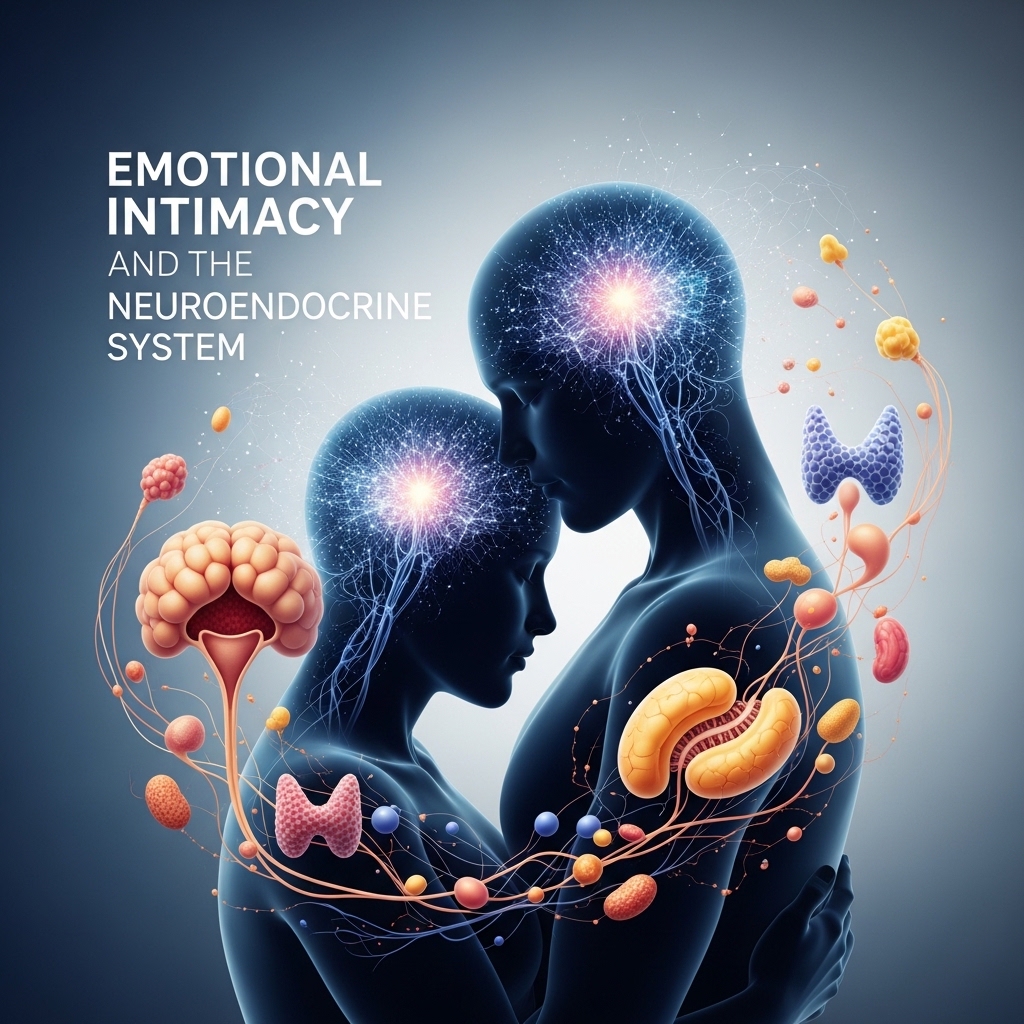
Emotional intimacy operates on the neuroendocrine system through several well-documented pathways. The most studied is the oxytocin system. Oxytocin — released during close physical and emotional contact — directly suppresses HPA axis activity. Specifically, it reduces cortisol output and dampens the sympathetic nervous system's threat response. This is not a soft psychological effect. Rather, it is a measurable hormonal shift with downstream consequences for cardiovascular function, immune regulation, and inflammatory status.
When emotional intimacy is consistently present in a primary relationship, the HPA axis shows more normal daily cortisol patterns. When it is absent or chronically disrupted, however, the axis remains in a state of low-grade activation. Over months and years, that activation builds as allostatic load — the physiological wear that drives accelerated biological aging in the executive demographic.
The relationship between oxytocin signaling and cortisol regulation has been examined extensively by researchers at the National Institutes of Health. The consistent finding is that social bonding behaviors — including emotional disclosure, physical affection, and sustained relational attunement — produce oxytocin-driven reductions in cortisol and inflammatory cytokines. Therefore, for professionals who manage cortisol burden through sleep optimization and training load, emotional intimacy represents a parallel and often neglected regulatory pathway.
How Emotional Intimacy Deficit Drives Inflammatory Burden
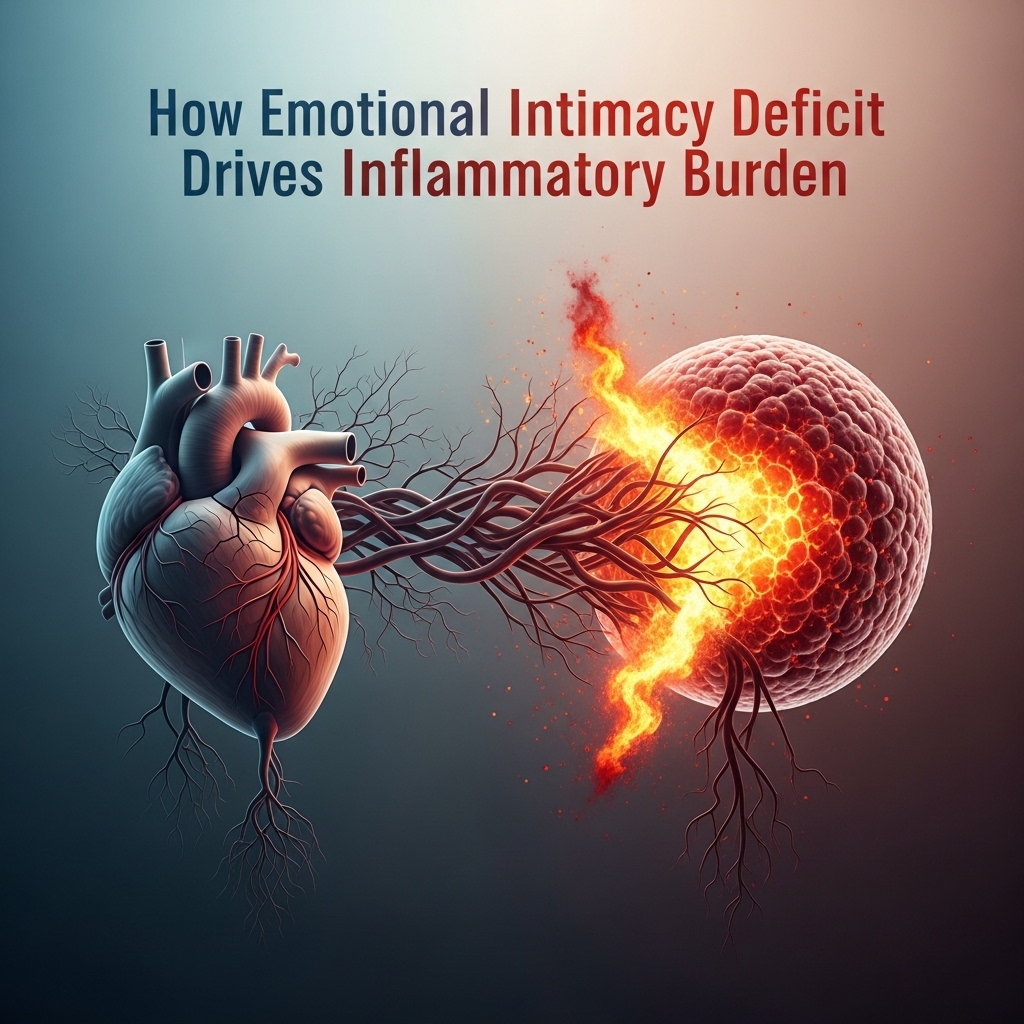
Emotional intimacy deficit — the chronic absence of deep relational connection in primary relationships — functions as a sustained inflammatory stressor. The mechanism is direct. Without oxytocin-mediated suppression of pro-inflammatory signaling, the immune system maintains a higher baseline inflammatory tone. Over time, this shows up in elevated hs-CRP, interleukin-6, and tumor necrosis factor-alpha — the same inflammatory markers that predict cardiovascular disease, cognitive decline, and accelerated cellular aging.
Research from the Harvard Study of Adult Development — one of the longest-running longitudinal studies of adult health — has produced some of the most compelling data on this relationship. Its findings consistently show that the quality of close relationships, not the quantity, predicts long-term physical health outcomes. This includes cardiovascular health and cognitive preservation into later decades. Specifically, relationship quality means emotional depth, felt security, and mutual responsiveness — the core components of emotional intimacy.
For executives whose inflammatory markers remain elevated despite optimized nutrition and exercise protocols, relational health therefore warrants clinical attention as a potential driver. Inflammatory burden does not always resolve through lifestyle intervention alone. When the neuroendocrine source of that burden — chronic relational disconnection — remains unaddressed, targeted interventions produce limited results. As a result, a consolidated performance health protocol that omits emotional intimacy as a variable is operating with an incomplete picture.
Cardiovascular Risk and the Biology of Relational Disconnection
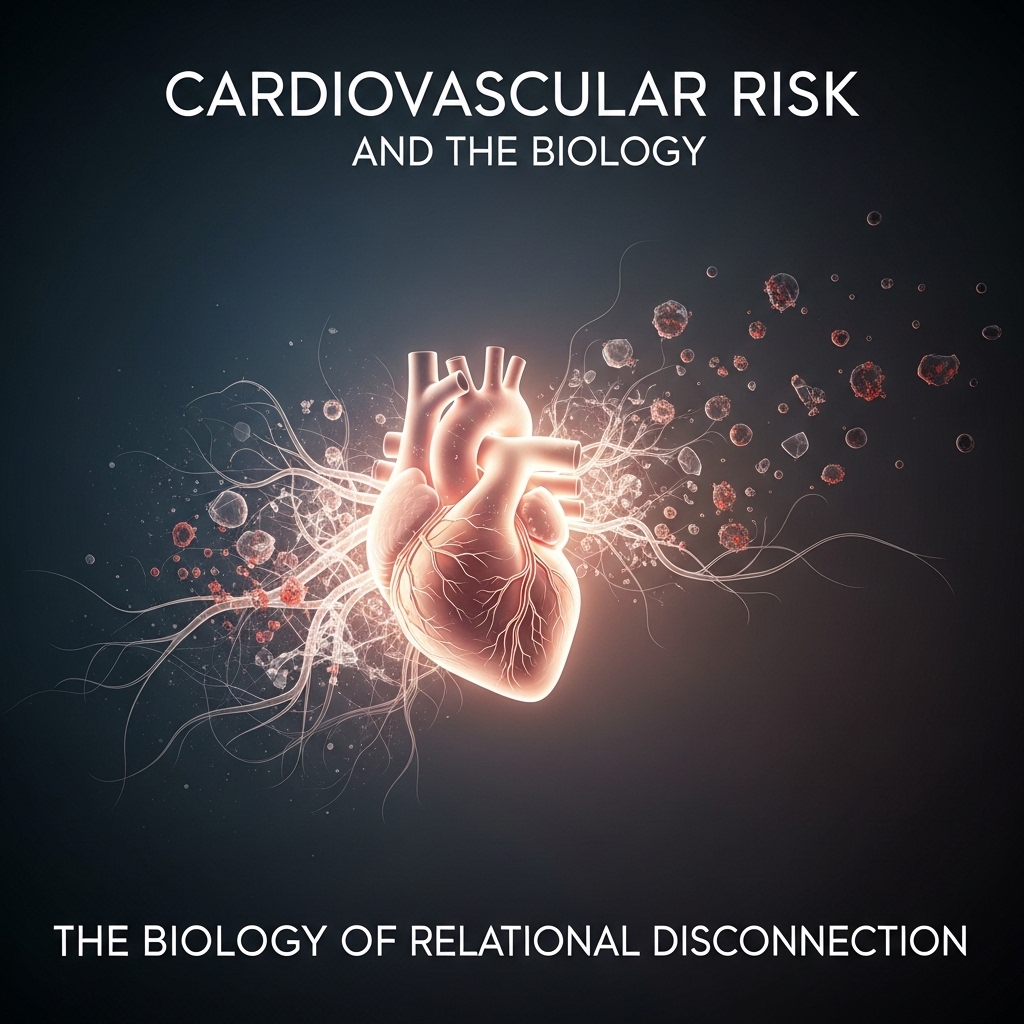
The cardiovascular consequences of emotional intimacy deficit are among the most robustly documented in social epidemiology research. Loneliness and social disconnection — which frequently co-occur with emotional intimacy deficit even in the presence of active social lives — associate with significantly elevated risk of coronary heart disease, stroke, and cardiac mortality. Furthermore, the American Heart Association has recognized psychosocial factors, including relational health, as independent cardiovascular risk variables.
The mechanisms are multiple. Chronic cortisol elevation drives blood vessel dysfunction, raises blood pressure, and promotes arterial inflammation. In addition, suppressed oxytocin signaling removes a key cardioprotective buffer. Disrupted sleep — a common consequence of relational distress — further compounds cardiovascular risk through its effects on blood pressure regulation and inflammatory tone.
Each pathway is individually significant. Together, however, they produce a cardiovascular risk profile that dietary and exercise interventions alone cannot fully address. For high-performing professionals who monitor cardiovascular biomarkers — including blood pressure variability, hs-CRP, and lipid particle profiles — the relational environment is therefore a modifiable variable in that risk picture.
Sleep Architecture and Emotional Intimacy

Sleep quality and emotional intimacy are bidirectionally linked. Relational distress — including unresolved conflict, emotional withdrawal, and felt disconnection in primary relationships — is a well-documented driver of pre-sleep cognitive arousal. Consequently, the default mode network remains active during periods when sleep-onset processes should dominate. The result is delayed sleep onset, fragmented sleep, and reduced slow-wave sleep duration.
Slow-wave sleep governs the body's most intensive repair processes. These include growth hormone release, immune regulation, and clearance of metabolic waste from the brain. When emotional intimacy deficit disrupts this stage, the downstream consequences extend well beyond fatigue. Cognitive performance, immune function, metabolic regulation, and tissue repair all suffer measurably. For executives whose performance depends on sustained cognitive output, this is therefore not a peripheral concern.
The reverse pathway is equally documented. High-quality emotional intimacy — characterized by felt security, emotional responsiveness, and low chronic relational conflict — associates with lower pre-sleep arousal, faster sleep onset, and more consolidated sleep. Research in behavioral sleep medicine identifies perceived social support and relational security as among the most potent non-drug modulators of sleep quality available. A performance protocol that addresses sleep hygiene without addressing its relational drivers therefore treats the symptom rather than the source.
Cognitive Performance and the Relational Brain
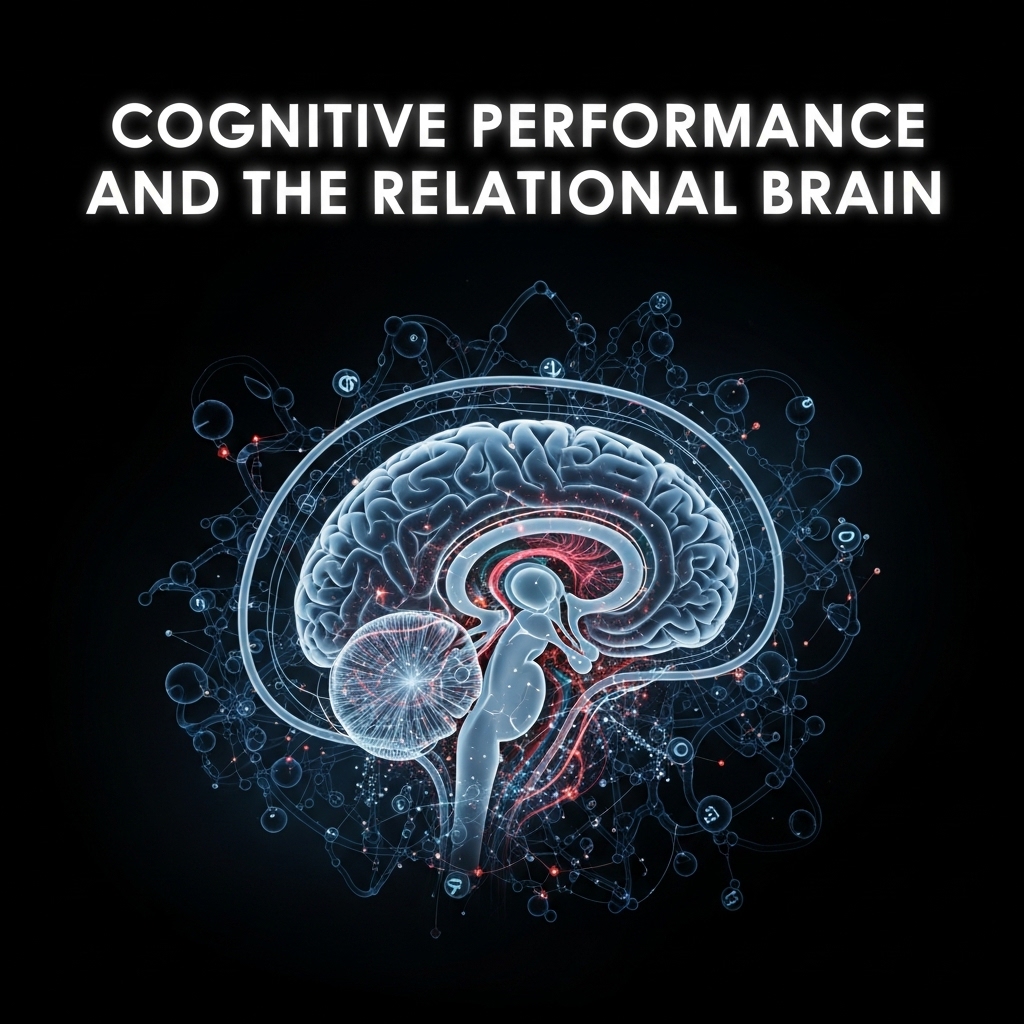
Cognitive performance in high-performing professionals is not solely a product of sleep, nutrition, and cognitive training. The brain's social circuitry — including the prefrontal cortex and the anterior cingulate cortex — is metabolically active and highly sensitive to the quality of close relational experience. Emotional intimacy supports prefrontal function by reducing the threat-detection load on the amygdala. As a result, it frees cognitive resources for strategic thinking, planning, and sustained attention.
Chronic relational disconnection has the opposite effect. When the brain registers persistent social threat — which emotional intimacy deficit reliably produces at a neurological level — the amygdala remains in a state of low-grade activation. This then suppresses prefrontal function, reduces working memory capacity, and impairs complex, long-horizon decision-making. The cognitive cost of relational distress is not anecdotal. Instead, it shows up in neuroimaging data and cognitive performance assessments across multiple research populations.
The Harvard Study of Adult Development further documents that individuals who report high emotional intimacy in their primary relationships show better cognitive preservation across time. Notably, the relationship between relational quality and cognitive aging maintains statistical significance after controlling for physical health, socioeconomic status, and health behaviors. Emotional intimacy therefore appears to exert an independent protective effect on the aging brain.
READ ALSO: Emotional Projection: A Gentle Guide to Self-Reflection
Oxytocin, Cortisol, and the Stress-Buffering Function of Emotional Intimacy
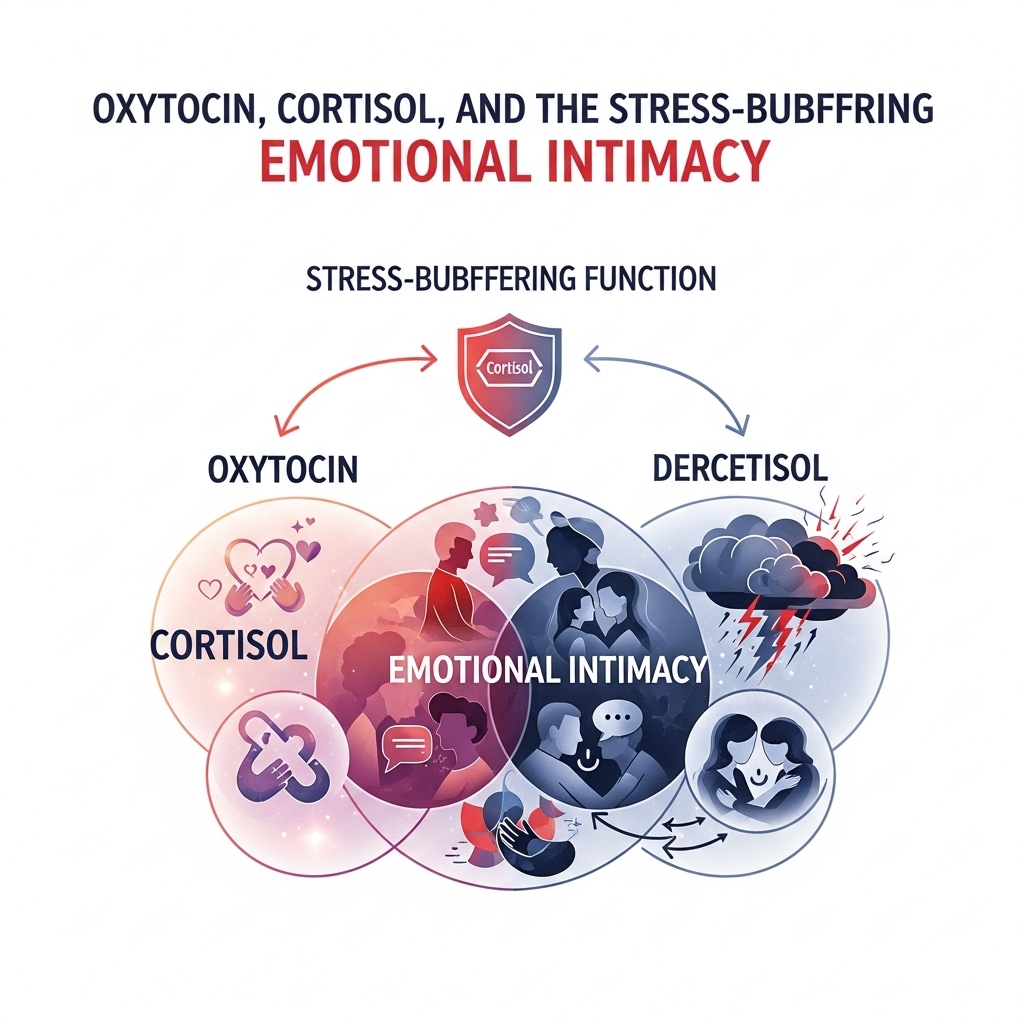
The stress-buffering function of emotional intimacy is one of its most clinically significant properties. When a high-performing professional faces acute or sustained occupational stress, the presence of a deeply connected primary relationship measurably reduces the cortisol response. This effect — documented in experimental stress research — reflects the oxytocin system's capacity to modulate HPA axis activity in real time.
In the absence of emotional intimacy, however, the same stressors produce a larger and more prolonged cortisol response. The HPA axis, without oxytocin-mediated buffering, generates higher cortisol peaks and slower return to baseline. Across a demanding professional life, this difference compounds significantly. The executive with high emotional intimacy in their primary relationship is not simply happier — they are operating with a more regulated stress physiology, a lower inflammatory baseline, and a more favorable biological aging trajectory.
This stress-buffering effect is specific to emotional intimacy. Broad social connection — professional networks, social engagements, collegial relationships — does not produce equivalent neuroendocrine effects. Moreover, the oxytocin-driven cortisol suppression that characterizes emotional intimacy requires depth, felt safety, and mutual emotional attunement. Quantity of social contact does not substitute for quality of relational connection at the level of the neuroendocrine system.
Biological Age and the Long-Term Consequence of Relational Quality
Biological age — how quickly an individual's cells and tissues age relative to their chronological age — is sensitive to psychosocial variables. This is now well documented in the epigenetics literature. Telomere length, DNA methylation patterns, and cellular aging markers all reflect the cumulative physiological impact of an individual's lived experience. This includes, specifically, their relational experience.
Research examining epigenetic aging clocks — including work using the Horvath clock and related methylation-based biological age measures — has found that chronic psychosocial stress associates with measurable acceleration of biological age. Stress from relational disconnection and loneliness contributes to this effect directly. Conversely, high-quality close relationships associate with slower epigenetic aging. Notably, this finding holds independent of other lifestyle variables.
Population-level research suggests that chronic loneliness and social disconnection carry a mortality risk comparable to smoking fifteen cigarettes per day. While emotional intimacy deficit is not equivalent to loneliness, it occupies a related position on the psychosocial stress spectrum. Its biological age consequences therefore warrant the same level of clinical attention that other lifestyle risk factors receive in a performance health protocol.
Emotional Intimacy and Metabolic Function
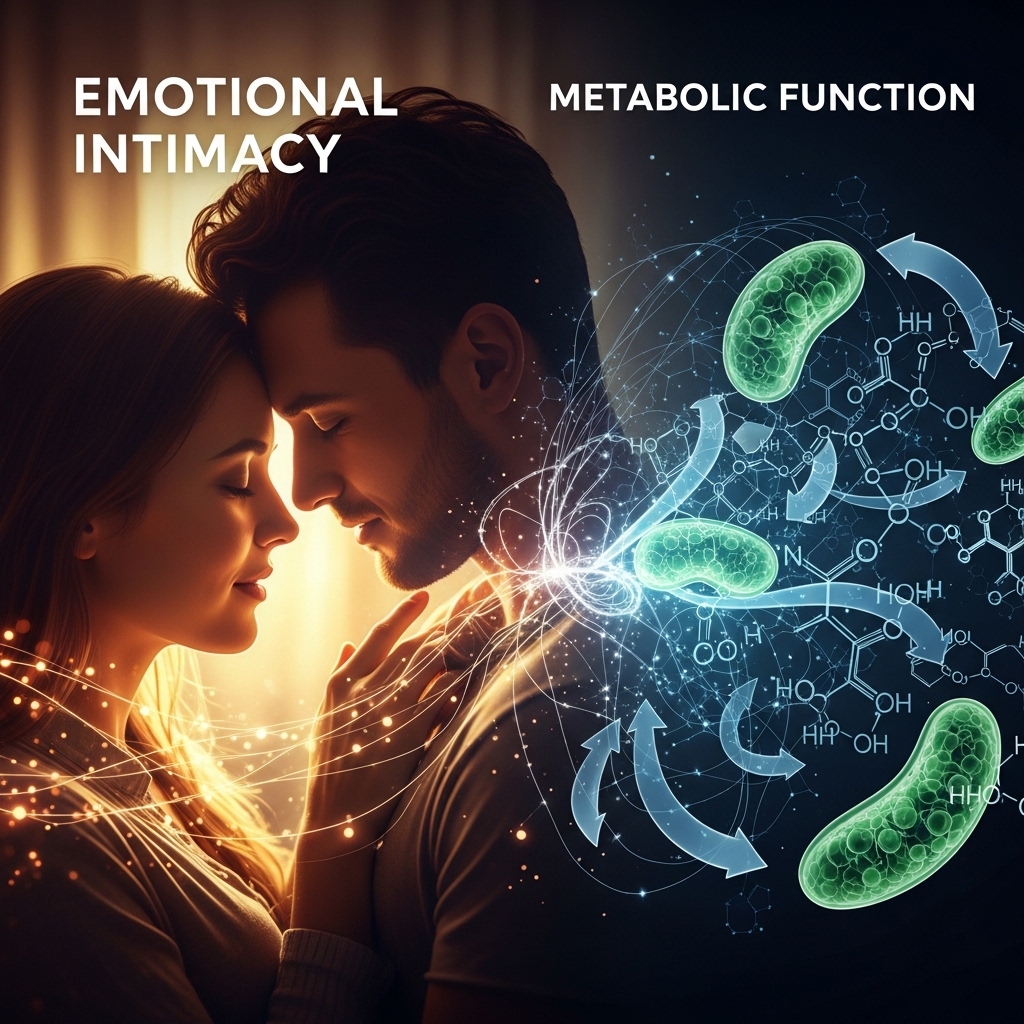
The relationship between emotional intimacy and metabolic function operates primarily through the cortisol-insulin axis. Chronic cortisol elevation — driven in part by the absence of oxytocin-mediated HPA regulation — promotes visceral fat accumulation, impairs insulin sensitivity, and disrupts glucose regulation. Importantly, these metabolic consequences are independent of dietary behavior, though they interact with it directly.
For executives who maintain disciplined nutrition and exercise protocols but continue to show unfavorable metabolic markers — elevated fasting insulin, visceral adiposity, disrupted glucose variability — the cortisol contribution therefore warrants investigation. If the cortisol burden has a relational source, metabolic interventions that do not address that source will produce limited and unstable results.
The metabolic system does not separate physiological inputs by category. Cortisol from relational distress produces the same downstream metabolic disruption as cortisol from occupational overload. Consequently, emotional intimacy, as a cortisol-regulating variable, carries indirect but measurable metabolic consequence. Professionals who address relational health as part of a consolidated performance protocol may thus find that metabolic markers respond in ways that dietary and exercise intervention alone did not achieve.
READ ALSO: Emotional Damage: Understanding and Healing with Care
The Executive Relationship Pattern and Its Physiological Cost
High-performing professionals in the 35-to-60 demographic show a recognizable relational pattern that carries a specific physiological cost. Sustained occupational demand, cognitive depletion at the end of the working day, and the habitual prioritization of professional output over relational investment combine to produce what attachment researchers describe as emotional unavailability. This is a state in which the individual is physically present in their primary relationship but emotionally withdrawn.
Emotional unavailability is not a psychological failing — it is a predictable output of chronic cognitive and physiological depletion. However, its relational consequences are real. A partner who consistently experiences emotional unavailability responds with either protest behavior — which generates conflict — or detachment — which produces the relational disconnection that drives intimacy deficit. Either pattern, in turn, sustains the cortisol and inflammatory burden the professional is already managing from occupational stress.
The physiological cost of this pattern compounds over time. Each cycle of relational disconnection sustains the neuroendocrine dysregulation that makes recovery harder, sleep shallower, and cognitive performance less resilient. Breaking the cycle does not require wholesale behavioral transformation. Rather, it requires the professional to recognize emotional intimacy as a physiological variable with measurable consequence — not a personal luxury to be deferred until professional demands ease.
Attachment Security as a Performance Variable

Attachment security — the degree to which an individual feels safe, valued, and emotionally connected in their primary relationship — functions directly as a performance variable. Securely attached professionals demonstrate more regulated stress physiology, better sleep, lower inflammatory markers, and more resilient cognitive performance under load. These are not incidental correlations. Rather, they reflect the neuroendocrine effects of a consistently functioning oxytocin-cortisol regulatory system.
Attachment insecurity, by contrast, maintains the HPA axis in a state of chronic low-grade activation. The insecurely attached professional — whether anxiously hypervigilant to relational threat or avoidantly suppressing relational needs — operates with a stress physiology that is continuously taxed by the relational environment. This tax does not appear on a blood panel as a relational variable. Instead, it appears as elevated cortisol, disrupted HRV, suppressed immune function, and accelerated biological aging.
For professionals who track HRV as a daily readiness metric, persistent suppression that does not resolve with standard recovery inputs warrants examination of the relational environment as a potential driver. HRV reflects autonomic nervous system state — and the autonomic nervous system is profoundly sensitive to the felt quality of close relational experience. The signal is available in the data. Interpreting it correctly, however, requires knowing what to look for.
READ ALSO: Emotional Brain Training Practices to Lift Your Mood Daily
Translating the Evidence: Emotional Intimacy as a Clinical Priority
Professionals who seek to address emotional intimacy as a physiological variable have access to a range of evidence-based options. Engaging in structured couples therapy or emotionally focused therapy — which has a strong evidence base for improving attachment security and relational quality — addresses the relational patterns that drive intimacy deficit at their source. Additionally, scheduling protected relational time with the same discipline applied to training and sleep creates the conditions for emotional attunement to develop and sustain.
Monitoring HRV and inflammatory biomarkers within a framework that accounts for relational health variables allows for more precise reading of physiological data. Furthermore, working with a performance health clinician who integrates psychosocial variables into biomarker review closes the gap between the clinical data and its full range of drivers.
Emotional intimacy is not a soft variable at the margins of a performance health protocol. On the contrary, the evidence positions it as a core physiological input with consequences that compound across decades. Professionals who treat it accordingly — with the same analytical rigor applied to nutrition, sleep, and training — operate with a more complete and more effective health architecture.
UP NEXT: Emotional Intelligence as a Clinical Driver of Mental Health Outcomes and Relationship Resilience in Adults
Chronic emotional intimacy deficit sustains elevated cortisol, suppressed oxytocin signaling, and heightened systemic inflammation — a physiological combination that epigenetic research links to a biological age two to five years above chronological age in midlife adults with persistently low relational quality scores. WholeLiving's Biological Age Estimation Model incorporates this factor directly — your assessment takes under five minutes.
Ready to understand how these factors are influencing your biological age right now? [Take the Biological Age Assessment →]