

Recovery deficits in high-performing professionals rarely announce themselves through dramatic symptoms. More often, they accumulate quietly — in elevated evening cortisol, compressed slow-wave sleep, and the gradual erosion of parasympathetic tone that precedes measurable biological age acceleration. Gingerbread nails, as a deliberate seasonal aesthetic ritual, occupy an underexamined position in this recovery architecture. The focused sensory engagement, fine motor activation, and identity-coherent self-expression involved in the practice generate documented inputs to the hypothalamic-pituitary-adrenal axis — the same system that, when chronically dysregulated, drives the inflammatory cascades most directly associated with accelerated cellular aging in midlife professionals.
Gingerbread Nails and the Science of Seasonal Recovery Rituals

Gingerbread nails — warm-toned, spiced-palette nail aesthetics tied to the winter season — are more than a visual trend. For high-performing professionals, they occupy a specific functional category: deliberate seasonal behavioral anchors. These anchors interact with stress physiology, circadian biology, and identity coherence at the same time. The winter period is a documented high-risk window for cortisol dysregulation and sleep compression. Indeed, executives managing year-end performance cycles show elevated inflammatory markers during this period. Recognizing seasonal aesthetic rituals as recovery inputs — rather than indulgences — is a reframing with measurable physiological support.
The mechanism is not decorative. Deliberate aesthetic engagement activates reward circuitry and generates anticipatory dopamine release. It also creates attentional displacement from threat-detection processing. Each of these functions carries downstream effects on the HPA axis — the body's central stress response system. For professionals whose HPA axis remains in sustained activation across Q4 demands, any input that reliably interrupts this pattern without drugs is clinically relevant.
Research from the National Institutes of Health confirms two-way communication between psychological state and immune function. Behavioral inputs — including those from intentional aesthetic rituals — produce measurable effects on inflammatory profiles and stress hormone output. Consequently, gingerbread nails approached as a deliberate seasonal practice, rather than a passive habit, engage this pathway in ways that build physiological benefit across the winter recovery window.
The HPA Axis, Winter Cortisol Patterns, and Aesthetic Intervention
The winter months produce a distinct cortisol profile in high-performing professionals. Shortened daylight reduces serotonin production. This in turn increases HPA axis sensitivity and raises baseline cortisol output. Year-end organizational demands compound this biological pressure further. Sustained across weeks, this cortisol environment accelerates telomere attrition, suppresses immune function, and degrades sleep — all of which map onto accelerated biological age advancement.
Aesthetic rituals function as cortisol circuit breakers through a specific mechanism: attentional absorption. When the prefrontal cortex engages in focused, low-threat sensory activity, it temporarily suspends the processing linked to rumination and stress. The color selection and visual assessment involved in gingerbread nails trigger exactly this kind of focused engagement. This suspension matters physiologically. Rumination independently associates with elevated evening cortisol and poor sleep onset in stress physiology research.
The warm amber, cinnamon, and spiced brown tones of gingerbread nails require visual decision-making and fine motor engagement. This depth of engagement extends attentional absorption beyond simpler nail applications. As a result, the cortisol interruption window lengthens and the parasympathetic activation yield of the ritual increases. For professionals with limited recovery time, higher-engagement rituals produce greater physiological return per unit of time invested.
Seasonal Color Psychology and Stress Hormone Modulation
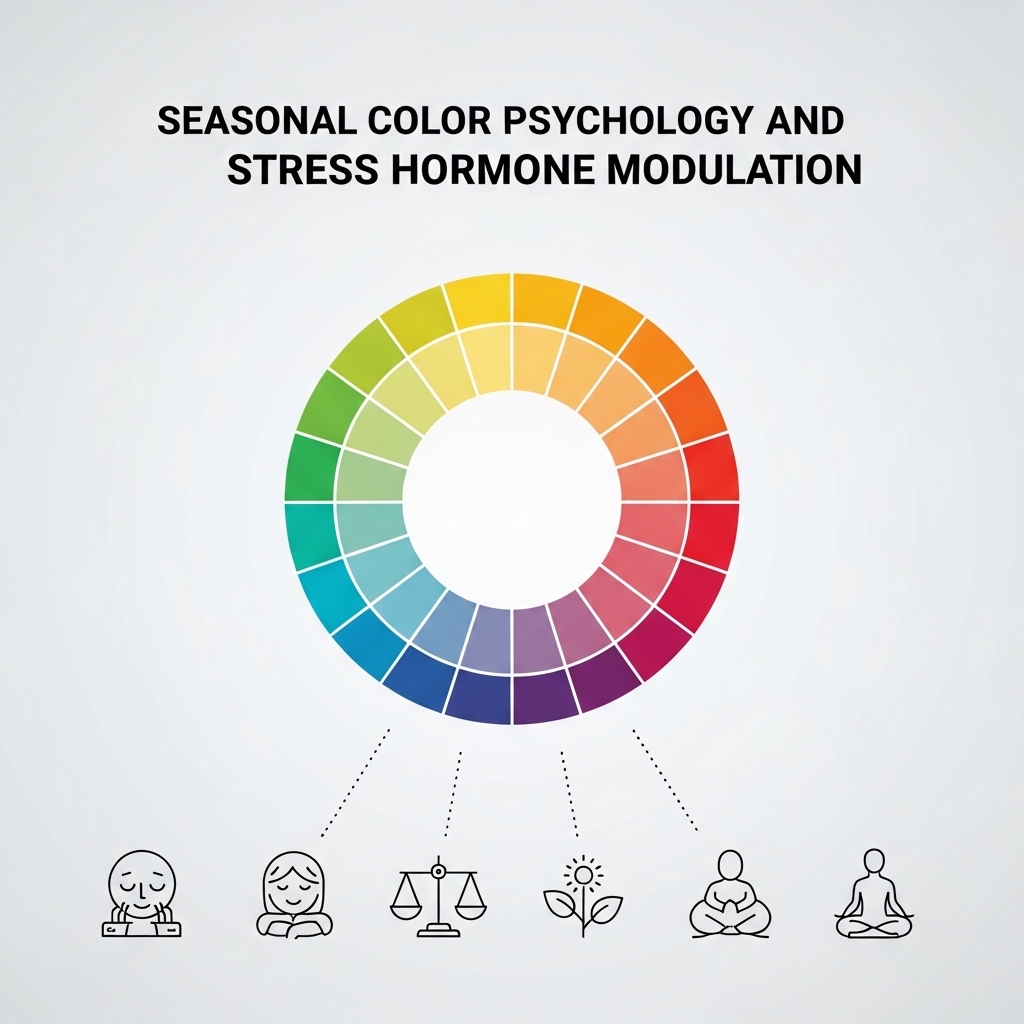
Color selection in aesthetic practice is not arbitrary from a physiological standpoint. Warm tones in the amber, ochre, and brown spectrum — the defining palette of gingerbread nails — associate with perceived warmth, safety, and reduced threat appraisal. This effect is well-documented in environmental psychology research. Reduced threat appraisal directly attenuates amygdala activation. Because the amygdala is the primary upstream driver of HPA axis engagement, this carries direct physiological relevance.
Harvard T.H. Chan School of Public Health research on environmental stressors has documented that sensory inputs influence cortisol output and autonomic nervous system tone. These inputs include color, texture, and ambient temperature cues. They operate through pathways that function below conscious awareness. Gingerbread nail aesthetics engage multiple sensory channels at once: the visual warmth of the color palette, the tactile engagement of application, and the scent of seasonal nail products. Together, this multi-channel engagement produces a more robust parasympathetic response than single-channel inputs.
For professionals tracking heart rate variability (HRV) as a proxy for autonomic nervous system balance, deliberate sensory rituals like gingerbread nails represent a behavioral HRV optimization strategy. HRV is among the most sensitive real-time markers of recovery status available through consumer wearables. Moreover, consistent parasympathetic inputs across the day accumulate into measurable HRV improvements over days to weeks.
Gingerbread Nails, Fine Motor Engagement, and Cognitive Reserve
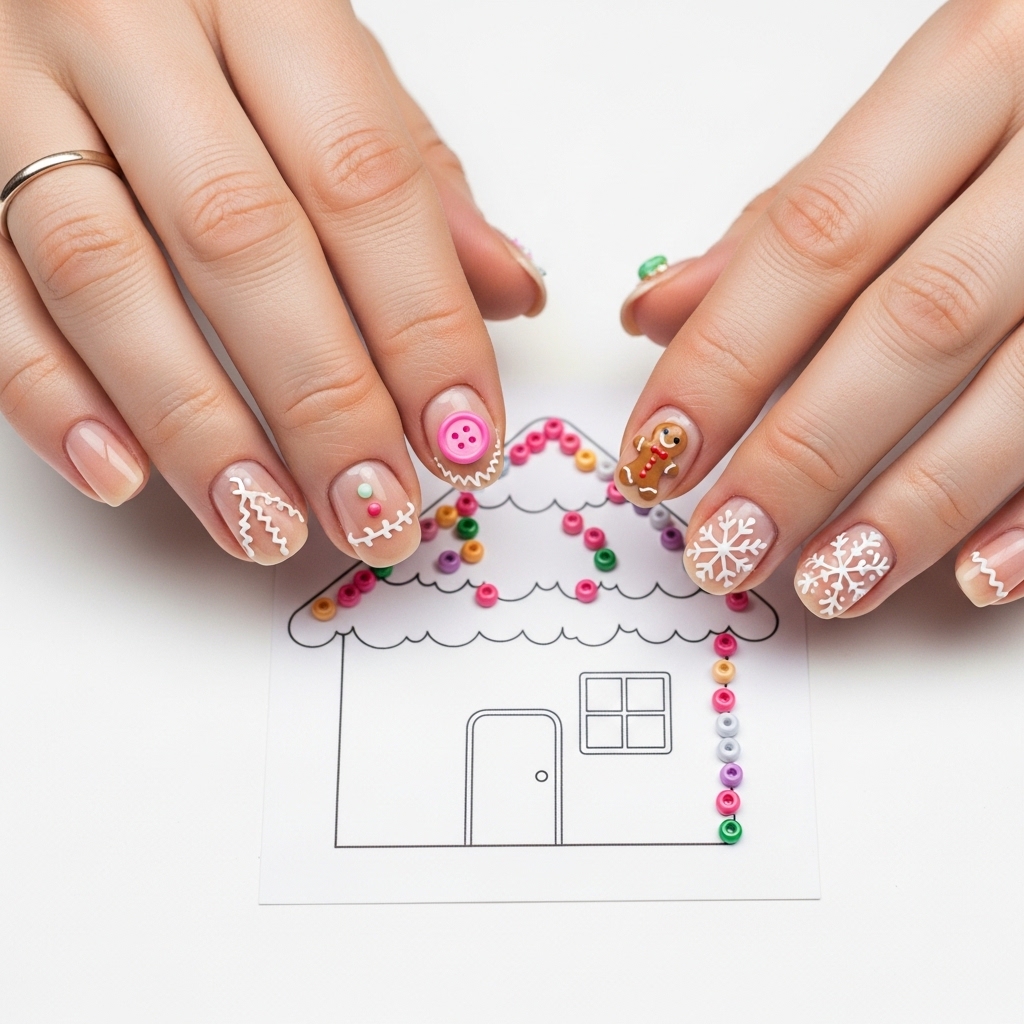
The fine motor demands of detailed gingerbread nail art are neurologically non-trivial. Achieving layered warm tones, spiced texture effects, and seasonal motifs requires sustained hand-eye coordination and spatial planning. Precision tool control is also involved. These cognitive-motor functions engage the cerebellum, premotor cortex, and parietal areas. Overall, the neural demand is meaningfully distinct from most professional daily tasks.
Harvard Medical School research on fine motor engagement and cognitive aging documents associations between regular fine motor activity and preserved executive function in midlife and older adults. The proposed mechanisms include neuroplasticity stimulation and increased blood flow to prefrontal and motor regions. Reinforcement of cross-brain neural coordination is also a factor. For professionals aged 35 to 60, these mechanisms contribute directly to cognitive reserve — the accumulated neural resilience that buffers against age-related cognitive decline.
Gingerbread nails, approached as a skilled practice rather than a casual activity, represent a genuine cognitive-motor training input. The skill curve involved — from base coat layering to fine detail work — provides the progressive challenge that neuroplasticity research identifies as most effective for cognitive reserve maintenance. By contrast, passive or routine activities do not generate equivalent neural adaptation.
Nail Morphology as a Winter Health Monitoring Tool
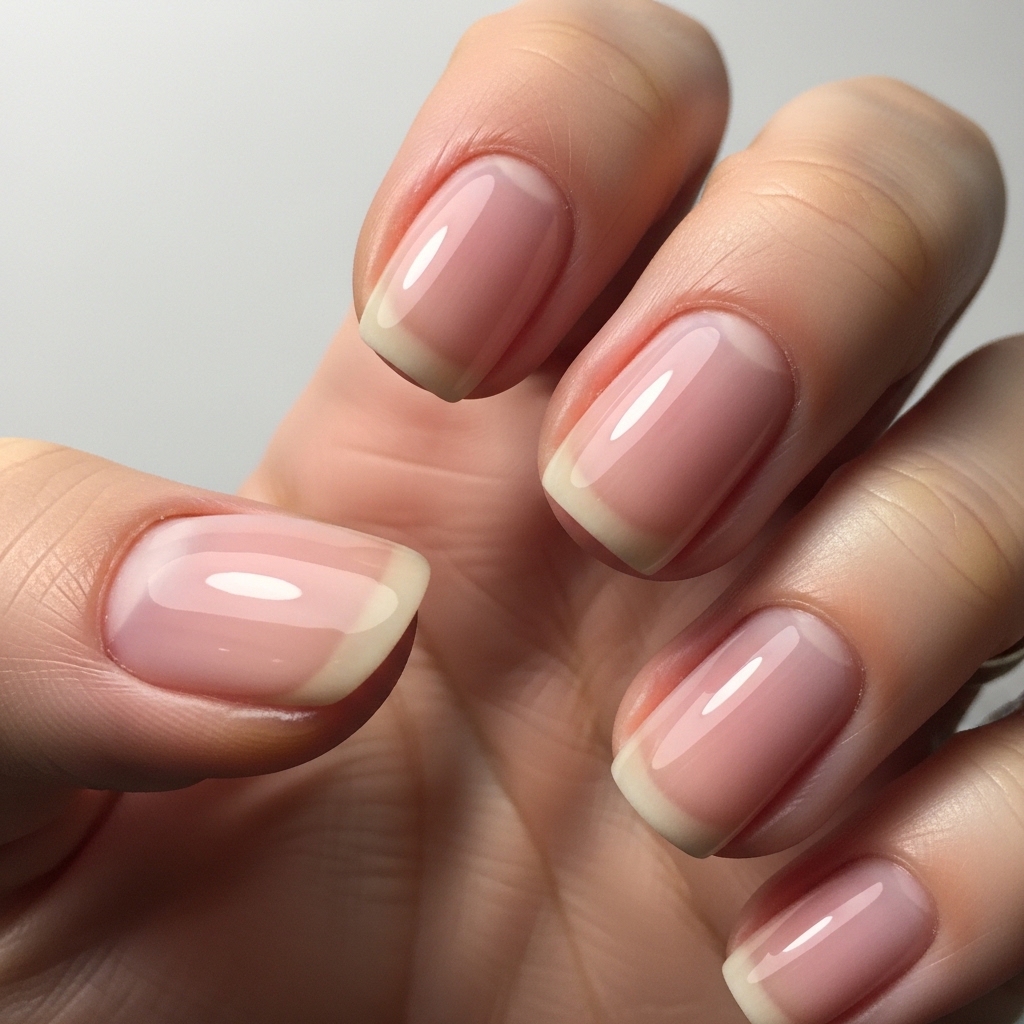
The winter season introduces specific physical stressors that show up in nail health. Reduced ambient humidity accelerates nail plate dehydration, increasing brittleness and cuticle cracking. Additionally, vitamin D insufficiency — near-universal in northern latitudes during winter — affects nail matrix cell turnover. It can present as slowed growth and increased ridging. Iron status is also frequently compromised in professionals with irregular dietary patterns during Q4.
Engaging with gingerbread nails as a seasonal aesthetic practice requires close visual inspection of the nail unit. This inspection creates a structured opportunity to monitor nail morphology for early clinical signals. Beau's lines — transverse grooves indicating growth interruption during physical stress — are particularly relevant during winter performance cycles. Similarly, nail bed pallor and increased longitudinal ridging carry diagnostic value for systemic conditions that standard executive health panels may miss between annual assessments.
The nail unit reflects systemic metabolic status with a temporal lag of four to twelve weeks. For professionals who conduct quarterly biological age assessments, integrating nail morphology observation into the gingerbread nail preparation ritual provides a continuous monitoring layer at no additional time cost. Early detection of morphological changes, therefore, creates an opportunity for intervention before systemic conditions reach significant thresholds.
READ ALSO: Best Cuticle Oil for Healthy Nails
Circadian Biology, Winter Photoperiod, and Behavioral Anchoring
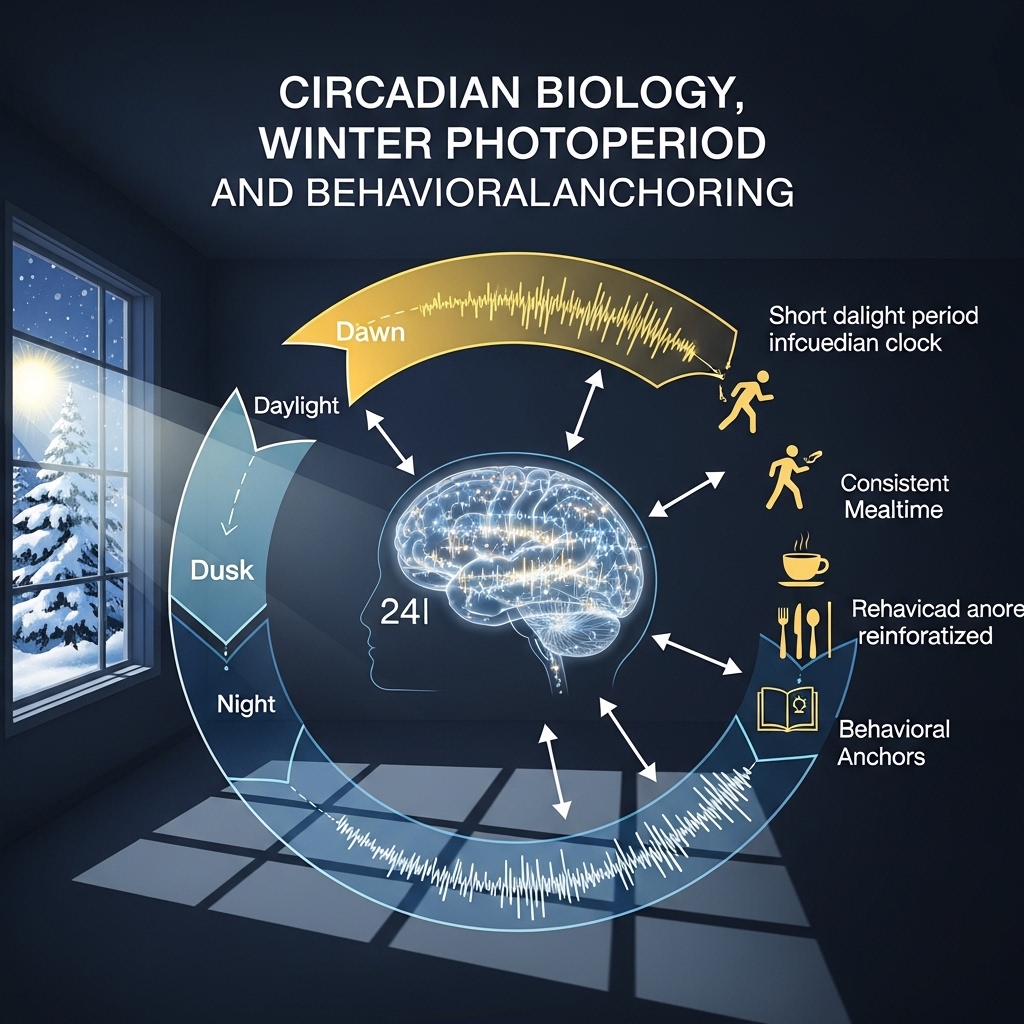
The winter reduction in daylight hours disrupts circadian function through a well-characterized mechanism. Reduced retinal light exposure delays melatonin offset in the morning. It also advances melatonin onset in the evening. This compresses the alertness window and alters the cortisol awakening response. For professionals dependent on sustained cognitive output, this circadian compression creates measurable deficits in decision quality and emotional regulation.
Behavioral anchors — structured, time-consistent rituals that reinforce circadian timing through non-light-based cues — are a documented strategy for maintaining circadian stability during low-light periods. The National Institute of Mental Health has studied non-light-based circadian function in the context of Seasonal Affective Disorder research. Findings confirm that regular behavioral rituals with strong sensory components can partially compensate for reduced light-based entrainment. Accordingly, gingerbread nails function as a winter behavioral anchor through their seasonal specificity and sensory richness.
Temporal orientation — the subjective sense of knowing where one is in the annual cycle — associates with reduced allostatic load and improved mood stability. Professionals who maintain strong seasonal behavioral rituals show more stable cortisol awakening response patterns. By contrast, those who allow seasonal behavioral structure to collapse under performance pressure show greater cortisol variability. Gingerbread nails, as a seasonally specific ritual, contribute to this stability through mechanisms independent of their aesthetic function.
READ ALSO: The Best Nail Strengtheners for Healthy, Strong Nails
Nail Product Safety in Winter Skin Barrier Conditions
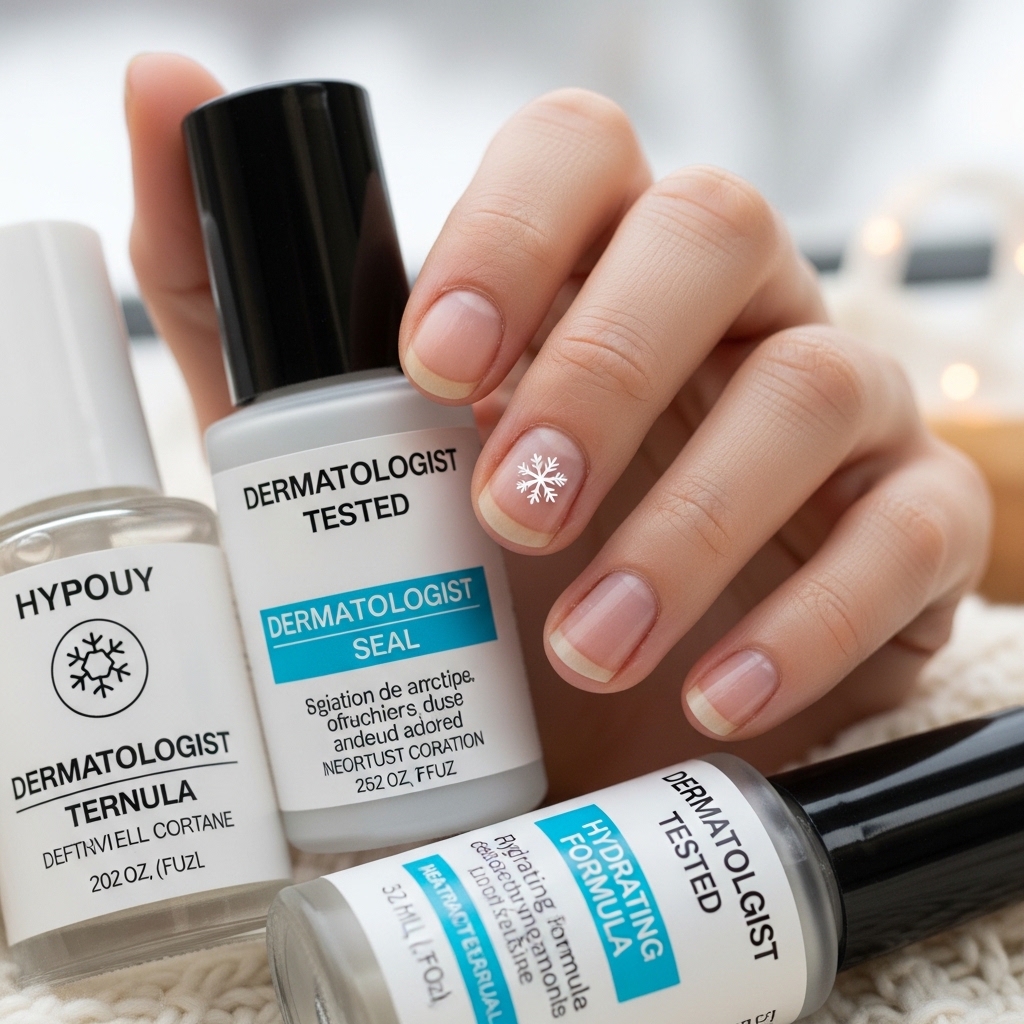
Winter conditions compromise the skin barrier through reduced humidity, increased indoor heating, and frequent hand washing. All of these accelerate water loss through the skin and increase its permeability. Increased skin permeability, in turn, elevates systemic absorption of topically applied compounds. This seasonal shift makes winter a relevant period for auditing the chemical makeup of nail products used in gingerbread nail applications.
The International Agency for Research on Cancer classifies formaldehyde — present in some nail hardeners and lacquers — as a known human carcinogen. Dibutyl phthalate and toluene carry documented hormone-disrupting profiles relevant to estrogen and testosterone regulation. Furthermore, Duke University's Nicholas School of the Environment confirmed measurable triphenyl phosphate (TPHP) breakdown products in urine samples collected hours after nail polish application. Absorption occurred through both skin contact and inhalation.
Clean-formula nail products — verified free from formaldehyde, toluene, dibutyl phthalate, TPHP, camphor, and xylene — are widely available. For professionals conducting regular hormonal panels or inflammatory marker assessments, selecting verified clean-formula products for gingerbread nail applications is a straightforward exposure reduction step. It carries direct relevance to the biomarkers already under active management.
Identity Expression, Allostatic Load, and the Winter Performance Window

Allostatic load — the cumulative physical cost of chronic stress adaptation — peaks for many high-performing professionals during the winter quarter. Year-end financial close, planning cycles, and compressed social obligations combine with reduced light and cold exposure. Together, these produce an environment that measurably accelerates biological age markers. These include C-reactive protein elevation, telomere attrition, and epigenetic clock advancement. Behavioral strategies that reduce allostatic accumulation during this window, therefore, carry outsized longevity value.
Identity-coherent self-expression is among the most efficient allostatic load reduction strategies identified in stress physiology research. The American Psychological Association has documented that behaviors aligning external presentation with internal self-concept reduce the neurological cost of social performance. Gingerbread nails, as a seasonally specific identity expression, signal personal engagement with the cultural richness of the winter period. As a result, this signal reduces the identity management burden that contributes to allostatic accumulation in professionals who suppress personal expression during high-performance periods.
The downstream effects of identity coherence include reduced baseline cortisol, improved autonomic nervous system balance, and lower inflammatory cytokine profiles. All of these are measurable through standard longevity biomarker panels. For professionals who track these markers quarterly, the winter period represents an opportunity to test whether increased behavioral intentionality produces detectable shifts in allostatic load indicators between assessments.
Sleep Architecture, Sensory Deceleration, and Evening Nail Rituals
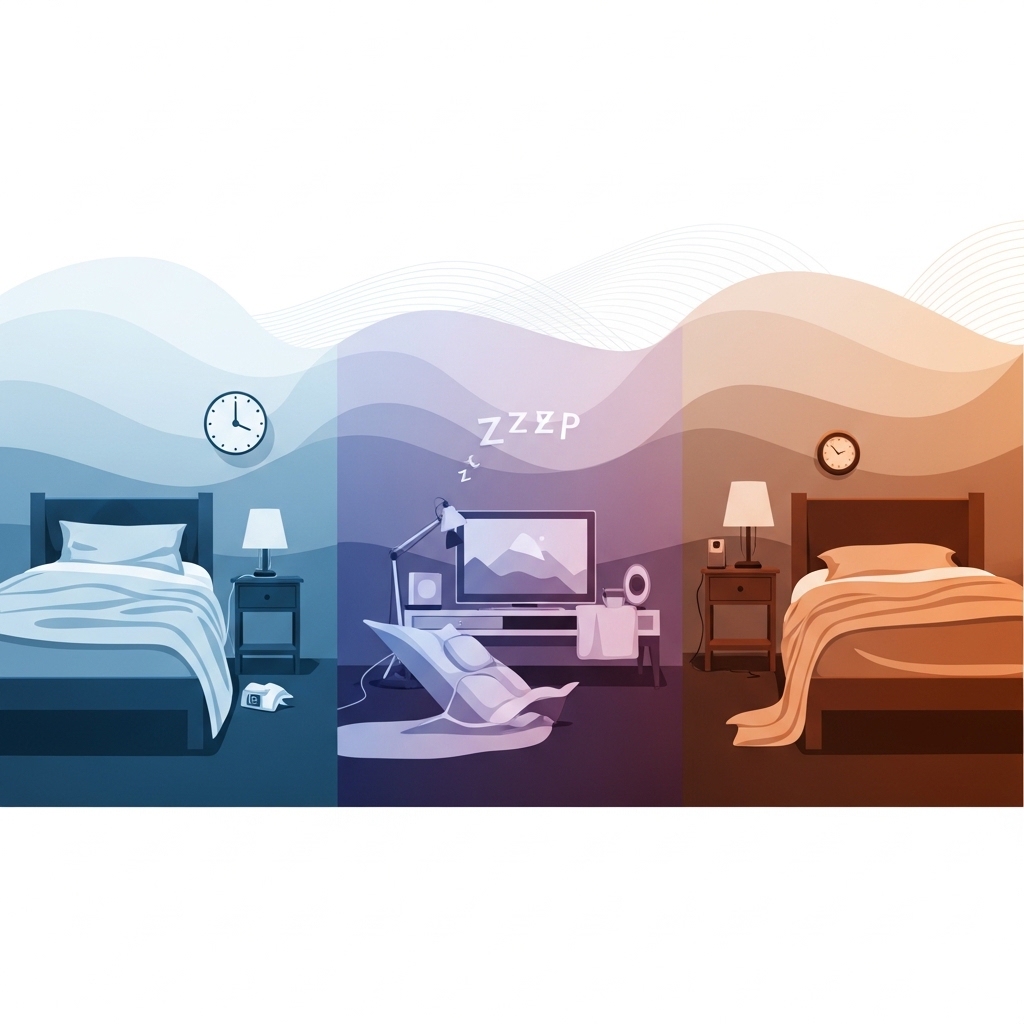
Slow-wave sleep — the restorative phase governing growth hormone release, brain waste clearance, and cellular repair — is most vulnerable to disruption during periods of elevated evening cortisol. Winter performance cycles reliably elevate evening cortisol in high-performing professionals. This compresses slow-wave sleep duration and reduces its restorative yield. The Sleep Heart Health Study documented robust associations between poor slow-wave sleep and accelerated cardiovascular aging and cognitive decline in midlife adults.
Sensory deceleration rituals in the pre-sleep window are a validated behavioral strategy for reducing evening cortisol. The tactile, olfactory, and visual engagement involved in gingerbread nail care — applying cuticle oil, inspecting seasonal nail art, performing hand massage — shifts autonomic tone from sympathetic to parasympathetic dominance. This shift reduces cortical arousal. It also creates the neurological conditions necessary for sleep onset and slow-wave consolidation.
Gingerbread nail care performed as a deliberate, screen-free evening activity in the sixty minutes before sleep creates a consistent pre-sleep behavioral anchor. It reinforces circadian timing while simultaneously reducing the cortisol that suppresses slow-wave sleep. For professionals using wearable sleep tracking, this represents a testable behavioral intervention. Measurable outcome data becomes available within one to two weeks of consistent practice.
READ ALSO: Russian Manicure: The Trend You Need to Know
Salon Environment Considerations for Winter Appointments

Professional nail salon environments present specific air quality considerations that worsen during winter months. Reduced natural ventilation in cold weather, combined with increased heating system use, concentrates volatile organic compounds released during polish application and gel curing. OSHA occupational exposure standards for methyl methacrylate, acetone, and ethyl methacrylate were developed in the context of salon worker daily exposure. This provides a useful baseline for understanding the chemical environment being entered.
For professionals with elevated baseline inflammatory markers, existing respiratory sensitivity, or active hormonal optimization protocols, the winter salon environment warrants specific preparation. Requesting appointments during lower-traffic periods reduces concurrent compound release in the space. Additionally, positioning near active air exchange points and selecting salons with documented ventilation systems both represent practical exposure management strategies. Neither requires avoiding professional nail services entirely.
The same environmental audit standard that high-performing professionals apply to office air quality and food sourcing applies logically to nail salons. Seasonal appointments for gingerbread nails provide a natural prompt to establish and apply this standard. Building this evaluation habit, moreover, carries forward to subsequent seasonal nail appointments throughout the year.
Evidence-Based Options for Professionals Pursuing Seasonal Recovery

Professionals seeking to apply this evidence have several concrete options. First, approaching gingerbread nail preparation as a deliberate cortisol circuit breaker — scheduling it as a screen-free, focused sensory activity during high-demand winter periods — engages the HPA axis modulation documented in stress physiology research. Second, selecting clean-formula nail products verified free from formaldehyde, toluene, dibutyl phthalate, and TPHP reduces seasonal chemical exposure. This matters most in winter, when skin permeability increases absorption. Third, using the nail inspection process inherent in gingerbread nail preparation as a structured morphological monitoring cadence adds a peripheral biomarker observation layer to the existing longevity protocol.
Additionally, incorporating gingerbread nail care into the pre-sleep sensory deceleration window provides a testable behavioral intervention for slow-wave sleep support. Finally, evaluating salon ventilation quality before winter appointments addresses the amplified compound concentration risk specific to cold-weather environments. Each of these represents an evidence-grounded option for integrating a seasonal aesthetic practice into a serious, data-informed performance longevity protocol.
UP NEXT: What Nail Discoloration and Color Changes Reveal About Your Metabolic and Cardiovascular Health
Sustained cortisol elevation during high-demand winter periods — the precise physiological environment that deliberate seasonal rituals like gingerbread nails are positioned to interrupt — is one of the most well-documented drivers of accelerated biological aging, operating through telomere attrition, epigenetic clock advancement, and chronic inflammatory marker elevation. WholeLiving's Biological Age Estimation Model incorporates this factor directly — your assessment takes under five minutes.
Ready to understand how these factors are influencing your biological age right now? [Take the Biological Age Assessment →]