

Deliberate aesthetic expression during high-intensity performance cycles is not cosmetic triviality — for executives managing cortisol load across compressed decision-making windows, it functions as a behavioral regulation signal. Seasonal nail aesthetics, including Halloween-specific designs, engage a documented psychological mechanism: intentional self-presentation reinforces identity coherence, which correlates with reduced allostatic load in peer-reviewed stress physiology literature. Professionals who dismiss this as peripheral to performance optimization overlook its role in parasympathetic activation — a measurable variable directly tied to recovery quality, cognitive processing speed, and biological age trajectory. This is not decoration. This is a recoverable input in your longevity protocol.
Halloween Finger Nails as a Biological Ritual, Not Decoration
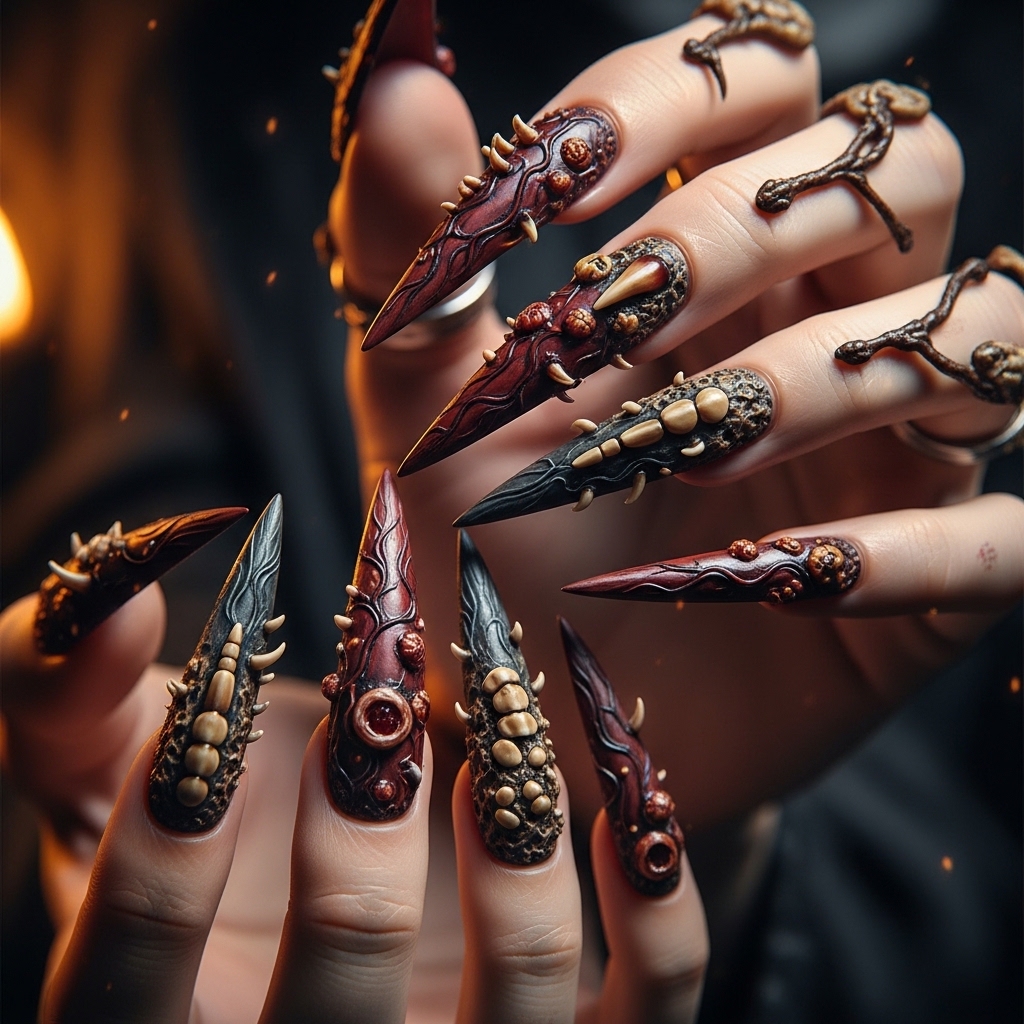
Halloween finger nails are not a frivolous seasonal choice. For high-performing professionals, deliberate aesthetic rituals carry measurable physiological weight. Psychoneuroimmunology — the study of how mental states shape immune function — provides the framework here. Specifically, the National Institutes of Health has documented bidirectional pathways between the central nervous system and immune response. These pathways confirm that psychological inputs, including self-directed aesthetic behavior, produce downstream effects on inflammatory markers and stress hormone profiles.
Selecting and wearing a specific nail design engages the prefrontal cortex. Planning, identity reinforcement, and reward anticipation all activate dopaminergic pathways. In turn, these pathways modulate cortisol output through the HPA axis — the body's central stress response system. For executives under sustained pressure, any input that influences this system carries physiological relevance, not merely cosmetic relevance.
Seasonal rituals carry additional biological weight. Research from Harvard T.H. Chan School of Public Health links social belonging and identity expression to reduced chronic inflammation — a primary driver of biological age acceleration. As a result, halloween finger nails function as a seasonal belonging signal that, when used with intention, may contribute to the inflammation reduction that longevity-focused professionals actively pursue.
What Halloween Finger Nails Reveal About Internal Health
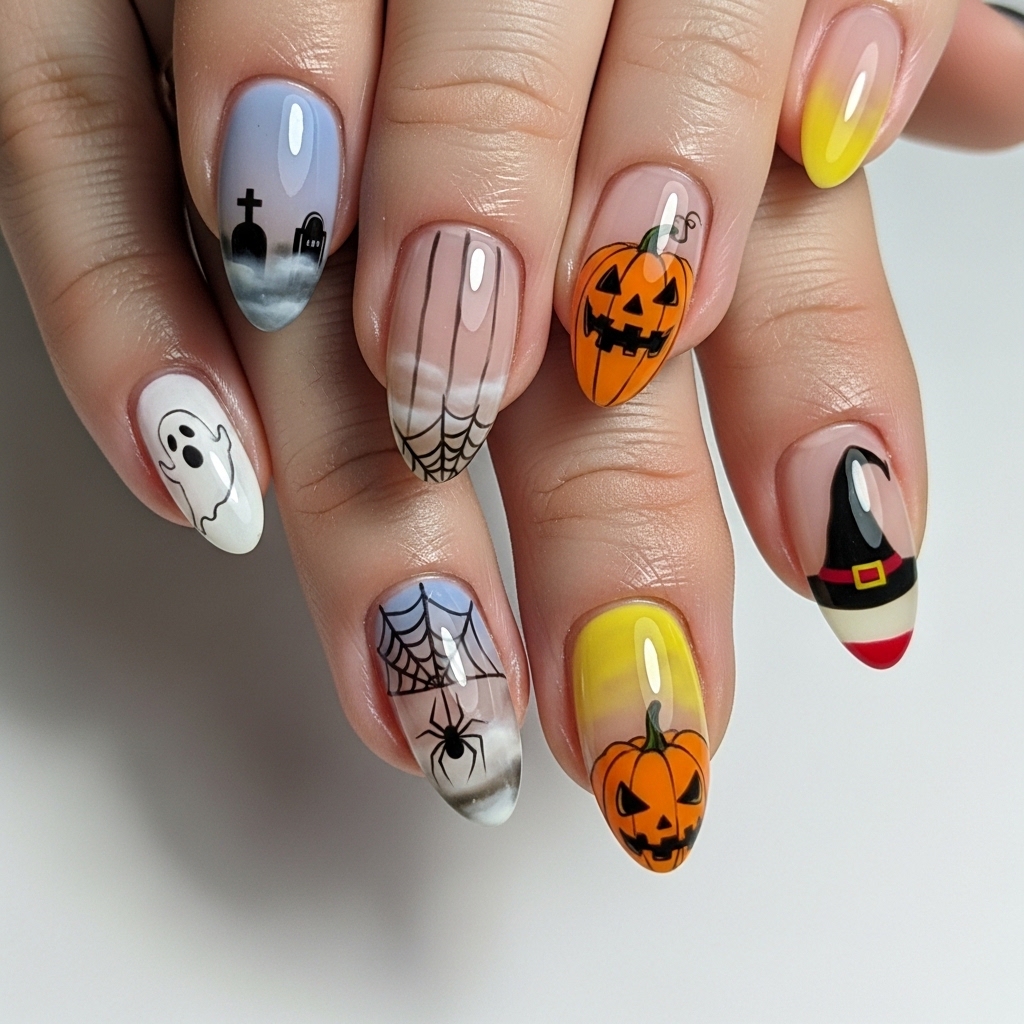
Clinicians have used nail shape and appearance as a diagnostic indicator for decades. Changes in color, texture, ridging, curvature, and growth rate are documented signals for systemic conditions. These include iron-deficiency anemia, thyroid issues, heart problems, and poor protein absorption. Overall, the nail unit reflects internal metabolic status with a lag of weeks to months — making it a slow-moving but useful health marker.
Koilonychia, or spoon-shaped nails, signals iron deficiency. Terry's nails — mostly white with a narrow pink tip band — correlate with liver disease, heart failure, and type 2 diabetes. Beau's lines, by contrast, are horizontal grooves that indicate periods of severe physical stress. For professionals doing regular biological age assessments, nail appearance offers a low-cost, non-invasive data point that complements bloodwork and wearable device readings.
Preparing halloween finger nails requires direct visual and tactile inspection of the nail unit. Consequently, this process creates a routine opportunity to detect early changes that might otherwise go unnoticed for months. The frequency of halloween nail care, therefore, becomes a passive health monitoring habit — one built naturally into an existing behavior.
Halloween Finger Nails, Cortisol, and Stress Recovery
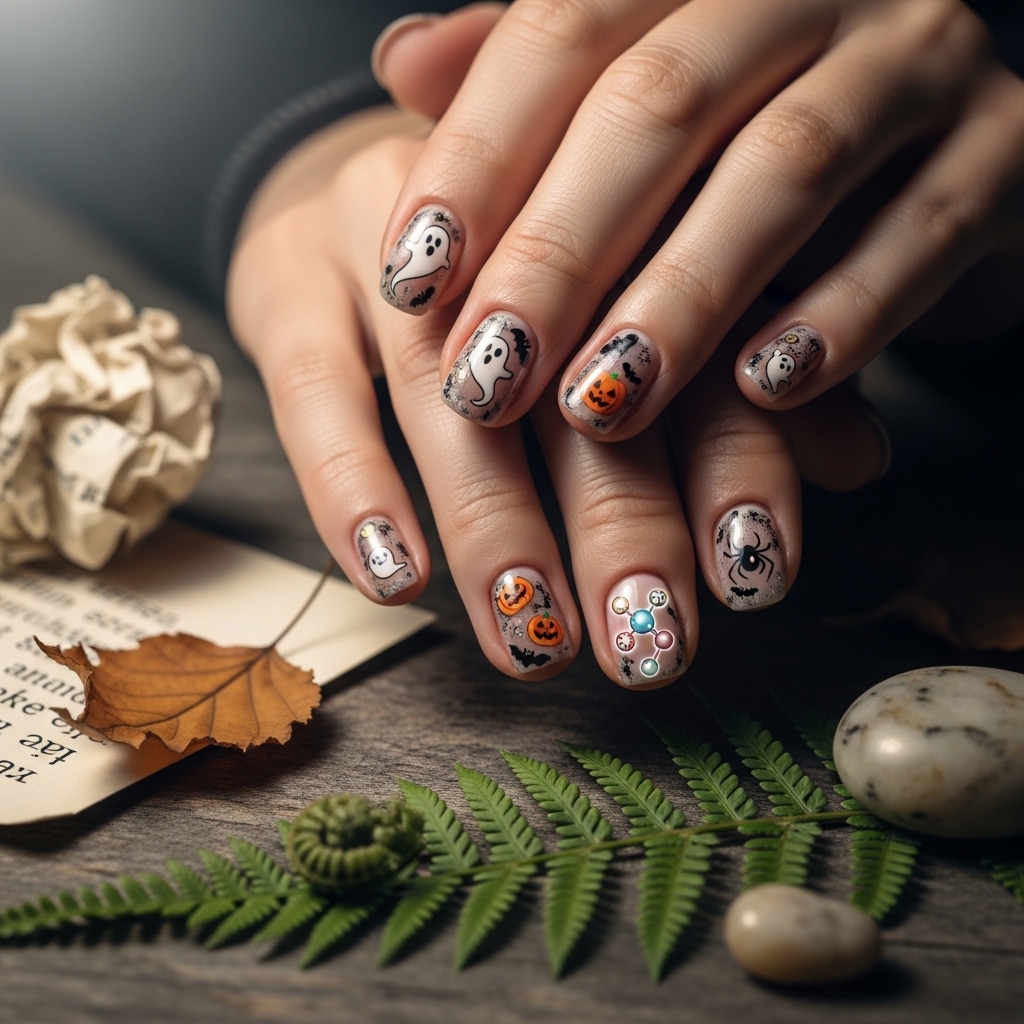
Chronic cortisol elevation accelerates biological aging in high-performing professionals. Sustained activation of the body's stress response system suppresses immune function, degrades sleep, impairs blood sugar regulation, and drives body-wide inflammation. This cascade maps directly onto faster cell aging and epigenetic age advancement. As a result, identifying inputs that reliably reduce stress hormone output — without drugs — is a core objective of longevity medicine.
Aesthetic engagement is a documented activator of the parasympathetic nervous system. The focused attention required by detailed halloween finger nails induces a mild flow state in many practitioners. According to psychologist Mihaly Csikszentmihalyi, who studied flow states in clinical contexts, these states correlate with drops in cortisol and stress hormone output, while also increasing activity in brain regions governing reward and emotional balance.
For professionals whose mental load stays high across most waking hours, structured aesthetic rituals offer a form of focused redirection. Rather than staying in threat-detection mode, the brain shifts to sensory engagement. This shift is not passive distraction — it is deliberate nervous system downregulation. The frequency, duration, and intent behind the ritual determines its physiological yield.
Fine Motor Control, Halloween Nail Art, and Brain Resilience
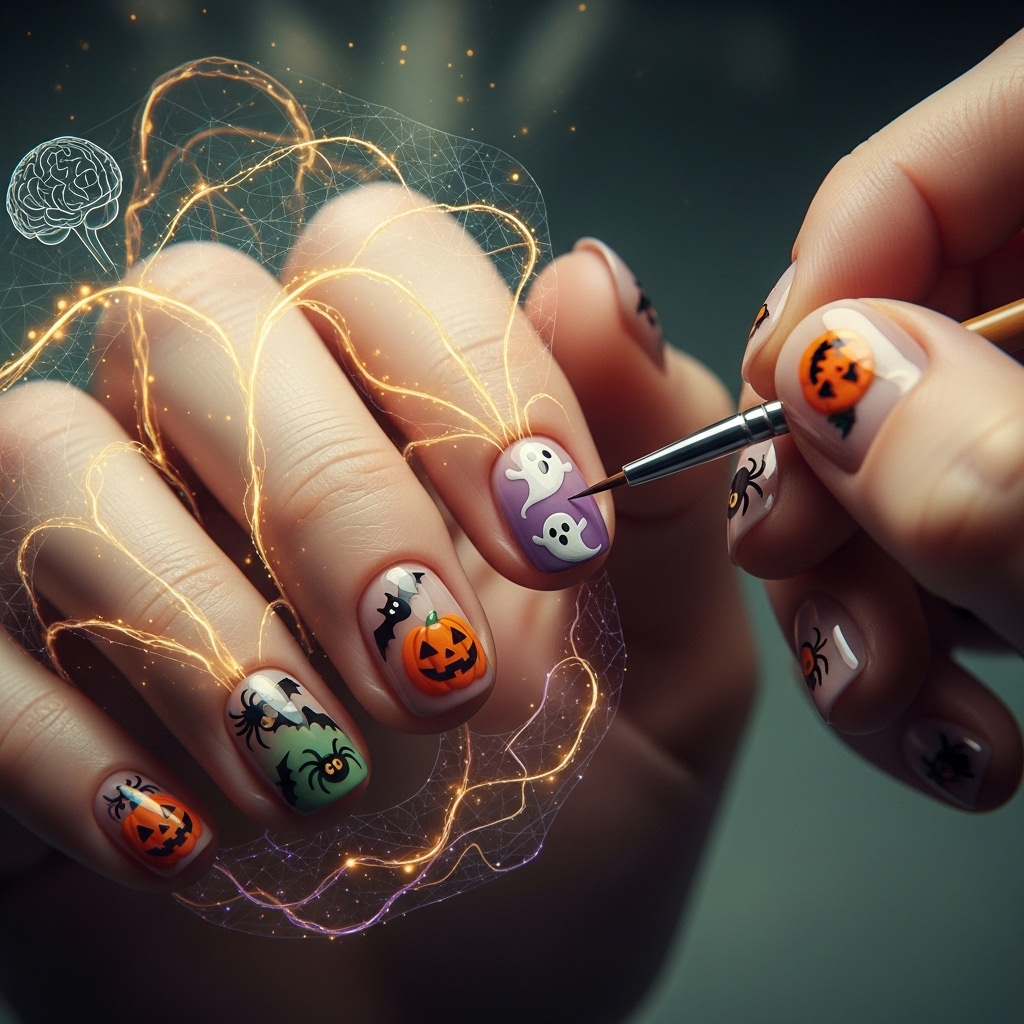
Fine motor activity and cognitive performance share a well-documented neurological relationship. Such tasks engage the cerebellum, motor cortex, and sensory processing regions in ways that differ from purely mental or sedentary activity. Moreover, regular fine motor engagement supports neural flexibility and contributes to what neurologists call cognitive reserve — the brain's capacity to resist age-related decline.
Harvard Medical School research associates fine motor engagement with preserved executive function in aging adults. The underlying mechanisms include neuroplasticity stimulation, increased blood flow to the brain, and reinforcement of neural circuits governing coordination, spatial reasoning, and focused attention. Halloween nail art — with its layered application and freehand detail — is a genuine fine motor challenge that activates these circuits in ways passive leisure activities do not.
For professionals aged 35 to 60, maintaining cognitive reserve is a primary longevity target. Neurodegenerative risk builds silently across decades before any clinical signs appear. Interventions that stimulate neural flexibility through active engagement — rather than supplementation — integrate naturally into existing lifestyle habits. Halloween finger nails, when approached as skill-based execution, qualify as one such intervention.
Identity Coherence, Stress Load, and Seasonal Nail Expression
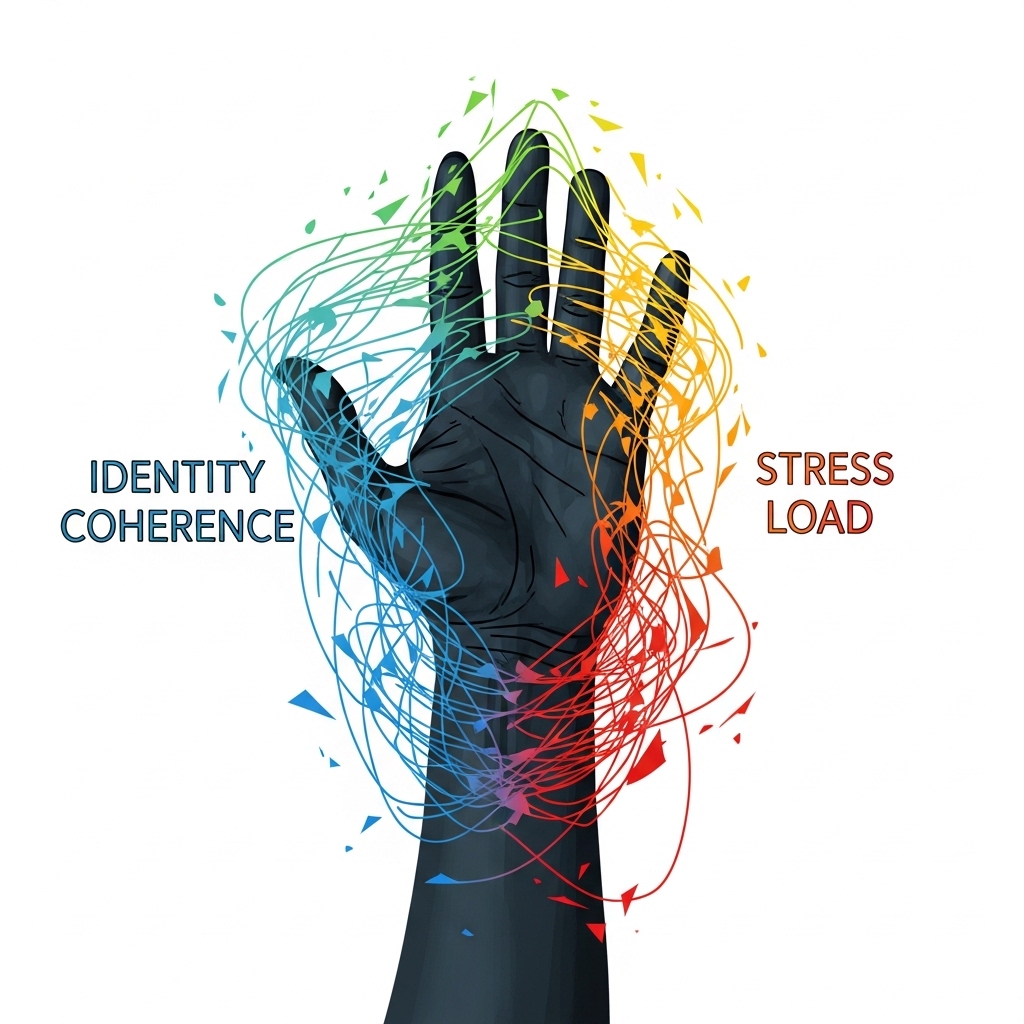
Allostatic load is the cumulative physical wear produced by chronic stress adaptation. Clinicians measure it through cortisol, DHEA-S, blood pressure, waist-to-hip ratio, blood sugar markers, cholesterol, and C-reactive protein. High allostatic load in midlife predicts faster biological aging, cardiovascular disease, and cognitive decline. Consequently, reducing this load is a central target in any evidence-based longevity protocol.
Identity coherence — the alignment between external presentation and internal self-concept — acts as a buffer against stress accumulation. The American Psychological Association has published research showing that identity-expressive behaviors reduce the physical cost of self-monitoring under social performance conditions. Choosing halloween finger nails as a seasonal identity signal engages this mechanism directly, reinforcing self-concept clarity and reducing the neural energy spent managing identity under scrutiny.
Furthermore, seasonal rituals carry extra psychological weight because they connect personal identity to social and time-based context. Both social belonging and temporal orientation independently associate with reduced allostatic load in stress research. Halloween nail aesthetics achieve all three functions — identity expression, social signaling, and temporal grounding — at once.
Nail Product Chemistry and Body Exposure Risk
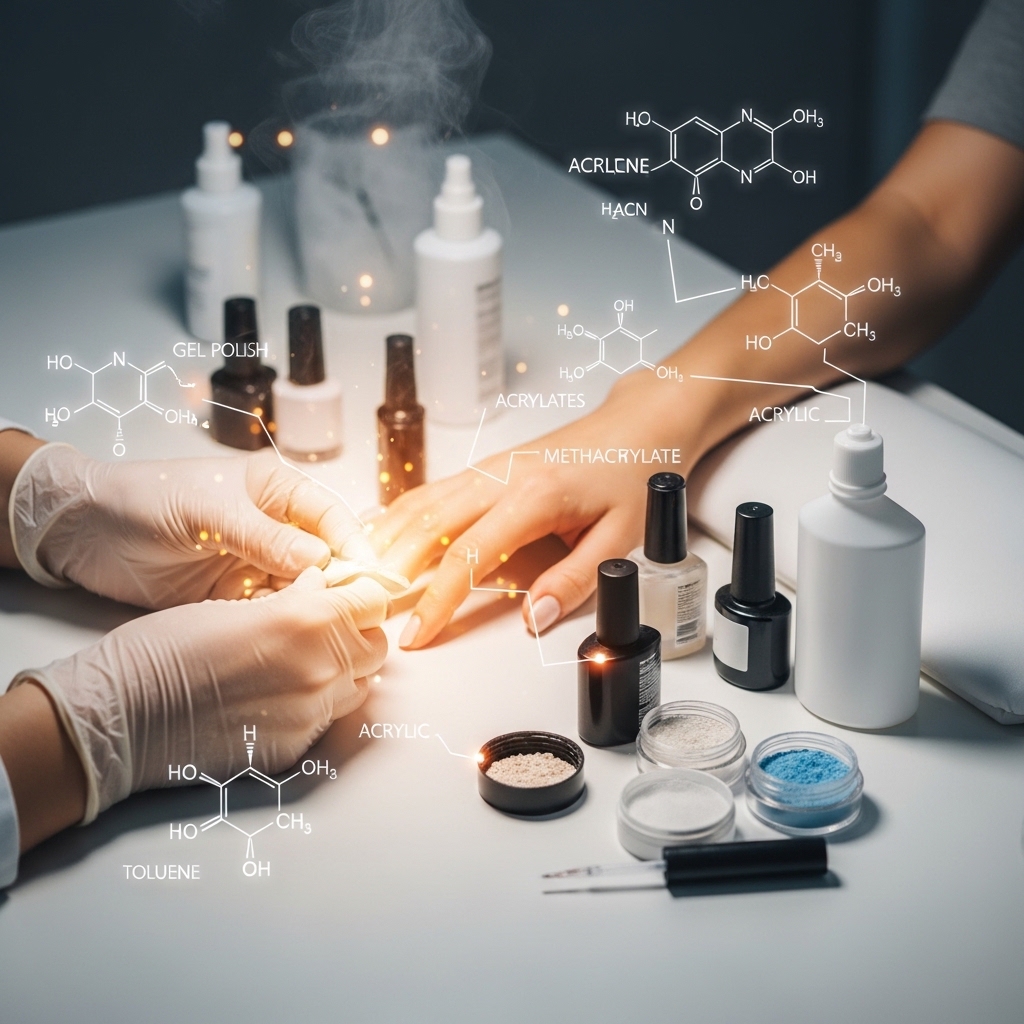
The chemical makeup of nail products warrants clinical attention. Conventional nail lacquers have historically contained toluene, formaldehyde, and dibutyl phthalate — the so-called “toxic trio.” All three carry documented hormone-disrupting and liver-toxic profiles at sufficient exposure levels. While single-application risk in a ventilated setting is low, cumulative exposure across frequent applications builds meaningfully over time.
Formaldehyde is classified as a known cancer-causing agent by the International Agency for Research on Cancer (IARC). It appears in some nail hardeners and polish formulations as a resin or preservative. Phthalates, meanwhile, disrupt estrogen and testosterone signaling — hormones that directly affect metabolic function, muscle mass, and mood in the 35 to 60 age group. Professionals tracking hormonal panels as part of their longevity protocol have a clear reason to audit their nail product choices.
Fortunately, the market for cleaner nail formulations has grown. Duke University's Nicholas School of the Environment found measurable triphenyl phosphate breakdown products in urine samples collected hours after nail polish application, confirming both skin absorption and inhalation as entry routes. For halloween finger nails specifically, selecting verified clean-formula products is a straightforward risk reduction decision well within any professional's control.
Salon Air Quality, Chemical Exposure, and Lung Health
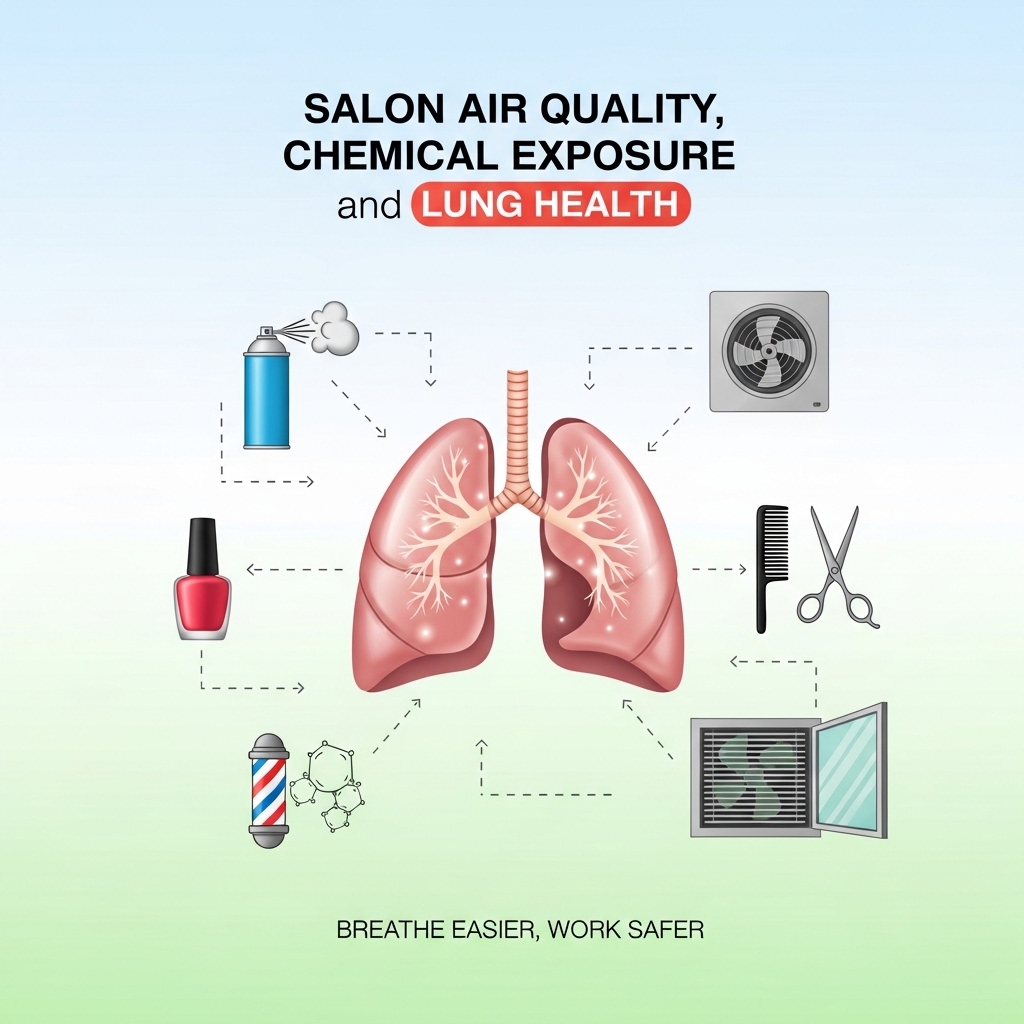
Professional nail salon environments generate a distinct chemical air profile. Compounds released during polish application and gel curing include acetone, methyl methacrylate, and ethyl methacrylate. These affect airway tissue and enter the bloodstream with sufficient exposure. In recognition of this, OSHA has published occupational exposure limits for several of these substances — a regulatory acknowledgment of their physiological impact.
For professionals who visit salons occasionally, a single halloween nail appointment presents low acute respiratory risk in those with normal lung function. However, individuals with underlying airway sensitivity, elevated inflammatory baseline, or reduced detox capacity face a different risk profile. Such conditions are more common in midlife due to decades of cumulative environmental exposure. Both ventilation quality and appointment duration are worth assessing before booking.
The broader principle here is environmental audit. Professionals who filter water, monitor office air, and scrutinize food sourcing apply this standard inconsistently when they overlook high-exposure settings like nail salons. The seasonal nature of halloween finger nails makes this an ideal moment to establish a salon evaluation standard applicable throughout the year.
READ ALSO: Summer Nails 2026: Hot Colors and Designs
Cuticle Health, Skin Hydration, and Barrier Protection
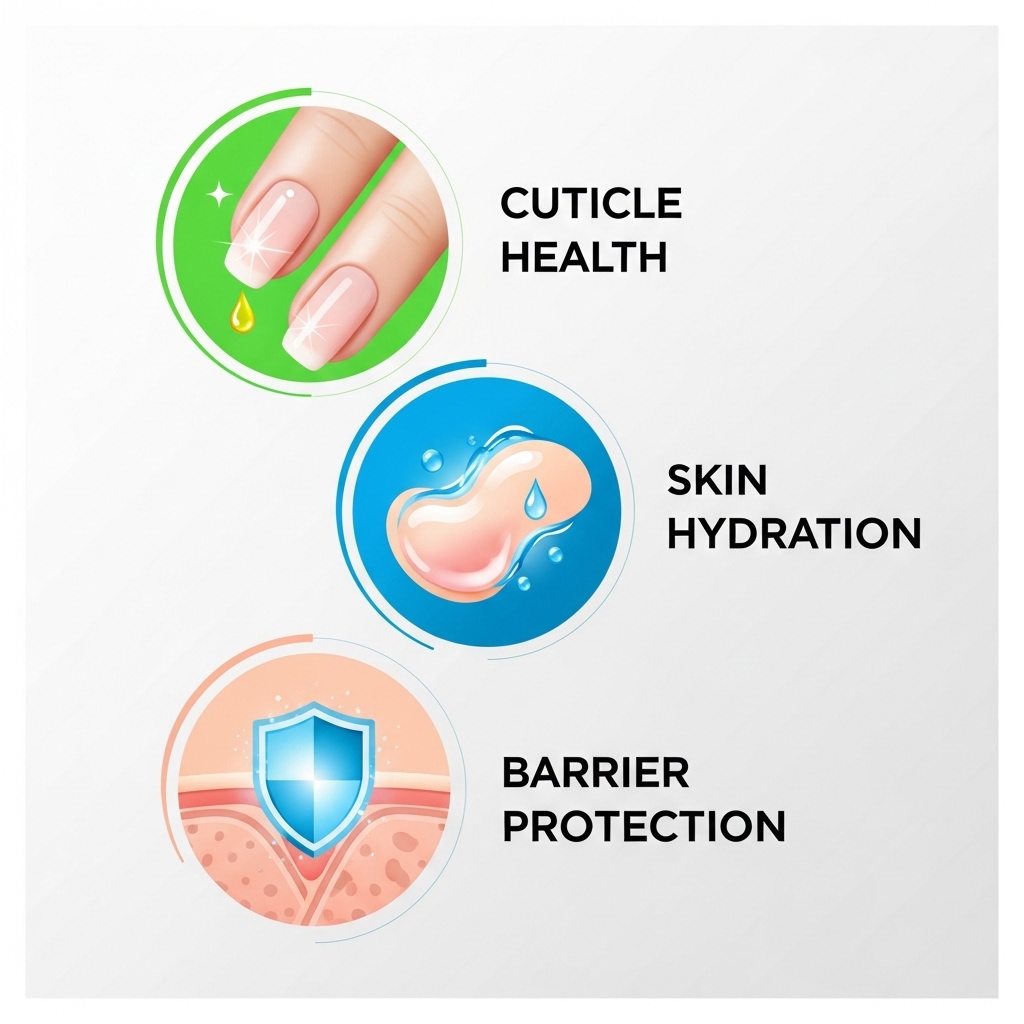
The nail unit's protective function depends directly on systemic and local hydration levels. Dehydration — common among professionals with irregular fluid intake — shows up as brittle nails, cracked cuticles, and poor nail plate adhesion. Rather than cosmetic inconveniences, these represent failures in peripheral barrier function with direct implications for pathogen entry.
The cuticle seals the proximal nail fold against bacterial and fungal entry into the nail matrix. When this barrier breaks down, it becomes a documented entry point for paronychia — a localized infection that, in individuals with high stress load or reduced immunity, carries escalation risk. Maintaining cuticle hydration with agents such as jojoba oil, vitamin E, and squalane is well-supported by evidence, especially during autumn and winter when ambient humidity drops.
For halloween finger nails, the condition of the nail unit at application time determines both the visual result and the biological risk. Aggressive cuticle removal, acetone-based preparation without follow-up hydration, and extended gel or acrylic wear all compromise this barrier. Approaching halloween nail preparation with the same evidence-based attention given to other physical inputs is fully consistent with a longevity protocol.
READ ALSO: Best Cuticle Oil for Healthy Nails
Sleep Quality and the Evening Ritual Window
The shift from high-output performance to restorative sleep requires deliberate deceleration. Professionals who move directly from screens and decisions into bed show measurably worse sleep onset and reduced slow-wave sleep — the phase governing growth hormone release, brain waste clearance, and cellular repair. The American Academy of Sleep Medicine supports sensory rituals as validated components of sound sleep hygiene.
Nail care rituals offer exactly this kind of sensory wind-down input. The tactile engagement of applying halloween finger nails, the scent of cuticle oils, and the focused but low-stakes fine motor activity all occupy the transition space between alert and restorative states. Additionally, a final topcoat application or a deliberate hand massage can anchor this shift in the nervous system, reducing brain arousal and supporting the activation needed for sleep onset.
Both the Nurses' Health Study and the Sleep Heart Health Study confirm sleep's central role in biological age trajectory, heart disease risk, insulin sensitivity, and cognitive aging. Given this, any behavioral input that reliably supports nervous system downregulation before bed carries upstream value well beyond its surface description. Sleep quality, in short, remains among the highest-yield longevity variables available for optimization in this age group.
Halloween Nail Rituals and Autumn Circadian Alignment
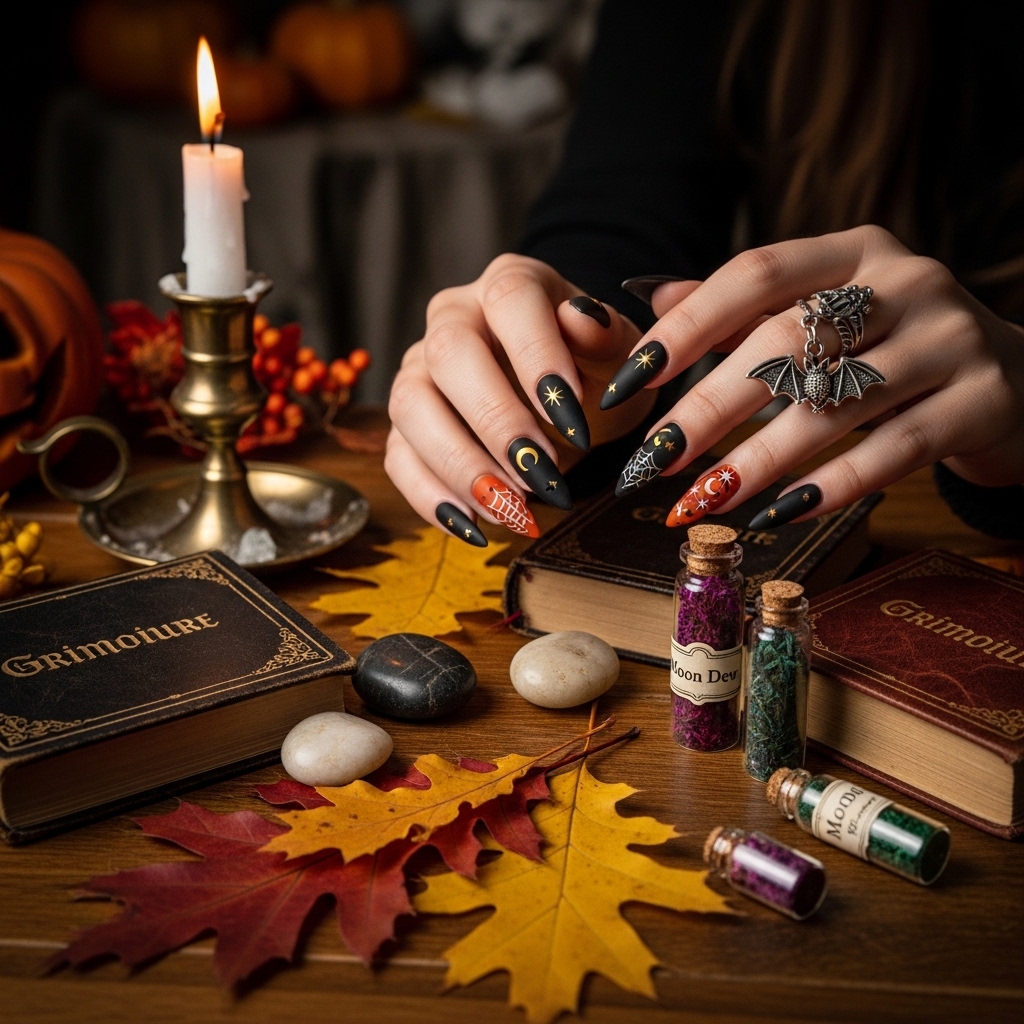
Seasonal behavioral patterns interact with the body's internal clock in documented ways. The autumn transition brings declining daylight and temperature drops that produce measurable shifts in melatonin timing, serotonin availability, and morning cortisol patterns. Deliberate engagement with seasonal rituals has, therefore, been proposed as a behavioral strategy for maintaining circadian stability during this light-based shift.
The National Institute of Mental Health has documented the relationship between seasonal light exposure, serotonin tone, and mood stability — findings that underpin the clinical recognition of Seasonal Affective Disorder. Sub-clinical seasonal mood changes, however, affect a much broader population and associate with reduced drive, impaired executive function, and greater cortisol variability during autumn and winter. Planning and executing halloween finger nails activates reward circuits that partially compensate for serotonin variability during low-light months.
For performance-oriented professionals, autumn is a predictable biological risk window for mood shifts, sleep disruption, and motivational dips. Proactive seasonal behavioral engagement creates time-based structure, social connection, and identity expression all at once. The physiological yield of any single ritual is modest. Nevertheless, the cumulative effect of a deliberately structured seasonal behavioral protocol is clinically meaningful.
READ ALSO: What Nail Discoloration and Color Changes Reveal About Your Metabolic and Cardiovascular Health
Halloween Finger Nails as an Evidence-Based Performance Input
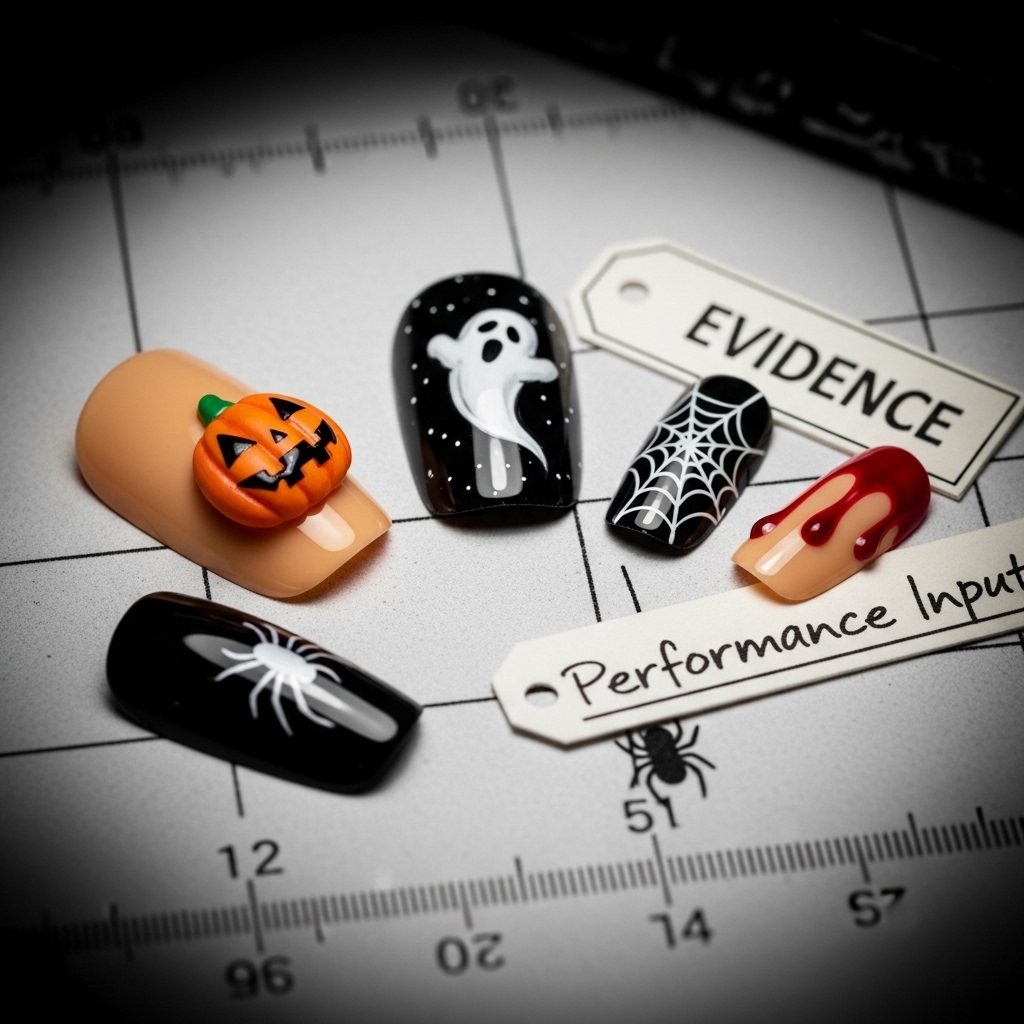
Professionals seeking to apply this evidence have several actionable options. Periodic visual inspection of halloween finger nails — checking for ridging, color shifts, texture changes, and growth rate variations — creates a low-cost monitoring habit for peripheral health markers that complement standard blood tests. Selecting nail products free from the toxic trio and triphenyl phosphate reduces cumulative hormone-disrupting exposure, particularly relevant for those actively managing hormonal panels.
Approaching halloween nail care as a deliberate parasympathetic activation input — rather than a passive habit — leverages the documented stress hormone modulation linked to intentional aesthetic engagement. Assessing salon ventilation and managing appointment duration addresses chemical air exposure for professionals with an elevated inflammatory baseline. Incorporating fine motor halloween nail activities into pre-sleep sensory routines, meanwhile, supports the brain deceleration necessary for restorative sleep.
Each option is evidence-based and within the professional's direct control — not a prescription, but a set of informed decisions available to those who choose to act on them.
UP NEXT: Russian Manicure: The Trend You Need to Know
Deliberate aesthetic rituals — including the focused attention and parasympathetic activation associated with halloween finger nails — have been linked to reduced allostatic load and lower chronic inflammation, two of the most direct physiological drivers of accelerated biological aging in midlife professionals. WholeLiving's Biological Age Estimation Model incorporates this factor directly — your assessment takes under five minutes.
Ready to understand how these factors are influencing your biological age right now? [Take the Biological Age Assessment →]