

Chronic anxiety is not merely a psychological inconvenience. For high-performing professionals, it represents a measurable threat to cognitive output, executive function, and long-term neurological health. Sustained anxiety elevates cortisol and accelerates cellular aging. In addition, it disrupts the prefrontal cortex activity that drives decision-making under pressure. Yet pharmaceutical interventions carry trade-offs. Many executives are unwilling to accept these trade-offs. Evidence-based holistic protocols offer a clinically informed alternative. Importantly, this approach addresses anxiety at the physiological level. It does so without compromising the mental clarity that performance demands.
The Cortisol Connection: Why Anxiety Demands Physiological Attention

Anxiety disorders affect an estimated 284 million people globally, according to the World Health Organization. Among high-performing professionals, prevalence appears disproportionately elevated. Chronic deadline pressure, decision fatigue, and hyperconnectivity drive this pattern. Collectively, these stressors activate the hypothalamic-pituitary-adrenal (HPA) axis. Sustained activation then triggers cortisol elevation that research associates with disrupted sleep architecture, impaired immune regulation, and accelerated cellular aging.
Cortisol dysregulation operates gradually and often without obvious symptoms. Sustained HPA activation associates with telomere shortening in human longitudinal research. Telomere length, in turn, serves as a recognized marker of biological aging. The causal pathway in humans, however, remains an active area of investigation. Nevertheless, the National Institutes of Health has funded substantial research into stress-related cellular aging, documenting consistent associations between chronic psychological stress and biological age acceleration.
The clinical rationale for managing anxiety through non-pharmaceutical means is therefore mechanistic rather than ideological. When cortisol rhythms normalize, downstream markers tend to improve accordingly. Inflammatory load decreases, sleep architecture recovers, and prefrontal cortex function stabilizes. Holistic protocols target these physiological pathways through evidence-supported mechanisms. Even so, the research strength behind each intervention varies and warrants careful differentiation.
Reframing Holistic: What the Evidence Actually Supports

The term “holistic” describes a multi-system intervention model. Specifically, it addresses anxiety through concurrent physiological pathways rather than a single pharmacological target. This framework aligns with integrative medicine — a field actively researched at institutions including Harvard Medical School and the Mayo Clinic. That said, evidence quality varies considerably across individual interventions.
Integrative protocols draw from mindfulness-based interventions, nutritional psychiatry, movement medicine, adaptogenic botanicals, and sleep optimization. Each domain carries an independent evidence base of differing quality and consistency. Together, they address the compounding nature of anxiety. Disrupted sleep elevates cortisol. Elevated cortisol, in turn, degrades sleep quality. Both, ultimately, impair cognitive performance simultaneously.
For professionals evaluating these options, this gradation matters considerably. Some interventions reviewed here have strong randomized controlled trial support. Others, by contrast, carry promising but preliminary evidence. Throughout this article, that distinction is noted so readers can weight options appropriately rather than treating all holistic interventions as equivalent.
Mindfulness-Based Stress Reduction and Prefrontal Function
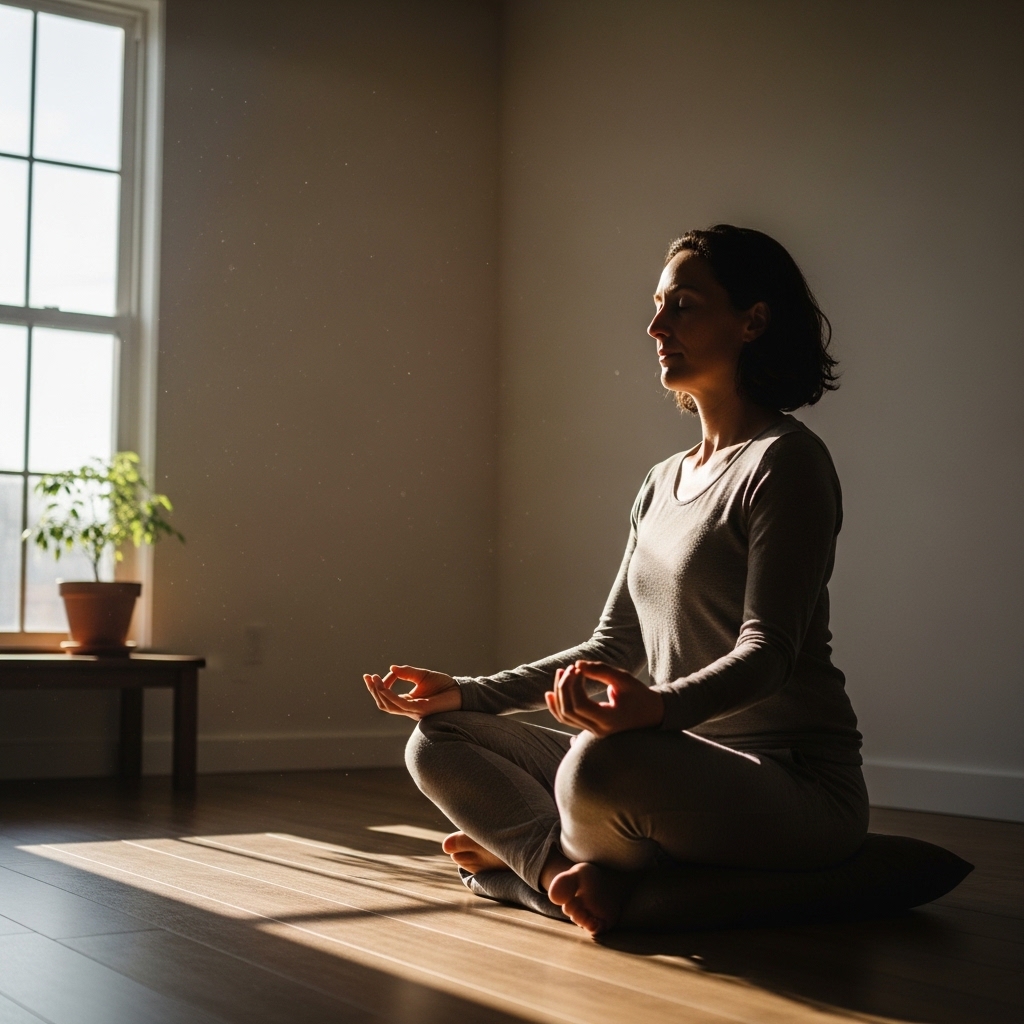
Mindfulness-Based Stress Reduction (MBSR) was developed at the University of Massachusetts Medical School. It ranks, consequently, among the most rigorously studied behavioral interventions for anxiety. Goyal et al. published a meta-analysis in JAMA Internal Medicine (2014) reviewing 47 randomized controlled trials. The analysis found that mindfulness meditation produced moderate reductions in anxiety, depression, and pain. The authors emphasized, however, that these effects were meaningful but should not be overstated relative to other active treatments.
Beyond self-reported outcomes, neuroimaging research has identified structural and functional correlates of regular mindfulness practice. Some studies, for instance, document increased prefrontal cortical thickness and reduced amygdala reactivity. These findings suggest mechanisms relevant to stress regulation and decision-making. Nevertheless, the literature reflects considerable variability across populations and methodologies. As a result, translating neuroimaging findings directly into performance outcomes requires interpretive caution.
Structured MBSR programs typically run eight weeks with defined daily practice requirements. Shorter workplace-adapted protocols, however, have demonstrated reductions in self-reported stress and physiological arousal markers in some trials. Effect sizes are generally smaller than full-program outcomes. Still, ten to twenty minutes of daily focused attention practice represents a practical entry point the available evidence supports.
READ ALSO: Therapist for Relationship Anxiety: Gentle Guidance for Growth
Progressive Muscle Relaxation and the Autonomic Nervous System

Progressive muscle relaxation (PMR) engages the parasympathetic nervous system by cycling through systematic tension and release across major muscle groups. In doing so, it activates vagally mediated pathways associated with reduced sympathetic nervous system dominance — a mechanism directly relevant to anxiety's physiological signature of sustained hyperarousal.
Heart rate variability (HRV) serves as a recognized biomarker of autonomic nervous system function. Specifically, low HRV associates with elevated cardiovascular risk and impaired stress recovery across multiple research populations. Research in Applied Psychophysiology and Biofeedback has examined PMR's effects on HRV, with some studies showing improvements following consistent practice. The literature, however, remains promising but not yet uniform regarding specific timeframes or effect magnitude.
Despite these caveats, PMR requires no equipment and modest time investment. Regular sessions of fifteen to twenty minutes appear to support parasympathetic tone based on available evidence. Furthermore, the practice combines well with controlled breathwork, producing compound autonomic effects. On balance, current evidence supports PMR as a low-risk, accessible adjunct to anxiety management — not as a standalone clinical intervention.
Physical Activity as Neurochemical Intervention

Exercise carries one of the strongest evidence profiles for anxiety management. A meta-analysis in Anxiety, Stress, and Coping confirmed that aerobic exercise reduces anxiety sensitivity across clinical and non-clinical populations. Researchers propose that upregulation of brain-derived neurotrophic factor (BDNF) supports hippocampal integrity and cognitive resilience as one mechanism. Nevertheless, the precise relationship between exercise-induced BDNF and anxiety outcomes in humans continues to be investigated.
Beyond aerobic training, resistance training also demonstrates independent benefits. Research linked to the American College of Sports Medicine associates regular strength training with reduced generalized anxiety symptoms. Notably, these effects appear independent of aerobic fitness gains. For professionals concerned with sarcopenia — the progressive muscle mass loss accelerating after age 35 — resistance training addresses metabolic and musculoskeletal health. Separately, a growing body of evidence supports its psychological benefits.
Higher VO2 max, additionally, correlates inversely with anxiety severity in observational research. Cardiorespiratory fitness buffers the physiological stress response across multiple studies. As a result, maintaining age-appropriate aerobic capacity through structured exercise delivers anxiety-relevant benefits extending beyond acute post-exercise effects. Taken together, these findings make exercise one of the most consistently supported non-pharmacological interventions in this domain.
Nutritional Psychiatry and the Gut-Brain Axis
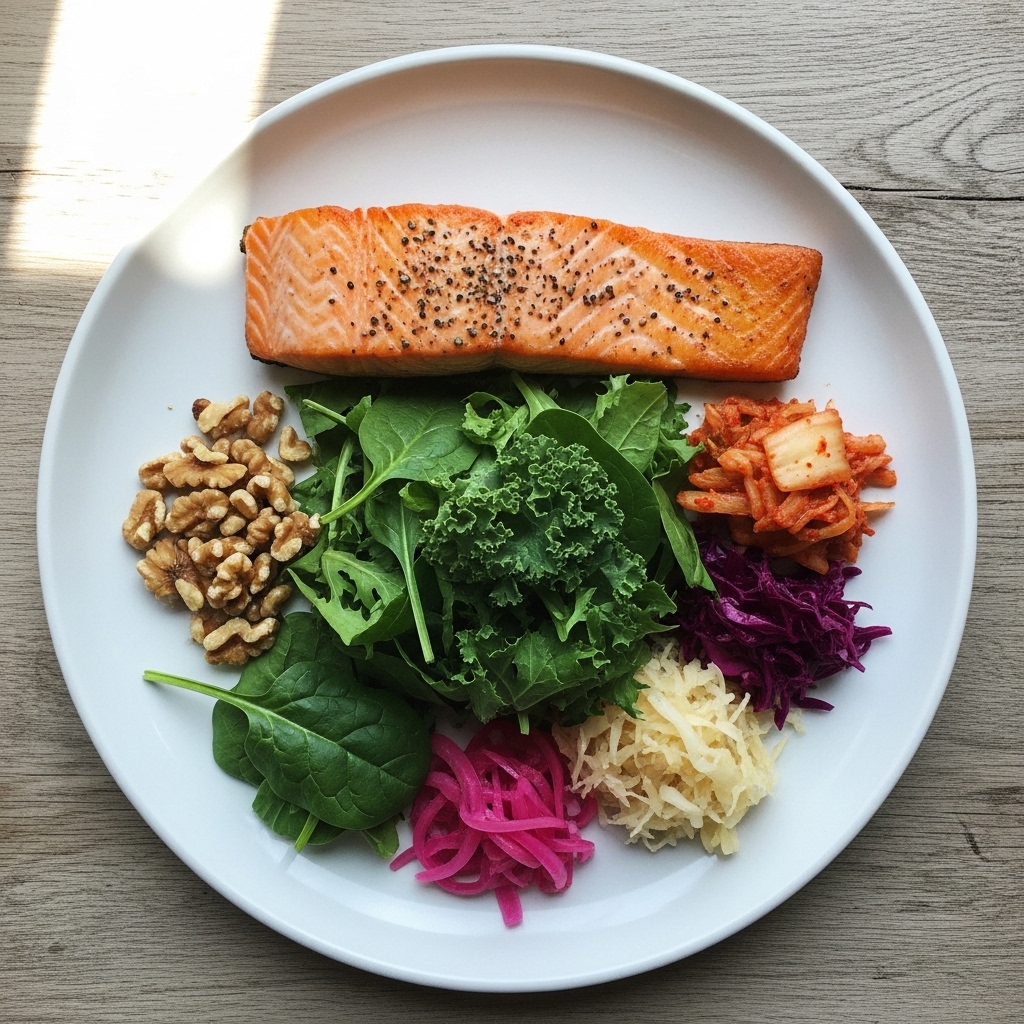
Nutritional psychiatry has developed a credible research base over the past decade. Central to this field is the gut-brain axis — the bidirectional communication network between the enteric and central nervous systems — which plays a documented role in mood and stress regulation. Approximately 90% of the body's serotonin originates in the gut. This peripheral serotonin, however, does not cross the blood-brain barrier. Instead, the gut-brain axis influences anxiety through vagal signaling, immune modulation, and microbial metabolite production.
Research affiliated with the Harvard T.H. Chan School of Public Health links dietary quality with lower rates of anxiety and depression in observational studies. Higher-quality diets emphasize omega-3 fatty acid intake, polyphenol-rich foods, fermented foods, and reduced ultra-processed food consumption. Omega-3 fatty acids, specifically, modulate neuroinflammation and support neuronal membrane integrity. These associations are consistent but largely observational, which limits causal conclusions.
Additionally, magnesium deficiency is common in chronically stressed populations. Stress-related urinary excretion partly drives this pattern. Magnesium regulates NMDA receptor function and modulates HPA axis activity. Studies in Nutrients document associations between suboptimal magnesium status and elevated anxiety symptoms. Consequently, dietary correction through magnesium-rich foods represents a low-risk, evidence-consistent approach to addressing this gap.
READ ALSO: Journaling for Anxiety: A Simple Way to Feel Better
Adaptogenic Botanicals: Mechanisms and Evidence
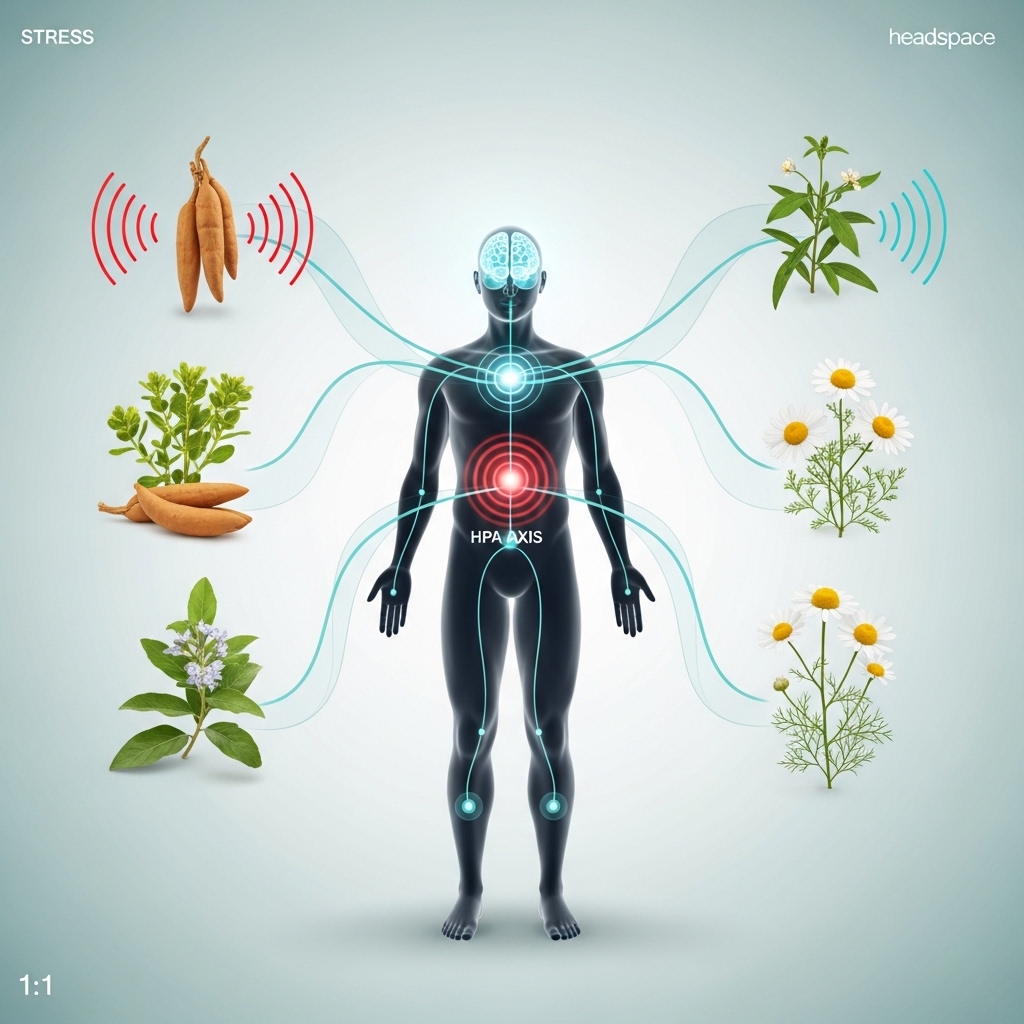
Adaptogens are plant-derived compounds researchers study for their capacity to modulate the stress response. Unlike sedatives, they appear to work through HPA axis normalization rather than suppression. The most clinically studied include ashwagandha (Withania somnifera), rhodiola rosea, and chamomile (Matricaria recutita). Even so, evidence quality varies across compounds, and most trials are short-term with relatively small sample sizes.
Among these, ashwagandha has attracted the most consistent research attention. A double-blind, randomized controlled trial published in Medicine found that standardized ashwagandha extract produced significant reductions in cortisol, anxiety scores, and self-reported stress compared to placebo. Dosages across published trials vary — commonly ranging from 240mg to 600mg of standardized extract. Consequently, no single dose has been definitively established as optimal. Findings across trials point consistently in the same direction, though larger independent studies are still needed.
Chamomile, similarly, carries a credible evidence profile for specific applications. A randomized controlled trial in Phytomedicine found that chamomile extract reduced relapse rates in generalized anxiety disorder following initial symptom remission. This suggests a potential maintenance-phase application beyond acute symptom relief. Botanical interventions from standardized extracts, used under clinical guidance, represent a legitimate evidence-informed option. Even so, clinicians and patients should evaluate each compound individually rather than as a uniform category.
Aromatherapy: Specific Evidence and Appropriate Scope
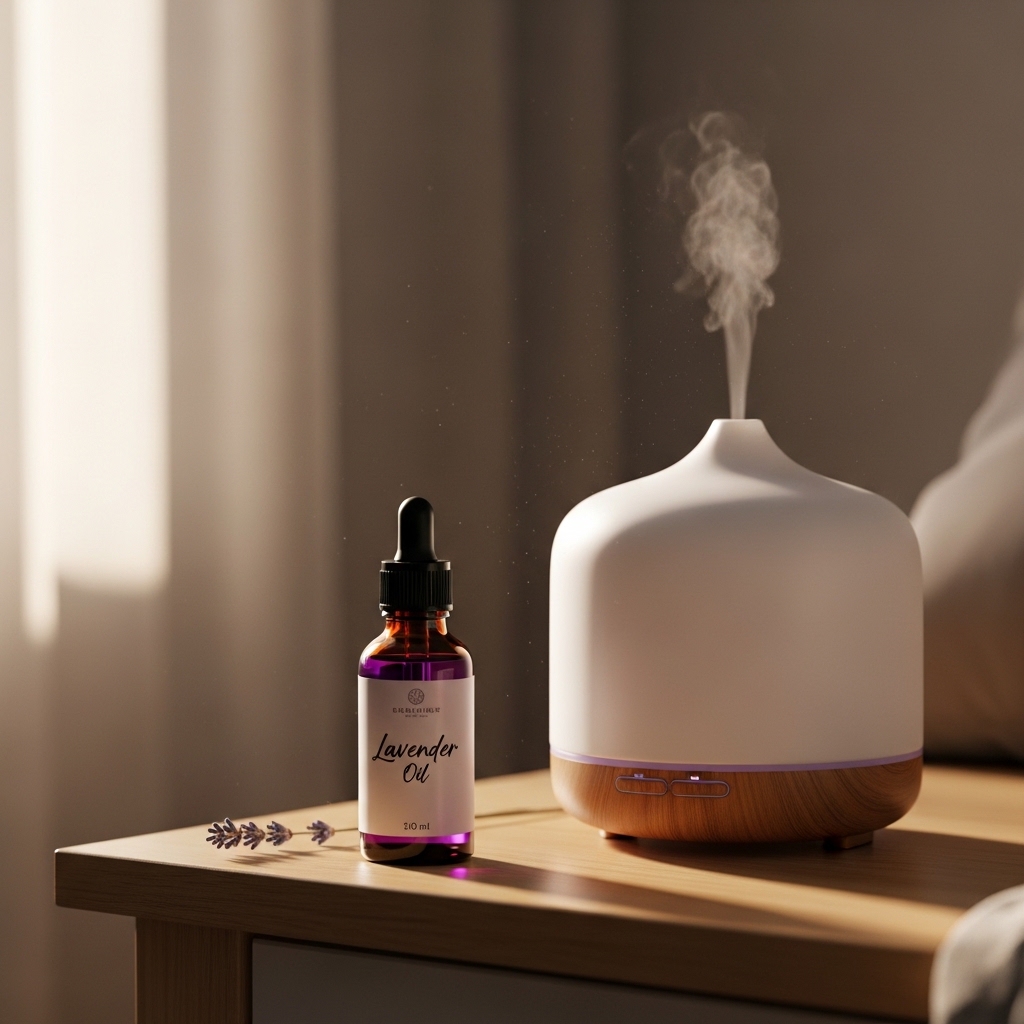
Aromatherapy occupies a more limited and specific evidence position than the interventions above. Mechanistically, olfactory signals connect directly to the limbic system via the olfactory bulb, bypassing the thalamus. This anatomical pathway allows aromatic compounds to influence emotional processing relatively rapidly. It therefore provides a plausible neurological mechanism for observed effects.
The strongest evidence for lavender, specifically, concerns Silexan — a proprietary oral lavender oil formulation. Multiple European randomized controlled trials studied this compound and found anxiety-reducing effects with a favorable safety profile. Researchers additionally noted reduced dependence risk compared to benzodiazepines. By contrast, inhalation-based aromatherapy protocols show more modest and inconsistent effects in the research literature. Applying Silexan trial findings to diffused essential oils broadly, therefore, overstates what the evidence supports.
Given these distinctions, aromatherapy inhalation is most accurately positioned as a low-cost, low-risk environmental adjunct. It may support relaxation responses in situational or pre-sleep contexts for some individuals. It is not, however, a primary anxiety intervention. Professionals considering lavender-based options should note that the oral formulation studied in trials is a distinct product category from topical or diffused essential oils.
READ ALSO: Platonic Relationships: A Guide to Strong Friendships
Sleep Architecture and Anxiety: A Bidirectional Relationship
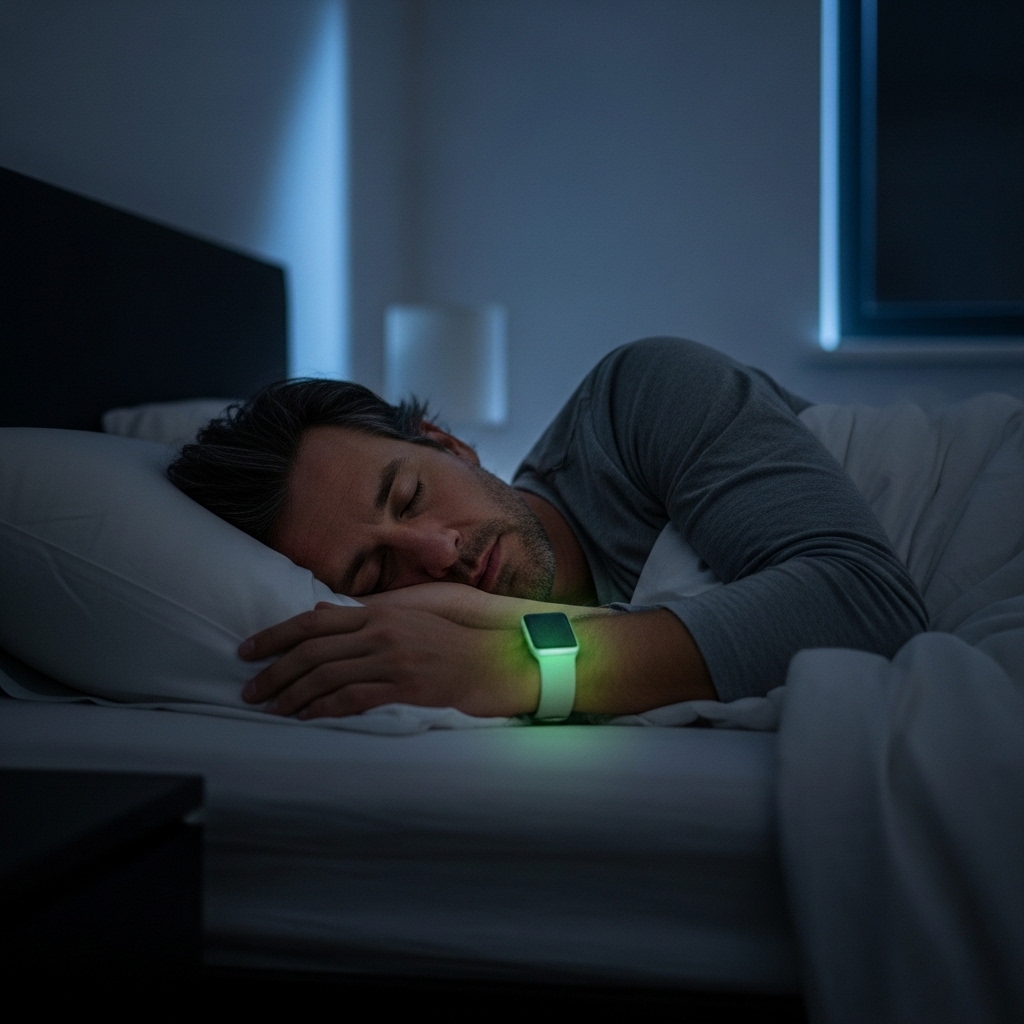
Sleep disruption and anxiety maintain a clinically significant bidirectional relationship. Anxiety increases sleep onset latency and reduces slow-wave sleep — the restorative phase critical for cortisol clearance and memory consolidation. Researchers at the University of California, Berkeley published findings in Nature Neuroscience showing that sleep deprivation substantially amplifies amygdala reactivity. That study, however, reflects acute total sleep deprivation in a laboratory context. Readers should therefore interpret it accordingly rather than applying it universally to mild or partial sleep restriction.
Despite that caveat, the practical implication for professionals remains relevant. Elevated evening cortisol delays melatonin onset and fragments sleep architecture. Fragmented sleep then amplifies next-day stress reactivity. This, in turn, reduces cognitive bandwidth and emotional regulation capacity. Multiple research lines document this cycle consistently, even where specific effect sizes vary.
To address this cycle directly, evidence-supported sleep optimization strategies include consistent sleep-wake timing, reduced blue light exposure before sleep, and pre-sleep relaxation sequences. Magnesium glycinate has additionally shown influence on GABA receptor activity and sleep onset in preliminary studies. These represent physiological interventions with documented biological rationale. Individual responses vary, however, and clinical supervision remains appropriate for persistent sleep disruption.
Inflammatory Markers and the Anxiety-Longevity Interface

Chronic anxiety associates with systemic inflammation. Accordingly, research populations with anxiety disorders consistently show elevated interleukin-6 (IL-6) and C-reactive protein (CRP) — two widely measured inflammatory biomarkers. The National Institutes of Health has supported longitudinal research documenting associations between psychological stress, neuroinflammation, and accelerated biological aging. Distinguishing anxiety-specific effects from broader stress and lifestyle variables, however, remains methodologically complex.
This inflammatory burden carries direct longevity-relevant implications. Elevated CRP associates with increased cardiovascular risk, metabolic dysfunction, and cognitive decline across multiple research populations. Epigenetic clocks — methylation-based biological age estimation tools — are advancing as research instruments. Their clinical utility for individual professionals, however, remains limited by interpretive variability and the absence of standardized reference ranges. Researchers currently regard them as investigational tools rather than routine clinical assessments.
Notably, holistic anxiety protocols combining aerobic exercise, anti-inflammatory dietary patterns, and stress reduction practices have demonstrated capacity to reduce IL-6 and CRP levels in clinical populations. Among these components, exercise carries the most consistent evidence. Taken together, these findings position anxiety management as relevant to broader longevity outcomes — not merely to quality-of-life improvement. That said, research establishing direct causal pathways from anxiety management to biological age reversal remains in development.
Applying the Evidence: Structured Options for the High-Performing Professional

The evidence reviewed here supports a tiered, multi-system approach to anxiety management. Structured MBSR programs and regular aerobic and resistance exercise carry the strongest and most consistent evidence and therefore represent logical starting points. Dietary optimization — omega-3 sufficiency, magnesium adequacy, and reduced ultra-processed food intake — provides a foundational physiological layer. Additionally, standardized ashwagandha extracts show promising trial evidence and warrant consideration under clinical guidance. Sleep architecture optimization directly addresses the anxiety-sleep cycle. Aromatherapy inhalation, meanwhile, functions as a low-risk adjunct with modest independent evidence. A qualified integrative medicine or functional medicine clinician can assess individual biomarker baselines and guide protocol design accordingly. These are evidence-informed options with documented mechanisms — each carrying a different level of research support that professionals are well positioned to evaluate critically.
UP NEXT: Mental Clarity Techniques for a More Focused You
Chronic anxiety drives sustained cortisol elevation, systemic inflammation, and telomere attrition — three of the most well-documented biological mechanisms accelerating the divergence between chronological and cellular age in high-performing adults. WholeLiving's Biological Age Estimation Model incorporates this factor directly — your assessment takes under five minutes.
Ready to understand how these factors are influencing your biological age right now? [Take the Biological Age Assessment →]