


You may be here because knee therapy for pain has become part of your daily thoughts. Pain changes how you move, rest, and plan your days. You deserve guidance that looks beyond quick fixes. This journey invites patience, understanding, and care for your knee and your whole body. When you feel pain, it is your body asking for attention, not punishment. Healing begins when you listen with kindness.
You are not broken. Your knee is responding to stress, strain, or change. Many people live with knee pain and still reclaim ease and confidence. With the right approach, you can reduce pain and feel supported again. This article walks beside you with calm clarity. Each step focuses on long-term relief and trust in your body.
Understanding Why Your Knee Hurts
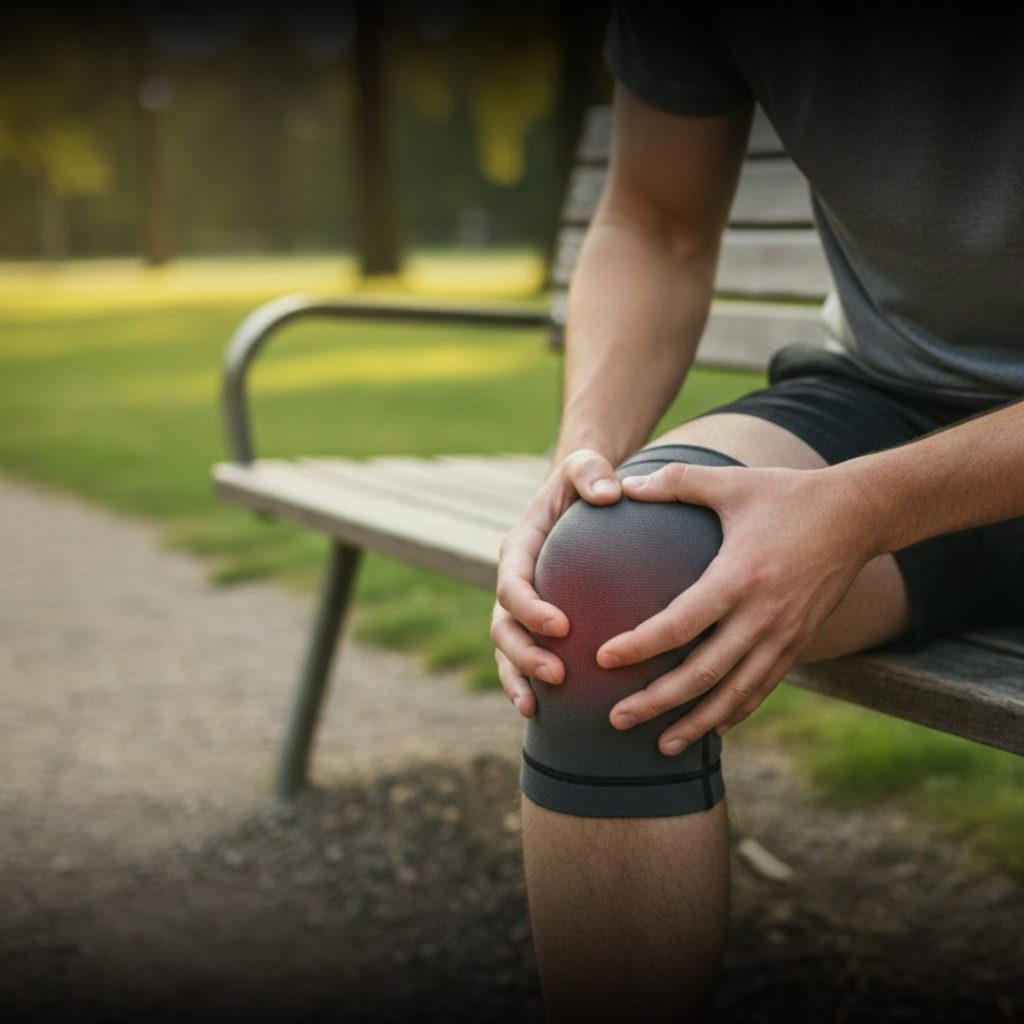
Your knee carries you through daily life with quiet strength. It absorbs force, guides movement, and supports balance. When pain appears, it often reflects stress within the knee joint or surrounding tissues. Knee arthritis, ligament injuries, or meniscus tears can slowly shift how the joint feels and moves. Pain is not weakness. It is information.
Knee osteoarthritis develops when cartilage wears down over time. This change can cause stiffness, swelling, and pain during movement. Rheumatoid arthritis brings inflammation that affects the knee and other joints. Patellofemoral pain syndrome often shows up as pain near the front of the knee. Each condition has its own story, yet all deserve care.
Sometimes pain follows a specific injury. Torn ligaments or joint damage can create sharp pain or instability. Other times, pain grows quietly through repeated strain. Most patients experience pain without one clear moment of injury. Understanding the source helps guide effective treatment and restore trust in your knee.
READ ALSO: Warmer Body, Better Mood: The Surprising Link
How Pain Changes Movement and Confidence
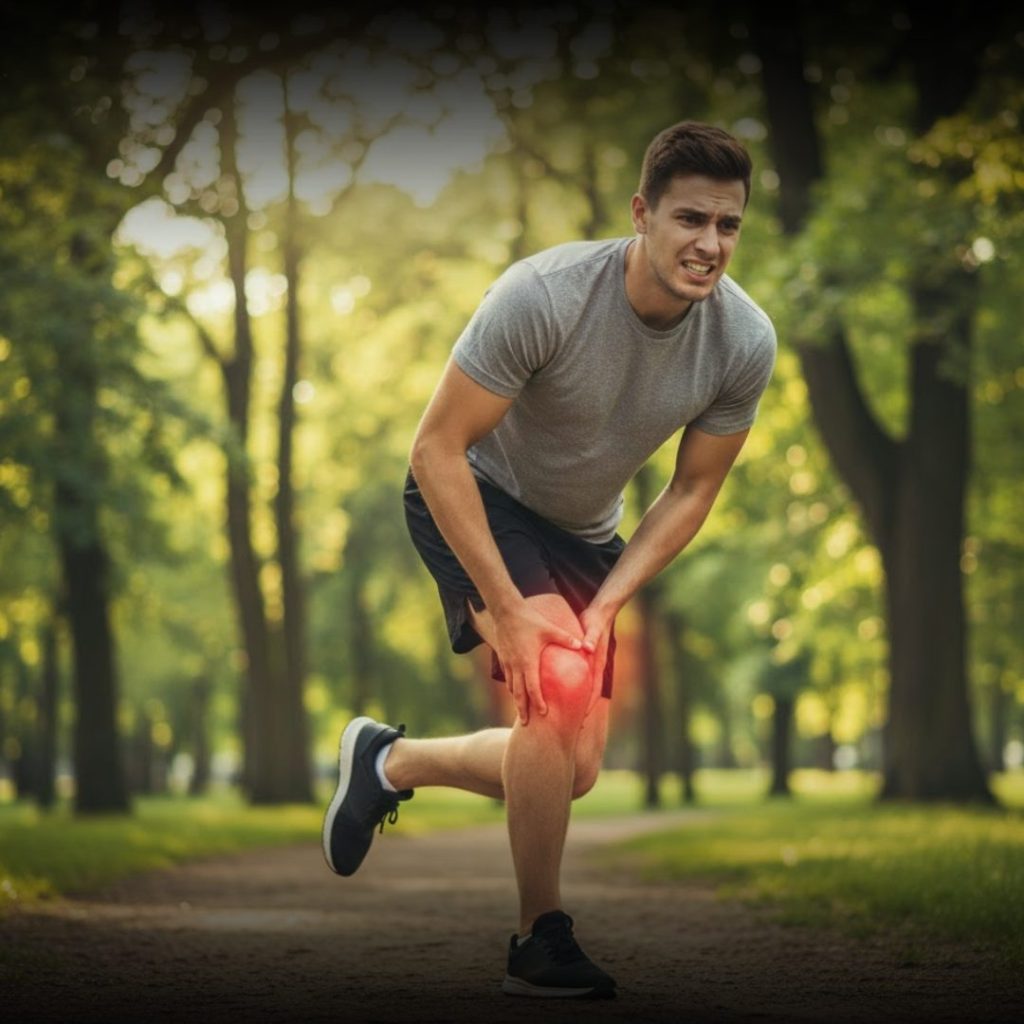
Pain affects more than your knee. It shapes how you move your whole body. You may protect the affected knee without realizing it. This creates new movement patterns that strain other areas. The lower leg, thigh muscles, and hip flexors may work harder than needed.
When pain persists, confidence often fades. You may hesitate to walk, climb stairs, or exercise. Fear of severe pain can limit physical activity. Over time, muscles weaken and range of motion decreases. This cycle can deepen discomfort and frustration.
Gentle awareness can break this pattern. Noticing how you stand, sit, and walk builds connection. Supporting your knee starts with balanced movement. Small adjustments restore ease and reduce stress across the body. Confidence grows when movement feels safe again.
The Role of Physical Therapy in Healing
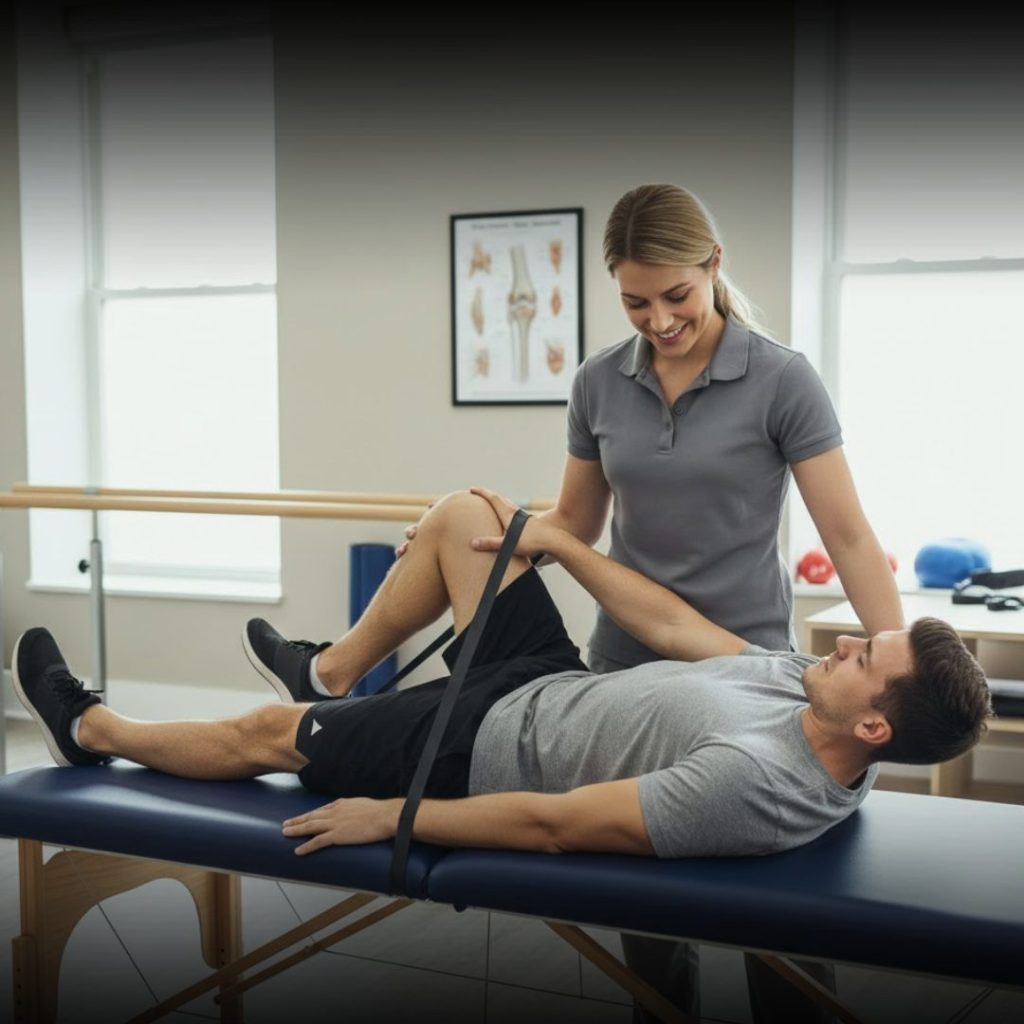
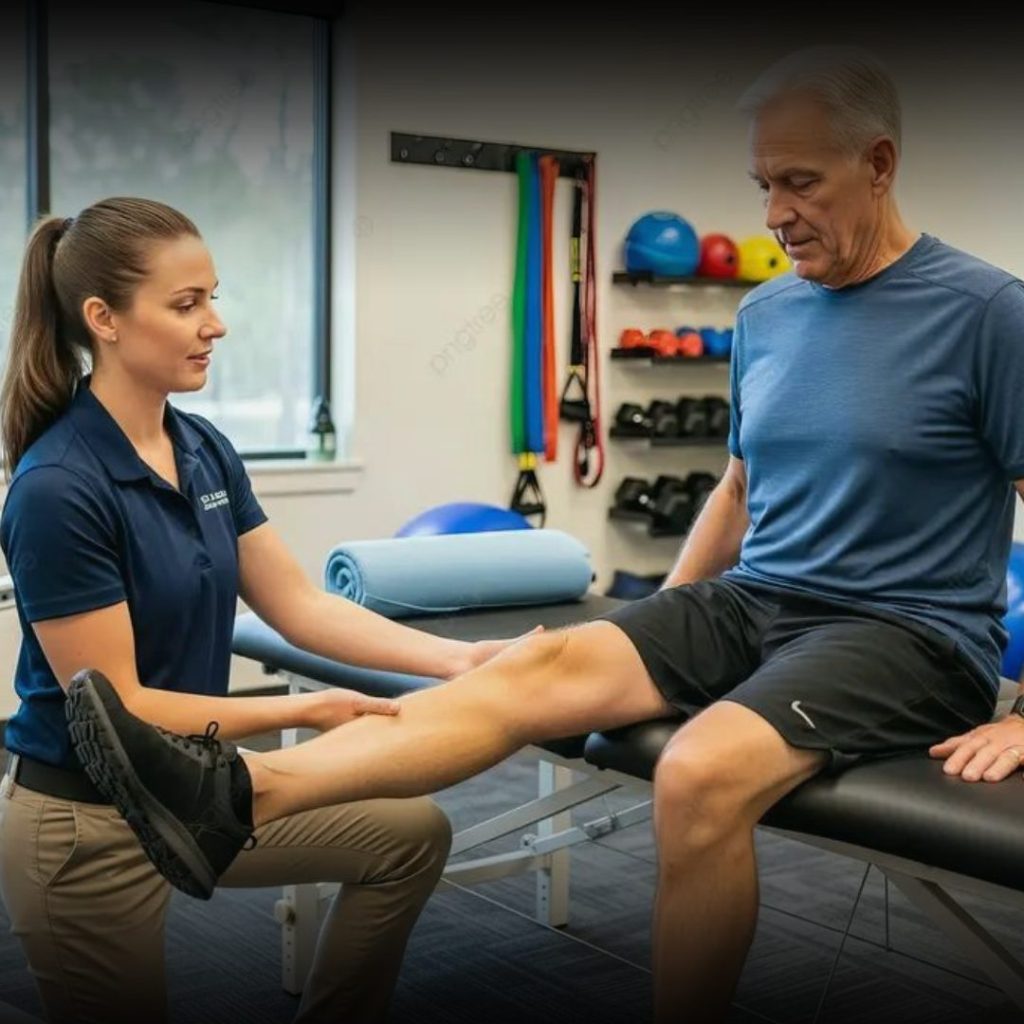
Physical therapy offers a grounded path toward healing. A skilled physical therapist listens to your story and observes your movement. Together, you build a plan that respects your pace and needs. Physical therapy focuses on restoring strength, balance, and trust.
Through guided sessions, you learn strengthening exercises that support the knee joint. These movements engage leg muscles, thigh muscles, and hamstring muscles. Over time, the knee feels steadier and more reliable. Pain relief often follows consistency, not force.
Physical therapy also teaches awareness. You learn how your upper body and pelvic bones influence knee alignment. This whole-body view reduces strain and supports long-term relief. Many people avoid surgery by committing to this steady approach.
Strengthening Exercises That Support the Knee
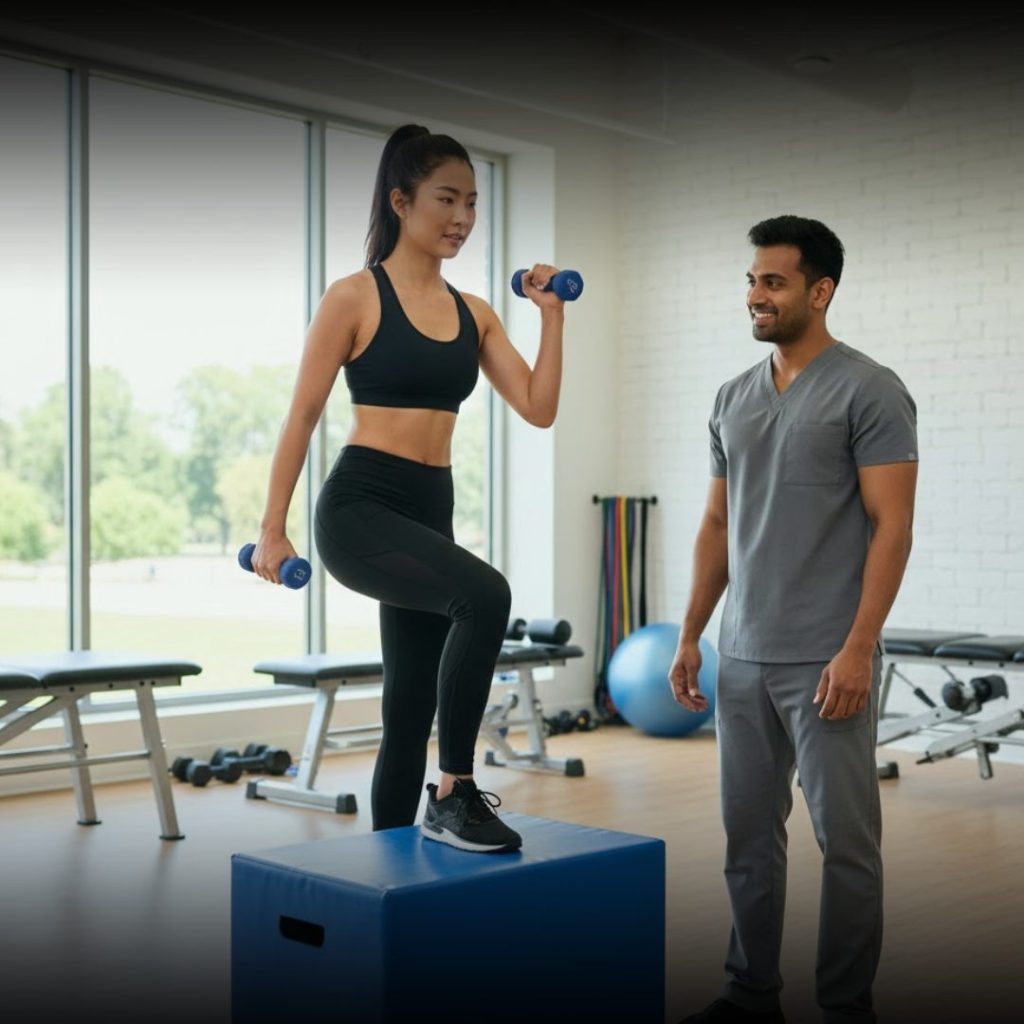
Strengthening the muscles around the knee creates stability. Exercises begin gently and progress with care. Straight leg raises help activate the thigh muscles without joint strain. You lie with legs straight and slowly raise one leg.
Leg extensions build control and support the knee joint. Hamstring curls strengthen the back of the thigh. Half squats with heels flat teach balanced movement. A slight bend in the knee protects the joint while building strength.
Consistency matters more than intensity. Exercise programs should feel supportive, not punishing. When you slowly lower and control each movement, muscles learn to protect the knee. Over time, you reduce pain and build confidence.
READ ALSO: Bulgarian Split Squat Exercise For Calm Strength Training
Restoring Range of Motion With Care
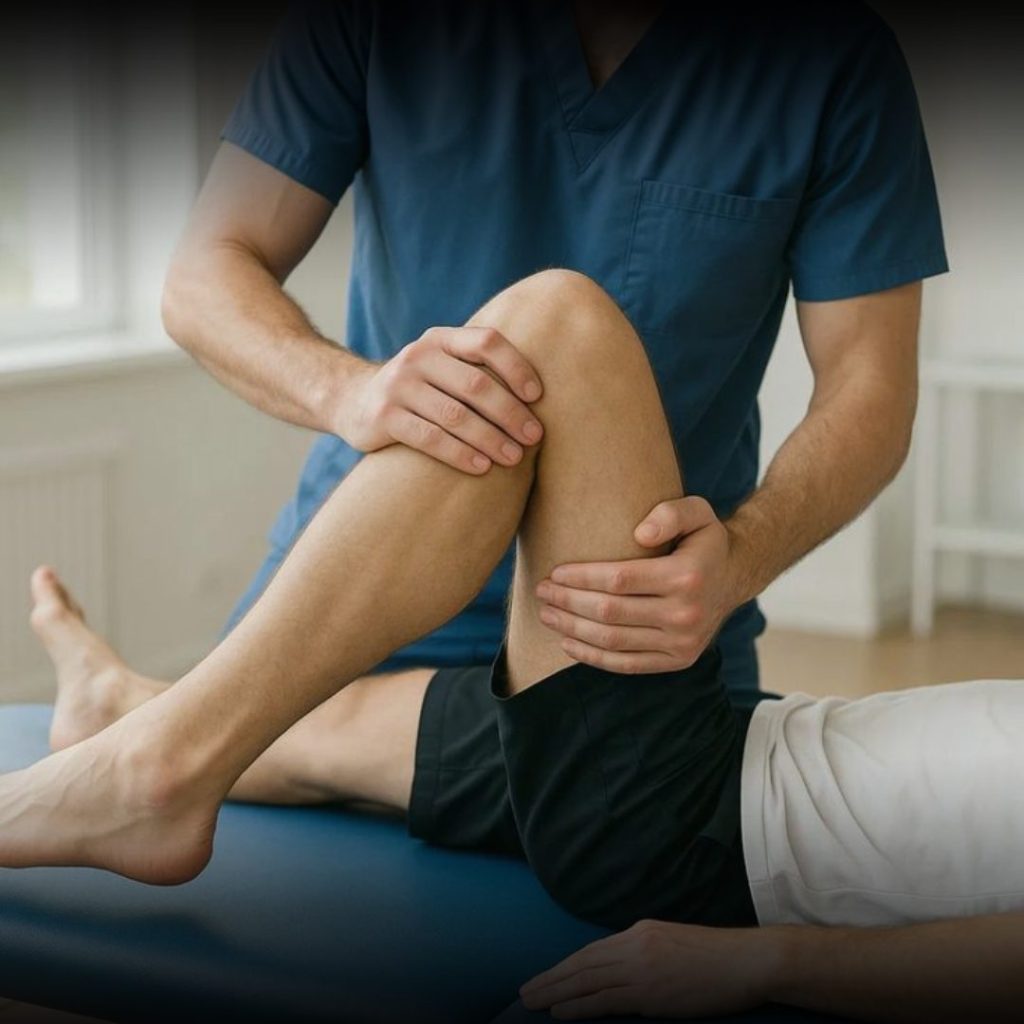
Stiffness often accompanies knee pain. Restoring range of motion helps nourish the joint and ease tension. Gentle stretches invite movement without force. A hamstring stretch supports flexibility behind the knee.
You may sit with one leg bent and the other legs straight. Gently pull the top leg toward you while breathing calmly. The affected leg stays relaxed. This practice encourages circulation and ease.
Range of motion work should never cause sharp pain. You move within comfort, not through resistance. Over time, movement feels smoother and less guarded. This gentle approach supports healing without overwhelm.
Managing Knee Arthritis With Compassion

Knee arthritis affects millions of people worldwide. Knee osteoarthritis and symptomatic knee osteoarthritis bring daily challenges. Pain may rise with weather changes or activity. Yet relief is possible through thoughtful care.
Conservative treatment often includes physical therapy and lifestyle adjustments. Strengthening exercises reduce stress on the knee joint. Weight balance and posture support joint health. These steps reduce inflammation and manage pain.
Some people explore hyaluronic acid injections for lubrication and comfort. Hyaluronic acid supports joint cushioning and movement. Platelet rich plasma is another option for some patients. These nonsurgical interventions aim to ease pain and delay surgery.
When Surgery Enters the Conversation
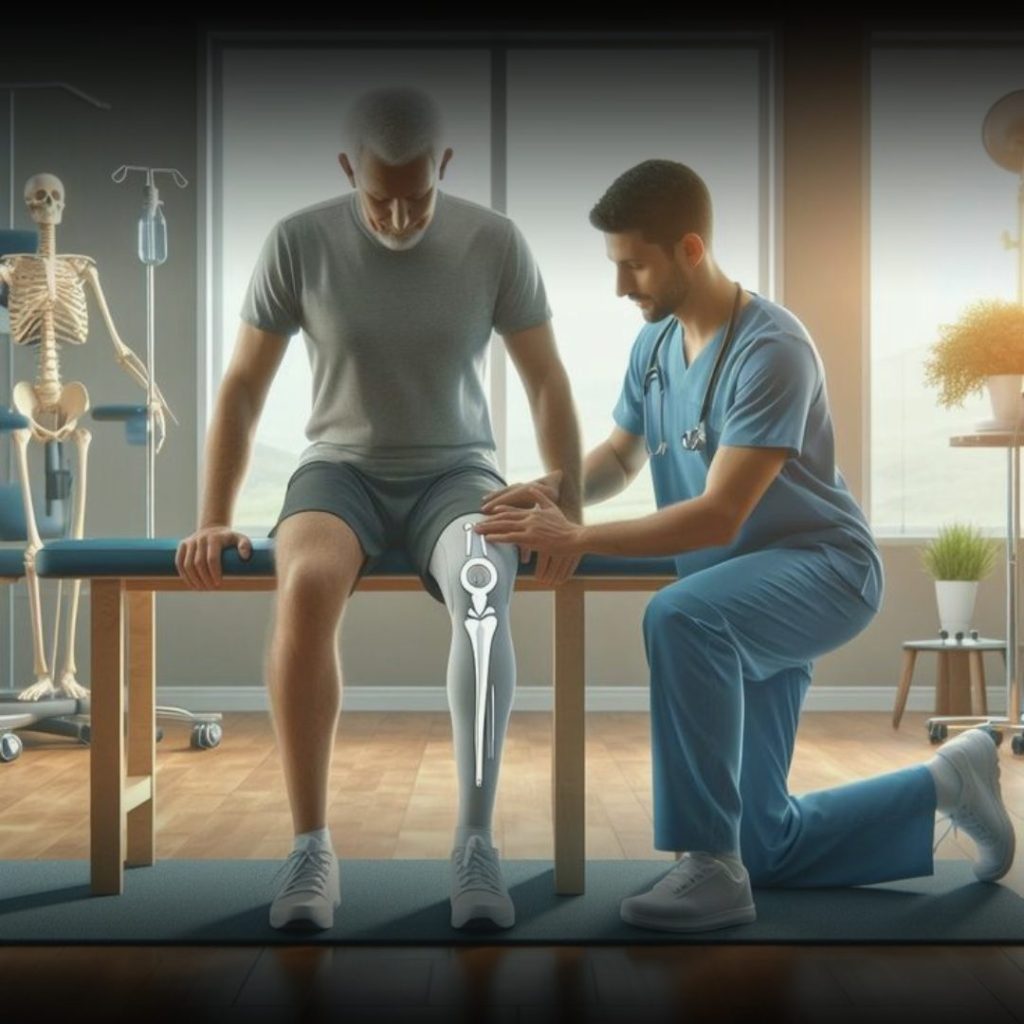
Surgery is sometimes part of the healing journey. Knee surgery may be discussed when conservative treatment no longer helps. Arthroscopic surgery can address meniscus tears or repair cartilage. Orthopedic surgeons guide these decisions with care.
Total knee replacement is considered for advanced knee osteoarthritis. This surgical intervention replaces damaged joint surfaces. Most patients experience pain relief and improved mobility after recovery. Still, surgery is never rushed.
An orthopedic surgeon or orthopaedic surgeons help you weigh options. You deserve clear information and time. Many people avoid surgery through consistent therapy and lifestyle support. Trust grows when decisions feel informed.
Supporting Recovery After Injury
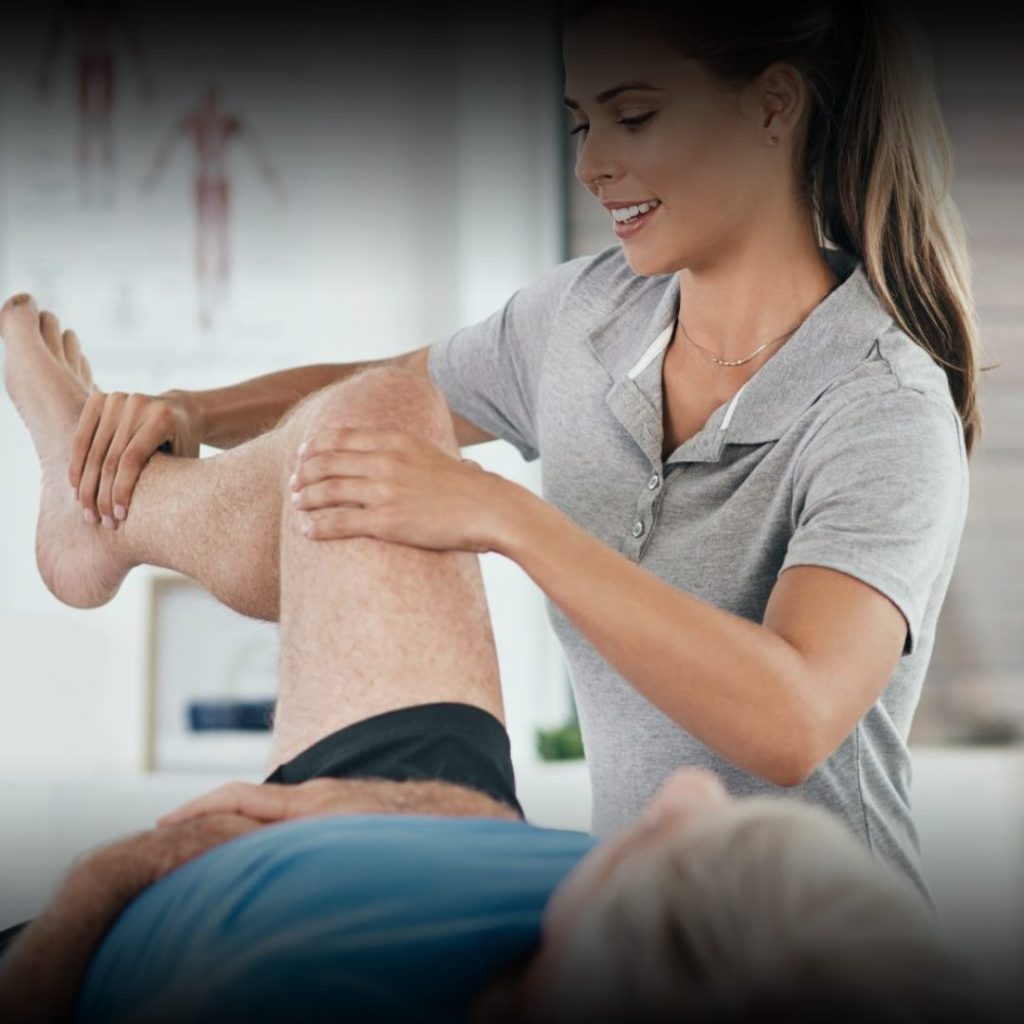
An injured leg needs patience and structure. Ligament injuries and torn ligaments require careful rehabilitation. Physical therapy guides safe progress and protects healing tissues. The affected leg regains strength through gradual work.
You may practice straight leg exercises while the other leg remains stable. The unaffected leg supports balance during early stages. Over time, both legs share effort evenly again. This balance reduces stress and builds confidence.
Recovery also includes listening. If you feel pain, you pause and adjust. Healing respects your body’s signals. With guidance, most patients return to meaningful movement.
Tools That Ease Pain and Build Confidence
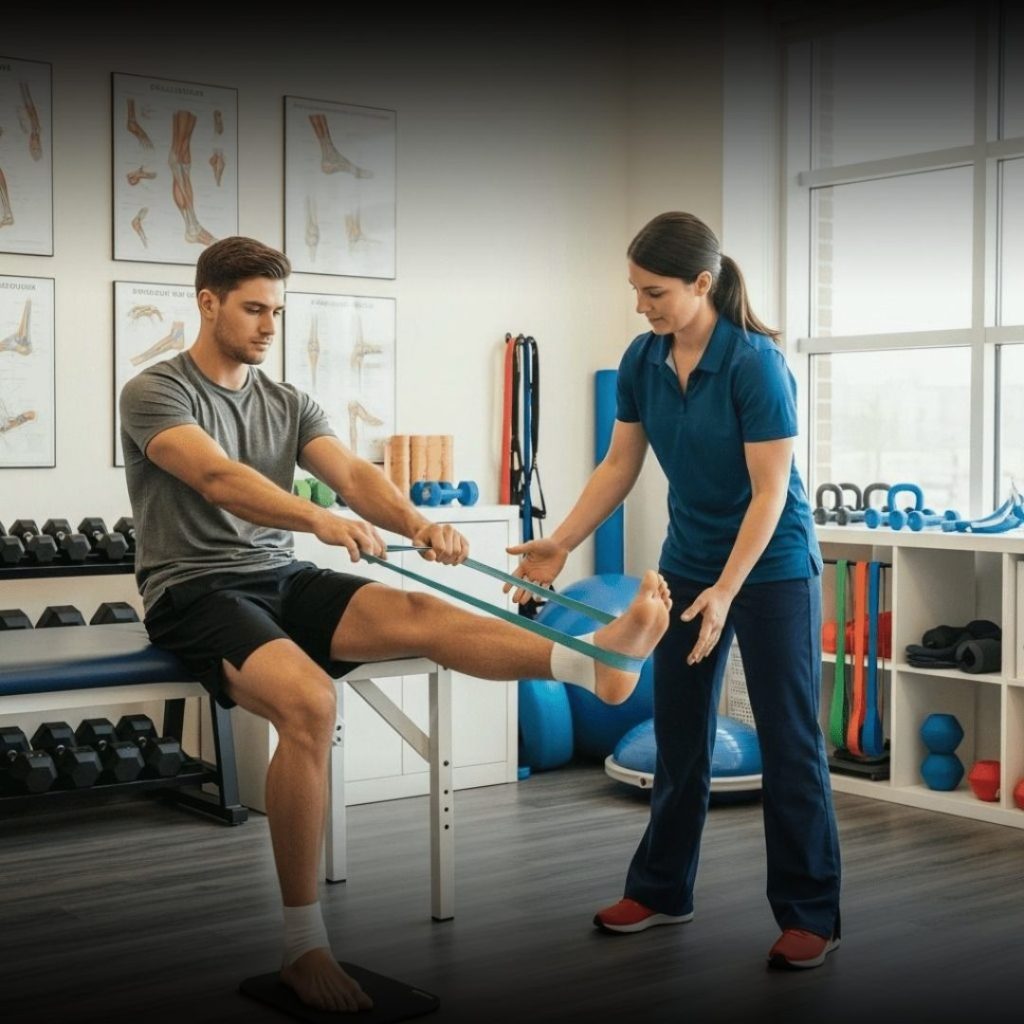
Support tools can enhance healing when used wisely. A knee brace may provide stability during activity. Electrical stimulation or transcutaneous electrical stimulation may reduce pain signals. These tools complement therapy, not replace it.
Hyaluronic acid injections support lubrication within the knee joint. They aim to ease pain and improve movement. Many people experience gradual comfort rather than instant relief. Patience remains essential.
Tools work best alongside movement and awareness. You stay active while respecting limits. This balance supports your knee and your confidence.
Everyday Movement and Long-Term Relief
Daily habits shape knee health. How you sit, stand, and walk matters. Movement patterns influence joint stress and comfort. Small changes create lasting impact.
You may notice how you climb stairs or rise from a chair. Keeping heels flat and engaging leg muscles supports the knee. Avoid sudden twists or deep bends when possible. These choices reduce joint damage.
Reducing stress also supports healing. Calm breathing and gentle routines ease muscle tension. Pain softens when the body feels safe. Long-term relief grows through mindful living.
READ ALSO: 15-Minute Simple Workout Routine | Whole Living Fitness
A Gentle Path Forward

Healing your knee is not a race. It is a relationship built on trust and consistency. Knee therapy for pain works best when you honor your pace. Each step you take matters.
You deserve effective treatment that respects your whole self. Physical therapy, exercise programs, and informed choices guide the way. Pain does not define you. It simply invites care.
As you move forward, remember this. You are capable of healing and balance. With patience and support, your knee can feel strong again. You are never walking this path alone.