Korean Skin Care Is Best Understood as a Barrier-First System
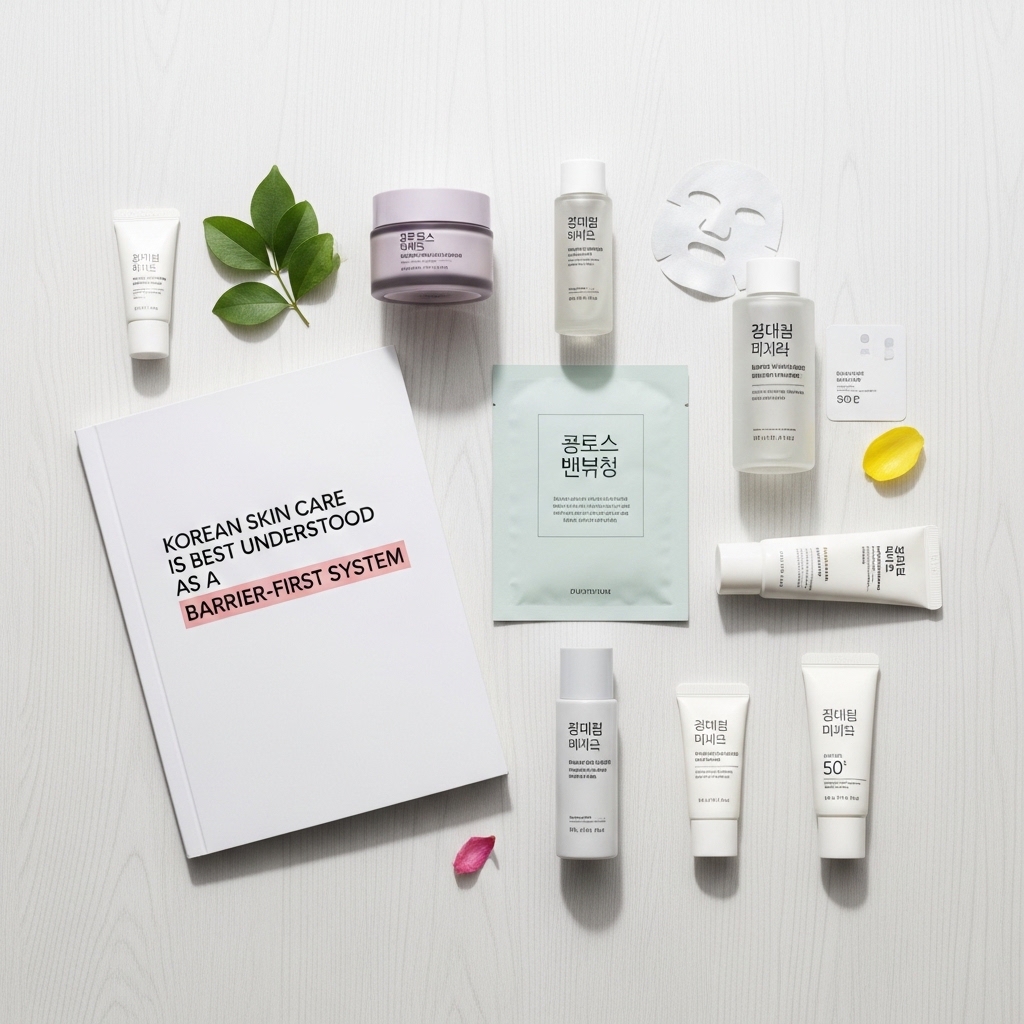
Korean skin care is often presented as a cosmetic trend, but its strongest clinical value lies in barrier support. For high-performing professionals, that matters because skin barrier weakness increases transepidermal water loss, or TEWL, and makes the skin more reactive to pollution, low humidity, friction, and aggressive cleansing. Reviews in Clinical, Cosmetic and Investigational Dermatology and NIH-hosted references describe moisturizers and barrier care as central to controlling water loss and maintaining epidermal function.
The appeal of korean skin care is not the number of steps. It is the logic of combining gentle cleansing, hydration, lipid support, and photoprotection in a way that reduces cumulative skin stress. That framework aligns more closely with dermatology than with trend-driven beauty advice.
This distinction matters for longevity. A stronger barrier helps limit irritation, improves recovery from environmental exposure, and may reduce the low-grade inflammatory burden that contributes to visible skin aging. For a professional audience, that makes korean skin care a tissue-maintenance strategy rather than a luxury ritual.
The Skin Barrier Determines How Well Skin Recovers
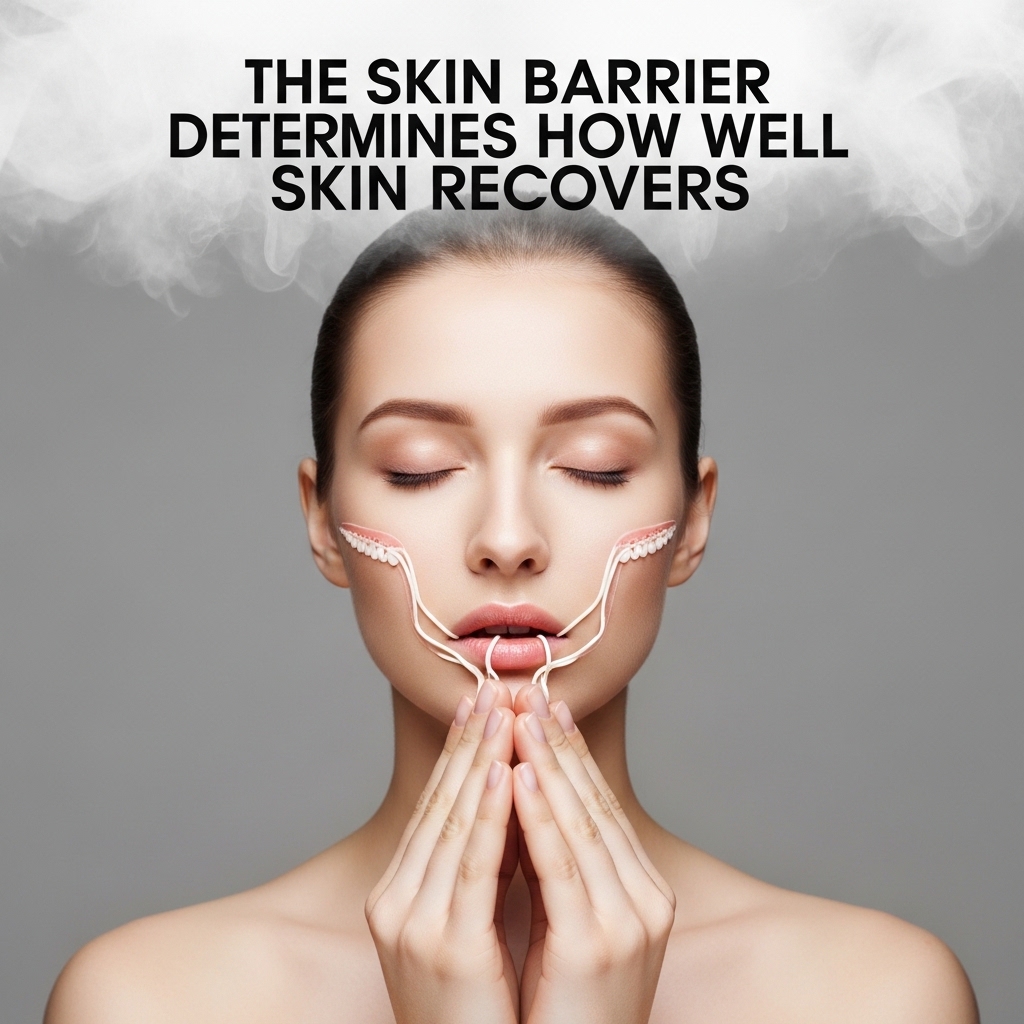
The stratum corneum is the outer layer of the skin. It depends on a stable mix of lipids, including ceramides, cholesterol, and fatty acids, to keep water in and irritants out. When that structure weakens, the skin becomes drier, less resilient, and more prone to irritation.
Many korean skin care routines emphasize repeated hydration and barrier support instead of relying only on harsh resurfacing. That approach fits current skin science. Reviews on moisturizers show that restoring water content and reducing barrier disruption are basic parts of healthy skin function.
For high-output professionals, barrier decline often comes from repetition rather than a single insult. Air travel, indoor climate control, over-cleansing, and poor sleep create small daily disruptions that accumulate. A barrier-first routine attempts to reduce that repeated wear.
TEWL Is a Measurable Marker of Routine Quality
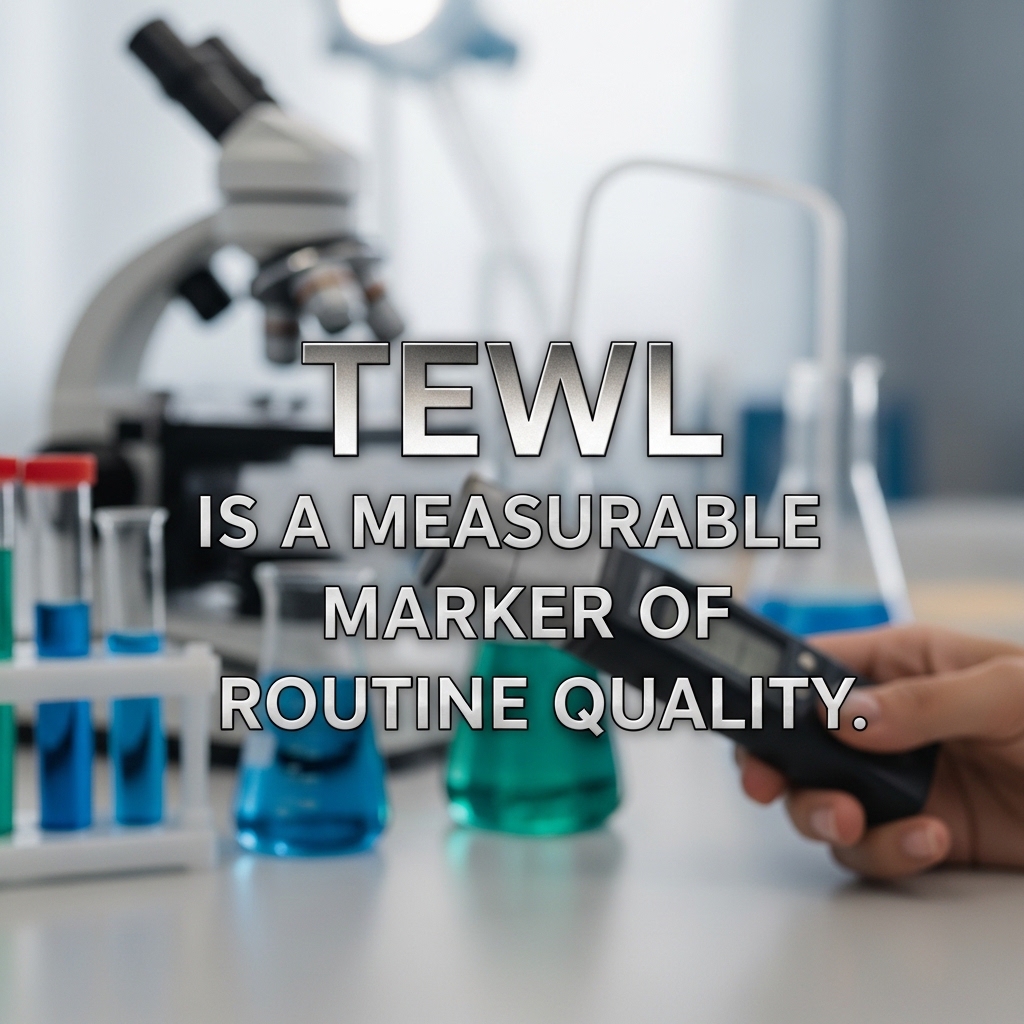
TEWL is one of the clearest objective measures in dermatology. Higher TEWL usually means the skin barrier is leaking water more easily and functioning less efficiently. It is widely used in research to assess barrier injury and barrier recovery.
This makes korean skin care clinically relevant when it lowers TEWL through better hydration and surface protection. Products that act as humectants draw water into the outer skin, while emollients and occlusives help soften the surface and reduce water loss. NIH-hosted references on moisturizers describe these as core mechanisms of barrier care.
For an executive audience, the practical point is simple. A routine should be judged by whether it improves measurable barrier behavior and comfort, not by how elaborate it looks. If TEWL remains high because cleansing is too harsh or protection is too weak, more steps do not create better skin function.
Layering Works When It Preserves Water and Lipids
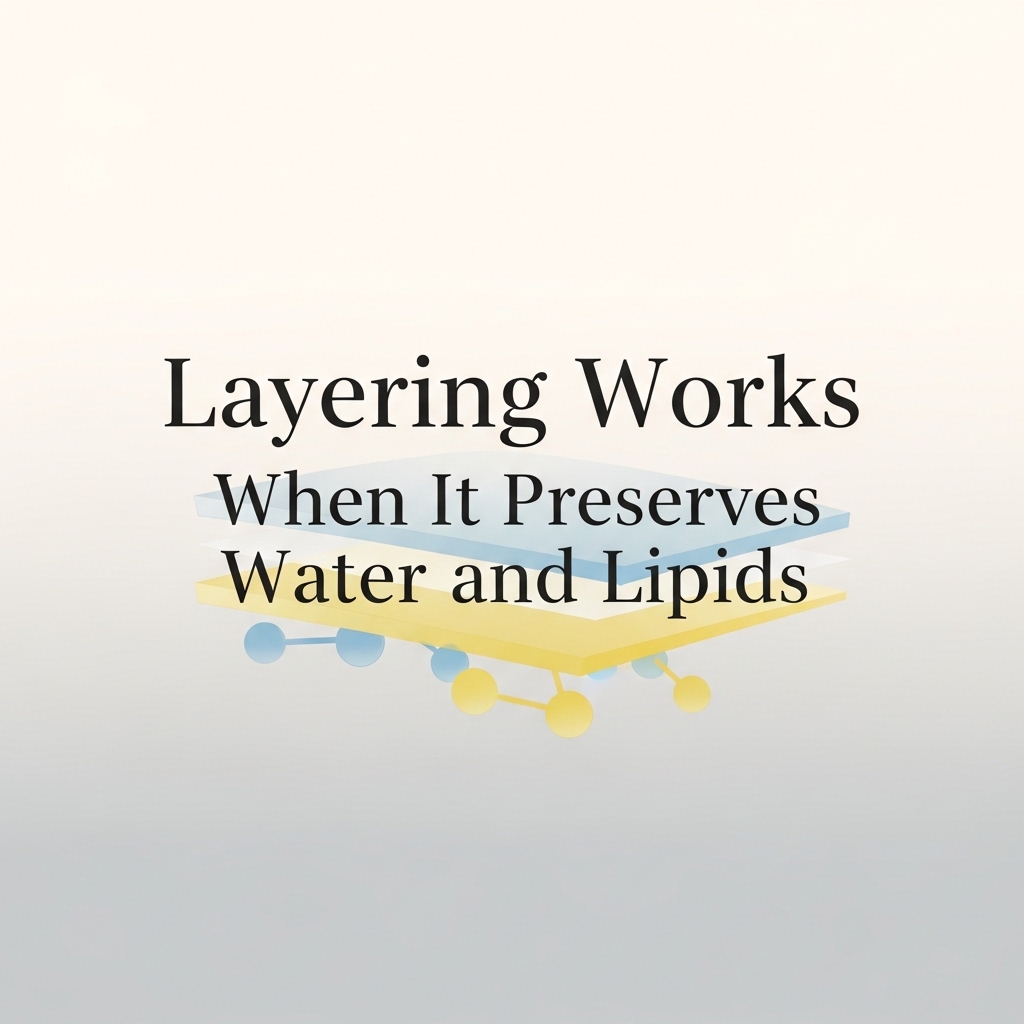
One of the better-known features of korean skin care is layering. In clinical terms, layering can work because thinner hydrating products may increase water content at the surface, while creams or oils applied afterward help reduce evaporation. This logic is consistent with dermatologist guidance to apply moisturizers when skin is still damp.
The value of layering depends on restraint. A well-built routine uses a few compatible products that support hydration and barrier repair. An overloaded routine can increase irritation, especially when multiple active products compete on already stressed skin.
That is why korean skin care works best when interpreted as a method, not a fixed number of steps. The method favors gentle cleansing, water-binding ingredients, lipid support, and photoprotection. That structure is clinically rational because it reduces barrier strain instead of constantly challenging it.
Photoprotection Is the Most Important Anti-Aging Step
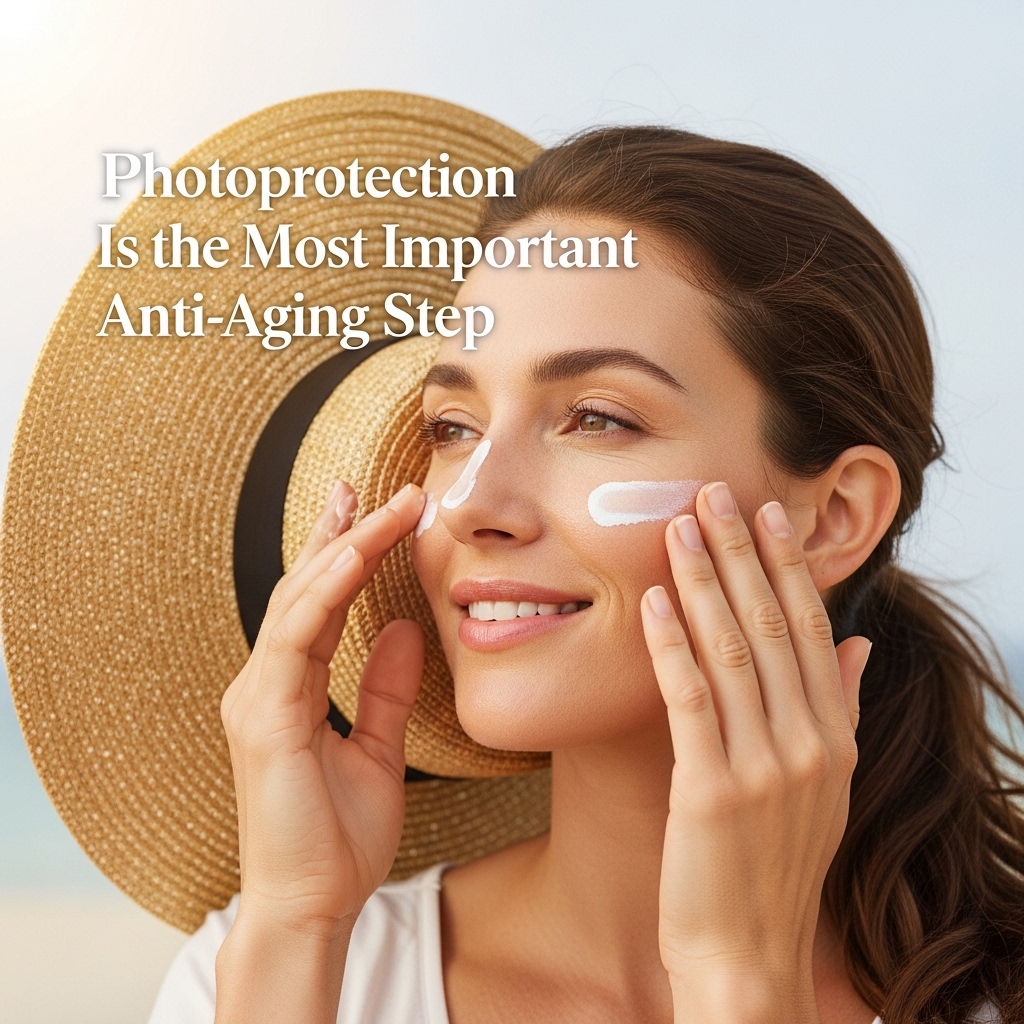
No skin care system is clinically complete without sunscreen. Daily UV exposure accelerates photoaging, worsens pigment change, and contributes to collagen breakdown and visible tissue aging. A randomized trial published in Annals of Internal Medicine found that daily broad-spectrum sunscreen use improved several signs of photoaging over one year.
This matters because korean skin care often places strong emphasis on sunscreen as a daily baseline rather than an occasional product. That aligns with dermatology literature. Reviews on sunscreen in NIH-hosted sources show that photoprotection reduces erythema and supports skin integrity under UV stress.
Sunscreen is also a longevity issue. Chronic UV exposure accelerates visible aging and adds to inflammatory skin stress. In a performance setting, a routine that ignores photoprotection cannot credibly claim to support long-term tissue quality.
Stress Physiology Can Undermine Any Topical Routine
Skin does not respond only to products. It also responds to cortisol and stress signaling. Research by Choe and colleagues in Scientific Reports showed that psychological stress can worsen skin barrier function through local glucocorticoid-related pathways.
More recent narrative reviews also describe how stress reduces epidermal lipids, impairs barrier recovery, and increases inflammatory activity. In practice, that means a high-performing professional can use technically strong products and still see unstable results if chronic stress remains high.
This is one reason korean skin care is most useful when it protects a stressed barrier rather than aggressively treating every visible flaw. Under chronic workload and sleep disruption, the skin usually responds better to repair-focused routines than to repeated overcorrection.
Inflammation Links Skin Appearance to Longevity Biology
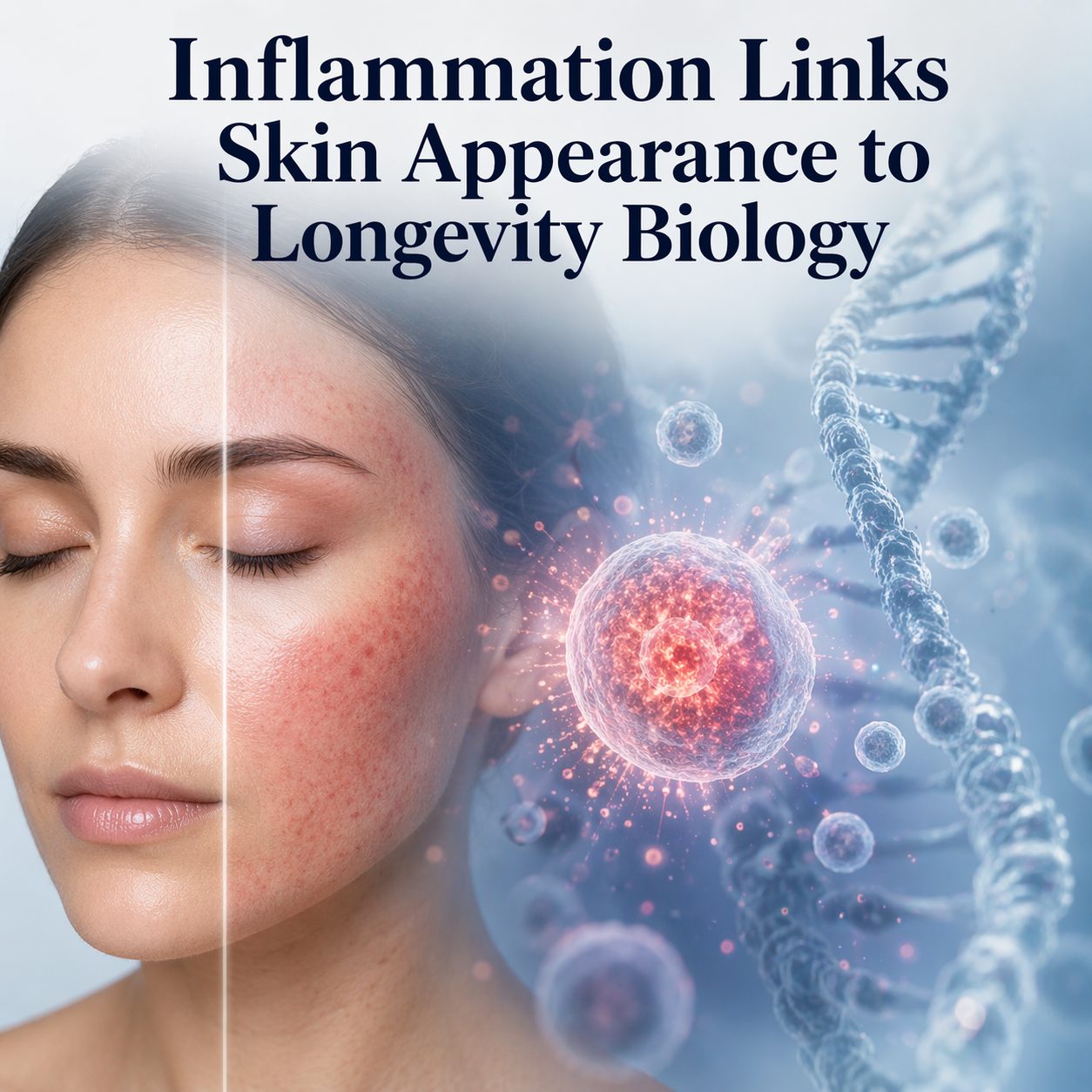
The relevant biologic concept here is inflammatory burden. When the skin barrier weakens, irritants penetrate more easily, water escapes faster, and low-grade inflammation can increase. Reviews on the brain-skin connection have linked stress, inflammation, and skin aging through shared biologic pathways.
This matters because visible aging is not only a cosmetic endpoint. Chronic inflammatory stress can reduce skin resilience, worsen redness or sensitivity, and impair recovery after environmental exposure. In a serious health framework, skin inflammation belongs inside the broader discussion of healthy aging.
Korean skin care can be useful here when it lowers surface irritation rather than intensifying it. Barrier-supportive routines may indirectly reduce inflammatory signaling by keeping the outer skin more intact and less reactive. That does not replace medical treatment for disease, but it does support tissue stability.
READ ALSO: Dry Skin Moisturizer Tips for Soft, Nourished Skin
Over-Exfoliation Is One of the Main Risks
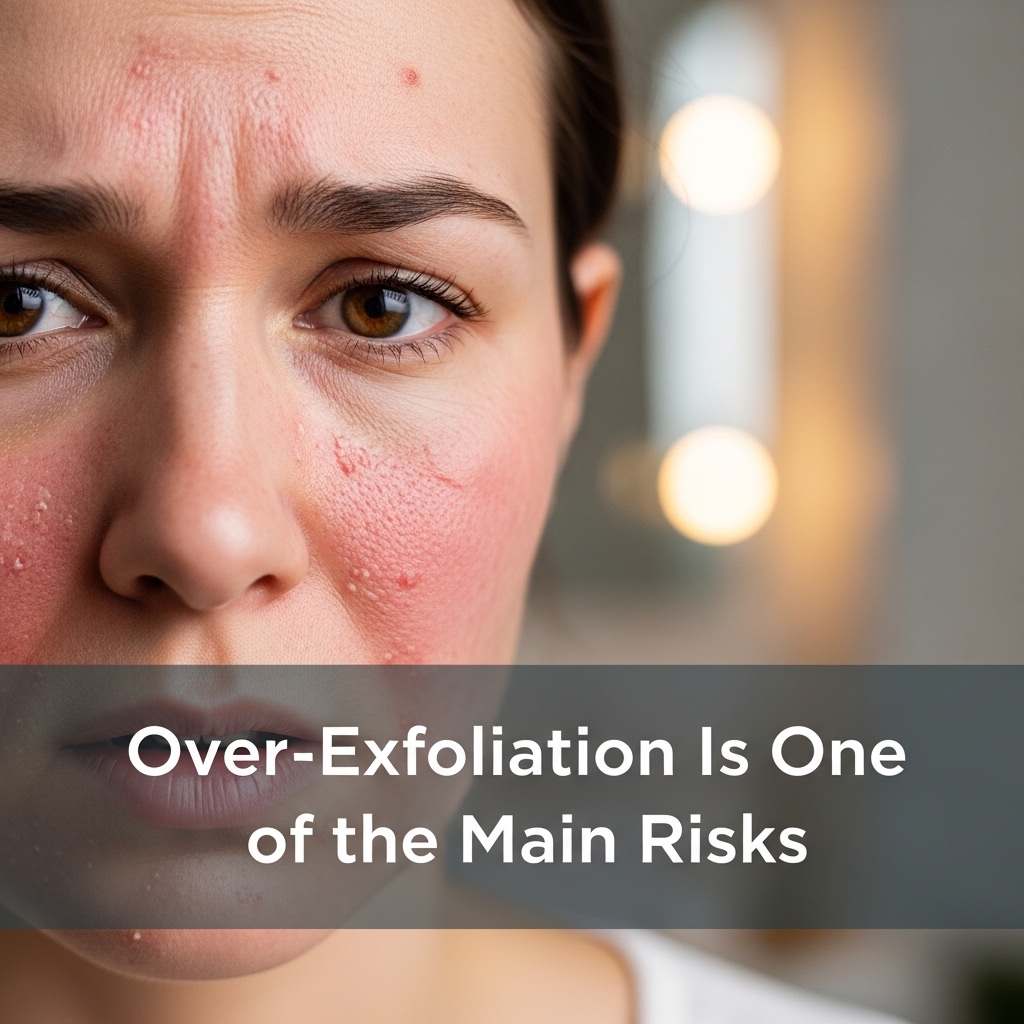
The main danger in adapting korean skin care is misunderstanding its purpose. Many consumers imitate multi-step routines by adding too many acids, scrubs, or active products at once. That often increases irritation instead of improving skin quality.
Barrier science helps explain why. When cleansing is too frequent or exfoliation too aggressive, the lipid structure of the outer skin is disrupted, TEWL rises, and sensitivity increases. Water exposure and temperature changes can also worsen this effect, as shown in clinical studies on barrier function.
For high-performing professionals, over-exfoliation is especially counterproductive. Skin that is already stressed by travel, pollution, and poor sleep usually benefits more from restraint than from escalation. In clinical terms, recovery-based care often outperforms repeated irritation.
READ ALSO: Anti Aging and Skin Care: Restorative Tips for Your Glow
The Microbiome May Explain Part of the Benefit

Another useful term is the skin microbiome, the community of microorganisms that lives on the skin surface. Research reviewed in Experimental Dermatology and newer NIH-hosted articles suggests that microbiome balance supports barrier function and may affect inflammatory skin conditions.
This matters because many korean skin care products aim to protect the skin environment rather than strip it. Gentler cleansing and better hydration may help preserve conditions that favor barrier stability and microbiome balance. While this area is still evolving, the direction of the research supports a less disruptive approach to skin care.
The best routines do not treat the skin as an inert surface. They treat it as a biologic system that responds to inflammation, stress, hydration, and environmental exposure.
READ ALSO: Anti-Aging and Skin Care Tips for Timeless Beauty
Routine Quality Matters More Than National Branding
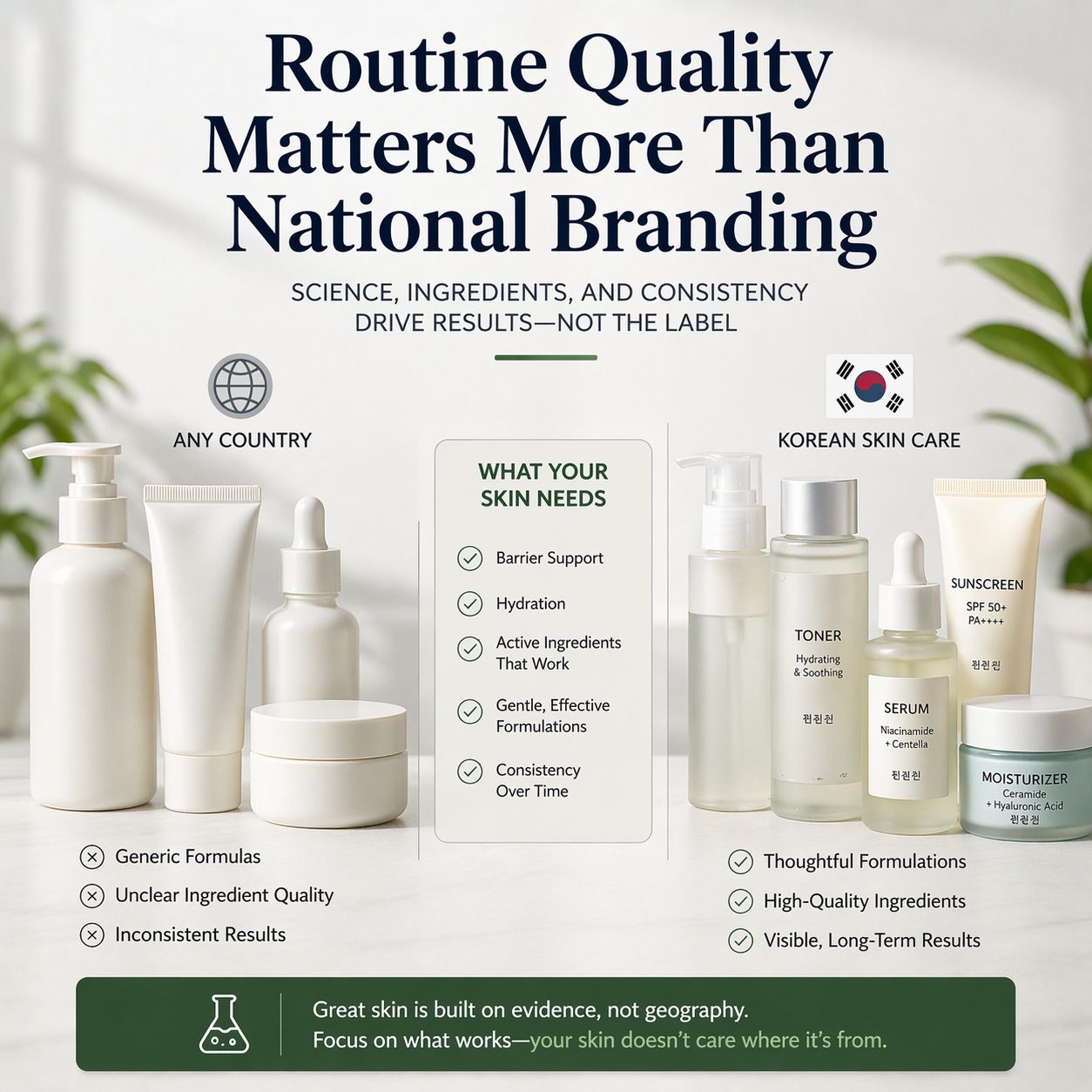
There is nothing biologically superior about a product because it is labeled Korean. What matters is whether the formula and the routine improve barrier function, reduce water loss, support photoprotection, and avoid unnecessary irritation. The evidence base supports those principles, not national branding on its own.
That said, korean skin care has helped popularize a useful clinical idea: healthy skin depends on consistency, gentle maintenance, and prevention more than on repeated correction. In that sense, the model fits performance longevity better than reactive, short-term product cycling.
For high-performing professionals, the strongest outcome comes from selecting routines that match skin behavior under stress. A simpler barrier-first routine with sunscreen often has more value than a complex system that overwhelms the skin.
Evidence-Based Options for High-Performing Professionals

The evidence supports a precise reading of korean skin care. Its strongest clinical value lies in gentle cleansing, hydration layering that preserves water, lipid support that limits transepidermal water loss, and daily photoprotection that reduces UV-driven aging. For high-performing professionals, the most useful options are to assess whether the current routine improves barrier comfort, reduces dryness and reactivity, protects against daily UV exposure, and avoids product overload that increases irritation, especially under chronic stress, poor sleep, travel, and polluted urban conditions.