


You often wonder about your level of consciousness and how it shapes your days. In simple terms, your level of consciousness reflects how aware, alert, and responsive you are to yourself and your environment. It influences how you think, feel, and respond to life. When you gently raise your level of consciousness, you begin to live with more clarity and intention.
At the same time, consciousness is not only a medical word. It is also deeply personal. It touches your sleep, your focus, your emotions, and even your sense of meaning. So today, you and I will walk through both the science and the soul of consciousness, step by steady step.
Understanding Consciousness in Everyday Life

First, let us ground this in everyday experience. Consciousness exists on a spectrum, not as a single fixed point. You move through different states each day. For example, you shift from deep sleep to being fully awake. Later, you may feel distracted or deeply focused. These are simple states of consciousness that occur naturally.
Moreover, your awareness expands or narrows depending on what is happening around you. External stimuli such as noise, light, or stress can affect how clearly you think. If you are tired, your responses may slow. If you are calm, you respond appropriately with ease. In this way, your normal level of consciousness supports balanced choices.
However, there are also altered states that can appear. These altered states may come from lack of sleep, strong emotions, or even certain drugs. Not all altered states are harmful. Some feel creative or reflective. Still, when an altered level becomes severe, it can signal altered consciousness that needs care.
READ ALSO: Essential Habits for Better Sleep Every Night
The Brain and Its Quiet Leadership

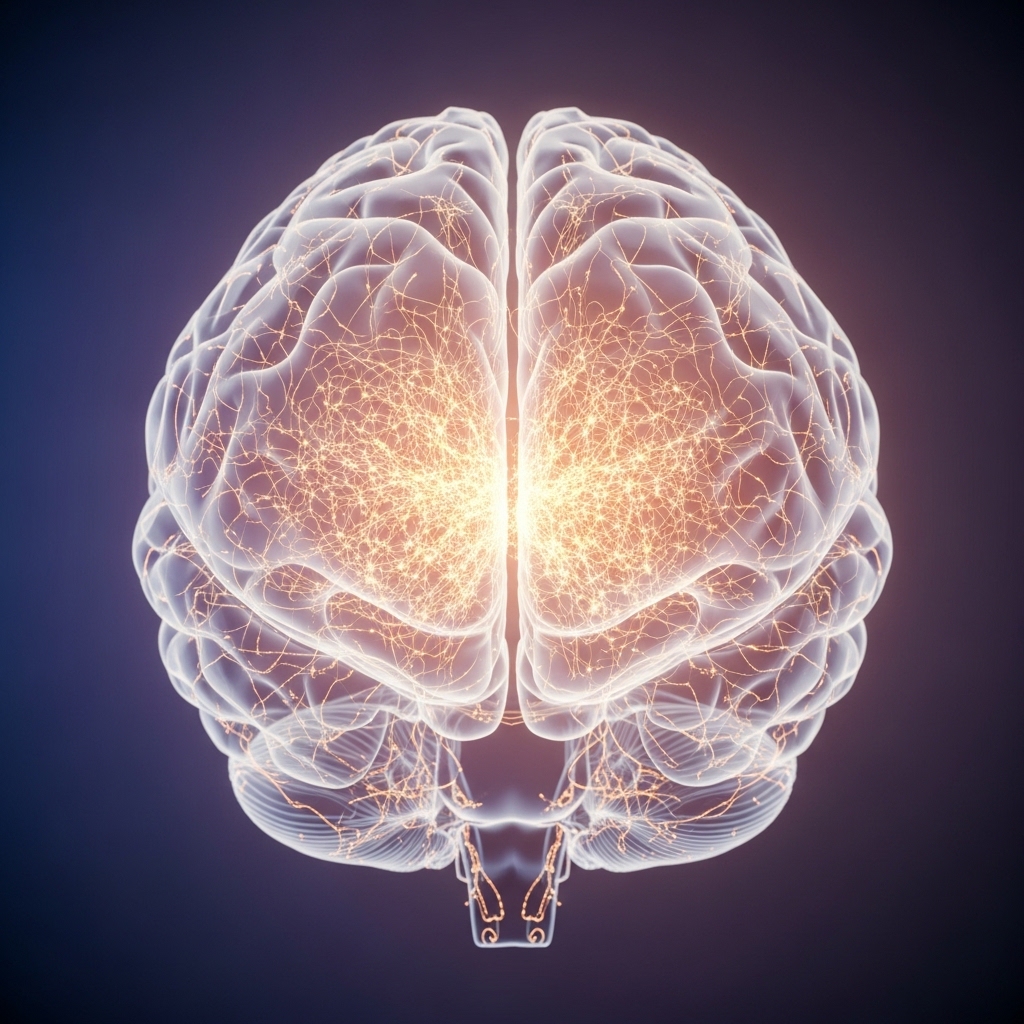
Now, let us gently explore the brain. Your brain plays a central role in your consciousness level. It works with the central nervous system to keep you alert and aware. Deep within it lies the reticular formation. This network helps regulate wakefulness and attention.
Because of this system, your brain's ability to filter information is essential. It helps you focus on what matters. It also allows you to ignore repeated stimuli that are not important. Without this quiet filtering, your awareness would feel overwhelmed.
Furthermore, brain function can change when illness or injury is present. Brain injuries, brain tumors, or mass lesions can disrupt the normal level of consciousness. In those cases, a patient may experience slowed responses or confusion. Therefore, doctors must carefully determine the underlying cause to protect the brain and support recovery.
READ ALSO: Parietal Brain: How It Shapes Focus and Awareness
States of Consciousness from Sleep to Coma
As you reflect on your day, you can see many states of consciousness. Sleep is one of the most natural states. During your sleep cycle, you pass through light sleep, deep sleep, and dreaming. Each stage supports your body and mind.
Yet beyond sleep, there are more serious various states that doctors monitor. A person may enter an unresponsive state after a head injury. In severe cases, this may lead to coma. Coma is a profound loss of awareness and responsiveness. In coma, the patient does not respond to verbal response or painful stimuli.
Additionally, there are other different states such as vegetative state and minimally conscious state. In a vegetative state, the patient may open their eyes but remain unaware. In a minimally conscious state, there are small but clear signs of awareness. These states of consciousness require careful observation and compassion.
Measuring the Level of Consciousness in Medicine

When a patient arrives with altered mental status, doctors must quickly determine the patient’s level. They use clinical methods to assess the level of consciousness. One widely used tool is the Glasgow Coma Scale. The Glasgow Coma Scale helps measure eye opening, verbal response, and motor response.
Each part receives a score, and together they form the GCS score. The highest possible GCS score is fifteen, which reflects a normal level of alertness. A lowered level may produce a smaller GCS score. For example, in coma, the verbal response may be absent.
Sometimes, clinicians also refer to tools like the grady coma scale. Historical figures such as Plum F and Walker HK contributed to our understanding of coma and states of consciousness. Medical references from McGraw Hill and Hall WD describe how to describe and classify altered loc with clarity.
What Causes an Altered Level of Consciousness

There are many reasons an altered level may occur. A head injury from an accident can disturb the brain. A mild traumatic brain injury may cause confusion or slowed responses. In more severe brain injuries, coma may follow.
In addition, drugs and drug overdose are common causes of altered loc. Certain drugs have direct effects on brain function. A drug overdose can push a patient into deep stupor or even coma. Because of this, doctors must determine whether toxins are present.
Metabolic problems can also affect consciousness. For example, abnormal serum ammonia levels may signal liver failure. Laboratory examinations help determine the underlying cause. When doctors understand what is happening inside the body, they can better control the altered level and protect the patient.
Responding to Painful Stimuli and Verbal Cues

When assessing a patient, clinicians observe how they respond. They may call the person’s name to test verbal response. If there is no reply, they may apply gentle painful stimuli. The goal is not to harm, but to determine responsiveness.
A healthy person will respond appropriately to painful stimuli. They may move away or speak. In contrast, in coma or deep stupor, the motor response may be minimal or absent. Repeated stimuli may be required to observe even slight movement.
Through these steps, doctors determine the patient’s level of consciousness. They compare findings to the Glasgow Coma Scale. Over time, changes in GCS score help describe improvement or decline. This careful focus protects the patient and guides treatment decisions.
Altered States in Daily Life

Now, let us return to your personal journey. Not all altered states are medical emergencies. Sometimes, you experience altered states during meditation, intense focus, or creative flow. In those moments, your awareness shifts, yet you remain conscious and aware.
However, when you are sleep deprived, your altered level may show as irritability or poor focus. You may not respond appropriately in conversation. You might feel disconnected from your environment. These mild altered states remind you to care for your sleep and rest.
Therefore, building steady habits helps maintain a healthy level of consciousness. Regular sleep, balanced nutrition, and limited drugs support brain function. When you respect your body and brain, you protect your consciousness from unnecessary disruption.
READ ALSO: What is the Purpose of Life: Finding Calm Clarity
Coma, Vegetative State, and Hope

Coma is one of the most serious states of consciousness. In coma, the patient is not awake and not aware. There is no meaningful verbal response or motor response. Painful stimuli may not produce purposeful movement.
After coma, some patients transition into vegetative state. In vegetative state, sleep and wake cycles may return. The eyes may open, yet awareness is absent. In contrast, minimally conscious state shows small signs of awareness, such as following simple commands.
Recovery depends on many factors. The underlying cause, such as head injury or drug overdose, plays a major role. With time, rehabilitation, and careful control of complications, some patients improve. Even in severe altered loc, hope can still be present.
Living Fully Aware Each Day

While medical science studies coma and altered consciousness, your daily life invites something gentler. You have the ability to raise your level of consciousness through small habits. First, protect your sleep cycle. Quality sleep restores your brain and body.
Next, practice mindful focus. When you listen deeply, you strengthen your awareness. You become more conscious of your emotions and reactions. As a result, you respond instead of react.
Also, limit harmful drugs and manage stress. Notice how your environment affects your mood and clarity. Even simple breathing can calm your physical tension. With steady practice, you feel more awake and present in the world.
A Gentle Commitment to Higher Awareness

Finally, remember that consciousness is both fragile and resilient. It can be altered by illness, injury, or drugs. It can also be strengthened by intention and care. Your brain and body work together every moment to keep you aware.
When you understand the states of consciousness, you gain respect for life itself. You see how coma, vegetative state, and minimally conscious state reveal the delicate nature of awareness. At the same time, you recognize your own power to nurture a healthy level of consciousness.
So walk forward with patience. Choose rest when you need sleep. Seek help if altered mental status or altered loc ever appear in you or someone you love. Above all, stay curious and conscious. In doing so, you honor the remarkable gift of human consciousness.