
The cognitive frameworks executives operate within are not abstract personality traits — they are physiologically active variables with measurable effects on cortisol output, inflammatory load, and long-term cardiovascular risk. A magical mindset, defined clinically as a structured orientation toward possibility, agency, and adaptive optimism, has demonstrable effects on hypothalamic-pituitary-adrenal (HPA) axis regulation — the same neuroendocrine system that, when chronically dysregulated, accelerates biological ageing and impairs prefrontal cortex function. For professionals whose decision-making capacity, stress tolerance, and cognitive output are directly tied to organisational outcomes, the neuroscience of mindset is not a soft skill consideration — it is a performance physiology variable.
Defining the Magical Mindset Beyond Motivational Language

A magical mindset is not wishful thinking. In clinical terms, it means a steady pattern of adaptive optimism, personal agency, and a belief that challenges can be managed.
This pattern shapes cognitive appraisal. That is the brain’s habit of deciding whether a situation looks threatening or manageable. That decision affects stress output across the body. When people read pressure as manageable, the HPA axis tends to release less cortisol. Over time, that can support healthier immune function, lower cardiovascular strain, and slower biological aging.
For executives and founders, this matters because pressure is constant. The same systems that shape stress also shape judgment, focus, and recovery.
The Neuroscience Behind a Magical Mindset
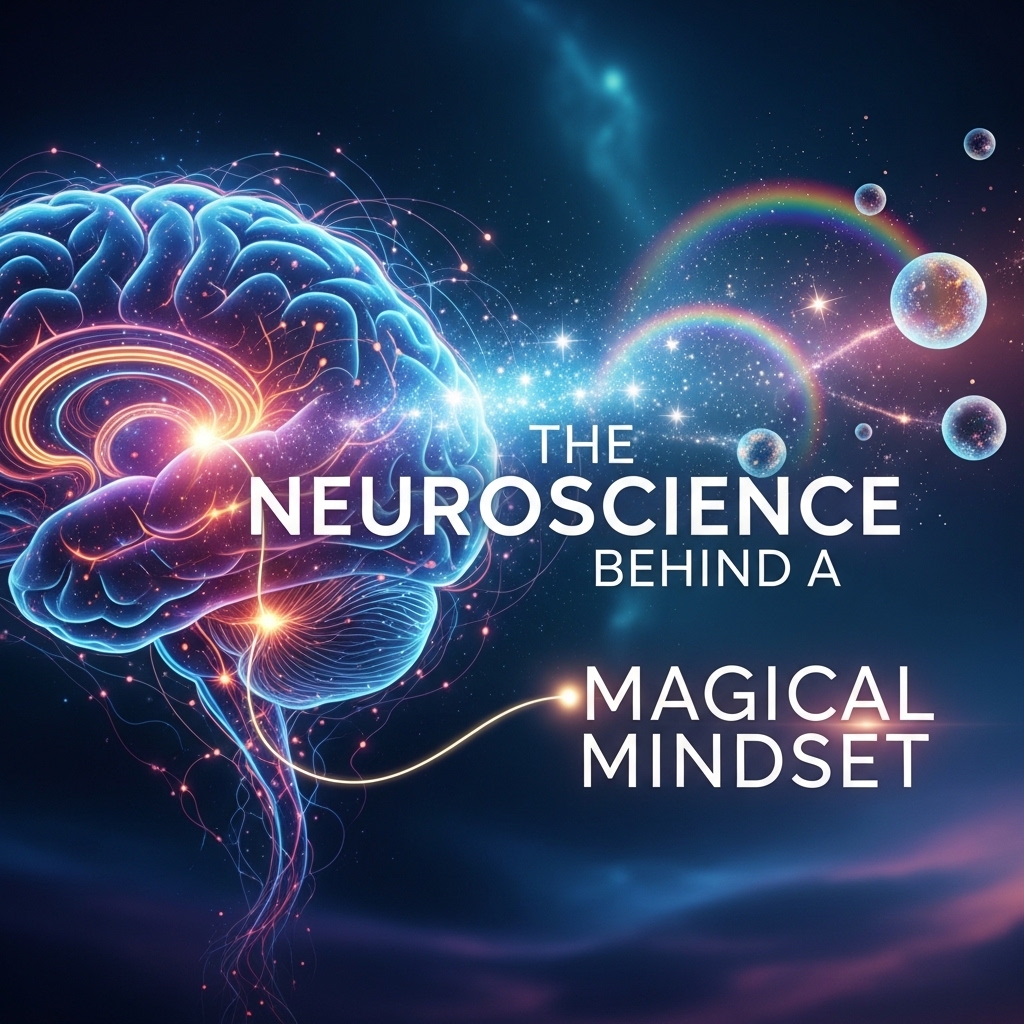
Two brain regions play a central role here: the prefrontal cortex and the anterior cingulate cortex. These areas support planning, emotional control, and decision-making under pressure. Chronic stress weakens these systems. High cortisol can also raise amygdala reactivity, which makes the brain more sensitive to threat and less able to stay calm.
A stronger mindset can interrupt that loop. Repeated patterns of constructive thinking can strengthen neural pathways through neuroplasticity and improve stress control over time.
Magical Mindset and Cortisol Regulation
Cortisol helps the body respond to demand. In short bursts, it sharpens attention and mobilizes energy. The problem starts when cortisol stays high for too long. Chronic elevation can increase visceral fat, weaken immunity, hurt memory, and speed up cellular wear.
A magical mindset can lower that burden by changing appraisal. When people see challenges as workable, the stress response usually activates less often and settles faster.
That shift matters in real health terms. Lower cortisol often links with better insulin sensitivity, less inflammation, and stronger memory-related brain function.
Biological Age and the Magical Mindset Connection

Biological age measures how old the body functions, not how many birthdays a person has had. Tools such as epigenetic clocks and DNA methylation tests now make that difference easier to track.
Stress and mindset can affect that pace. Long-term psychological strain often links with faster telomere shortening, which is one of the clearest markers of cellular aging. Chronic stress plays a major role in how fast the body ages. In a landmark study published in PNAS, Proceedings of the National Academy of Sciences, researchers led by Elissa Epel found that long-term psychological stress was linked to shorter telomeres, a key marker of cellular aging.
The reverse also matters. When inflammation, hormone decline, and mitochondrial strain build up, they can make clear thinking harder and weaken emotional control. That is why timing matters for professionals aged 35 to 60. Earlier action on mindset may create a stronger return than waiting until burnout signs appear.
Cardiovascular Health and Cognitive Orientation

Mindset does not only shape mood. It also affects cardiovascular health through the nervous system and the inflammatory response.
A more adaptive mindset often links with higher heart rate variability. Higher HRV usually signals better recovery, stronger parasympathetic tone, and lower strain on the heart. The opposite pattern looks very different. Chronic pessimism and helplessness often pair with lower HRV, higher resting heart rate, and more arterial stiffness.
Stress-driven thinking can also raise CRP and IL-6. When that pattern repeats for years, cardiovascular risk can rise in a measurable way. A 2019 meta-analysis published in JAMA Network Open showed that higher optimism was associated with lower risk of cardiovascular events and all-cause mortality. This makes optimism a measurable factor in long-term health outcomes. Further support comes from research in Circulation Research, a journal of the American Heart Association. Studies show that individuals with higher optimism tend to maintain better cardiovascular-related behaviors and overall heart health.
Magical Mindset and Cognitive Performance
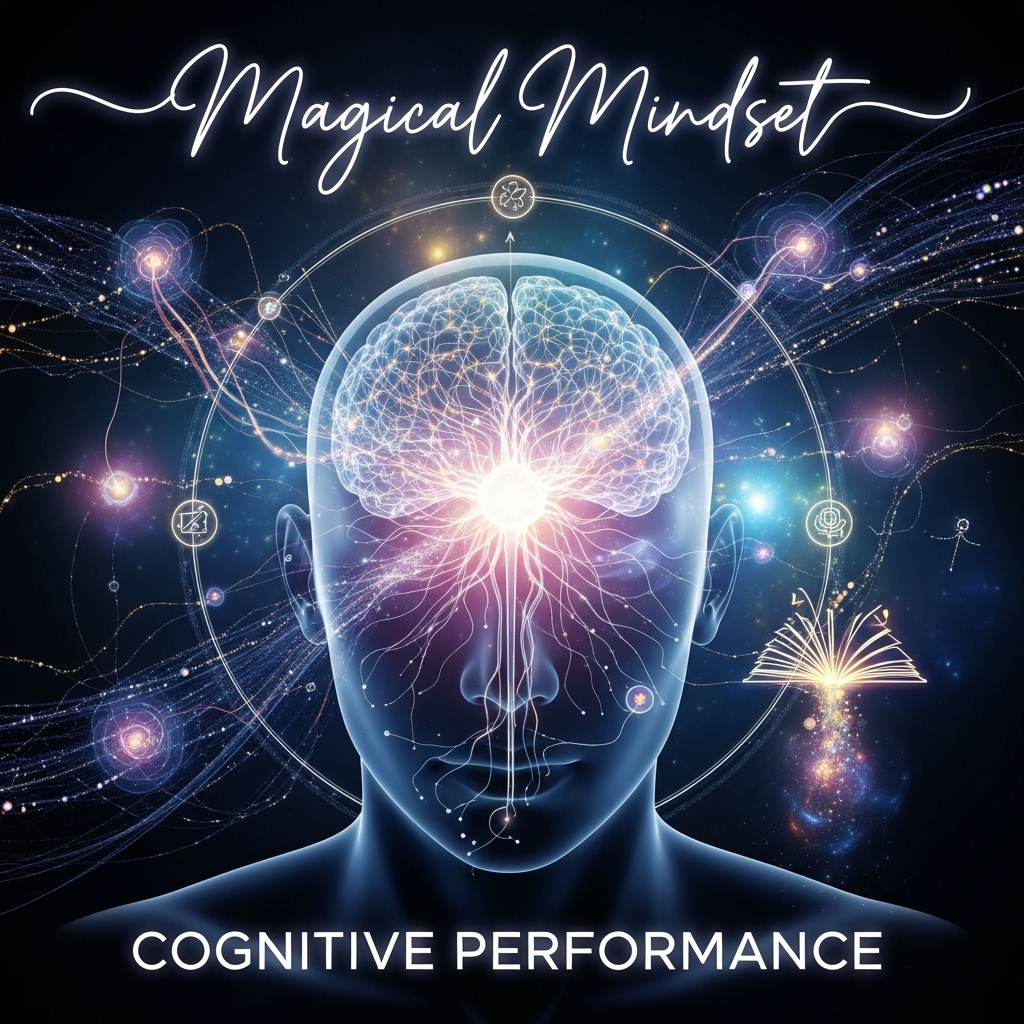
High performers depend on executive function. That includes working memory, mental flexibility, attention control, and strategic reasoning.
Chronic stress works against all of those skills. It narrows attention, weakens memory, and makes decisions more reactive. A better mindset supports performance in several ways. It can protect prefrontal function, widen attentional scope, and help people generate more options under pressure.
It may also support cognitive reserve over time. That matters for leaders whose value depends on clear thinking year after year.
READ ALSO: Forensic and Psychology: Understanding Motives with Compassion
Sleep Architecture and Mindset Physiology

Sleep is one of the fastest places where mindset shows up. Stress-heavy thinking can disrupt sleep architecture, even when total sleep time looks fine.
Many professionals experience this as mental overactivity at night. Rumination, scanning for threats, and replaying problems can delay sleep and break continuity.
A steadier mindset reduces that pre-sleep activation. When the brain feels more agency and less threat, the body can move into recovery mode more easily. This effect runs both ways. Poor sleep weakens emotional control the next day, which makes negative appraisal more likely.
READ ALSO: Mindset Control to Embrace the Power of Positive Aging
Measuring and Monitoring Mindset as a Performance Variable
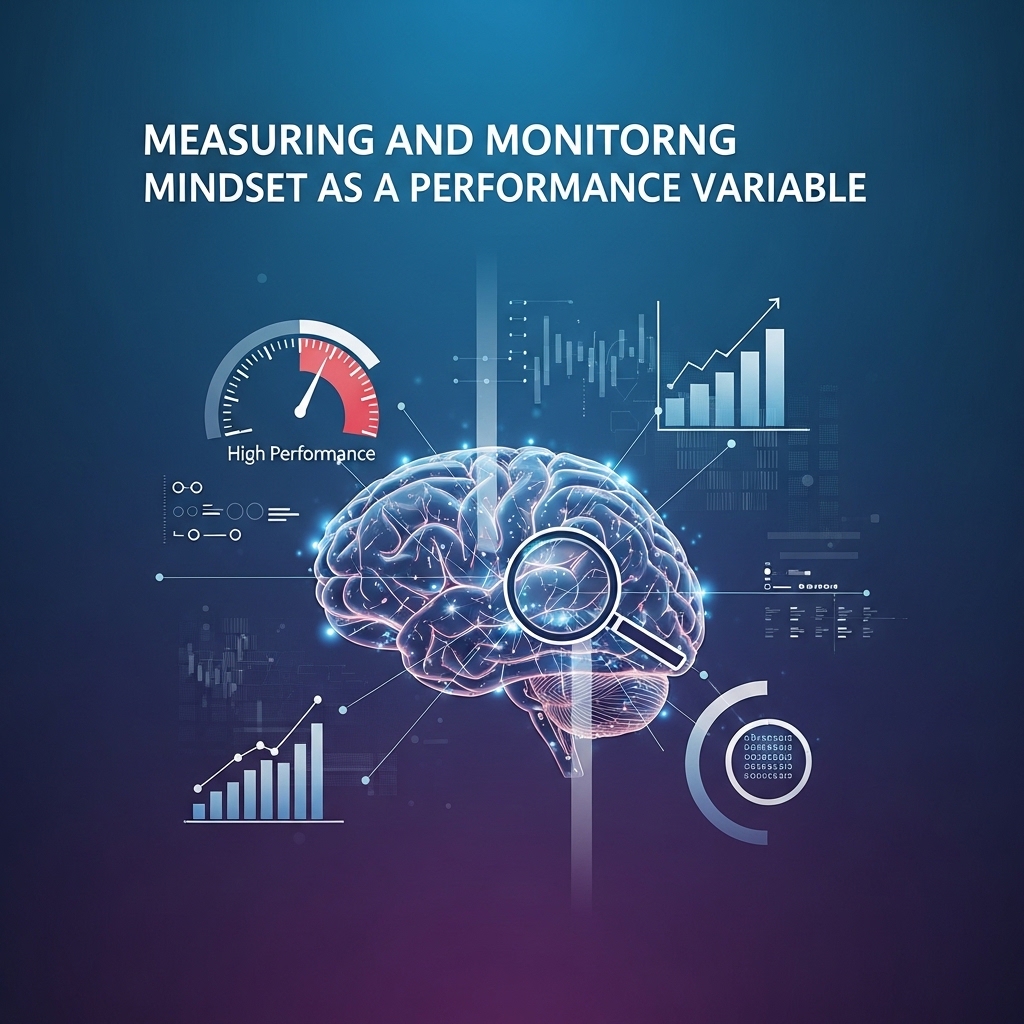
Many professionals track sleep, training, and body composition. Fewer track the mindset variables that shape those outcomes.
That gap is changing. Tools such as the LOT-R, the Perceived Stress Scale, and HRV monitoring can make mindset more visible and more measurable.
These tools help identify patterns across work cycles, major deals, travel load, and leadership strain. That makes mindset management more objective and less based on guesswork. When possible, it also helps to compare these results with biological age markers and inflammatory panels. That creates a clearer link between psychology and physiology.
READ ALSO: Collective Mindset: How to Harness Group Power for Success
Evidence-Based Applications for High-Performing Professionals

The most useful starting point is structured cognitive reframing. This means actively changing how you interpret pressure, so the brain sees more control and less threat.
HRV biofeedback can support that process with real-time data. It trains the nervous system toward better balance and gives a measurable signal of progress.
Regular assessment also matters. A short optimism or stress scale can show whether mindset is improving or slipping during intense work periods. For professionals with access to executive health programs, the strongest approach combines mindset work with biomarker tracking. That may include CRP, IL-6, HRV, sleep data, and biological age testing.
UP NEXT: The Theory of the Mind: Unlock Your Mental Potential
How This Affects Your Biological Age
A magical mindset supports lower baseline cortisol, improved heart rate variability, and reduced inflammatory markers such as CRP, all of which are directly associated with slower biological aging and longer telomere maintenance. WholeLiving's Biological Age Estimation Model incorporates this factor directly — your assessment takes under five minutes.
Ready to understand how these factors are influencing your biological age right now? [Take the Biological Age Assessment →]