
For executives, founders, and other high-output professionals, compromised mind and peace is not a soft wellness concern but a measurable threat to cognitive performance, cortisol regulation, sleep quality, and long-horizon biological resilience. This article is written for serious professionals whose workloads expose them to chronic decision fatigue, sustained sympathetic activation, and the performance drag that follows unresolved mental strain. Mind and peace refers to the conditions that support neural recovery, emotional steadiness, and lower inflammatory stress rather than transient calm. When those conditions deteriorate, the result can include impaired focus, weaker executive function, elevated physiologic stress, and faster visible aging.
Mind and Peace Is a Body State

Mind and peace is not a soft idea in performance health. It describes a state in which the brain, hormones, and nervous system are not stuck in constant threat mode. When that state breaks down, attention, sleep, decision speed, and recovery often weaken.
For high-performing professionals, this matters because chronic mental strain can keep the hypothalamic-pituitary-adrenal axis, or HPA axis, too active. That system helps control cortisol and shapes whether the body returns to baseline after pressure or stays over-engaged.
It supports lower allostatic load, steadier thinking, and more stable body function across the week.
Cortisol Problems Weaken Executive Function
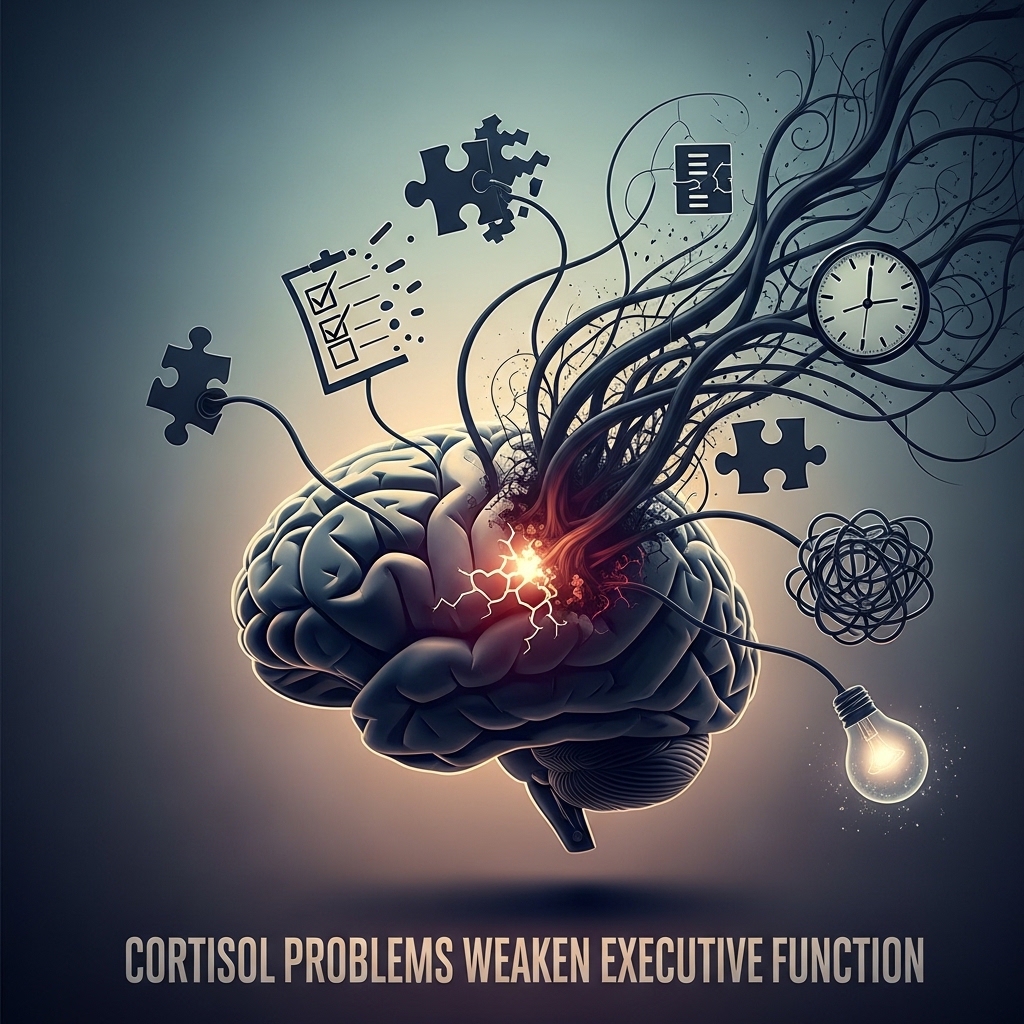
When stress becomes chronic, cortisol stops acting like a short-term helper. It starts to reduce performance. NIH-hosted research has linked long periods of stress hormone exposure with worse memory, weaker attention control, and poorer front-brain task performance.
That is why mind and peace belongs in any discussion of executive function. A professional can still look productive while mental efficiency slips in quieter ways. These changes may include slower working memory, weaker emotional control, and poorer choices under pressure.
The key term here is glucocorticoids, the stress hormones that include cortisol. They help with short-term adaptation. But when they stay high too long, the brain shifts away from repair and toward defense.
Allostatic Load Turns Stress Into Wear
The most useful framework here is allostatic load. Bruce McEwen’s work on stress and allostasis showed that repeated adaptation to stress creates wear across the brain, metabolism, heart, and immune system.
This matters because mind and peace does not shape health through mood alone. It changes the body-wide cost of staying functional under pressure. That cost can appear in blood pressure, inflammation, sleep loss, and poor recovery before disease appears.
For executives and founders, mind and peace works like a load-control variable. It shapes whether the body handles demand well or builds hidden physiologic debt over time.
Sleep Quality Drives Recovery
Sleep is one of the clearest ways that mind and peace affects performance. Reviews in Sleep Medicine Reviews and NIH-hosted research show that sleep loss weakens alertness, working memory, mental speed, and executive function.
The link also works in reverse. Ongoing mental strain can make sleep lighter and less restorative. Leproult and Van Cauter found that sleep loss raised evening cortisol, which matters for both metabolic and cognitive strain.
This makes mind and peace a sleep-quality issue, not just a mental one. When the mind does not settle well, the night no longer acts as full recovery. It becomes partial repair.
Inflammation Affects Mental Output
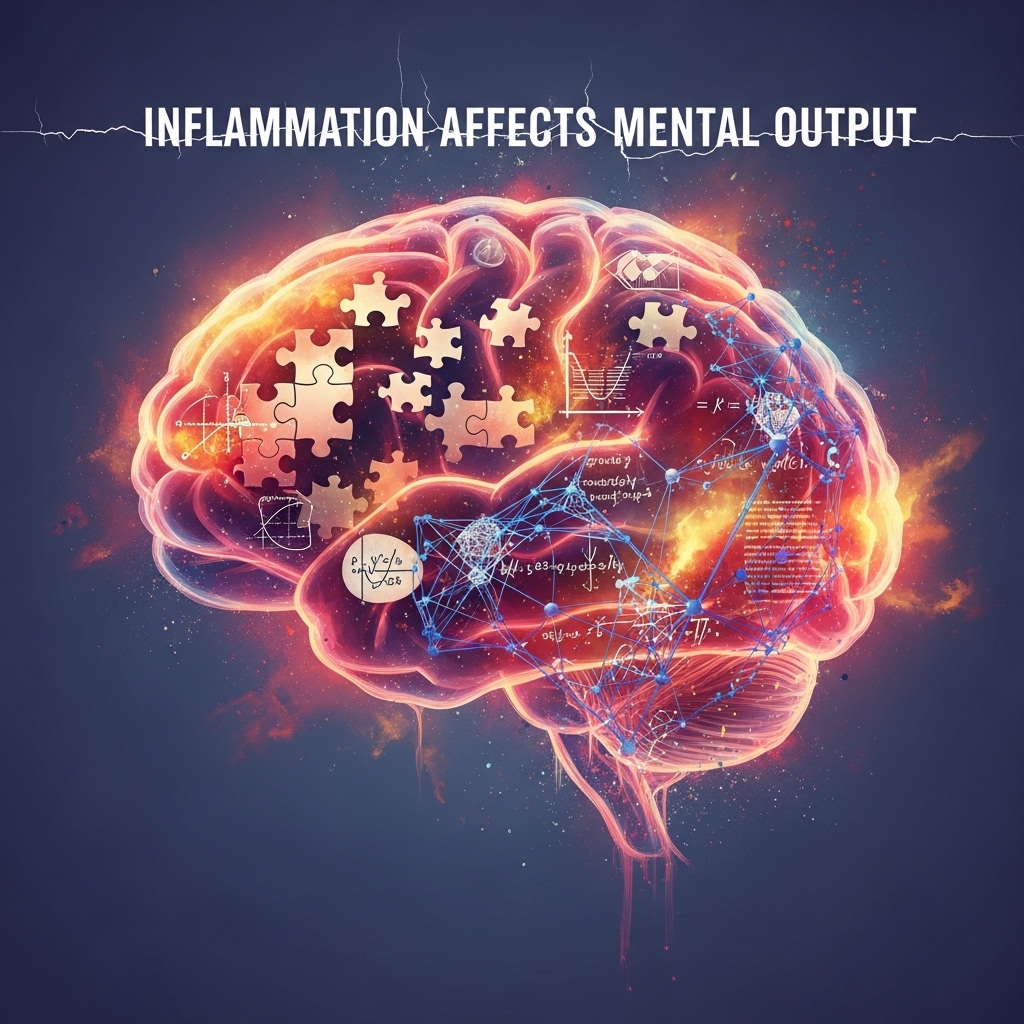
Chronic stress does not stay in the mind. Reviews on stress and immunity show that ongoing stress can raise pro-inflammatory activity and increase the body’s inflammatory burden.
This matters in the mind section because inflammation can affect thinking, mood, and fatigue. When inflammatory signaling stays high, mental clarity often becomes less stable. The body also moves farther from efficient recovery.
In that setting, mind and peace helps regulate more than calm. It can shape whether stress stays brief or becomes a lasting inflammatory burden that affects healthy aging and daily performance.
Broken Attention Has a Real Cost

Many high-output professionals mistake constant mental activity for strong cognitive performance. In practice, split attention, poor recovery, and ongoing stress reduce executive control. Harvard Health notes that executive function supports planning, focus, and decision-making.
A mind without peace does not use its resources well. It stays more reactive and less selective. It also struggles to hold focus during hard work.
For that reason, mind and peace should be treated as part of cognitive structure. It is not separate from output. It helps decide whether attention stays strong enough for sustained high-level work.
Autonomic Balance Can Be Tracked
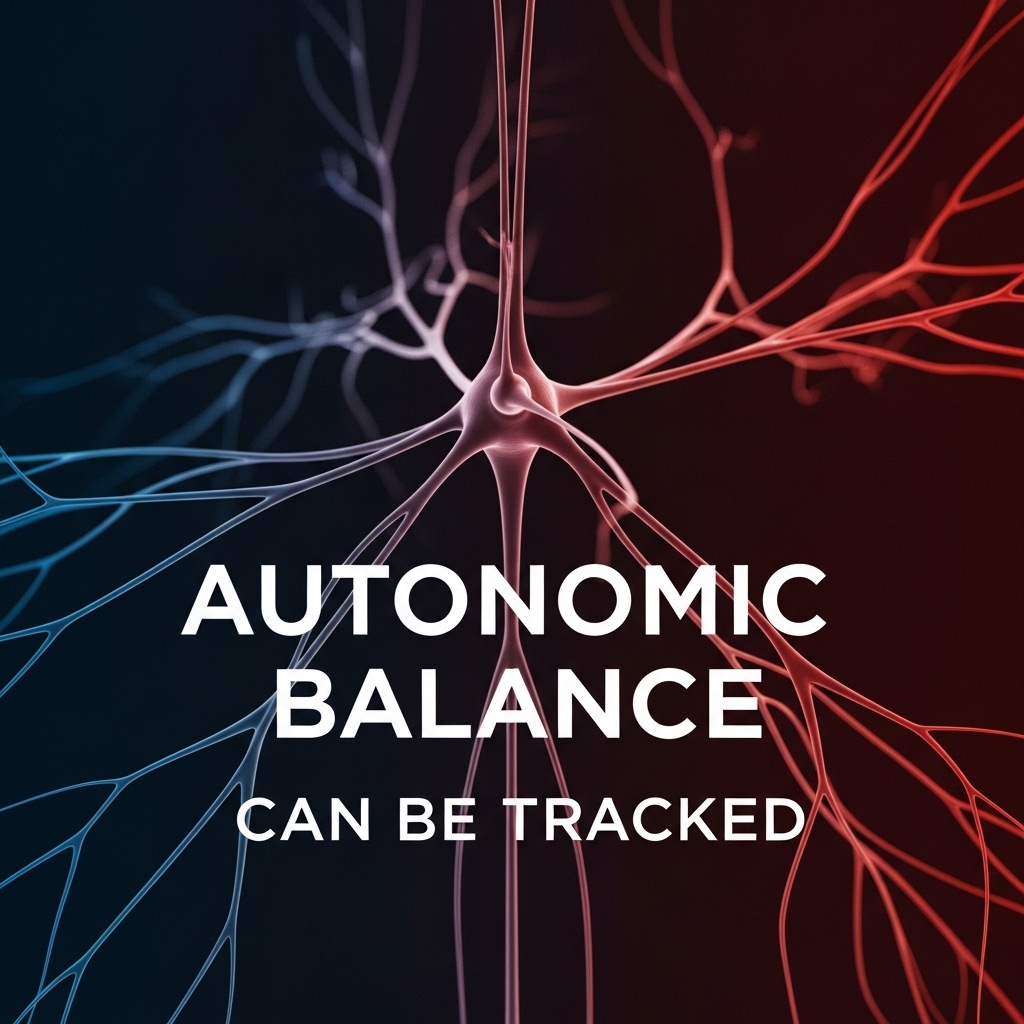
A useful body lens here is autonomic balance. This refers to the balance between the body’s alert system and its recovery system. A mind that rarely settles often keeps the body in a more watchful state, which affects heart rate, blood vessel tone, and recovery.
This matters because peace is not only a feeling. It often reflects whether the nervous system can leave high-alert mode. When that shift does not happen often enough, recovery stays incomplete even during rest.
The term parasympathetic refers to the branch linked to repair, digestion, and recovery. In serious performance health, mind and peace matters partly because it supports access to that restorative state.
READ ALSO: Mindfulness Practices for Burnout: Simple Ways to Recover
Heart Risk Extends Beyond Mood
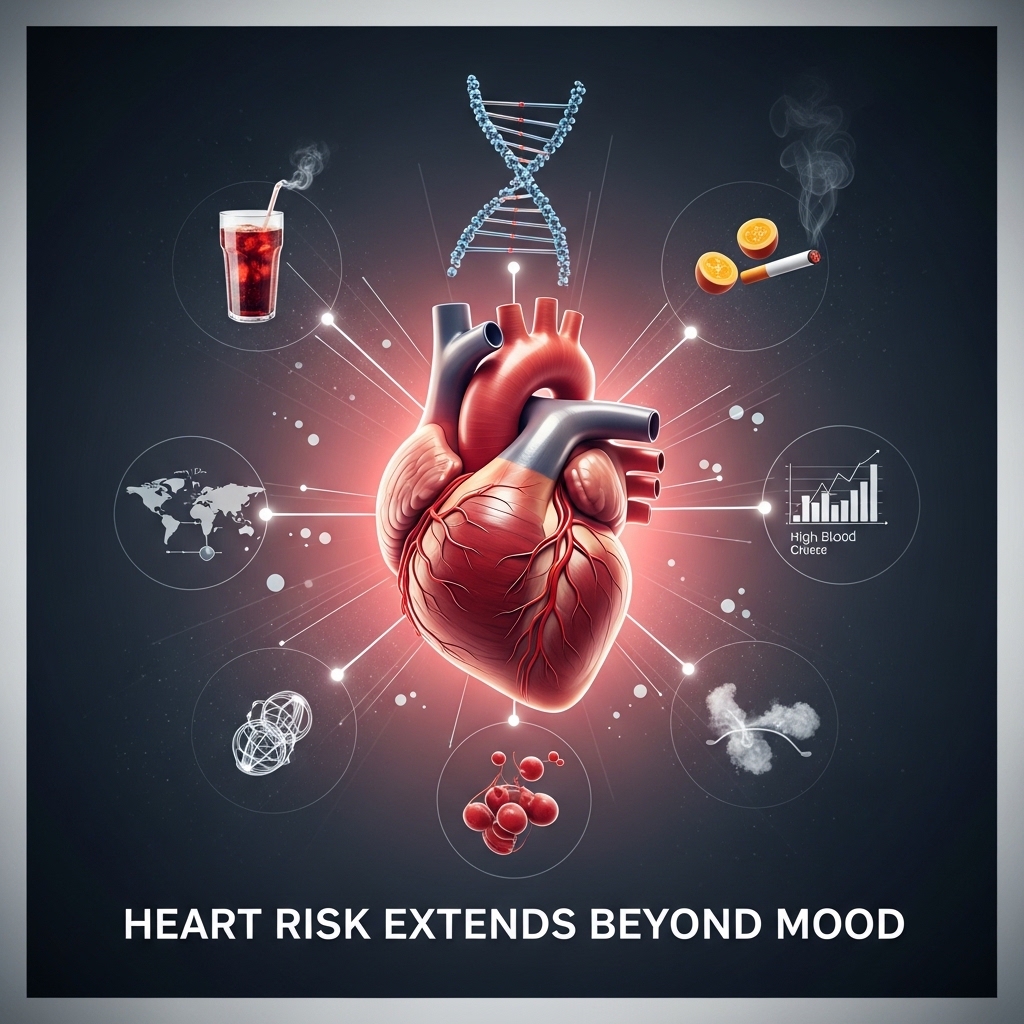
The American Heart Association states that chronic stress may raise blood pressure and increase the risk of heart attack and stroke. That places mind and peace inside cardiovascular risk, especially in professionals who carry a high stress load for years.
Mental stress also creates measurable heart and blood vessel responses. Research in the Journal of the American Heart Association linked cardiovascular reactions to mental stress with worse outcomes. This shows that psychological strain can have direct vascular effects.
This matters because many high performers treat mental strain as separate from heart health. The evidence does not support that split. Mind and peace affects the same systems that shape long-term heart and brain health.
READ ALSO: Happiness: Essential Mindfulness Practices for a Calmer Life
Biological Age Responds to Chronic Stress
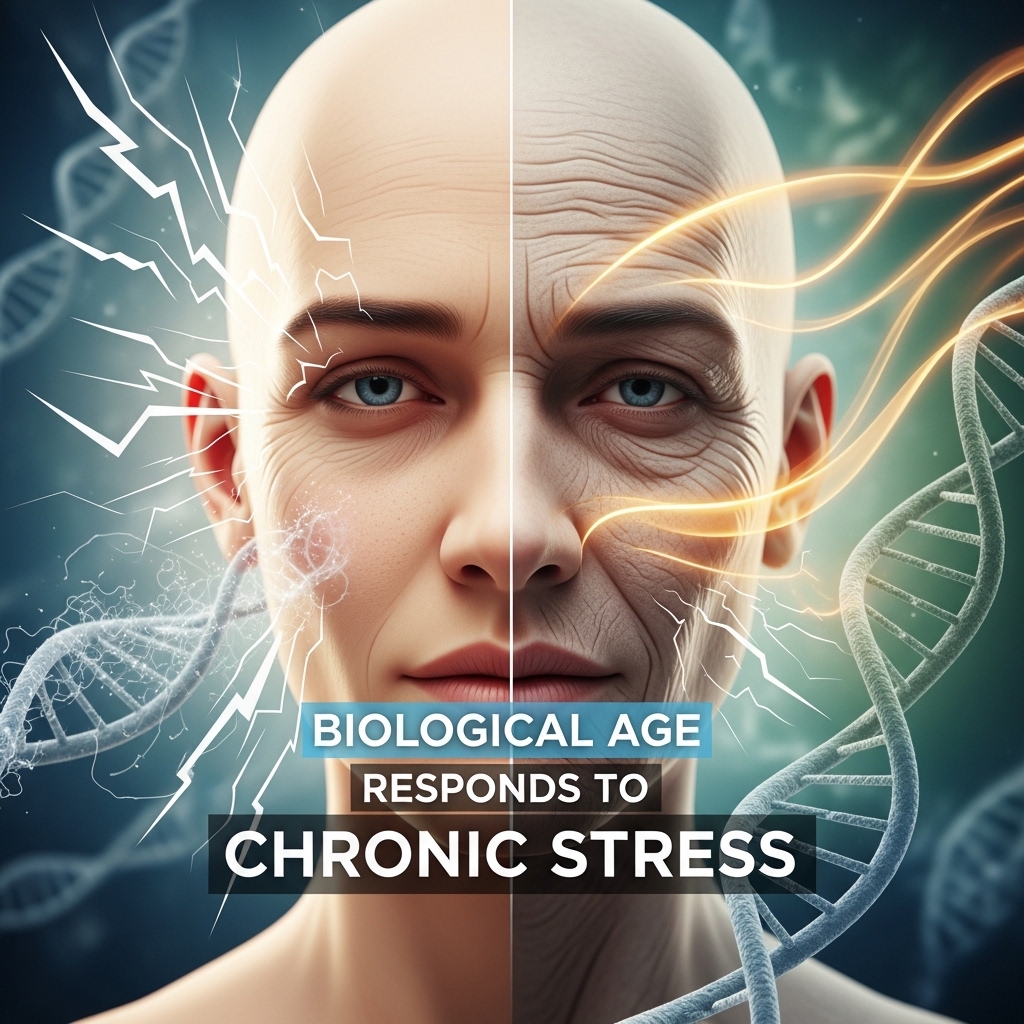
Biological age is sensitive to chronic stress. Research in Molecular Psychiatry found that mental and biologic resilience changed the link between stress and epigenetic age acceleration. This suggests that stress burden and resilience capacity can affect aging in measurable ways.
That does not mean every difficult quarter ages the body in a lasting way. It means repeated overload, poor recovery, and low mental peace can shift the pace of aging when they become chronic patterns. This matches wider allostatic load research and newer epigenetic findings.
For WholeLiving readers, this makes mind and peace a longevity variable. It helps decide whether professional pressure stays adaptive or turns into chronic wear that ages brain, immune, and vascular systems faster.
READ ALSO: Spotless of the Eternal Mind: Calm Paths to Clarity
Evidence-Based Options for High-Performing Professionals

The evidence does not point to vague calm or generic positivity. It points to less threat activation, better sleep continuity, lower inflammation, and stronger protection of executive function during chronic strain. Named sources from the National Institutes of Health, the American Heart Association, Sleep Medicine Reviews, The Lancet Neurology, and McEwen’s allostatic load work support that model.
In practical terms, mind and peace is strongest when it links to clear recovery conditions. These include fewer long periods of mental overreach, more stable sleep opportunity, less stress carryover into the evening, and work settings that let the nervous system return to baseline.
Based on the evidence, high-performing professionals can treat mind and peace as a structured health variable by reviewing which parts of their schedule prolong cortisol activation, break sleep, or overload attention; by favoring routines that improve recovery quality and reduce stress carryover; and by using signals such as sleep consistency, blood pressure trends, mental steadiness, and stress-related fatigue to judge whether their mental environment supports performance, cardiovascular health, and healthier biologic aging or quietly wears them down.