


You deserve meals that nourish you from the inside out, not just fill you up. Nutrient-dense meals are a way to fuel your body with essential nutrients without the overload of excessive calories. When you focus on nutrient-dense foods, you’ll feel more energized, balanced, and connected to your body’s natural rhythm.
Rather than obsessing over restrictive diets or counting every calorie, you’re invited to embrace the simplicity of nourishment. Nutrient-dense meals are about choosing foods that provide vital nutrients and support overall health. They offer your body the nutrients it craves—without the added sugars or refined grains that can weigh you down. By eating with intention, you empower yourself to live a vibrant, balanced life.
What Nutrient-Dense Meals Truly Mean

Nutrient-dense meals are those that pack the most vitamins, minerals, and vital nutrients into each bite, without unnecessary excess. These meals focus on foods that nourish your body at the cellular level, providing a sense of fullness and energy without overloading on calories. The goal is to get more nutritional value from the foods you eat, and avoid foods that provide empty calories.
Think of nutrient-dense meals as meals that are “rich in what matters.” These foods often come in whole, unprocessed forms, offering more nutritional benefits with less room for the added sugars, refined grains, and unhealthy fats that can interfere with long-term health. When you fill your plate with nutrient-dense foods, you support your body’s natural processes and promote overall well-being.
Why Your Body Needs Essential Nutrients
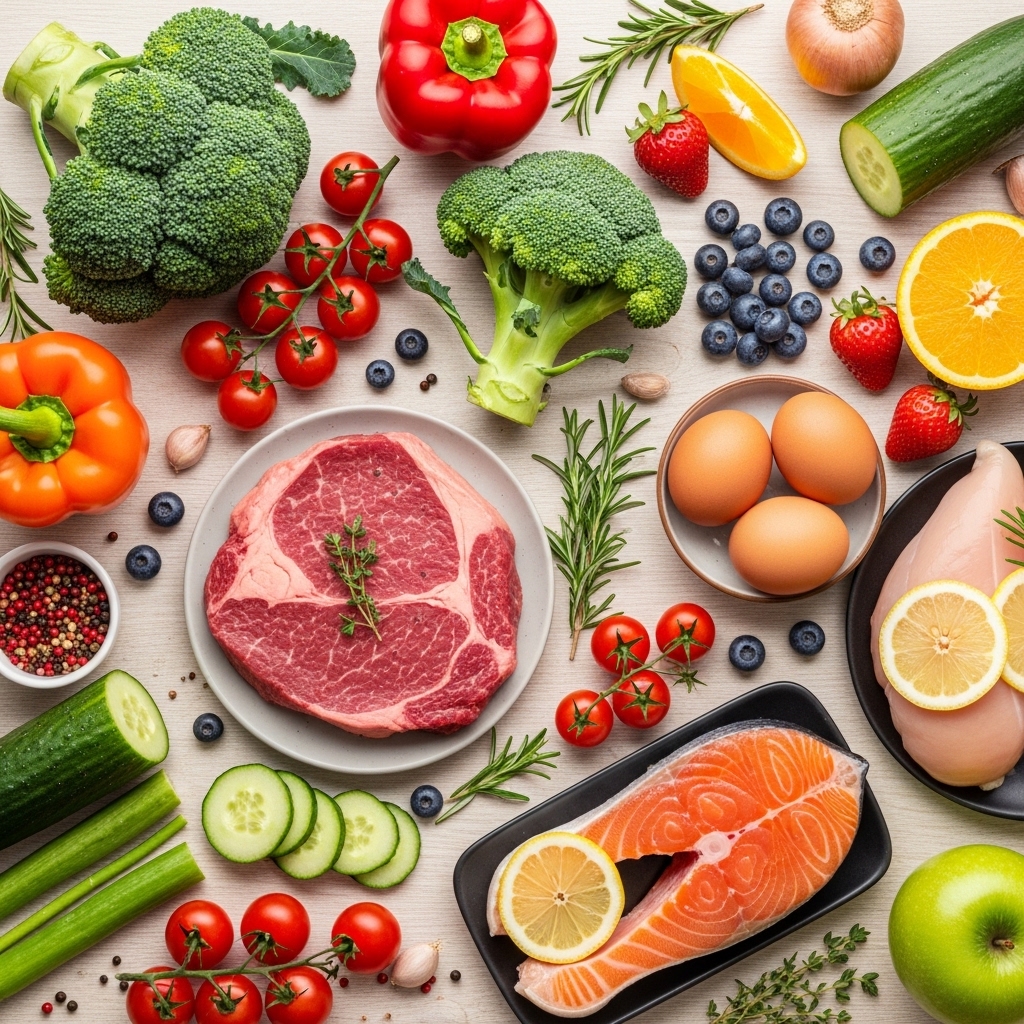
Your body relies on essential nutrients to function properly. These nutrients, such as vitamins, minerals, and other vital compounds, play a crucial role in maintaining energy levels, supporting brain health, and even protecting your body from chronic diseases. Without these key nutrients, your body cannot thrive.
By focusing on nutrient-dense meals, you’re ensuring that your body gets the nutrients it needs to function optimally. For example, foods rich in vitamin C, vitamin D, B vitamins, and essential minerals like calcium and magnesium play vital roles in keeping your immune system strong, balancing hormones, and supporting energy levels. When you nourish your body with the right foods, you support your overall health and well-being.
Building Meals Around Whole Foods
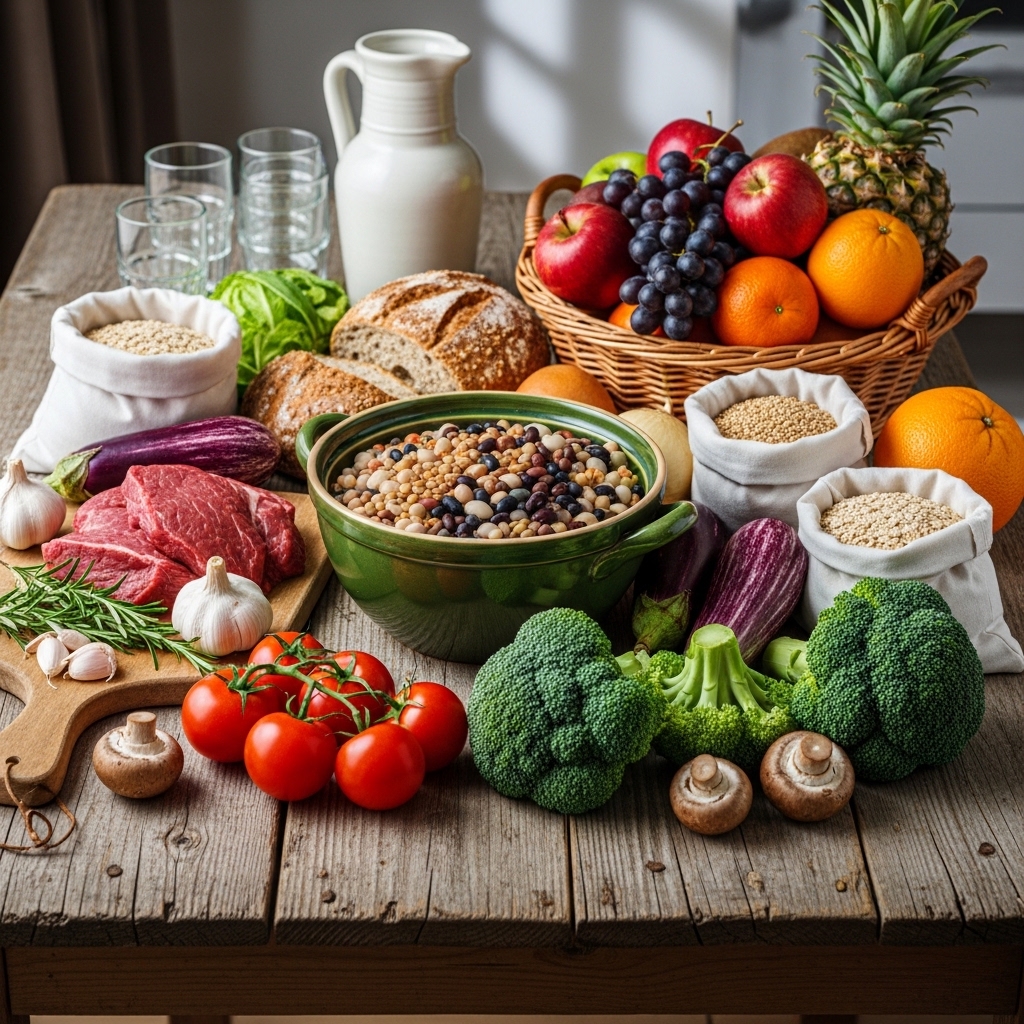
Whole foods, such as fruits, vegetables, lean meats, legumes, and whole grains, are the foundation of nutrient-dense meals. These foods offer abundant sources of essential vitamins, minerals, fiber, and antioxidants—everything your body needs to thrive. The beauty of whole foods lies in their simplicity; they are naturally packed with the nutrients that your body craves.
Incorporating whole foods into your meals allows you to avoid processed options that often lack the nutrients your body requires. Instead of relying on refined grains and added sugars, choose wholesome alternatives like quinoa, brown rice, leafy greens, and vibrant vegetables. By building your meals around these nutrient-dense options, you’re providing your body with long-lasting energy, better digestion, and enhanced overall health.
READ ALSO: Balanced Meals: Your Key to Optimal Health in 2026
The Importance of Protein in Your Meals

Protein is one of the most important building blocks of the body. It supports muscle growth, helps maintain healthy skin and hair, and even plays a key role in the production of hormones and enzymes. Including lean protein in your meals is essential for keeping your body strong and nourished.
Good sources of protein include lean meats, plant-based proteins, beans, quinoa, and dairy products like Greek yogurt. Protein-packed meals help keep you satisfied and can even help prevent cravings. Whether you prefer plant-based or animal sources of protein, you can find many ways to incorporate protein into your daily meals to support muscle health, stabilize blood sugar levels, and enhance overall well-being.
Healthy Fats That Support Your Body
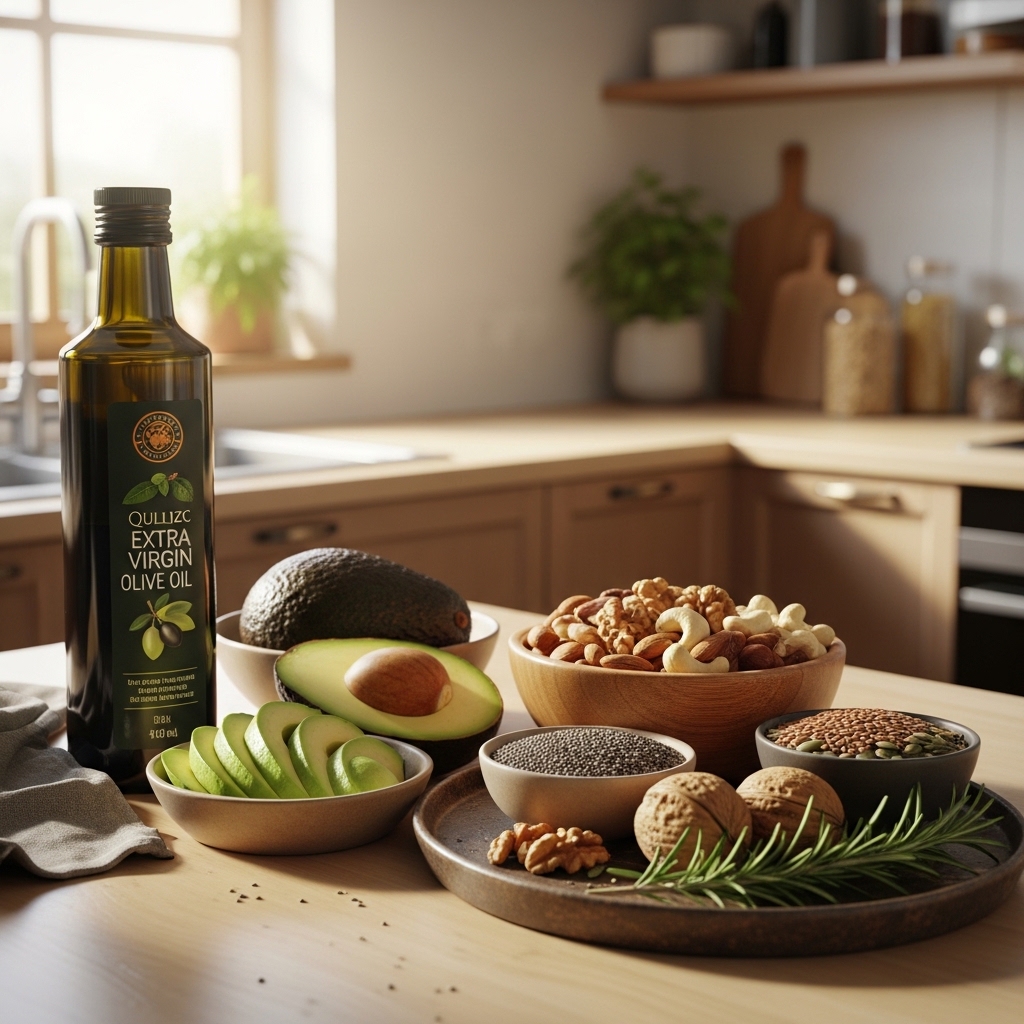
Healthy fats are another essential component of nutrient-dense meals. These fats are necessary for the absorption of fat-soluble vitamins, like vitamin D, and play a crucial role in brain health, hormone balance, and cell function. Unlike the unhealthy fats found in processed foods, healthy fats from sources like olive oil, avocados, nuts, and seeds provide long-lasting energy and nourishment.
By including small portions of healthy fats in your meals, you support essential bodily functions while keeping your meals satisfying and flavorful. For example, adding olive oil to a fresh salad or using it to sauté vegetables enhances both the flavor and nutritional content of your meal. Healthy fats provide comfort without the overload of calories, making them an important part of any balanced, nutrient-dense meal.
Choosing Nourishing Carbohydrates
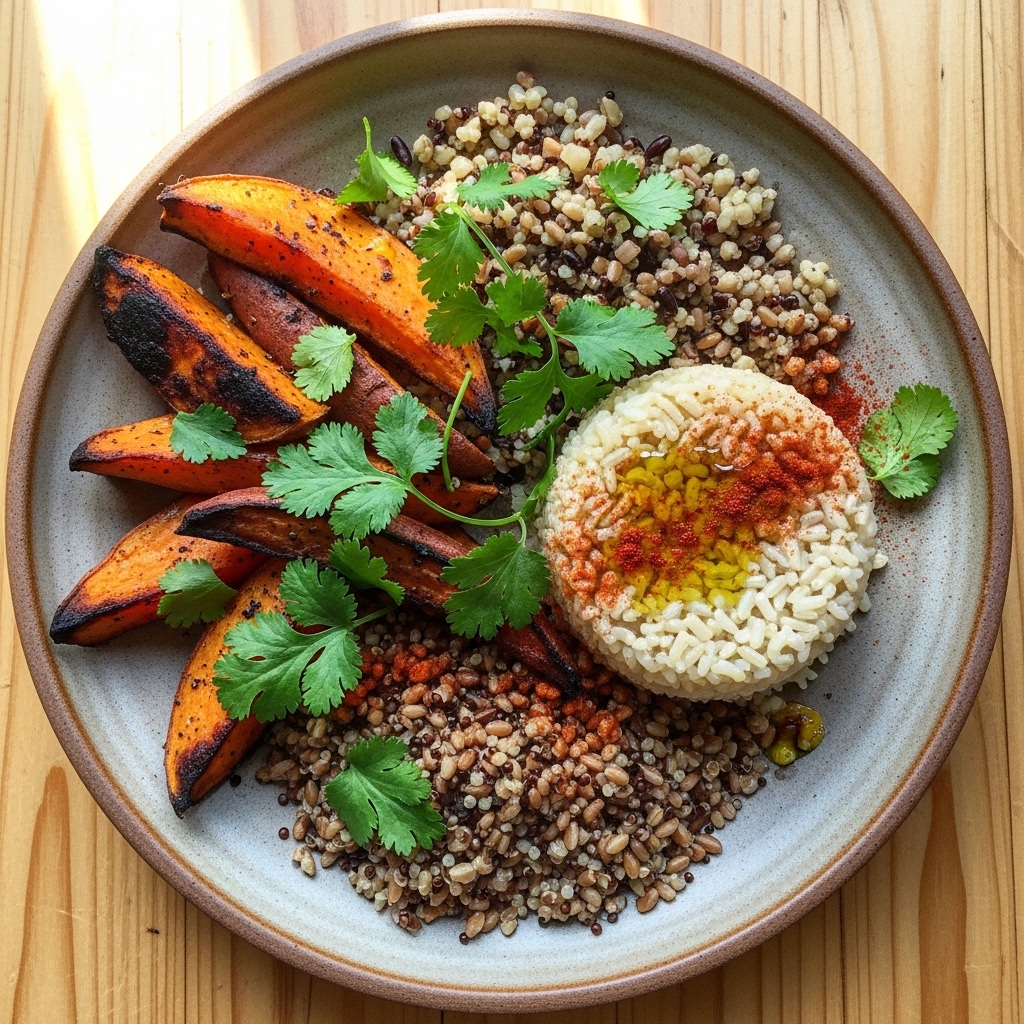
Carbohydrates are often misunderstood, but they are an essential part of any nutrient-dense meal. The key is to focus on complex carbohydrates, which provide long-lasting energy and essential nutrients without causing rapid spikes in blood sugar. Sweet potatoes, brown rice, and whole grains are excellent examples of complex carbohydrates that support digestion and energy levels.
Refined grains, on the other hand, are often stripped of their vital nutrients and can cause blood sugar spikes and crashes. By choosing complex carbohydrates, you ensure that your meals are not only satisfying but also supportive of your body’s long-term health. The right carbohydrates provide fiber, vitamins, and minerals, promoting balanced energy and helping you feel full and energized throughout the day.
READ ALSO: Macronutrients Explained: Your Guide to a Balanced Diet
Vegetables as a Daily Anchor
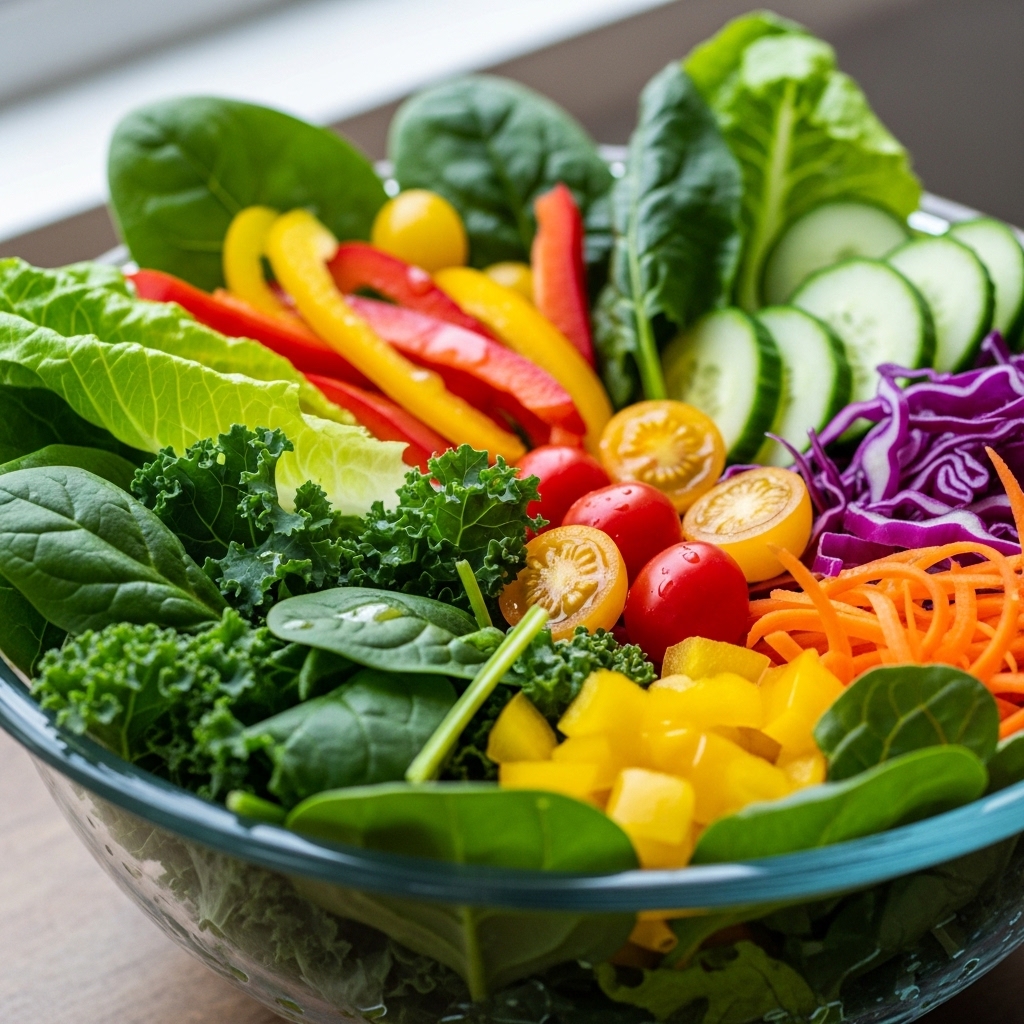
Vegetables are among the most nutrient-dense foods you can eat. They are rich in essential vitamins, minerals, antioxidants, and fiber, making them a cornerstone of any healthy diet. From leafy greens like kale and spinach to vibrant vegetables like bell peppers, vegetables offer a wide range of nutrients that support immune health, digestion, and heart health.
Incorporating a variety of vegetables into your meals ensures that you are getting a broad spectrum of vital nutrients. For example, kale provides vitamin K, vitamin C, and beta carotene, while bell peppers are an excellent source of vitamin C and antioxidants. When you make vegetables the foundation of your meals, you provide your body with the nourishment it needs to thrive and stay balanced.
Fruits That Add Balance and Freshness
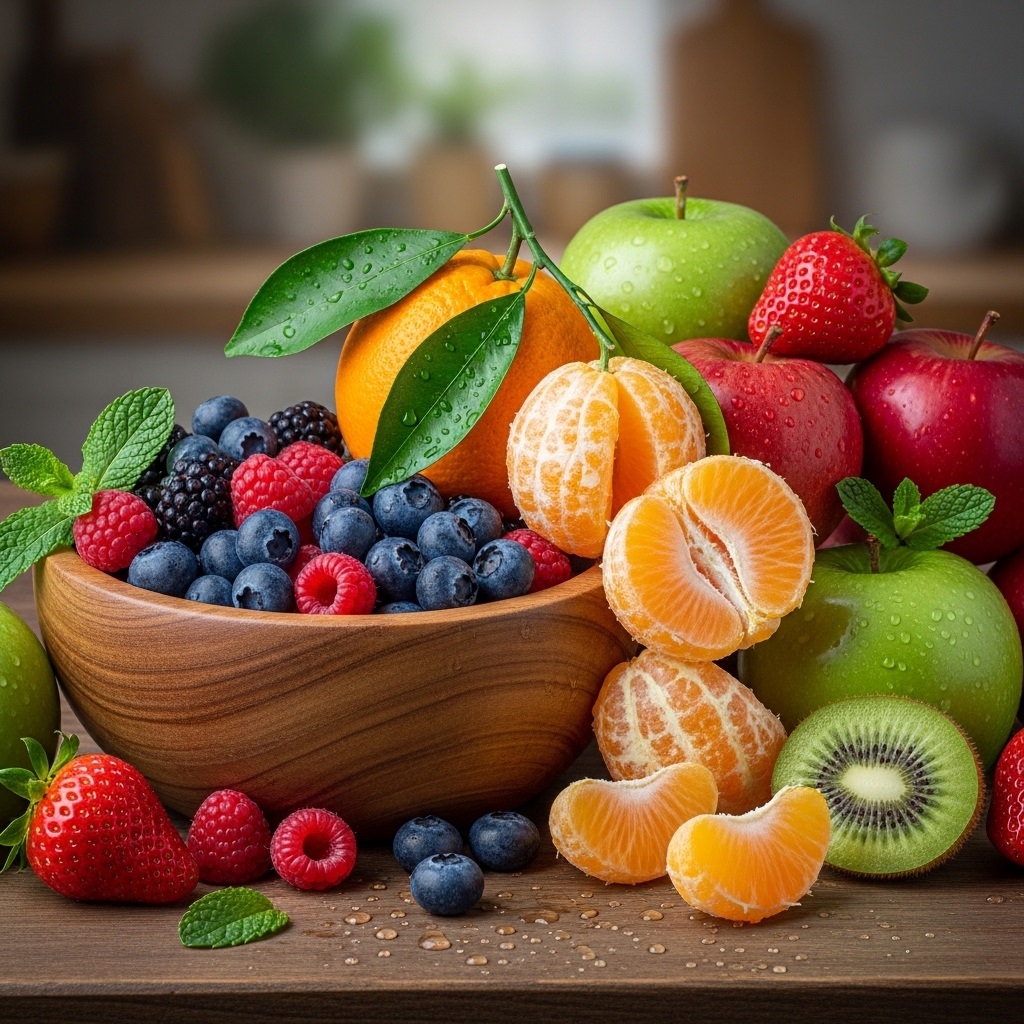
Fruits are naturally sweet and provide a wealth of vitamins, minerals, and antioxidants. They are an essential part of any nutrient-dense diet, offering benefits that support everything from immune function to heart health. Fruits like berries, citrus, and apples provide fiber, vitamin C, and a host of other important nutrients that enhance your overall well-being.
Fruits are also a great way to satisfy your sweet cravings without the added sugars found in processed snacks and desserts. Whether you add them to a salad, enjoy them as a snack, or blend them into a smoothie, fruits are a simple, delicious, and healthy way to complement your meals.
Simple Meal Ideas That Feel Easy
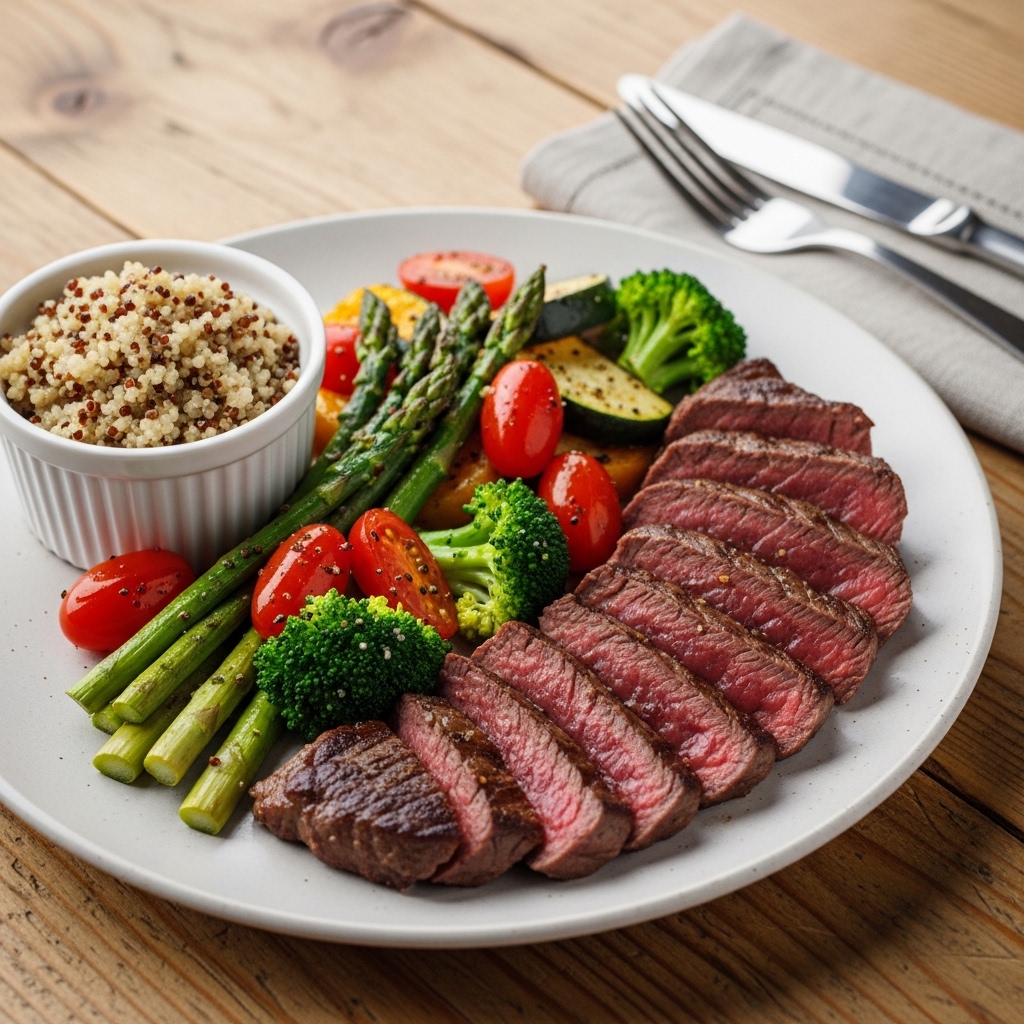
When it comes to nutrient-dense meals, simplicity is key. Try a quinoa bowl with black beans, roasted vegetables, and pico de gallo for a quick and satisfying meal. Top it off with a drizzle of balsamic vinegar for added flavor. This meal is naturally gluten-free, full of plant-based protein, and rich in fiber.
Another simple yet nutrient-dense meal idea is Greek yogurt with fresh fruit, nuts, and a sprinkle of chia seeds. This meal is high in protein, healthy fats, and fiber, making it a great option for breakfast or a snack. With a little creativity, nutrient-dense meals can be both delicious and easy to prepare.
READ ALSO: You Won’t Believe What This Fat Can Do for Your Heart!
How Nutrient-Dense Meals Support Long-Term Health

Eating nutrient-dense meals regularly has long-term benefits for your health. By choosing foods that are rich in essential nutrients, you reduce the risk of chronic diseases like heart disease, diabetes, and high blood pressure. These meals support your body’s natural defenses, helping to prevent weight gain, inflammation, and other health issues that can arise from poor nutrition.
Incorporating nutrient-dense foods into your daily diet also helps improve digestion, stabilize blood sugar levels, and boost your immune system. Over time, this can lead to better overall health, more energy, and a reduced risk of health problems. When you focus on nourishing your body with the right foods, you are investing in your future well-being.
Releasing Stress Around Food

One of the greatest gifts you can give yourself is the freedom from food stress. Nutrient-dense meals aren’t about strict rules or calorie counting—they’re about finding balance and nourishment. When you focus on eating whole, unprocessed foods that support your body’s needs, you can let go of the anxiety that often surrounds food.
Food should be a source of joy and well-being, not stress. By shifting your focus from dieting to nourishment, you create a healthier relationship with food that supports your mental, emotional, and physical health. Let go of the perfectionism, and embrace the idea that nourishing yourself is an act of self-care.
Creating a Gentle Daily Rhythm

A balanced, nutrient-dense diet doesn’t require complexity. It’s about creating a gentle rhythm in your daily meals that includes the right balance of protein, vegetables, healthy fats, and fiber. This rhythm supports your body’s nutritional needs and helps you feel steady, calm, and energized throughout the day.
Instead of focusing on perfection, aim for consistency. Try to include nutrient-dense foods in every meal, and listen to your body’s needs. This approach fosters a sense of calm around food, making it easier to stick to healthy habits without feeling overwhelmed.
A Supportive Takeaway for Your Journey

As you continue on your journey toward balanced eating, remember that nutrient-dense meals are your guide. You don’t have to be perfect, but you do deserve to nourish yourself with foods that make you feel supported, energized, and calm. Each choice you make to prioritize nutrient-dense foods is an investment in your overall health and well-being.
Trust in the process, and let food be a source of nourishment, not stress. As you make these choices, you’ll find that taking care of your body becomes second nature, leading to lasting health and vitality.
UP NEXT: Can You Really Prevent Type 1 Diabetes: An Honest Look