

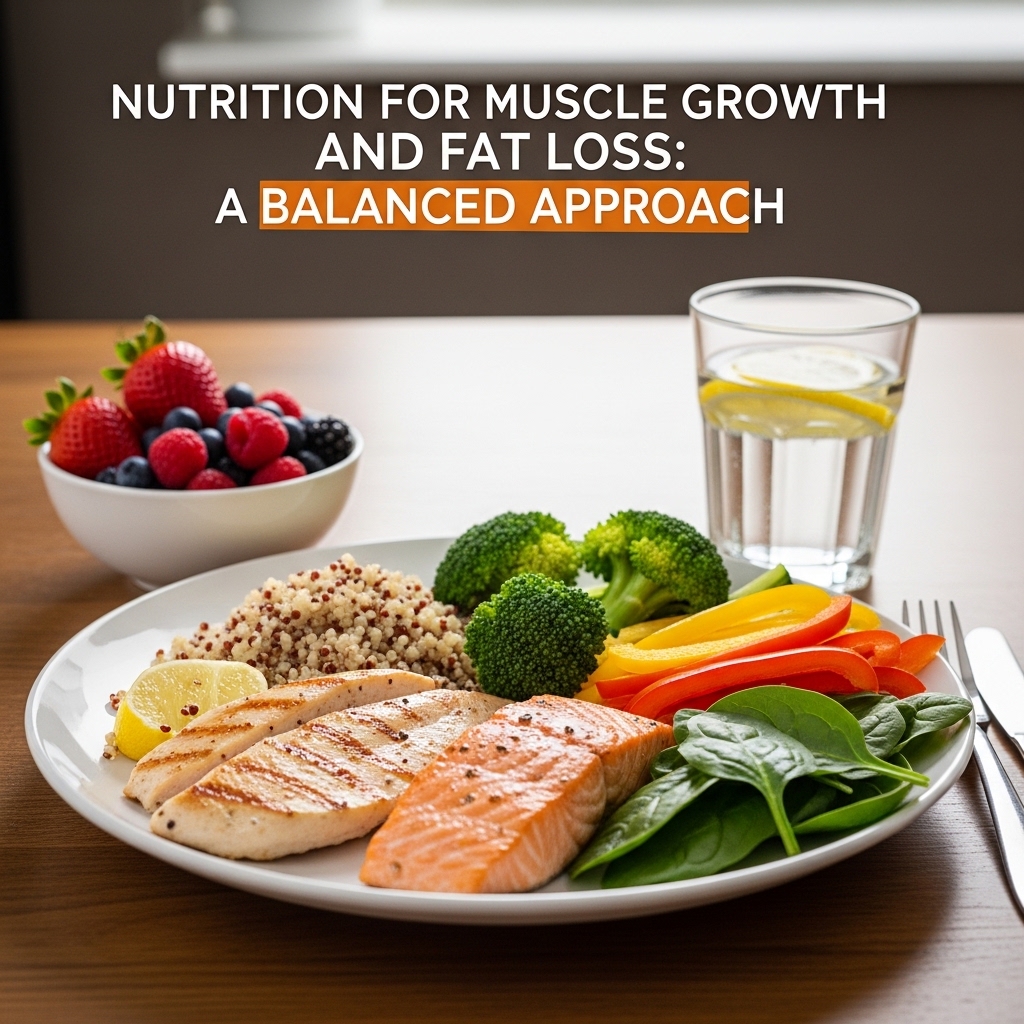
In your journey toward muscle growth and fat loss, understanding the right nutrition for muscle growth and fat loss is crucial. It's not just about how much time you spend in the gym or the exercises you choose. A balanced approach to eating supports muscle growth, fat loss, and overall body composition. Whether your goal is to increase muscle mass or lose fat, the right combination of protein intake, healthy fats, and complex carbohydrates will set you on the path to success. Let’s dive into how this balanced nutrition can be your ally, guiding you to sustainable results without feeling overwhelmed.
1. Understanding the Basics of Muscle Growth and Fat Loss
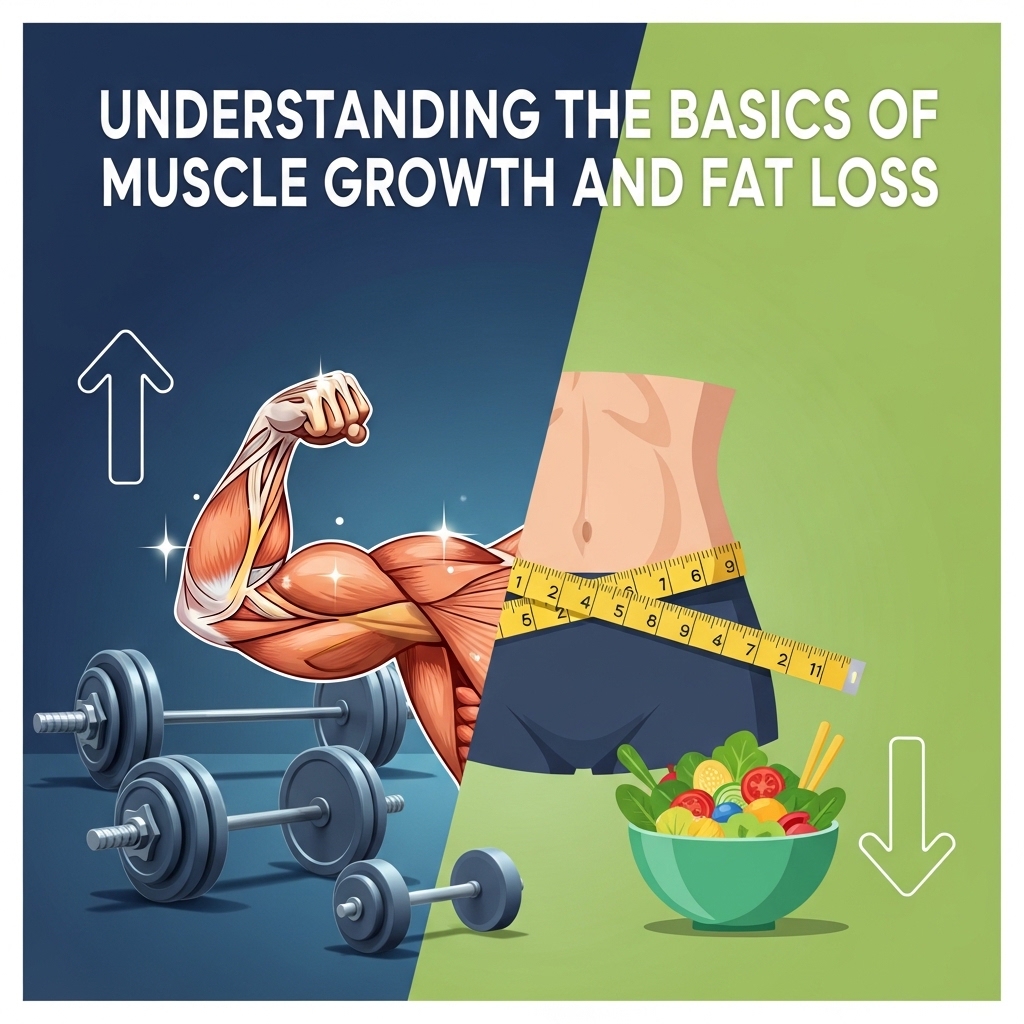
Muscle growth and fat loss may seem like conflicting goals, but they are both achievable through smart nutrition and exercise. Your body’s ability to build muscle relies on muscle protein synthesis, which requires adequate protein intake and calorie intake. Fat loss, on the other hand, involves creating a calorie deficit where you burn more energy than you consume. Achieving body recomposition—simultaneously gaining muscle and losing fat—requires balancing these two processes.
Remember, body recomposition isn’t just about what you weigh. It’s about improving body composition, reducing body fat while increasing muscle mass. Focus on sustainable eating habits that support both goals without pushing yourself too hard.
2. The Role of Protein in Muscle Growth
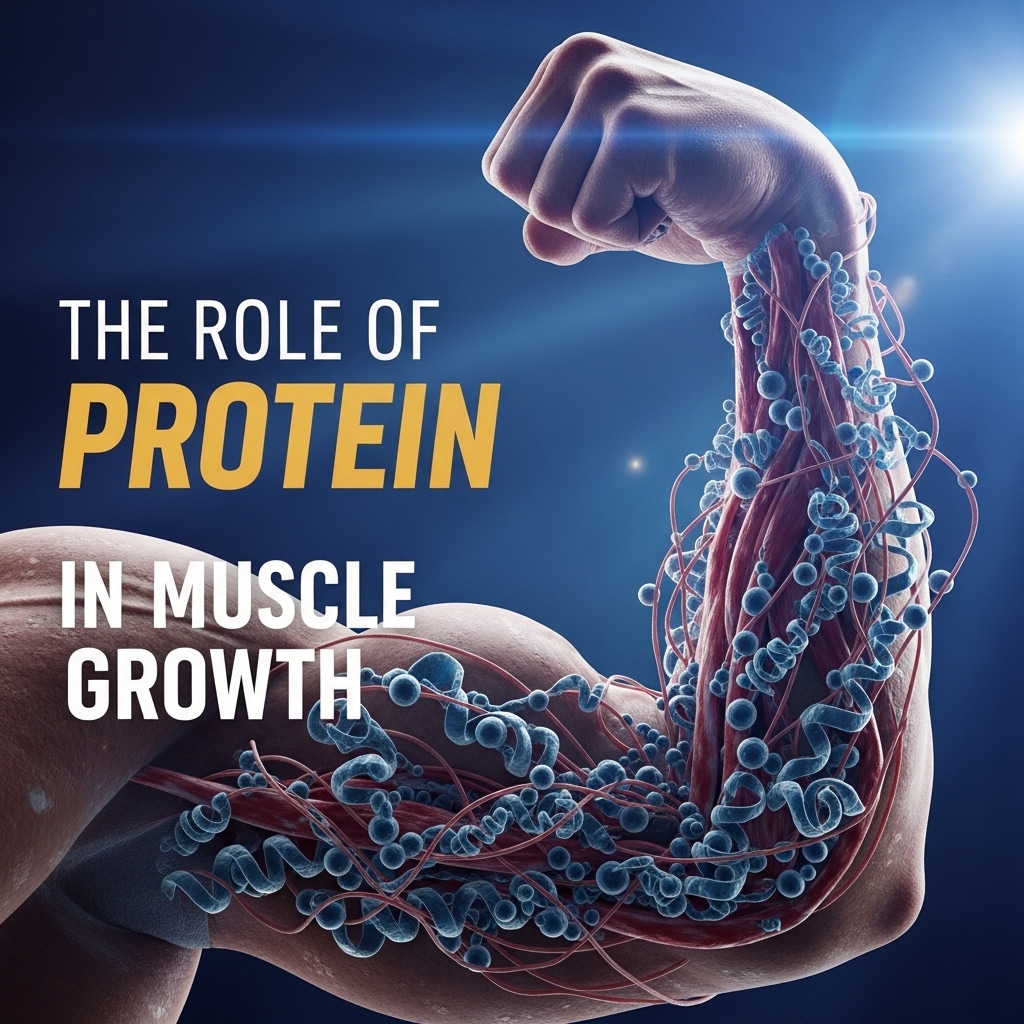
Protein intake is the cornerstone of muscle growth. Protein helps repair and build muscle tissue after a workout. It’s also crucial for stimulating muscle growth and preserving lean body mass while losing fat. Foods like chicken breast, fish, and greek yogurt are excellent sources of protein.
To maximize muscle recovery and muscle gain, aim for 0.8-1 gram of protein per pound of body weight. Spread your protein consumption across meals and snacks to ensure your body has a steady supply of amino acids throughout the day. Remember, protein powder can be a convenient option to meet your daily goals, especially when you're short on time.
3. Building Muscle Mass with Resistance Training

Resistance training is the most effective way to increase muscle mass. Lifting weights and doing bodyweight exercises, such as squats and push-ups, help stimulate muscle growth. These exercises target multiple muscle groups, promoting muscle protein synthesis and burning calories at the same time.
Experts recommend strength training at least two to three times per week. This will help build muscle, lose fat, and boost metabolism. When you focus on progressive overload—gradually increasing the difficulty of your workouts—you ensure continuous muscle growth and fat loss.
4. Healthy Fats: The Hormonal Helpers
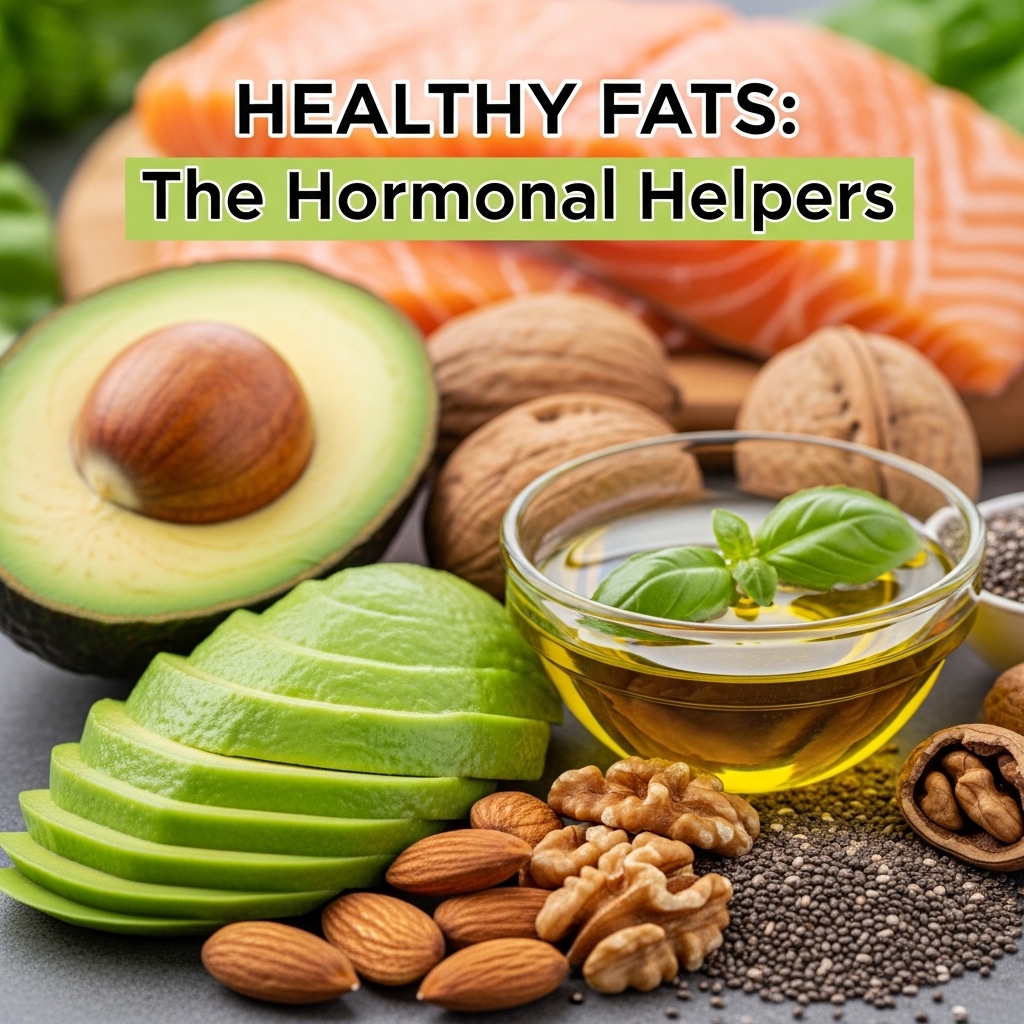
Don’t shy away from healthy fats. Fats are essential for maintaining hormone balance, which directly affects muscle growth and fat loss. They support muscle protein synthesis, reduce muscle breakdown, and regulate blood sugar and insulin levels.
Incorporate healthy fats like avocados, olive oil, and nut butter into your diet. These fats will not only nourish your body but also provide you with sustained energy throughout the day, making it easier to stay active and support your workouts.
READ ALSO: Power Foods: Avocado – Whole Living Eat Well
5. Complex Carbs: Fueling Your Workouts
Complex carbohydrates like brown rice, sweet potatoes, and whole grains are your body’s primary source of energy. They provide a slow, steady release of glucose into the bloodstream, helping to keep your energy levels stable throughout the day.
For muscle growth and fat loss, eating complex carbs before and after your workouts can help fuel your body for exercise and promote muscle recovery afterward. Include a variety of fruits, vegetables, and whole grains in your meals to maintain energy levels and performance.
6. Caloric Surplus vs. Caloric Deficit: Finding Your Balance
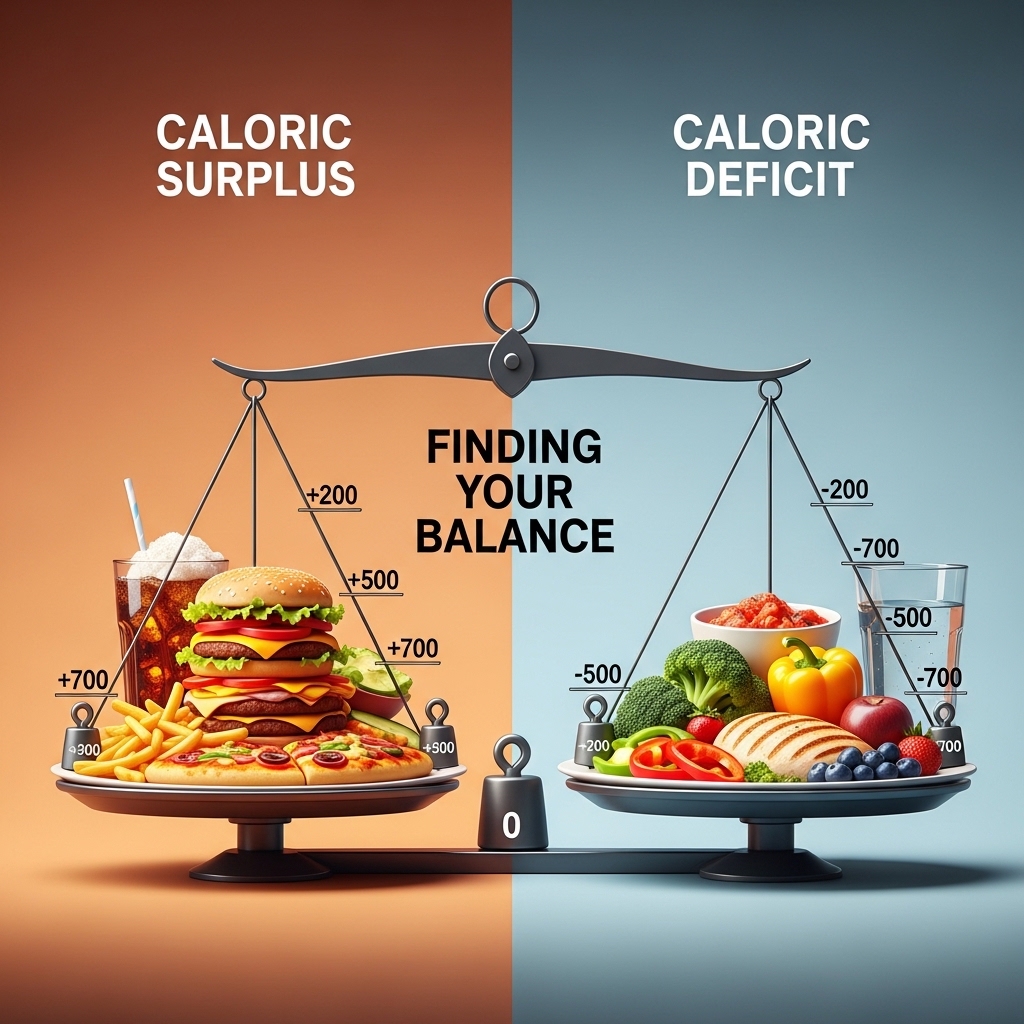
When you’re focused on gaining muscle, you need a caloric surplus—consuming more calories than you burn. For fat loss, you need a calorie deficit—burning more calories than you consume. But don’t panic! You don’t have to choose one over the other at all times. You can alternate between slight surpluses and deficits depending on your current goals.
To build muscle, add a moderate calorie surplus to your diet. On the flip side, to lose fat, aim for a calorie deficit of about 250-500 calories per day. This approach will help you lose fat while maintaining or even increasing muscle mass.
7. Creating a Balanced Meal Plan for Body Recomposition

A meal plan for body recomposition focuses on the right balance of protein, healthy fats, and complex carbs. For optimal results, consume protein throughout the day, ideally aiming for 1.6-2.2 grams of protein per kilogram of body weight. Include lean meats, fish, eggs, and plant-based proteins to support muscle gain.
Pair your protein with healthy fats and complex carbohydrates to fuel your body’s needs for energy and muscle recovery. Keep your caloric intake in check to ensure you’re not consuming too many calories, while still getting enough nutrients to support your workouts and growth.
READ ALSO: Whole Living Action Plan 2026 — Food and Recipes — 28-Day Challenge
8. The Importance of Muscle Recovery

Muscle recovery is crucial for making real progress. After your workouts, your muscles need time to heal and rebuild, which is when muscle protein synthesis occurs. Without proper muscle recovery, your body won’t be able to preserve muscle mass or gain muscle.
To support recovery, prioritize sleep, hydration, and nutrition. Rest is when your muscles rebuild, and a high-protein meal after a workout will give your body the nutrients it needs to recover efficiently.
READ ALSO: Heart-Smart Workout: Get Fit
9. Tracking Your Body Fat Percentage
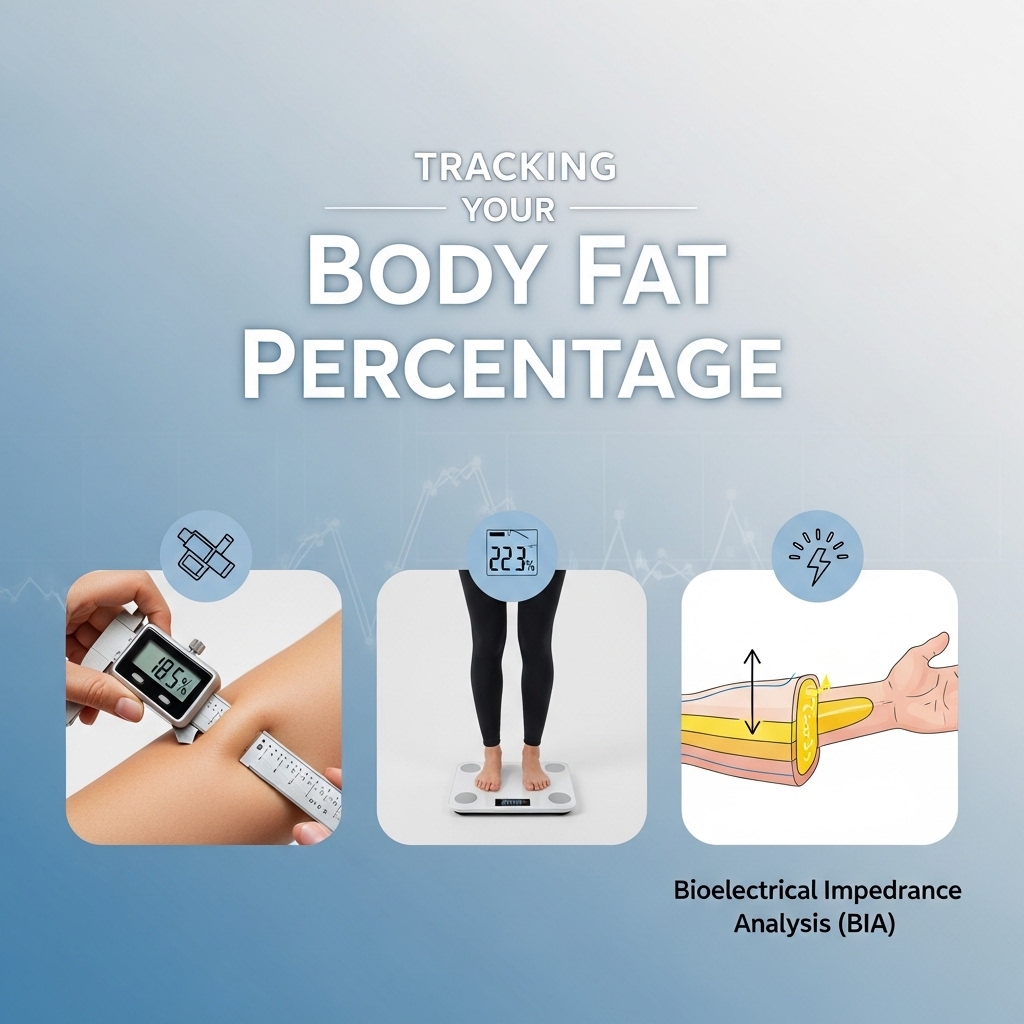
Monitoring your body fat percentage provides a clearer picture of your progress than relying on body weight alone. It’s possible to lose fat and gain muscle without the scale budging much, so tracking your body fat percentage is a more accurate way to measure your body composition.
Using methods like body circumference measurements or a DEXA scan will help you track changes in fat-free mass and muscle gain over time, rather than just focusing on the scale.
READ ALSO: Staying Healthy in the Winter
10. Staying Consistent with Your Goals

Consistency is key to muscle growth and fat loss. It’s easy to get discouraged when progress feels slow, but remember, every small change counts. Keep tracking your protein intake, workouts, and calorie intake to make adjustments as needed. Consistency is the most important part of your journey to a healthier, stronger body.
READ ALSO: Outdoor Workouts – Whole Living Cardio
11. Lifestyle Factors: Sleep, Stress, and Daily Activity
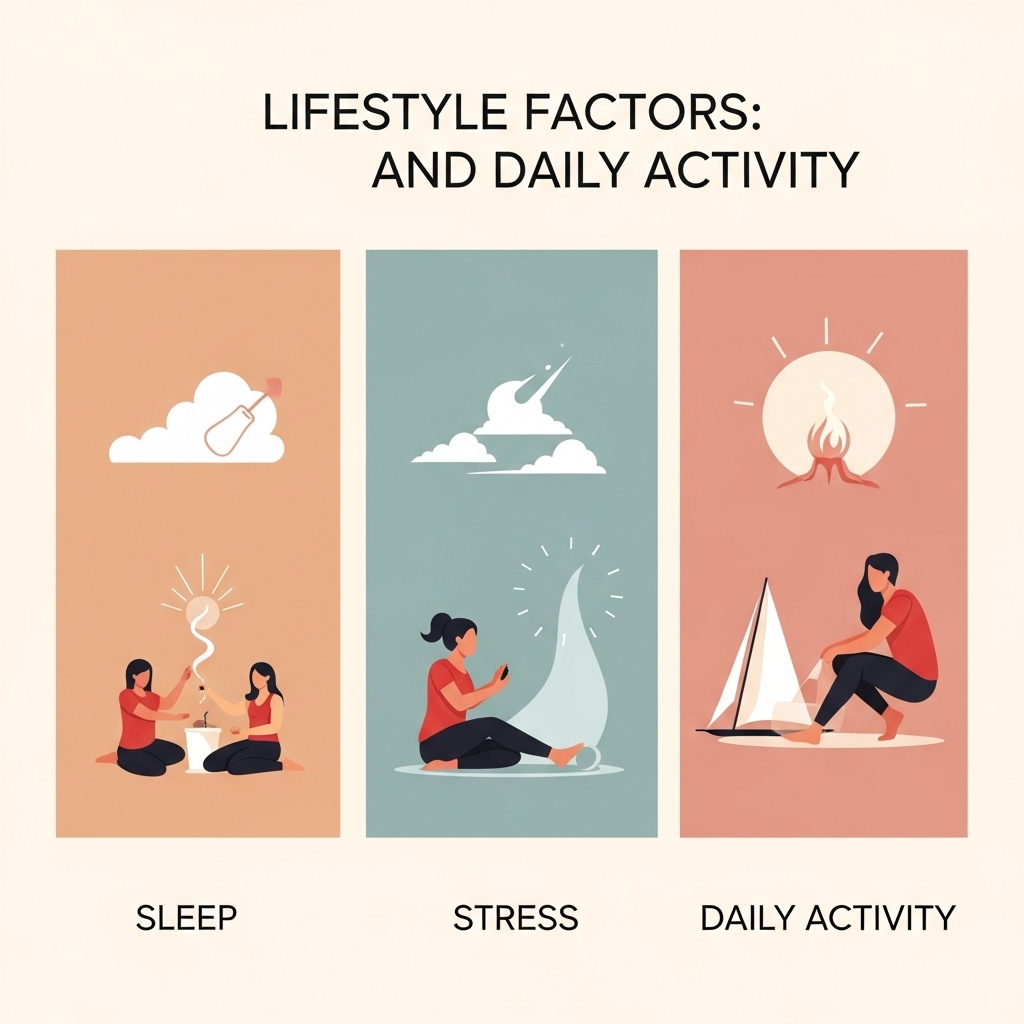
Your lifestyle plays a significant role in achieving body recomposition. Adequate sleep is vital for muscle recovery and muscle growth. Aim for 7-9 hours per night to allow your body to repair muscle tissue effectively.
Stress management is also crucial. High stress can increase cortisol levels, leading to muscle breakdown and hindering your progress. Incorporating relaxation techniques like yoga or meditation will help you stay balanced.
12. Avoiding Common Pitfalls: The Dangers of Inadequate Protein Intake
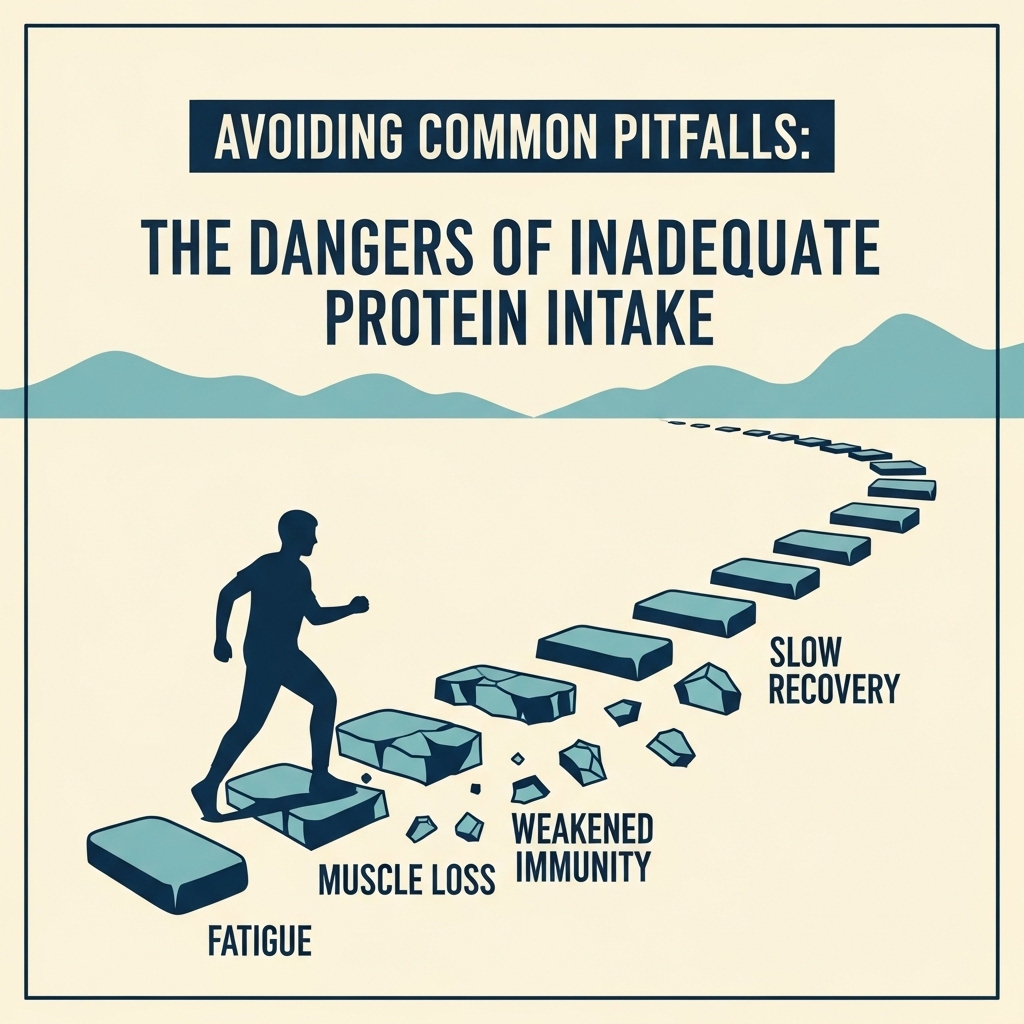
One common mistake is inadequate protein intake. Without enough protein, your body can’t build muscle or maintain lean body mass effectively. Aim for a steady supply of protein throughout the day to support muscle recovery and muscle gain.
Include a variety of protein-rich foods, such as lean meats, greek yogurt, and whey protein, to meet your daily protein goals. Proper protein intake will help you stay on track with your muscle growth and fat loss goals.
13. Building a Sustainable Routine for Long-Term Success
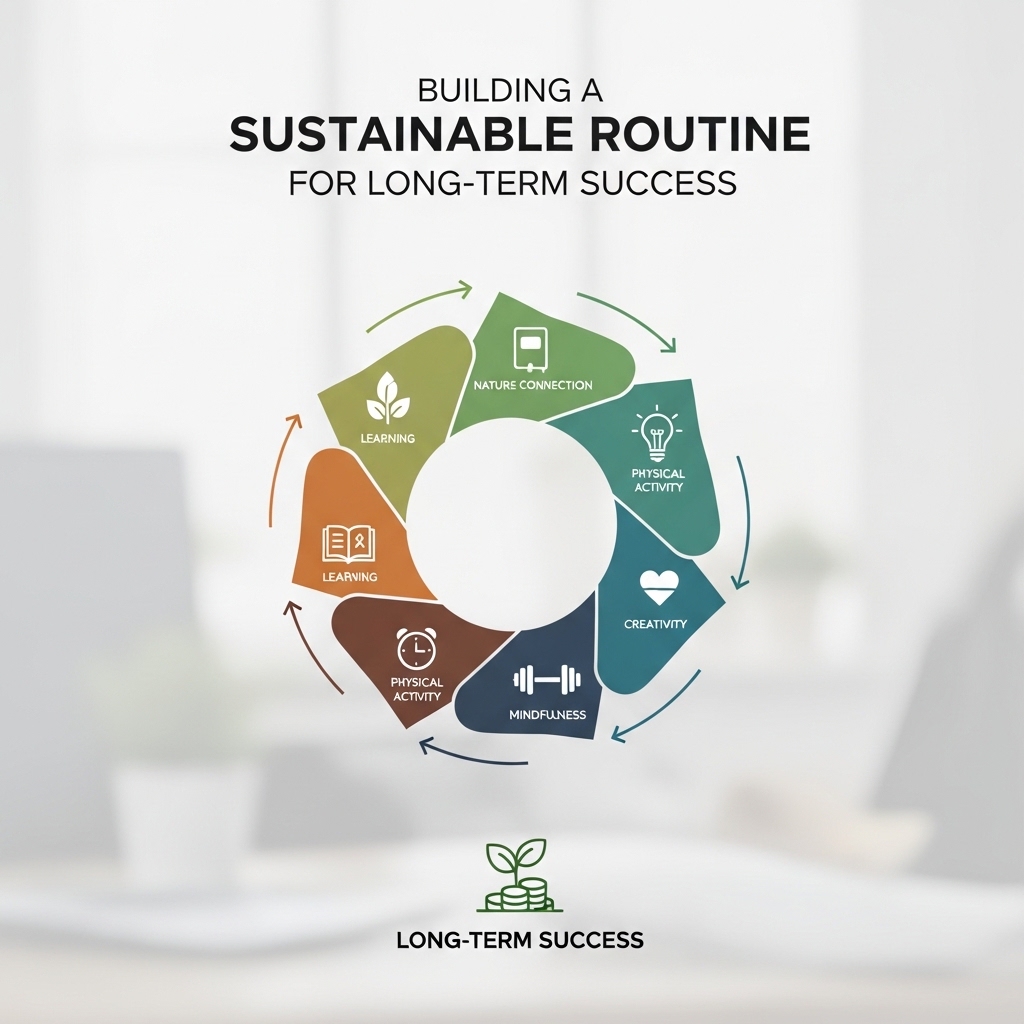
Building a routine that works for you is essential. It should feel natural and empowering, not like a burden. By focusing on balanced nutrition, strength training, and caloric control, you’ll gradually transform your body composition without feeling overwhelmed.
Consistency, patience, and balance are the keys to long-term success in muscle growth and fat loss. Keep making small adjustments, and you’ll get closer to your goals every day.
14. Final Thoughts: Your Balanced Path to Muscle Growth and Fat Loss
You already have the tools you need: the right balance of nutrition, exercise, and mindset. By focusing on sustainable habits, you can transform your body in a way that supports both muscle growth and fat loss. You don’t need to rush; the key is to embrace the process and trust that, with consistency, you will see the results you’re striving for.
You’ve got this! Keep pushing forward and enjoy the journey to a healthier, stronger you.