


Obsessive Relationship Disorder (ORD) can severely hinder a high-performing professional's ability to focus, make decisions, and maintain emotional balance, all of which are crucial for sustained career success. The constant rumination on a partner or relationship can trigger elevated cortisol levels, leading to chronic stress, impaired cognitive function, and an increased risk of burnout. This persistent stress can accelerate biological aging, undermine sleep quality, and impair cardiovascular health—factors that directly impact long-term performance and well-being. For professionals, managing emotional health is just as critical as managing work demands, as unaddressed obsessive behaviors may undermine both productivity and longevity.
Defining Obsessive Relationship Disorder (ORD)
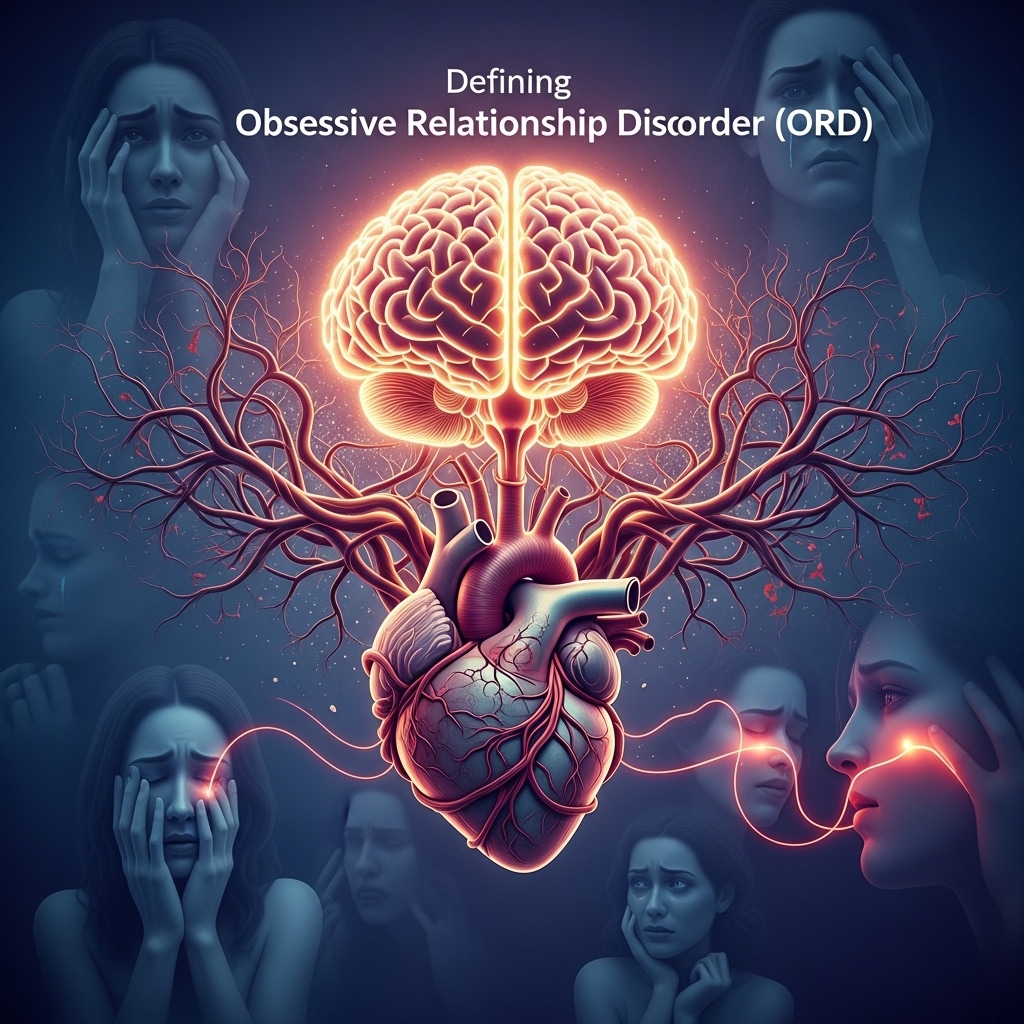
Obsessive Relationship Disorder (ORD) involves an unhealthy focus on a partner, where a person fixates on thoughts or behaviors that interfere with their daily life. This obsession leads to repetitive actions, like constantly checking messages or over-analyzing interactions, and an inability to let go of the relationship, even when it's harmful. The behaviors connected to ORD negatively impact emotional and psychological well-being, causing unnecessary stress and distraction.
In high-performing individuals, these emotional fixations reduce focus and mental clarity, which are essential for success. Obsessive thoughts and compulsive actions disrupt the ability to think clearly and make decisions. Research shows that high emotional distress from these behaviors diminishes cognitive performance and can even hinder professional growth.
ORD resembles obsessive-compulsive disorder (OCD), sharing traits like intrusive thoughts and compulsive actions. For professionals, managing these behaviors is crucial for maintaining productivity and long-term career success.
The Impact of Cortisol and Chronic Stress
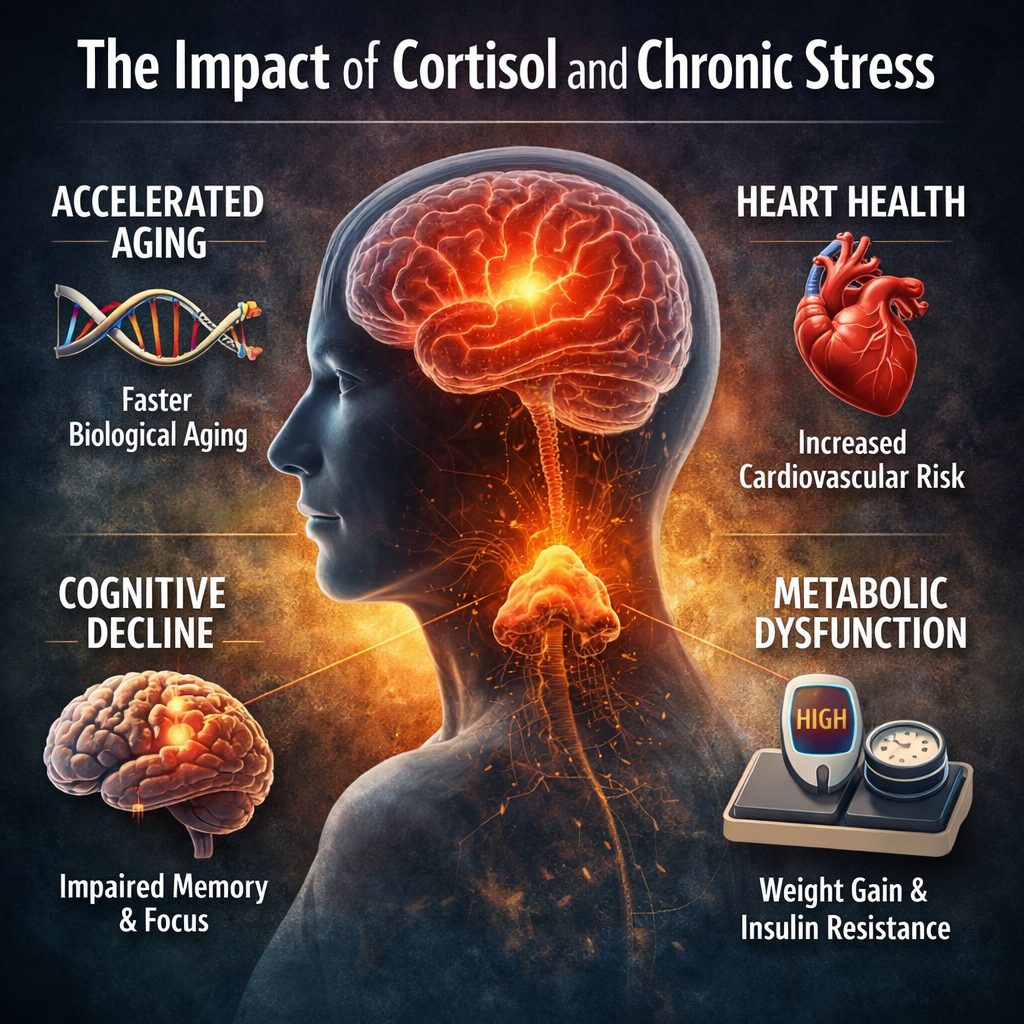
Obsessive relationship behaviors trigger the body's stress response, which releases cortisol. While cortisol is essential for short-term stress management, constant cortisol elevation is harmful. Chronic stress, caused by obsessive thoughts about a partner, increases cortisol production. Over time, this strain leads to metabolic dysfunction, inflammation, and cognitive decline.
Research published in Psychoneuroendocrinology confirms that emotional distress from obsessive relationship behaviors leads to higher cortisol levels. These elevated levels disrupt sleep, impair immune function, and accelerate aging. Cortisol’s role in these processes contributes directly to the decline of cognitive performance and cardiovascular health.
Professionals who manage emotional distress through stress-reduction techniques reduce their cortisol levels and protect both mental clarity and physical health. Reducing obsessive thoughts and behaviors helps maintain overall well-being and high performance in demanding careers.
Cognitive Decline and Emotional Regulation

ORD severely affects emotional regulation, an essential skill for managing stress and making decisions. When professionals struggle with emotional regulation, impulsive behavior takes over, affecting decision-making and memory. Emotional control issues lead to irrational responses, which can harm performance and relationships at work.
The National Institutes of Health found that poor emotional regulation leads to cognitive decline. Emotional reactivity drains mental resources, making it harder to think strategically and solve complex problems. This mental drain decreases attention span and slows decision-making, two abilities crucial for high-level professional roles.
Improving emotional regulation by pausing before reacting helps maintain cognitive health. By practicing mindfulness and emotional awareness, professionals improve their ability to think clearly under stress. Strengthening emotional regulation leads to better decisions and clearer thinking, enhancing professional success and mental resilience.
READ ALSO: Relationship Stages: Navigate Connection With Ease
The Link Between Sleep Quality and ORD
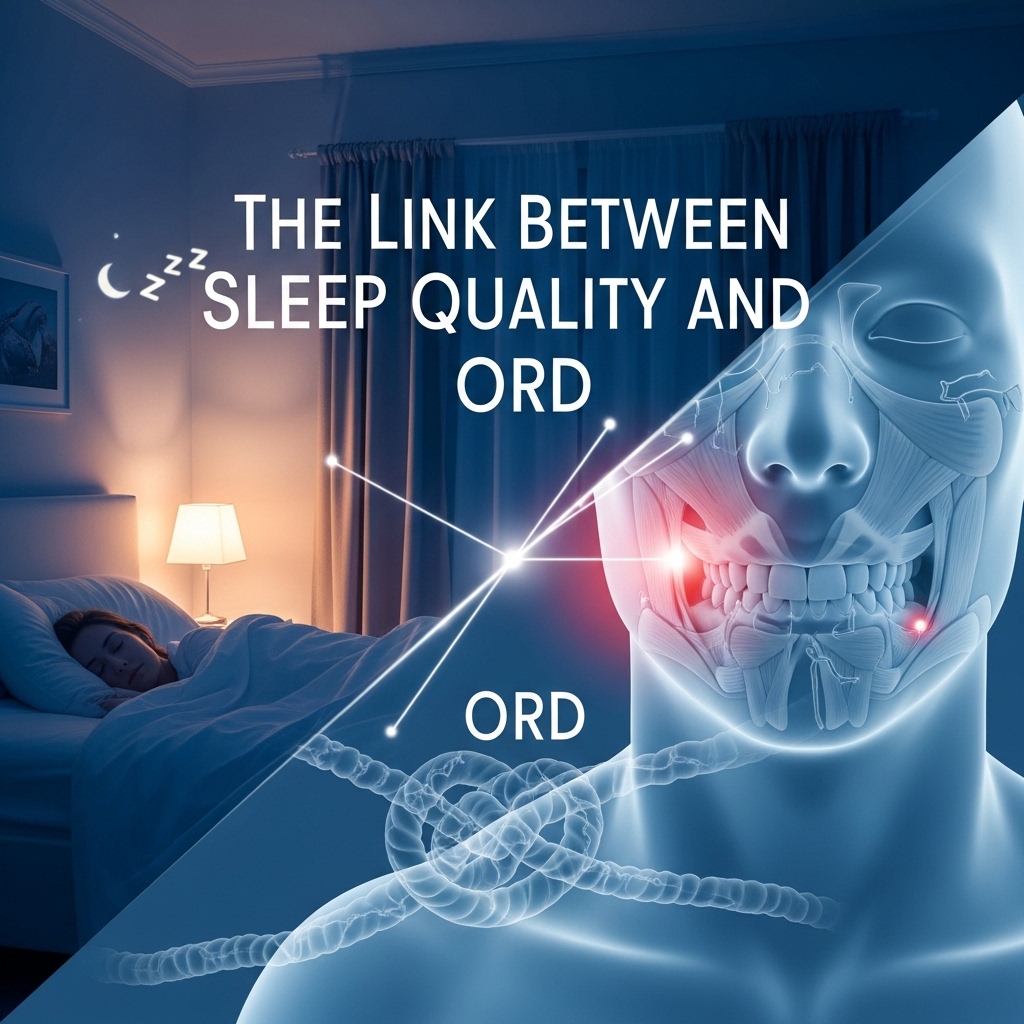
Obsessive relationship behaviors disrupt sleep by preventing the mind from calming down at night. Constant rumination on relationship issues makes it difficult to fall asleep and stay asleep. Poor sleep quality worsens cognitive function, mood, and productivity the following day. Sleep disturbances from obsessive behaviors lead to long-term fatigue and diminished work performance.
Studies in Sleep Medicine Reviews show that emotional stress from obsessive thoughts leads to poor sleep quality. These individuals often struggle to stay asleep, wake up frequently, and have difficulty feeling rested. Over time, sleep deprivation significantly affects mental sharpness, memory retention, and decision-making abilities.
Disrupted sleep cycles elevate cortisol, creating a feedback loop of stress and poor sleep. By reducing obsessive thoughts and managing stress, professionals can improve sleep quality and protect cognitive performance. Ensuring adequate, restorative sleep promotes long-term productivity and mental clarity.
Impact on Cardiovascular Health

Stress from obsessive relationship behaviors impacts cardiovascular health by increasing cortisol levels. Elevated cortisol causes heart rate and blood pressure to rise, which leads to long-term cardiovascular strain. Chronic stress can result in heart disease, hypertension, and stroke due to the constant activation of the body’s stress response.
The American Heart Association explains that emotional stress contributes to cardiovascular issues. The strain from obsessive attachment behaviors leads to blood vessel constriction and plaque buildup in arteries. These issues increase the likelihood of developing atherosclerosis, which restricts blood flow and heightens the risk of heart attacks or strokes.
Managing emotional stress by controlling obsessive thoughts lowers cardiovascular risks. By improving emotional regulation, professionals can protect their hearts from the long-term effects of chronic stress. Reducing stress improves cardiovascular health and ensures that professionals maintain their physical resilience and stamina.
READ ALSO: Therapist Relationship: Building Trust That Works
The Role of Biological Age and Telomere Length
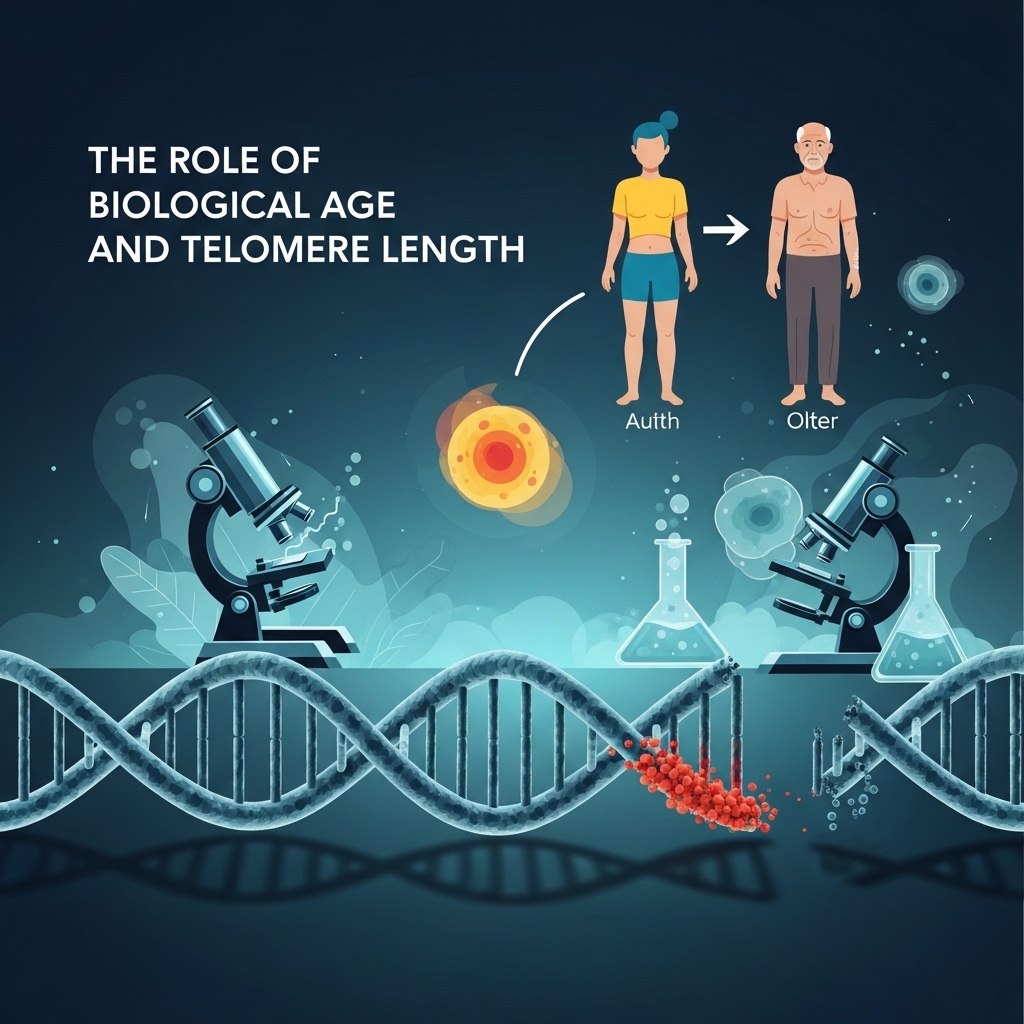
Chronic stress accelerates biological aging by shortening telomeres, the protective caps on chromosomes. Telomeres shorten with age, but stress speeds up this process. Shortened telomeres lead to cell dysfunction and an increased risk of age-related diseases, such as Alzheimer's and heart disease. Professionals who experience chronic stress from obsessive relationship behaviors may find their biological age advancing faster than their chronological age.
The Journal of Clinical Endocrinology & Metabolism found that individuals with chronic stress had significantly shorter telomeres than those who managed stress effectively. The shortening of telomeres accelerates the aging process, increasing vulnerability to various chronic conditions. Professionals must manage stress to slow biological aging and improve their longevity and performance.
Reducing stress through mindfulness and emotional regulation helps preserve telomere length. By practicing techniques that mitigate obsessive behaviors, professionals can protect their cells from premature aging. Maintaining emotional health reduces the negative impact of stress on biological age, leading to better long-term health outcomes.
READ ALSO: Building Trust in Relationships: Simple Steps That Work
Practical Steps for Professionals

To reduce the impact of obsessive relationship behaviors, professionals can adopt several evidence-based practices. First, pausing before reacting or speaking can help manage obsessive thoughts and emotional distress. Techniques such as mindfulness, deep breathing, and cognitive reframing enable better emotional regulation and prevent impulsive responses.
Incorporating regular physical exercise helps lower cortisol levels and improve cardiovascular health. Exercise, along with stress-reduction techniques, supports cognitive function and sleep quality, both of which are essential for optimal performance. Maintaining a balanced lifestyle, including healthy sleep hygiene, social support, and time management, ensures emotional well-being and mental clarity.
Professionals can benefit from engaging in emotional regulation exercises and seeking therapy when necessary to address obsessive behaviors. By taking these steps, they can protect their mental health, reduce stress, and enhance their ability to perform effectively in both personal and professional settings.
UP NEXT: What Are Intimate Relationship: Insights to Nurture Closeness
Chronic stress from obsessive relationship disorder can accelerate biological aging by increasing cortisol levels, which shortens telomeres and accelerates cell aging. WholeLiving's Biological Age Estimation Model incorporates this factor directly — your assessment takes under five minutes.
Ready to understand how these factors are influencing your biological age right now? [Take the Biological Age Assessment →]