


Unresolved psychological narrative — the persistent sense of carrying experiences, roles, or identities that no longer serve the present — is a clinically recognized contributor to chronic stress load and elevated cortisol output. For high-performing professionals, this manifests not as philosophical abstraction but as measurable cognitive drag: reduced executive function, impaired decision clarity, and accelerated biological aging driven by sustained HPA axis activation. The concept of past lifetimes, whether approached through a psychological or transpersonal framework, offers a structured lens for examining how accumulated identity burden affects present-state performance, stress physiology, and long-term cognitive resilience.
Past Lifetimes as a Psychological Framework, Not a Metaphysical Claim
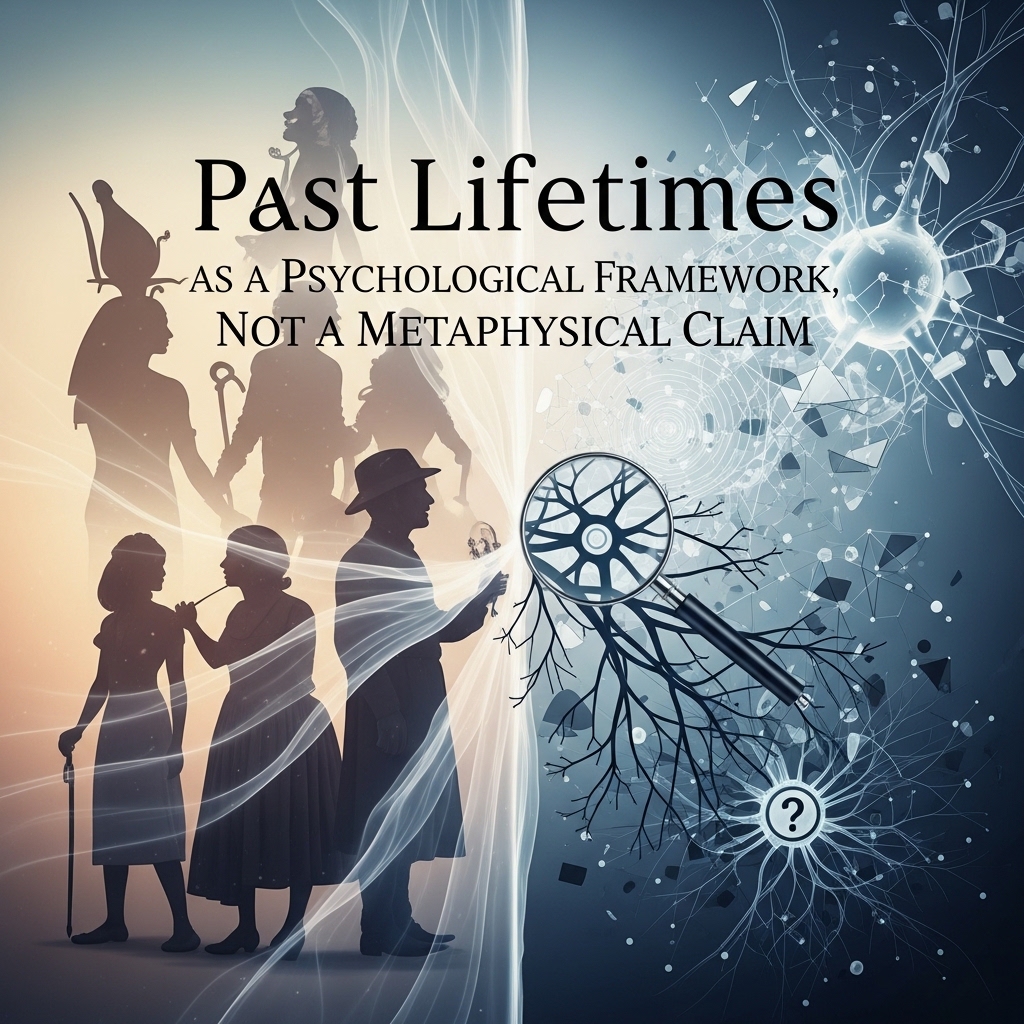
The clinical value of engaging with past lifetimes does not rest on resolving whether reincarnation is literally true. What the research does support is that narrative identity — the stories individuals construct about who they have been and what remains unresolved — directly affects stress physiology and cognitive function.
Past lifetimes, in this context, functions as a structured framework for examining identity layers that predate the current professional self.
For high performers, these layers frequently include inherited roles, early-life conditioning, and suppressed identities that continue to generate low-grade psychological load.
READ ALSO: Finding Your Life Purpose: A Guide to Clarity
The Neuroscience of Unresolved Narrative

Research from narrative psychology, including work developed at Northwestern University by Dan McAdams, has established clear findings. Individuals who construct coherent, integrated life narratives show measurably better psychological wellbeing, lower anxiety scores, and stronger cognitive flexibility.
Those whose self-narratives remain fragmented or unresolved show higher baseline cortisol and reduced capacity for present-state focus.
For executives operating in high-stakes environments, this is not a philosophical concern. It is a direct performance variable.
How Identity Load Affects Cortisol and HPA Axis Function
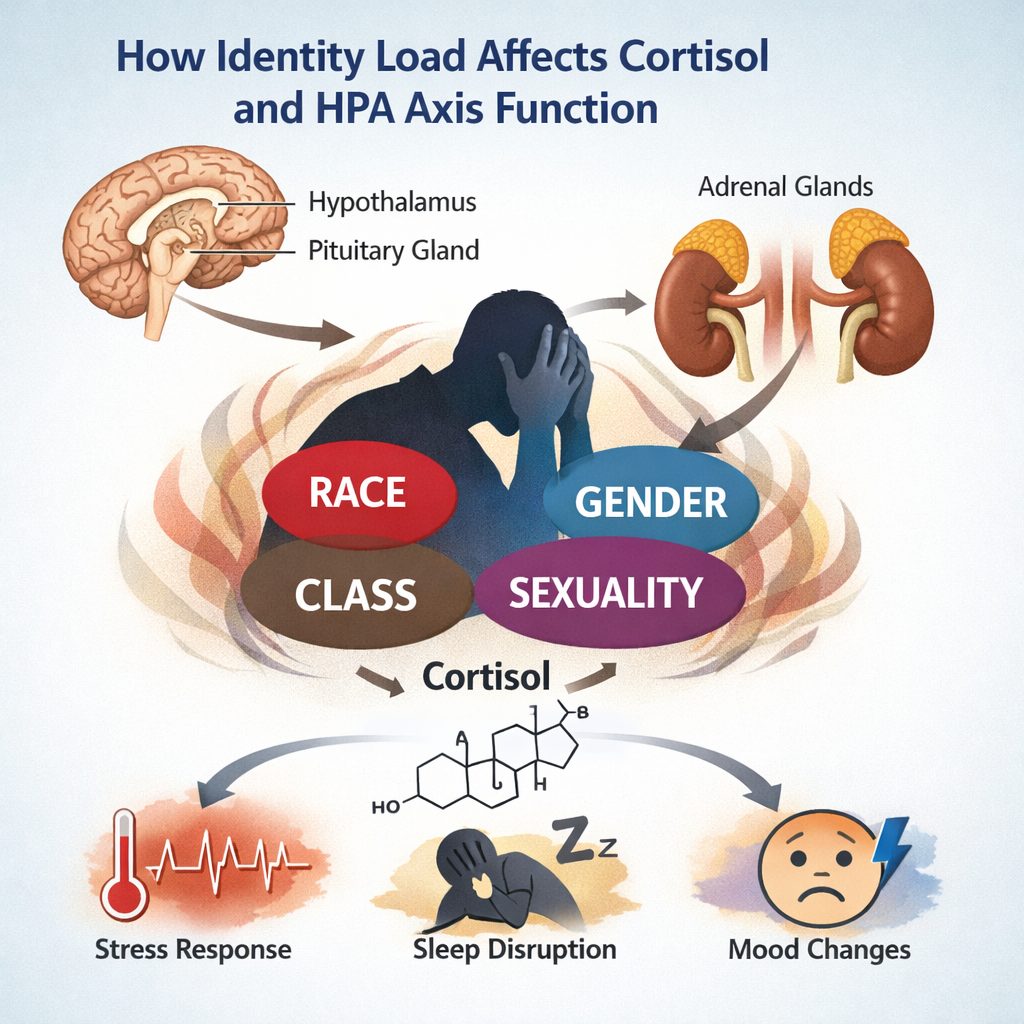
The hypothalamic-pituitary-adrenal (HPA) axis governs the body's stress response. Chronic psychological load — including the unresolved weight of past identities and roles — keeps this system in a state of low-grade activation.
Over time, sustained HPA activation drives cortisol dysregulation. This affects sleep architecture, immune function, metabolic rate, and cardiovascular health. Research published in Psychoneuroendocrinology documented that chronic psychological stress produces measurable elevations in diurnal cortisol variability.
It also accelerates markers of biological aging, including telomere shortening. Past lifetimes, when left unexamined, function as a continuous and largely invisible source of this load.
The Concept of Past Lifetimes Across Clinical Frameworks

Within transpersonal psychology — a field examining human experience beyond the boundaries of the individual self — clinicians explore past lifetimes as representations of deep psychological material that resists surface-level processing. The American Psychological Association recognizes transpersonal psychology as a legitimate area of inquiry.
Clinical psychologist Brian Weiss, a graduate of Columbia University and Yale School of Medicine, documented cases in which past lifetime frameworks produced significant reductions in anxiety, phobic responses, and chronic stress load. These were patients for whom conventional approaches had limited effect.
The mechanism did not depend on the literal truth of past lifetimes. Rather, it reflected the well-established principle that narrative processing produces measurable physiological and cognitive benefits.
Past Lifetimes and the Architecture of the Present Self

High-performing professionals frequently operate from an identity structure built across multiple distinct phases. These include early family conditioning, formative professional experiences, significant relational histories, and roles adopted under external pressure.
Each phase represents a version of the self that may or may not be fully integrated into the present. When these past versions remain active — generating expectations, fears, or drives that are no longer relevant — they consume cognitive and physiological resources.
This is the operational meaning of past lifetimes in a performance context: not metaphysical history, but unintegrated psychological architecture.
READ ALSO: Life Is Good — Let’s Not Rush Past It
Cognitive Performance and the Cost of Unresolved Identity
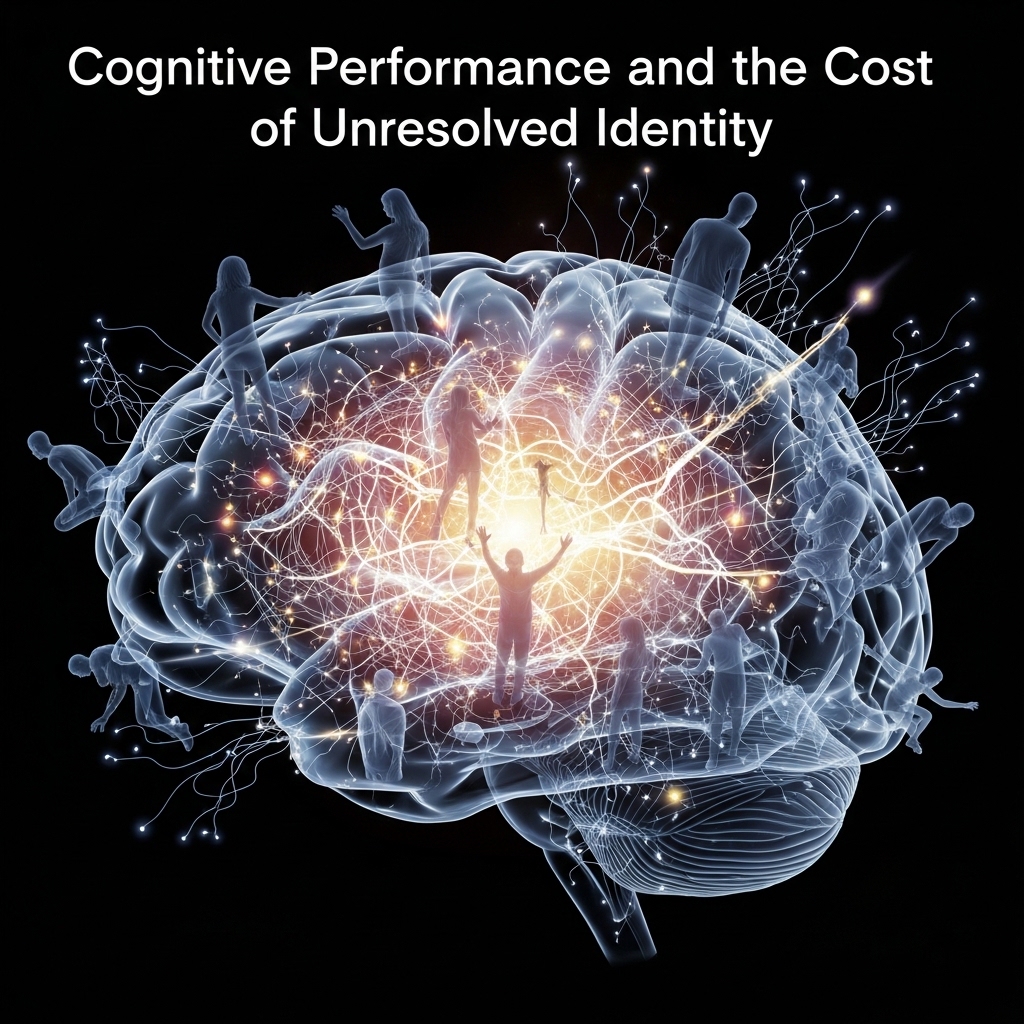
The prefrontal cortex governs executive function, decision-making, and strategic reasoning. It is also highly sensitive to cortisol load. Elevated cortisol, driven in part by chronic identity-based stress, reduces prefrontal activity and increases reactivity in the amygdala.
The practical result is a measurable decline in the cognitive capacities high performers depend on most: clear judgment, emotional regulation, risk assessment, and long-range thinking.
The National Institutes of Health has documented the two-way relationship between chronic psychological stress and prefrontal cortical thinning — a structural change linked to accelerated cognitive aging. Addressing the psychological weight of past lifetimes is therefore not a therapeutic luxury. It is a cognitive performance lever.
READ ALSO: Creating a Meaningful Life: Simple Steps That Make a Difference
Sleep Quality as a Downstream Variable
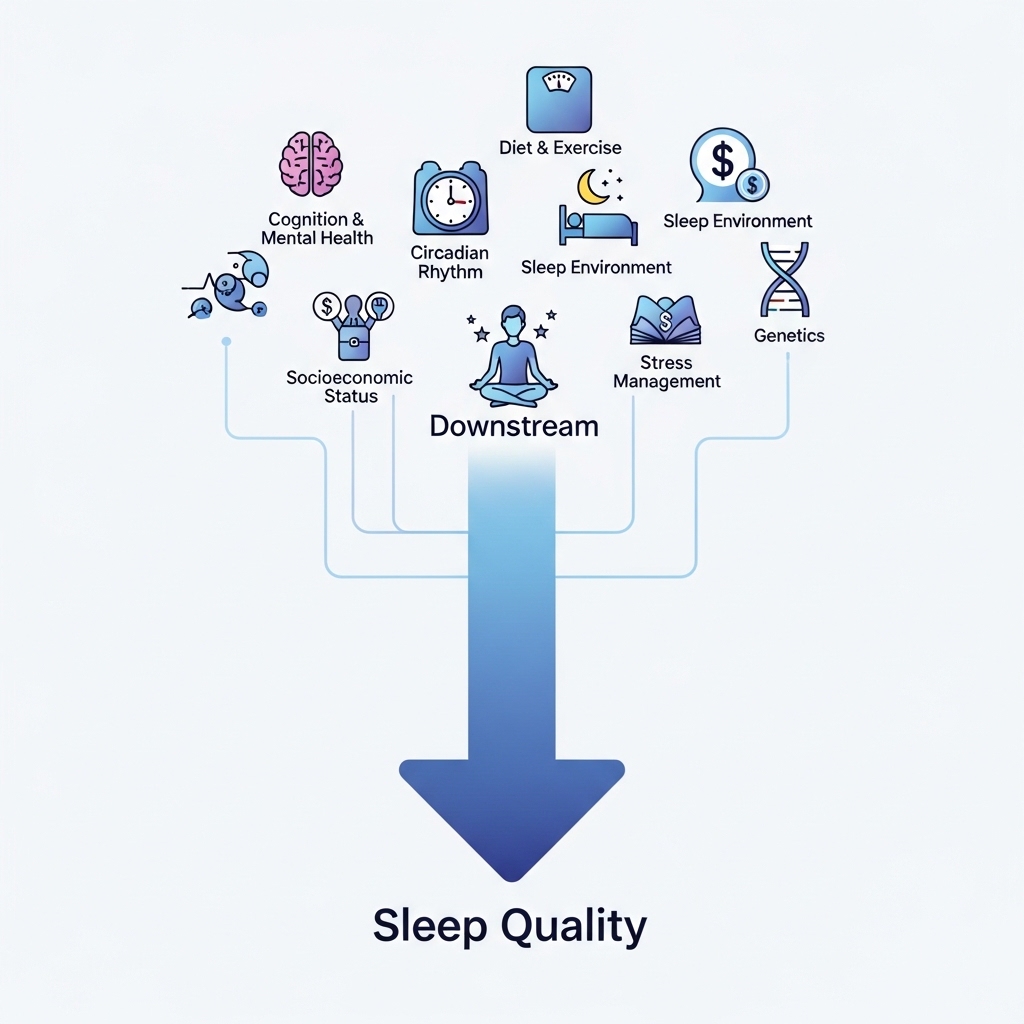
One of the most clinically significant downstream effects of unresolved psychological narrative is disrupted sleep. Chronic rumination — which often draws on unresolved past experiences and identities — activates the default mode network.
This prevents the transition into deep, restorative sleep stages. Poor sleep quality, in turn, elevates inflammatory markers, reduces growth hormone secretion, and accelerates biological aging.
For professionals already managing high cognitive output and stress load, sleep disruption driven by unresolved past lifetimes compounds existing risk. Addressing the source of rumination — rather than only its sleep-level symptoms — produces more durable physiological outcomes.
Regression Frameworks and Clinical Evidence
Past life regression involves guided therapeutic sessions in which individuals access and process deeply held psychological material through a past lifetime narrative framework.
The clinical evidence base, while still developing, includes documented reductions in anxiety, post-traumatic stress symptoms, and chronic psychosomatic complaints. Brian Weiss, whose clinical work at Mount Sinai Medical Center involved thousands of regression sessions, reported consistent patterns of symptom resolution.
Patients processed past lifetime material and showed outcomes that aligned with broader evidence on narrative processing and trauma integration. The mechanism does not require the literal truth of past lifetimes. It reflects the established principle that narrative frameworks produce measurable physiological and cognitive benefits.
READ ALSO: Feeling Lost in Life? How Gratitude Can Guide Your Path
The Role of Somatic Memory in Past Lifetime Work
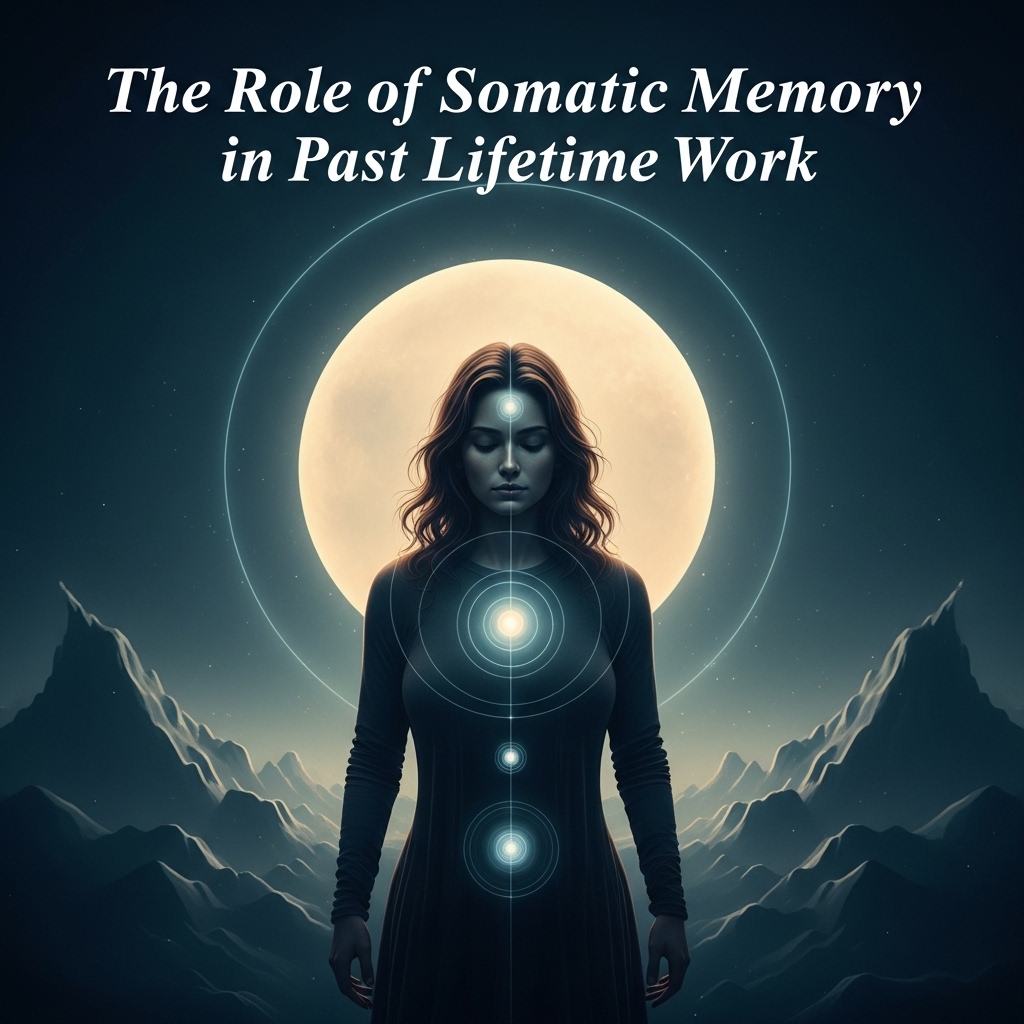
Growing clinical interest surrounds the role of somatic memory — the storage of psychological experience in the body — in past lifetime frameworks. Research in somatic psychology, developed in part through the work of the Somatic Experiencing Trauma Institute, has established that unresolved psychological material is held not only in cognitive narrative.
It also shows up in patterns of muscular tension, autonomic nervous system dysregulation, and chronic physiological arousal. Past lifetime frameworks, when engaged somatically rather than purely cognitively, offer a route to processing this material at the level where the body stores it.
For high performers with histories of chronic stress and suppressed emotional processing, this somatic dimension carries direct clinical significance.
Distinguishing Productive Reflection from Rumination

A critical clinical distinction exists between productive engagement with past lifetimes and unproductive rumination. Rumination — the passive, repetitive cycling through unresolved past experiences — correlates with elevated cortisol, reduced cognitive flexibility, and increased risk of depressive episodes.
Productive engagement, by contrast, is structured, time-bounded, and oriented toward integration rather than re-experiencing. The difference lies in the framework and the presence of skilled clinical support.
Without therapeutic guidance, unstructured attempts to process past lifetime material risk amplifying rather than resolving psychological load. High performers may be drawn to self-directed approaches. The evidence, however, supports structured clinical frameworks as the more effective path.
Biological Age and the Compounding Effect of Unresolved Load

Biological aging — measured through markers such as telomere length, epigenetic clock scores, and inflammatory cytokine levels — is directly influenced by chronic psychological stress.
The Dunedin Multidisciplinary Health and Development Study, a longitudinal research programmed tracking participants from birth, demonstrated that individuals with higher lifetime psychological stress loads show accelerated biological aging across multiple biomarkers.
Unresolved past lifetimes, as a source of chronic identity-based stress, contribute to this acceleration. Addressing them is therefore not only a psychological intervention. It is a biological age management strategy with measurable downstream effects.
Evidence-Based Directions for the High-Performing Professional

Professionals evaluating whether past lifetime frameworks belong in a performance and longevity protocol will find the evidence supports several structured options. Narrative therapy and integrative psychotherapy with a clinician trained in identity and life narrative work offer a grounded clinical entry point.
Transpersonal therapy or past life regression with a licensed clinical psychologist provides more direct engagement with past lifetime material. Somatic approaches — including somatic experiencing or body-based trauma processing — address the physiological dimension of unresolved psychological load.
Regular sleep quality monitoring, combined with structured cognitive offloading practices such as guided journaling or reflection, can reduce the rumination-driven sleep disruption that amplifies the downstream effects of unresolved past lifetimes. The most durable outcomes, across all these options, emerge from structured and clinically supported engagement rather than self-directed processing alone.
UP NEXT: The Purpose of Driven Life: Unlock Your True Potential
Chronic follicular inflammation and impaired skin barrier function — driven by cortisol-mediated sebaceous overactivity and elevated transepidermal water loss — contribute to sustained systemic inflammatory signaling, a measurable driver of accelerated biological aging and reduced metabolic resilience in high-stress individuals. WholeLiving's Biological Age Estimation Model incorporates this factor directly — your assessment takes under five minutes.
Ready to understand how these factors are influencing your biological age right now? [Take the Biological Age Assessment →]