


When it comes to your fitness journey, poor nutrition and hydration can be a significant setback. You may not realize just how much of an impact inadequate food and fluid intake can have on your overall well-being. From energy levels to muscle recovery, your body relies on proper nutrition and hydration to function at its best. If you neglect these needs, you may find yourself struggling to keep up with your fitness goals.
The relationship between poor nutrition and hydration is deeper than most people realize. It can lead to reduced performance, weight loss, and even serious health issues. The good news is that with a little mindfulness and balance, you can avoid these pitfalls and unlock your body's true potential.
The Importance of Poor Nutrition and Hydration
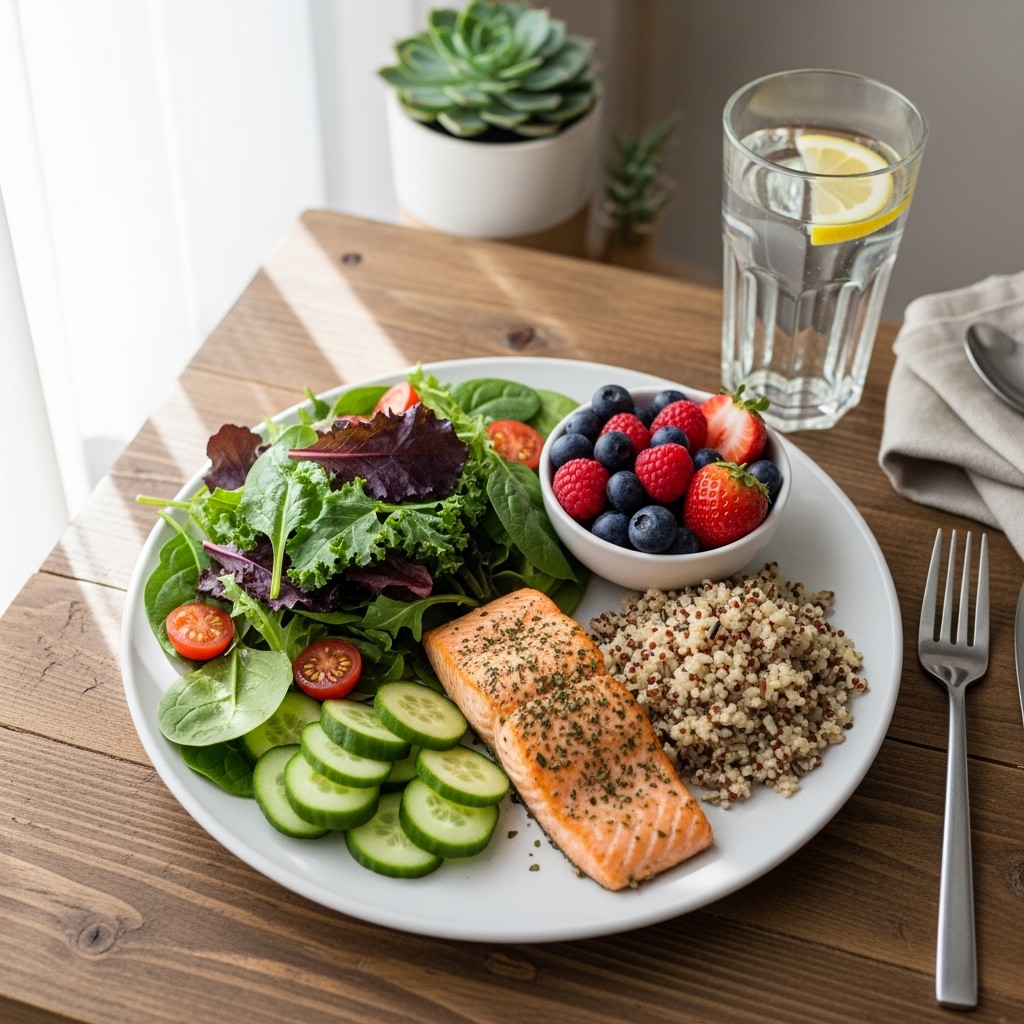
Proper nutrition and hydration serve as the foundation of a healthy body and mind. If you’re not nourishing your body with the right nutrients and fluids, your performance and overall health will likely suffer. Poor nutrition and hydration can lead to exhaustion, headaches, and a lack of focus—making it hard to stay active and engaged in your day-to-day life.
Nutrition involves more than just food; it’s about feeding your body with the right vitamins, minerals, and protein it needs to thrive. Likewise, staying hydrated doesn’t simply mean drinking water when you're thirsty. You need a consistent and balanced approach to nutrition and hydration to optimize your health and fitness levels.
Why Poor Nutrition Can Affect Your Fitness

Poor nutrition impacts your fitness in multiple ways. When your body doesn't get enough of the right nutrients, your energy levels can plummet. Low energy means lower motivation to exercise, making it harder to stick with your fitness goals. Additionally, a lack of protein and other vital nutrients may cause muscle breakdown, leading to reduced muscle mass over time.
Furthermore, inadequate nutrition can result in weight loss and a slower recovery rate post-workout. If you’re not fueling your body properly, your muscles won't repair as efficiently, and your progress will plateau. This is why it's crucial to prioritize nutrient-dense foods, such as high-protein foods and healthy fats, to keep your body strong and energized.
Hydration’s Crucial Role in Your Health
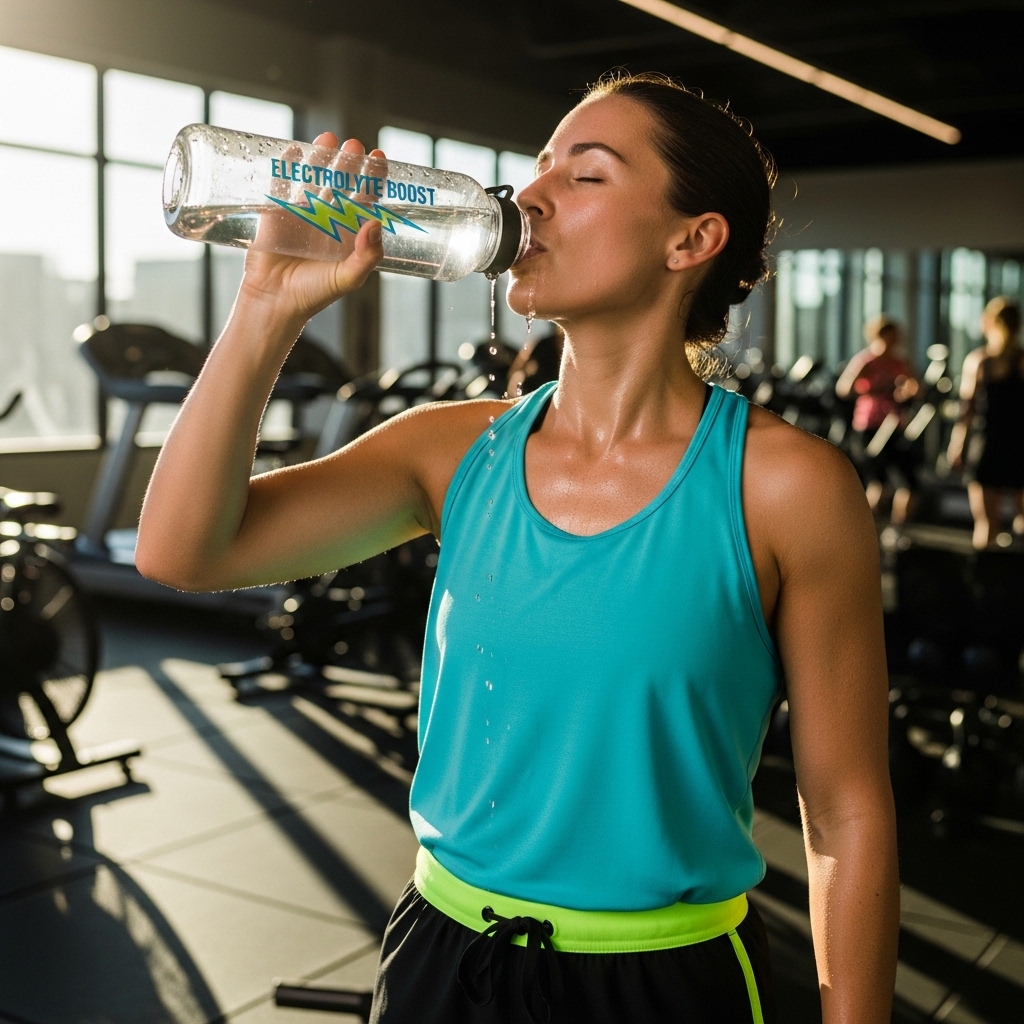
Hydration is just as important as proper nutrition. Water plays a significant role in digestion, energy levels, and overall health. When your body is dehydrated, it struggles to digest food effectively and transport nutrients to your cells. Dehydration can also cause fatigue, headaches, and poor cognitive function, which impacts your focus and physical performance.
Drinking enough fluids throughout the day ensures that your body can perform its essential functions without interruption. It's especially important during and after exercise to replenish lost fluids and support muscle recovery. Staying hydrated also helps your body maintain a balanced temperature and prevents excessive strain on organs like your kidneys.
READ ALSO: The Benefits of B Vitamins – Whole Living Wellness
The Impact of Dehydration on Your Body
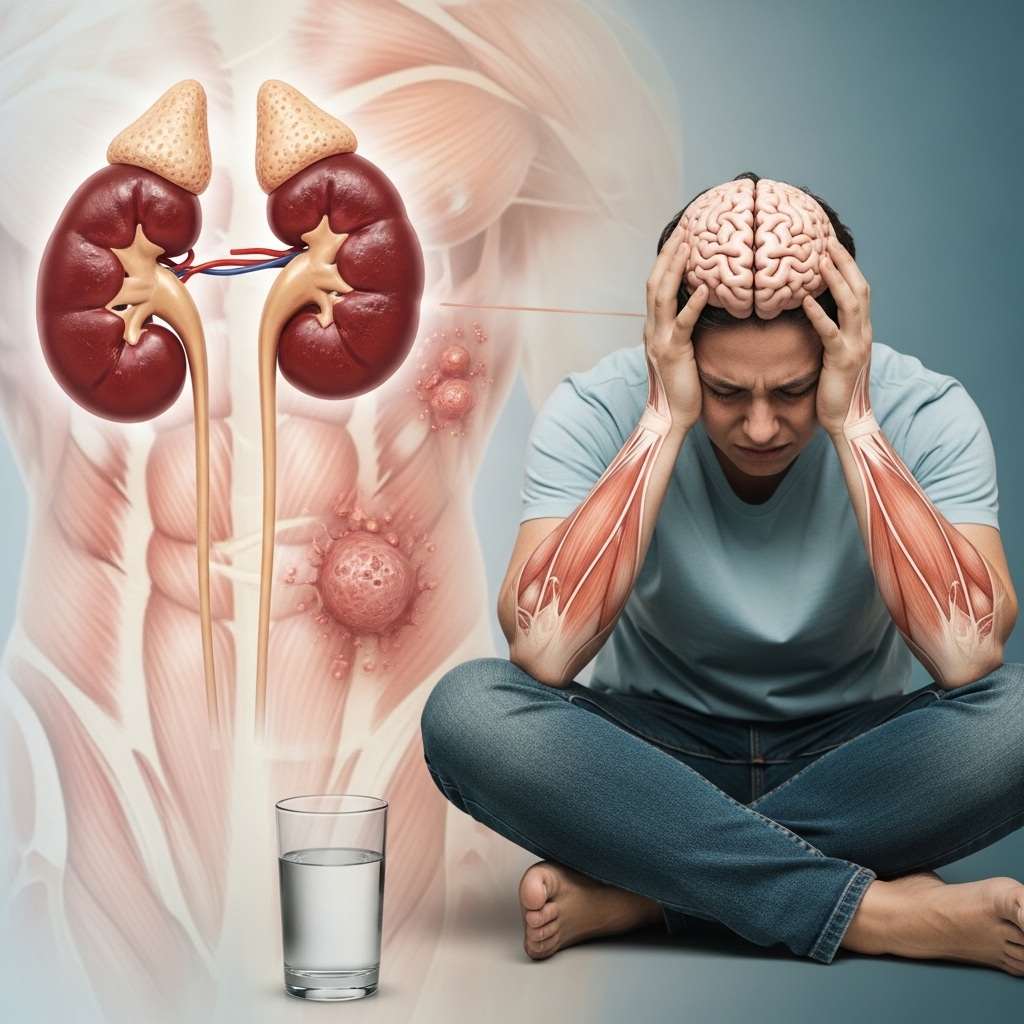
Dehydration can affect every part of your body, from your muscles to your brain. Low-intake dehydration is the most common type of dehydration affecting older adults and occurs when a person does not drink enough fluid each day to replace natural water loss. In severe cases, dehydration can lead to serious complications such as kidney stones, urinary tract infections, and cardiovascular disease. Dehydration can also lead to delirium, urinary tract infections, medication toxicity, decreased muscle strength, and falls. These risks are especially important to consider for older adults, as they are more vulnerable to dehydration and its consequences.
Even mild dehydration can reduce your body’s ability to perform everyday activities. Your energy levels drop, and it becomes harder to concentrate. This is why it’s essential to monitor your hydration status regularly, especially if you’re exercising or spending time in hot environments.
What Nutrient-Dense Foods Can Do For You
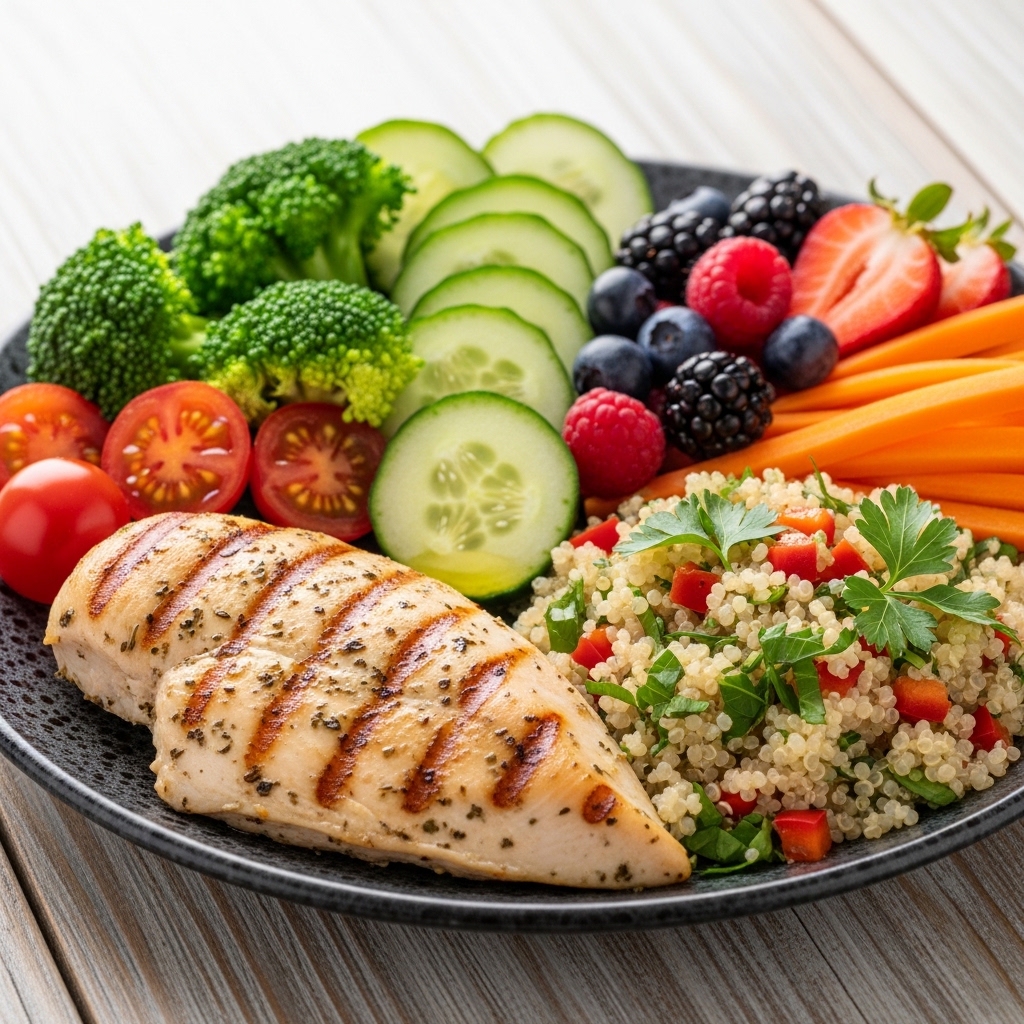
Nutrient-dense foods are packed with essential vitamins, minerals, and other nutrients that your body needs to thrive. These foods, including fruits, vegetables, lean proteins, and whole grains, provide your body with the energy to stay active and heal after physical exertion. Nutrient-dense foods also support a healthy immune system, digestion, and muscle growth, all of which are vital for overall well-being.
Incorporating these foods into your daily diet helps ensure that your body gets the nutrients it needs, rather than relying on empty calories from processed or sugary foods. By choosing nutrient-dense options, you can help prevent malnutrition, improve your energy levels, and promote a healthier body mass index (BMI).
Risk Factors of Poor Nutrition and Hydration
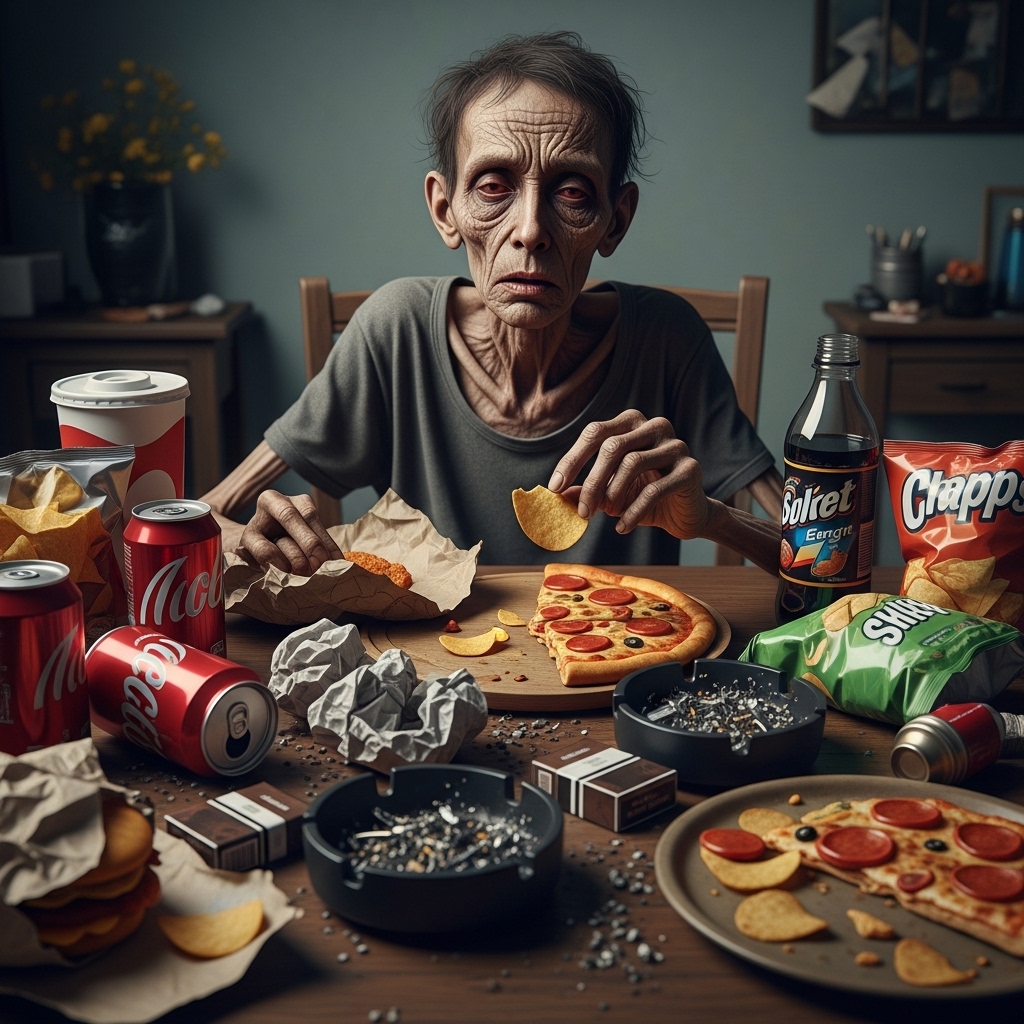
Several risk factors can contribute to poor nutrition and hydration, such as underlying medical conditions, low body weight, or poor dentition. If you’re struggling with appetite loss, swallowing difficulties, or cognitive impairment, it may be harder to consume enough calories and fluids. These challenges are especially common in older adults and older persons, who may face difficulties in maintaining adequate food intake and hydration.
The risks of neglecting nutrition and hydration are high. For example, poor nutrition can affect your body’s ability to digest food properly, leading to malabsorption and nutrient deficiencies. It can also impact your mood and cognitive function, further hindering your fitness and daily activities.
Malnutrition and dehydration are common conditions in older adults but do not frequently occur together.
Recognizing the Signs of Dehydration

Recognizing the signs of dehydration early is key to preventing further complications. Symptoms like dry mouth, fatigue, dark-colored urine, and dizziness can all be signs that your body is lacking fluids. When you experience these symptoms, it’s important to drink water and other fluids to restore your hydration levels.
More serious symptoms of dehydration can include confusion, low blood pressure, and severe fatigue. In these cases, seeking medical help is necessary to avoid long-term damage. Pay attention to how your body feels and respond by staying hydrated to keep your health in check.
Addressing Malnutrition and Hydration Issues in Older Adults
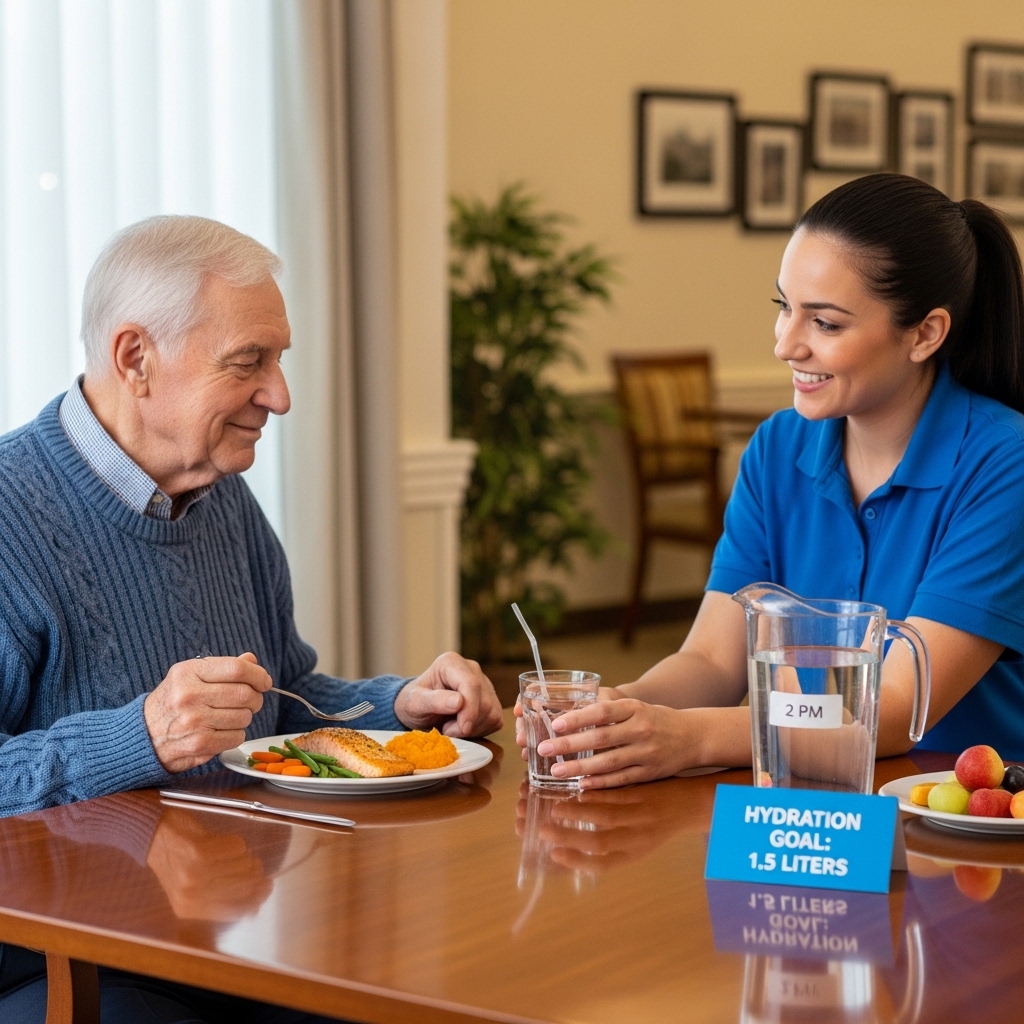
Malnutrition and dehydration are more common in older adults, including elderly people and older patients, due to factors like swallowing difficulties, dental issues, and diminished appetite. Oropharyngeal dysphagia is a common issue in elderly people and can increase the risk of malnutrition and dehydration. In some cases, elderly individuals may require additional support through clinical nutrition interventions, such as parenteral nutrition, to maintain a healthy nutritional status. Screening tools like the Malnutrition Universal Screening Tool (MUST) can help identify those at risk and guide appropriate interventions. Patients identified as at high risk of malnutrition should be referred for specialist dietetic advice.
Older adults also face an increased risk of severe dehydration due to changes in their body’s fluid regulation. Hydration care, clinical interventions, and physical support are important for supporting older patients with hydration and nutrition. Ensuring they receive adequate hydration is crucial to prevent complications and improve quality of life. The overlap between dehydration and malnutrition in older adults is not as common as might be expected, with only a small percentage of patients exhibiting both conditions simultaneously. All older adults in healthcare settings should be considered at risk of low-intake dehydration and encouraged to consume adequate fluids. Regular monitoring of their fluid intake and providing easy access to hydration can help manage these challenges.
How Clinical Nutrition Can Improve Your Health

Clinical nutrition focuses on providing tailored nutritional support to individuals who are struggling to maintain proper food intake. This approach takes into account your body’s specific needs, helping to address issues like weight loss, nutrient deficiencies, and poor hydration. Assessing energy requirements and nutritional intake is essential to ensure that support is adequate and effective. Clinical nutrition may involve supplements, special diets, or even parenteral nutrition when oral intake is insufficient.
A healthcare professional can help guide you in making healthier food choices, ensuring that your body gets the energy and nutrients it needs. Including more protein in the diet is important to support recovery and maintain muscle mass. By addressing nutrition and hydration deficits early on, you can avoid further complications and improve your overall well-being. Poor nutrition suppresses immunity, making individuals more prone to infection and slowing recovery times.
Nutrition and Hydration for Athletic Performance
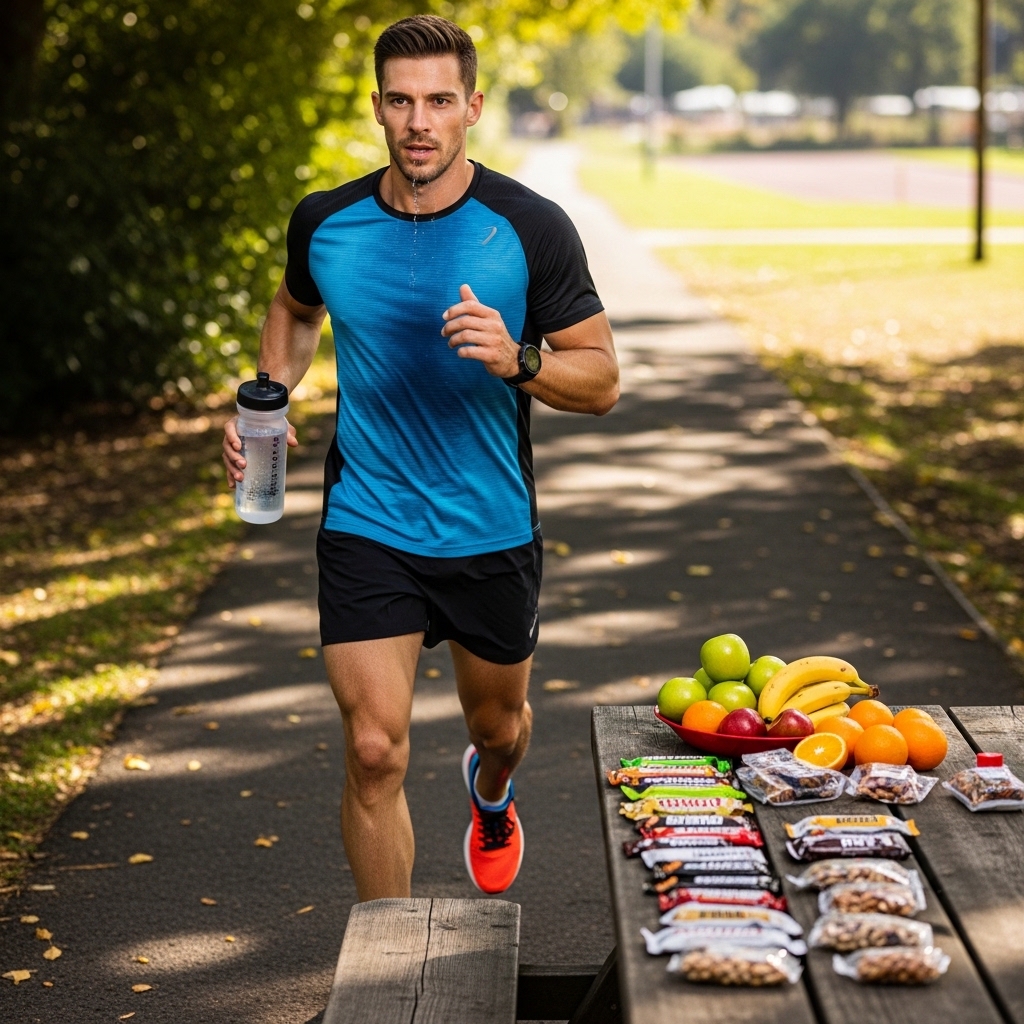
For those focused on athletic performance, maintaining the right balance of nutrition and hydration is non-negotiable. High-protein foods, like lean meats, dairy, or non-dairy alternatives, help support muscle repair and growth, while adequate hydration ensures optimal muscle function and recovery. Monitoring water intake is essential for optimal performance, as it helps maintain hydration status and prevents dehydration. A well-balanced diet also supports energy levels, allowing you to perform at your best during exercise.
Athletes should pay attention to their nutrition and hydration before, during, and after workouts. This holistic approach helps maximize performance and prevent injury. Proper fluid intake can also prevent dehydration, ensuring that your muscles and joints function at their peak during high-intensity exercise.
Nutrition should be a priority for everyone, including patients, their families, and healthcare professionals.
READ ALSO: Top Foods to Improve Lung Health and Breathe Easier
The Dangers of Nutritional Deficits

Nutritional deficits can lead to serious consequences for your body. Without proper food intake, you may experience fatigue, muscle loss, and weight fluctuations. Nutrient deficiencies can impact your immune system, making you more susceptible to infections and illnesses.
For athletes or individuals maintaining a fitness routine, these deficits can be especially detrimental. Lack of essential nutrients can hinder recovery and slow progress. To avoid these setbacks, it’s important to prioritize balanced meals and hydration throughout your day.
Understanding the Connection Between Hydration and Cognitive Function

Your brain needs proper hydration to function at its best. Dehydration can cause difficulty concentrating, headaches, and poor memory, which affects your performance both mentally and physically. Staying hydrated supports cognitive clarity and helps you stay focused throughout your day, whether you’re working, exercising, or engaging in daily tasks.
Drinking enough water ensures that your brain has the nutrients and oxygen it needs to operate efficiently. This simple yet effective practice can significantly boost your productivity, mental well-being, and ability to stay engaged in your fitness goals.
Meal Timing and Hydration: A Healthy Routine

The timing of your meals and fluids plays a key role in managing your nutrition and hydration. Eating small meals regularly and optimizing meal times—such as offering small, frequent meals and creating a supportive mealtime environment—can help you maintain consistent energy levels and hydration. This approach supports your body’s digestion and helps you stay on track with your fitness goals.
Make sure to hydrate before and after meals to optimize nutrient absorption. By incorporating hydration into your routine, you’ll ensure that your body has what it needs to perform well during workouts and recover efficiently afterward.
Healthcare menus must cater for both nutritionally well and nutritionally vulnerable patients.
How to Prevent Dehydration During Intense Workouts

During intense workouts, it’s important to stay on top of your hydration levels. Pre-hydrating before exercise ensures that your body starts off with a full water reserve, reducing the chances of dehydration mid-workout. Drink fluids during your workout to replace any lost sweat and maintain optimal performance.
After exercising, continue to hydrate with water or electrolyte drinks to replenish the fluids lost through sweat. By managing your hydration during intense physical activity, you’ll prevent muscle cramps, fatigue, and dehydration-related complications.
READ ALSO: Are You Doing Enough to Keep Your Brain Healthy?
Assessing Nutritional Status: Tools and Techniques

Understanding your nutritional status is a key step in preventing the health risks associated with poor nutrition, such as urinary tract infections, cardiovascular disease, and severe dehydration. Healthcare professionals use a variety of screening tools to identify individuals at risk. The Malnutrition Universal Screening Tool (MUST) and the Mini Nutritional Assessment (MNA) are widely used to evaluate factors like body mass index (BMI), recent weight loss, and changes in dietary intake. These tools help pinpoint those who may be experiencing unintentional weight loss or are at risk of malnutrition.
In addition to these screening tools, laboratory tests—such as blood work and urine analysis—can provide further insight into your nutritional status. By combining these methods, healthcare professionals can develop personalized nutrition plans that address specific needs and reduce the risk of complications. Regular assessment and early detection are essential for maintaining good health and preventing the negative effects of poor nutrition.
Hydration Status and Monitoring: Staying on Track
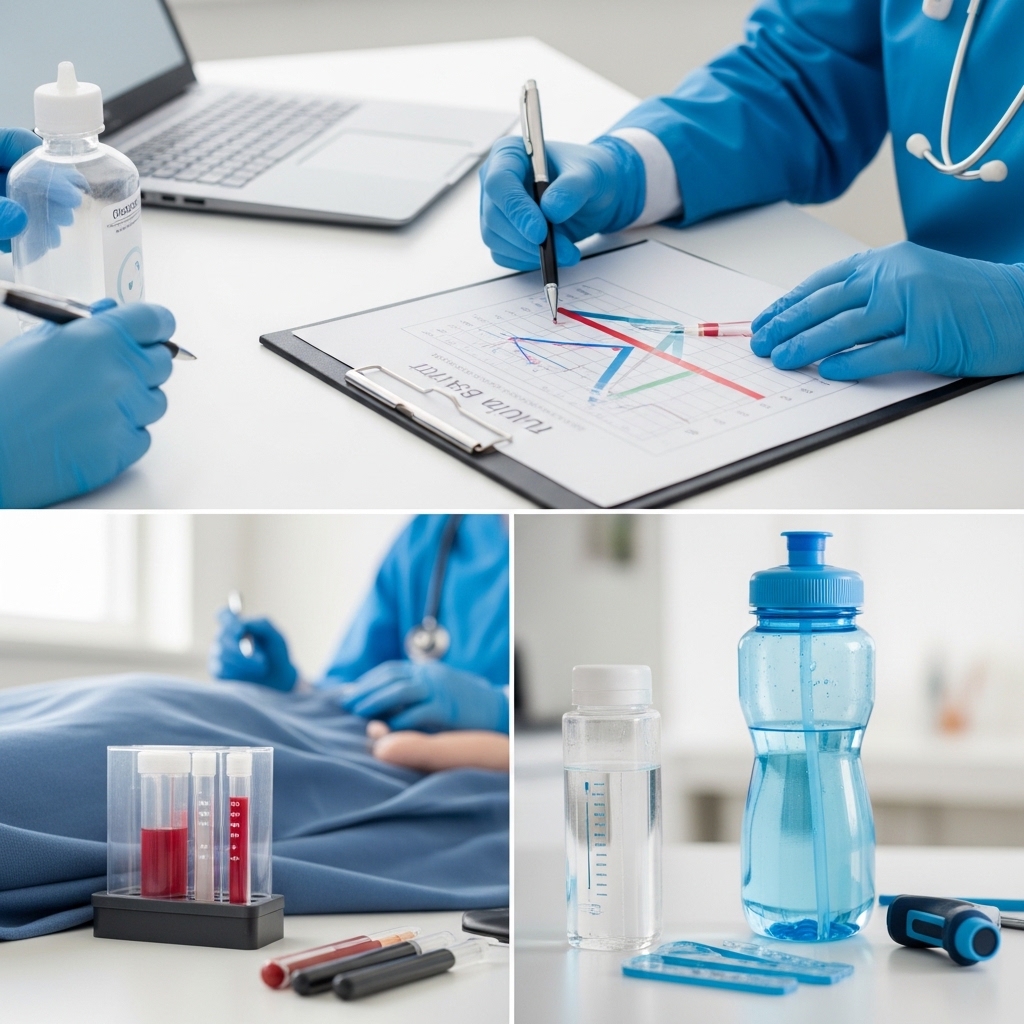
Keeping track of your hydration status is essential, especially for older adults who face an increased risk of low intake dehydration. Healthcare professionals often monitor hydration by assessing fluid intake, urine output, and looking for clinical signs of dehydration. Tools like fluid balance charts make it easier to track how much fluid is being consumed and lost each day.
Laboratory tests, such as measuring serum osmolality and urine specific gravity, can offer a more detailed picture of hydration status. To help prevent serious complications like kidney stones and hypertonic dehydration, it’s important to drink enough fluids and include hydrating foods in your diet. Educating yourself and those you care for about the importance of regular fluid intake can make a significant difference in reducing the risk of dehydration-related health issues.
Overcoming Dietary Challenges in Everyday Life

Many people encounter obstacles that make it difficult to maintain good nutrition and hydration, such as poor appetite, swallowing difficulties, or digestive problems. Overcoming these challenges often requires a combination of practical strategies and professional support. Incorporating high protein foods and nutrient-dense options into your meals can help meet your body’s needs, even when appetite is low.
Meal planning and preparation—like cooking in bulk, using meal delivery services, or eating small, frequent meals—can make healthy eating more manageable. It’s also important to address underlying causes, such as dental issues, gastrointestinal conditions, or social isolation, which can all impact your ability to eat well. By working with healthcare professionals and using these strategies, you can overcome dietary challenges and support your overall nutrition and hydration.
Nutrition Education and Awareness: Empowering Healthy Choices

Empowering yourself with nutrition education is one of the most effective ways to make healthy choices and reduce the risk of complications from poor nutrition. Healthcare professionals play a vital role in providing clear, reliable information about the benefits of a balanced diet, the importance of nutrient-dense foods, and the risks associated with poor nutrition and dehydration.
Learning how to read food labels, select healthy foods, and prepare nutritious meals can help you make informed decisions every day. Nutrition education programs can be tailored to meet the needs of older adults, people with chronic conditions, or those following special diets. By increasing awareness and understanding, you can take control of your nutrition and hydration, lower your risk of cardiovascular disease and malnutrition, and enjoy a healthier, more vibrant life.
A Practical Guide to Eating for Hydration and Nutrition
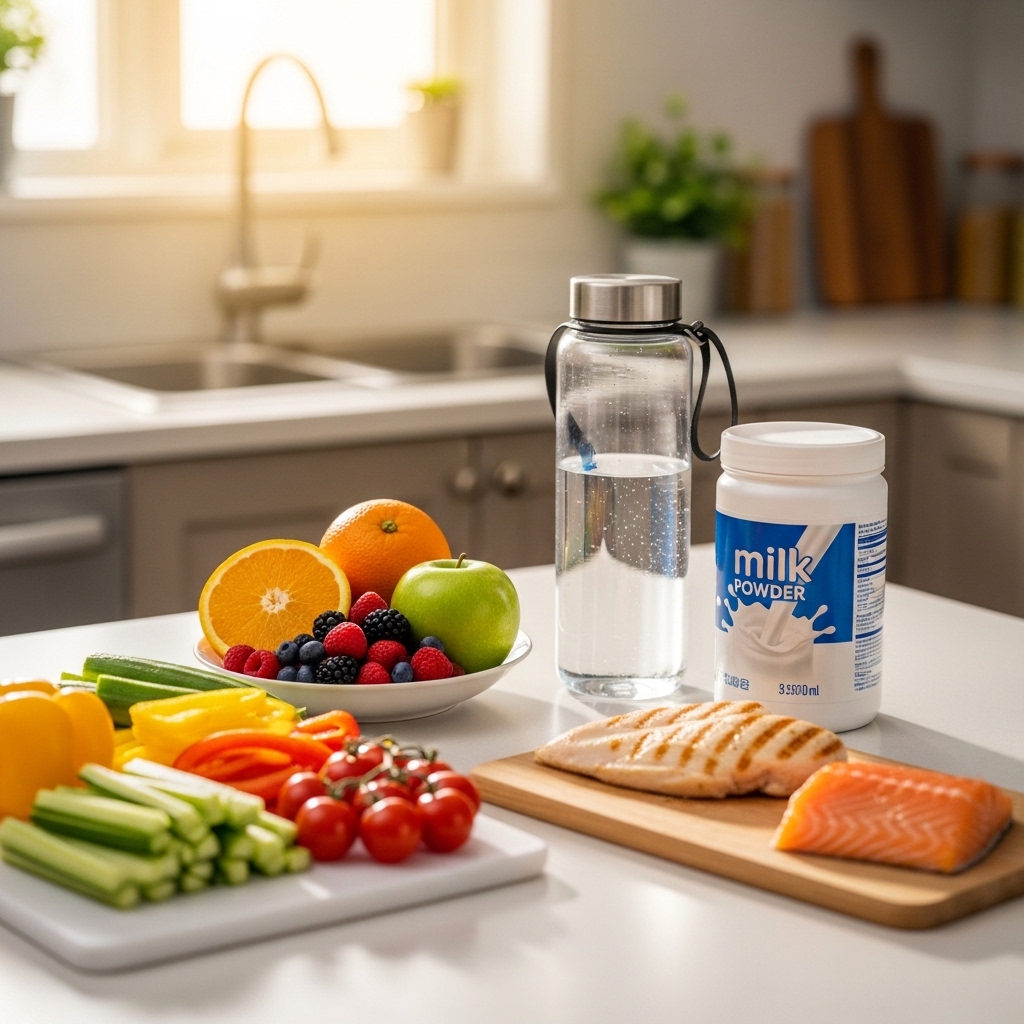
Making smart food and hydration choices doesn’t have to be complicated. Start by incorporating a variety of nutrient-dense foods into your meals, such as fruits, vegetables, lean proteins, and whole grains. Along with balanced meals, ensure you’re drinking enough water and hydrating fluids throughout the day.
Using milk powder, such as skimmed milk powder, for food fortification can help boost protein and micronutrient intake, supporting better nutrition. Food packages containing essential items like long-life food and beverages are valuable for individuals leaving the hospital who may lack immediate access to proper sustenance. Guidelines from the National Institute for Health and Care Excellence (NICE) provide evidence-based recommendations for nutrition and hydration best practices.
By building this simple routine of good nutrition and hydration, you’ll support your body’s needs and feel better, both physically and mentally. Remember, small consistent changes will lead to big results over time. Long-term poor hydration and nutrition are linked to increased risks of coronary heart disease, heart failure, high blood pressure, and type 2 diabetes.
Conclusion: Strive for Balance
It’s easy to forget about the essentials of nutrition and hydration in our busy lives. But by making intentional choices to nourish your body and stay hydrated, you’re taking the right steps toward your fitness goals. Remember that balance is key—your body will thank you when you prioritize good food, enough fluids, and mindful self-care. Embrace small changes and keep moving forward—you’ve got this!
UP NEXT: Boost Your Well-being: How to Improve Cardiovascular Health