Persistent follicular inflammation and impaired skin barrier function are not isolated dermatological concerns — they are downstream markers of systemic stress load that high-performing professionals cannot afford to ignore. Salicylic acid, a lipid-soluble beta-hydroxy acid, penetrates sebaceous follicles to exert keratolytic and anti-inflammatory action at the cellular level, directly addressing the hyperkeratinization and excess sebum production that compromise skin integrity under chronic cortisol elevation. For executives whose hormonal and metabolic profiles are already under measurable pressure, strategic topical intervention with salicylic acid represents a targeted, evidence-based approach to maintaining dermal resilience as a component of whole-system performance.
What Salicylic Acid Face Wash Actually Does at the Cellular Level
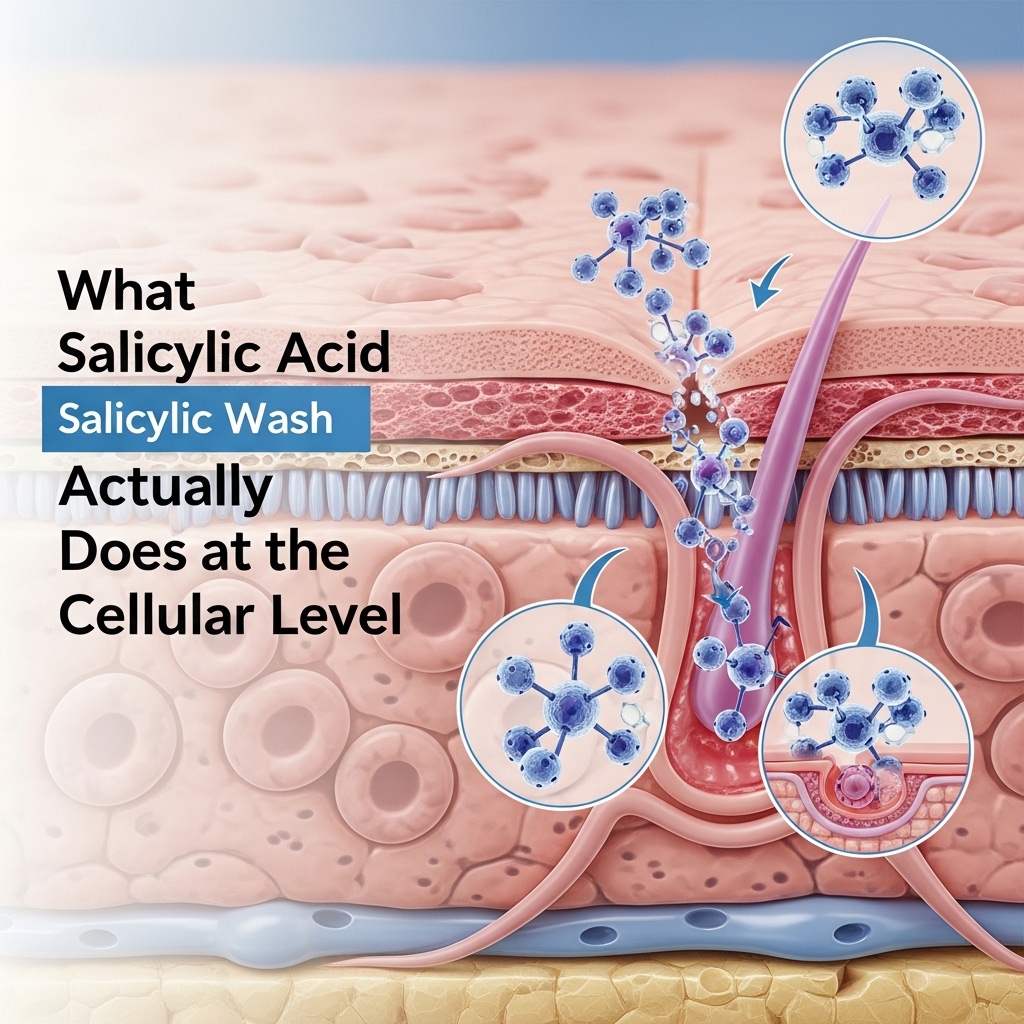
Salicylic acid face wash is one of the most clinically supported topical tools for managing adult sebaceous overactivity. Salicylic acid (SA) is a phenolic compound derived from salicin, found naturally in willow bark and several plant species. Its classification as a beta-hydroxy acid sets it apart from alpha-hydroxy acids such as glycolic or lactic acid.
AHAs are water-soluble and act on the skin surface. By contrast, SA is lipid-soluble. This allows it to penetrate sebaceous follicles and work within the pore environment itself. At the cellular level, SA disrupts cohesion between corneocytes — the dead skin cells that build up at the follicular opening.
It does this by interfering with the desmosomes that hold them together. This action speeds up cell shedding, clears blocked follicles, and reduces the conditions under which Cutibacterium acnes can thrive. Beyond this, SA inhibits prostaglandin synthesis. The result is reduced local inflammatory signaling without the systemic effects of oral anti-inflammatory agents.
READ ALSO: Facial Wash for Oily Skin Everyone’s Secretly Using
The Skin as a Systemic Biomarker
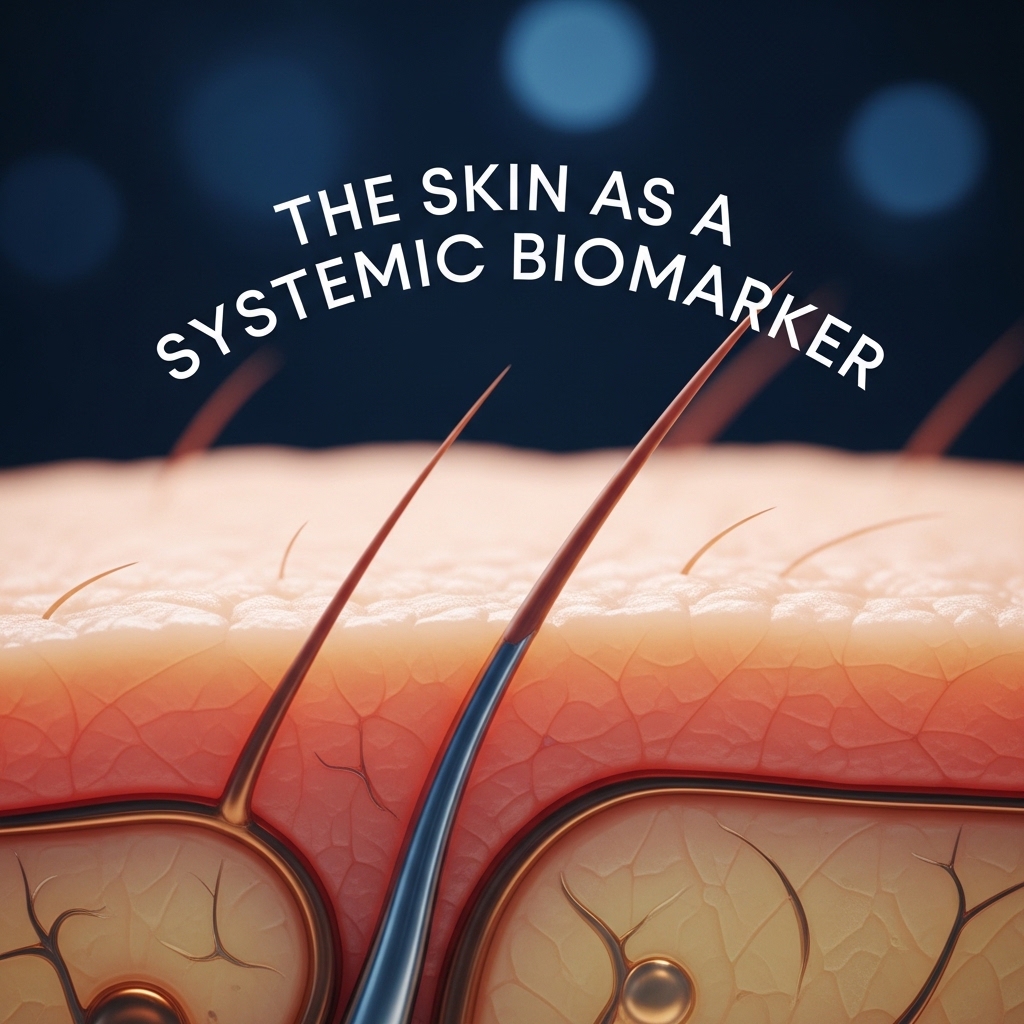
For professionals managing high cognitive and operational demand, skin health is frequently dismissed as cosmetic. The evidence, however, does not support that view. The skin is the body's largest organ. It acts as an interface between internal physiology and the external environment.
Critically, its inflammatory status reflects — and can amplify — systemic inflammatory burden. Research published in the Journal of Investigative Dermatology identified two-way relationships between acne severity and systemic inflammatory markers. These include elevated interleukin-1 (IL-1) and Tumour necrosis factor-alpha (TNF-α) — cytokines linked to metabolic dysfunction, insulin resistance, and faster biological aging.
Chronic low-grade skin inflammation is therefore not a separate system. Rather, it is part of the same inflammatory network affecting cardiovascular health, metabolic function, and cellular aging.
Cortisol, Sebaceous Activity, and the Stress-Skin Axis
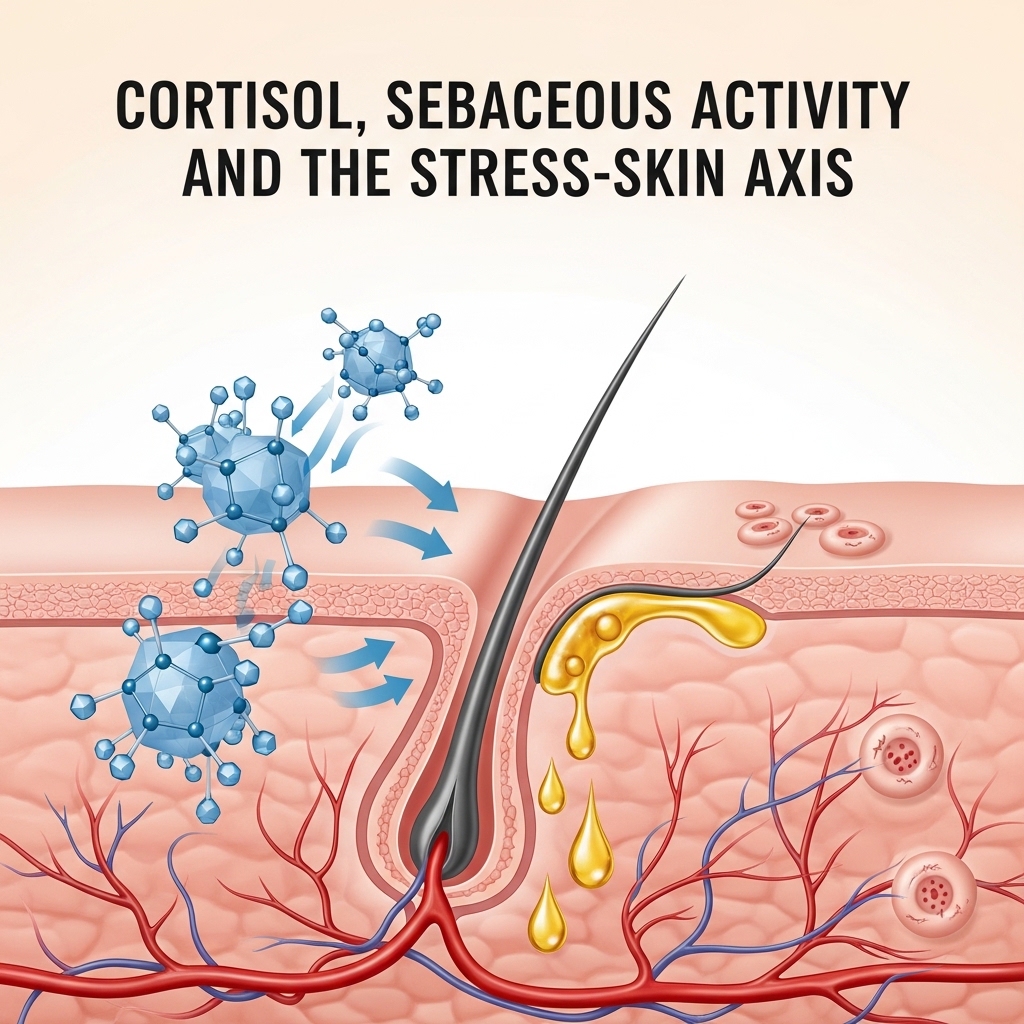
The relationship between psychological stress, cortisol, and skin condition is well established. Sebaceous glands express receptors for corticotropin-releasing hormone (CRH) and glucocorticoids. This means the skin responds directly to HPA axis activation. Under sustained cortisol elevation — common among executives and founders — sebaceous glands increase lipid output. They also alter sebum composition, creating a pro-inflammatory follicular environment.
Research from Stanford University School of Medicine examined acne flares in medical students during high-stress exam periods. The findings showed a clear link between stress scores and acne severity, independent of diet or sleep. For high-performing professionals, therefore, skin inflammatory activity is partly a measurable output of stress physiology. Addressing it effectively requires both topical intervention and systemic stress reduction.
Salicylic acid face wash targets the downstream result of this cascade. It clears accumulated keratin, excess sebum, and bacterial growth driven by cortisol-related sebaceous overactivation. Although it does not modulate cortisol itself, it interrupts the skin-level consequence with clinical efficiency.
Salicylic Acid Face Wash: Concentration, Formulation, and Specificity
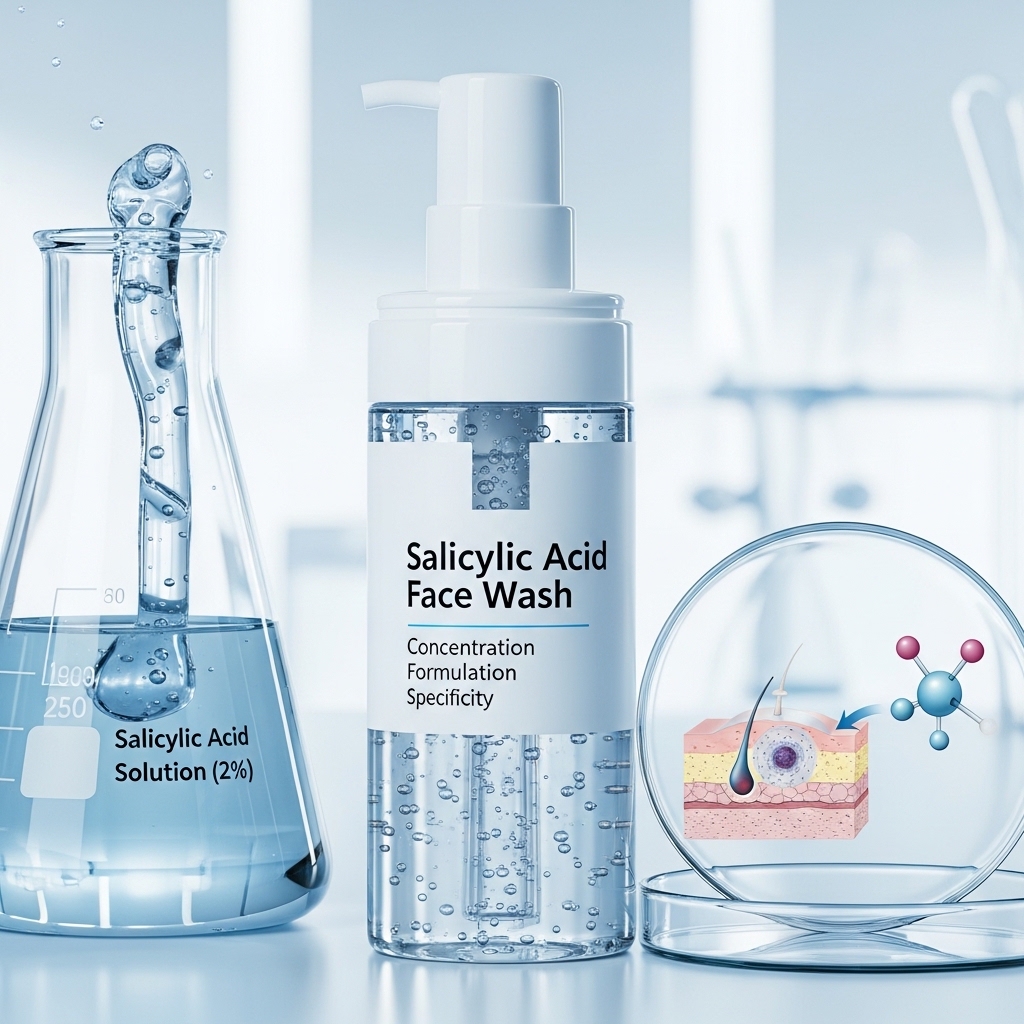
Salicylic acid face wash is available across a wide concentration range. Options span from 0.5% in standard over-the-counter products to higher concentrations used in clinical peels. The mechanism of action varies meaningfully across this range. At lower concentrations, SA acts as a pore-clearing and mild anti-inflammatory agent suited to daily use.
At higher concentrations, applied under professional supervision, it functions as a controlled chemical exfoliant for deeper activity. The base formula in which SA is delivered also matters.
Alcohol-based formulations increase penetration but can weaken barrier integrity with repeated use. This is a real concern for professionals dealing with dehydration, frequent travel, or poor sleep. In contrast, gel and water-based formulations generally deliver comparable results with less cumulative irritation.
READ ALSO: Body Wash for Slowing Down in a Fast Morning
Skin Barrier Integrity and Biological Age Signaling
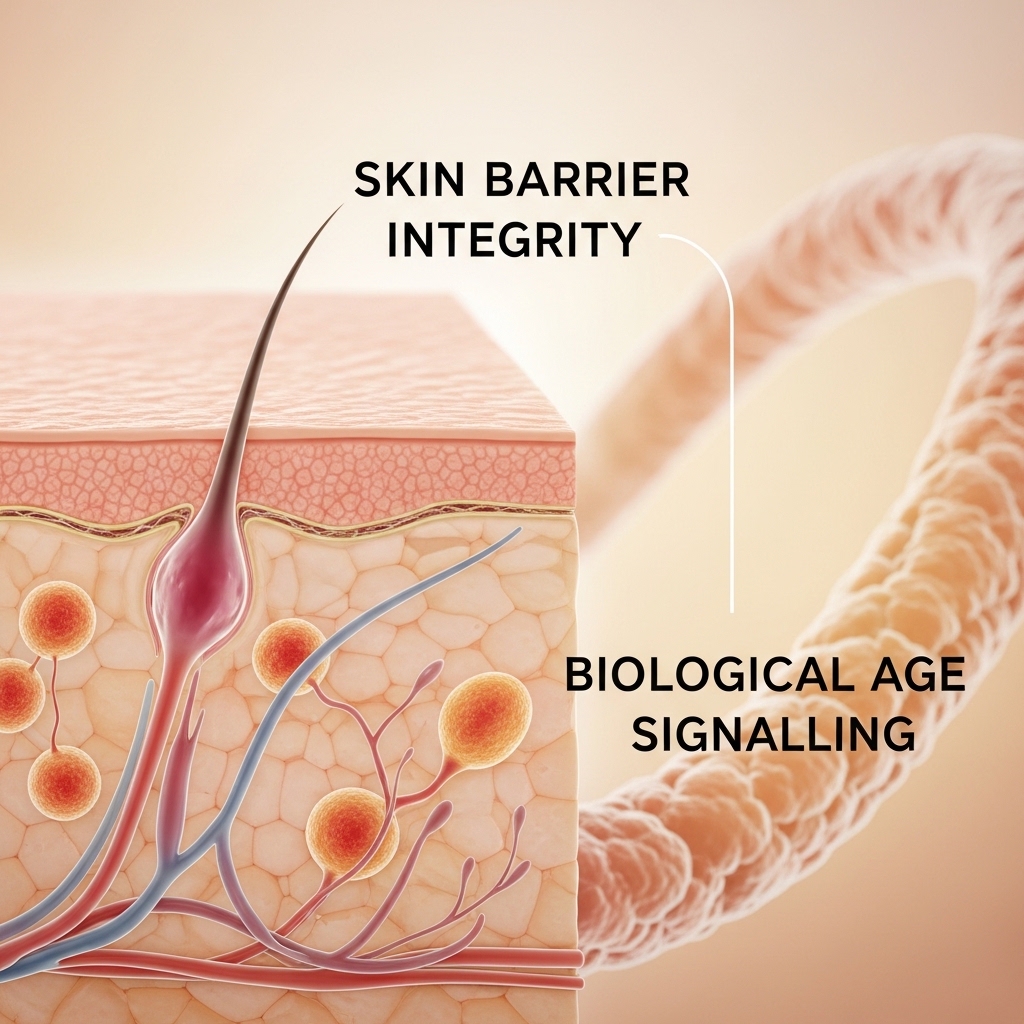
Transepidermal water loss (TEWL) measures skin barrier function objectively. It tracks the rate at which water evaporates through the outer skin layer. Elevated TEWL signals a weakened barrier and greater vulnerability to environmental pathogens. Research published in the British Journal of Dermatology found that chronic barrier disruption correlates with increased dermal inflammatory cytokine activity.
It also correlates with reduced expression of filaggrin and Involucrin — structural proteins that decline with biological age. A salicylic acid face wash, used correctly, supports barrier integrity by clearing the follicular debris that drives inflammatory cycling.
Overuse, however — especially at higher concentrations or combined with other active exfoliants — can itself elevate TEWL. This occurs by stripping the lipid matrix of the outer skin layer. SA is therefore a tool for normalizing the follicular environment, not a general exfoliant to layer without protocol.
How Salicylic Acid Face Wash Interacts with the Skin Microbiome
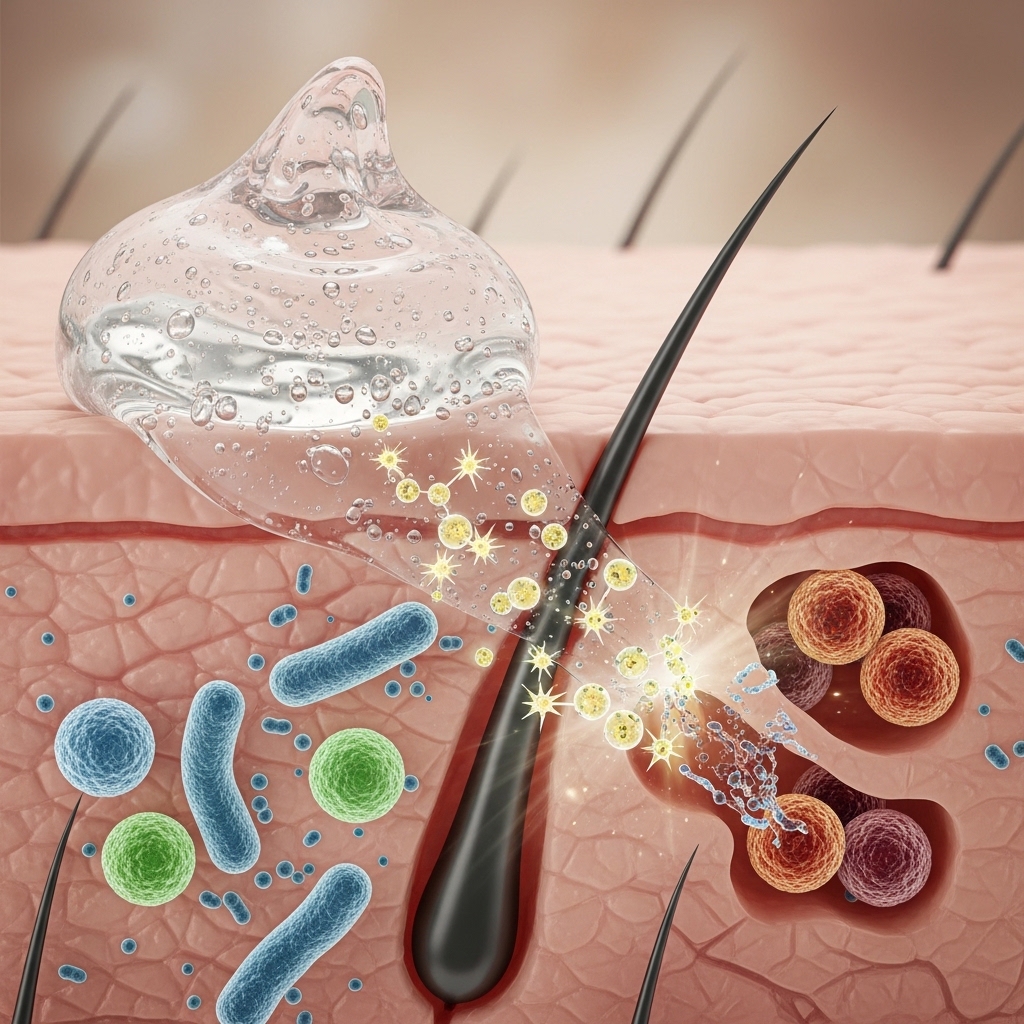
The skin microbiome plays a key role in immune regulation, inflammatory tone, and barrier maintenance. Cutibacterium acnes is not inherently harmful. Rather, it becomes pro-inflammatory under specific conditions — excess sebum, follicular blockage, and altered skin pH.
Salicylic acid face wash modifies this environment by reducing the sebum and keratin on which C. acnes thrives. Unlike topical antibiotics, SA does not selectively eliminate bacterial populations. This means it carries a lower risk of driving antimicrobial resistance or disrupting the broader skin microbiome.
For professionals seeking long-term skin management, this targeted action is therefore clinically relevant. Research from the National Institutes of Health's Human Microbiome Project has highlighted both the complexity of skin microbial ecosystems and the risks of broad-spectrum antimicrobial use on skin immune function.
Salicylic Acid Face Wash in the Context of Hormonal Aging
Between the ages of 35 and 55, the hormonal landscape shifts for both men and women. In women, declining oestrogen alters sebaceous gland activity, skin thickness, and inflammatory reactivity. In men, similarly, declining testosterone can affect sebum composition and follicular dynamics in ways that differ from adolescent acne.
These hormonal changes mean adult acne in this age group is distinct from acne in younger populations. Rather than presenting as surface-level blocked pores, it tends to appear along the jawline and lower face as inflamed nodules. Furthermore, it resists treatments designed for adolescent skin.
A salicylic acid face wash, with its pore-clearing and anti-inflammatory action, remains effective here. It works best, however, when paired with an understanding of the underlying hormonal drivers.
READ ALSO: Anti Aging and Skin Care: Restorative Tips for Your Glow
Systemic Salicylates and Cardiovascular Context
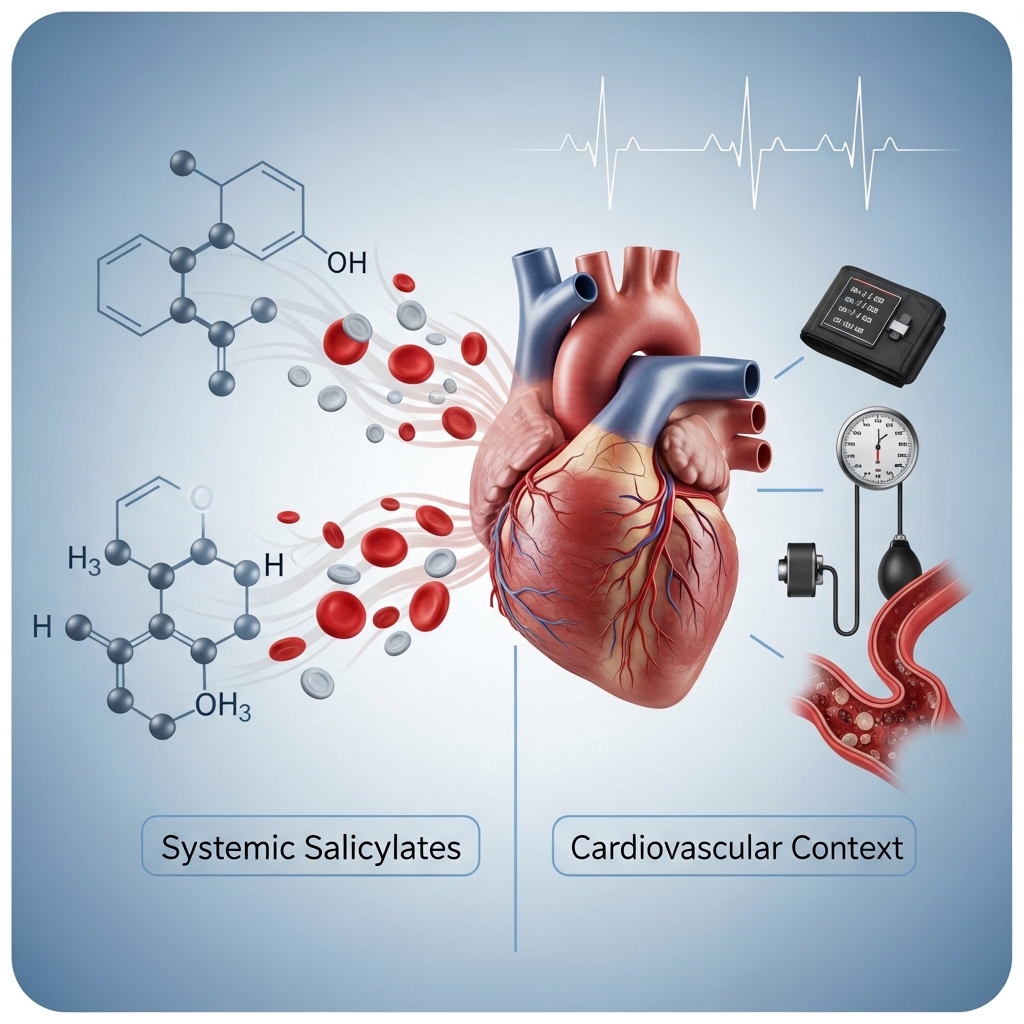
A clinically important distinction exists between topical salicylic acid face wash and systemic salicylates, including aspirin. Both the American Heart Association and the American College of Cardiology have issued updated guidance on low-dose aspirin in primary cardiovascular prevention.
Current recommendations are more conservative than earlier positions. This reflects a clearer understanding of bleeding risk versus benefit. Topical SA at standard cosmetic concentrations has negligible systemic absorption.
As a result, it does not replicate the cardiovascular or anti-platelet effects of oral salicylates. Professionals managing cardiovascular risk through medical supervision should therefore not conflate these two applications. The skin-level and systemic contexts are entirely distinct.
What Reduces the Effectiveness of Salicylic Acid Face Wash
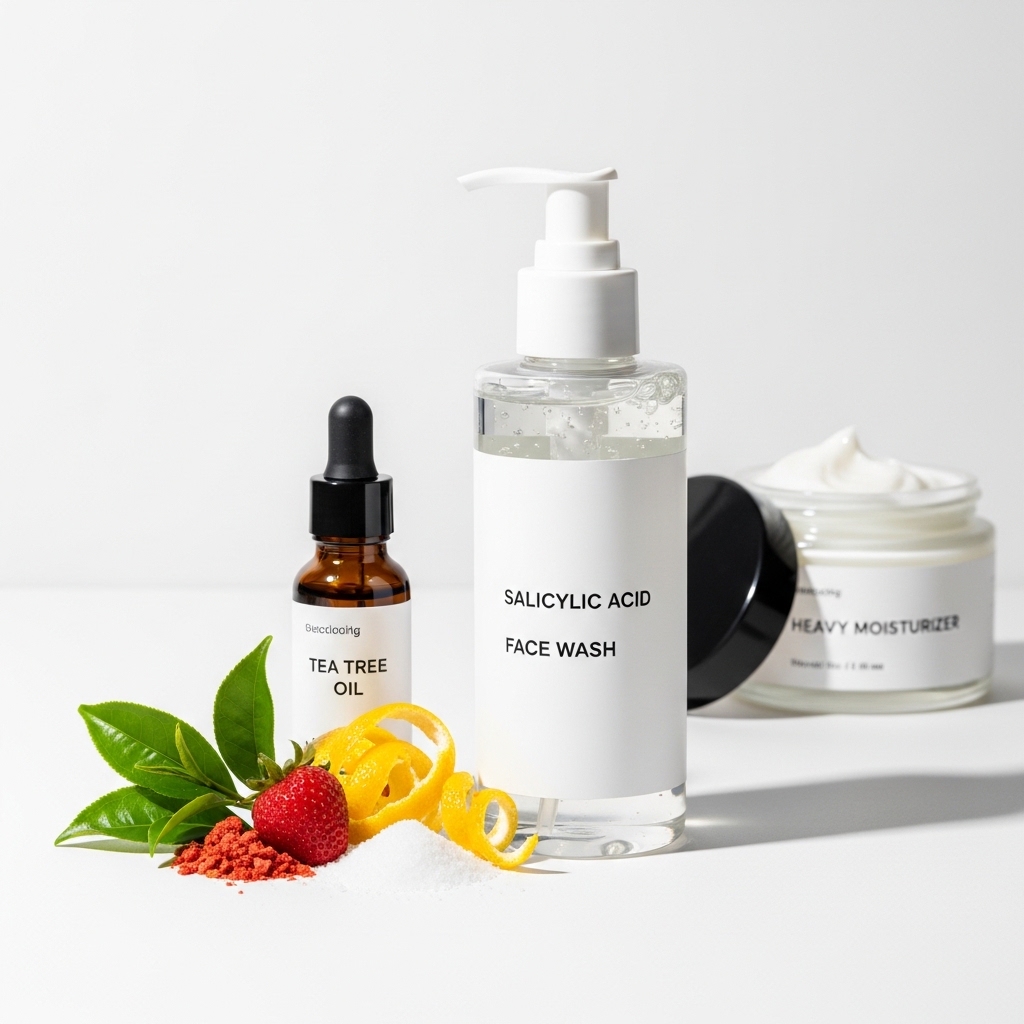
Several factors reduce SA's clinical effectiveness — and many are directly relevant to high-performing professionals. Chronic dehydration — common with heavy air travel and sustained cognitive output — reduces skin hydration and alters outer skin layer pH.
Since SA works most efficiently between pH 3 and 4, any shift outside this range weakens its activity. Sleep deprivation elevates cortisol, suppresses growth hormone output, and impairs overnight skin repair.
When a salicylic acid face wash is applied to already-compromised skin, irritation risk rises while repair capacity falls. Moreover, combining SA with retinoids without appropriate spacing compounds this risk further. This is especially true for adults already managing elevated stress load.
READ ALSO: Niacinamide Uses for Skin You’ll Wish You Knew Sooner
Evidence-Based Use of Salicylic Acid Face Wash for the High-Performing Professional
Professionals evaluating salicylic acid face wash as part of a structured skin health protocol will find the evidence supports several practical directions. Products at 1–2% concentration in a non-stripping base are most supported for daily or alternate-day use in adults managing stress-related sebaceous overactivity.
For textural damage and post-inflammatory pigmentation, clinical peel concentrations applied by a qualified dermatologist offer a depth of action that daily cleansers cannot match. Tracking skin barrier response — through clinical review or careful self-observation — provides a more rigorous framework than product rotation alone.
Professionals managing hormonal shifts, chronic stress, or poor sleep will benefit most from placing skin health within a broader systemic framework. Where adult acne does not resolve with correctly used over-the-counter salicylic acid face wash, or where hormonal symptoms warrant further review, dermatological consultation remains the most evidence-aligned next step.
UP NEXT: Beauty Basics: Great Skin for Life – Whole Living Wellness
Chronic follicular inflammation and impaired skin barrier function — driven by cortisol-mediated sebaceous overactivity and elevated transepidermal water loss — contribute to sustained systemic inflammatory signaling, a measurable driver of accelerated biological aging and reduced metabolic resilience in high-stress individuals. WholeLiving's Biological Age Estimation Model incorporates this factor directly — your assessment takes under five minutes.
Ready to understand how these factors are influencing your biological age right now? [Take the Biological Age Assessment →]