


Self-consciousness often feels like a heavy burden. It can create barriers in social situations, making you second-guess your every move. If you find yourself constantly worrying about how others perceive you, you're not alone. In fact, self-consciousness can be linked to feelings of social anxiety. This self-consciousness often stems from the fear that others are watching and evaluating your every action. It's important to remember that this feeling, while natural, doesn’t have to control your life. With intentional small habits and a bit of self-awareness, you can ease the discomfort that comes with it. So, let’s explore how you can transform self-consciousness into an opportunity for growth and connection.
Understanding Self-Consciousness: What It Really Means

Self-consciousness involves a heightened awareness of oneself, often in relation to others. It has been a topic of considerable discussion since ancient Greek philosophy, as reflected in the Delphic maxim ‘Know Thyself', highlighting its historical significance. Self-consciousness can act as a foundational feature of the first-person perspective and is often discussed as a conscious state in philosophy. This can manifest in self-conscious thoughts about how you are perceived, leading to anxiety and discomfort. Self-consciousness is rooted in a deep self-awareness, where you’re acutely attuned to your actions, body image, and behavior. But this internal focus can spiral, causing misidentification or reference failure, where the internal sense of yourself becomes disconnected from reality. Importantly, self-consciousness isn’t inherently bad. It becomes problematic when it leads to unnecessary stress or when it distorts your perception of yourself and others.
Self-reflection is essential to understanding the way self-consciousness manifests in your life. Taking a moment to pause and assess the self-conscious thoughts you’re experiencing can help you identify the triggers and their root causes. Self-consciousness involves awareness of oneself as both subject and object, allowing you to recognize how you experience yourself from both perspectives. Is it a fear of judgment? Or perhaps a lingering misidentification relative to your body or behavior? Recognizing this distinction is the first step in overcoming social anxiety caused by self-consciousness.
Historical Background of Self-Consciousness

The journey to understanding self-consciousness stretches back to the earliest days of philosophy. Ancient Greek thinkers like Plato and Aristotle were among the first to explore the idea of self-awareness, pondering what it means to be aware of oneself as a distinct being. The term “self-consciousness” itself emerged in the seventeenth century, marking a shift in how people thought about the mind and the inner sense of self. Philosophers began to see self-consciousness as a unique form of awareness—one that involves not just being conscious, but being conscious of oneself.
As the centuries passed, the concept of self-consciousness continued to evolve. In the twentieth century, it became a central topic in psychology, with researchers seeking to understand its neural basis and how it shapes our conscious experience. The study of self-consciousness now bridges philosophy, psychology, and neuroscience, each field contributing to a richer understanding of how self-awareness develops and functions. Today, self-consciousness is recognized as a complex concept, essential for understanding the human mind and our place in the world.
READ ALSO: Therapist for Relationship Anxiety: Gentle Guidance for Growth
How Self-Consciousness Impacts Your Mental State

When you’re self-consciously aware, you begin to internalize a distorted self-image. This is where the body image becomes a focus. Are you overly concerned with how others perceive one's body or your actions? This concern can escalate into a more profound mental state, where your conscious experience becomes clouded by anxiety and the fear of misjudgment. Bodily self consciousness refers to the awareness and ownership of one's body, which can be disrupted in self-conscious states. Understanding that self-consciousness doesn’t always reflect reality is a key step in reclaiming your mental peace.
It’s also worth noting that self-consciousness involves both the visual perception of yourself and your internal sense of identity. When these two are out of sync, it can create tension. For example, a perceived flaw in your body can trigger self-conscious thoughts that affect your confidence. Self-consciousness can also focus on a particular perception, such as a specific flaw or sensation, which can intensify anxiety. Recognizing this as a natural human experience, rather than something that defines you, can alleviate much of the stress associated with self-consciousness.
The Role of Self-Awareness in Overcoming Social Anxiety
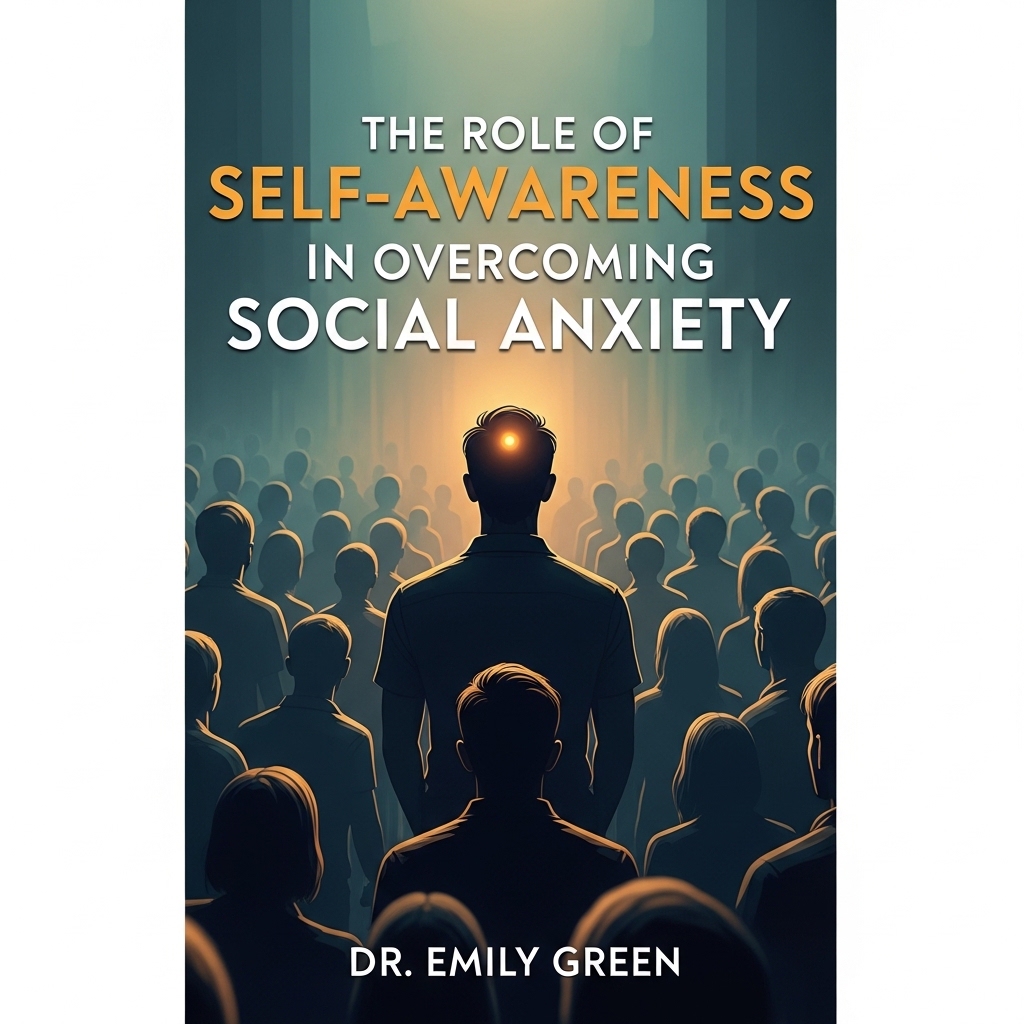
Self-awareness is often touted as the antidote to self-consciousness. But how do you cultivate a healthy sense of self-awareness without tipping into excessive self-conscious thinking? The key is to focus on self-knowledge without being overly critical. Self-awareness helps you acknowledge your thoughts, emotions, and behaviors without getting caught up in them. To develop this, observe your thoughts and feelings objectively, as if you are monitoring them from a distance.
To develop self-awareness, begin by observing your internal sense of self without judgment. Practice identifying when you’re feeling overly self-conscious and gently remind yourself that these thoughts don’t define your worth. Remember, self conscious involves both awareness of oneself and the response to internal experiences. You can choose to respond to self-conscious thoughts with self-compassion. By embracing self-reflection, you create space for the self-conscious thoughts to pass without disrupting your peace.
Developing Small Habits to Ease Social Anxiety

The journey from self-consciousness to comfort in social settings doesn’t happen overnight. It’s a process that requires small, consistent habits. The first step is to practice self-awareness through mindfulness. By paying attention to your body and thoughts in a calm, non-judgmental way, you can begin to separate your feelings from your identity.
Here are a few small habits to help you ease self-consciousness in social situations: Mindful Breathing: Taking a few deep breaths before entering a social situation helps center your thoughts and quiets your inner sense of anxiety. These practices also help you stay grounded in the first person perspective, focusing on your own experience rather than external judgments. Positive Affirmations: Instead of focusing on perceived flaws, remind yourself of your strengths and qualities. This helps shift your self-image towards a more positive direction. Engagement in the Moment: Instead of worrying about how you’re being perceived, focus on the conversation or activity. Participating in social situations often involves complex actions that require self-awareness and coordination. This shifts the focus away from self-conscious thoughts and onto the present experience.
Embracing Your Sense of Self Without Fear of Judgment

A major hurdle in overcoming self-consciousness is the fear of judgment. But embracing a mindset of self-knowledge means letting go of that fear. In this context, the meaning of self-consciousness involves an awareness of oneself as both subject and object, which is central to self-reflection and understanding how we relate to ourselves. Self-conscious thoughts often stem from a fear of how others will perceive you. Yet, when you embrace the idea that you are enough as you are, judgment loses its power over you.
A helpful way to move beyond fear is to reframe your thoughts about self-consciousness. Feeling self-conscious does not necessarily mean there is something wrong with you. Instead of seeing it as a flaw, view it as an opportunity for self-reflection. Suppose you let go of the fear of judgment—how might your experience of self-consciousness change? By acknowledging your feelings of discomfort and embracing them with compassion, you allow yourself to grow beyond them.
READ ALSO: Emotional Projection: A Gentle Guide to Self-Reflection
Identifying the Root Causes of Self-Consciousness

Before you can tackle self-consciousness, it’s important to identify where it originates. Is it linked to a past experience, a particular social situation, or even an underlying belief about your body image or identity? Often, self-consciousness isn’t rooted in the present moment but in past fears or assumptions. Certain experiences or forms of self-recognition, such as mirror self-recognition, are often considered a necessary condition for the development of self-consciousness.
By tracing these thoughts back to their source, you can begin to understand why you feel a heightened self-awareness. This understanding allows you to confront and challenge those beliefs. In philosophical terms, self-consciousness involves de se thoughts—self-directed mental states that are irreducible to third-person descriptions. For example, the ‘I thought' is a self-referential mental state that expresses self-consciousness and cannot be fully captured by third-person accounts. Some of these self-referential thoughts are identification free, meaning they are immune to errors of misidentification and do not rely on explicit identification mechanisms. Self-conscious thoughts refer directly to oneself, grounding the unique character of first-person experience. When you address the root causes of self-consciousness, you can begin to shift your focus away from fear and towards empowerment. Philosophically, it is also important to distinguish between self-consciousness as a property of whole individuals and as a property of particular mental states.
Developmental Aspects of Self-Consciousness
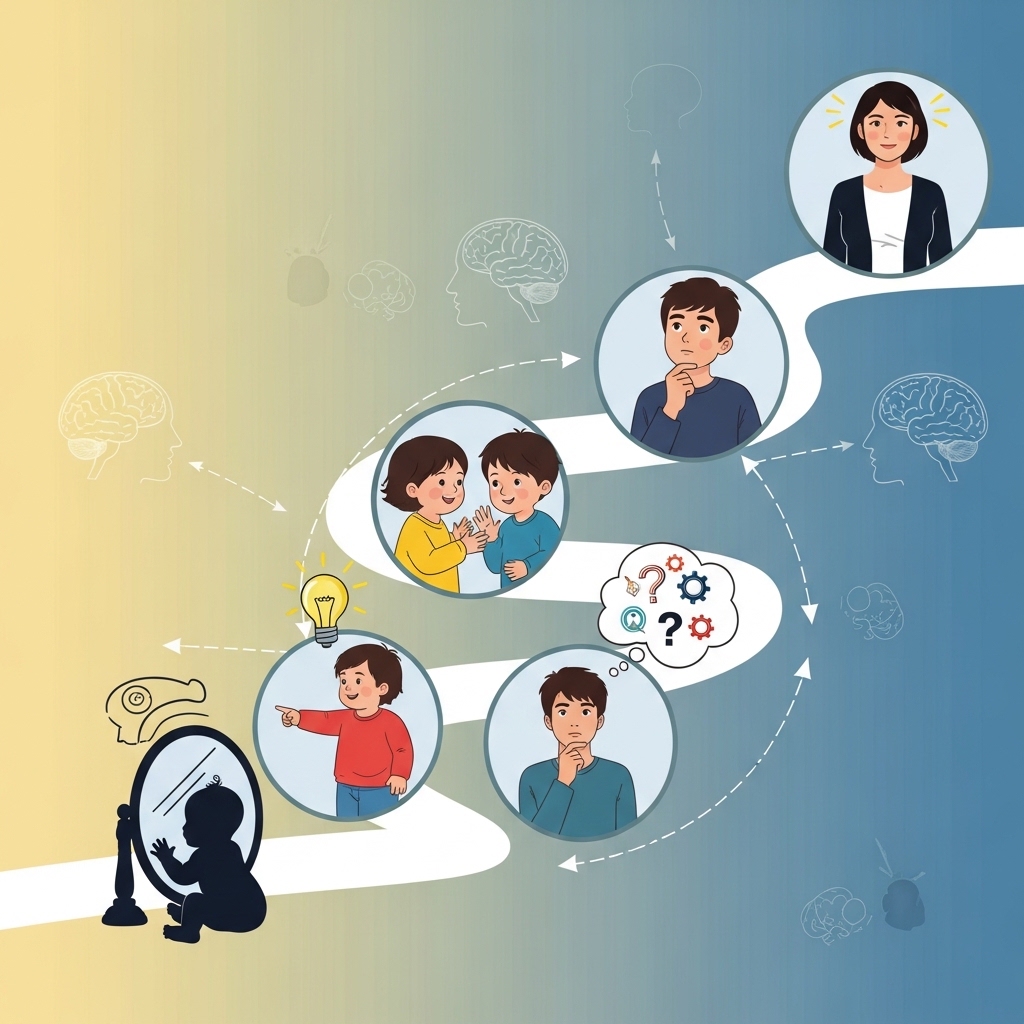
Self-consciousness doesn’t appear overnight—it develops gradually as we grow. In the earliest stages of life, infants lack a clear sense of self-awareness. As children begin to interact with the world and others around them, they start to form a sense of self, becoming more aware of their own thoughts, feelings, and actions. This growing self-awareness is a crucial part of development, shaping how children see themselves and relate to others.
Adolescence is a particularly important time for self-consciousness. As teenagers, we become acutely aware of how we are perceived, and our sense of self and body image often come into sharper focus. This heightened self-consciousness can influence self-esteem and the way we navigate social situations. Over the course of life, self-consciousness continues to change—some people become more self-aware and reflective with age, while others may find their self-consciousness lessens as they gain confidence and experience. Ultimately, the development of self-consciousness plays an important role in shaping our sense of self and how we move through the world.
Neuroscientific Perspectives on Self-Consciousness

Modern neuroscience has opened new windows into the mysteries of self-consciousness. Using advanced brain imaging techniques, researchers have identified specific areas of the brain that are active when we engage in self-referential thought. The medial prefrontal cortex and the posterior cingulate cortex, for example, are key players in the neural basis of self-consciousness. These regions are part of the brain’s default mode network, which becomes active when we turn our attention inward and reflect on ourselves, rather than focusing on the external world.
Another fascinating discovery is the role of the mirror neuron system, which helps us understand and empathize with others by mirroring their actions and emotions in our own minds. This system is closely linked to our ability to think about ourselves and others, highlighting the deep connection between self-consciousness and social cognition. Disruptions in these neural networks can affect conscious experience, as seen in conditions like autism and schizophrenia, where self-related thought and awareness may be altered. These neuroscientific insights are helping to explain how self-consciousness arises from the complex interplay of brain, thought, and world.
READ ALSO: Magical Mind Practices to Calm Your Thoughts
The Importance of Feeling at Ease in Your Own Body

Your body plays a crucial role in your sense of self-consciousness. Whether you feel discomfort with your appearance or experience anxiety in social settings, your relationship with your body image directly influences your mental state. The head, as a central part of bodily self-consciousness, is especially significant in self-perception and the way you experience your own body. To overcome self-consciousness, it’s important to practice body positivity and cultivate a healthy relationship with your physical self.
Start by acknowledging your body’s capabilities rather than focusing on perceived imperfections. Treat your body with care, engage in activities that make you feel good, and appreciate it for what it is. Reflecting on the existence of the self as embodied can deepen your appreciation for your unique physical presence. This shift in perspective helps reduce the tension between your self-image and the reality of your body, easing self-consciousness over time. The phenomenological tradition highlights the importance of direct, first-person experience of the body in understanding self-consciousness.
Cultural Influences on Self-Consciousness

Self-consciousness is shaped not only by our minds and bodies but also by the cultures we live in. Different societies hold different values when it comes to self-identification and the concept of self. For example, in some Asian cultures, being self-conscious is seen as a sign of humility and respect for others, while in many Western cultures, self-consciousness is often linked to confidence and individuality. These cultural differences can have a profound impact on how we experience and express self-consciousness.
Research shows that cultural norms influence our self-concept and the way we relate to others. In collectivist cultures, people may develop a more interdependent sense of self, seeing themselves as part of a larger group, while those in individualist cultures may focus more on personal achievements and self-expression. These differences can affect mental health, with some studies suggesting that cultures which value self-consciousness and modesty may foster lower levels of anxiety and depression. Ultimately, self-consciousness is a multifaceted concept, shaped by history, development, neuroscience, and the cultural world we inhabit.
Reframing Self-Consciousness as a Tool for Growth

While self-consciousness can feel like a burden, it can also be an opportunity for growth. Embracing self-awareness allows you to better understand your triggers, thought patterns, and responses in social situations. Philosophical work has explored how self-consciousness contributes to personal development by enabling deeper understanding of oneself. By reframing self-consciousness as a tool for personal development, you can shift the way you interact with the world.
Instead of avoiding situations where you feel self-conscious, use them as opportunities to practice self-reflection and cultivate self-awareness. Self-consciousness can also take a quasi perceptual form, blending elements of perception and reflection in your awareness of yourself. This mindset shift allows you to approach social anxiety not as something to fear but as a challenge to grow from. Each time you confront a self-conscious thought, you build resilience and confidence. Moderate, healthy self-consciousness allows for self-correction and empathy.
READ ALSO: Mindset Control to Embrace the Power of Positive Aging
Creating a Supportive Environment for Social Confidence

Another effective strategy in managing self-consciousness is surrounding yourself with supportive people. When you are in the presence of individuals who uplift you and accept you as you are, self-consciousness naturally decreases. Create a social circle that values authenticity over perfection, and remember that everyone has their own moments of self-consciousness. It's important to distinguish between general social discomfort and the latter case, where self-consciousness is driven by fear of judgment in specific situations.
By fostering relationships where vulnerability is welcomed, you create a space for yourself to feel safe and accepted. This positive reinforcement helps you embrace your self-image with more confidence, reducing the anxiety associated with social situations.
Embrace Your Self-Awareness for a Balanced Life

You have the power to ease self-consciousness and reduce its impact on your life. By embracing self-awareness, practicing small habits, and reframing your thoughts, you can build a healthier relationship with yourself. Self-consciousness can also take a non conceptual form, such as bodily awareness or emotional states, not just reflective thought. Remember, self-consciousness is just a feeling, not a definition of who you are. With compassion, practice, and understanding, you can move through life with confidence, free from the weight of unnecessary anxiety.
Embrace self-reflection, embrace self-awareness, and remember that self-awareness is not necessarily about constant self-scrutiny, but about balanced self-understanding. You are enough just as you are. Keep walking the path of self-discovery, and you’ll find that social anxiety no longer holds the same power over you. Your journey toward balance and intentional living begins with a single step—towards embracing yourself fully, without hesitation. Self-consciousness is a complex phenomenon at the intersection of psychology, neuropsychology, and philosophy.