
Dietary pattern is one of the most modifiable determinants of biological age. For executives operating under sustained cognitive and physiological load, the quality of carbohydrate intake carries direct consequences for blood sugar regulation. Moreover, it affects systemic inflammation. It also affects gut microbiome composition. Furthermore, sweet potatoes represent a nutritionally dense whole-food source. They have measurable effects on postprandial glucose response. In addition, they impact inflammatory marker burden and cellular oxidative stress. These variables accumulate quietly across decades. Eventually, they surface as accelerated aging. They also present as metabolic dysfunction and declining cognitive performance.
The Nutritional Architecture of Sweet Potatoes

Dietary pattern is one of the most modifiable determinants of biological age. For executives under sustained cognitive and physiological load, carbohydrate quality carries direct consequences. It affects blood sugar regulation, systemic inflammation, and gut microbiome composition. Sweet potatoes are a nutritionally dense whole-food source. They produce measurable effects on postprandial glucose response, inflammatory marker burden, and cellular oxidative stress. These variables accumulate quietly across decades. Eventually, they surface as accelerated aging, metabolic dysfunction, and declining cognitive performance.
Sweet potatoes deliver a nutritional profile that distinguishes them from most carbohydrate sources. Specifically, a medium sweet potato provides beta-carotene, vitamin C, potassium, manganese, and vitamin B6. It also supplies both soluble and insoluble dietary fiber. Together, this combination produces effects beyond basic macronutrient contribution. Furthermore, nutrient density per calorie is high relative to most starchy foods. That makes sweet potatoes an efficient dietary input for professionals managing energy balance under demanding schedules.
The fiber composition warrants particular attention. Sweet potatoes contain soluble fiber, which slows gastric emptying and moderates postprandial glucose response. They also contain insoluble fiber, which supports intestinal motility and stool transit time. Additionally, they supply resistant starch — a fermentable carbohydrate that escapes small intestinal digestion and reaches the colon intact. This structural complexity, therefore, separates sweet potatoes from refined carbohydrate sources. By contrast, refined sources deliver calories without accompanying physiological benefit.
Beyond fiber, sweet potatoes supply polyphenolic compounds and carotenoids. These function as antioxidants at the cellular level and, as a result, reduce oxidative stress load. This load accumulates with age, chronic work stress, and poor dietary pattern. For professionals under sustained physiological demand, reducing background oxidative burden through diet represents a low-friction longevity strategy. Notably, this strategy is supported by the nutritional epidemiology literature.
Blood Sugar Regulation and Postprandial Glucose Response
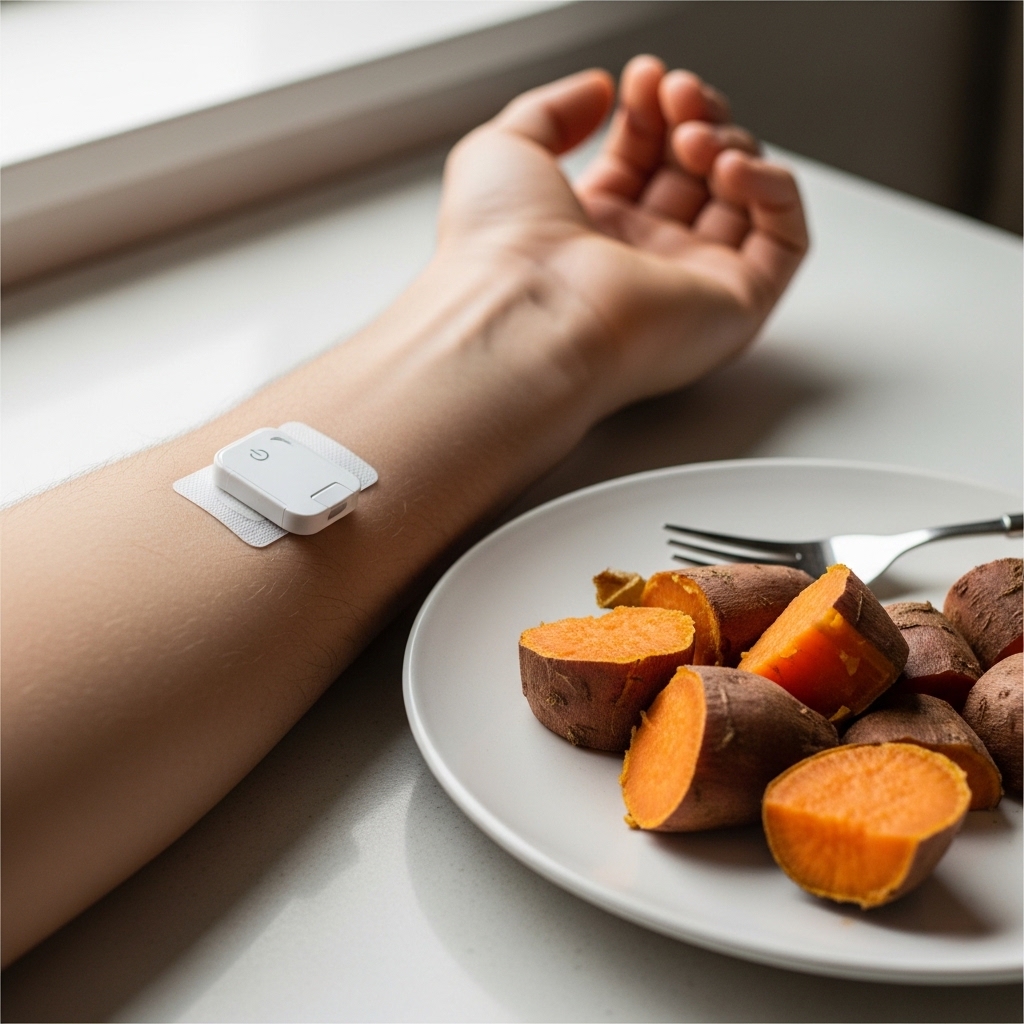
Blood sugar instability drives energy dysregulation, cognitive fatigue, and long-term metabolic dysfunction. Moreover, repeated postprandial glucose spikes promote insulin resistance over time. They also elevate triglycerides and contribute to visceral fat accumulation. Sweet potatoes, consumed in appropriate portions and prepared without added sugars, generally produce a more moderate postprandial glucose response than white potatoes or refined grain sources. Nevertheless, individual responses vary by metabolic status and preparation method.
The glycemic index of sweet potatoes varies considerably by preparation method and variety. For instance, boiled sweet potatoes tend to produce a lower glycemic response than baked ones. This difference is attributable to starch gelatinization, cell wall integrity, and moisture content during cooking. Accordingly, food science literature places boiled sweet potato glycemic index values generally in the low-to-moderate range. Published values vary across studies depending on variety and origin. By comparison, baked sweet potatoes can reach higher glycemic index values in some assessments.
The soluble fiber in sweet potatoes — primarily pectin — slows glucose absorption in the small intestine. This mechanism directly moderates the postprandial glucose curve. Over time, consistently moderate postprandial responses associate with improved insulin sensitivity and lower fasting glucose. They also associate with reduced HbA1c — a marker reflecting average blood glucose over approximately three months. As such, HbA1c serves as a meaningful proxy for long-term metabolic health.
Glycemic variability associates with impaired working memory, reduced attentional control, and mood instability. This is most clearly documented in individuals with insulin resistance or impaired glucose regulation. Evidence in metabolically healthy populations is less uniform. The general principle that stable glucose delivery supports sustained cognitive function is, however, well-grounded in neuroscience. Consequently, for executives managing high cognitive load, moderating the glucose curve carries performance relevance beyond metabolic health alone.
Resistant Starch and the Gut Microbiome
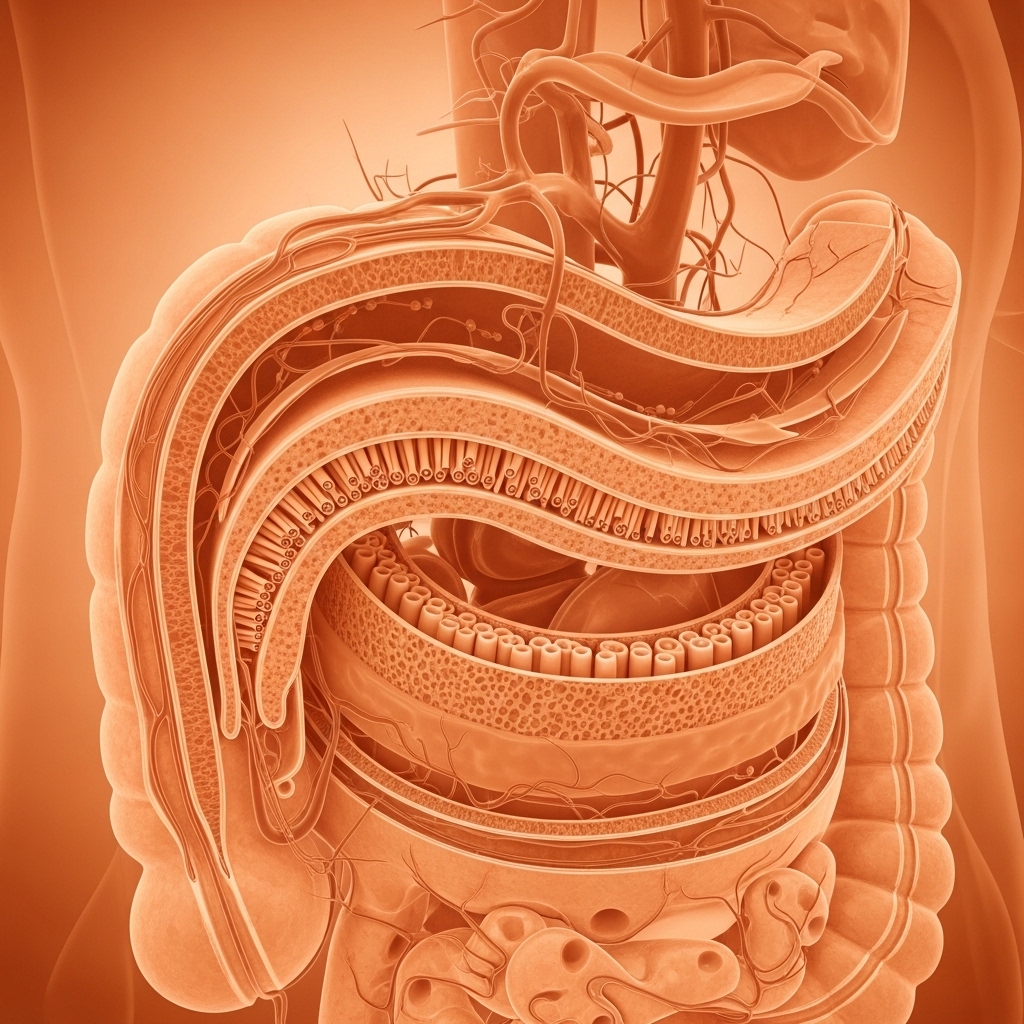
The gut microbiome has emerged as a significant variable in metabolic health, immune function, and cognitive performance. Specifically, microbiome composition influences systemic inflammatory tone, short-chain fatty acid production, and intestinal epithelial barrier integrity. In this context, resistant starch serves as a prebiotic substrate for beneficial gut bacteria. It is present in sweet potatoes and increases further when they are cooled after cooking.
When gut bacteria ferment resistant starch, they produce short-chain fatty acids, including butyrate, propionate, and acetate. Of these, butyrate serves as the primary energy source for colonocytes — the cells lining the colon. It plays a central role in maintaining intestinal barrier integrity. Significant compromise of this barrier can, in turn, allow bacterial endotoxins to enter systemic circulation. This contributes to inflammatory signaling, though the extent to which subclinical barrier dysfunction drives systemic inflammation in healthy adults remains an active area of research.
Dietary fiber and prebiotic intake associate with greater microbiome diversity in multiple human studies. Furthermore, higher diversity generally correlates with lower systemic inflammatory markers and more stable metabolic function. Research affiliated with the Harvard T.H. Chan School of Public Health supports this relationship. Effect sizes vary across populations and dietary contexts. Importantly, sweet potatoes contribute to this dietary pattern in a way that isolated fiber supplements do not fully replicate.
Gut microbiome disruption is common in high-performing professional populations. It is driven by low-fiber diets, chronic stress, inadequate sleep, and frequent antibiotic exposure. Reintroducing fermentable carbohydrate sources like sweet potatoes, therefore, supports microbiome maintenance without requiring significant dietary restructuring.
READ ALSO: Baked Sweet Potato Chips | Whole Living Eat Well
Beta-Carotene, Vitamin A, and Immune Resilience

Orange-fleshed sweet potatoes are among the richest dietary sources of beta-carotene in a standard food supply. The body converts beta-carotene to vitamin A through a regulated conversion process. This process adjusts based on existing vitamin A stores, thereby reducing the risk of excess accumulation. Vitamin A, in turn, supports epithelial tissue integrity across multiple organ systems — including the gut lining, respiratory mucosa, and skin. These systems function as primary barriers against pathogen entry.
Frank vitamin A deficiency impairs T-cell function and reduces secretory immunoglobulin A production. This is the primary antibody in mucosal immune defense. These effects are most robustly documented in populations with clinical deficiency. Evidence for immune impairment at subclinical insufficiency levels is more limited. Maintaining adequate vitamin A status through dietary sources nonetheless remains a reasonable strategy for immune support. For executives who travel frequently or experience chronic sleep disruption, dietary beta-carotene thus provides a reliable provitamin A source without supplementation risk.
Beyond immune support, beta-carotene also functions as a lipid-soluble antioxidant, protecting cell membranes from oxidative damage. This activity is particularly relevant in the context of sustained work stress, which increases reactive oxygen species production. When antioxidant intake fails to keep pace with oxidative load, cellular aging accelerates. Consequently, dietary carotenoids represent a practical, evidence-supported component of antioxidant defense within a whole-food dietary pattern.
Cellular Protection and Oxidative Stress Reduction

Oxidative stressaccumulates when reactive oxygen species production exceeds the body's antioxidant defense capacity. Chronic psychological stress, sleep disruption, processed food consumption, and environmental toxin exposure all increase this load. Over time, unmitigated oxidative stress damages lipids, proteins, and DNA. It contributes to telomere shortening, mitochondrial dysfunction, and accelerated cellular aging. Through these mechanisms, dietary antioxidant intake connects directly to biological age.
Sweet potatoes supply multiple antioxidant compounds operating across different cellular compartments. Beta-carotene and other carotenoids provide lipid-phase antioxidant protection. Vitamin C, meanwhile, provides aqueous-phase protection and additionally supports endogenous antioxidant enzyme systems including glutathione. Furthermore, polyphenolic compounds in purple-fleshed varieties — particularly anthocyanins — demonstrate antioxidant activity in both in vitro and animal research. Preliminary human data suggests similar directional effects, though the human evidence base remains less fully developed.
Research published in Food Chemistry and Journal of Agricultural and Food Chemistry documents the antioxidant capacity of sweet potato varieties across preparation methods. Purple sweet potatoes generally show higher total antioxidant capacity than orange varieties. This is attributable to anthocyanin content, though measured values vary by assay method and variety. Even so, both varieties deliver meaningful antioxidant activity. Refined carbohydrate alternatives, by contrast, provide negligible antioxidant contribution.
READ ALSO: Roasted Sweet Potato Soup with Curried Apples
Potassium, Blood Pressure, and Cardiovascular Health

Potassium is an underconsumed mineral in most Western dietary patterns, and its insufficiency carries direct cardiovascular consequences. Specifically, potassium regulates vascular smooth muscle tone and supports renal sodium excretion. It also counteracts the blood pressure-elevating effects of excess dietary sodium. A medium sweet potato provides approximately 440 to 540 milligrams of potassium depending on size. This represents a meaningful contribution toward the daily intake associated with cardiovascular protection in population research.
The cardiovascular evidence base for dietary potassium is robust. Large-scale dietary analyses and meta-analyses associate higher potassium intake with lower systolic and diastolic blood pressure. They also associate it with reduced stroke risk. Research published in The Lancet and supported by multiple longitudinal cohort studies reflects these findings. Associations hold after adjustment for other dietary variables. For executives managing elevated work-related stress — a known driver of blood pressure elevation — dietary potassium therefore represents a modifiable cardiovascular input.
Endothelial function governs vascular reactivity and blood flow regulation. It benefits from adequate potassium and vitamin C intake. Both nutrients support nitric oxide bioavailability — the molecular signal that promotes vasodilation and maintains arterial flexibility. Chronic stress, poor diet, and inflammation, however, reduce nitric oxide availability. Sweet potatoes supply both nutrients simultaneously, thereby creating compounding vascular benefit within a single whole-food source.
Anti-Inflammatory Properties and Chronic Disease Risk
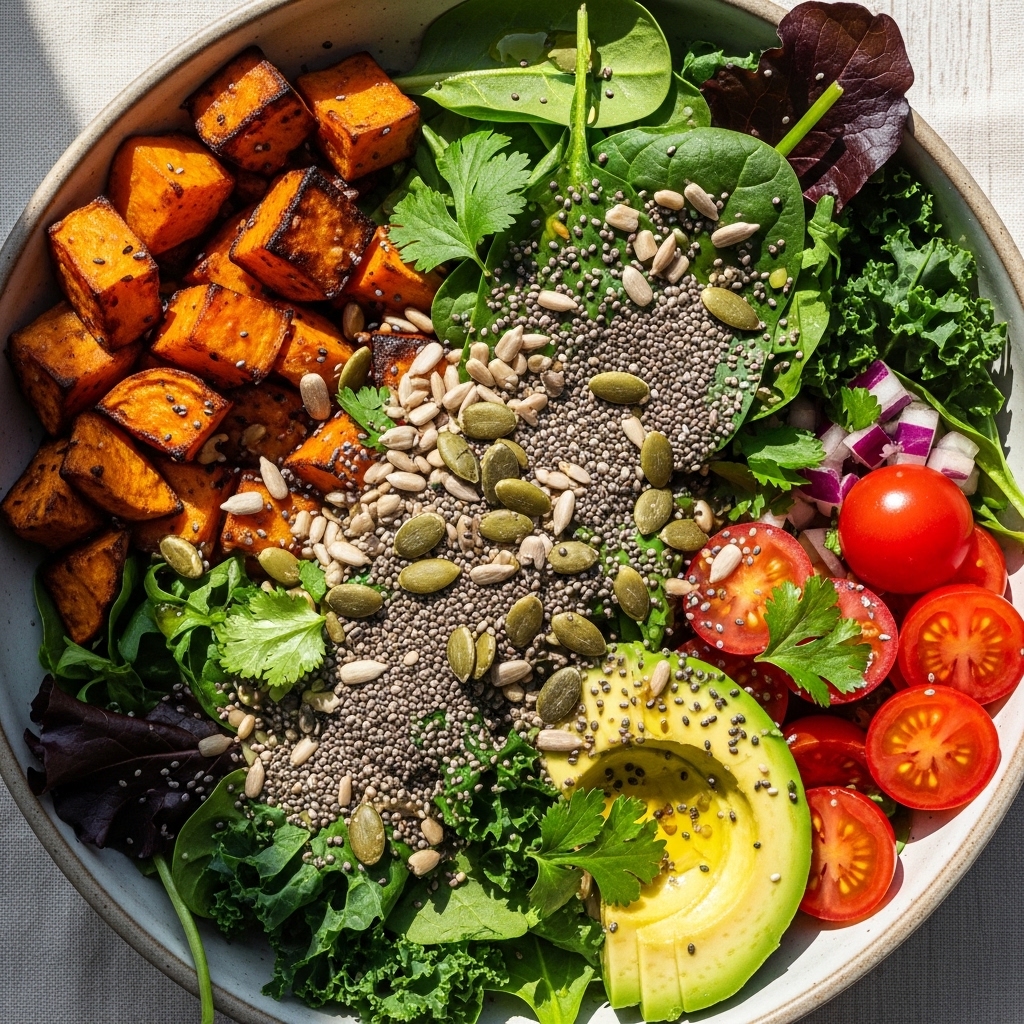
Chronic low-grade inflammation drives cardiovascular disease, metabolic syndrome, cognitive decline, and accelerated biological aging. Critically, it operates without acute symptoms, progressively impairing organ function and cellular repair mechanisms. Dietary pattern is one of the most direct modifiable contributors to systemic inflammatory tone. Whole foods with high antioxidant and fiber content suppress inflammatory signaling. Refined carbohydrates and ultra-processed foods, by contrast, promote it.
Sweet potatoes contribute to anti-inflammatory dietary patterns through multiple parallel mechanisms. Their fiber content feeds short-chain fatty acid production, which in turn supports gut barrier integrity and reduces endotoxin-driven inflammatory signaling. Similarly, their carotenoid and polyphenol content suppresses inflammatory transcription factor activity. This includes nuclear factor-kappa B, which is implicated in inflammatory gene expression across multiple chronic disease contexts. Additionally, their moderate glycemic response reduces the postprandial inflammatory surge associated with high-glycemic carbohydrate consumption.
Nutritional epidemiology research associates higher whole vegetable intake with lower circulating inflammatory markers, including C-reactive protein and interleukin-6. Cohort data from programs affiliated with the Harvard T.H. Chan School of Public Health supports this association. Sweet potatoes contribute to this protective dietary pattern as a nutrient-dense whole food. Importantly, the effect is cumulative. Consistent dietary pattern over months and years matters more than individual meal composition.
Metabolic Function and Visceral Fat Accumulation

Visceral fatfunctions as a metabolically active endocrine tissue. It secretes pro-inflammatory adipokines, promotes insulin resistance, and elevates cardiovascular risk independently of body weight. Its accumulation is driven by chronic caloric surplus, high refined carbohydrate intake, cortisol elevation, and inadequate sleep. All of these variables are common in high-performing professional populations.
Dietary fiber and resistant starch both associate with reduced visceral fat accumulation. Specifically, fiber increases satiety signaling, supporting lower overall caloric intake. Resistant starch, meanwhile, improves insulin sensitivity and reduces hepatic fat synthesis. These effects appear in both animal and human research, though effect sizes in humans vary across study populations and baseline metabolic status. Notably, these mechanisms operate partly independently of caloric content. That extends the metabolic benefit of sweet potato consumption beyond simple energy management.
Replacing refined carbohydrate sources with whole-food alternatives like sweet potatoes associates with improvements in metabolic markers. These include fasting insulin, triglycerides, and waist circumference in dietary intervention studies. For professionals managing the physiological consequences of high-stress careers, therefore, these substitutions represent a low-disruption dietary strategy. Individual outcomes depend on overall dietary pattern and baseline metabolic health.
READ ALSO: Sweet Potato-Cauliflower Gratin
Cognitive Performance and Nutritional Inputs

Cognitive performance depends on stable glucose availability, adequate micronutrient supply, and a low systemic inflammatory environment. All three conditions respond to dietary pattern, and sweet potatoes contribute to each simultaneously. Specifically, they moderate glucose delivery, supply B vitamins and antioxidants that support neurological function, and reduce the inflammatory burden that impairs synaptic plasticity and memory consolidation over time.
Vitamin B6serves as a cofactor in neurotransmitter synthesis, including serotonin, dopamine, and gamma-aminobutyric acid. Sweet potatoes provide a meaningful dietary source of B6. Subclinical B6 insufficiency associates with mood dysregulation and cognitive fatigue in some research, particularly in older adults and individuals under chronic stress. Consequently, dietary sources of B6 represent a reliable strategy for maintaining adequate status in individuals without frank deficiency.
The gut-brain axis adds a further layer of relevance. Animal research and emerging human studies suggest butyrate — produced through resistant starch fermentation — may support brain-derived neurotrophic factor expression and exert neuroprotective effects. The human evidence for this specific pathway remains preliminary. It is not yet sufficient to support strong clinical claims. It does, however, reinforce the broader rationale for whole-food carbohydrate sources over refined alternatives.
Preparation Methods and Nutritional Preservation

How sweet potatoes are prepared significantly influences their nutritional delivery. Boiling, for instance, preserves water-soluble nutrients including vitamin C and B vitamins more effectively than high-heat dry methods. It does, however, leach some soluble compounds into cooking water. Steaming, by contrast, offers a practical middle ground. It preserves water-soluble nutrients while avoiding the glycemic index elevation associated with baking and roasting. Neither method eliminates nutritional value; rather, the tradeoffs depend on which nutritional properties are prioritized.
Roasting and baking increase the glycemic index of sweet potatoes by more completely gelatinizing starches and reducing moisture content. This does not eliminate nutritional contribution. It does, however, reduce the blood sugar moderating advantage relative to boiled preparation. Adding a fat source — such as olive oil — to roasted sweet potatoes further moderates glycemic response by slowing gastric emptying. For professionals managing blood sugar stability, therefore, preparation method represents a meaningful and easily modifiable variable.
Cooling cooked sweet potatoes increases resistant starch content through retrogradation. This is a process in which gelatinized starch partially re-forms into a crystalline structure that resists enzymatic digestion. It applies to meal-prepped sweet potatoes stored in refrigeration. Reheating partially reverses retrogradation, and the degree of reversal depends on reheating temperature and method. Nevertheless, some studies indicate residual resistant starch content remains higher than in freshly cooked equivalents. Batch-cooked, refrigerated sweet potatoes therefore represent a practical strategy for maximizing prebiotic contribution.
Evidence-Based Dietary Integration for High-Performing Professionals

The evidence supports several practical integration strategies. First, replacing refined carbohydrate sources — white rice, refined bread, processed grains — with boiled or steamed sweet potatoes may reduce postprandial glucose variability and increase fiber and micronutrient density. Individual glycemic responses vary, and metabolic context matters. Second, consuming cooled, pre-prepared sweet potatoes maximizes resistant starch contribution to gut microbiome support. Third, pairing sweet potatoes with dietary fat and protein attenuates glycemic response and improves fat-soluble carotenoid absorption. Additionally, purple-fleshed varieties offer higher anthocyanin antioxidant activity for individuals prioritizing cellular protection. Finally, monitoring fasting glucose, HbA1c, CRP, and lipid panels over time provides objective benchmarks for assessing dietary pattern changes in clinical context.
UP NEXT: Baked Tomatoes, Squash, and Potatoes
Regular consumption of sweet potatoes — through their combined effects on postprandial glucose moderation, gut microbiome diversity, and cellular antioxidant defense — addresses three of the most measurable dietary drivers of accelerated biological aging, with chronic glycemic instability, low microbiome diversity, and elevated oxidative stress each independently associated with added years to biological age in longitudinal research. WholeLiving's Biological Age Estimation Model incorporates this factor directly — your assessment takes under five minutes.
Ready to understand how these factors are influencing your biological age right now? [Take the Biological Age Assessment →]