


Trauma-sensitive mindfulness is an increasingly mainstream practice that offers trauma survivors a way to heal. By weaving mindful practices into their journey, individuals can process traumatic stress in a supportive and compassionate way. However, trauma-sensitive mindfulness goes beyond traditional mindfulness. It specifically recognizes the impact that trauma can have on the body and mind. Consequently, this practice is tailored to provide safe and transformative healing. It allows those with trauma histories to engage without the risk of exacerbating their symptoms.
Mindfulness Practices
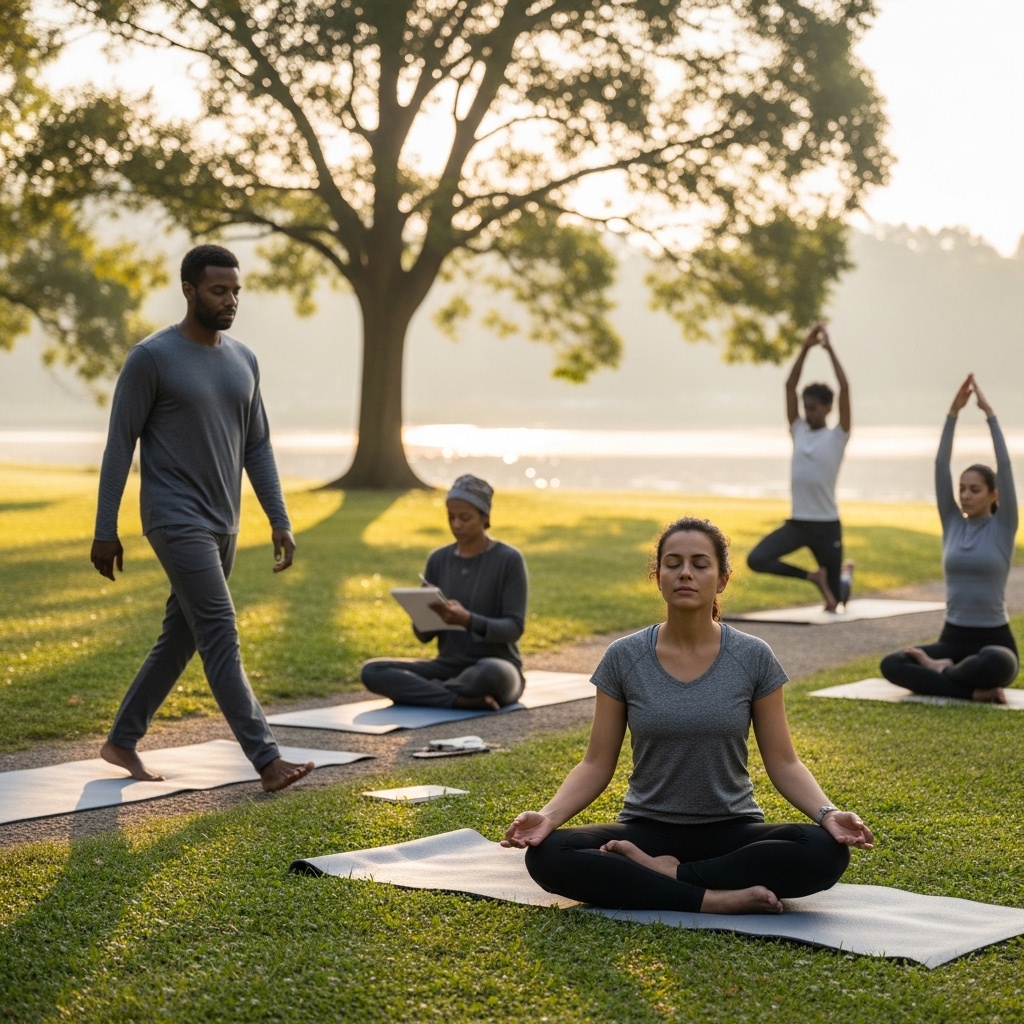
Mindfulness practices have become an increasingly mainstream practice. They are now found everywhere, from elementary schools to psychotherapy offices. As more people turn to mindfulness as a proven tool for managing stress, it’s important to recognize a key fact. Trauma remains a significant part of many individuals’ lives. In fact, research shows that up to 20% of people may develop posttraumatic stress after experiencing a traumatic event.
While mindfulness is widely celebrated for its ability to reduce stress, trauma creates stress of a different magnitude. Specifically, this can lead to symptoms of traumatic stress such as flashbacks, anxiety, and emotional overwhelm. For those who have suffered trauma, traditional mindfulness practices may inadvertently exacerbate symptoms of traumatic stress if not approached with care. Therefore, it is essential to develop mindfulness practices that prioritize safe and transformative healing. By adapting mindfulness to meet the needs of trauma survivors, we can ensure that the benefits of mindfulness are accessible to everyone. Ultimately, this supports lasting recovery and well-being.
READ ALSO: Fighting Depression with Natural Remedies
Understanding Trauma and Its Impact

The majority of people will experience a traumatic event in their lifetime. Furthermore, up to 20% will develop posttraumatic stress. Trauma creates stress, deeply affecting the mind and body. Traumatic events, whether experienced in childhood or adulthood, can lead to posttraumatic stress (PTS). When someone experiences a traumatic event, their nervous system can become dysregulated. This often leads to intense emotional reactions and memories.
Fortunately, trauma-sensitive mindfulness allows for a grounded, therapeutic approach. It helps individuals feel safe and supported. Thus, it’s a practical tool that helps trauma survivors regain control over their responses to stress. Many survivors of trauma develop posttraumatic stress and experience flashbacks, hypervigilance, and anxiety. Mindfulness practices, especially when adapted for trauma recovery, offer a practical therapeutic wisdom. This supports trauma professionals and survivors alike. Moreover, trauma-sensitive mindfulness practices can help individuals cultivate sustained attention. They also facilitate an insightful and concise review of their inner world.
Five Key Principles of Trauma-Sensitive Mindfulness
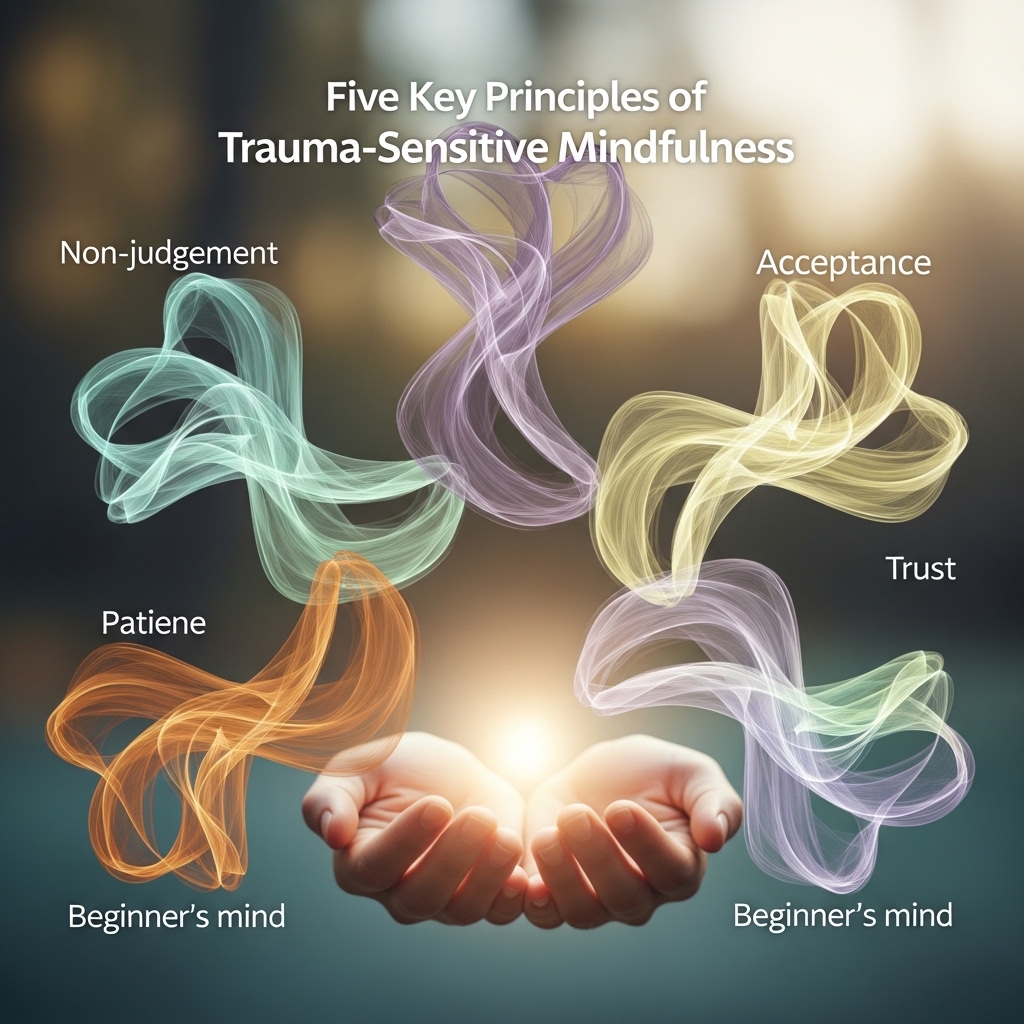
Educator David Treleaven shows in his book Trauma-Sensitive Mindfulness that adapting mindfulness for trauma survivors requires specific attention to safety and comfort. There are five key principles that guide trauma-sensitive mindfulness practices: Safety and Stabilization: Ensuring the survivor feels safe while practicing mindfulness is essential. Without a sense of security, mindfulness can trigger or exacerbate symptoms of traumatic stress. Pacing and Autonomy: It is important to honor the pace of the survivor. Trauma-sensitive mindfulness respects the autonomy of the individual. Therefore, it allows them to proceed at their own pace.
Trauma often manifests physically. Mindfulness encourages individuals to develop awareness of their body’s sensations in a wise and healing way. Grounding Techniques: These techniques help survivors reconnect with the present moment. This is vital when experiencing flashbacks or dissociation. Compassionate Support: Mindfulness teachers and trauma professionals must offer compassionate support. They must recognize the emotional complexity of trauma recovery. By weaving these principles into the practice, mindfulness teachers and trauma professionals can create a safe and transformative healing environment for trauma survivors.
The Power of Mindfulness Meditation in Trauma Recovery

Mindfulness meditation, often practiced through techniques like vipassana, offers a profound way to explore the inner world. It is also a way to engage in healing sexual trauma or suffered trauma. For those who have endured traumatic stress, mindfulness provides a structured, proven tool. It allows them to access and release deep-seated emotions. Furthermore, clinical experience plays a crucial role in informing trauma-sensitive mindfulness practices. This ensures they are safe and effective for trauma survivors.
David Treleaven's book, Trauma-Sensitive Mindfulness, provides insights into the histories of mindfulness and trauma. Additionally, it shows how modern neuroscience shapes our understanding of both. Treleaven illustrates how mindfulness can help or hinder trauma recovery through grounded scholarship and wide-ranging case examples. He demonstrates the practical application of these principles across diverse settings. The mindful awareness cultivated through meditation helps individuals stay present with difficult feelings and bodily sensations. Consequently, they can do so without becoming overwhelmed. Mindfulness meditation allows for a groundbreaking and practical approach in managing traumatic stress. It enables trauma survivors to regain agency over their emotional and physiological responses.
Through mindfulness training, individuals can build mental health resilience. Gradually, they reduce the intensity of flashbacks and other symptoms of traumatic stress. Trauma-sensitive mindfulness practices offer a secular mindfulness approach. This does not require any particular belief system. Instead, it encourages healing in clinically useful methods.
Mindfulness-Based Stress Reduction: A Path to Trauma Healing
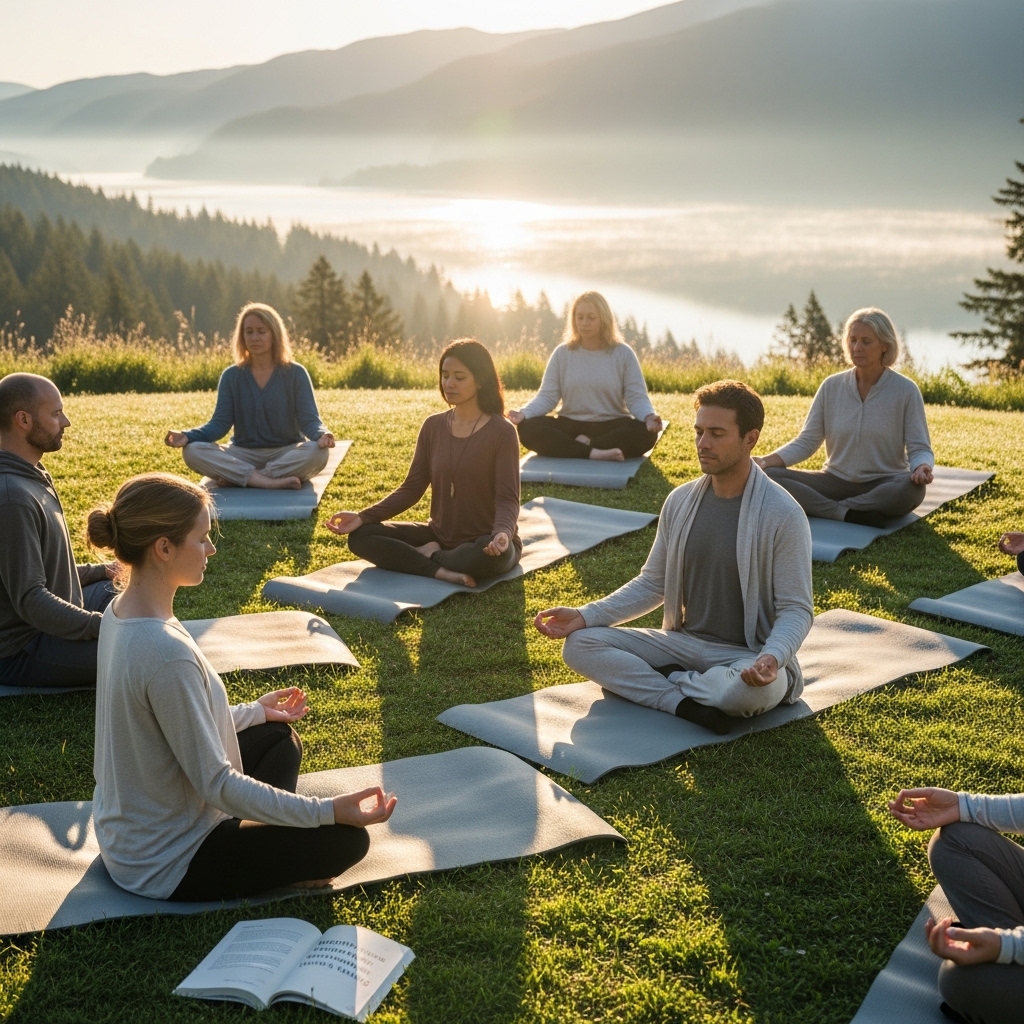
Mindfulness-based stress reduction (MBSR) is a well-regarded practice that helps individuals manage stress. It is particularly useful for the stress linked to trauma. By combining mindfulness meditation with practical neuroscience, MBSR helps regulate the body’s stress response. As a result, many trauma survivors find MBSR to be a valuable tool for healing from trauma.
When integrated with trauma-informed practices, MBSR has proven to be highly effective in trauma recovery. Mindfulness teachers trained in MBSR can equip trauma survivors with specific tools. These allow them to engage with their bodies and emotions safely. Importantly, this occurs without the risk of re-traumatization. These techniques facilitate trauma recovery through mindfulness, promoting safe and transformative healing.
How Trauma-Sensitive Mindfulness Supports Survivors’ Safety

Supportive mindfulness environments are essential for trauma recovery. For trauma survivors, it is important to feel safe enough to experience their emotions. They must be able to do this without fear of overwhelming flashbacks or emotional flooding. Therefore, trauma-sensitive mindfulness practices prioritize the safety of survivors. They focus on adjustments and principles that reduce the risk of re-traumatization while encouraging healing. Mindfulness teachers and trauma professionals play a key role in guiding survivors through this sensitive process.
By practicing trauma-sensitive mindfulness, survivors can gradually strengthen their ability to process emotional experiences. They can do this while staying grounded in the present. Various strategies and modifications make mindfulness safer and more effective for trauma survivors.
These adaptations ensure that individuals can engage in mindfulness without reliving the intense emotions of their trauma. For instance, the book outlines 36 specific modifications aimed at enhancing safety and stability for survivors in their mindfulness practice.
The Role of Mindfulness Teachers and Training
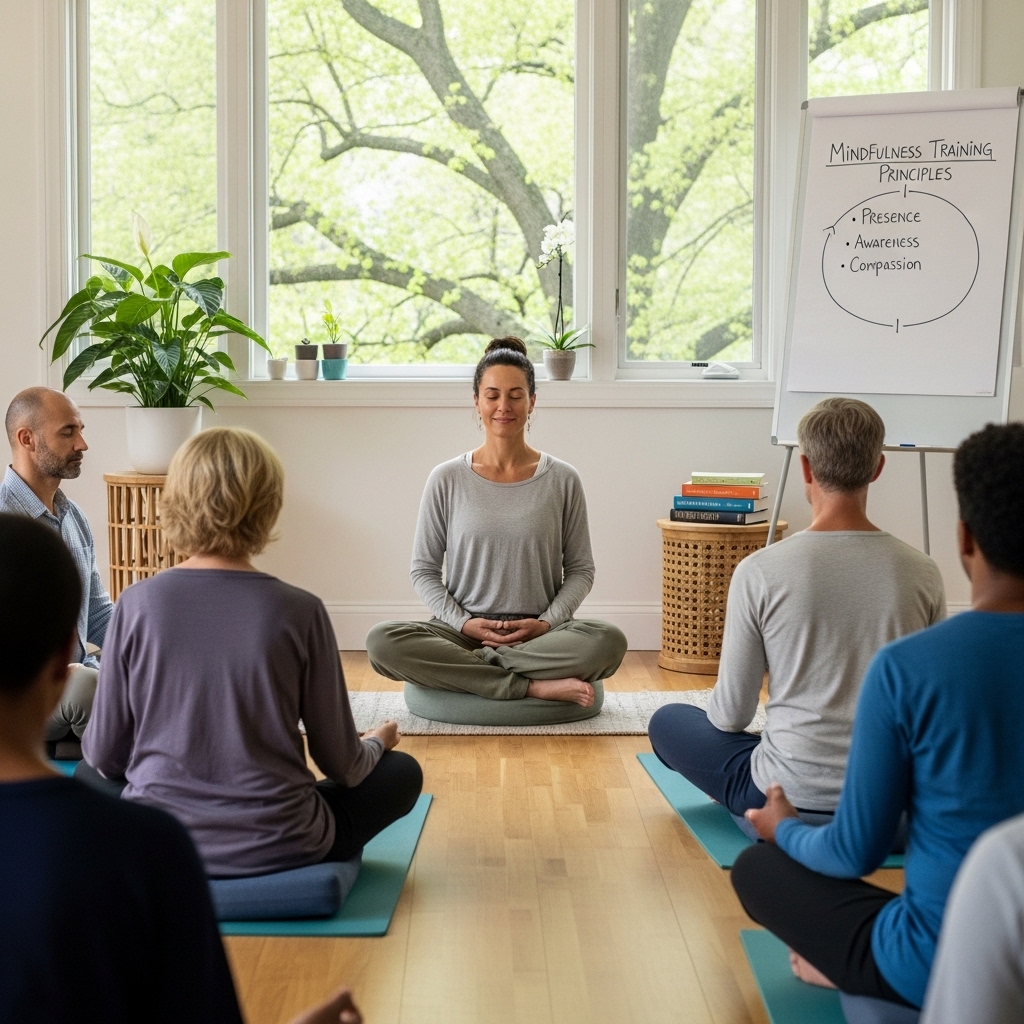
Mindfulness teachers are at the heart of creating safe spaces for trauma survivors to practice mindfulness. To truly support those with trauma histories, teachers must be well-versed in trauma-informed practice. Furthermore, they must understand the potential dangers that mindfulness meditation can pose for individuals with traumatic stress. As educator David Treleaven shows, sustained attention to the inner world during mindfulness meditation can be risky. Sometimes, it triggers flashbacks, dissociation, or even retraumatization in trauma survivors.
This is why it’s crucial for mindfulness teachers to receive specialized training. This training equips them with practical therapeutic wisdom and a solid grounding in modern neuroscience. By understanding the five key principles of trauma-sensitive mindfulness—attention, arousal, relationship, dissociation, and social context—teachers can adapt their approach. They can meet the unique needs of each individual. Sensitive mindfulness is not just about following a script. Rather, it’s about being attuned to the inner world of trauma survivors. Teachers must respond with flexibility and care. With this knowledge, mindfulness teachers can safely guide survivors through mindfulness practice. This supports their journey toward healing in a trauma-sensitive and empowering way.
READ ALSO: 10 Best Stress Busters
Creating a Supportive Environment

A supportive environment is essential for trauma survivors to engage in mindfulness practice safely and effectively. Mindfulness teachers and trauma professionals must be attuned to the broader social context. They must recognize how systemic oppression and life circumstances can shape trauma experiences. Sensitive mindfulness means being aware of each individual’s “window of tolerance.” This is the optimal zone where they can process experiences without becoming overwhelmed or shutting down.
To promote safe and transformative healing, mindfulness practitioners should encourage flexibility in practice. For example, this might mean allowing survivors to recenter, shift their attention, change posture, or pause the practice whenever needed. Trauma-sensitive mindfulness practices are designed to empower survivors. It gives them agency and choice throughout their healing journey. Teachers prioritize a wise and healing way of practicing mindfulness. They also ground their approach in practical neuroscience and clinically useful methods. In doing so, mindfulness teachers and mental health practitioners can create environments where trauma survivors feel supported, respected, and truly safe to heal.
Integrating Trauma-Sensitive Mindfulness Into Psychotherapy

Mindfulness practices, especially those adapted for trauma, can be integrated into psychotherapy offices to help survivors heal. For instance, mindfulness meditation in psychotherapy offices highlights the importance of trauma-sensitive practices. This ensures safety and effectiveness for trauma survivors in therapeutic settings. Mindfulness meditation is an increasingly mainstream practice in various settings, including schools and psychotherapy offices. Psychotherapy and mindfulness have increasingly become complementary approaches to mental health. When combined, they offer a comprehensive solution to trauma recovery. This supports trauma professionals in their work with trauma survivors.
Through mindfulness meditation and trauma-sensitive approaches, therapists can help individuals build emotional resilience and mental health. This combined approach helps mindfulness teachers guide survivors in a practical and protective strategy. Importantly, it doesn’t overwhelm them. The mindfulness principles are integrated seamlessly into psychotherapy. Consequently, this allows trauma survivors to access healing from both the mind and the body.
READ ALSO: Stress-Free Holidays
Trauma-Sensitive Mindfulness for Mental Health Practitioners
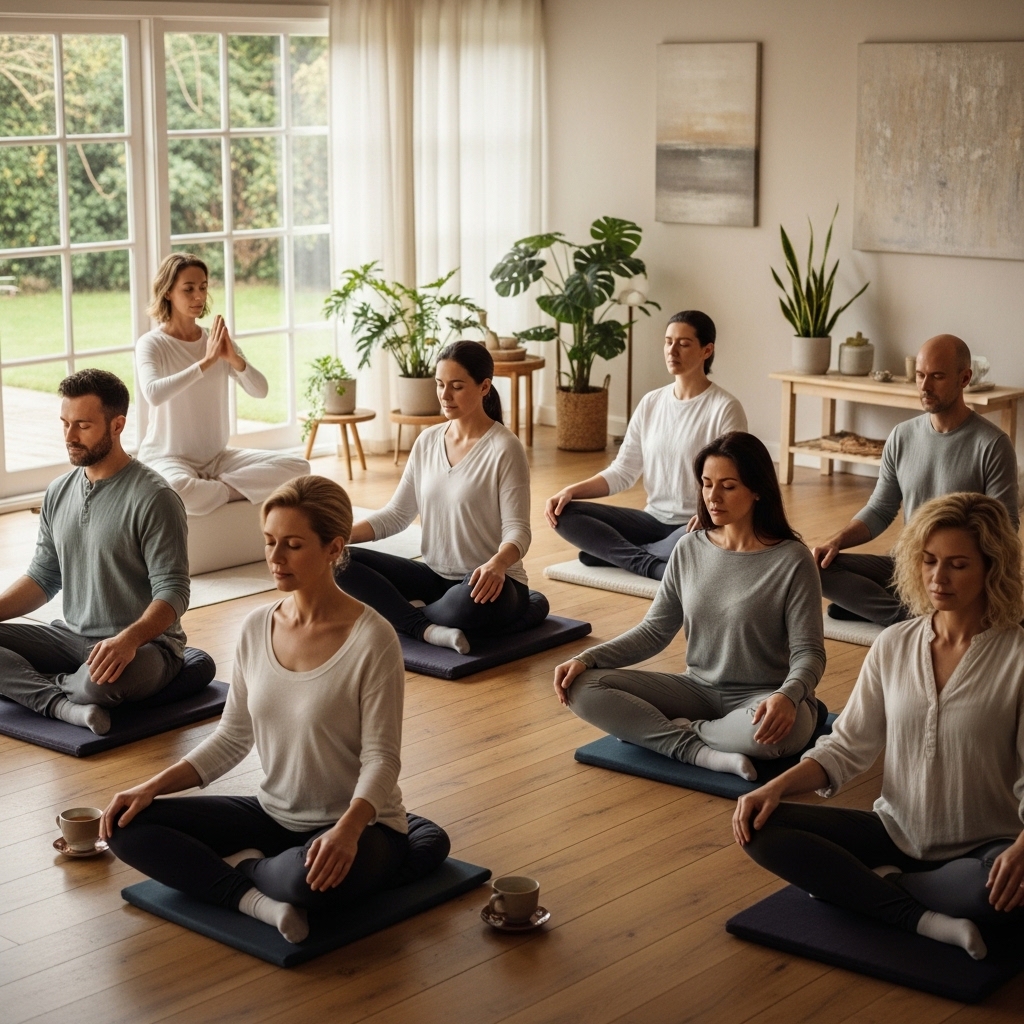
Trauma-sensitive mindfulness is not just a practice for survivors. It is also a valuable tool for mental health practitioners who work with individuals suffering from trauma. Trauma professionals can benefit from learning how to practice mindfulness in their own lives. This allows them to create more grounded, empathetic spaces for their clients.
By incorporating trauma-sensitive mindfulness practices, therapists can learn how to support clients in a safe and transformative healing way. In this process, mindfulness teachers can encourage mental health practitioners to use their own mindfulness techniques. This helps prevent burnout and increase self-awareness in clinical settings.
Practical Mindfulness for Trauma Survivors in Everyday Life

One of the most powerful aspects of mindfulness practices for safe and healing sexual trauma is that it can be done anywhere. A mindfulness practitioner can practice mindful breathing, meditation, and body awareness in their daily lives. Ultimately, this brings a sense of calm and clarity.
Trauma-sensitive mindfulness practices make mindfulness accessible to anyone, regardless of their history with traumatic events. When teaching mindfulness to trauma survivors, it is essential to use trauma-sensitive approaches. This ensures safety, inclusivity, and support for healing. Whether you are at home, at work, or out in public, anywhere mindfulness can help you stay connected to the present moment. It offers a refuge from overwhelming thoughts or feelings. With practical therapeutic wisdom, trauma survivors can cultivate their own practices. Thus, they create a sense of peace in their day-to-day lives.
Embracing Mindfulness for Lasting Healing

As you explore the transformative power of trauma-sensitive mindfulness, remember that healing is a journey. It requires patience, compassion, and support. The mindfulness-based stress reduction techniques, when adapted for trauma recovery, provide a profound path to emotional balance and peace. Mindfulness teachers and trauma professionals guide you through the healing process. They provide a safe space for trauma survivors to explore their inner world and process their emotions.
The journey of safe and transformative healing may challenge you. However, it also holds hope and possibilities. By practicing mindfulness, you can unlock your body’s innate ability to heal. You can find peace amidst the storm. Finally, you can live a life full of presence and grace. The healing power of mindfulness is always within reach.