

Most facial cleansers — regardless of formulation — leave the skin surface in a transiently alkaline state. This disrupts the acid mantle and creates a recovery window during which barrier permeability is measurably elevated. For executives managing chronic stress loads, this window compounds an already compromised barrier environment. Specifically, cortisol suppresses ceramide synthesis, TEWL rises, and localized cytokine activity increases. A pH-correcting facial toner applied immediately after cleansing closes this window by restoring skin surface pH toward its optimal range of 4.5 to 5.5. This is not a cosmetic refinement — it is a targeted intervention in the barrier recovery sequence. In effect, it determines the skin's capacity to function as an effective immunological interface.
What a Toner Actually Does: Beyond the Marketing Definition
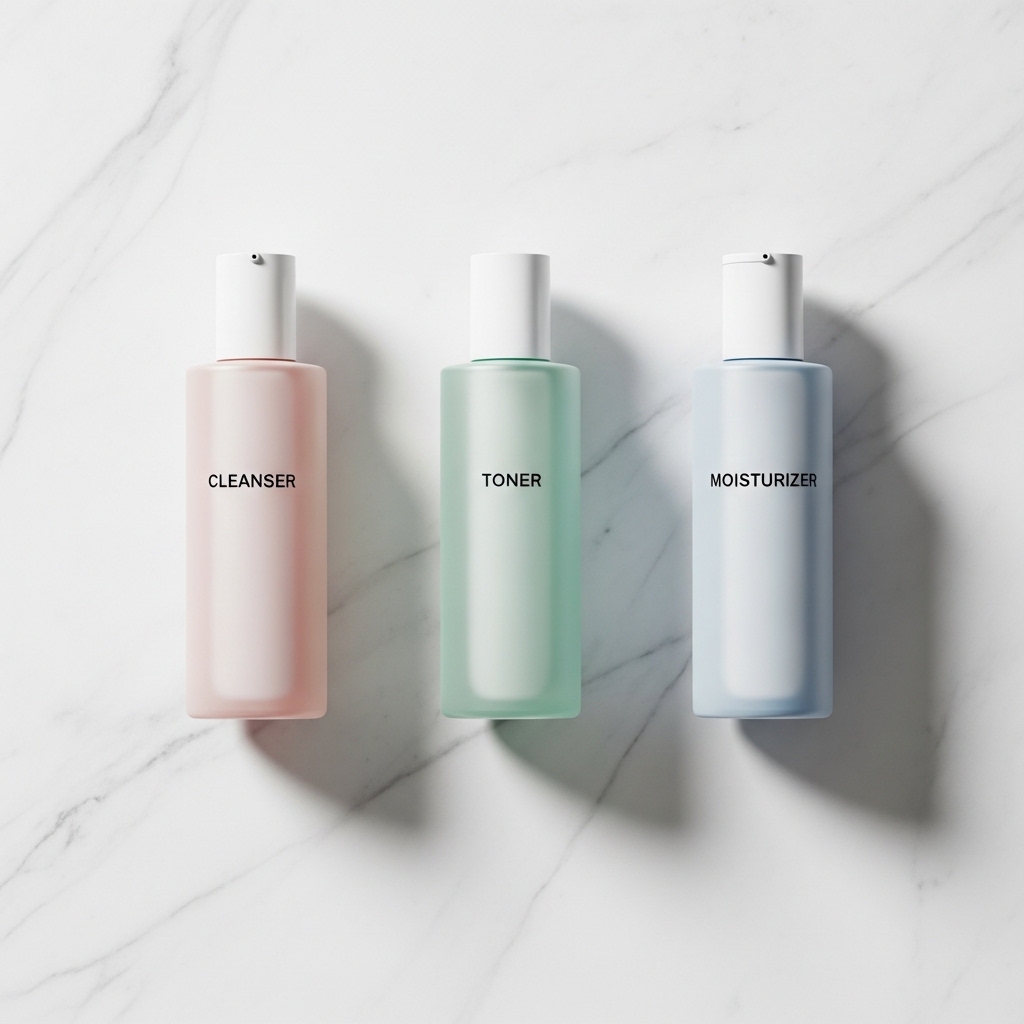
The term “toner” covers a wide range of formulations with meaningfully different mechanisms. In clinical dermatology, a toner functions as a leave-on aqueous preparation. It applies after cleansing and before moisturisation. Its primary evidence-based roles are pH restoration, residual surfactant removal, and skin surface preparation for subsequent active ingredient absorption. The category has historically suffered from poor differentiation in consumer communication.
Early alcohol-based astringent toners — common in mid-twentieth century skincare — actively disrupted barrier function under the guise of deep cleansing. Contemporary pH-correcting and hydrating toners operate through entirely different mechanisms. Conflating these formulation categories produces confusion about genuine physiological benefit. The evidence supports a clear distinction: alcohol-dominant formulations cause measurable barrier disruption, while pH-optimised, humectant-containing formulations support barrier recovery and downstream product efficacy.
This distinction carries practical consequence for ingredient sequencing. A toner's aqueous base also serves as a conditioning medium for the skin surface, modifying surface tension and hydrophilicity in ways that influence how the next applied product distributes and adheres. Formulations selected without regard to this preparatory function may deliver their active payloads against an unprepared substrate, reducing contact uniformity and limiting the consistency of clinical outcomes across daily applications.
The pH Recovery Window After Cleansing
Skin surface pH sits at approximately 4.5 to 5.5 under normal conditions. It rises transiently after cleansing. The dermatological literature documents this effect most consistently with conventional soap and high-pH cleanser use. With pH-compatible syndet cleansers, the magnitude of post-wash pH elevation is generally smaller. Some degree of transient disruption still occurs.
The duration of passive pH recovery varies considerably across studies and individuals. Water hardness, ambient conditions, skin type, and baseline barrier integrity all influence it. Published research documents recovery timelines ranging from under 30 minutes to several hours. During this window, the acid mantle is partially compromised. Serine protease activity — responsible for corneocyte desquamation and barrier self-repair — operates suboptimally at elevated pH. A pH-correcting toner applied promptly after cleansing compresses this recovery window. It restores surface conditions closer to physiological baseline before subsequent product application or environmental exposure.
Kallikrein-related peptidases, the specific serine proteases most implicated in stratum corneum homeostasis, exhibit pH-dependent activity curves that shift materially within the 5.5 to 7.0 range — a window readily reached post-cleanse. Elevated pH also reduces the activity of endogenous antimicrobial peptides produced by keratinocytes, creating a transient reduction in surface innate immunity that extends beyond lipid barrier mechanics alone. These converging effects reinforce the case for active pH management rather than passive recovery.
Residual Surfactant Removal and Its Barrier Relevance
Rinsing after cleansing does not reliably remove all surfactant residue from the skin surface. Research in Contact Dermatitis and related occupational dermatology literature documents measurable residual surfactant activity on skin following standard cleansing and rinsing. The clinical significance of this residue in healthy adults using rinse-off consumer cleansers is less precisely established. Much of the relevant literature examines occupational or prolonged-contact exposures rather than everyday consumer use.
The mechanism is nonetheless coherent. Residual surfactants continue to interact with stratum corneum lipids after rinsing. This produces ongoing low-level disruption extending beyond the cleansing event itself. A water-based toner applied post-cleanse dilutes and displaces residual surfactant activity on the skin surface. For professionals using high-surfactant cleansers, this represents a plausible and mechanistically supported benefit. The magnitude of effect in healthy adult skin requires further direct investigation.
Surfactant binding affinity to stratum corneum proteins is a further variable that rinsing alone does not address. Sodium lauryl sulphate, among the most studied model irritants in percutaneous absorption research, binds keratin structures within the corneocyte matrix rather than remaining exclusively at the surface. Dilution by an applied aqueous toner phase may reduce the local concentration gradient driving continued lipid extraction, even where full surfactant removal is mechanistically impossible. The clinical significance of this gradient reduction in consumer-use contexts remains an open research question.
READ ALSO: Best Makeup Toner To Keep Pores In Check
Humectants, Hydration, and Barrier Preparation
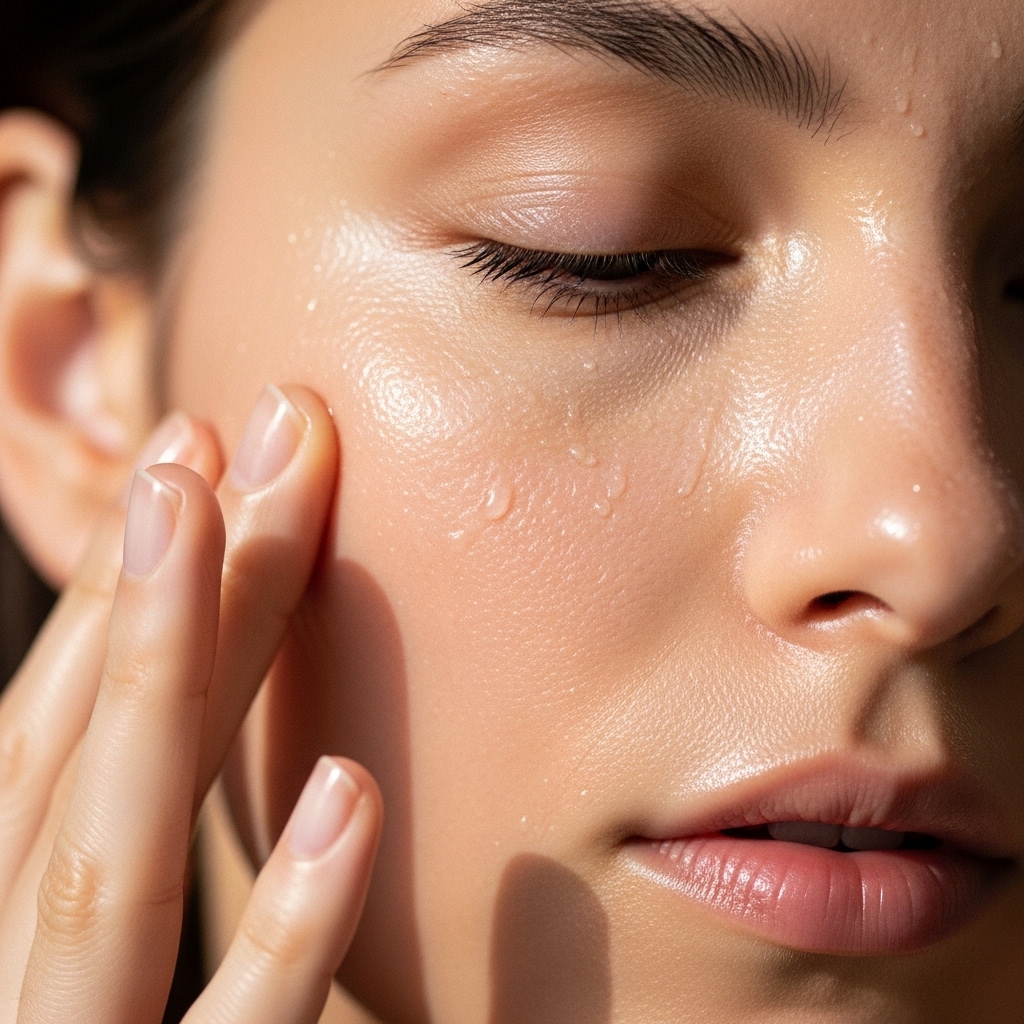
Toner formulations containing humectant ingredients — glycerin, hyaluronic acid, betaine, and related compounds — deliver an initial hydration layer to the post-cleanse skin surface. The dermatological biophysics literature consistently documents the relationship between stratum Corneum water content and barrier integrity. Reduced water content associates with irregular corneocyte desquamation, disrupted barrier lipid organization, and declining serine protease activity. The specific threshold at which these dysfunctions become clinically significant varies across studies. No single universally accepted water content cutoff exists in the published literature.
Applying a humectant-containing toner promptly after cleansing initiates water binding in the outermost skin layers. This occurs before evaporative loss reduces the post-wash moisture benefit. Research in atopic dermatitis management supports the principle that humectant application timing post-wash affects stratum corneum water content outcomes. That finding derives from compromised barrier conditions. The benefit in healthy adult skin represents a mechanistic extrapolation rather than a directly demonstrated equivalent effect.
The molecular weight of the humectant compounds in a given formulation further determines where in the stratum corneum water-binding activity occurs. High-molecular-weight hyaluronic acid operates primarily at the skin surface, while low-molecular-weight fragments and smaller humectants such as glycerin access deeper corneocyte layers. Formulations combining both fractions are positioned to deliver hydration across a broader stratum corneum depth profile — though penetration behavior in vivo is influenced by vehicle composition, skin temperature, and individual barrier status in ways that in vitro data do not fully capture.
Toner as a Delivery Vehicle for Active Ingredients
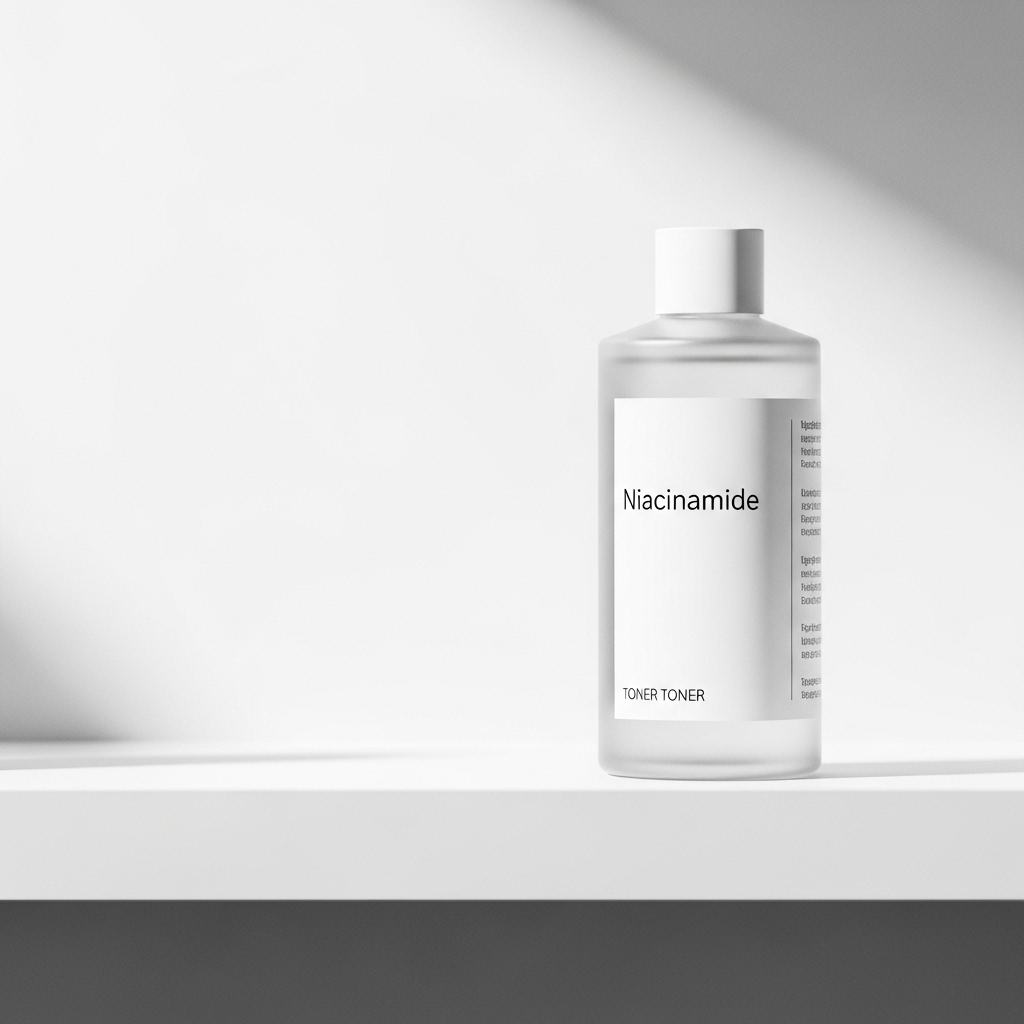
The post-cleanse, pre-moisturiser application window carries physiological relevance for active ingredient delivery. Following cleansing, the skin surface enters a state of partial barrier disruption. Toners containing low-molecular-weight actives — including niacinamide, panthenol, and certain antioxidant compounds — may achieve meaningful epidermal penetration during this window.
This is a mechanistically plausible inference based on barrier permeability principles. Controlled penetration studies comparing post-cleanse versus baseline application timing in healthy adults have not directly established it. Niacinamide has documented barrier-supportive effects through ceramide synthesis stimulation. Research published in the British Journal of Dermatology examining topical nicotinamide application establishes this mechanism. The sequencing rationale — applying low-molecular-weight actives before occlusive moisturisers seal the surface — aligns with established percutaneous absorption principles. The specific magnitude of the timing benefit in healthy skin has not been precisely quantified.
Panthenol, the provitamin form of pantothenic acid, is converted to pantothenic acid within keratinocytes and supports coenzyme A-dependent lipid synthesis pathways relevant to barrier recovery. Its low molecular weight and water solubility make it well-suited to aqueous toner delivery in this window. The concentration at which panthenol produces measurable barrier outcomes in topical application varies across formulation studies, and its effects in combination with humectants or other barrier-actives have not been comprehensively characterised in healthy adult skin under controlled post-cleanse conditions.
The Alcohol Problem: When Toners Damage Rather Than Restore
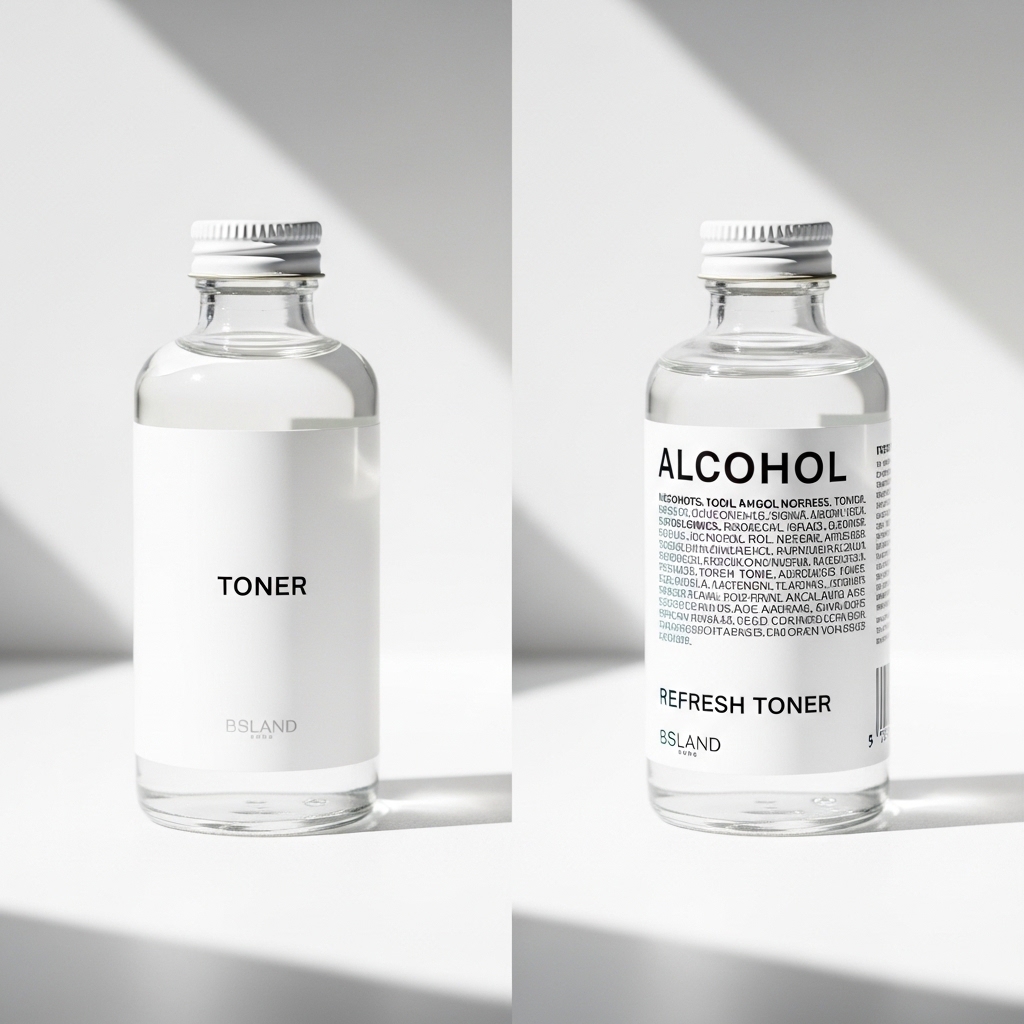
Alcohol-containing toners — particularly those with ethanol or isopropyl alcohol at higher concentrations — produce measurable barrier disruption. Dermatological research examining contact irritants documents this clearly. At concentrations relevant to skin physiology, simple alcohols dissolve barrier lipids and produce acute TEWL elevation. This elevation can persist for hours post-application.
The claim that alcohol denatures stratum corneum proteins applies most accurately to high-concentration industrial or clinical exposures. It does not translate directly to cosmetic formulation concentrations. At those concentrations, lipid dissolution and TEWL elevation are the more consistently documented disruption mechanisms. The subjective tightness and temporary pore reduction that alcohol-based toners produce reflect surface-level protein contraction — tissue stress rather than barrier restoration. For professionals managing cortisol-mediated barrier suppression, alcohol-based toner use compounds barrier compromise rather than addressing it.
The vehicle effect of alcohol also warrants separate consideration from its direct irritant action. Ethanol functions as a penetration enhancer by transiently fluidising intercellular lipids in the stratum corneum, which increases the permeability of co-formulated ingredients. In this context, an alcohol-containing toner applied to a post-cleanse surface elevates the penetration not only of intended actives but of fragrance compounds, preservatives, and other formulation constituents simultaneously — a dynamic that amplifies sensitisation risk on an already-compromised surface.
READ ALSO: Facial Wash for Oily Skin Everyone’s Secretly Using
Cortisol, Stress Physiology, and the Post-Cleanse Barrier State

The post-cleanse skin surface does not exist in isolation from systemic stress physiology. Cortisol suppresses ceramide synthesis — the primary mechanism through which the stratum corneum maintains its lipid matrix and barrier cohesion. Research groups at the University of California San Francisco have documented that acute stress induction measurably slows skin barrier recovery rates in healthy adult subjects.
For high-performing professionals, chronically elevated cortisol from occupational demand already reduces the skin's intrinsic barrier recovery capacity. The post-cleanse pH recovery window consequently extends longer. Residual surfactant disruption produces more pronounced and sustained barrier compromise than in a lower-cortisol physiological state. A pH-correcting, humectant-containing toner applied consistently after cleansing provides external support for a recovery process that chronic stress has internally compromised.
Glucocorticoid receptors are expressed in keratinocytes, and their sustained activation under chronic cortisol exposure downregulates the expression of filaggrin — a structural protein essential to corneocyte compaction and natural moisturising factor production within the stratum corneum. Reduced filaggrin expression impairs the skin's capacity to retain water independently of external humectant input. This creates a compounding deficit where systemic stress physiology simultaneously degrades the barrier's structural proteins and suppresses the lipid synthesis needed to maintain its permeability function, reinforcing the rationale for consistent topical support.
Inflammation, Biological Age, and the Cumulative Barrier Input
Chronic low-grade inflammation drives epigenetic age acceleration across multiple biological measurement systems. These include the Horvath DNA methylation clock and telomere attrition measures. Skin barrier disruption contributes to this inflammatory load. It does so by elevating local cytokine activity, activating toll-like receptors in the dermis, and triggering innate immune responses.
Twice-daily barrier disruption from cleansing — extended over years without active pH restoration — represents a cumulative inflammatory input. Within the framework of allostatic load, this input warrants consideration alongside other modifiable variables. Peer-reviewed research across psychoneuroimmunology and dermatological immunology consistently links chronic inflammatory signalling to accelerated biological aging and elevated metabolic and cardiovascular disease risk. Professionals tracking high-sensitivity C-reactive protein within a longevity protocol benefit from accounting for modifiable inflammatory inputs at every tier.
Among the cytokines elevated by repeated barrier disruption, interleukin-1 alpha merits particular attention. It is constitutively present in keratinocytes and released into the local environment upon barrier perturbation. At the systemic level, chronically elevated interleukin-1 signalling is associated with downstream activation of the NLRP3 inflammasome pathway, which has been independently linked to accelerated biological aging in longitudinal cohort data. Barrier-disruption-derived cytokine activity therefore connects to the same mechanistic pathways targeted by anti-inflammatory longevity interventions — making it a logical variable to address within an integrated protocol.
The Microbiome Consideration
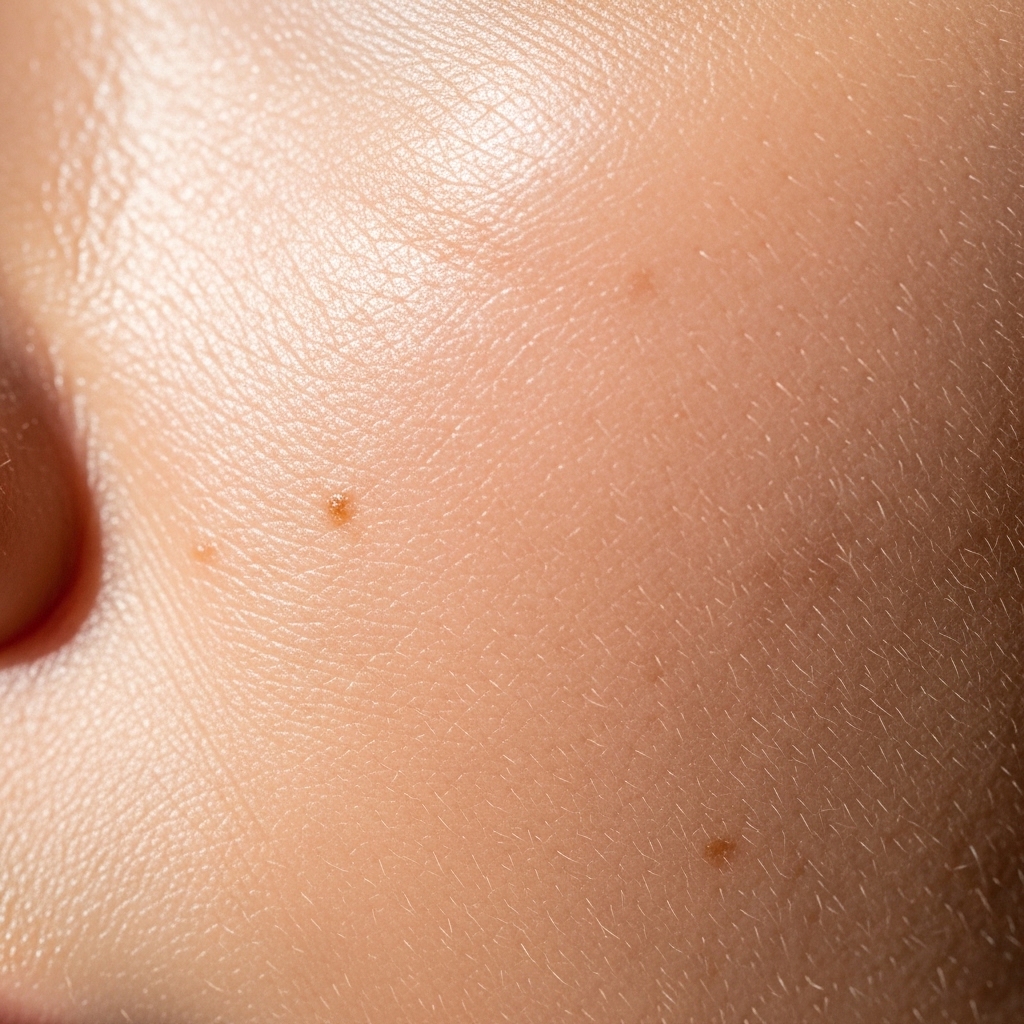
The cutaneous microbiome — the community of commensal bacteria, fungi, and viruses on the skin surface — is pH-sensitive in its composition and function. Staphylococcus epidermidis is a major beneficial commensal organism of facial skin. It produces fatty acids that contribute to acid mantle integrity and competitively inhibit certain pathogenic species. Cutaneous microbiome research documents these functions. The microbiome is diverse and site-dependent — characterizing S. epidermidis as the singular primary coloniser overstates its individual role.
The most direct evidence linking alkaline pH conditions to microbiome disruption derives from atopic dermatitis research, where barrier compromise is already pathological. In healthy adults, the clinical significance of transient post-cleanse pH elevation on microbiome balance is less precisely established. It represents a mechanistically coherent inference rather than a directly demonstrated effect. A pH-correcting toner restores the surface environment associated with beneficial microbiome composition more rapidly than passive recovery alone.
The relationship between the microbiome and barrier function is bidirectional in ways that compound the significance of pH management. Commensal organisms, including S. epidermidis, produce serine protease inhibitors that modulate desquamation and suppress excessive keratinocyte inflammation — functions that depend on a surface environment compatible with commensal colonisation. Disruption of this community, even transiently, attenuates these microbe-derived regulatory inputs and may extend the functional recovery window beyond what pH restoration alone predicts.
READ ALSO: Dry Skin Moisturizer Tips for Soft, Nourished Skin
Morning Versus Evening Application: Distinct Functional Rationales
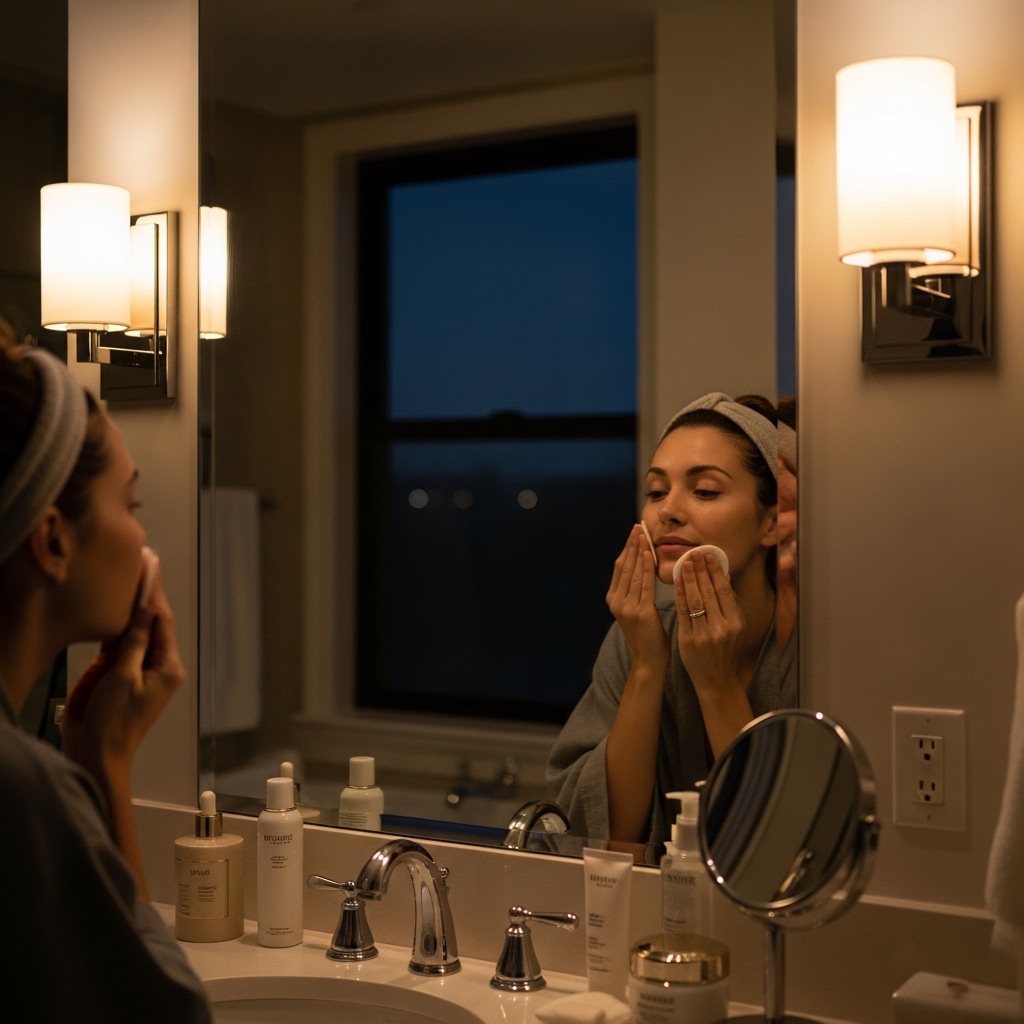
The functional rationale for toner application differs between morning and evening contexts. Evening application follows cleansing that removes accumulated daily residue — urban pollution, oxidised sebum, and topical product components. The post-cleanse skin surface at this point has experienced maximal daily barrier challenge. Toner application addresses pH restoration, residual surfactant displacement, and barrier preparation for nocturnal regenerative activity.
Circadian research documents that skin barrier lipid synthesis and cellular turnover accelerate during sleep. The precise timing varies with individual sleep architecture. Optimising the barrier environment before this regenerative window carries the greatest compounding benefit of any daily toner application. Morning toner application serves a narrower but mechanistically valid function. Sebum and minor perspiration from sleep create a surface environment that benefits from mild pH normalisation before serum or SPF application. The magnitude of the morning application benefit in healthy adult skin has not been precisely quantified in published research.
Circadian regulation of epidermal permeability extends beyond lipid synthesis to include the timing of transepidermal water loss, which peaks in early morning hours in alignment with the skin's intrinsic clock-driven barrier variation. Morning application of a humectant toner therefore intersects with a period of naturally elevated TEWL, providing surface hydration at a time when the skin's water-retention dynamics are at their most permeable. Whether this timing amplifies the measurable benefit of morning toner use above that produced by evening application alone has not been directly tested in controlled studies.
Formulation Variables That Determine Clinical Value
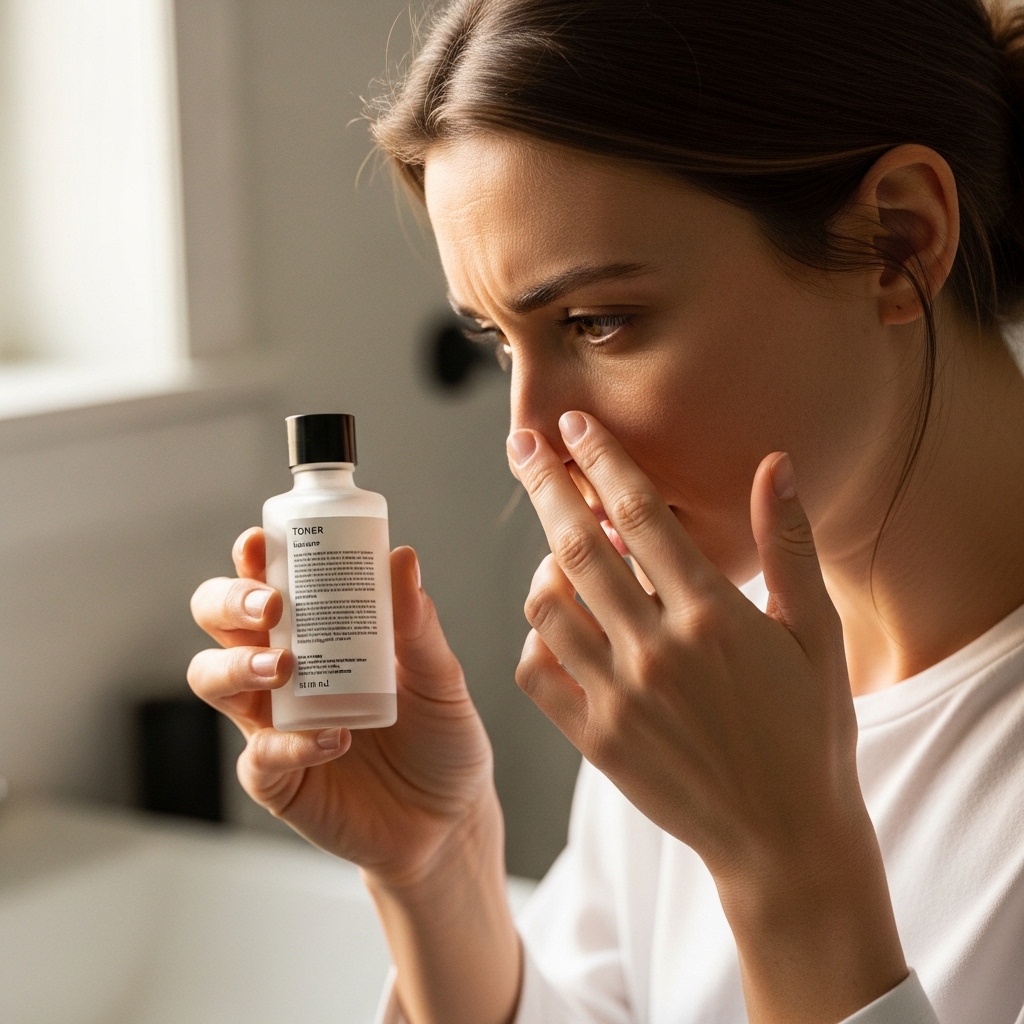
Not all toner formulations deliver the barrier benefits the category can theoretically provide. pH is the primary variable. A toner formulated significantly above the skin's physiological pH range will not meaningfully correct post-cleanse alkalinisation. Formulations at very low pH carry irritation risk through acid-induced barrier disruption. The functional target range sits approximately between pH 4 and 5.5. These represent approximate clinical estimates rather than precisely evidence-defined thresholds.
Fragrance — synthetic and natural — ranks among the most common sources of contact sensitisation in leave-on skincare formulations. On a post-cleanse surface with transiently elevated permeability, fragrance compounds reach the viable epidermis more readily. They carry greater sensitisation risk than on an intact, sealed surface. Alcohol content warrants independent evaluation. Fatty alcohols such as cetyl and stearyl alcohol function as emollients. Simple alcohols including ethanol and denatured alcohol carry the barrier disruption risk the dermatological literature documents.
Preservative systems represent a further formulation variable that is rarely evaluated explicitly in consumer product selection. Certain preservatives — including methylisothiazolinone and some parabens — have documented sensitisation potential in leave-on applications, with risk elevated in post-cleanse conditions where permeability is transiently increased. The European Scientific Committee on Consumer Safety has revised its position on several preservative compounds in response to accumulating sensitisation data. For professionals with high product exposure frequency across daily routines, cumulative preservative load across all leave-on formulations is a coherent variable to assess alongside fragrance and alcohol content.
Evidence-Based Options for Daily Practice
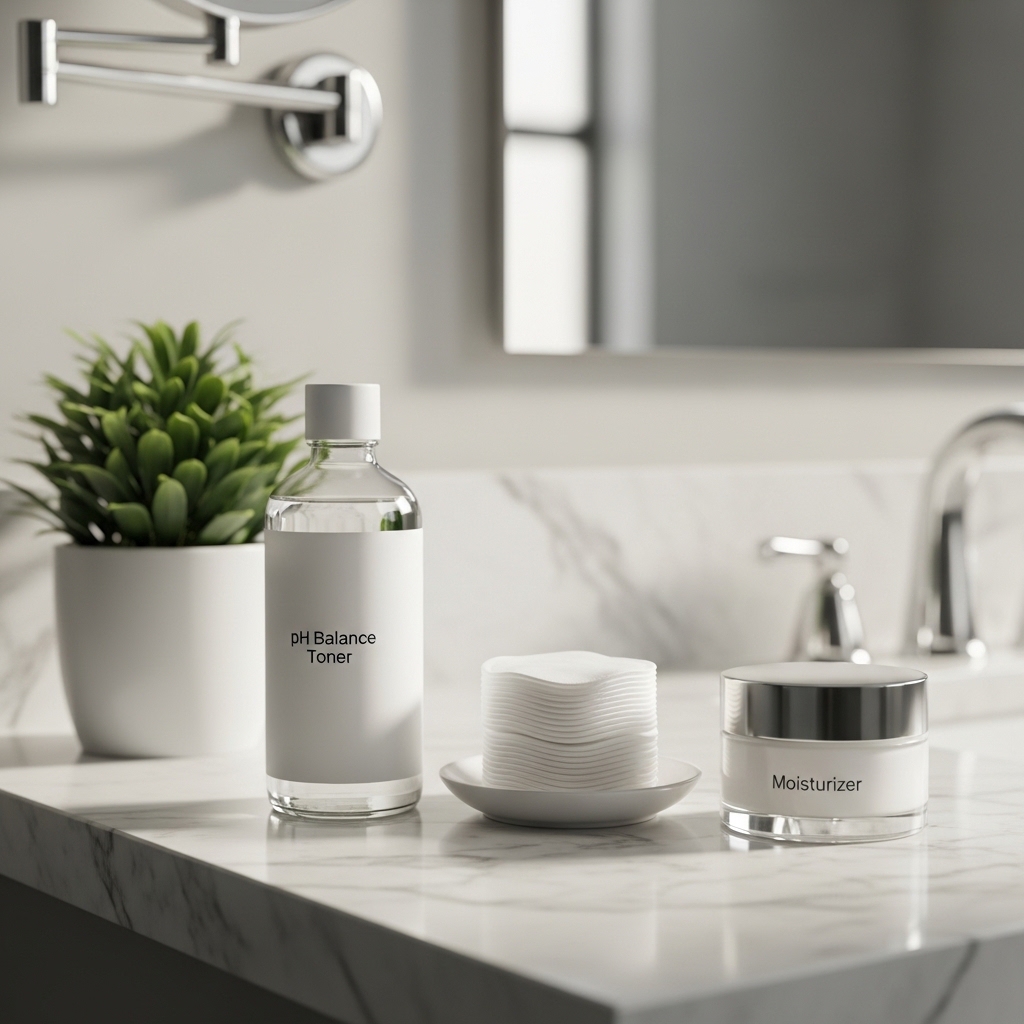
Professionals applying this evidence have several well-supported options. Selecting a toner within the approximate pH range of 4 to 5.5 directly addresses the post-cleanse alkalinisation that barrier biology research identifies as mechanistically significant. pH-compatible cleansers produce less pronounced elevation than conventional soap-based formulations — a distinction worth acknowledging when assessing how much pH correction a toner needs to provide. Applying the toner promptly after cleansing reduces the duration of the post-wash recovery window. This principle has the most direct support in compromised barrier research. Its extrapolation to healthy adult skin is mechanistically reasonable. Avoiding simple alcohols and synthetic fragrance eliminates the most consistently documented sources of toner-mediated barrier compromise. For professionals using niacinamide or panthenol, incorporating these actives at the toner stage — before occlusive moisturisation — aligns with percutaneous absorption principles. Direct evidence quantifying the timing benefit in healthy adult skin remains an area for further investigation. For those tracking epigenetic age or inflammatory biomarkers within a longevity protocol, documenting skincare sequence as a modifiable barrier input supports more granular assessment of its contribution to those measurements.
UP NEXT: Body Wash for Slowing Down in a Fast Morning
Twice-daily cleansing without active pH restoration creates a cumulative inflammatory input — elevating local cytokine activity, activating dermal toll-like receptors, and contributing to the chronic low-grade inflammation that drives epigenetic age acceleration measurable through the Horvath DNA methylation clock and related biological aging markers. WholeLiving's Biological Age Estimation Model incorporates this factor directly — your assessment takes under five minutes.
Ready to understand how these factors are influencing your biological age right now? [Take the Biological Age Assessment →]