
The emotional regulation patterns established in childhood are not pediatric abstractions — they are the upstream determinants of adult HPA axis function, inflammatory load, and cognitive resilience. For executives and founders investing in longevity optimization, understanding youth emotional support is a clinical priority: dysregulated stress responses formed early in life are associated with elevated baseline cortisol, accelerated telomere attrition, and measurably reduced prefrontal cortex volume in adulthood. The professional operating at peak capacity today is, in part, a product of emotional architecture built decades earlier — and that same architecture is now being constructed in the next generation under your roof.
The Neurobiological Foundation of Emotional Development
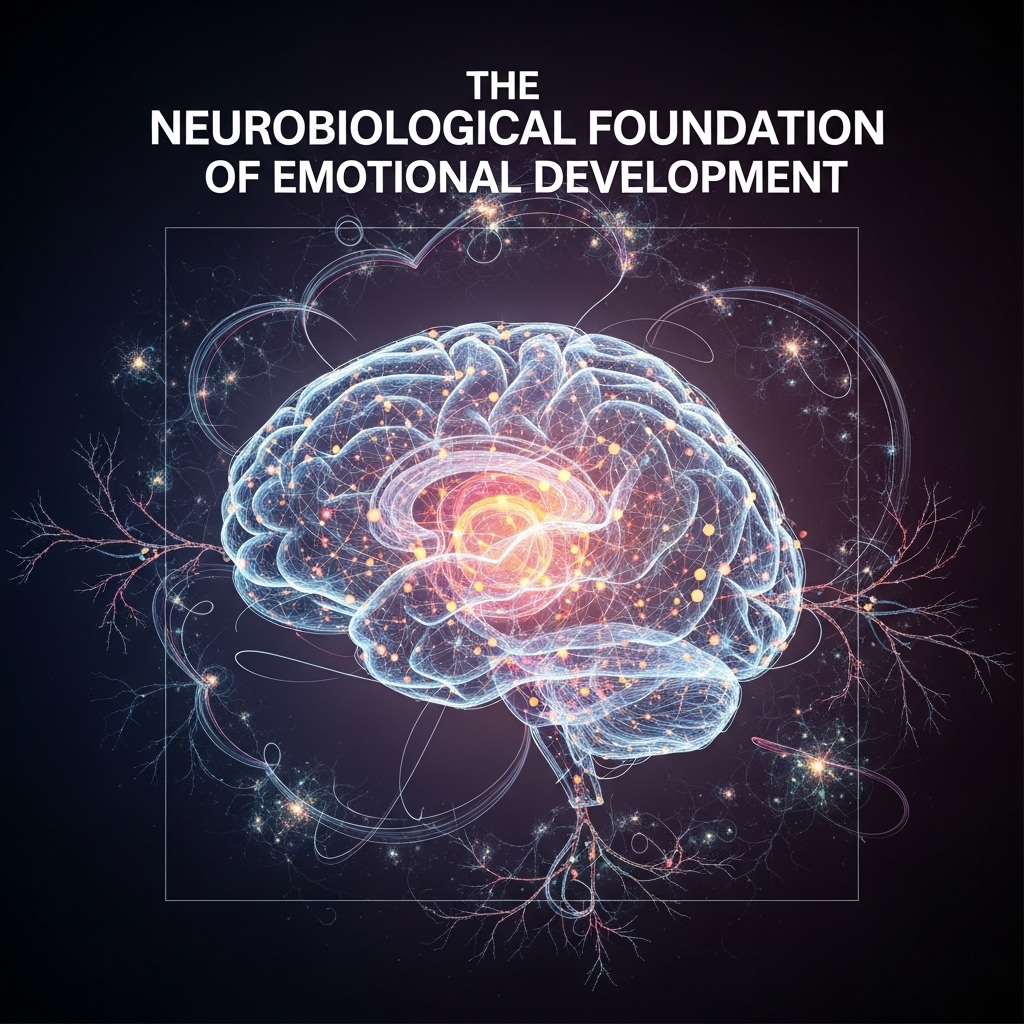
The developing brain undergoes its most consequential structural changes between birth and age twelve. A second reorganization follows during adolescence. During these windows, neuroplasticity — the brain's capacity to form and reorganize synaptic connections — is at its highest. Youth emotional support, when delivered consistently, directly shapes the architecture of the limbic system. This includes the amygdala and prefrontal cortex — structures that govern threat detection, impulse regulation, and decision-making.
Research from the Harvard Center on the Developing Child identifies the “serve and return” model of caregiver interaction as foundational to healthy neural circuit development. When a child's emotional signals meet with responsive engagement, stress-response systems calibrate toward resilience rather than hyperreactivity. Disruptions to this process — chronic emotional neglect or inconsistent caregiving — activate allostatic load pathways that persist into adulthood.
Allostatic load refers to the cumulative physiological wear caused by chronic stress activation. High allostatic load in adulthood links to accelerated biological aging, elevated inflammatory cytokines, and increased cardiovascular risk. The emotional environments experienced in youth are among the most significant — and least clinically discussed — contributors to adult allostatic burden.
Cortisol Dysregulation: The Long-Term Cost of Emotional Unsafety
The hypothalamic-pituitary-adrenal (HPA) axis is the body's primary stress regulation system. In early life, this axis is highly sensitive to social and emotional input. When youth emotional support is inconsistent or absent, the HPA axis can become chronically over-activated. In prolonged adversity, it may shift into hypocortisolism — a blunted state associated with burnout and immune dysregulation.
Longitudinal data from the Adverse Childhood Experiences (ACE) Study, conducted by the CDC and Kaiser Permanente, established a dose-response relationship between childhood emotional adversity and adult health outcomes. Individuals with higher ACE scores showed elevated rates of ischemic heart disease, autoimmune disorders, and depression. These conditions all connect to HPA axis dysregulation rooted in emotionally unsupported youth environments.
For the high-performing professional, the clinical relevance is direct. Elevated baseline cortisol suppresses hippocampal neurogenesis, reduces working memory, and degrades sleep architecture. Specifically, it reduces the slow-wave and REM sleep stages critical for memory consolidation. An executive whose cortisol diurnal rhythm was shaped by early dysregulation may be managing a compromised cognitive baseline without any structural diagnosis.
Attachment Theory as a Predictive Model for Adult Stress Response
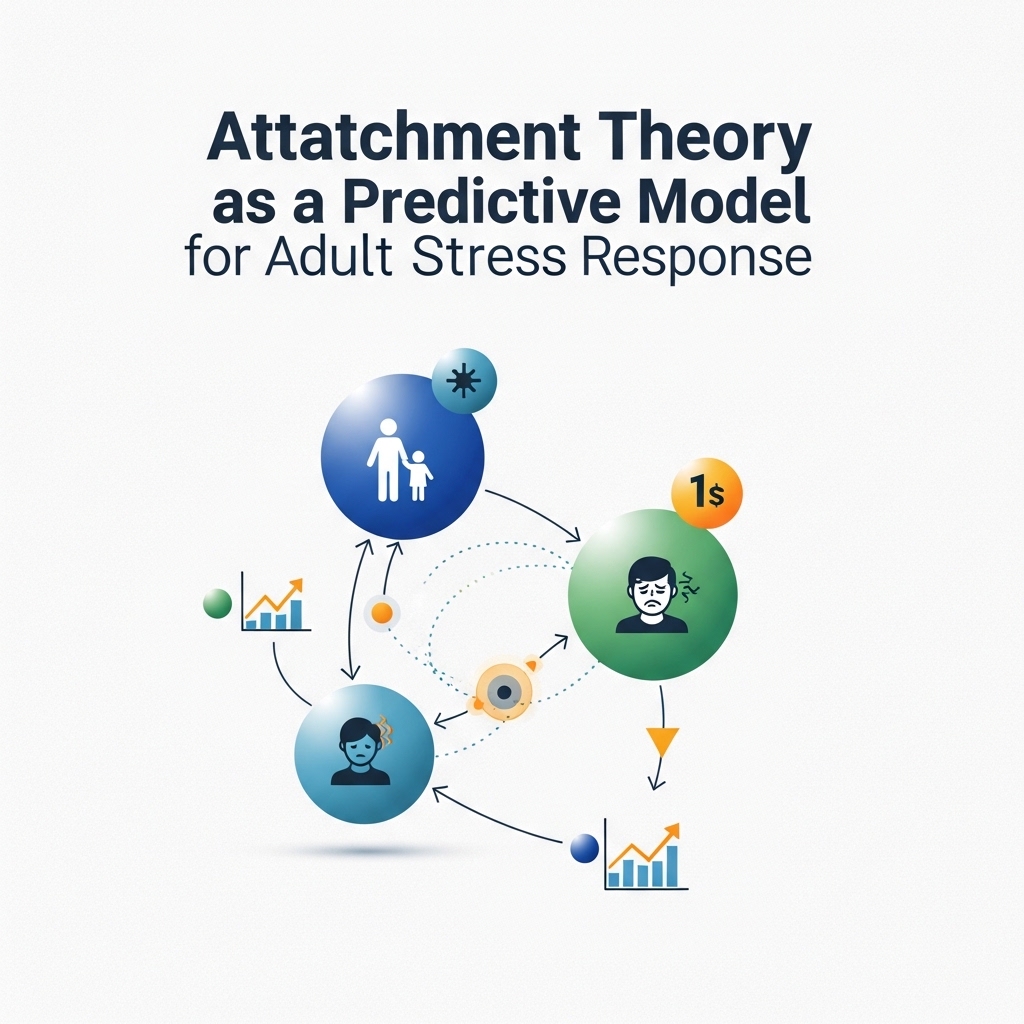
Attachment theory, developed by psychiatrist John Bowlby and extended by researcher Mary Ainsworth, has moved well beyond developmental psychology. It now occupies serious neurobiological territory. The attachment style formed in early childhood — secure, anxious, avoidant, or disorganized — shapes adult stress appraisal and autonomic nervous system reactivity.
Securely attached individuals demonstrate more adaptive vagal tone — a measure of parasympathetic nervous system regulation tied to heart rate variability (HRV). Research published in Psychosomatic Medicine has linked secure early attachment to better HRV outcomes in adulthood. HRV is a direct biomarker of cardiovascular resilience and cognitive performance under stress.
Insecure or disorganized attachment patterns correlate with chronically elevated sympathetic tone, reduced HRV, and heightened inflammatory signaling. For professionals tracking HRV as a recovery metric, this data is significant. The floor of that biomarker may have been set decades earlier — and understanding its origins is part of a complete performance physiology picture.
Emotional Granularity and Cognitive Executive Function

Emotional granularity — the ability to differentiate and label emotional states with precision — develops through supported emotional experience in youth. Children who receive consistent emotional coaching build a richer affective vocabulary and greater interoceptive awareness. This allows them to identify internal states before they escalate into physiological dysregulation.
Research by psychologist Lisa Feldman Barrett at Northeastern University shows that individuals with higher emotional granularity recruit the prefrontal cortex more effectively during stress. This produces faster recovery from emotional disruption. The difference is not behavioral — it is a measurable neurological distinction with direct implications for decision quality and leadership under pressure.
Professionals who lacked adequate emotional labeling support in youth often show signs of alexithymia — difficulty identifying and describing internal emotional states. This subclinical condition is more common in high-achievement environments than typically acknowledged. It links to psychosomatic symptoms, interpersonal friction, and impaired interoceptive regulation — the body's ability to read and respond to internal physiological signals.
Inflammatory Markers and the Childhood Emotional Environment
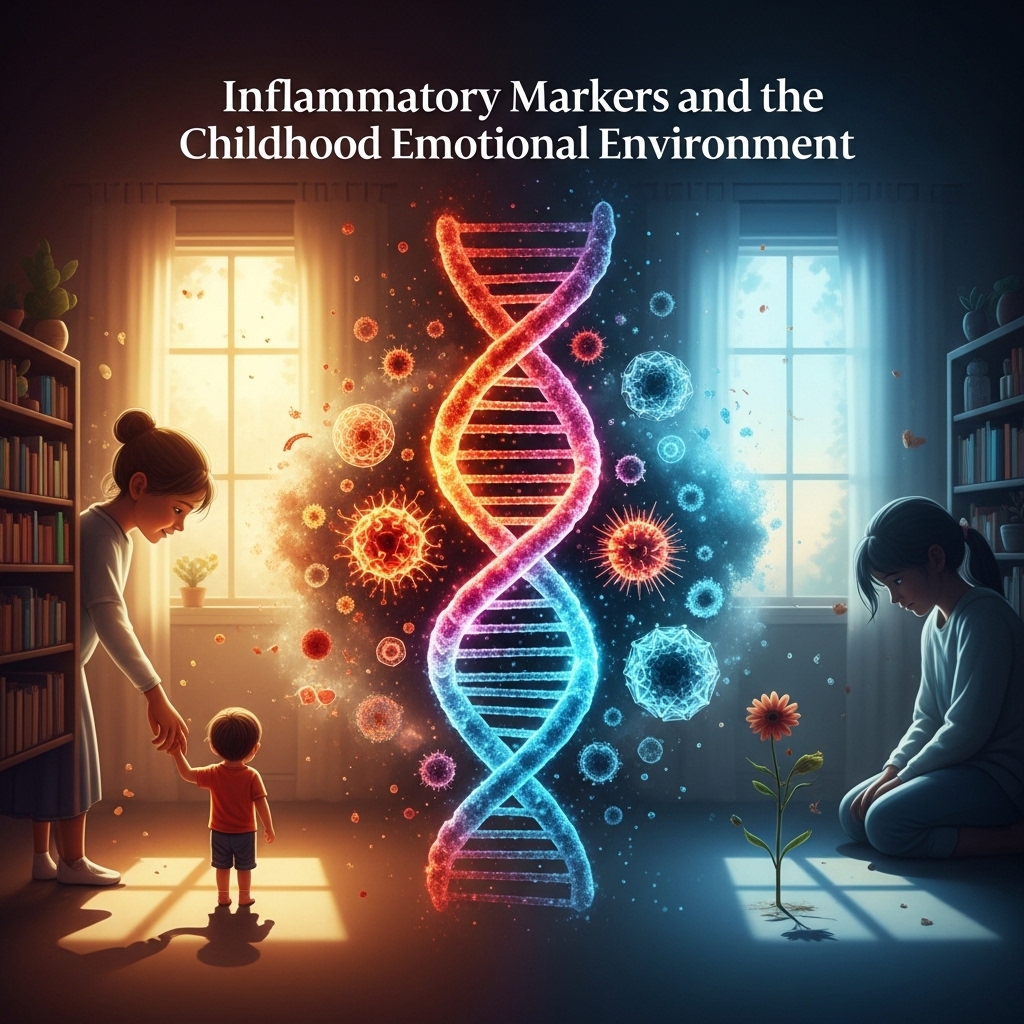
The link between early emotional adversity and adult inflammation is one of the more clinically compelling areas of developmental research. Pro-inflammatory cytokines — including interleukin-6 (IL-6) and tumor necrosis factor-alpha (TNF-α) — are elevated in adults with histories of significant emotional adversity. These markers connect directly to cardiovascular disease, metabolic syndrome, and biological age acceleration.
A 2011 study published in Proceedings of the National Academy of Sciences examined data from the British Whitehall II cohort. Adults who reported emotionally unsupportive early environments showed measurably elevated inflammatory biomarkers decades later. This held true independent of lifestyle factors including diet and physical activity.
For professionals tracking high-sensitivity C-reactive protein (hs-CRP) or biological aging clocks such as GrimAge or PhenoAge, this data adds a meaningful variable. Elevated inflammatory markers in an otherwise optimized individual may reflect lasting epigenetic modifications — changes in gene expression driven by early emotional environment, not adult lifestyle choices.
Sleep Architecture and Emotional Regulation in Youth

Youth emotional support and sleep share a bidirectional and clinically significant relationship. Children who experience consistent emotional attunement develop more regulated circadian rhythms and better sleep consolidation. They show more sustained slow-wave sleep — the primary phase for physical restoration and growth hormone secretion. Emotional insecurity and household dysregulation disrupt this pattern, with effects that can persist into adult sleep architecture.
Research from the National Sleep Foundation indicates that emotionally secure children show lower rates of parasomnias, night waking, and sleep-onset anxiety. Adults who struggled with emotional regulation in youth appear disproportionately among chronic poor sleepers. This population carries measurably higher cardiovascular risk, reduced insulin sensitivity, and accelerated cognitive decline.
For the executive managing sleep as a performance variable, this context matters. Sleep hygiene interventions and circadian optimization protocols are valuable. But they operate on top of an emotional regulatory foundation built largely in the first decade of life. Remodeling that foundation through targeted therapeutic approaches may unlock sleep improvements that behavioral protocols alone cannot reach.
The Role of Co-Regulation in Building Autonomic Resilience
Co-regulation is the process by which a regulated adult nervous system directly influences a child's nervous system. It works through proximity, tone, breath, and attuned responsiveness. It is the core mechanism through which youth emotional support produces neurobiological outcomes. Before a child can self-regulate, they borrow regulatory capacity from their caregiving environment.
Polyvagal theory, advanced by neuroscientist Stephen Porges, offers a neurophysiological framework for this process. The ventral vagal complex — the branch of the vagus nerve linked to social engagement and emotional safety — develops through consistent co-regulatory experiences. Children raised with emotionally available caregivers show stronger ventral vagal tone. In adulthood, this translates to better stress recovery, sharper social perception, and lower resting inflammatory load.
This has practical relevance for high-performing professionals in two directions. First, it illuminates the regulatory history of their own nervous system. Second, it highlights the co-regulatory role they play for children in their lives. Offering attuned, settled presence — even during periods of high occupational demand — is an active neurophysiological input into a developing autonomic system.
READ ALSO: Emotional Projection: A Gentle Guide to Self-Reflection
Epigenetic Modifications and Emotional Experience
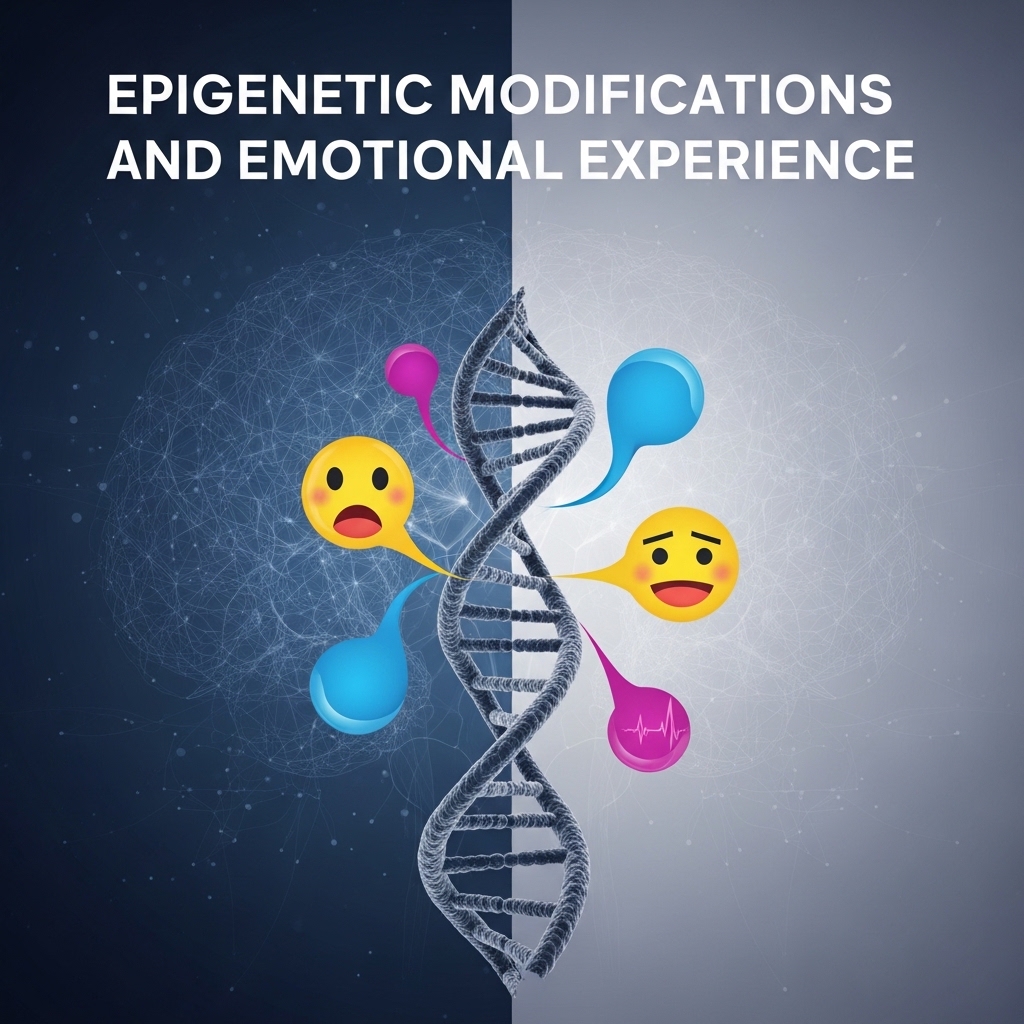
Epigenetics examines heritable changes in gene expression that do not alter the underlying DNA sequence. Early emotional environments produce chemical modifications through processes including DNA methylation and histone acetylation. These affect stress-response genes, immune regulation, and telomere maintenance — with measurable consequences for adult health.
Landmark research from the laboratory of Michael Meaney at McGill University showed that variations in maternal nurturing produced distinct epigenetic patterns in offspring. These patterns appeared most clearly in genes governing glucocorticoid receptor expression in the hippocampus. Human studies have since confirmed similar effects on the glucocorticoid receptor gene (NR3C1). Methylation patterns on this gene differ significantly between adults with high and low childhood emotional support histories.
These findings reframe youth emotional support as a molecular variable, not merely a behavioral one. The architecture of an adult's stress physiology — including cortisol clearance rate and telomere length — carries the chemical imprint of their early emotional environment. This is a clinically significant insight for anyone engaged in serious longevity medicine.
READ ALSO: Emotional Damage: Understanding and Healing with Care
Intergenerational Transmission of Stress Physiology
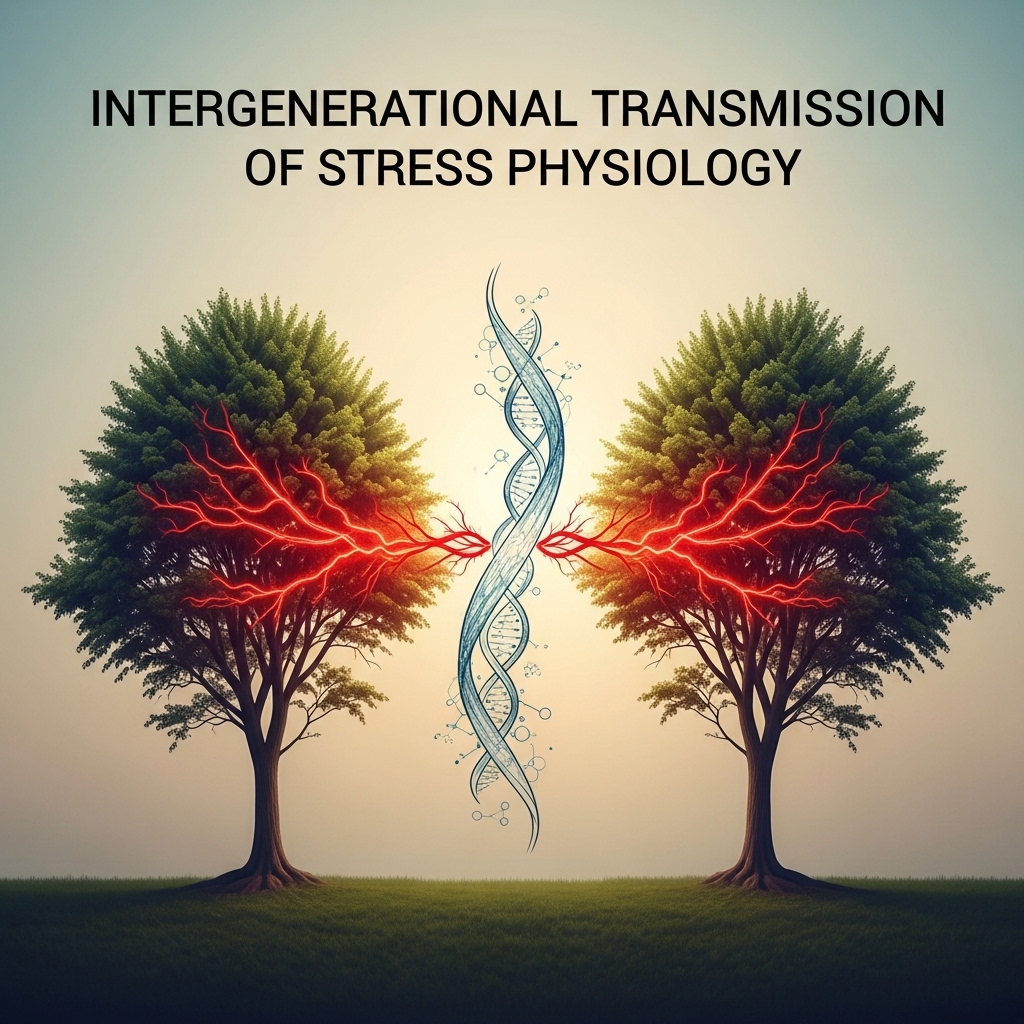
The effects of emotional support — or its absence — do not end with one generation. Intergenerational transmission of stress physiology operates through both epigenetic and behavioral mechanisms. Parents carrying unresolved early emotional adversity are more likely to show reduced attunement capacity and heightened stress reactivity in caregiving contexts.
Research on Holocaust survivor descendants and populations exposed to famine has documented measurable epigenetic transmission of stress-response alterations across generations. The principle holds across a spectrum: the neuroendocrine environment a caregiver brings to parenting reflects their own emotional history. That environment actively shapes the next generation's biological stress baseline.
For the executive or founder with children, this shifts youth emotional support into a longitudinal health investment. It benefits not only the child but the family system's multigenerational resilience profile. Addressing one's own emotional regulatory history becomes, by extension, an act of biological stewardship for the next generation.
READ ALSO: Emotional Suppression and Chronic Self-Protection as Drivers of Elevated Cortisol and Allostatic Load in High-Performing Professionals
Evidence-Based Options for the Informed Professional

The clinical literature points toward a coherent set of options for professionals who want to engage with this domain rigorously. Trauma-informed therapy modalities — including somatic experiencing, EMDR (Eye Movement Desensitization and Reprocessing), and attachment-focused psychotherapy — have shown efficacy in remodeling adult stress-response patterns. For those tracking objective biomarkers, measuring HRV, hs-CRP, and cortisol diurnal curves before and after intervention can provide quantifiable data on physiological change. For those actively parenting, Emotion Coaching — developed from the research of John Gottman and colleagues at the University of Washington — offers a structured framework for providing the attuned emotional responsiveness that shapes favorable neurobiological outcomes in children. Consulting a clinician trained in developmental neuroscience or psychoneuroimmunology can support a more personalized, biomarker-anchored approach — one that treats the emotional environment as what the evidence confirms it to be: a primary variable in long-term human performance and healthspan.
UP NEXT: How Chronic Stress Erodes Emotional Resilience and Derails Executive Performance Over Time
How This Affects Your Biological Age
Emotionally unsupported early environments produce measurable epigenetic modifications — including altered DNA methylation patterns on stress-response genes — that are associated with accelerated biological aging of three to seven years in adults with high adverse childhood experience scores. WholeLiving's Biological Age Estimation Model incorporates this factor directly — your assessment takes under five minutes.
Ready to understand how these factors are influencing your biological age right now? [Take the Biological Age Assessment →]