


Magnesium is an essential mineral that plays a pivotal role in maintaining your health. It supports over 300 biochemical processes in the body, from muscle function to maintaining healthy bones and a strong heart. Magnesium diet supplements ensure you’re getting enough of this vital mineral, especially when your diet is low in magnesium-rich foods like leafy greens, nuts, and seeds. Whether you're facing magnesium deficiency or just want to optimize your health, supplements can be a simple way to maintain healthy magnesium levels.
The popularity of magnesium supplements is growing as more people discover the numerous benefits they offer. Magnesium supplementation can reduce muscle cramps, enhance bone mineral density, and improve heart health. In addition, magnesium plays a vital role in supporting your immune system, promoting energy production, and helping regulate blood sugar levels. This article will explain why magnesium is essential, how to incorporate magnesium supplements into your diet, and how to choose the right product for your needs.
However, it's important to approach magnesium supplementation thoughtfully. Too much magnesium can lead to side effects like nausea and diarrhea, or even more serious health complications. Knowing the recommended dietary allowance (RDA) for magnesium and understanding which forms of magnesium work best for you is crucial. Let’s explore the world of magnesium, its benefits, and how you can easily add it to your wellness routine.
The Essential Role of Magnesium in Your Body

Magnesium is a crucial mineral that supports a wide range of bodily functions. It helps regulate muscle function, supports bone health, and contributes to over 300 biochemical processes. One of magnesium’s key roles is in energy production, as it helps convert food into energy. This is essential for maintaining vitality and overall well-being.
Magnesium also plays a significant part in regulating blood pressure and supporting cardiovascular health. It helps maintain normal heart rhythms and promotes the relaxation of blood vessels. Ensuring you have adequate magnesium intake is essential for managing high blood pressure and reducing the risk of heart disease.
Moreover, magnesium helps the body absorb other important nutrients, like calcium and vitamin D. This ensures strong bones and prevents conditions like osteoporosis. Magnesium’s role in enhancing bone mineral density is key to long-term health.
READ ALSO: Best Vitamins and Minerals for Immunity: What You Need
Magnesium Supplements: Types and Forms

Magnesium supplements are available in various forms, each offering different benefits. Magnesium citrate is one of the most popular types due to its high bioavailability and ability to improve intestinal absorption. This form is often used for relieving constipation or enhancing digestive health.
Another form, magnesium oxide, is widely used to support heart health and alleviate upset stomachs. While less bioavailable than magnesium citrate, it is still effective in raising magnesium levels in the body. It is also commonly used as an antacid.
For individuals seeking a gentler option, magnesium glycinate is a great choice. It’s less likely to cause digestive discomfort and is well-suited for daily use. Other forms, such as magnesium hydroxide and magnesium sulfate, serve specific purposes, such as acting as a laxative or treating severe magnesium deficiency.
Benefits of Magnesium Supplements
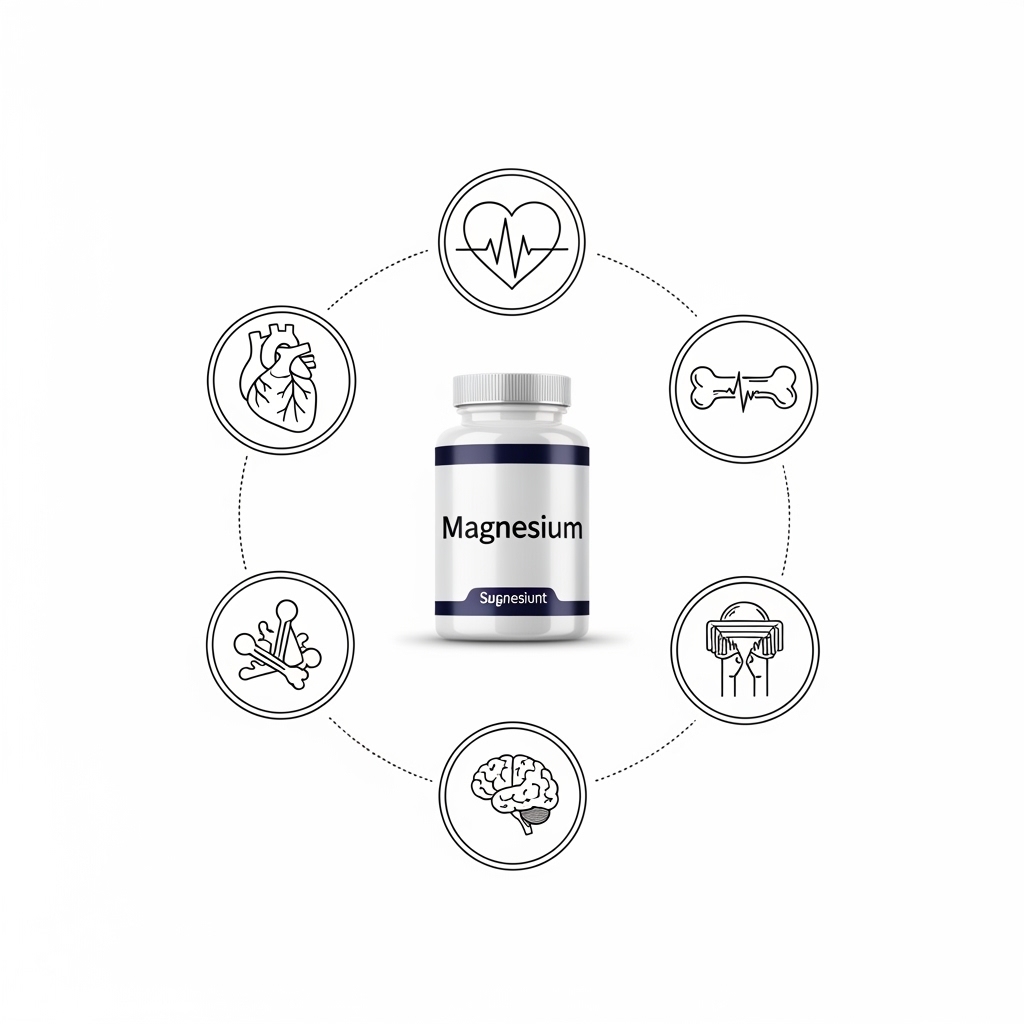
Magnesium diet supplements offer a wide range of benefits, addressing several health concerns. Magnesium supplementation can help alleviate muscle cramps, reduce migraine headaches, and enhance insulin sensitivity. It is particularly beneficial for those suffering from muscle weakness or muscle pain, as it helps relax muscles and reduce tension.
Magnesium also plays a vital role in maintaining bone health. Studies show that increased magnesium intake contributes to increased bone mineral density, which lowers the risk of fractures and conditions like osteoporosis. Magnesium also enhances calcium absorption, further supporting bone health.
Additionally, magnesium plays a crucial role in regulating blood sugar levels. Individuals at risk for insulin resistance or diabetes can benefit from magnesium, as it improves insulin sensitivity and helps maintain healthy blood sugar levels. This makes magnesium supplementation an important consideration for those managing diabetes.
How Much Magnesium Do You Need?
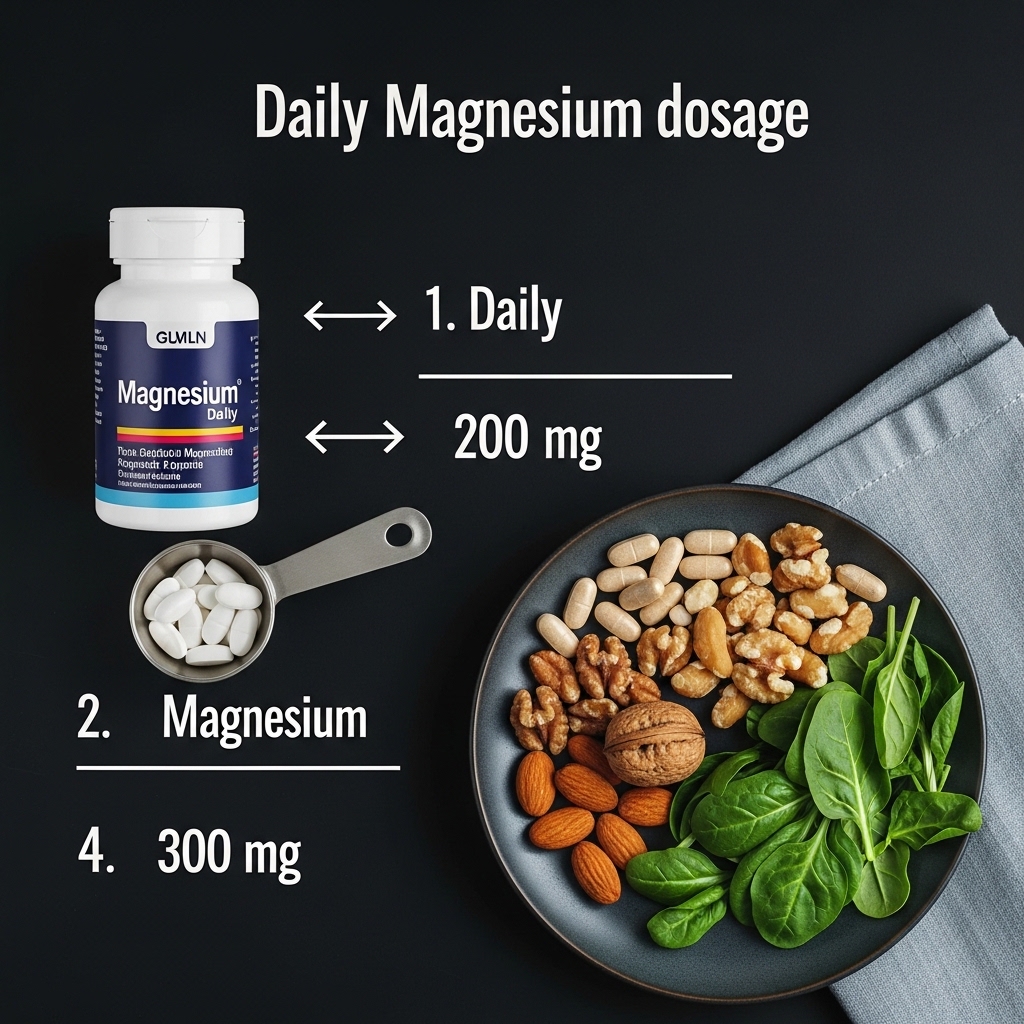
To reap the benefits of magnesium, you must understand how much magnesium your body needs. The Food and Drug Administration (FDA) recommends a tolerable upper intake level of 350 mg of magnesium from supplements for adults. This is the maximum amount you should aim to consume daily through supplements to avoid side effects.
The amount of magnesium you need depends on several factors, including age, gender, and health conditions. Generally, adults require between 310 to 420 mg of magnesium per day. Pregnant or breastfeeding women may require higher doses, so it’s important to consult your healthcare provider to determine the right amount of magnesium for your specific needs.
Too much magnesium can lead to magnesium toxicity, causing side effects like nausea, diarrhea, and abdominal pain. If you’re unsure whether you're getting enough magnesium, a blood test can help assess your magnesium status and guide your supplementation.
READ ALSO: Vegan Vitamin B12 Supplements for Mindful Nourishment
Signs of Magnesium Deficiency

Magnesium deficiency can manifest in various ways, from mild symptoms to more severe health issues. Early signs of magnesium deficiency include muscle cramps, fatigue, and irritability. If left untreated, magnesium deficiency can lead to more serious conditions like insulin resistance, migraine headaches, and arrhythmias.
Muscle weakness and frequent muscle cramps are common signs of magnesium deficiency. Individuals with high blood pressure or those at risk for cardiovascular disease may also benefit from increasing their magnesium intake. Many people are unaware they have a magnesium deficiency because symptoms can be subtle. If you suspect a deficiency, it’s worth checking with your doctor.
For more severe magnesium deficiencies, magnesium citrate or magnesium glycinate supplements may be recommended to quickly restore magnesium levels. Severe deficiencies require professional guidance for appropriate treatment.
Magnesium and Heart Health

Magnesium plays a critical role in maintaining heart health. It regulates heart rhythms and helps prevent irregular heartbeats, or arrhythmias. Magnesium also supports the relaxation of blood vessels, which helps maintain healthy blood pressure. Magnesium supplementation has been shown to help lower blood pressure, particularly in individuals with hypertension.
In addition to its role in blood pressure regulation, magnesium works with potassium and calcium to support healthy cardiovascular function. By relaxing the blood vessels, magnesium helps to reduce strain on the heart and improve overall circulation. Regular magnesium supplementation can lower the risk of heart disease, stroke, and other cardiovascular issues.
If you have cardiovascular disease, increasing your magnesium intake through supplements may improve heart function and reduce risks. Be sure to speak with your healthcare provider about the appropriate form of magnesium for your heart health needs.
The Connection Between Magnesium and Bone Health

Magnesium is vital for maintaining strong bones. It works synergistically with calcium and vitamin D to increase bone mineral density, which helps prevent conditions like osteoporosis. Magnesium is crucial for the proper utilization of calcium, ensuring it’s deposited in the bones rather than in soft tissues.
As you age, magnesium plays a critical role in maintaining bone health. It helps your body absorb calcium, contributing to stronger bones and reducing the risk of fractures. Research shows that individuals with adequate magnesium levels are less likely to experience bone-related issues later in life.
Magnesium also plays a role in regulating parathyroid hormone levels, which are necessary for bone health. By ensuring proper magnesium levels, you can help maintain bone mineral density and prevent conditions like calcification.
READ ALSO: Bone and Joint Health Supplements
Risks of Too Much Magnesium

Excess magnesium intake can lead to magnesium toxicity, which causes symptoms like nausea, diarrhea, and dehydration. Very high doses of magnesium can cause heart arrhythmias and kidney damage, especially in individuals with kidney disease. It’s essential to stay within the recommended dietary allowance for magnesium to avoid the risks associated with excess magnesium.
If you’re taking magnesium supplements, ensure you follow the recommended dosage and avoid taking multiple forms of magnesium at the same time unless advised by a healthcare provider. Those with kidney issues or other underlying health conditions should be particularly cautious about magnesium supplementation.
While magnesium is essential for your health, it’s important to avoid too much magnesium, which can have adverse effects. Follow guidelines carefully, and consult your healthcare provider if you're unsure about the appropriate dosage.
Magnesium-Rich Foods to Complement Supplements

In addition to magnesium supplements, magnesium-rich foods should be a part of your daily diet. Foods like green leafy vegetables, nuts, seeds, and whole grains are excellent natural sources of magnesium. By including these foods, you can help maintain optimal magnesium levels without relying solely on supplements.
Magnesium-rich foods like almonds, spinach, and bananas not only provide magnesium but also offer other essential nutrients like fiber and healthy fats. These foods work synergistically with supplements to improve magnesium absorption and support overall health. Including these foods can enhance your diet and contribute to better magnesium levels over time.
If you struggle to get enough magnesium from food, supplements can help fill the gap. However, combining magnesium supplements with a nutrient-dense diet will give you the best results for maintaining healthy magnesium levels.
Final Thoughts: Should You Take Magnesium Supplements?

Magnesium supplements can be an excellent option if you're struggling with magnesium deficiency or want to optimize your health. Whether you’re experiencing muscle cramps, dealing with migraine headaches, or looking to improve bone health, magnesium supplementation can offer a wide range of benefits.
It's important to understand how much magnesium you need and to consult your healthcare provider to avoid exceeding the recommended dietary allowance. While magnesium-rich foods should be part of your diet, supplements can help ensure you’re meeting your needs, especially if your diet lacks magnesium.
By incorporating magnesium supplements into your routine, you can support your heart health, reduce muscle cramps, and improve bone mineral density. Magnesium is a powerful mineral that can enhance your overall well-being, so take the necessary steps to ensure you’re getting enough of it!