The SCM muscle (sternocleidomastoid) is an essential part of your body that plays a crucial role in maintaining good posture, supporting head movement, and reducing neck discomfort. By focusing on strengthening the SCM muscle, you can significantly improve your posture, alleviate neck pain, and reduce muscle tension. This muscle, located at the side of your neck, connects from the base of your skull to the sternum and collarbone, supporting various movements of the head and neck. When the SCM muscle is weak or overworked, it can lead to issues such as forward head posture, wry neck, and chronic neck pain. Tension in this area can also contribute to SCM trigger points, which may cause discomfort and limit your ability to move freely.
However, by understanding how the SCM muscle works and how to care for it, you can significantly improve your neck health and overall well-being. This guide will help you recognize the importance of the SCM muscle, how to strengthen it, and how to reduce pain and tension caused by poor posture. Strengthening your SCM muscle isn’t just about relieving pain—it's about building resilience, flexibility, and improving your body’s function over time. Whether you’re dealing with neck stiffness, muscle fibers tightness, or even the occasional trigger points, focusing on the health of your SCM muscle can lead to lasting improvements. Let’s take a closer look at the importance of this muscle and explore practical ways to strengthen and care for it, so you can move through life with greater ease and comfort.
What is the SCM Muscle?
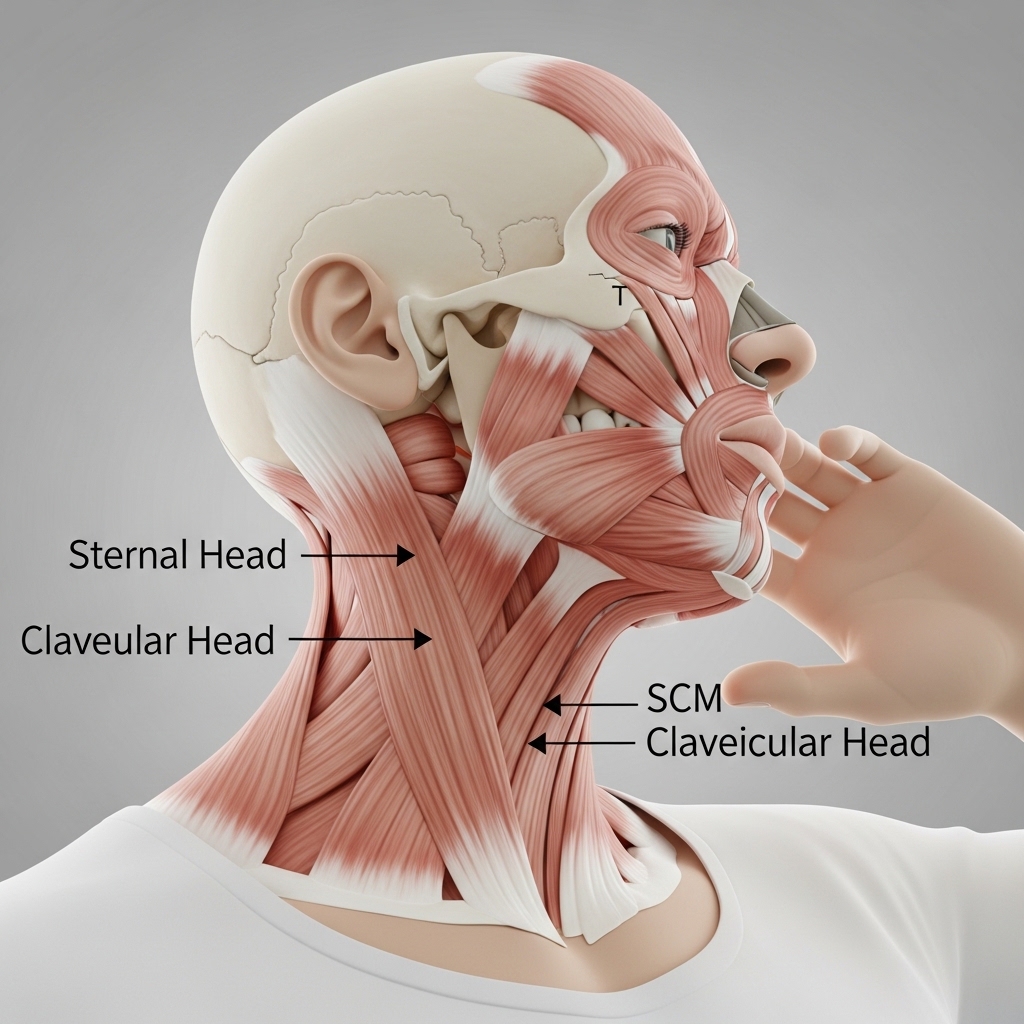
The sternocleidomastoid muscle (SCM) is one of the largest and most important muscles in your neck. It has two heads—the sternal head and the clavicular head. These heads originate from different points, the sternal head from the manubrium of the sternum and the clavicular head from the medial third of the clavicle. Together, they allow for head rotation, flexion, and lateral bending. The SCM muscle is responsible for turning your head from side to side and tilting it downwards or backwards.
When both of these heads are activated together, they enable powerful head movements. However, if one side becomes overworked or too tense, it can lead to neck stiffness and discomfort. This is particularly common in individuals who suffer from forward head posture, where the head tilts forward, putting pressure on the SCM muscle. This posture can contribute to muscle tension and lead to further strain over time.
Understanding the SCM muscle and how it functions is crucial for maintaining a healthy neck. If this muscle is weak or misaligned, it can lead to issues like wry neck, discomfort, and even difficulties with head movement. By learning more about how the SCM muscle works, you can take the necessary steps to support it and prevent pain.
READ ALSO: Leg Muscle Strength for Balanced Energy
How the SCM Muscle Affects Posture
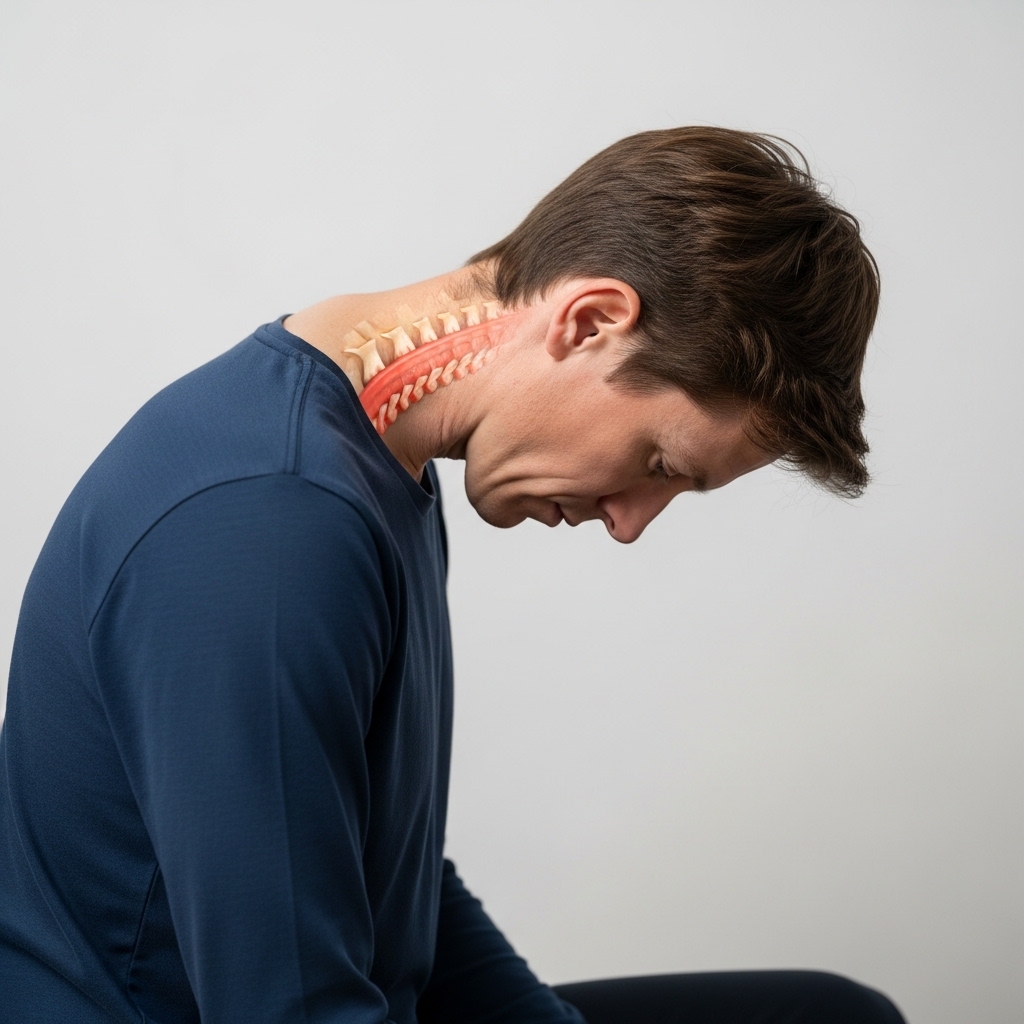
Posture plays a significant role in overall health, and the SCM muscle is closely tied to how well you hold your neck. When the SCM muscle is weak or not functioning optimally, it can contribute to poor posture, such as forward head posture. This condition occurs when the head tilts forward in a way that misaligns the spine and places excess stress on the SCM muscle.
Over time, poor posture can lead to muscle tension, especially in the neck muscles. As the SCM muscle works harder to support the head’s weight, it may develop tightness and trigger points, leading to discomfort in the upper trapezius and surrounding areas. This tension can also affect your upper trapezius muscles, causing them to become overactive and strained, further contributing to neck pain and stiffness.
When your posture is aligned and the SCM muscle is strong, it allows your neck to stay in a neutral position. This promotes better alignment of your spine and reduces the strain on your muscles. To avoid forward head posture, it’s important to focus on exercises that strengthen both the SCM muscle and the upper trapezius, helping maintain a balanced and healthy posture.
Symptoms of Weak SCM Muscle
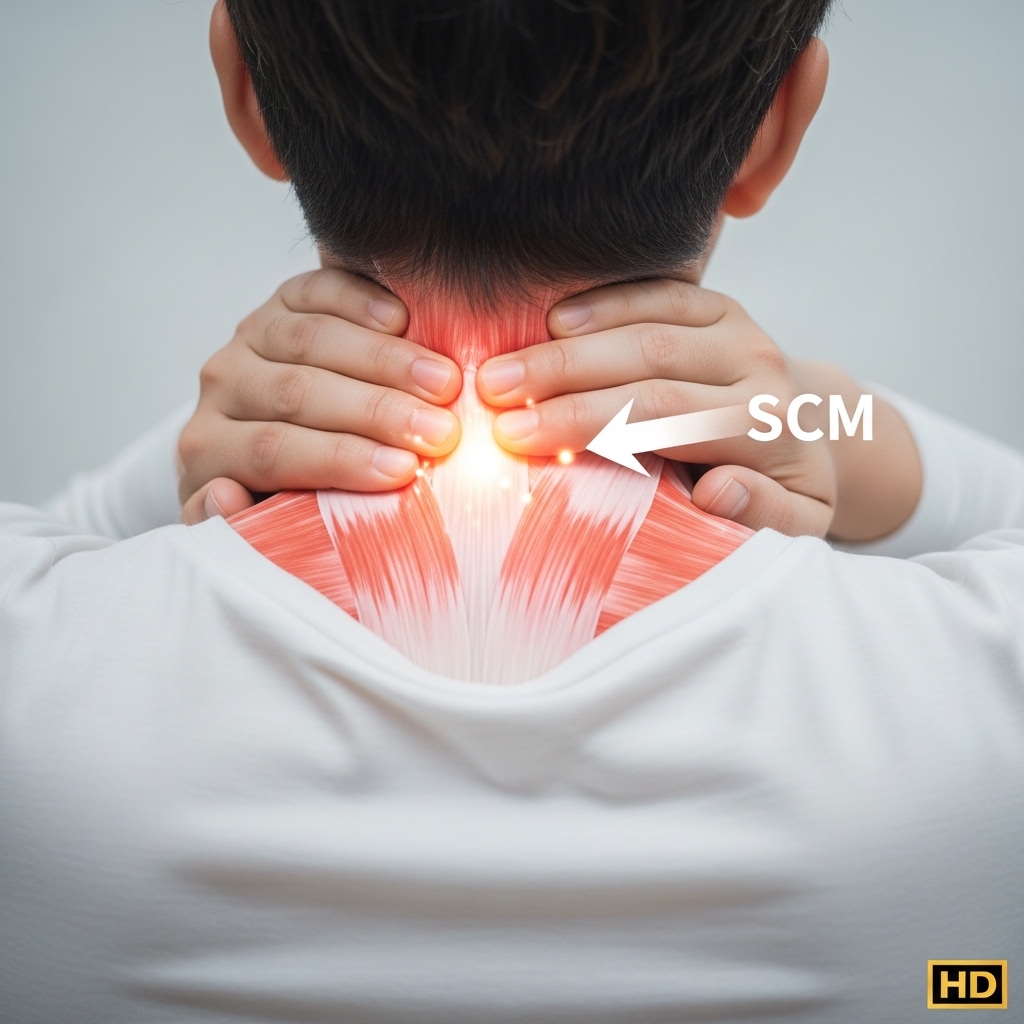
If your SCM muscle is weak or overstrained, you may begin to notice a variety of symptoms. Neck pain, muscle tension, and neck stiffness are some of the most common signs. In addition, you might experience discomfort when turning your head or holding it in one position for too long. SCM tension can also lead to wry neck, where your head becomes tilted or rotated to one side.
Another symptom of weak SCM muscles is headache or pain that radiates from the neck up to the head. The sternocleidomastoid is closely connected to the cranial nerve, and tension in this muscle can affect head movement and lead to discomfort or even blurred vision in some cases. Trigger points in the SCM muscle can refer pain to the upper trapezius or even the jaw muscles, creating a complex pattern of discomfort.
Recognizing these symptoms early on is crucial. If you’re experiencing any of these issues, it may be time to start focusing on strengthening your SCM muscle to relieve pain and tension and improve your overall neck health.
SCM Muscle Stretches and Exercises

Stretching and strengthening your SCM muscle is essential for relieving neck pain and improving posture. Simple stretches like chin forward and chin backward can target the SCM muscle, helping to reduce tension and promote flexibility. These stretches are gentle yet effective in releasing SCM tension and improving neck movement.
Another great exercise is the head tilt. Gently tilt your head to one side, bringing your ear closer to your shoulder, and hold the stretch for 15-20 seconds. This movement targets the sternocleidomastoid muscle, stretching it and promoting relaxation. It’s important to keep your shoulders relaxed and avoid any sudden movements to prevent further strain on the neck muscles.
Strengthening the SCM muscle can also be achieved through exercises like neck isometrics, where you push your head gently against your hands in various directions. These exercises help engage the SCM muscle and the upper trapezius, improving strength and resilience in the neck. Be sure to focus on form and avoid overexertion to prevent injury.
READ ALSO: Tricep Muscle Training to Boost Your Gratitude for Health
How Physical Therapy Can Help
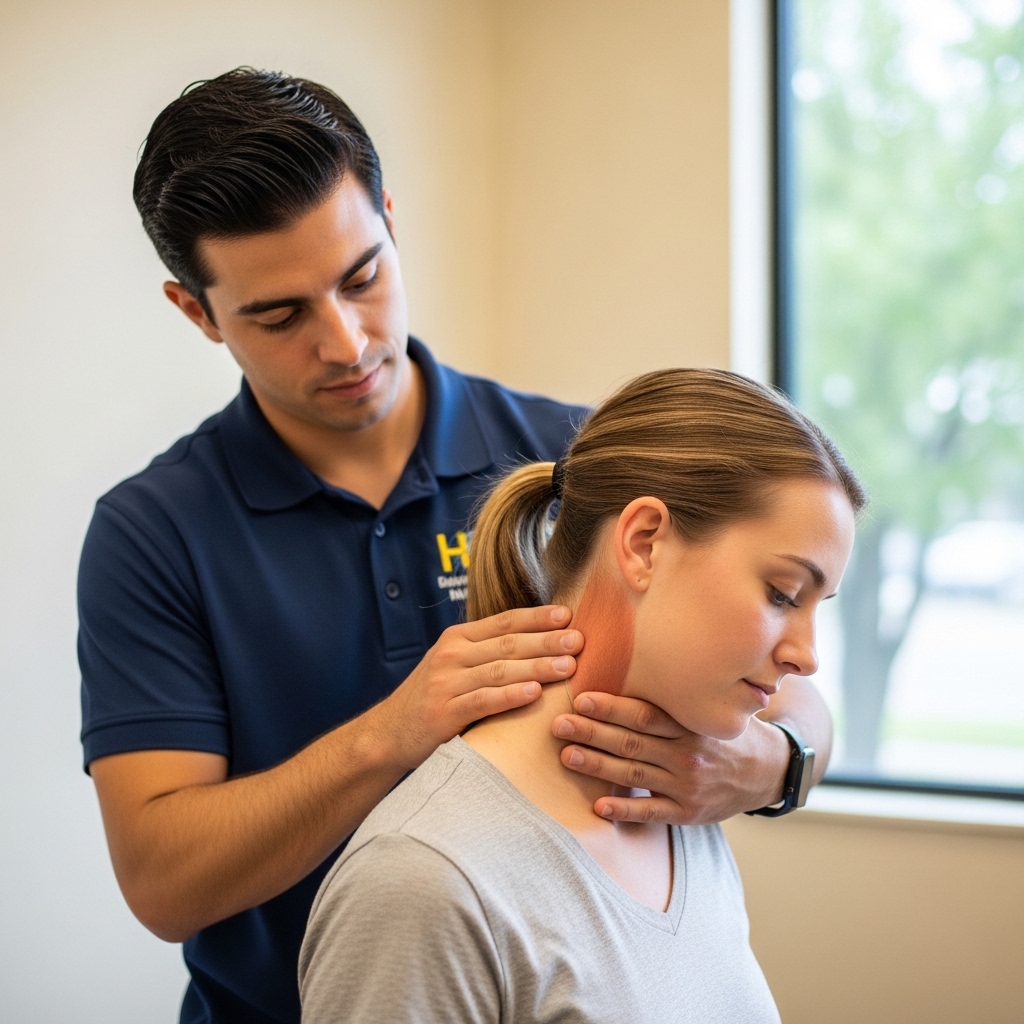
Physical therapy plays a vital role in addressing SCM pain and neck stiffness. A physical therapist can assess your posture and neck muscles to determine where weakness or imbalance exists. They will then design a customized treatment plan to strengthen the SCM muscle and other surrounding muscles to relieve tension and improve mobility.
In addition to strengthening exercises, physical therapists may also use techniques such as osteopathic manipulation, cranial nerve therapy, or trigger point therapy to alleviate SCM trigger points. These hands-on approaches help release tension in the SCM muscle and encourage healing, reducing the risk of future neck pain.
Working with a physical therapist is especially helpful if you’re dealing with chronic neck pain or sternocleidomastoid syndrome. They can teach you how to properly engage your neck muscles, practice proper posture, and incorporate healthy movement patterns into your daily routine.
Understanding SCM Trigger Points

SCM trigger points are small, tight areas in the muscle that can cause significant discomfort and referred pain. When the SCM muscle is under strain, it can develop these trigger points, which may cause pain that radiates into the jaw, shoulders, or even the upper back. These points can be incredibly tender and may cause referred pain, which makes them difficult to pinpoint without careful evaluation.
A physical therapist or experienced practitioner can help identify SCM trigger points and guide you through exercises to release the tension. Manual techniques like muscle relaxation or deep tissue massage can also be effective for releasing trigger points in the SCM muscle, offering significant relief from discomfort.
Regularly stretching the SCM muscle and strengthening the surrounding neck muscles can prevent the development of trigger points in the first place. By maintaining balanced muscle function, you can reduce your risk of experiencing SCM tension and the pain that comes with it.
The Impact of Forward Head Posture
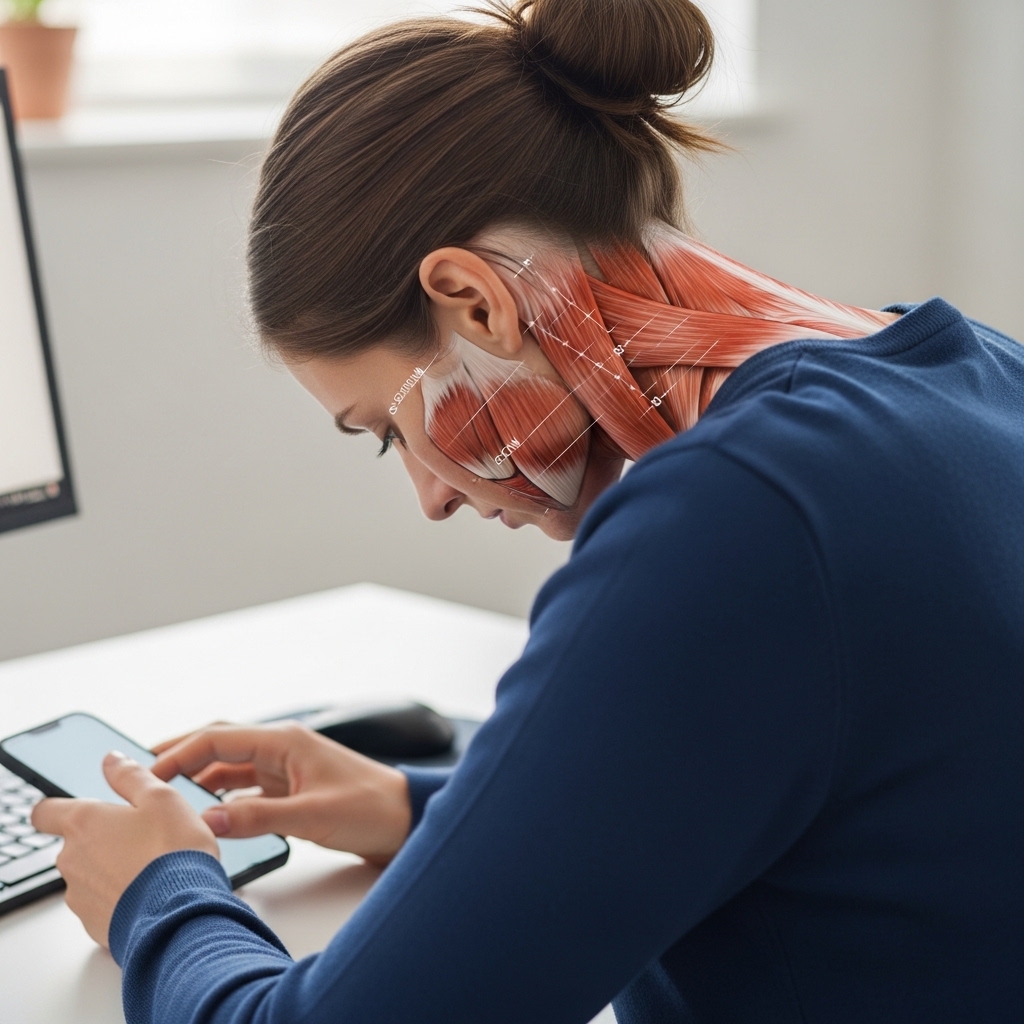
Forward head posture is a common issue that places strain on the SCM muscle. When your head moves forward beyond its neutral position, it creates an imbalance in the neck muscles, including the SCM muscle. This results in the SCM muscle becoming overstretched, while the upper trapezius and other neck muscles become overactive.
Over time, forward head posture can lead to chronic neck pain, muscle tension, and even headaches. It’s important to be aware of your posture throughout the day, especially if you spend long hours sitting at a desk or looking down at your phone. Engaging in exercises that target the SCM muscle and practicing posture correction can help alleviate the pressure caused by forward head posture.
To correct forward head posture, focus on exercises that strengthen the SCM muscle and improve spinal alignment. Pay attention to your body mechanics, and try to keep your head straight ahead to maintain balance and prevent unnecessary strain on your neck muscles.
READ ALSO: Latissimus Muscle: The Secret to a Stronger, Leaner Back
The Role of the Upper Trapezius Muscles

The upper trapezius muscles play a crucial role in supporting your head and neck. These muscles help elevate your shoulders and assist with head movements. However, when the SCM muscle is under strain, the upper trapezius muscles often compensate, becoming overactive and leading to muscle tension and neck stiffness.
To support the health of the SCM muscle, it’s important to address the upper trapezius muscles as well. Strengthening both sets of muscles helps ensure balanced support for your neck and head. Exercises like shoulder shrugs and neck stretches can engage the upper trapezius and reduce SCM muscle tension.
By targeting both the SCM muscle and upper trapezius, you can promote better neck health and reduce the risk of chronic neck pain. It’s all about balance—each muscle works in harmony to support the neck’s range of motion and keep you comfortable.
SCM and Muscle Tension Relief

SCM muscle tension is often a result of stress, poor posture, or overuse. When the SCM muscle is tight, it can lead to a cascade of issues, including neck stiffness, headaches, and discomfort in the upper back. Fortunately, there are several ways to relieve SCM muscle tension and regain flexibility in your neck.
Gentle stretches and exercises are one of the best ways to relieve SCM tension. A physical therapist can help you incorporate targeted movements to relax the SCM muscle and reduce muscle fibers tightness. Additionally, cold therapy or heat therapy can help soothe the affected areas, promoting relaxation and reducing inflammation.
Being mindful of your posture and incorporating regular exercise into your routine can prevent SCM muscle tension from building up in the first place. Prevent tension by staying active, stretching regularly, and focusing on muscle balance.
Maintaining Long-Term SCM Health

The key to long-term SCM muscle health is consistency. Strengthening the SCM muscle and improving posture should be a regular part of your wellness routine. Whether you’re incorporating neck exercises, physical therapy, or simply being mindful of your posture throughout the day, taking small steps will lead to lasting improvements.
It’s also important to stay proactive in managing muscle tension and SCM pain. When you feel discomfort building up, take a moment to stretch, adjust your posture, or apply cold therapy. This proactive approach will help you maintain a strong, flexible neck, free from the burden of pain and stiffness.
By embracing these simple practices, you can enjoy a healthier neck, better posture, and greater overall well-being. Let the strength of your SCM muscle be a guiding force in your journey to balance and wellness.