
When you begin exploring everyday health habits, vitamins c supplements will likely show up early in your research. That is no accident. Vitamin c is one of the most studied and widely used nutrients in the world of dietary supplements. Its role in the body is broad, its benefits are well-supported, and getting started with it is remarkably easy. You are already on the right path simply by asking the question.
The science behind vitamin c, also called ascorbic acid, has been building for decades. Researchers, nutritionists, and everyday people alike have come to rely on it. Whether you are looking to support your immune system, protect your healthy skin, or simply fill a nutritional gap in your diet, this nutrient offers a generous return for a small daily commitment. You deserve to understand it fully before you begin.
In this guide, you will walk through the essentials of vitamin c in a clear, honest, and supportive way. Think of this as a conversation between friends, not a lecture. By the end, you will feel confident, informed, and ready to take your next small step toward health.
What Exactly Is Vitamin C and Why Does It Matter?
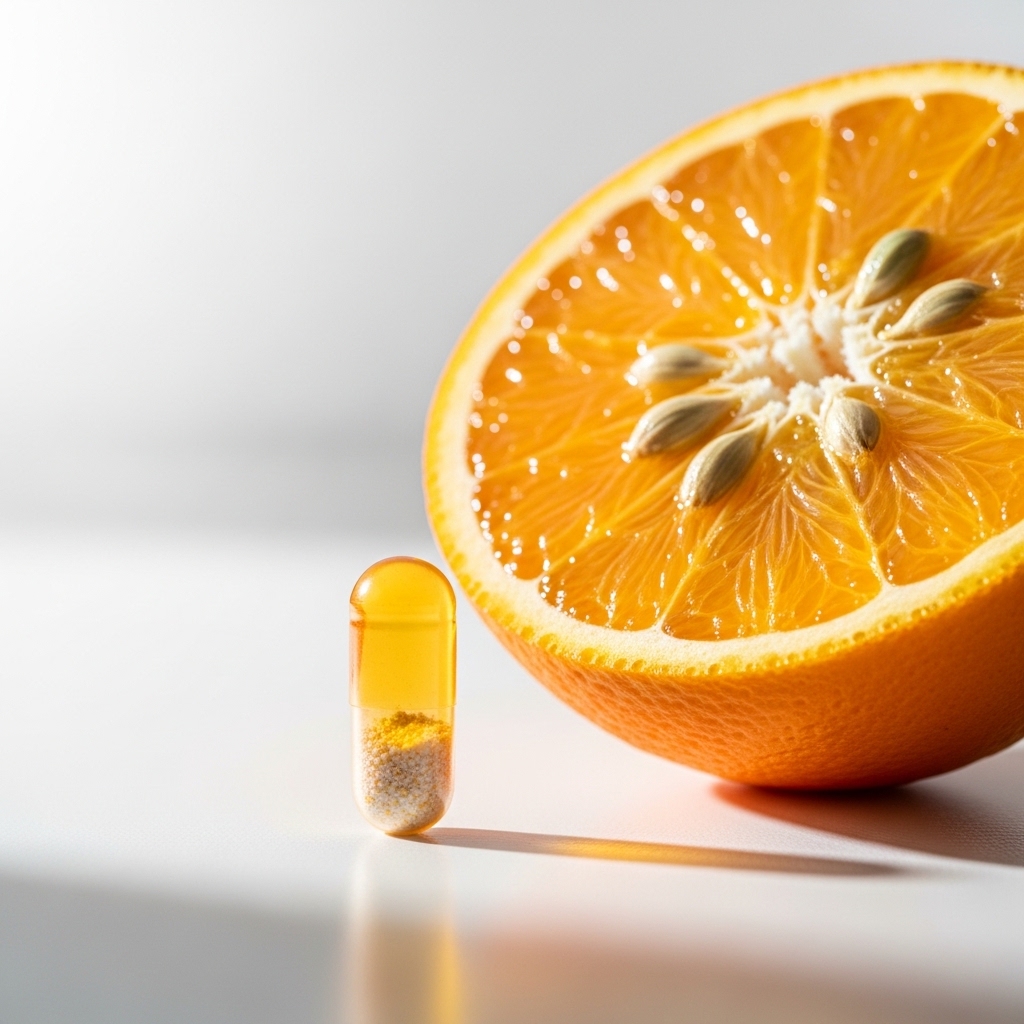
Vitamin c, formally known as ascorbic acid, is a water soluble vitamin that your body cannot make on its own. Unlike fat-soluble nutrients, a water soluble nutrient does not linger in the body for long. You need to replenish it consistently through food or c supplements. This is one reason why so many people turn to oral vitamin forms to stay on track each day.
As a powerful antioxidant, vitamin c helps protect your cells from damage caused by free radicals. These are unstable molecules that can accelerate aging and contribute to disease. Vitamin c steps in as a shield. It also plays an important role in collagen synthesis, which keeps your blood vessels, joints, and skin firm and healthy. Think of collagen as the scaffolding that holds your body together gracefully.
Beyond that, vitamin c supports white blood cells, which are your body's first line of defense. It supports wound healing, helps your body absorb iron from plant-based food, and even works alongside vitamin e and other antioxidants to maintain overall cellular balance. The list is long, and the benefits are real. You are looking at a nutrient that truly earns its place in your routine.
The Best Food Sources of Vitamin C

Before reaching for capsules, it helps to know what your food can offer. Sources of vitamin c are plentiful in nature. Citrus fruits like oranges and grapefruits are the most famous. But your options go far beyond the fruit bowl. Many vegetables contain impressive amounts of this nutrient too.
Brussels sprouts, green peppers, broccoli, kale, and strawberries are all excellent dietary sources. Rose hips, the fruit of the rose plant, are among the richest known sources of vitamin c in nature. Rose hips have been used in herbal traditions for centuries. Reaching for them, or products made from them, gives you a beautiful blend of tradition and nutrition. They are worth getting to know.
Still, even a good diet rich in citrus fruits, brussels sprouts, and colorful vegetables may not always deliver enough vitamin c for your specific needs. Life gets busy. Cooking depletes vitamin c content in food. Travel, stress, and season changes affect what you eat. This is exactly where thoughtful use of vitamins c supplements comes in to fill those natural gaps.
How Vitamin C Supports Your Immune System

One of the most celebrated roles of vitamin c is its contribution to immune support. Your immune system relies on vitamin c to produce and protect white blood cells, which seek out and destroy harmful invaders. Without enough vitamin c, your immune function can weaken, leaving you more vulnerable to illness and slower to recover when it does strike.
Research has explored whether taking vitamin c can reduce the duration of the common cold. The results are nuanced, but studies suggest that regular vitamin c use may shorten the length of a cold and slightly ease its severity. It may not prevent the common cold entirely, but it gives your immune system a stronger hand to play when it matters. That is a meaningful advantage in any season.
For those under intense physical or emotional stress, vitamin c stores are depleted faster. Immune support through consistent vitamin c intake becomes even more valuable during those stretches. Taking vitamin c regularly, even at modest doses like 500 mg, can help maintain the kind of quiet, consistent immune support your body depends on every single day.
READ ALSO: Best Vitamins and Minerals for Immunity: What You Need
Vitamin C and Skin Health

Skin health is one of the most visible benefits of consistent vitamin c use. Your skin is your largest organ, and it depends on collagen to stay firm, resilient, and glowing. Collagen synthesis requires vitamin c as a key ingredient. Without it, collagen production slows, and the effects show up in your reflection over time.
Taking vitamin c regularly supports the body's ability to maintain healthy skin from the inside out. It also acts as an antioxidant that helps defend skin cells from UV-related damage and environmental stress. This is not about chasing perfection. It is about giving your skin the nutrients it needs to stay resilient and radiant as you move through life.
Many people spend money on topical creams and serums for their skin. Those can help. But internal vitamin c supplementation works at a deeper level. It feeds the very process that builds your skin's structure. Pairing a thoughtful diet with consistent c supplements gives your skin health a foundation that no cream alone can replicate.
Vitamin C and Cardiovascular Disease

Your heart and blood vessels also benefit from enough vitamin c in your system. Studies published in j nutr and similar journals have explored the relationship between vitamin c and cardiovascular disease. The findings are promising, though researchers agree that more research is still needed to fully understand the connection.
What is clear is that vitamin c helps protect blood vessels from oxidative stress, which is a major contributor to cardiovascular disease. As a potent antioxidant, vitamin c supports the lining of blood vessels and may help maintain healthy blood pressure levels. Alongside vitamin e and other antioxidants, it contributes to a more balanced internal environment for your heart to thrive in.
Some research also suggests that people with enough vitamin c in their system tend to have a lower risk of developing certain forms of cardiovascular disease. That does not mean vitamin c is a treatment. It means that building health through consistent nutrition, including adequate vitamin c intake, is a strategy that supports your heart over the long run.
READ ALSO: The Benefits of B Vitamins
Can Vitamin C Affect Cancer Risk?

This is a topic that deserves care and honesty. Some studies have explored whether vitamin c might affect cancer risk. The idea is rooted in its role as an antioxidant, which helps protect cells from the kind of DNA damage that can, over time, contribute to cancer risk. This does not mean vitamin c prevents or treats cancer. It does not.
What science currently suggests is that a diet rich in food containing vitamin c may be associated with a lower risk of certain cancers. However, whether supplemental vitamin c alone can affect cancer risk in the same way remains unclear. Researchers continue to study this. For now, using vitamin c as part of a balanced lifestyle makes good sense, without overstating its role.
The most grounded thing you can do is support your body with consistent nutrition, including enough vitamin c daily. Think of it as stacking small, nourishing habits that work together over a lifetime. Each one alone is modest. Together, they build something meaningful for your long-term health.
Choosing the Right Vitamin C Supplements
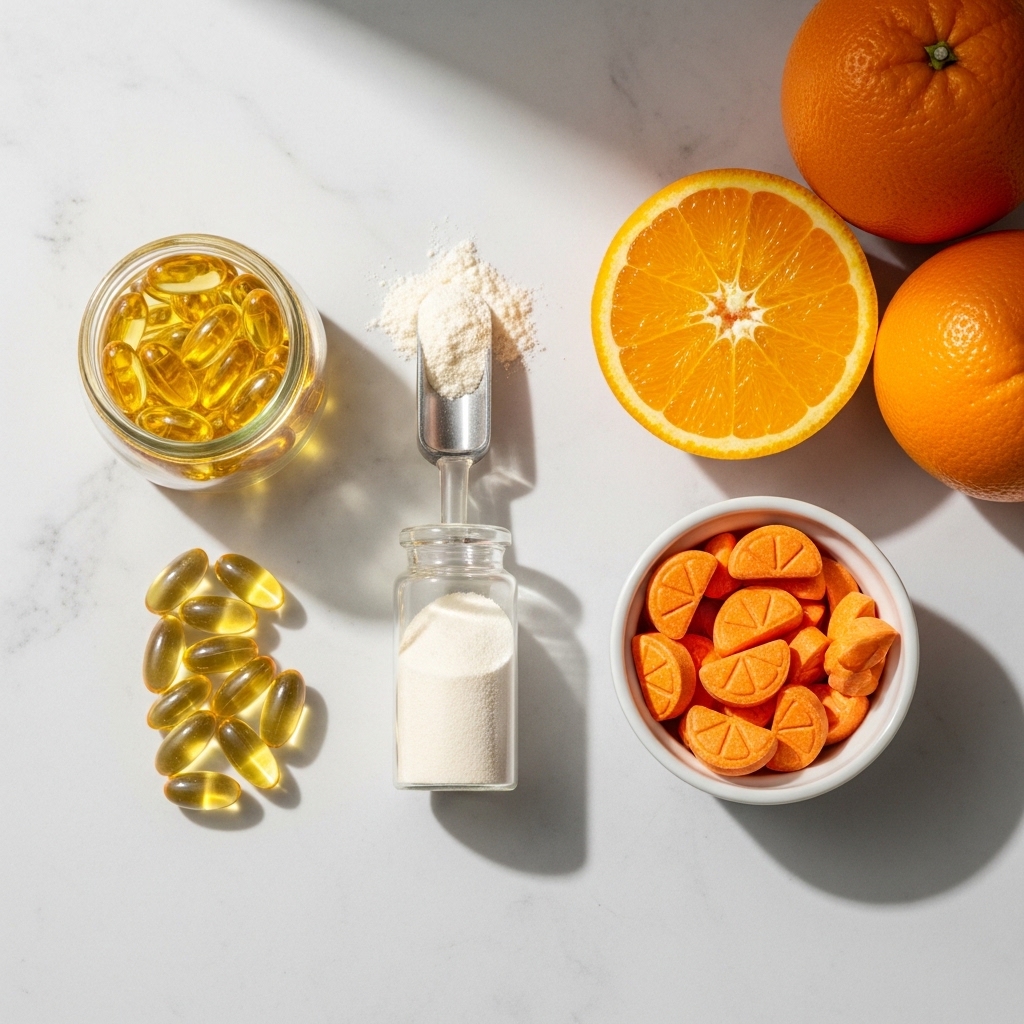
When you decide to buy vitamin c products, the options can feel overwhelming. You will find capsules, powders, chewables, and liquids. You may see labels featuring ester c, sodium ascorbate, super c, and more. The good news is that most forms of oral vitamin c are effective. The best one is simply the one you will take consistently.
Ester c is a buffered form that some people find gentler on the stomach. Sodium ascorbate is another mild option for those who experience an upset stomach with regular ascorbic acid. Rose hips-based c supplements offer a whole-food-inspired option that many wellness enthusiasts love. Vitamin c 500 mg capsules are among the most popular choices for regular vitamin c users because they are easy, predictable, and effective.
Always check the expiration date when you buy vitamin c. Fresh supplements deliver more reliable vitamin c content. Look for reputable brands with third-party testing. Whether you choose ester c, sodium ascorbate, or standard ascorbic acid, quality matters more than marketing claims. Start simply, stay consistent, and let your body guide you from there.
Understanding Vitamin C Intake and Dosage

The recommended dietary allowance for vitamin c is 65 to 90 mg per day for most adults. Smokers and those exposed to secondhand smoke need an additional 35 mg above that baseline. Many dietary supplements offer 500 mg or more per dose. This is well above the recommended dietary allowance but still within safe ranges for most healthy individuals.
Vitamin c supplementation at 500 mg daily is a popular and well-tolerated starting point. Because vitamin c is a water soluble vitamin, your body flushes out excess amounts rather than storing them. This makes toxicity rare, but it also means you need steady vitamin c intake rather than occasional large doses. Spreading supplemental vitamin c across the day helps your body absorb adequate amounts more efficiently.
For most healthy individuals, oral vitamin c at moderate doses is safe and effective. Some people take higher amounts during illness or periods of high stress. But consistent, moderate vitamin c intake every day is far more beneficial than sporadic high doses. Build the habit first. The results will follow naturally.
READ ALSO: Superfoods for Energy and Well-Being: Power Up Naturally
When Too Much Vitamin C Becomes a Concern

Too much vitamin c taken at once can cause digestive discomfort. An upset stomach, diarrhea, and nausea are the most common signs that you have taken more than your system can comfortably handle. These effects are usually temporary. But they are your body's clear signal to dial back the dose. Staying within the tolerable upper limit of 2000 mg per day keeps most people well within a safe range.
There is also some concern that high doses of vitamin c over long periods may increase the risk of kidney stones in people who are already prone to them. Too much vitamin c can also interfere with certain medical tests and medications. If you have a history of kidney stones or are on prescription medications, speak with your doctor before increasing your vitamin c intake significantly. Being informed is always the wise path.
How to Make Vitamin C Supplementation a Lasting Habit

Taking vitamin c every day does not need to be complicated. The simplest habit is often the one that sticks longest. Pairing your c supplements with a meal makes absorption smoother and reduces the chance of an upset stomach. Breakfast works well for many people because it anchors the habit to a routine that already exists.
Keep your vitamins c supplements where you will see them, like next to your morning cup of tea or on the kitchen counter. Start with 500 mg once daily and see how your body responds before adjusting anything. Pair your regular vitamin c routine with eating more citrus fruits and colorful vegetables to amplify the effect. Use vitamin c alongside vitamin e and other antioxidants from whole food for a more complete approach to immune support.
Consistency is what transforms a supplement into a genuine wellness practice. Supplemental vitamin c works best when it becomes part of the rhythm of your day, not a chore you remember to do occasionally. Treat it as a small, loving act you do for your future self. Over time, those small acts accumulate into something significant and deeply worthwhile.
The Bigger Picture: Vitamin C as Part of Whole Living

Vitamin c is not a magic pill. No single nutrient ever is. But within the broader landscape of whole, intentional living, it holds a place of genuine and lasting value. Your immune system, your skin health, your collagen, your blood vessels, your cells, and even your long-term protection against cardiovascular disease and eye diseases all benefit when you keep your body nourished with enough vitamin c.
Think of vitamin c supplementation as one thread in a larger tapestry of health. Alongside a nourishing daily diet, quality sleep, movement you enjoy, and stress practices that ground you, c supplements quietly and reliably do their part. They fill the gaps. They shore up your defenses. They support the quiet, invisible work your body does every single hour to keep you well and thriving.
You do not have to overhaul your entire life to feel better. Start with one small, consistent habit. Let taking vitamin c each morning be a moment of care, a tiny ritual that says: I am worth showing up for. Because you are. And this is one of the simplest, most accessible ways to begin.