
When it comes to sleep, we often focus on what’s going on in our heads. However, the position of your body plays a massive role in the quality of your rest. Supine posture, or lying on your back, is a sleeping position that provides remarkable health benefits. Not only does it support a neutral spine, but it also ensures pressure relief for your joints and spine. Today, let’s talk about why supine posture could be the key to better sleep and overall well-being.
Understanding Supine Posture
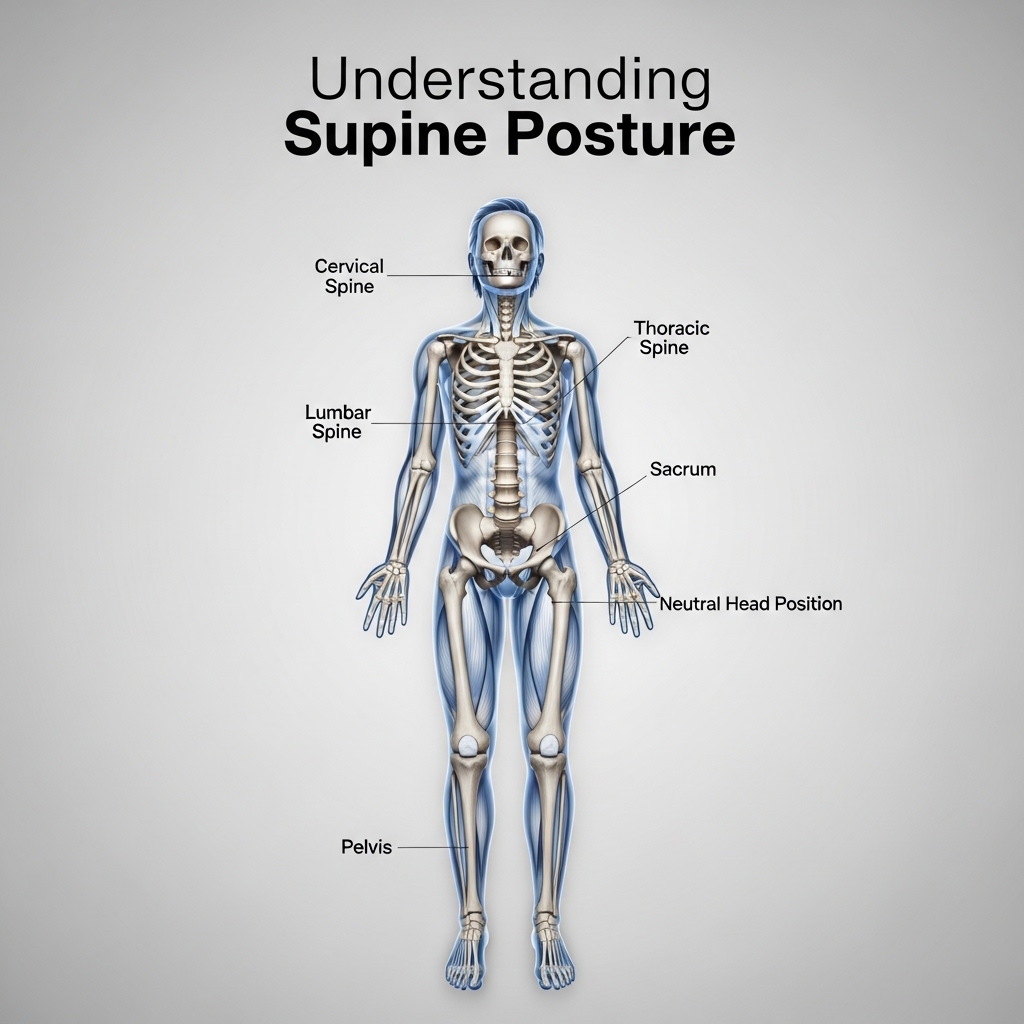
The supine position means lying on your back with your face and torso facing upward. This position is widely recommended for those seeking to maintain a healthy spine and reduce the risk of pain. When you sleep supine, your spine can align naturally, supporting its natural curve. This leads to a restful night without the discomfort associated with other sleeping positions.
Many yoga poses are designed around this position because of its calming effect on the body. Whether you're recovering from surgery, dealing with sleep apnea, or simply seeking a peaceful rest, the supine posture can provide the support your body needs. It’s a common position used in medical settings, such as for laparoscopic surgeries or intracranial procedures, to maintain comfort and reduce strain on vital organs.
Supine Sleeping Position and Its Benefits
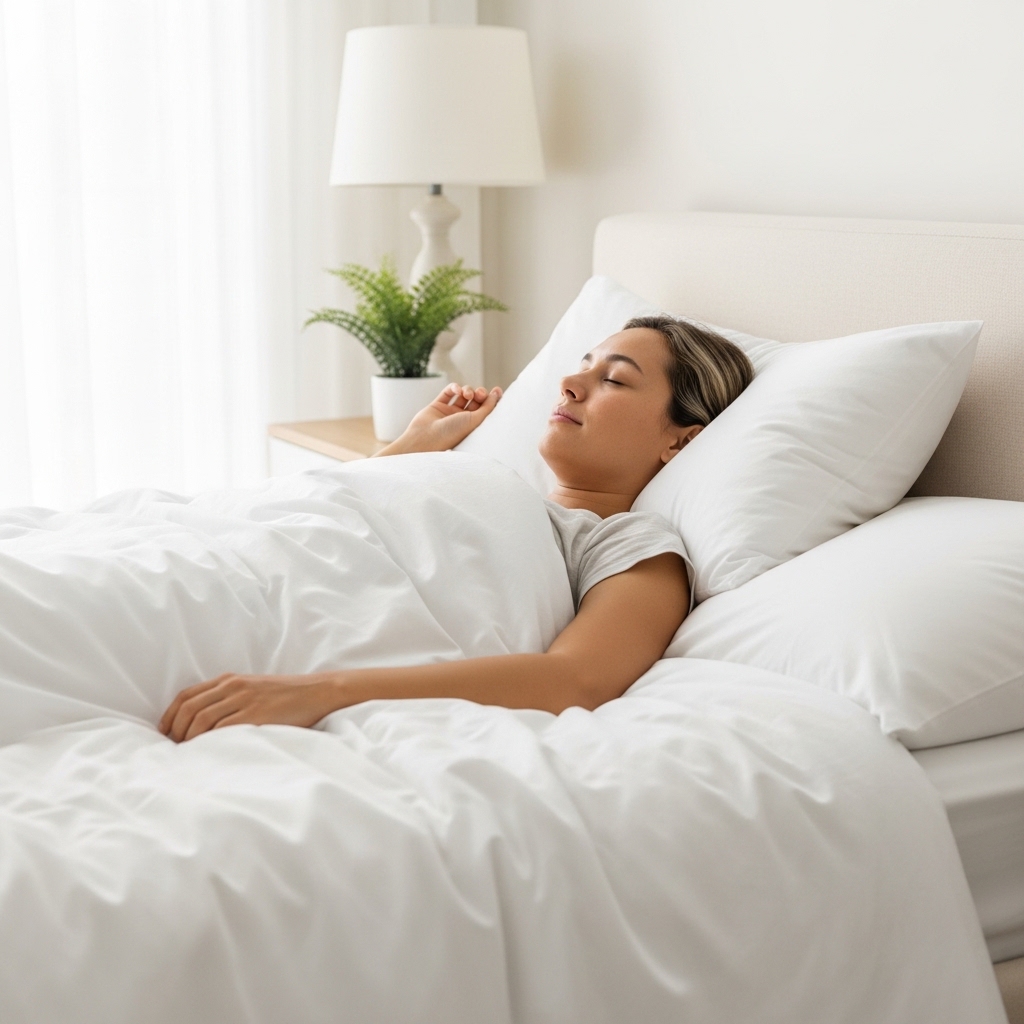
The supine sleeping position offers multiple health benefits, from minimizing neck pain to improving blood flow. Sleeping on your back ensures that your neck and spine remain aligned, reducing the chances of waking up with stiffness or soreness. This position also helps distribute your body weight evenly across your bed, relieving pressure points on your hips, knees, and lower back.
By promoting the natural curve of your spine, the supine posture keeps your head, neck, and spine in the best alignment possible. It may also help alleviate conditions like obstructive sleep apnea, as it allows for more open airflow, unlike positions where the head might be tilted forward, obstructing the airway.
READ ALSO: What’s a Good Mattress for Back Pain? Comfort Meets Care
How the Supine Position Affects Sleep Apnea

When we talk about sleep apnea, particularly obstructive sleep apnea, the supine position can either help or hinder your condition. In some people, sleeping on their backs can cause the tongue to fall back, blocking the airway and leading to snoring or breathing pauses during sleep.
However, there are ways to adjust your sleeping position to minimize this risk. For instance, sleeping in the supine position with your knees slightly bent can open the chest, improving lung volume. This may reduce the symptoms of sleep apnea by helping the body relax in a way that encourages better breathing.
READ ALSO: Posture Correctors: Daily Support for Strength and Comfort
Reverse Trendelenburg Position vs. Supine Posture
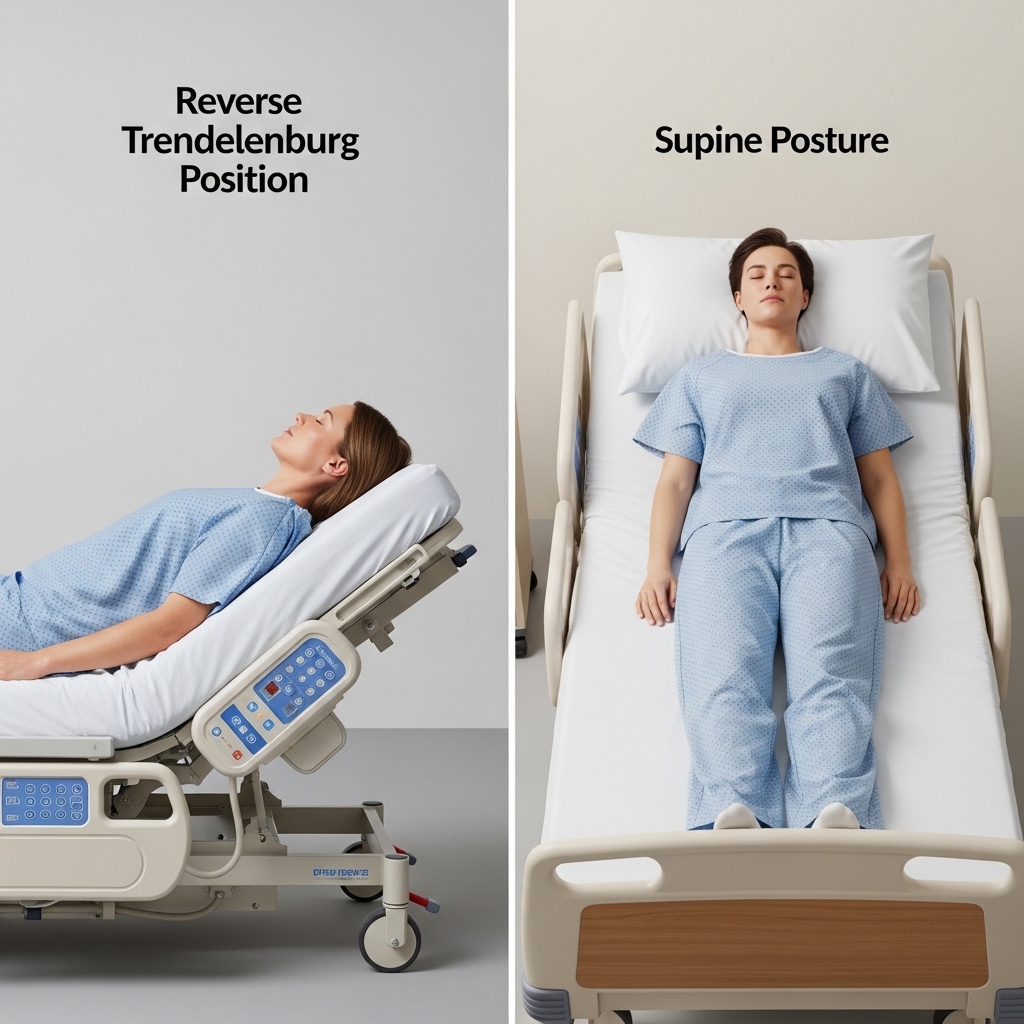
Another position to consider is the reverse trendelenburg position, where the upper body is elevated. This position can benefit patients by improving venous drainage and blood flow, especially after surgery. However, for most people looking to sleep better, the traditional supine posture remains the more accessible and comfortable choice. The supine position provides a neutral spine and adequate support without the need for excessive elevation.
In contrast, while the reverse trendelenburg position is excellent for certain medical applications, it may not be as comfortable for sleeping long hours. It’s ideal for specific medical procedures but not for general sleep needs.
Supine Posture and Pregnancy

Pregnant individuals often struggle with finding a comfortable sleeping position. As pregnancy progresses, the growing baby can put extra pressure on the spine, affecting comfort. In the later stages of pregnancy, many experts recommend the supine posture for short periods, as it helps relieve pressure on the lower body. However, it’s essential to avoid sleeping too long in this position to prevent the compression of the inferior vena cava, which can restrict blood flow and lead to dizziness or discomfort.
READ ALSO: Motherhood Nutrition Center: Fueling Your Health at Any Age
Supine Position in Infant Sleep

For infants, the supine position is widely recommended for sleep to reduce the risk of sudden infant death syndrome (SIDS). Laying babies on their backs to sleep, as opposed to the prone position, significantly lowers the risk of suffocation and suffocation-related fatalities. Health professionals advocate this position because it maintains the baby’s neck and head in a safe, neutral alignment, minimizing the chances of airway obstruction.
Supine Sleeping and Its Effect on Your Muscles

One of the main benefits of sleeping in the supine posture is the reduced strain on your muscles. When you lie on your back with your knees slightly bent and your arms relaxed by your sides, you create a position of balance for your muscles. This position allows your body to rest deeply without constantly adjusting, leading to a more restorative night’s sleep.
The supine position allows for the body to distribute weight evenly, which reduces the burden on the muscles of the neck, shoulders, and back. This promotes relaxation and helps ease any muscle pain that might arise from poor positioning during sleep.
READ ALSO: Essential Habits for Better Sleep Every Night
Supine Posture and Pain Relief
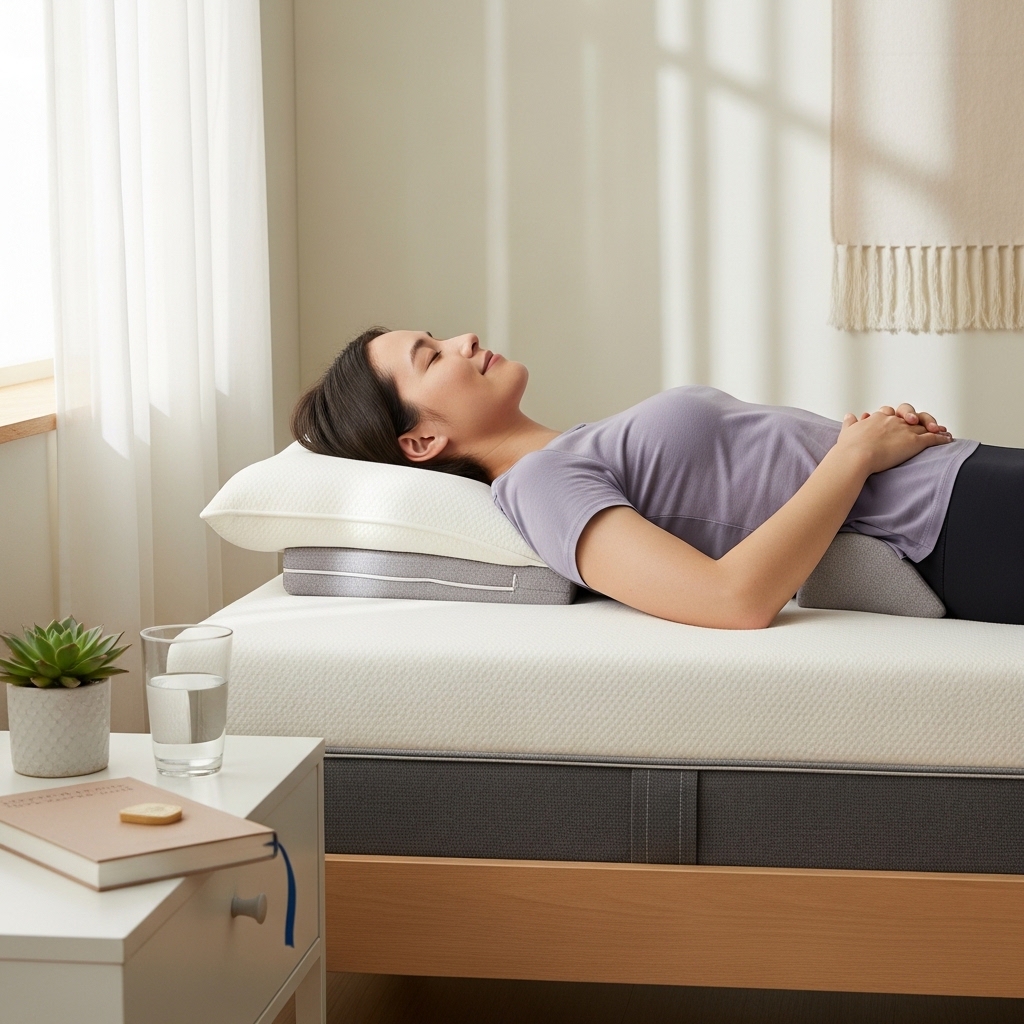
If you’ve been dealing with chronic pain, particularly in your neck or back, the supine posture may offer some relief. Lying on your back helps maintain a neutral spine, preventing your neck from getting twisted or strained. It also helps your muscles relax, providing a calm environment for healing.
For those with knee pain or hip discomfort, the supine position can also help. Knees bent slightly helps to avoid any pressure on sensitive joints, making this an excellent position for reducing pain and encouraging better sleep. The benefits of sleeping in this position extend beyond just sleep—it can help support overall muscle recovery.
READ ALSO: Essential Habits for Better Sleep Every Night
Supine Posture for Better Health
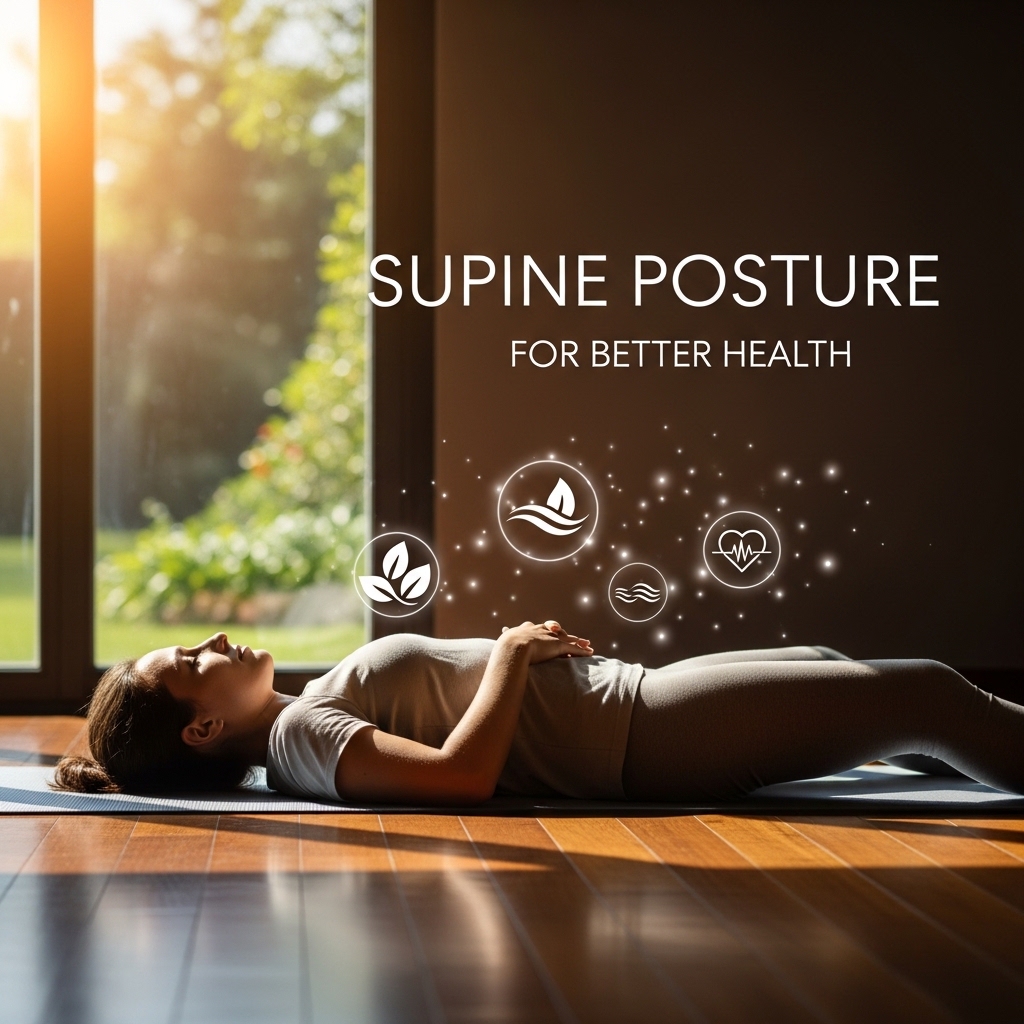
You don’t need to make drastic changes to enjoy the full benefits of supine posture. With the right adjustments, such as placing a pillow under your knees or using a supportive mattress, you can enhance your rest significantly. Supine sleeping is not only great for pain relief and blood flow but also encourages healthier posture habits.
By focusing on comfort and proper alignment, you allow your body to fully relax during the night, promoting better physical and mental health. This simple change can lead to a restful night’s sleep that restores energy, reduces stress, and leaves you feeling rejuvenated.
The Best Sleep Position for You

If you’ve been struggling to find the perfect sleeping position, supine posture could be just what you need. Whether you’re recovering from surgery, seeking better sleep quality, or just looking to improve your posture, the supine position offers a variety of health benefits. It’s an easy, accessible way to encourage muscle recovery, relieve pressure, and promote a deeper, more restful sleep.
Remember, no single position is perfect for everyone, but by experimenting with slight variations and focusing on comfort, you can discover what works best for your body. Supine posture is an excellent choice for a variety of reasons, from improving blood flow to providing a gentle alignment that supports long-term well-being. Embrace this simple habit and enjoy the restful nights you deserve.