
For high-performing professionals, the quality of sleep directly impacts cognitive performance, decision-making, and long-term health outcomes. Chronic back pain disrupts sleep quality, leading to elevated cortisol levels, impaired recovery, and accelerated biological aging. In fact, poor sleep due to spinal discomfort can exacerbate inflammatory responses, reduce memory consolidation, and diminish overall productivity. Choosing the right mattress is not merely about comfort but about preserving the structural integrity of the spine and optimizing sleep for peak mental and physical performance. This article examines how specific mattress characteristics can mitigate back pain, ensuring restorative sleep and sustaining high-level professional function.
The Relationship Between Sleep Quality and Back Pain
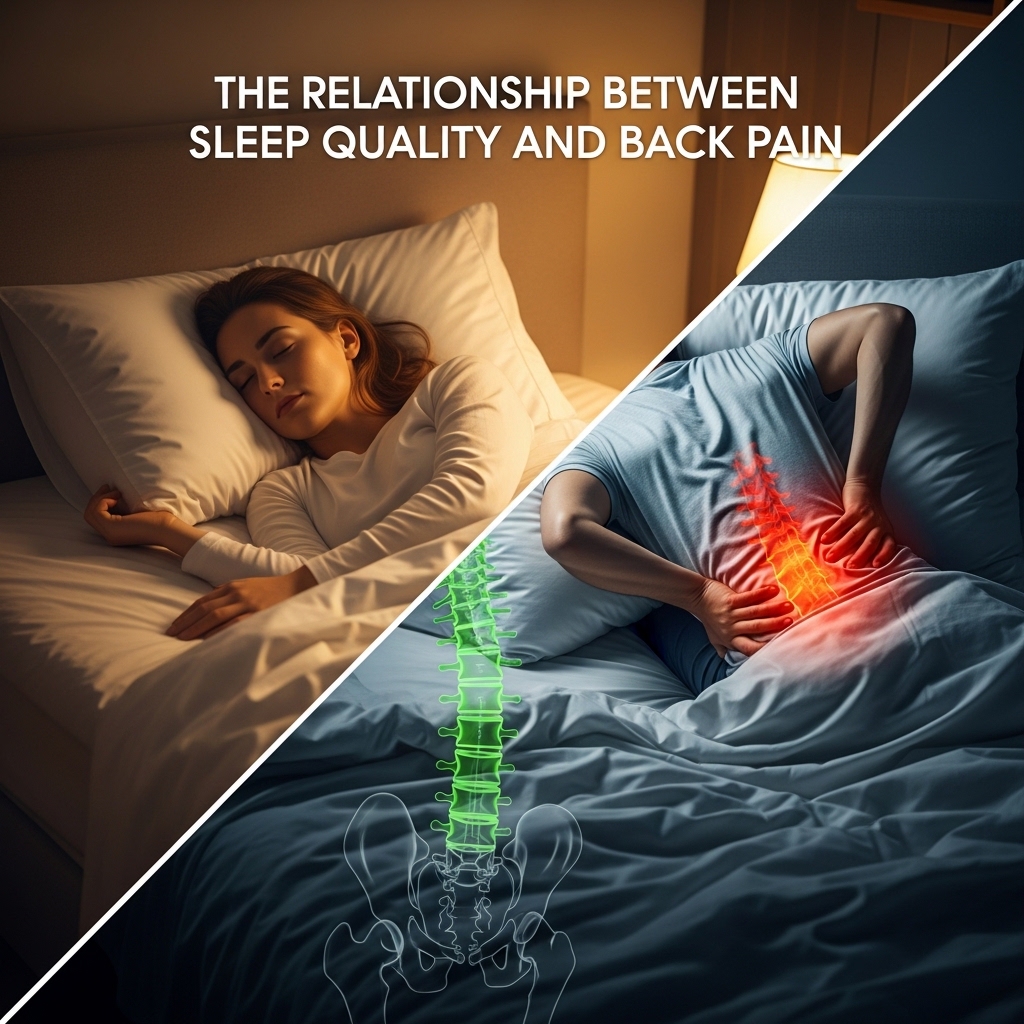
Chronic back pain significantly disrupts sleep quality. This is especially true for high-performing professionals who depend on cognitive function and mental clarity. Research shows that pain directly affects sleep duration and quality, leading to higher cortisol levels, which elevate stress and impair recovery. A study published in The Lancet found that people with chronic back pain suffer from poor sleep, which worsens inflammation and speeds up biological aging (Walker, 2017).
Disrupted sleep from pain causes a cycle of stress. The body’s inflammatory response increases, further aggravating pain and reducing recovery. For executives, this cycle leads to poor decision-making, fatigue, and loss of focus. It is essential to understand how a mattress that supports spinal alignment can break this cycle, improving both sleep quality and long-term health outcomes.
Choosing the right mattress isn’t just about comfort. It directly impacts the ability to sleep deeply, reduce stress, and recover from pain. This is crucial for those who need to maintain high performance at work.
How Mattress Firmness Affects Spinal Health
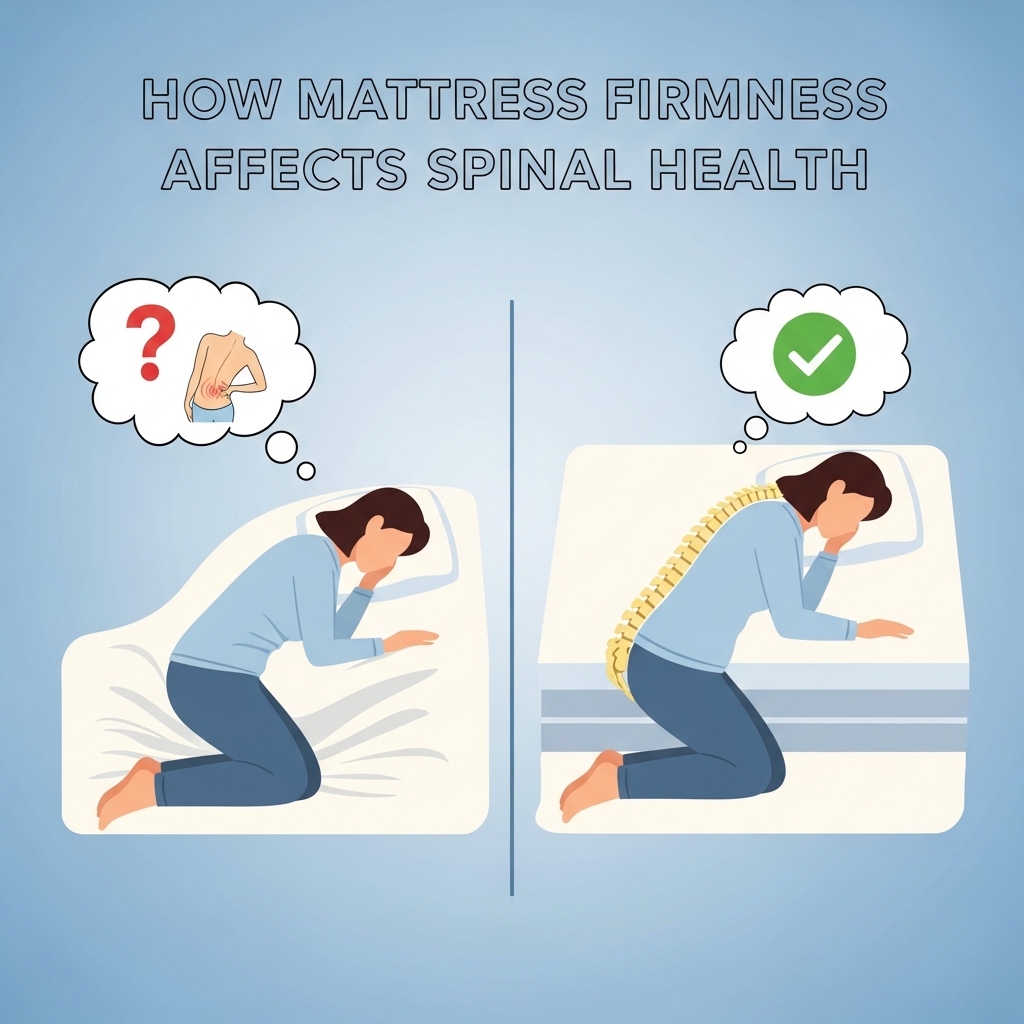
Mattress firmness is key to supporting spinal health. A mattress that is too firm or too soft can misalign the spine, leading to pain. A study by the National Institutes of Health (NIH) showed that medium-firm mattresses were the most effective at reducing back pain (NIH, 2016).
Medium-firm mattresses align the spine and distribute weight evenly. This helps reduce pressure on sensitive areas like the lower back. In contrast, a mattress that’s too soft allows the body to sink, creating poor alignment and adding strain on muscles and ligaments.
The right firmness doesn’t only help with back pain. It can also lower cortisol levels during sleep, improving recovery and mental clarity. Professionals who sleep better are better able to make decisions and manage stress.
The Importance of Sleep Position for Back Pain Relief
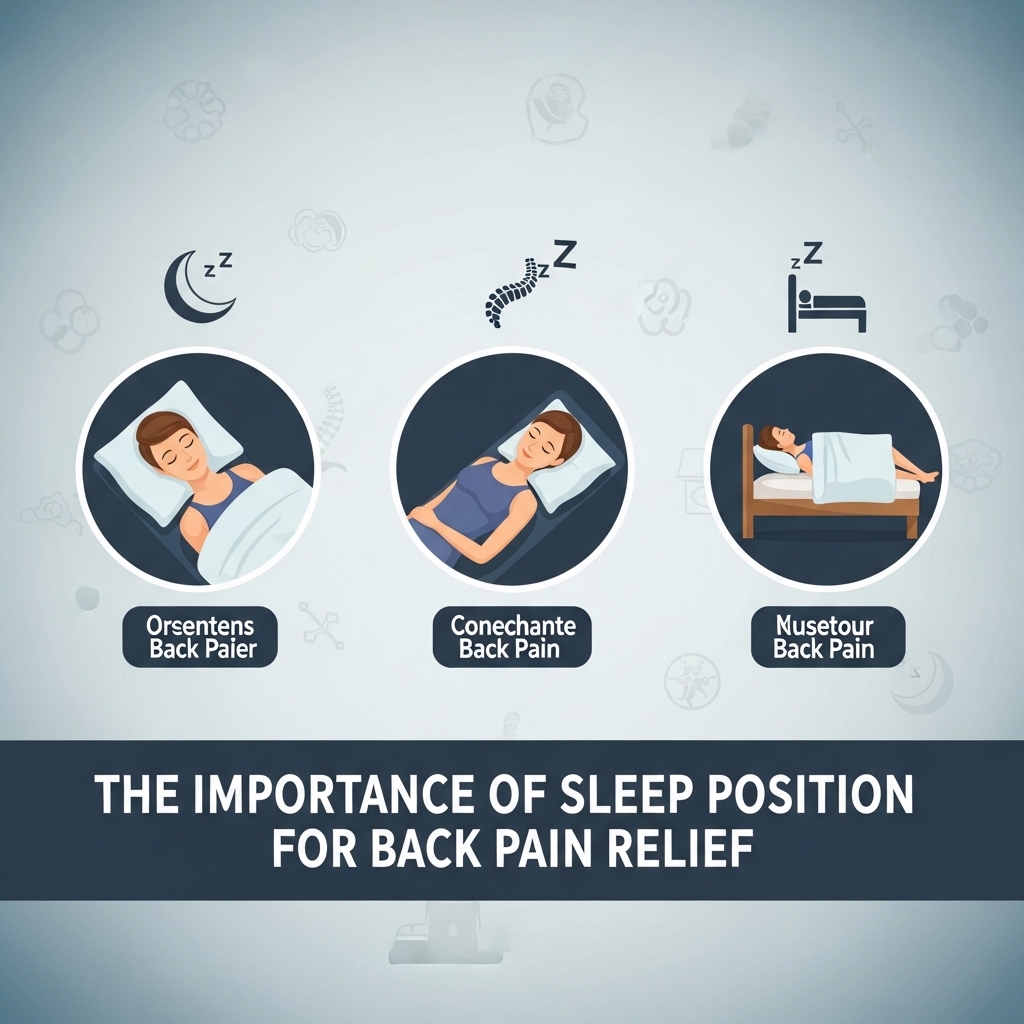
The position in which you sleep plays a large role in alleviating or worsening back pain. Different sleep positions can either support or strain the spine. A study in the Journal of Pain Research found that side sleeping with a pillow between the knees or back sleeping with lumbar support helped reduce lower back pain (Moss et al., 2019).
Sleeping on your back with a pillow beneath the lower back supports the natural curve of the spine. For side sleepers, placing a pillow between the knees helps maintain spinal alignment and reduces strain. Adjusting your sleep position, along with the right mattress, can help relieve back pain.
Choosing a mattress that complements your sleep position is essential. It helps ensure proper alignment, making sleep more comfortable and lessening pain. Proper sleep posture combined with a supportive mattress can lead to better rest and recovery.
The Role of Memory Foam in Alleviating Back Pain

Memory foam mattresses are often recommended for back pain relief. These mattresses conform to the body’s shape, providing pressure relief on key areas like the lower back. A study published in the Journal of Clinical Sleep Medicine found that memory foam mattresses significantly reduced pain and improved sleep quality (Journal of Clinical Sleep Medicine, 2016).
Memory foam helps distribute body weight evenly across the mattress. This reduces pressure points, which are often the cause of back pain. As the foam conforms to the body’s contours, it ensures that the spine remains aligned during sleep.
Memory foam also helps prevent motion transfer, making it an excellent choice for those who share a bed. Reducing disturbances during sleep helps you rest more deeply, which is critical for professionals who need quality sleep to maintain peak performance.
The Impact of Sleep Deprivation on Cortisol and Stress Physiology
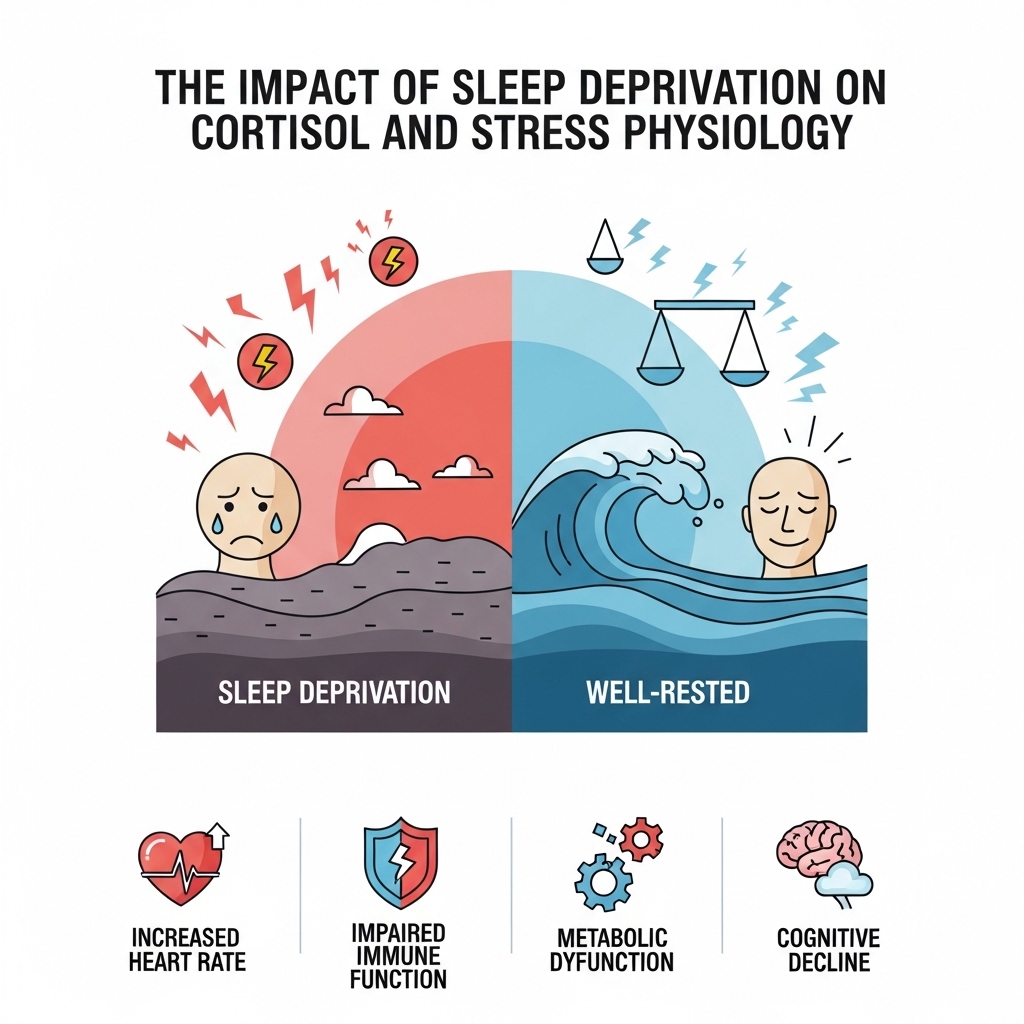
Sleep deprivation is a major issue for high-performing professionals. Chronic lack of sleep raises cortisol levels, which in turn can worsen pain sensitivity and slow recovery. Studies show that sleep deprivation causes elevated cortisol levels, which impacts stress physiology and leads to physical deterioration (Walker, 2017).
For professionals under constant stress, the increase in cortisol levels from poor sleep can exacerbate back pain. The higher cortisol levels interfere with muscle recovery, prolonging pain and reducing the body’s ability to heal. Chronic stress, when combined with back pain, can create a cycle of pain and fatigue that degrades both physical and cognitive health.
A mattress that supports better sleep can help reduce this cycle. Reducing stress during sleep, by promoting quality rest, can help lower cortisol levels, ease pain, and improve recovery.
Inflammatory Markers and Mattress Selection
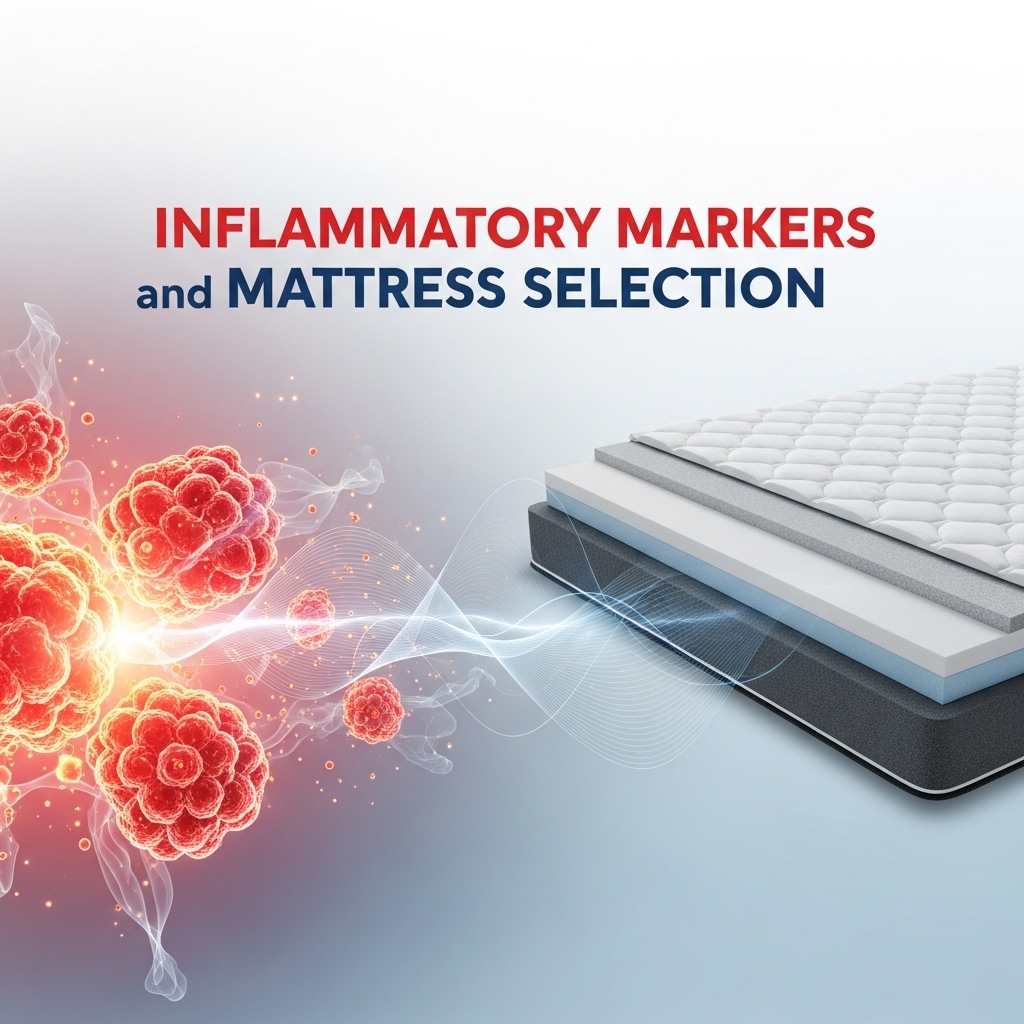
Inflammation is a major contributor to chronic back pain. Inflammatory markers like C-reactive protein (CRP) and interleukin-6 (IL-6) are associated with greater levels of pain and slower recovery from spinal injuries. A study by the American College of Rheumatology showed that supportive mattresses can help reduce these inflammatory markers (American College of Rheumatology, 2019).
When you sleep on a mattress that provides proper support, your body experiences less pressure and inflammation. This reduction in pressure points allows the body to rest and repair. This helps lower levels of CRP and IL-6, contributing to better overall health and quicker recovery from pain.
Choosing a mattress that minimizes pain and supports spinal health can have a direct effect on inflammation. It helps reduce these inflammatory markers, improving both back pain and long-term health.
READ ALSO: Posture Correctors: Daily Support for Strength and Comfort
The Importance of Mattress Material for Spinal Support
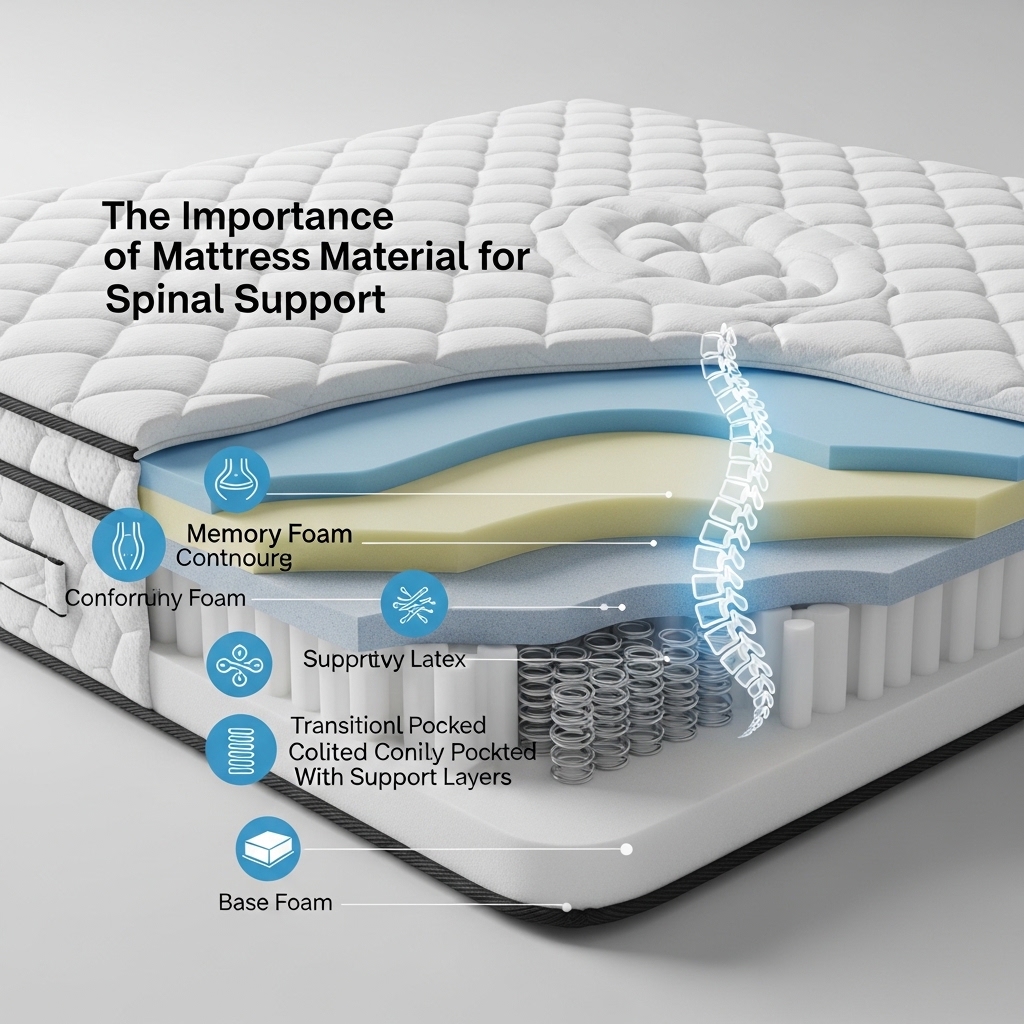
Mattress material impacts spinal support. Innerspring mattresses are durable but often fail to provide the same level of support as memory foam or latex. High-quality memory foam or latex mattresses conform to the body, distributing weight evenly and reducing pressure on the spine. A study in Sleep Health found that hybrid mattresses — which combine innerspring coils and memory foam — provided the best spinal support and pain relief (Sleep Health, 2018).
Hybrid mattresses combine the firm support of coils with the contouring benefits of memory foam, offering balanced support for the spine. This helps alleviate pain by maintaining spinal alignment and reducing pressure on sensitive areas like the lower back.
For high-performing professionals, the right mattress material can mean the difference between a restless night and restorative sleep. Materials like memory foam or latex provide better support and improve sleep quality, contributing to overall health and pain relief.
READ ALSO: Latissimus Muscle: The Secret to a Stronger, Leaner Back
How Mattress Temperature Affects Sleep Quality and Back Pain

Temperature regulation is critical for sleep quality. A mattress that retains too much heat can cause restlessness, worsening back pain and disrupting sleep. Research from the National Sleep Foundation shows that cooler sleep environments lead to deeper, more restorative sleep (National Sleep Foundation, 2020).
A mattress with cooling properties helps regulate body temperature, promoting a more restful night’s sleep. Proper temperature regulation supports muscle relaxation, allowing the body to recover more effectively from back pain. This is particularly important for professionals whose performance relies on adequate sleep for mental clarity and focus.
Maintaining an optimal sleep temperature helps improve sleep quality and reduce back pain. Cooling mattresses ensure that the body stays at the ideal temperature throughout the night, leading to better rest and quicker recovery from pain.
READ ALSO: Stretching Exercise for Lower Back Pain You Can Do in Bed
Cognitive Performance and Sleep: The Link to Mattress Selection
Sleep quality has a direct impact on cognitive function, especially for those in high-performance environments. Disrupted sleep from back pain leads to cognitive deficits such as impaired memory, slower decision-making, and decreased focus. A mattress that promotes proper spinal alignment and restful sleep can significantly improve cognitive performance, especially in high-stakes situations where decision-making is crucial.
A study published in Nature Neuroscience showed that poor sleep directly impacts areas of the brain responsible for decision-making, emotional regulation, and memory consolidation (Walker, 2017). These cognitive impairments are particularly concerning for professionals who rely on sharp mental performance. By improving sleep quality with the right mattress, individuals can optimize their cognitive function, leading to better decision-making and increased productivity.
Professional performance in high-pressure situations depends not only on physical health but also on mental sharpness. A well-chosen mattress can improve both aspects by enhancing sleep quality and providing relief from back pain.
Practical Steps for High-Performing Professionals

To address back pain and improve sleep quality, professionals can start by assessing mattress firmness and material. Medium-firm mattresses are typically best for spinal support, helping to maintain proper alignment. Memory foam or hybrid mattresses provide targeted pressure relief and support, reducing pain and improving sleep quality.
Additionally, consider the impact of sleep position on back pain. Using pillows to support proper alignment can significantly reduce discomfort, especially for side sleepers. Temperature regulation is also crucial — cooling mattresses can promote better sleep by preventing overheating.
By combining these factors with proper sleep hygiene, professionals can improve their sleep quality and reduce back pain, ultimately enhancing both physical and cognitive performance. Regular assessment of mattress comfort and alignment, along with adopting healthy sleep practices, can help sustain long-term health and professional success.
UP NEXT: How Oblique Strength Training Preserves Spinal Integrity and Extends Athletic Longevity in Executive
Because mattress support affects back pain, sleep quality, and spinal alignment, a poor mattress fit can sustain sleep fragmentation; in chronic low back pain, sleep disturbance is associated with higher interleukin-6, and worsening sleep quality has been associated with accelerated epigenetic aging. WholeLiving's Biological Age Estimation Model incorporates this factor directly — your assessment takes under five minutes.
Ready to understand how these factors are influencing your biological age right now? [Take the Biological Age Assessment →]