Chronic lumbar pain in high-performing professionals is not a minor inconvenience — it is a measurable performance liability. Persistent lower back dysfunction elevates systemic cortisol load, disrupts sleep architecture, and accelerates the postural deconditioning that reduces functional capacity across the fourth and fifth decades of life. For executives and founders operating under sustained sedentary pressure, unaddressed spinal mobility deficits compound progressively, translating into degraded physical resilience, reduced cognitive stamina, and a biological age trajectory that outpaces chronological age. Introducing a stretching exercise for lower back pain can be an effective intervention to help mitigate these issues.
The Physiological Mechanism Behind Lumbar Pain in Sedentary Professionals
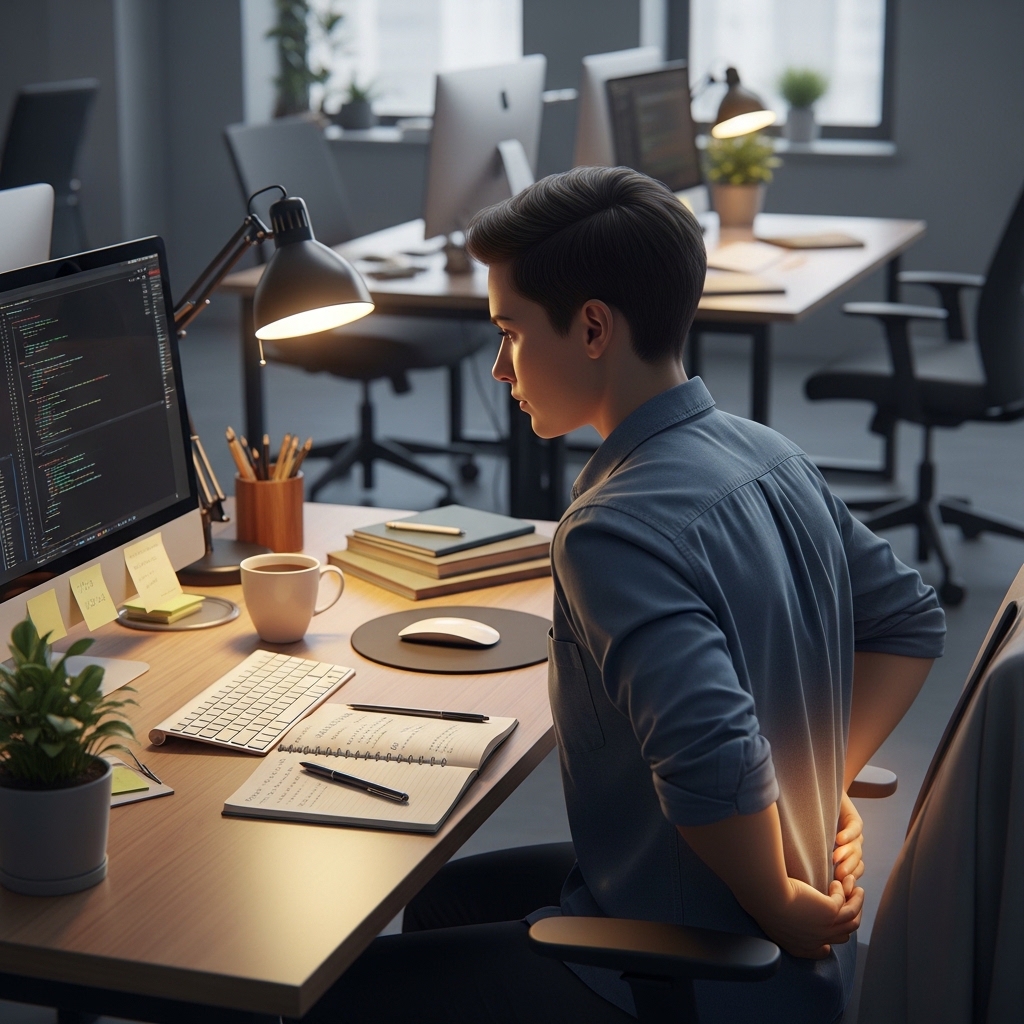
Prolonged sitting compresses the lumbar intervertebral discs. It also shortens the hip flexor musculature simultaneously. Both effects alter spinal load distribution. That altered distribution increases mechanical stress on the facet joints and posterior ligamentous structures. Over time, this produces the chronic low-grade inflammation underlying most non-specific lower back pain in professional populations.
The paraspinal muscles — the deep stabilizers running alongside the spine — weaken progressively under sedentary conditions. Weakened paraspinals shift postural load onto passive structures. Those passive structures, including discs and ligaments, are not designed for sustained load-bearing. As a result, a cycle of increasing instability, compensatory muscle tension, and cumulative tissue stress develops.
Research published in the journal Spine documents that prolonged sitting increases intradiscal pressure substantially compared to standing or walking. That pressure elevation, sustained across an eight-to-ten-hour workday, contributes directly to disc dehydration. It also reduces spinal segment mobility progressively. For professionals spending most working hours seated, these mechanical consequences accumulate daily.
Consequently, lumbar pain in this population is not primarily a structural disease. Rather, it is a functional consequence of sustained postural loading. That distinction matters because it points toward a modifiable solution — one that consistent stretching practice directly addresses.
How Stretching Modifies the Lumbar Pain Cycle
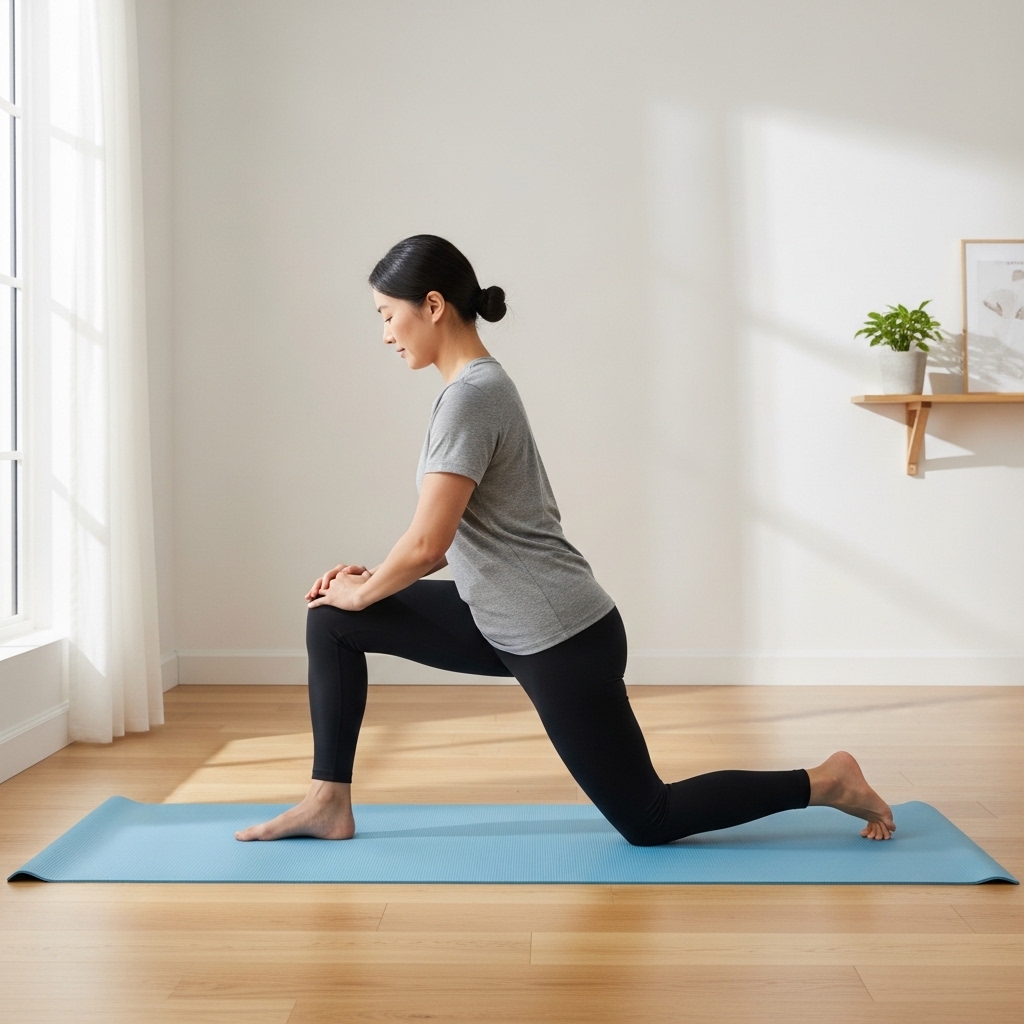
Stretching interrupts the lumbar pain cycle at multiple points simultaneously. It lengthens shortened musculature, reduces mechanical compression, and stimulates blood flow to hypoxic tissue. Each of these effects directly addresses one of the core drivers of chronic lower back pain in sedentary adults.
The hip flexors — primarily the iliopsoas — shorten predictably with prolonged sitting. Shortened hip flexors anteriorly tilt the pelvis. That tilt increases lumbar lordosis and concentrates compressive forces on the posterior lumbar segments. Therefore, targeted hip flexor stretching reverses this postural distortion and redistributes spinal load more favorably.
Additionally, the hamstrings contribute significantly to lumbar mechanics. Tight hamstrings restrict pelvic rotation during forward flexion. That restriction forces compensatory movement from the lumbar segments themselves. Consequently, mechanical stress amplifies. Research from the National Institutes of Health confirms that hamstring flexibility correlates inversely with lower back pain prevalence in working-age adults.
Together, these mechanisms establish stretching as a physiological intervention rather than a passive relaxation technique. The effects are structural, measurable, and directly relevant to the lumbar dysfunction that sedentary professional environments produce.
The Cortisol Connection: Stress Physiology and Spinal Tension

Chronic occupational stress elevates cortisol through sustained HPA axis activation. Elevated cortisol produces several effects relevant to lumbar health. Specifically, it increases muscle tension systemically, reduces tissue repair capacity, and elevates inflammatory markers including interleukin-6 and C-reactive protein.
Paraspinal muscle hypertonicity — abnormally elevated resting tension in the back muscles — is a direct consequence of sustained sympathetic nervous system activation. That hypertonicity reduces spinal segment mobility and compresses intervertebral spaces. It also amplifies pain sensitivity through peripheral sensitization mechanisms. For professionals under chronic deadline pressure, this physiological feedback loop worsens progressively without intervention.
Stretching activates the parasympathetic nervous system through mechanoreceptor stimulation. Controlled breathing during stretching further amplifies that parasympathetic shift. As a result, cortisol output reduces, muscle tone lowers systemically, and the hypertonicity driving lumbar tension directly counteracts. Research from Harvard Medical School's Division of Sleep and Circadian Disorders documents that stretching-based practices produce measurable reductions in salivary cortisol in occupationally stressed adults.
Therefore, the cortisol-reducing effects of consistent stretching practice extend well beyond the lumbar region. They represent a systemic neuroendocrine intervention. It simultaneously addresses the stress physiology and the spinal mechanics that professional environments dysregulate together.
READ ALSO: The Structural Case for Posterior Chain Development: Back Muscle Function, Posture, and Longevity Performance
Spinal Mobility as a Longevity Variable

Spinal mobility is not merely a comfort variable. Research increasingly identifies it as an independent predictor of functional longevity. Specifically, reduced lumbar range of motion associates with accelerated physical decline, increased fall risk, and reduced capacity to maintain physical resilience across the fifth and sixth decades.
The lumbar spine's range of motion depends on the combined flexibility of the posterior musculature, the intervertebral discs, and surrounding ligamentous structures. All three components respond to consistent mechanical loading through stretching. Without that loading, each component stiffens progressively. Moreover, that progressive stiffening follows a use-dependent pattern — meaning inactivity accelerates the rate of decline.
Biological age assessment tools increasingly incorporate physical performance metrics alongside inflammatory and epigenetic markers. Spinal mobility and functional movement capacity contribute to these assessments. They reflect the integrated state of musculoskeletal, neurological, and metabolic systems simultaneously. A professional who maintains lumbar mobility into their fifties preserves multiple longevity variables with a single consistent practice.
Furthermore, research published in the Journal of Gerontology demonstrates that flexibility maintenance in mid-life adults associates with lower all-cause mortality risk. This association holds independent of cardiovascular fitness. This finding positions consistent stretching practice not as a rehabilitation tool but as a preventive longevity intervention with measurable biological consequences.
The Knee-to-Chest and Pelvic Tilt: Evidence-Based Lumbar Decompression

The knee-to-chest stretch produces direct lumbar decompression. It reverses the anterior pelvic tilt that prolonged sitting establishes. Bringing one or both knees toward the chest posteriorly rotates the pelvis, widens the intervertebral foramina, and reduces compressive loading on the facet joints.
Research supports the knee-to-chest movement as one of the most effective passive decompression techniques for non-specific lower back pain. Holding the position for twenty to thirty seconds allows viscoelastic creep in the posterior ligamentous structures. That creep produces a sustained reduction in tissue tension. Notably, the tension reduction outlasts the stretch itself.
The pelvic tilt complements this effect by engaging the deep abdominal stabilizers — specifically the transversus abdominis. Activation of this muscle layer reduces lumbar instability. It increases intra-abdominal pressure and stabilizes the lumbosacral junction. That stabilization, in turn, reduces the compensatory paraspinal tension driving much of the chronic pain cycle.
Together, these two movements address both the compressive and instability components of lumbar dysfunction. Performing them sequentially creates a decompression-stabilization sequence. Clinical physical therapy research consistently identifies this sequence as effective for non-surgical lower back pain management.
READ ALSO: Exercise for Overall Health: Tips to Start Today – Whole Living
The Spinal Twist and Its Role in Rotational Mobility Maintenance

Rotational mobility in the lumbar spine declines with age and sedentary behavior. That decline often outpaces sagittal plane flexibility loss. It restricts daily movement patterns, increases compensatory loading on adjacent spinal segments, and contributes to progressive stiffening that worsens lumbar pain management over time.
The supine spinal twist introduces controlled rotation into the lumbar segments. It mobilizes the facet joints, stretches the rotational musculature, and stimulates synovial fluid circulation within the joint spaces. Synovial fluid delivers nutrients to the avascular cartilaginous surfaces that compression and inactivity deprive.
Maintaining shoulder contact with the surface during this movement ensures that rotation occurs at the lumbar level. Otherwise, the thoracic spine absorbs it entirely. That specificity maximizes the mechanical benefit to the segments most affected by sedentary loading patterns.
Consistent rotational mobility work preserves the three-dimensional movement capacity of the lumbar spine. That preservation, furthermore, directly supports the physical resilience professionals require for sustained high performance. This applies not only in athletic contexts but also across the accumulated physical demands of long workdays, travel, and postural variation.
Sleep Architecture and the Lumbar Pain Feedback Loop
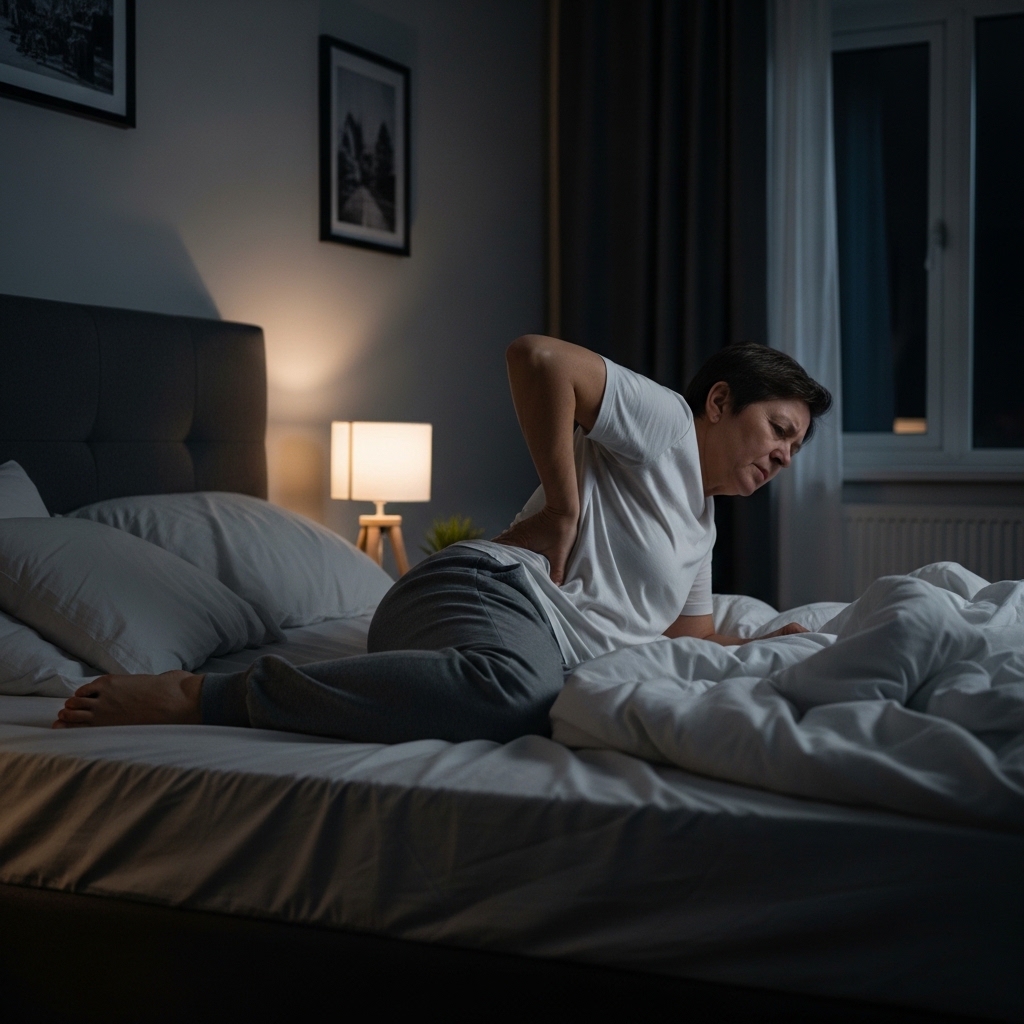
Lower back pain directly disrupts sleep architecture. Pain signals activate the ascending reticular system and increase arousal thresholds. They also fragment slow-wave sleep cycles. That fragmentation reduces the growth hormone secretion supporting musculoskeletal tissue repair — creating a feedback loop in which pain prevents the restorative sleep that would otherwise reduce it.
Research from the National Institutes of Health documents a bidirectional relationship between chronic pain and sleep disruption. Each worsens the other through distinct but overlapping neurobiological pathways. For professionals already operating under sleep pressure from occupational demands, lumbar pain compounds an existing deficit. The consequences extend to cognitive performance and immune function measurably.
Stretching before sleep reduces paraspinal hypertonicity. It also lowers cortisol, creating physiological conditions more conducive to sleep onset and depth. The parasympathetic activation that stretching produces directly opposes the sympathetic arousal that prevents restorative sleep. That effect is particularly relevant for professionals who carry occupational stress into the evening hours.
Consequently, a consistent pre-sleep stretching practice addresses lumbar pain and sleep disruption simultaneously. The downstream effects — improved tissue repair, reduced systemic inflammation, and better cognitive recovery — compound across weeks and months into measurable improvements in both physical and cognitive performance capacity.
The Cat-Cow Movement and Intervertebral Disc Hydration

Intervertebral discs depend on cyclical mechanical loading and unloading for hydration and nutrient delivery. Discs lack a direct blood supply. Instead, they rely on the pumping mechanism that movement creates. Alternating compression and decompression drives fluid exchange through the disc's outer annulus fibrosus.
Sustained sedentary postures eliminate this pumping mechanism. The result is progressive disc dehydration, reduced disc height, and diminished shock absorption capacity. That dehydration contributes directly to the accelerated disc degeneration that imaging studies document in office-working populations by the fifth decade of life.
The cat-cow movement restores this pumping mechanism directly. Each repetition cycles the lumbar discs between compression and decompression, driving fluid exchange and maintaining disc hydration. Moreover, research in spine biomechanics identifies this alternating loading pattern as one of the most effective non-pharmacological interventions for disc health maintenance.
For professionals spending eight or more hours daily in sustained seated postures, the cat-cow movement represents a targeted countermeasure to sedentary mechanical loading. Performing it consistently preserves the disc integrity that both lumbar pain prevention and long-term spinal mobility depend upon.
READ ALSO: Stretching Exercise for Lower Back Pain You Can Do in Bed
Inflammatory Markers and the Anti-Inflammatory Effect of Consistent Stretching

Chronic lower back pain maintains a state of localized and systemic low-grade inflammation. Elevated interleukin-6 and C-reactive protein associate with persistent musculoskeletal pain conditions in working-age adults. That inflammatory elevation, sustained over months and years, contributes to the broader inflammatory burden that accelerates biological aging and elevates cardiovascular risk.
Consistent stretching practice reduces inflammatory marker levels through several converging pathways. It lowers cortisol, which directly suppresses pro-inflammatory cytokine production. It also improves local tissue perfusion, which clears inflammatory metabolites from chronically hypoxic muscle tissue. Additionally, it activates parasympathetic tone, which systemically downregulates inflammatory signaling.
Research published in the Journal of Bodywork and Movement Therapies documents that regular flexibility training produces measurable reductions in circulating CRP levels in adults with chronic musculoskeletal pain. Those reductions represent not only localized pain relief. They also reflect a systemic shift in inflammatory baseline that longevity research consistently identifies as a primary modifiable aging variable.
This anti-inflammatory effect positions consistent lumbar stretching as a dual-purpose intervention. It addresses the immediate pain and mobility deficit. Simultaneously, it modifies the systemic inflammatory environment that drives both accelerated biological aging and chronic disease risk.
Hamstring Flexibility and Its Systemic Implications

The hamstrings connect the ischial tuberosity of the pelvis to the tibia below the knee. Their resting length directly governs pelvic position. That pelvic position, in turn, governs lumbar alignment. Tight hamstrings pull the pelvis into posterior tilt, flatten the lumbar curve, and transfer mechanical stress to structures not designed for sustained loading in that configuration.
Beyond lumbar mechanics, hamstring flexibility associates with broader indicators of physical age and functional capacity. Reduced hamstring flexibility in mid-life adults correlates with reduced hip extension power. That reduction contributes to gait dysfunction, increased fall risk, and reduced capacity for sustained physical exertion. Each consequence carries direct implications for the functional longevity that WholeLiving's professional audience prioritizes.
The sit-and-reach flexibility test predicts arterial stiffness in research conducted at the University of Texas. That finding establishes a direct physiological link between hamstring flexibility and cardiovascular health. The mechanism appears to involve shared connective tissue compliance across multiple body systems.
Consequently, maintaining hamstring flexibility through consistent stretching produces benefits extending well beyond lumbar pain relief. For professionals in their forties and fifties, it represents a modifiable physical variable with measurable implications for cardiovascular function, physical resilience, and biological age trajectory.
Evidence-Based Options for Implementation
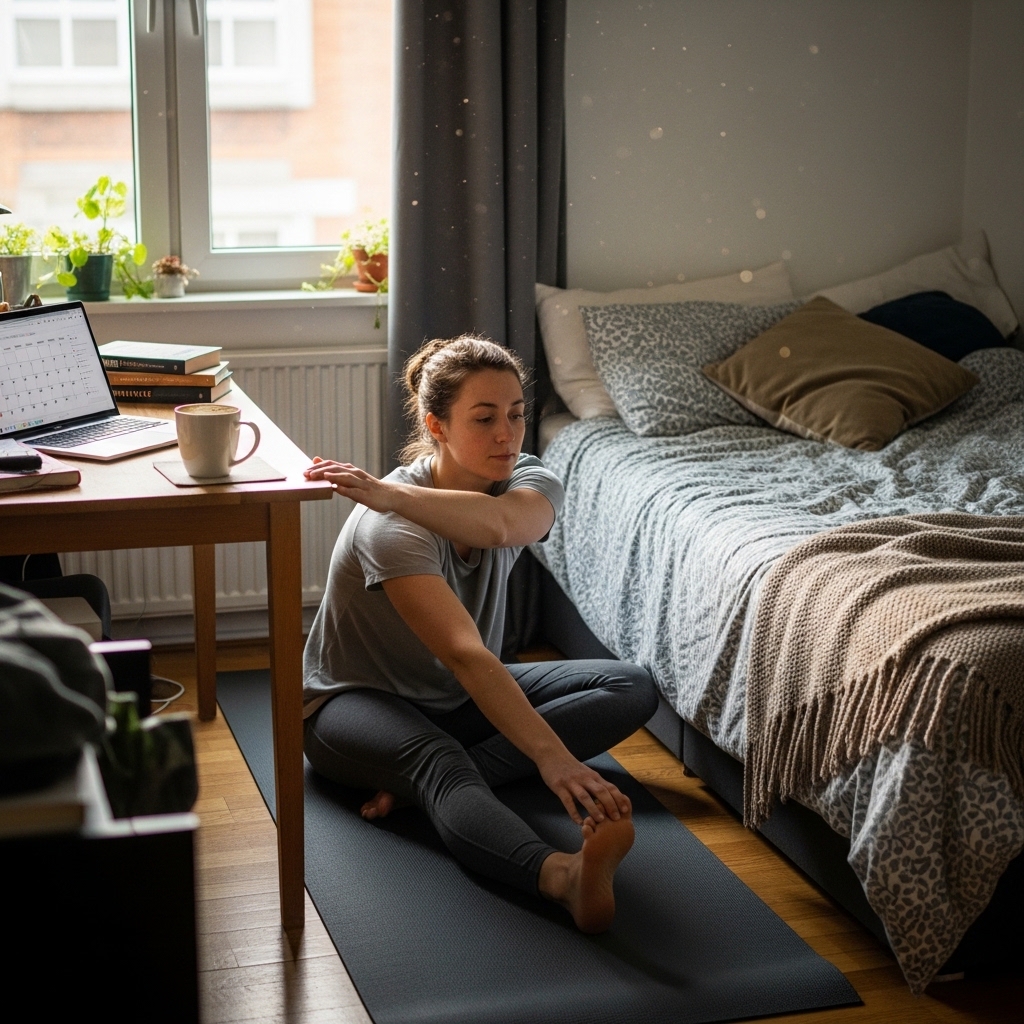
The research outlined in this article points toward several practical directions. A daily practice of ten to fifteen minutes — incorporating hip flexor lengthening, hamstring stretching, rotational mobility work, and spinal decompression movements — addresses the primary mechanical and inflammatory drivers of sedentary lumbar dysfunction. Morning practice reduces paraspinal hypertonicity before postural loading begins. Evening practice lowers cortisol and supports sleep architecture. Performing cat-cow sequences during workday breaks interrupts disc dehydration that sustained sitting accelerates. For professionals tracking inflammatory markers or biological age, consistent lumbar stretching represents a modifiable daily input with measurable downstream effects on both spinal health and systemic longevity variables.