
You may not think about a vitamin a and d supplement every day. Yet this simple support can shape your energy, mood, and long term health. When you choose a balanced vitamin a and d supplement, you give your body steady guidance for bone health and immune health.
You live in a world where many foods lack key nutrients. Even with a clean diet, it can be hard to get enough vitamin d and vitamin a. That is why many health professionals suggest smart use of dietary supplements.
As your guide, I want you to feel calm and informed. You do not need extremes or high doses without reason. You need balance, awareness, and support from trusted research and healthcare professionals.
1. Why Your Body Needs Vitamin A and Vitamin D
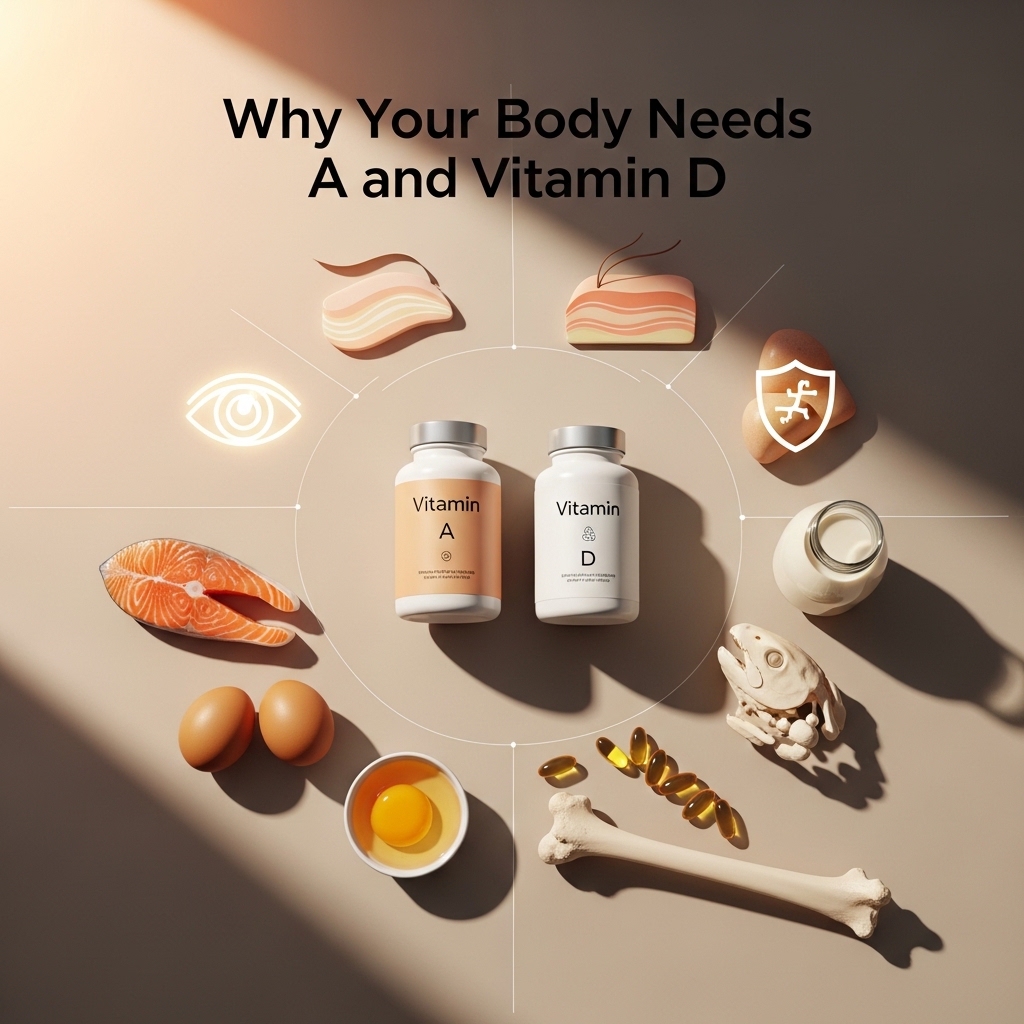
Your body relies on vitamin a to support healthy vision and skin health. It also helps immune system function and normal cell growth. When you lack this nutrient, a deficiency vitamin state can slowly affect your eyes and skin.
Vitamin d plays a different yet connected role. It supports calcium absorption, helps build bones, and protects bone strength. Without enough vitamin d, your body struggles to maintain strong bone structure.
Research shows that vitamin d levels influence immune health and muscle strength. Studies suggest low vitamin d deficiency is linked to muscle weakness and soft bones. Over time, this may raise your risk of osteoporosis and rickets.
When you nourish both nutrients together, your body works in harmony. You support bone, skin, and immune health at the same time. This balance creates a strong foundation for total wellness.
READ ALSO: Best Vitamin D Supplement, Backed by Science
2. Understanding Vitamin D Deficiency and Insufficiency

Vitamin d deficiency is more common than you think. Vitamin d insufficiency can appear even in adults who eat well. Limited sun exposure reduces your skin's ability to produce developing vitamin d.
Darker skin may slow the skin's ability to create enough vitamin d from direct sunlight. Older adults face higher risk as their body becomes less efficient. Obesity and gastric bypass surgery can also affect absorption.
Symptoms may include muscle weakness, soft bones, and low energy. A healthcare professional can test vitamin d levels with simple blood work. This helps confirm deficiency vitamin concerns.
When you understand your levels, you make better choices. You avoid guessing and focus on clear data. That clarity supports long term health and confidence.
READ ALSO: Good Vitamin Supplements for Men to Boost Your Vitality Now
3. The Role of Vitamin A in Immune and Skin Health

Vitamin a supports immune health in a steady way. It helps your body respond to stress and daily exposure to germs. Strong immune system function protects you during seasonal changes.
This nutrient also nourishes your skin and supports healthy vision. When deficiency appears, your skin may feel dry and your night vision may weaken. These changes can affect overall health.
Research from national institutes and fact sheet updates highlights its importance. Experts in medicine often discuss balanced intake through foods and supplements. This guidance protects your body from long term deficiency.
When you include vitamin a in your routine, you protect your skin and eyes gently. You also strengthen your immune health. Small daily choices lead to lasting results.
READ ALSO: Vitamin for Prenatal Wellness to Support Your Journey
4. How Vitamin D Supports Bone and Joint Health

Vitamin d works closely with calcium and other minerals. It improves calcium absorption in your digestive health system. This partnership helps build bones and maintain bone density.
Without enough vitamin d, your body cannot properly use calcium. That can lead to soft bones and increased risk of osteoporosis. In children, severe deficiency may cause rickets.
Joint health also benefits from stable vitamin d levels. Research suggests balanced supplementation supports mobility in adults. This support becomes even more important for older adults.
When your bone structure stays strong, your body moves with ease. You protect yourself from long term risk. Strength today supports independence tomorrow.
5. Food Sources That Naturally Provide These Nutrients

You can find vitamin d in fatty fish, fish liver oil, and cod liver oil. Egg yolks and fortified cow's milk contain added vitamin d. Breakfast cereals and orange juice may also be fortified foods.
Vitamin a appears in dairy products and other dairy products. Many foods such as leafy greens and orange vegetables contain this nutrient. A balanced diet supports steady intake.
Sun exposure helps your body produce vitamin d3 naturally. Direct sunlight supports developing vitamin d in your skin. Yet modern indoor lifestyles limit this process.
Because many foods provide limited amounts, supplementation may help. You may need vitamin d supplements during colder months. Thoughtful choices keep your levels steady.
6. Choosing the Right Vitamin A and D Supplement
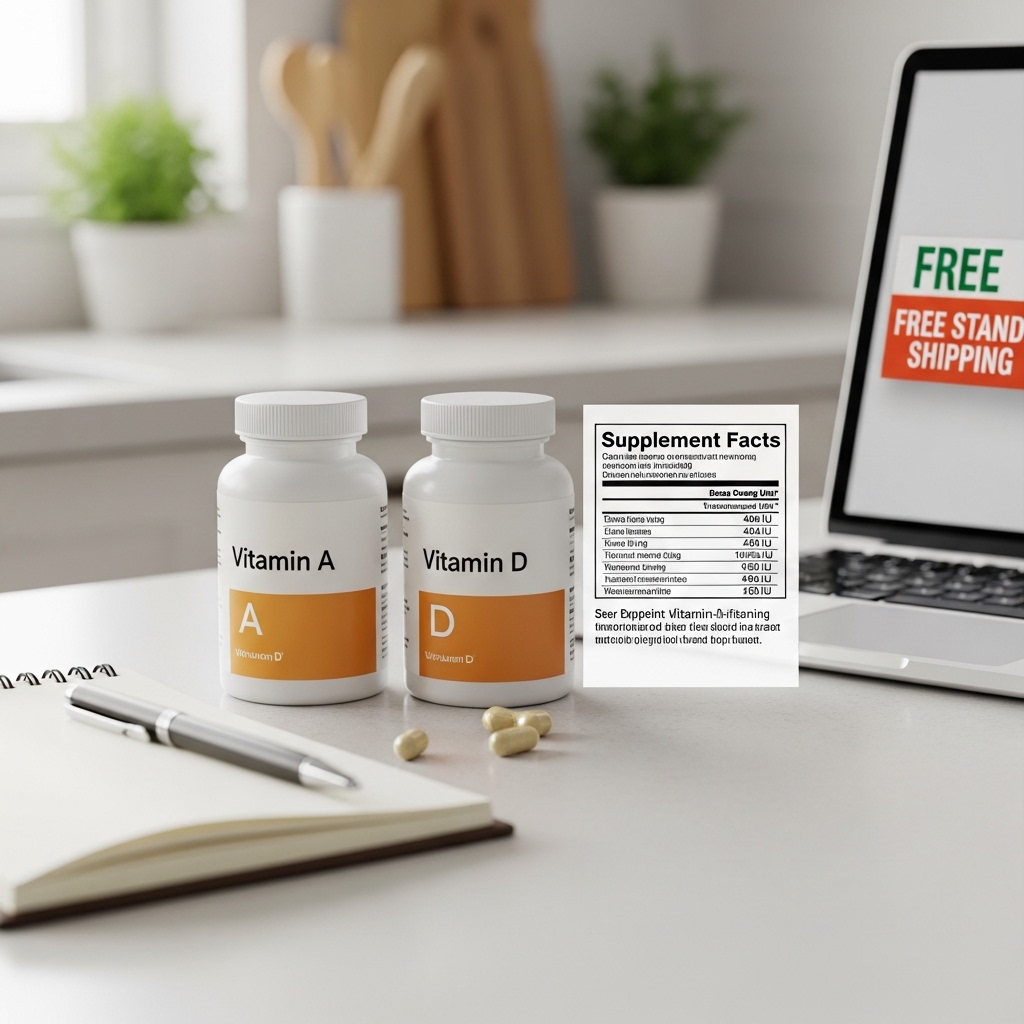
When taking vitamin support, choose quality over trends. A vitamin a and d supplement should match your daily vitamin needs. Look for clear labeling in international units.
Common amounts include 400 iu for basic support. Some products offer higher options such as 10,000 iu for specific cases. Always review dosage with health professionals.
Too much vitamin d can create imbalance. High doses may increase risk of calcium buildup. This is why careful supplementation matters.
Trusted brands often provide transparent ingredient lists and free standard shipping. Read research before buying any vitamin supplement. Calm decisions protect your health.
7. Safe Dosage and Avoiding Too Much Vitamin D
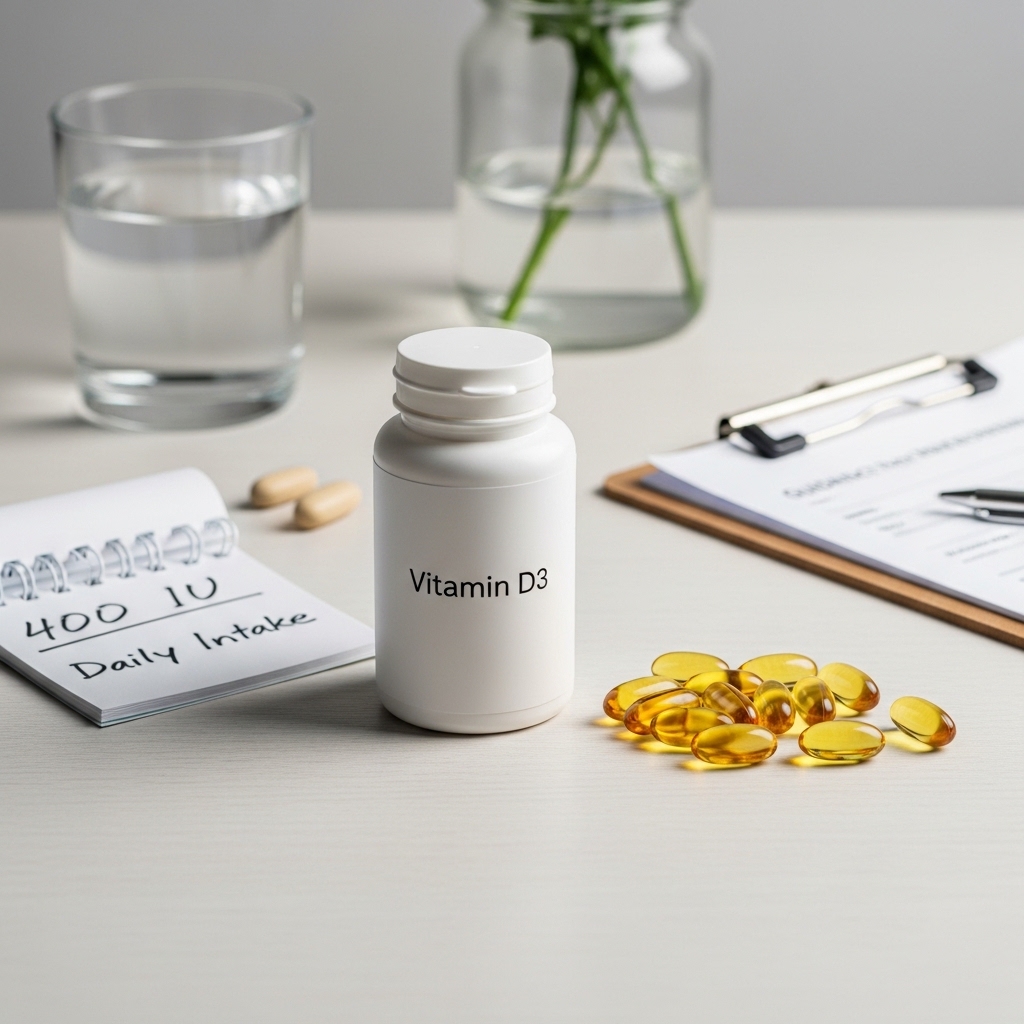
Many adults need moderate vitamin d supplements. The right amount depends on vitamin d levels and nutrient requirements. A healthcare professional can guide safe supplementation.
Taking vitamin d3 is common because it mirrors natural production. Yet too much vitamin d may cause health concerns. Balance remains your priority.
Watch for signs of excess, such as digestive discomfort. High doses without supervision may raise increased risk. Responsible use keeps your body steady.
Your goal is enough vitamin d, not excess. Balanced vitamin supplement habits support bone health and immune health. Consistency matters more than extremes.
8. Special Considerations for Older Adults and High Risk Groups

Older adults often face vitamin d deficiency due to low sun exposure. Their skin produces less vitamin d over time. This raises risk of muscle weakness and bone loss.
People with obesity may store vitamin d in fat tissue. This can reduce available vitamin d levels in the blood. Gastric bypass surgery may also limit absorption.
Health professionals often monitor these groups more closely. Research supports tailored supplementation plans. Testing ensures safe adjustments.
When you belong to a higher risk group, personalized care matters. You deserve guidance that fits your body. Individual support leads to better outcomes.
9. Vitamin A, Vitamin D, and Long Term Disease Prevention

Research shows links between balanced vitamin levels and overall health. Stable vitamin d levels may lower increased risk of certain conditions. Some studies explore links with skin cancer.
Vitamin a supports cell growth and tissue repair. Together, these nutrients protect bone, skin, and immune health. They act quietly within your body.
National institutes publish fact sheet updates on safe intake. Ongoing research continues to shape medicine. Staying informed helps you make wise decisions.
Prevention begins with awareness. When you respect your nutrient needs, you reduce risk over time. Simple daily care protects future health.
10. Building a Daily Routine for Total Wellness

You do not need a complex system. Begin with a balanced diet rich in foods and fortified foods. Add vitamin d supplements or a vitamin a and d supplement if needed.
Track your vitamin d levels through regular checkups. Speak with health professionals about your nutrient requirements. Adjust supplementation based on clear results.
Include calcium rich foods to support bone strength. Pair nutrients wisely to improve calcium absorption. Consistency strengthens your body.
When you care for your body with intention, you build steady health. You support immune health, digestive health, and bone health together. Step by step, you create total wellness.