
For high-performing professionals, inadequate vitamin D levels can significantly impact both physical and cognitive performance, accelerating the decline in muscle function and bone density. This deficiency is linked to elevated inflammation, reduced immune function, and an increased risk of cardiovascular events, all of which compromise long-term health and productivity. Additionally, low vitamin D levels can impair cognitive function, contributing to mental fatigue and slower decision-making — critical factors for executives and founders. Choosing the best vitamin D supplement is essential for maintaining optimal performance and mitigating these health risks, ensuring sustained vitality and resilience in demanding professional environments.
The Role of Vitamin D in Bone Health and Muscle Function
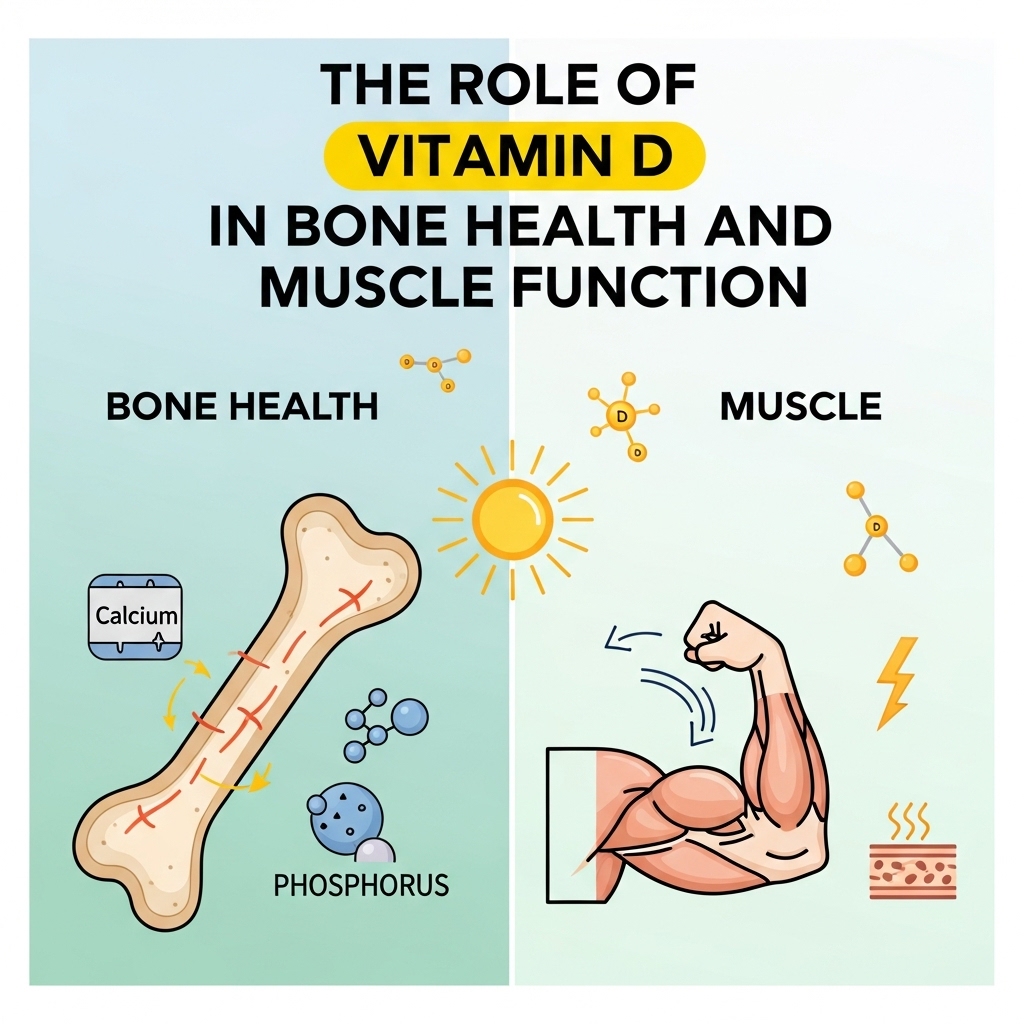
Vitamin D helps the body absorb calcium, which is necessary for strong bones. Professionals who are active or need to stay mobile should be especially concerned about bone strength. Research shows that vitamin D deficiency increases the risk of osteoporosis and fractures. These injuries can disrupt work and daily life, leading to lost productivity. Vitamin D also supports muscle function by promoting muscle cell activity. Without it, muscle weakness and sarcopenia (age-related muscle loss) become more likely, affecting mobility and physical capacity.
The Framingham Heart Study showed that low vitamin D levels lead to muscle atrophy and frailty. These conditions are more common in older adults, but can also affect those with vitamin D deficiency. Proper vitamin D levels help preserve muscle mass, prevent weakness, and reduce the risk of falls. According to a study in The Lancet, vitamin D supplementation improves muscle strength and reduces weakness, particularly in those who are deficient.
For professionals who live in areas with limited sunlight or spend much of their time indoors, supplementation is crucial. Ensuring adequate vitamin D can help keep bones strong, prevent muscle loss, and lower the risk of injury. Maintaining this vitamin is essential for peak performance, both physically and professionally.
Cognitive Function and Vitamin D Deficiency

Cognitive decline is a major concern for professionals who need to stay mentally sharp. Vitamin D is critical for brain function, as its receptors are found in areas responsible for memory, mood, and cognition. A lack of vitamin D is linked to cognitive decline, poor memory, and higher risks of diseases like Alzheimer's. A study in The Journal of Clinical Endocrinology & Metabolism showed that those with low vitamin D levels performed worse on cognitive tests, particularly tasks related to memory and executive function.
The National Institutes of Health also found that vitamin D deficiency increases the risk of dementia. Vitamin D plays a role in regulating brain-derived neurotrophic factor (BDNF), which supports brain cell health. Without sufficient vitamin D, BDNF levels can decrease, leading to cognitive impairment. For high-performing professionals, ensuring enough vitamin D is vital to protect cognitive abilities, especially when making high-stakes decisions.
Vitamin D’s anti-inflammatory properties also help protect the brain from neurodegeneration. Chronic inflammation in the brain contributes to cognitive decline, but vitamin D can reduce this risk. Keeping vitamin D levels within an optimal range ensures cognitive health and mental clarity, which are crucial for making sound decisions under pressure.
Cardiovascular Health and Vitamin D

Cardiovascular health is essential for maintaining overall vitality. Vitamin D plays a role in regulating blood pressure, supporting vascular function, and reducing inflammation. Research has shown that low levels of vitamin D are linked to an increased risk of hypertension and heart disease. The American Heart Association warns that vitamin D deficiency can elevate inflammation, which contributes to cardiovascular disease.
A study in The American Journal of Hypertension found that those with low vitamin D levels are more likely to develop hypertension and other cardiovascular conditions. Adequate vitamin D helps regulate blood pressure, which reduces the risk of heart disease and stroke. Supplementing with vitamin D can also lower blood pressure, particularly in individuals who are deficient.
Vitamin D’s ability to reduce inflammation helps prevent plaque buildup in arteries, lowering the risk of atherosclerosis. Chronic inflammation can increase the likelihood of heart attacks and strokes. Ensuring proper vitamin D levels supports cardiovascular health and reduces systemic inflammation, which is crucial for maintaining long-term health and performance.
READ ALSO: Vitamin to Increase Hair Growth for Real Results
Vitamin D and Inflammatory Markers

Chronic inflammation is linked to various diseases, including heart disease, diabetes, and arthritis. Vitamin D helps regulate the immune system by reducing the levels of pro-inflammatory cytokines. A study in Nature Medicine found that vitamin D supplementation reduces inflammatory markers, such as C-reactive protein (CRP), which are associated with heart disease and metabolic disorders.
Inflammation also contributes to metabolic dysfunction, which can affect energy levels and physical performance. Vitamin D’s anti-inflammatory effects support metabolic health by improving insulin sensitivity and glucose metabolism. Studies have shown that low vitamin D levels can lead to increased inflammation, which raises the risk of conditions like type 2 diabetes and obesity.
For high-performing professionals, reducing inflammation is crucial to maintaining both physical and cognitive health. Vitamin D supports this by lowering inflammatory markers and improving metabolic function. Ensuring optimal vitamin D levels can reduce the impact of chronic inflammation, allowing for better energy levels and sustained performance.
Vitamin D and Sleep Quality

Sleep quality is vital for productivity and recovery. Vitamin D influences sleep patterns by regulating circadian rhythms. A study published in Sleep Medicine Reviews found that vitamin D deficiency is linked to poorer sleep quality, shorter sleep duration, and daytime sleepiness. Individuals with low vitamin D levels are more likely to experience sleep disturbances, which can affect cognitive performance and overall well-being.
Vitamin D receptors in the brain help regulate the body’s internal clock. Disrupted circadian rhythms can lead to insomnia and other sleep disorders. Professionals who need high-quality rest for recovery and optimal performance must maintain proper vitamin D levels to ensure healthy sleep patterns.
Vitamin D also affects serotonin production, which influences mood and sleep. Low serotonin levels are associated with poor sleep quality and mood disturbances. By ensuring sufficient vitamin D, professionals can improve both their sleep and mood, enhancing mental clarity and reducing fatigue during the workday.
READ ALSO: Vitamin for Prenatal Wellness to Support Your Journey
Metabolic Function and Vitamin D

Vitamin D plays a crucial role in regulating metabolism and maintaining healthy energy levels. Research has shown that low vitamin D levels contribute to insulin resistance, a key factor in the development of metabolic syndrome. A study in The Lancet Diabetes & Endocrinology found that individuals with low vitamin D levels had a higher risk of developing insulin resistance and type 2 diabetes.
Vitamin D helps the body process glucose more effectively, improving insulin sensitivity. Low vitamin D levels disrupt this process, leading to metabolic dysfunction. Professionals who maintain optimal vitamin D levels are better equipped to manage energy levels and maintain productivity. This is especially critical in high-stress environments where mental and physical energy are essential for peak performance.
Vitamin D also supports fat metabolism, which can help prevent weight gain and metabolic disorders. By maintaining adequate levels of vitamin D, professionals can reduce the risk of developing obesity and related conditions such as heart disease and diabetes. Supplementing with vitamin D supports overall metabolic health, making it a key factor in sustaining long-term performance.
READ ALSO: The Benefits of B Vitamins – Whole Living Wellness
Practical Steps for High-Performing Professionals

To optimize vitamin D levels, professionals should consider regular testing to assess their vitamin D status. If levels are low, supplementation can help achieve the optimal range necessary for bone health, muscle function, cognitive performance, and overall metabolic health. Consuming foods rich in vitamin D, such as fatty fish, fortified dairy, and egg yolks, can support vitamin D intake, though supplementation may be required for many individuals.
For individuals with limited sun exposure or those who live in regions with long winters, vitamin D supplementation may be particularly important. Consulting with a healthcare provider can help determine the appropriate form of supplementation, with vitamin D3 generally being more bioavailable than vitamin D2. Additionally, maintaining a healthy lifestyle, including regular physical activity, stress management, and adequate sleep, will maximize the benefits of vitamin D for long-term health and performance.
Staying physically active, especially through weight-bearing exercises, will also enhance the body’s ability to utilize vitamin D for bone and muscle health. Managing stress and ensuring restorative sleep further support vitamin D’s positive effects on cognitive and physical performance. These evidence-based steps will help high-performing professionals maintain optimal health and sustain peak performance throughout their careers.
UP NEXT: Best Vitamins and Minerals for Immunity: What You Need
Adequate vitamin D levels have been linked to healthier aging, with deficiencies accelerating bone loss, cognitive decline, and inflammation, all of which contribute to an increased biological age. WholeLiving's Biological Age Estimation Model incorporates this factor directly — your assessment takes under five minutes.
Ready to understand how these factors are influencing your biological age right now? [Take the Biological Age Assessment →]