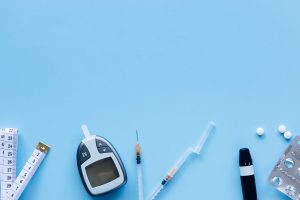
For high-performing professionals, progressive hair thinning is rarely a cosmetic issue alone; it can signal underlying nutrient insufficiency, ferritin depletion, vitamin D inadequacy, thyroid disruption, or sustained cortisol burden that may also impair recovery, sleep quality, and metabolic resilience. This analysis is written for executives and founders who value measurable physiology over consumer wellness claims. When the goal is to identify the right vitamin to increase hair growth, the useful question is not which supplement is popular, but which deficiency pattern is limiting follicular cycling, weakening hair shaft production, and reducing hair density over time.
Hair Density Is a Body Signal, Not Just a Cosmetic Change
For a high-performing adult, lower hair density can point to deeper strain in the body. It may appear with high stress, poor sleep, low iron stores, or weak nutrient intake. That makes the search for a vitamin to increase hair growth part of a larger health review.
Hair follicles are active tissues. They need steady energy, protein, and micronutrients to keep producing strong strands. When those inputs drop, the scalp often shows the problem early.
This is why serious analysis starts with cause, not branding. A product sold as a vitamin to increase hair growth only helps when it matches a real lack in the body. Without that match, results are often small or absent.
Hair Follicles React Early When the Body Is Under Strain
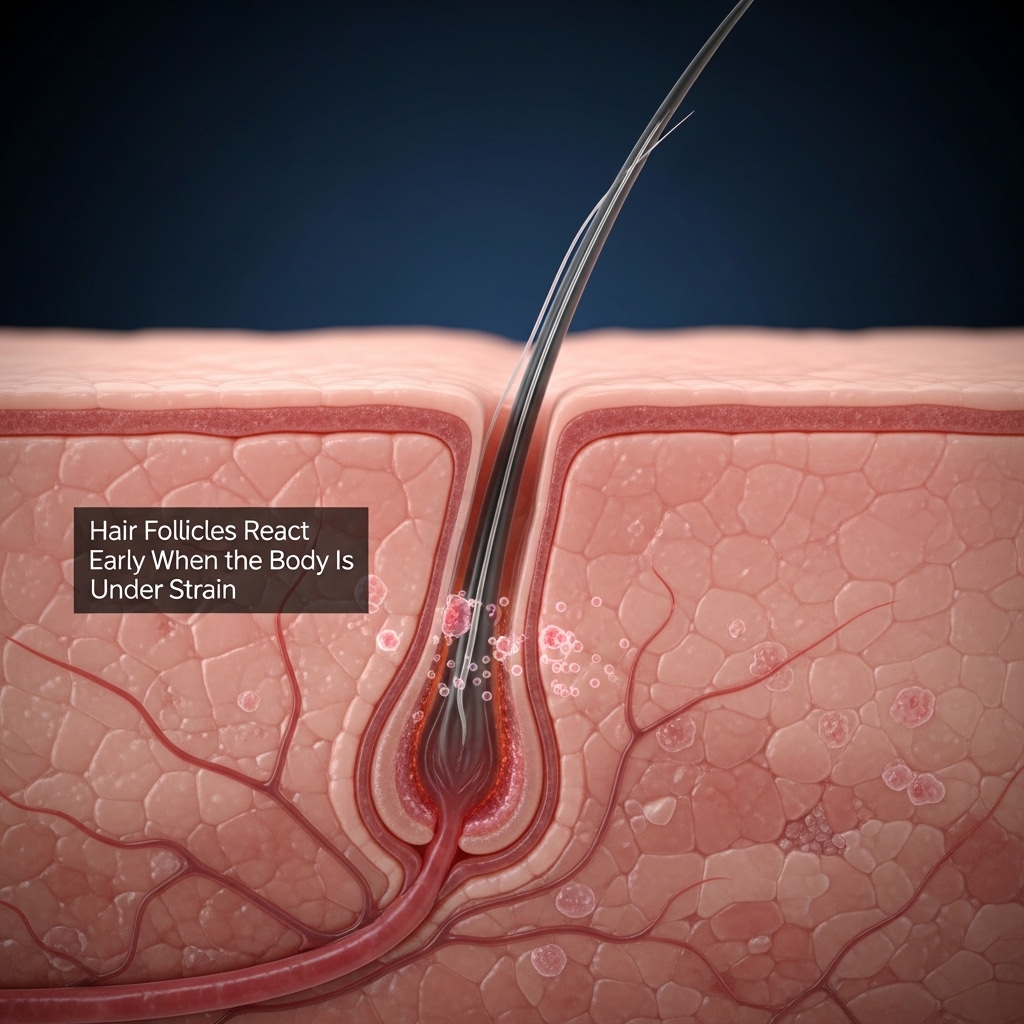
Hair grows in cycles. The main phases are anagen for growth, catagen for transition, and telogen for rest. When the body is under strain, more hairs can shift into the resting phase too soon.
This pattern is often called telogen effluvium. It can follow illness, lack of sleep, fast weight loss, high stress, or low nutrient levels. In many cases, hair shedding is one of the first visible signs that recovery systems are under pressure.
That is why the better question is not which product is popular. The better question is which body process has changed. For many professionals, the answer sits in iron status, vitamin D levels, thyroid function, or stress load.
Iron and Ferritin Often Matter More Than a Generic Hair Supplement
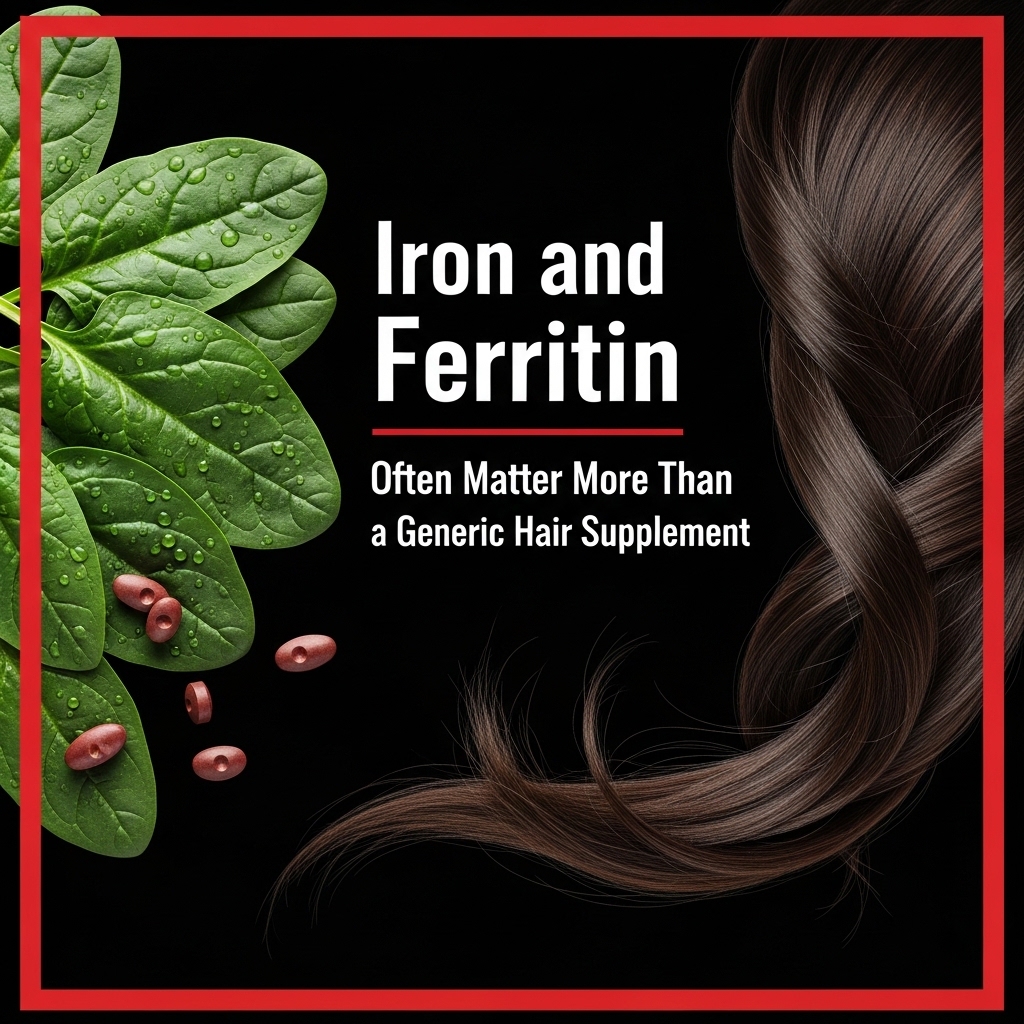
Iron is not a vitamin, but it matters greatly for hair growth. The follicle needs iron for cell division and normal tissue growth. When iron stores fall, hair shedding can rise.
A key lab marker here is ferritin. Ferritin reflects stored iron, not just iron moving in the blood. A person can have normal hemoglobin and still have ferritin that is too low to fully support hair growth.
This matters for performance as well as appearance. Low iron stores may show up with fatigue, weaker training output, and slower recovery. In that setting, a branded vitamin to increase hair growth may miss the real issue.
Vitamin D Has a Clear Link to Hair Follicle Function
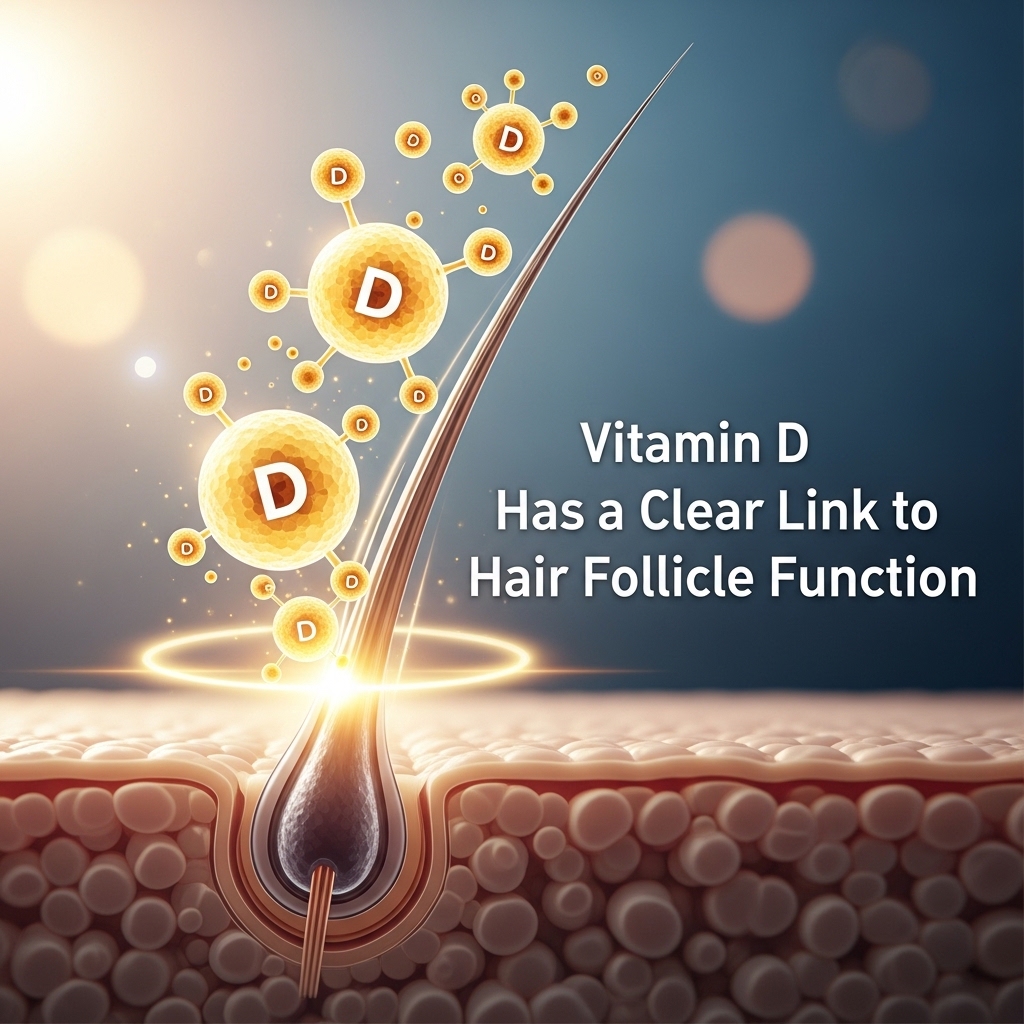
Vitamin D is one of the most relevant nutrients in hair biology. Hair follicles have vitamin D receptors, and those receptors help regulate the hair cycle. When vitamin D is low, follicle function may suffer.
This is not only a scalp issue. Low vitamin D is also linked with weaker immune control, low mood, and poor recovery in some adults. For executives who spend long hours indoors, low levels are common enough to deserve attention.
The American Academy of Dermatology and several dermatology reviews have noted this link. That does not mean vitamin D explains every case of hair thinning. It does mean that vitamin D belongs in a serious review of any vitamin to increase hair growth.
Zinc Supports Hair Growth, Tissue Repair, and Recovery
Zinc gets less attention than biotin, but it has strong biologic value. It helps with protein building, cell growth, and immune balance. All of those functions affect the follicle and the hair shaft.
Low zinc may show up as shedding, weaker strands, or slower tissue repair. It may also appear in adults with poor food quality, gut issues, or long periods of physical strain. In that sense, low zinc can point to a wider stress pattern.
This helps explain why many hair products fail. The real need may be zinc, iron, or another missing factor, not a broad mix sold for beauty. The phrase vitamin to increase hair growth can hide that more exact problem.
Biotin Is Popular, but the Evidence Is Limited
Biotin is the most famous hair nutrient in the consumer market. Yet the evidence for biotin in healthy adults without a real deficiency is weak. That point has been noted in the Journal of Clinical and Aesthetic Dermatology and in broader dermatology reviews.
Biotin can help when a true deficiency exists. That may happen in rare medical states, poor absorption, or certain inherited conditions. Outside those settings, strong proof of major hair regrowth is limited.
This is where marketing and clinical evidence part ways. Many people buy biotin because it is easy to find and easy to understand. But for a serious reader, it is not the default vitamin to increase hair growth unless testing or clinical context points that way.
READ ALSO: Best Shampoo for Damaged Hair: Revive and Restore
B12, Folate, and Thyroid Health Add Important Context
Vitamin B12 and folate support blood cell production and DNA synthesis. Hair follicles need both processes to work well. Still, their link to common hair thinning is less consistent than the link seen with iron or vitamin D.
Even so, these nutrients matter in the right setting. Adults with gut disorders, food restriction, long-term stomach acid treatment, or unexplained fatigue may have low B12 or folate. Hair loss in that case may be one part of a larger metabolic issue.
Thyroid function also matters. When thyroid signaling is off, the hair cycle can slow and shedding can rise. That is why any careful review of a vitamin to increase hair growth often expands into a wider look at hormone and nutrient status.
READ ALSO: Best Sea Salt Spray: The Secret to Effortless Beachy Waves for All Hair Types
Stress, Cortisol, and Sleep Loss Can Push Hair Into Shedding
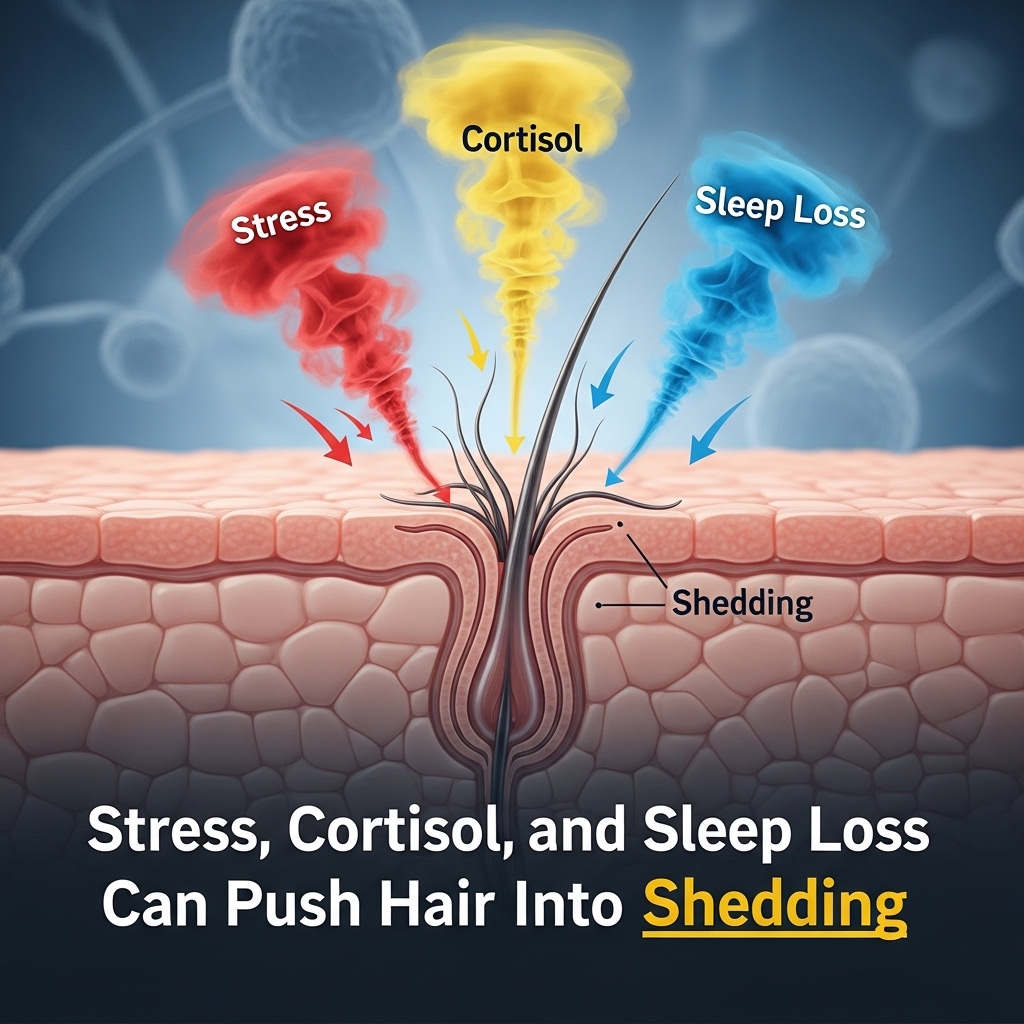
Hair loss is often tied to stress, but the link is not vague. Research supported by the National Institutes of Health has shown that stress hormones can affect the stem cells that help drive hair growth. That gives stress-related shedding a clear biologic basis.
For a high-performing adult, this matters beyond appearance. Chronic stress can raise cortisol, disrupt sleep, worsen glucose control, and increase inflammation. Hair thinning may sit beside those same body changes.
This is why some supplements disappoint. If the main driver is stress load, poor sleep, or a recent health shock, a single vitamin to increase hair growth may not do much. The real issue is the physiologic state around the follicle.
READ ALSO: The New Green Hair Care: Suds, Shine, and Satisfaction – Whole Living Beauty
The Best Approach Is to Match the Intervention to the Measurable Problem
No single nutrient works for every type of hair loss. The better model is targeted review based on shedding pattern, diet, lab findings, stress history, and sleep quality. Research from the National Institutes of Health and reviews in Dermatology and Therapy support that more focused view.
This also lowers the risk of overuse. Too much vitamin A, selenium, or other supplements can worsen hair loss instead of fixing it. More input does not always mean better follicle function.
Evidence-based options begin with a clear look at hair pattern, recent body stress, iron stores, vitamin D, thyroid status, and overall food quality. For the serious professional, the most useful path is not to chase a generic vitamin to increase hair growth, but to identify the missing or stressed system and act on that evidence.
UP NEXT: Vitamin Packed Recipes | Whole Living Eat Well
How This Affects Your Biological Age
Micronutrient deficits linked to the search for a vitamin to increase hair growth often reflect lower ferritin, vitamin D insufficiency, higher cortisol load, and poorer metabolic resilience, all of which are associated with weaker tissue repair and faster biological aging. WholeLiving's Biological Age Estimation Model incorporates this factor directly — your assessment takes under five minutes.
Ready to understand how these factors are influencing your biological age right now? [Take the Biological Age Assessment →]