
Adulthood friendship is often seen as one of life’s greatest challenges. As we move through different stages of life, it can feel increasingly difficult to maintain or form new friendships. Many of us experience the shift from high school friendships and college friends to adulthood friendships, where careers, family, and personal growth often take priority. However, it is possible to maintain meaningful connections and make new friends in adulthood. This article will explore the various aspects of adulthood friendship, how to nurture fulfilling friendships, and the importance of building emotional support networks as we grow older.
The Evolution of Adulthood Friendship

As we move into adulthood, friendships tend to change. Old friendships from high school or college often go through natural shifts due to family reasons, relocations, or lifestyle changes. College friends, in particular, often remain significant and nostalgic, even as those relationships evolve over time. These transitions can lead to a feeling of loneliness as new friends might not always fill the void left by old friends. Nevertheless, real friendships can still flourish, even when they evolve in different ways than what we are used to.
In adulthood, maintaining friendships requires effort and intentionality. Unlike when we were younger and friendships formed around shared spaces like schools, in adulthood, friends are made through shared experiences—whether at work, in a community group, or even a book club. Making friends as an adult is a more intentional process, focused on quality and depth rather than quantity. The effort needed to build and sustain these relationships is often underestimated, but it is the key to long-lasting, meaningful friendships.
As you age, the number of friends you have will likely decrease, but the ones who stick around become more valuable than gold. Maintaining adult friendships requires intentional planning and regular communication.
The Importance of Emotional Support
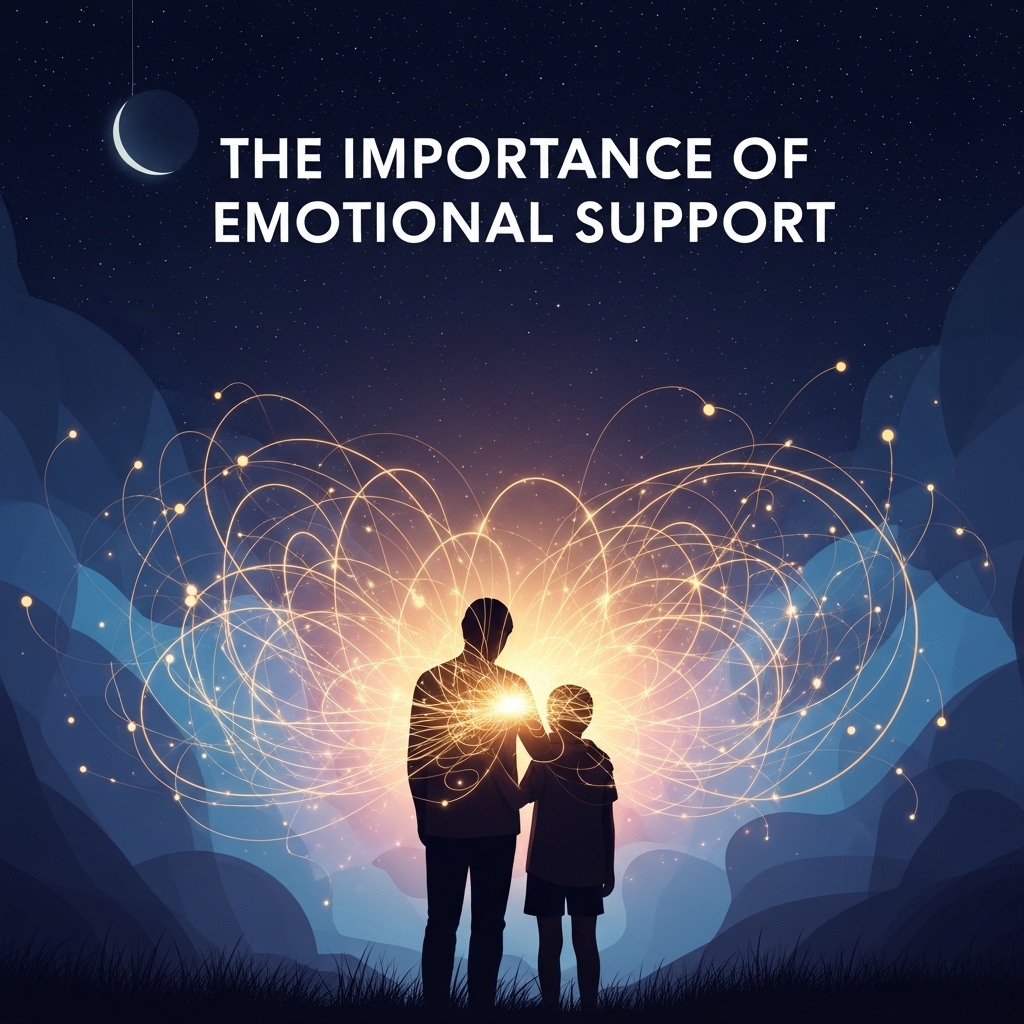
In adulthood, the role of friends often shifts from simply providing companionship to offering emotional support. One major benefit of adult friendships is the increased feelings of happiness, belonging, and overall social well-being that come from even small, frequent interactions.
Whether dealing with career challenges, family issues, or personal growth, having good friends to lean on can make a significant difference in well-being. These close friendships act as a buffer to stress, anxiety, and the pressures of everyday life. Friendships provide a safety net of support, comfort, and companionship, making life's challenges easier to bear. Emotional support helps in managing difficult situations, especially during times when romantic relationships or family connections might not provide the same level of understanding. Friendships also play a crucial role in our emotional well-being by offering a sense of belonging and acceptance.
Balancing Friendship and Family Life

One of the most significant challenges in adulthood is balancing friendships with the responsibilities of family. As adults, we often find ourselves pulled in multiple directions—caring for children (kids), maintaining romantic relationships, and handling work obligations. Spending quality time with your husband or spouse is also important, but these uninterrupted moments can be rare. These duties can lead to unfinished conversations or skipped regular catch-ups, resulting in a sense of disconnect. Time and personal responsibilities often hinder social engagement in adulthood. However, nurturing close friends during these busy years is not only possible but essential for maintaining a healthy social circle. Scheduling regular catch-ups and being proactive about maintaining real friendships can help prevent them from fading away. Finding massive amounts of time to spend together is rare, and in some seasons, it just isn't going to happen.
Making New Friends as an Adult

As we age, making new friends may feel more challenging, but it is not impossible. Adult friendships often form based on shared interests, so joining a new activity, such as a fitness class or a book club, can be an excellent way to meet new people. This is especially true when you seek out others who share your values, interests, or goals. When you make the effort to engage with others, it creates opportunities for meaningful connections that can develop into lasting friendships.
Transitioning into adulthood changes the nature of friendships, requiring more deliberate efforts to nurture them.
However, it’s important to understand that adult friendships might not evolve as quickly as those from earlier life stages. Instead, it requires nurturing, effort, and patience. Meaningful friendships in adulthood do not just happen naturally—they require intentional effort to develop and maintain. With time, these friendships can become some of the most rewarding relationships in your life.
READ ALSO: American Teenage Life: A Softer Way to Grow Up
The Role of Shared Experiences

Shared experiences are often the foundation of adult friendships. In adulthood, people may bond over work experiences, life events, or common interests. Whether it’s surviving a challenging project at work, bonding over raising children, or simply sharing a favorite hobby, these experiences provide common ground to build a friendship upon.
The more meaningful and shared experiences you have with someone, the stronger your bond will be. These connections provide opportunities for you to grow together, learn from each other, and support each other through life’s ups and downs.
High School Friendships: Do They Last?

High school friendships often hold a special place in our hearts, filled with lasting memories and shared experiences that helped shape who we are. As we move into adulthood, it’s natural to wonder if these connections can stand the test of time. The truth is, while some high school friendships do fade as life takes us in different directions—whether it’s heading off to college, starting new careers, or building families—others can evolve into some of the most meaningful friendships we have.
One reason high school friendships sometimes drift apart is that our interests, values, and social circles tend to change as we grow. What once brought us together may no longer make sense in the context of our current life circumstances. The demands of adulthood, from busy work schedules to family commitments and romantic relationships, can make it challenging to keep in regular contact with old friends. It’s easy to feel like you’re the only one struggling to keep the connection alive, especially when everyone’s lives seem to be moving at a different pace.
If you want to keep your high school friendships strong, it takes intentional effort. Scheduling regular catch-ups, whether through phone calls, video chats, or in-person meetups, can help maintain that sense of connection. Creating new shared experiences—like joining a hobby group together or simply making time to talk about your lives—can breathe new life into old friendships. Being emotionally supportive and understanding of each other’s current life circumstances is key to keeping these connections meaningful. Ultimately, whether your high school friendships last or not, they play an important role in your journey. They teach us about relationships, help us grow, and remind us of where we’ve been. By investing in both old and new friendships, you can create a rich tapestry of meaningful connections that support your personal growth, happiness, and sense of community throughout adulthood.
READ ALSO: How to Win a Friend When You’re Starting Fresh
Fulfilling Friendships: The Secret to Happiness

Fulfilling friendships are vital for a happy life. In adulthood, these friendships provide more than just companionship. They give you emotional support, encouragement, and even a sense of community. The key to these friendships is understanding that the effort you put into them often returns tenfold. Whether it’s through regular catch-ups, deep conversations, or fun activities, these relationships keep you grounded and offer a much-needed sense of belonging.
Friendship and Personal Growth

As we grow older, we often focus on personal growth—whether it's through advancing our careers, raising a family, or improving our physical and mental health. However, maintaining friendships plays a crucial role in personal development. True friends challenge you, provide feedback, and offer a space for you to be yourself. They hold up a mirror, helping you see your strengths and weaknesses, encouraging your growth in ways that romantic relationships or family cannot.
In this way, adult friendships often become a reflection of the individual you’re striving to be. They help shape your identity and allow you to evolve in ways that support your values and life goals.
READ ALSO: Adulthood Friends and The Ones Who Really Stay
How to Keep Friendships Alive

Keeping old friendships and new friendships alive in adulthood can be a challenge. However, it is worth the effort. It’s not enough to rely on just social media to maintain connections. Real friends require real effort. From scheduling regular catch-ups to initiating deep conversations, there are many ways to make your friendships more meaningful and fulfilling.
You should also be mindful of phone tag, which often occurs when schedules are busy. Setting aside time to talk or make plans for an in-person meeting can help you reconnect and strengthen your bonds.
Navigating Challenges in Adulthood Friendships

Every relationship faces challenges. Adulthood is no exception. Friendships can be tested by time, distance, or life changes. Yet, the effort you put in can determine whether these friendships survive or fade away. It’s important to realize that not every friendship will last forever. However, focusing on meaningful friendships and close friendships will ensure you have people around who truly care for you.
READ ALSO: Best Birthday Greetings for a Friend Who’s Like Family
The Role of Technology in Adult Friendships

In today’s world, social media and digital platforms have transformed how we connect. While they make it easier to keep in touch, they can never replace real friendships. Relying on technology for social connections can sometimes create a false sense of connection. It’s important to ensure that your social media interactions don’t replace face-to-face meetings or meaningful phone calls with good friends.
That said, technology can still be a helpful tool in keeping in touch, especially when new friends live far away. Use it wisely, but remember, a real friendship requires more than just likes and comments.
Why Adult Friendships Are Crucial for Your Well-Being
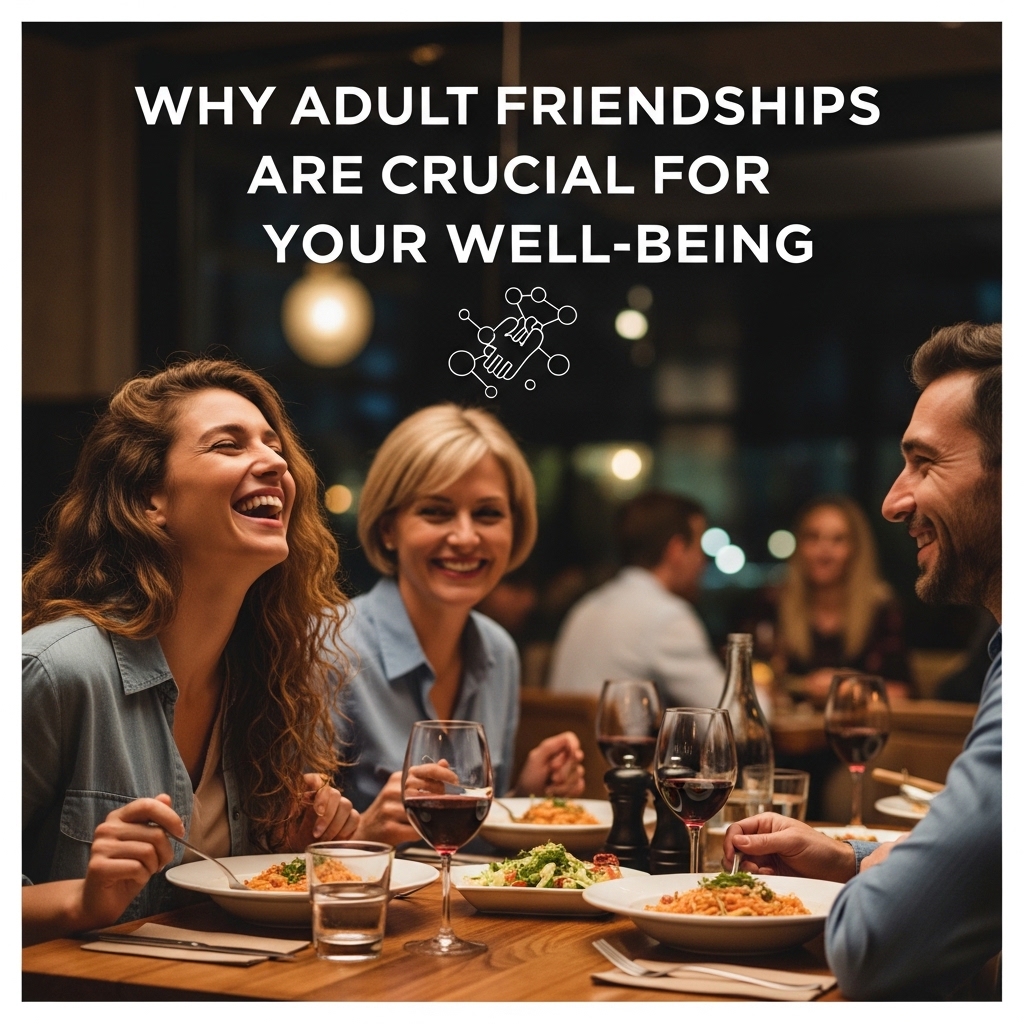
Friendships are not just about having fun or sharing memories. Friends are vital for your well-being, especially in adulthood. It's important to remember that everyone feels lonely sometimes — even the people who seem like they have it all together. If you ever feel like you are the only one who feels lonely, know that you are not the only ones experiencing this. In fact, most people feel lonely or awkward with adult friendships at some point, and it makes sense given the challenges and transitions that come with adulthood. They offer support, share your happiness, and help you through tough times. They remind you that you are not alone in the world. Emotional support from friends can boost your mental health and reduce the risk of depression, stress, and loneliness.
The absence of adult friendships or ongoing loneliness can have severe mental health consequences. Loneliness is more than just a fleeting feeling of sadness; it is a pervasive sense of isolation and disconnection from others. Many adults feel lonely at times, even those who appear to have fulfilling social lives. Almost everyone else feels left out or awkward with adult friendships too.
In the busy world of adulthood, nurturing real friendships is essential. So, take the time to invest in them. Whether through spontaneous conversations or scheduled catch-ups, your friendships will bring balance and joy to your life.
READ ALSO: How to Make Friends as an Adult Without Feeling Like a Total Weirdo
Building Strong and Lasting Friendships
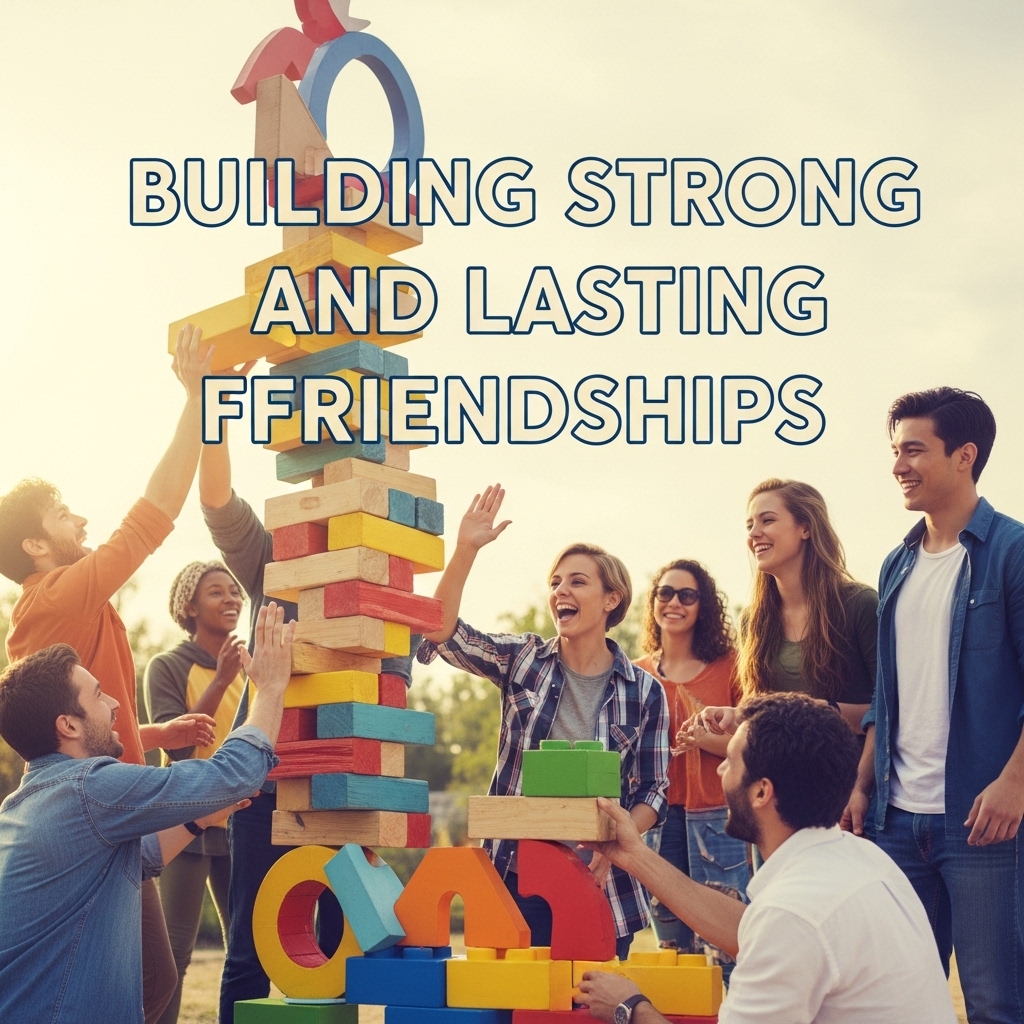
In adulthood, friendships require intentionality, effort, and care. The point is that nurturing adulthood friendship is about quality and commitment, not just proximity or frequency. By investing time and energy into these relationships, you can cultivate meaningful connections that will support you through all of life’s stages. Embrace the power of adulthood friendship, and you’ll find that the effort you put in will enrich your life in ways you can’t imagine.
Building strong adult friendships is not just about making new friends or holding onto the old ones. It’s about creating relationships that bring you joy, support, and fulfillment. So go ahead, reach out to a close friend, schedule regular catch-ups, and start nurturing your real friendships today. Remember, friendship in adulthood requires consistency rather than endless time.