Social bond quality is a stronger predictor of all-cause mortality than obesity, physical inactivity, or air pollution exposure — a finding that emerges consistently across large-scale longitudinal research and yet remains systematically underweighted in how high-performing professionals allocate their time and attention. For executives and founders operating under sustained occupational pressure, friendship is not a lifestyle amenity. It is a biological buffer against cortisol dysregulation, inflammatory aging, and cardiovascular disease progression. The professional who deprioritizes deep social connection in favor of output metrics is not making a neutral trade-off — they are incurring a measurable and compounding longevity liability.
What Friend Quotes Reveal About the Biology of Social Connection
Friend quotes — the words exchanged between people who know each other deeply and speak honestly — are not merely sentimental artifacts. They are expressions of a bond quality that clinical research consistently identifies as a primary determinant of health and longevity. What friends say to each other reflects the depth of a connection that either buffers or amplifies biological aging.
The mechanism is not abstract. When a trusted friend says something that produces felt recognition — the experience of being known and valued — the body responds measurably. Oxytocin release increases. Cortisol drops. Heart rate variability improves. These are not metaphorical responses. They are acute physiological events with long-term consequences for cardiovascular health and biological aging rate.
For high-performing professionals, the exchanges that friend quotes capture often become increasingly rare as career demands compress social time. The irony is precise. The demographic most stressed by occupational pressure is also the most likely to have allowed social buffers against that stress to erode. Understanding why those buffers matter biologically is therefore the first step toward treating them as the longevity variables they demonstrably are.
The Longevity Data Behind Social Bond Quality
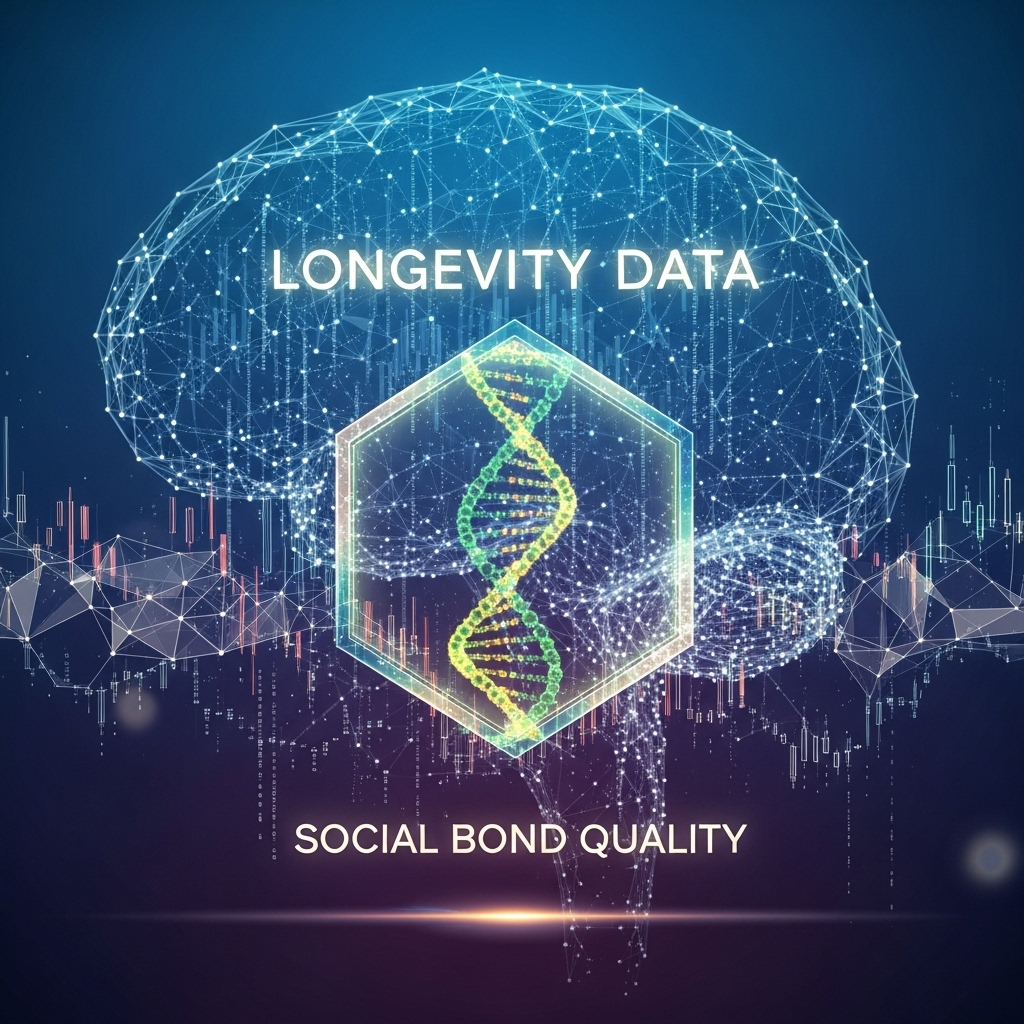
The evidence on social connection and longevity is among the most replicated findings in population health research. Brigham Young University‘s analysis of data from 148 studies — covering more than 300,000 participants — found that strong social relationships associated with a 50 percent greater likelihood of survival over study follow-up periods. The effect size exceeded that of physical inactivity, obesity, and several well-established clinical risk factors.
These findings are not driven by social activity volume. Instead, they are driven by bond quality — the depth, honesty, and reciprocity of a small number of close relationships. Superficial social contact, high in frequency but low in depth, does not produce the same biological outcomes as genuine friendship. A professional with a large network but few true friends is not socially protected in the way the longevity literature describes.
Friend quotes index the quality of bonds that the longevity data identifies as protective. They are proxies for the kind of relationship that actually moves the biological needle. A friendship deep enough to produce a quote worth remembering is, by definition, a friendship deep enough to produce measurable physiological benefit.
Cortisol Regulation and the Presence of Trusted Friends
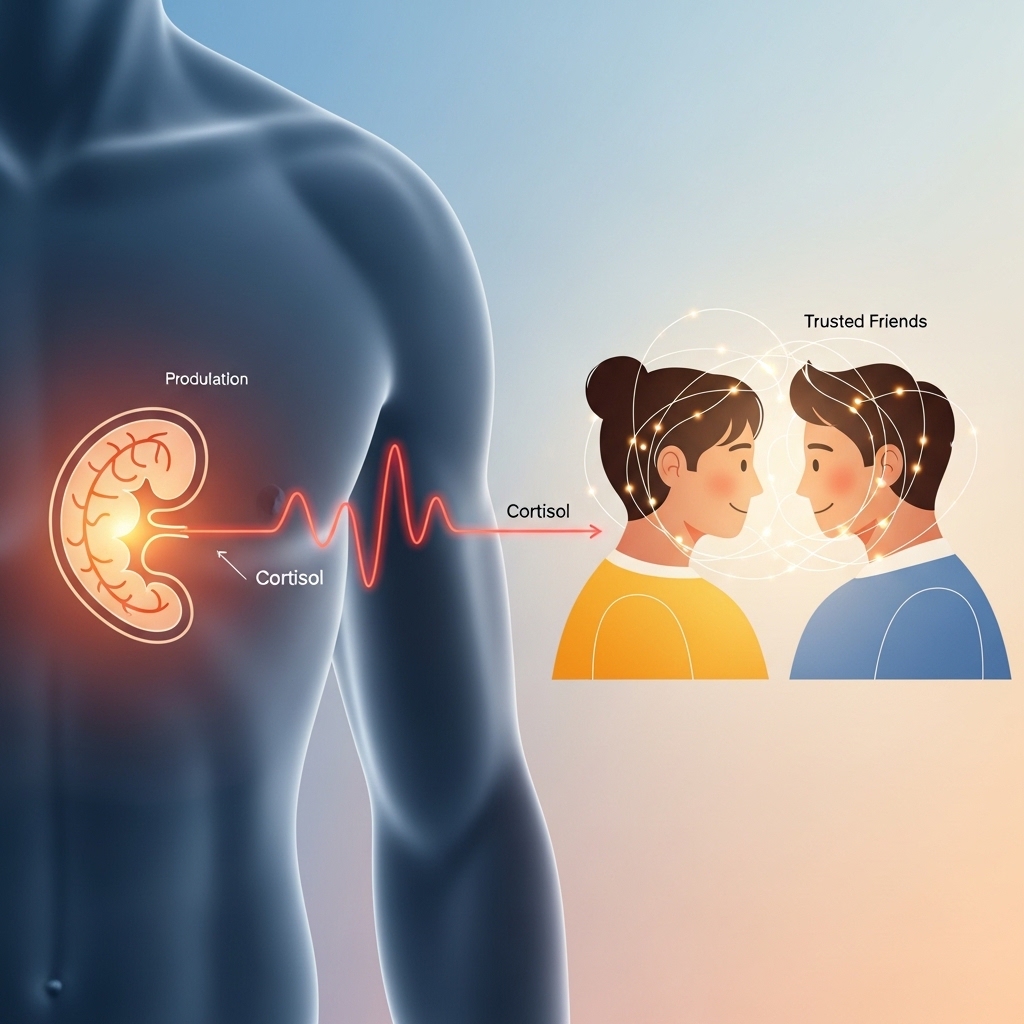
Cortisol dysregulation is one of the primary pathways through which social isolation speeds up biological aging. Chronic loneliness — defined not by physical aloneness but by perceived social disconnection — sustains elevated cortisol across the daily cycle. As a result, it produces the same downstream cascade of hormonal disruption, immune suppression, and cardiovascular stress that occupational pressure generates. Without social buffering, these two stressors compound each other.
Research from the National Institutes of Health on social support and stress hormone physiology has documented that the presence of a trusted social figure measurably reduces cortisol response to acute stressors. The mechanism involves the prefrontal cortex's regulation of the body's stress hormone axis. A friendship that produces the kind of honest exchanges that friend quotes capture activates exactly this regulatory pathway.
For executives whose occupational stress load is structurally high, deep friendship therefore functions as a cortisol regulation tool. It does not eliminate the stressor. Rather, it improves the body's capacity to process and recover from it. This is the same mechanism that structured exercise and sleep optimization target. Social connection simply operates through a different but equally well-documented pathway.
Inflammatory Markers and the Social Protection Effect
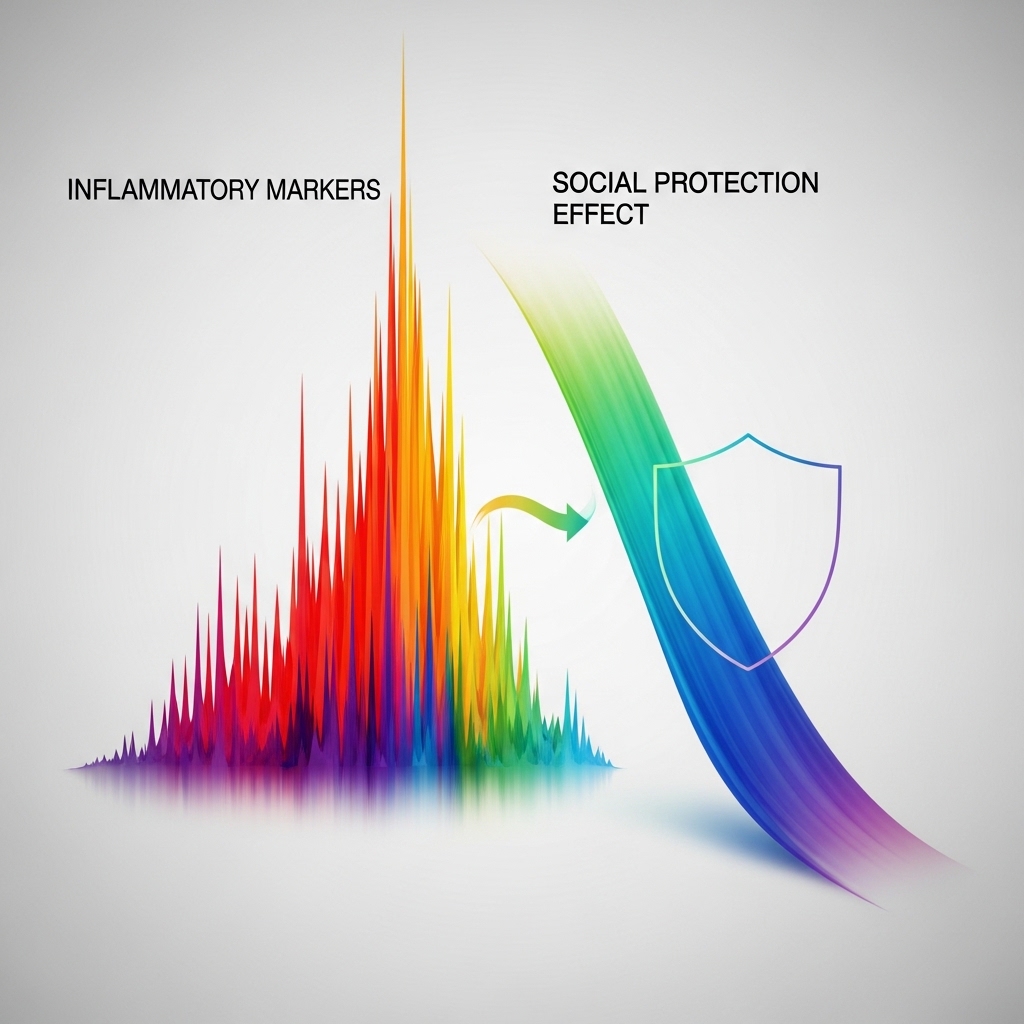
Systemic inflammation is a primary driver of biological age acceleration. Elevated C-reactive protein, interleukin-6, and related inflammatory markers associate with faster cardiovascular aging, cognitive decline, metabolic dysfunction, and all-cause mortality. Importantly, social isolation and perceived loneliness independently elevate these markers. This effect persists after controlling for physical health status, health behaviors, and demographic variables.
Research published in the Proceedings of the National Academy of Sciences has documented that loneliness activates a gene expression pattern that increases inflammatory signaling and reduces antiviral immune responses. This pattern evolved as an adaptive response to social threat. In the context of chronic modern loneliness, however, it operates as a sustained inflammatory stressor with measurable consequences for biological aging rate.
Deep friendships consistently associate with lower inflammatory marker profiles in the research literature. Friends who know each other well tend to reinforce health-supporting behaviors and reduce the perceived threat load that drives inflammatory activation. Friend quotes that carry weight are, in this sense, evidence of a relationship doing measurable biological work.
Cardiovascular Health and the Friendship Variable
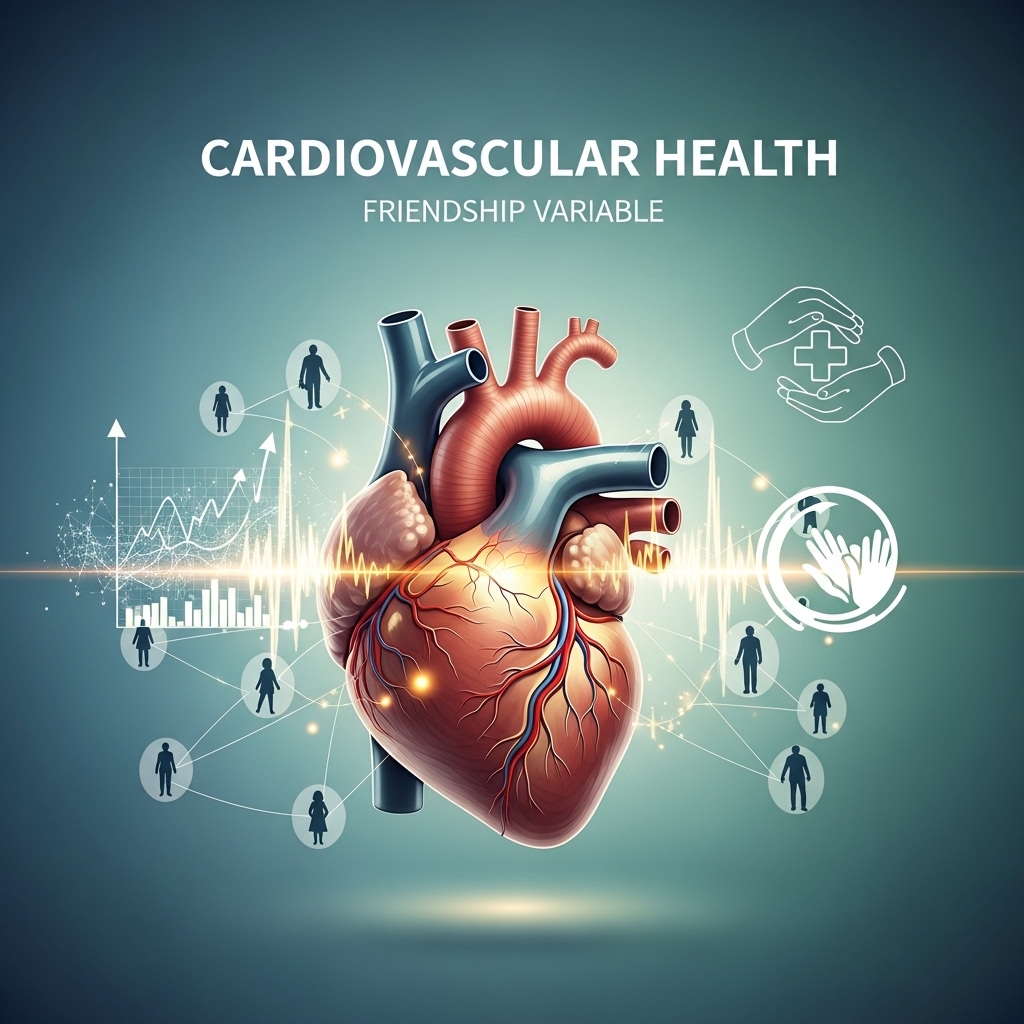
The cardiovascular evidence on social connection quality is both robust and clinically specific. The Harvard Study of Adult Development — tracking participants over more than 80 years — found that relationship satisfaction in midlife was a stronger predictor of late-life physical health than cholesterol levels. Men who reported higher relationship quality at age 50 were healthier at age 80. This held regardless of other health variables.
Friendship quality associates with lower resting blood pressure, reduced arterial stiffness, and better heart rate variability. These are direct markers of cardiovascular health and autonomic nervous system function. These associations hold after controlling for physical activity, diet, and smoking. Social bond quality carries independent cardiovascular predictive value that other lifestyle factors do not fully explain.
For high-performing professionals in the 40 to 60 age range, the protective effect of deep friendship is a clinically relevant variable. This is the period during which cardiovascular risk begins to accelerate most meaningfully. Friend quotes and the bonds they represent are not peripheral to a cardiovascular health strategy. They are part of its biological architecture.
READ ALSO: How to Make Friends as an Adult Without Feeling Like a Total Weirdo
Cognitive Performance and the Stimulation of Deep Conversation

Cognitive aging is partially determined by the quality and complexity of social engagement across the adult lifespan. Deep friendship — characterized by substantive conversation, mutual intellectual challenge, and emotional honesty — provides a form of cognitive stimulation that less intimate social contact does not replicate. The exchanges that produce memorable friend quotes tend to be precisely the kind of complex interactions that support neurological health.
Research from the Rush Alzheimer's Disease Center has documented that social engagement quality associates with slower cognitive decline in aging adults. This effect persists after controlling for education, baseline cognitive function, and physical health. The proposed mechanisms include cognitive stimulation from complex social interaction and stress-buffering effects that reduce cortisol-driven damage to memory structures over time.
For executives whose professional conversations are increasingly transactional, deep friendship provides a qualitatively different form of cognitive engagement. The conversation that produces a friend quote worth carrying exercises emotional intelligence, perspective-taking, and narrative complexity. These are cognitive capacities with documented associations with long-term neurological resilience. They are measurable assets — not soft skills.
Sleep Quality and the Physiological Role of Felt Safety
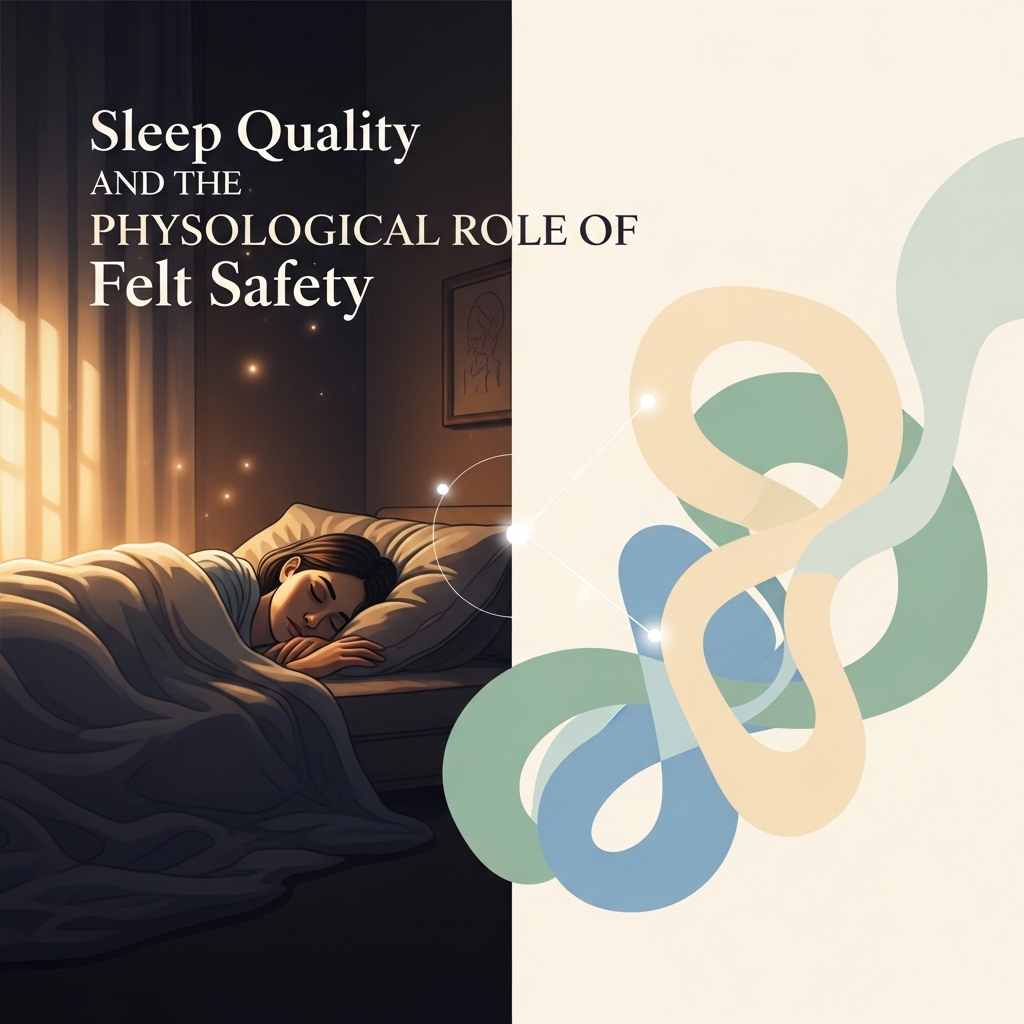
Sleep architecture is directly influenced by perceived social safety. The brain's threat detection systems remain partially active during sleep. In individuals who feel socially isolated, these systems sustain a low-level activation that disrupts sleep continuity, reduces deep sleep, and elevates nighttime cortisol. The result is sleep that fails to restore — even when total duration appears adequate.
Research on social baseline theory — developed by James Coan at the University of Virginia — has established that the brain treats close social bonds as a fundamental resource for threat regulation. In the presence of trusted others, the neural cost of navigating daily life decreases measurably. People with strong, felt social bonds demonstrate better sleep architecture on objective measurement than those who feel socially isolated.
Friend quotes that carry genuine care — expressions of loyalty, recognition, and unconditional regard — contribute to the felt experience of social safety that sleep quality depends upon. This is a neurobiologically grounded account of how trusted relationships regulate the nervous system states that determine sleep depth and restoration. For professionals whose sleep suffers under occupational stress, the social environment is therefore a legitimate and underused intervention target.
READ ALSO: Adulthood Friends and The Ones Who Really Stay
The Atrophy Pattern in High-Performing Professional Networks

High-performing professionals follow a predictable social atrophy pattern across the career lifespan. Early adulthood friendships — formed in environments with shared time and proximity — tend to deepen naturally. Over time, however, career demands, geographic moves, and family responsibilities progressively compress the time available for friendship maintenance. By midlife, many executives retain the memory of deep friendships more vividly than the friendships themselves.
This atrophy is not felt as acute loss. It is gradual enough to remain below conscious awareness for years. The professional who has not had a genuinely honest conversation with a close friend in months may not register this as a health-relevant deficit. This is especially true when professional social contact remains high.
The distinction between professional networking and genuine friendship is, however, biologically meaningful. One produces social fatigue. The other produces physiological restoration. Friend quotes — the ones that surface in memory unprompted and carry emotional weight years later — are markers of bonds that have not fully atrophied. They are evidence that a relationship once reached the depth at which biological protection operates.
Reciprocity, Vulnerability, and the Bonds That Protect
Not all friendship produces equal biological benefit. The research literature consistently identifies reciprocity and emotional honesty as the specific relational qualities that drive physiological outcomes. A friendship characterized by one-sided support or surface-level exchange does not activate the same cortisol-buffering, inflammation-reducing, and sleep-supporting mechanisms as a bond built on mutual honesty and genuine connection.
Friend quotes that endure — the ones that capture something true about a person or a shared experience — tend to emerge from moments of relational honesty. They come from conversations in which both parties are present, unguarded, and genuinely invested. This quality of exchange is not incidental to the biological benefit of friendship. It appears to be the active ingredient.
For high-performing professionals whose relational style tends toward competence display and problem-solving, developing the capacity for genuine honesty with trusted friends is a biological health strategy. The ability to say something honest to a friend — and to receive something honest in return — is measurably protective. That capacity is worth developing with the same intentionality applied to physical training or nutritional structure.
READ ALSO: Friends vs Acquaintance: Understanding Your Connections
Building and Maintaining Deep Friendships as a Longevity Strategy
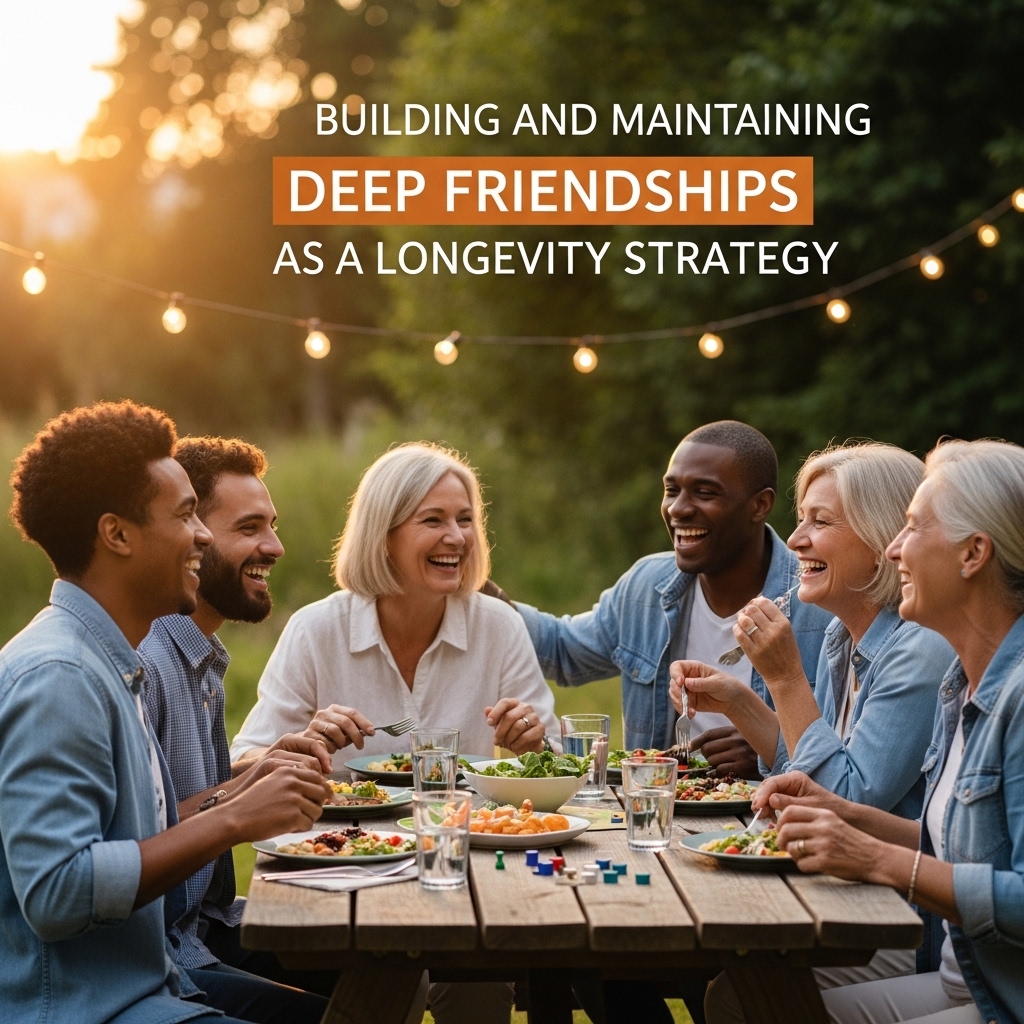
The professional identity barriers that inhibit help-seeking in high-achieving individuals apply equally to friendship investment. High-achieving professionals frequently treat friendship maintenance as a lower priority than professional obligations and health behaviors. The evidence, however, suggests this hierarchy consistently misweights friendship's biological contribution. It receives far less deliberate attention than its longevity impact warrants.
Friendship maintenance under time constraint does not require high frequency. It requires sufficient depth and regularity to sustain the felt quality of the bond. Research on relationship maintenance suggests that the perception of availability — the sense that a close friend would show up if needed — carries much of the physiological benefit. This holds even when actual contact is infrequent.
Consequently, a single genuinely honest conversation per month with a close friend may deliver more biological benefit than weekly superficial contact. For professionals who have allowed key friendships to atrophy, the evidence supports deliberate reinvestment as a legitimate health strategy. The same intentionality applied to training blocks and sleep optimization applies equally here.
READ ALSO: Creating a Meaningful Life: Simple Steps That Make a Difference
Translating the Evidence Into Practice

The evidence reviewed here positions deep friendship as a primary longevity and performance variable. For professionals seeking to act on this evidence, several concrete approaches are supported by the research. Auditing current close friendships against the criteria of reciprocity, emotional honesty, and felt safety identifies which bonds are biologically active and which have become social acquaintance.
Scheduling protected, unstructured time with one or two genuinely close friends — monthly at minimum — prioritizes depth over frequency. Tracking subjective social connection quality alongside objective biomarkers such as resting HRV, cortisol, and inflammatory markers over a six-month period provides objective feedback on whether investment in social bond quality produces measurable physiological change.
For professionals whose close friendship network has narrowed significantly, intentional engagement in contexts that favor repeated, low-stakes interaction creates the conditions in which new bonds of genuine depth can develop over time. Deep friendship warrants the same deliberate attention as sleep, nutrition, and physical training. The biological case for treating it that way is now well-established.
UP NEXT: Conversation with a Friend: How Small Talks Can Refill Your Energy
The quality of your close friendships — measured through reciprocity, emotional honesty, and felt social safety — is one of the most significant yet routinely overlooked determinants of biological age, with research linking perceived social isolation and low social bond quality to biological age profiles four to eight years older than chronological age in midlife adults. WholeLiving's Biological Age Estimation Model incorporates this factor directly — your assessment takes under five minutes.
Ready to understand how these factors are influencing your biological age right now? [Take the Biological Age Assessment →]