Social connectivity quality in adulthood is a clinically significant predictor of psychological resilience, cortisol regulation, and all-cause mortality risk. These variables directly affect sustained executive performance. Research consistently links low-quality or diminishing friendship networks to elevated inflammatory markers, accelerated cognitive decline, and reduced stress recovery capacity. For high-performing professionals navigating career transitions and leadership demands, the intentionality behind adult relationships is crucial. These individuals also face compounding life changes. Therefore, the intentionality behind adult relationships is not a lifestyle preference — it is a measurable determinant of long-term psychological and biological health.
Why Adult Friendship Erodes — And Why It Matters Clinically

Adult friendship does not decline because people stop valuing connection. Rather, it declines because the structural conditions that once produced friendship automatically disappear after the mid-thirties. Shared physical environments, repeated unplanned contact, and institutional belonging all erode. As a result, career acceleration, geographic relocation, partnership formation, and parental responsibility compress discretionary social time. What remains requires deliberate allocation of attention and energy. High-demand professional lives rarely protect that allocation.
This erosion is not socially neutral. Specifically, a 2010 meta-analysis by Holt-Lunstad, Smith, and Layton, published in PLOS Medicine, drew on data from 148 studies and over 300,000 participants. It identified social relationship quality as a significant predictor of mortality risk. The authors noted the effect size was substantial. However, direct comparisons to specific risk factors like smoking require careful interpretation. These comparisons involve odds ratios across different study designs — not equivalent absolute risk calculations.
Beyond mortality risk, the distinction between social quantity and social quality matters here. Large but low-quality networks do not confer the same protective effects as smaller, high-trust relationships. For professionals whose calendars fill with transactional contact, frequent social interaction can obscure the absence of genuine connection. These are not equivalent variables. Treating them as such produces a significant blind spot in personal health assessment.
The Stress Physiology of Social Disconnection

At the physiological level, genuine social connection regulates the hypothalamic-pituitary-adrenal axis — the system governing cortisol release and stress reactivity. High-quality friendships buffer against sustained cortisol elevation, reducing allostatic load over time. By contrast, low-quality or absent friendships remove that buffer entirely. Research indicates the HPA axis responds to perceived social threat in ways that overlap with its response to physical threat. The result is elevated cortisol output and sustained inflammatory readiness.
For professionals already operating under chronic occupational stress, this overlap compounds an existing physiological burden. Cortisol elevation resolves more quickly in individuals with strong social support. Without it, elevation persists longer. Consequently, sustained cortisol excess associates with visceral fat accumulation, disrupted glucose metabolism, suppressed immune function, and accelerated hippocampal volume loss. These are direct longevity liabilities, not psychological abstractions.
Supporting this, Dr. Sheldon Cohen at Carnegie Mellon University has examined social ties and stress susceptibility across multiple controlled studies. His research consistently shows that individuals with diverse, high-quality social networks demonstrate greater resistance to stress-induced illness. They also show faster physiological recovery from acute stressors. The protective mechanism appears to operate through neuroendocrine regulation rather than behavioral pathways alone. That distinction underscores the biological — not merely psychological — significance of friendship quality.
READ ALSO: Platonic Relationships: A Guide to Strong Friendships
Friendship Quality and Inflammatory Burden
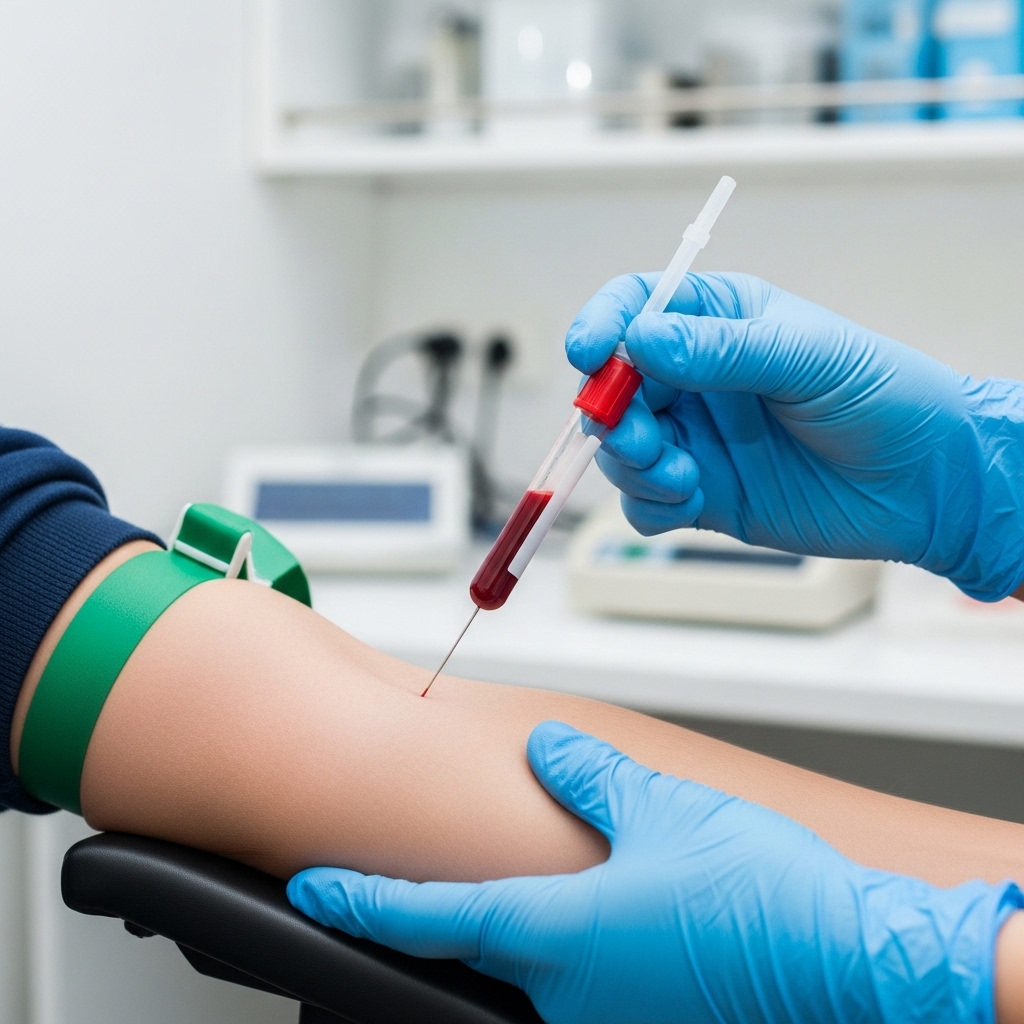
Beyond cortisol physiology, chronic loneliness and low social integration associate with elevated systemic inflammatory markers. These include interleukin-6, tumor necrosis factor-alpha, and C-reactive protein. Importantly, these are not transient fluctuations. Longitudinal data show that sustained social isolation produces inflammatory profiles comparable to those generated by chronic psychological stress. For professionals monitoring cardiovascular risk or biological age markers, this represents a measurable and potentially modifiable variable.
The inflammatory pathway connecting social quality to physical health has become better characterized in recent years. Specifically, research by Steven Cole at UCLA has examined how the brain's response to social threat activates the nuclear factor kappa-B signaling pathway. This pathway upregulates inflammatory gene expression. Cole's work identifies a plausible molecular mechanism linking perceived social isolation to chronic inflammation. Nevertheless, it remains an active area of investigation rather than a fully settled mechanistic account.
On the other side of this equation, high-quality social relationships associate with lower baseline inflammatory markers and faster inflammatory recovery following stressors. Stephen Porges' polyvagal framework proposes that social engagement activates parasympathetic pathways through vagal tone, which may in turn influence immune regulation. However, direct causal evidence linking this specific mechanism to immune outcomes remains an area of ongoing research. What the epidemiological evidence does support clearly is the association between relationship quality and inflammatory burden over time.
The Cognitive Performance Stakes

In addition to inflammatory effects, friendship quality affects cognitive performance through multiple pathways. Social engagement stimulates prefrontal cortical activity and supports memory consolidation. It also reduces rumination patterns associated with cognitive performance decline. Accordingly, individuals with strong social networks show lower rates of age-related cognitive decline across multiple longitudinal cohorts. This holds independent of educational attainment and baseline cognitive ability.
The Harvard Study of Adult Development is one of the longest-running longitudinal studies of adult life. It followed participants across eight decades. Notably, findings reported by Robert Waldinger and colleagues identify relationship quality as one of the most consistent predictors of cognitive health in later life. Participants with warmer, more reliable relationships in midlife retained sharper memory and cognitive function into their seventies and eighties. The original cohort consisted exclusively of Harvard-affiliated men, which limits direct generalizability. Even so, subsequent research in broader populations supports the general direction of these findings.
For professionals in cognitively demanding roles, this trajectory begins during the period most associated with friendship neglect — the forties and fifties. Furthermore, the cognitive reserve that high-quality social engagement helps build does not recover easily once neglect accumulates. Midlife therefore carries the greatest long-term cognitive consequence for friendship network quality. It also carries the greatest professional pressure to erode it.
Life Transitions as Inflection Points for Relational Health

Major life transitions are well-documented triggers for acute social disruption. Career changes, relocation, divorce, parental loss, and children leaving home all reshape the social environment. Each typically reduces the density of established friendship ties. For professionals who have already allowed their networks to narrow around professional utility, these transitions can therefore produce rapid and significant social depletion.
The clinical significance of this disruption extends well beyond temporary discomfort. The loss of established high-trust relationships during periods of elevated life stress removes social buffering capacity precisely when physiological demand for it is highest. Cortisol output rises during major transitions. Without the neuroendocrine regulation that strong friendships provide, that elevation compounds further. As a result, sleep architecture, immune resilience, and cardiovascular reactivity all feel the impact simultaneously.
Professionals who have invested in friendship quality prior to major transitions navigate them with measurably different physiological outcomes than those who have not. This is not a sentimental argument. Rather, it is grounded in stress physiology and longitudinal health data. Relational investment during stable periods functions as a biological resource. It becomes available for withdrawal during high-demand transitions. Its absence during those periods, consequently, carries a quantifiable health cost.
READ ALSO: Friends vs Acquaintance: Understanding Your Connections
The Difference Between Social Contact and Social Investment

High-performing professionals typically maintain extensive social contact. They attend events, sustain professional networks, and participate in community contexts. Yet this activity can produce a false sense of relational adequacy. Social contact and social investment are functionally distinct. Conflating them produces an inaccurate self-assessment of relational health.
Social investment, by contrast, involves reciprocal disclosure, demonstrated reliability, and sustained mutual attention. These qualities allow another person to function as a genuine stress buffer. They do not develop through frequent but shallow contact. Instead, they develop through accumulated shared experience, consistent follow-through, and willingness to be present during difficulty — not only during mutual convenience.
Consistent with this, research on relationship quality consistently identifies perceived support reliability as an active variable in friendship's health-protective effects. This is the belief that specific individuals will respond to need. Broad social networks with low-reliability relationships do not confer the same protection as smaller networks with high-reliability ones. For professionals calibrating relational investment, therefore, this evidence shifts the focus from network size to relationship depth. That is a qualitatively different optimization target.
How Intentionality Compensates for Structural Loss

Unlike in earlier life stages, adult friendship does not sustain itself through environmental proximity. Instead, it requires deliberate maintenance — scheduled contact, explicit prioritization, and protected relational energy. Professional demands constantly compete for that energy. Intentionality is not, therefore, a soft interpersonal preference. It is the mechanism through which adult friendship remains functional.
Research on relationship maintenance in adulthood identifies consistent, low-intensity contact as more protective than infrequent high-intensity contact. Regular brief exchanges sustain the relational infrastructure that makes deep support available when needed. These include structured check-ins, shared recurring activities, or asynchronous communication that signals continued attention. Moreover, contact frequency appears to carry independent value for perceived social support, beyond the content of any individual exchange.
This finding has practical implications for professionals managing time scarcity. The evidence does not argue for large time commitments. Rather, it argues for consistent, protected small ones. Frequent brief contact appears to sustain perceived social support more effectively than infrequent extended contact. The optimal parameters, however, vary across individuals and relationship types. The specific comparative evidence remains an active area of study.
Gender Differences in Relational Health Trajectories

Men and women navigate adult friendship differently. These differences, in turn, carry distinct health implications. Research consistently shows that men's social networks narrow more sharply in midlife than women's. Men more often rely on a single primary relationship — typically a romantic partner — as their sole source of deep social connection. This concentration consequently creates significant vulnerability at transitions including divorce, widowhood, or partner illness.
Women's friendship networks in midlife tend to maintain greater diversity and depth. This is partly because women engage in higher rates of emotional disclosure. Research associates disclosure behavior with oxytocin activity and HPA axis modulation. However, the precise causal pathway between disclosure, oxytocin release, and sustained neuroendocrine regulation in friendship contexts requires further study. The directional association is supported. The specific mechanistic chain, nevertheless, warrants cautious interpretation.
For male executives and founders, this pattern represents a specific and underacknowledged health risk. This demographic combines the friendship-narrowing effects of career intensity with broader patterns of male social isolation. The professional culture that normalizes relational neglect in high-performing men does not, as a result, produce optimized performers. Instead, it produces individuals with degraded stress buffering capacity and elevated long-term cardiovascular and cognitive risk.
READ ALSO: How to Make Friends As an Adult Without Feeling Like a Total Weirdo
Cardiovascular Health and the Relational Variable
The cardiovascular effects of social connection quality are among the more robustly documented associations in the longevity literature. Research using data from the Framingham Heart Study — conducted by Nicholas Christakis, James Fowler, and colleagues — has examined how social network characteristics influence health behaviors and outcomes across generations. This work demonstrates that social network structure affects health trajectories. The mechanisms, moreover, involve both direct physiological pathways and indirect behavioral influence.
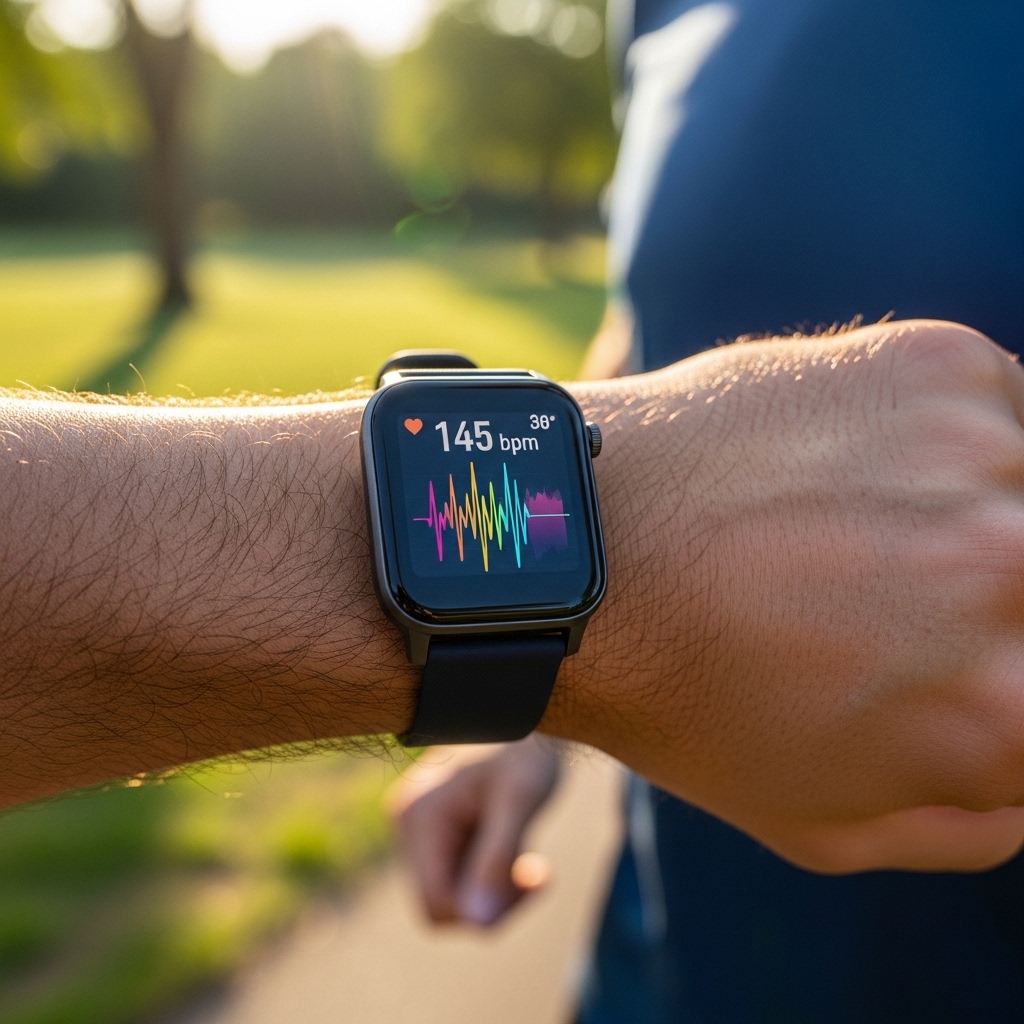
The direct physiological pathway operates partly through sustained sympathetic nervous system activation. In the absence of social buffering, chronic sympathetic dominance associates with elevated blood pressure and arterial stiffness. The association between social isolation and hypertension has reasonable support in the literature. Similarly, reduced heart rate variability has been observed in socially isolated individuals across several studies. The evidence base for these specific cardiovascular markers, however, varies in strength and requires continued investigation.
For professionals already managing cardiovascular risk through exercise, diet, and metabolic optimization, the relational variable therefore represents an underutilized lever. The same individual who tracks VO2 max, monitors resting heart rate, and optimizes sleep may be systematically neglecting one of the better-supported inputs to cardiovascular resilience. Integrating relationship quality into a cardiovascular health framework is not a category error. Rather, it is an evidence-based extension of an existing optimization logic.
Assessing Relational Health With the Same Rigor as Physical Health

Most high-performing professionals apply systematic assessment to physical health variables. They track biomarkers, review bloodwork, and adjust protocols based on measurable feedback. Yet relational health rarely receives equivalent scrutiny. High-performance culture does not typically frame it as a quantifiable variable. The evidence base, however, suggests this framing is overdue for revision.
Useful assessment questions span several dimensions. Do current friendships provide genuine perceived support reliability? Has relational investment kept pace with life transitions? Has social contact remained diverse or concentrated around professional utility? Does the network include at least one relationship characterized by reciprocal emotional disclosure? Together, these questions map directly onto the relational variables that research associates with neuroendocrine regulation, inflammatory burden, and cognitive resilience.
Periodic relational audits — approached with the same objectivity applied to metabolic panels or sleep data — allow professionals to identify depletion before it reaches clinical significance. The evidence therefore supports treating relational health as a leading indicator of physiological risk rather than a lagging one. Early investment is significantly more effective than restoration after major social depletion has already occurred.
Evidence-Based Options for Professionals Acting on This Data

The evidence supports several concrete directions for professionals who recognize relational health as a performance and longevity variable. Prioritizing a small number of high-reliability friendships over broad but shallow networks aligns with research on perceived support and neuroendocrine regulation. Additionally, scheduling consistent low-intensity contact — rather than relying on periodic intensive gatherings — better sustains the physiological benefits of social connection. Conducting periodic structured assessments of relational investment, particularly during or after major life transitions, helps identify depletion before it reaches clinical significance. For professionals whose networks have narrowed significantly, evidence furthermore supports deliberate re-engagement through repeated shared context rather than single high-investment social events. None of these steps require large time commitments. They require, instead, protected and consistent ones.
UP NEXT: Platonic Relationship: Beyond Emotional Connections
Low-quality or depleted friendship networks sustain elevated cortisol output, increase systemic inflammatory markers including interleukin-6 and C-reactive protein, and reduce stress recovery capacity — a constellation of biological effects that longitudinal research links to accelerated cellular aging and measurably higher all-cause mortality risk. WholeLiving's Biological Age Estimation Model incorporates this factor directly — your assessment takes under five minutes.
Ready to understand how these factors are influencing your biological age right now? [Take the Biological Age Assessment →]