By the time most executives recognize a decline in cardiovascular efficiency, mitochondrial degradation has already been underway for years. VO2 max — the single most predictive biomarker of long-term mortality risk — drops at an accelerated rate in high-stress professionals who rely exclusively on high-intensity output without structured aerobic base training. Zone 2 training directly addresses this deficit by stimulating mitochondrial biogenesis, improving fat oxidation at submaximal intensities, and recalibrating autonomic nervous system tone. For professionals managing chronic cognitive load, the downstream effects on metabolic health, cardiac output, and biological age trajectory are not incidental — they are decisive.
Why Zone 2 Training Deserves Clinical Attention
Zone 2 Training is not casual cardio. It is a structured aerobic method that trains the body to produce energy with less strain. For executives and founders, that matters because low cardiorespiratory fitness is linked to higher cardiovascular risk and shorter lifespan. The American Heart Association has argued that fitness should be treated as a clinical vital sign. That view changes how this topic should be read. It belongs in a serious discussion of performance, recovery, and longevity.
This matters even more in midlife. A high-income professional can have good lab work and still show poor aerobic capacity. That gap often appears before obvious disease. Zone 2 Training targets a part of physiology that supports work tolerance, recovery speed, and long-term health. It is not a cosmetic tool. It is a way to improve system reserve.
Cardiorespiratory Fitness and Mortality Risk

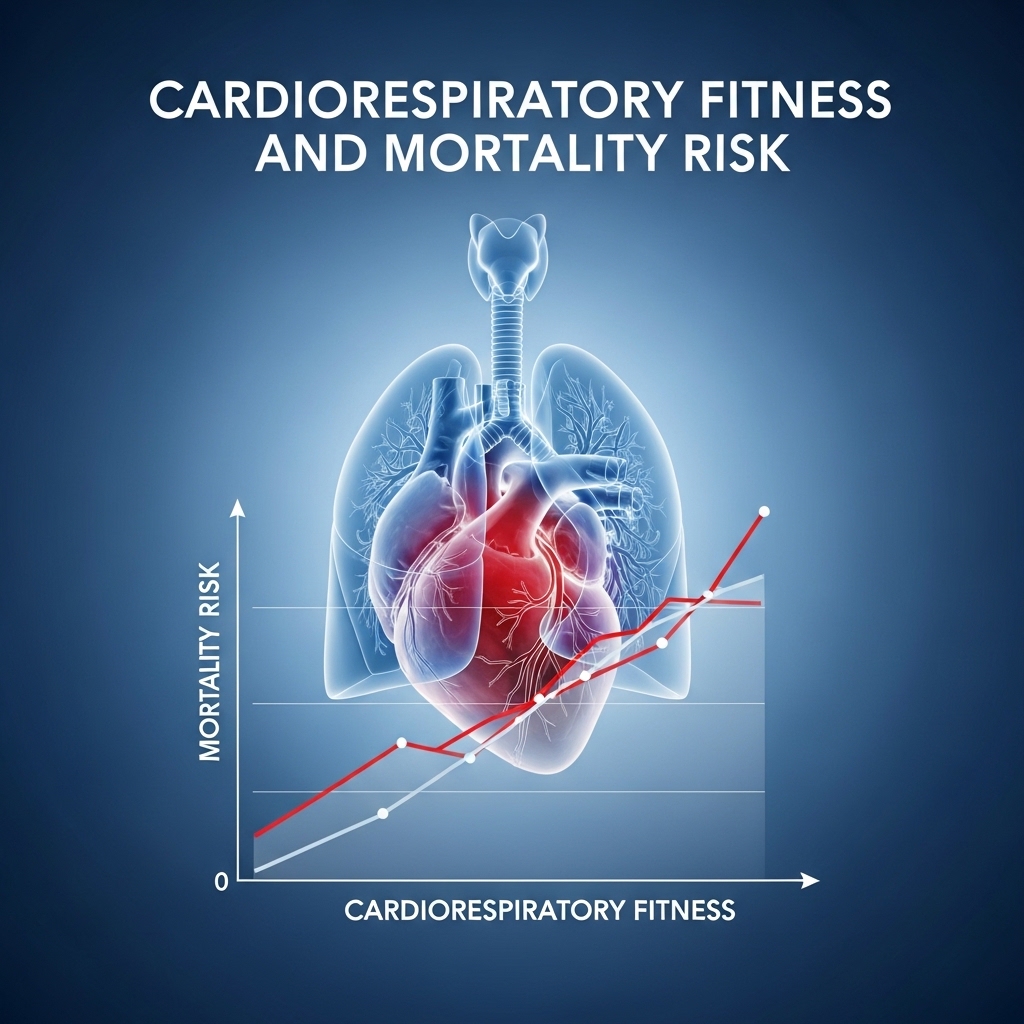
The strongest case for Zone 2 Training starts with mortality data. In a large study published in JAMA Network Open, Mandsager and colleagues examined more than 120,000 adults who completed treadmill testing. Higher fitness was linked to lower long-term mortality. The benefit remained strong across age groups. Low fitness also carried risk that matched or exceeded some common clinical risk factors.
That finding matters because many professionals track cholesterol and glucose but ignore fitness. Yet VO2 max and related fitness markers reflect how well the heart, lungs, blood vessels, and muscles work together. They capture system capacity. In practical terms, they show how much reserve a person has. Zone 2 Training helps build that reserve through repeatable aerobic work.
What Zone 2 Training Actually Means
Many people use the term loosely. Not all steady exercise counts as Zone 2 Training. The goal is controlled aerobic effort. Breathing rises, but conversation remains possible. The body relies mainly on oxidative metabolism rather than heavy anaerobic stress. The session feels steady, not frantic.
This distinction matters. Harder work can improve fitness, but it also raises the recovery cost. Zone 2 Training lets a person build volume without turning every session into a stress event. That is useful for professionals who already carry work pressure, poor sleep, or travel fatigue. The method is valuable because it is effective and repeatable.
The Mitochondrial Target
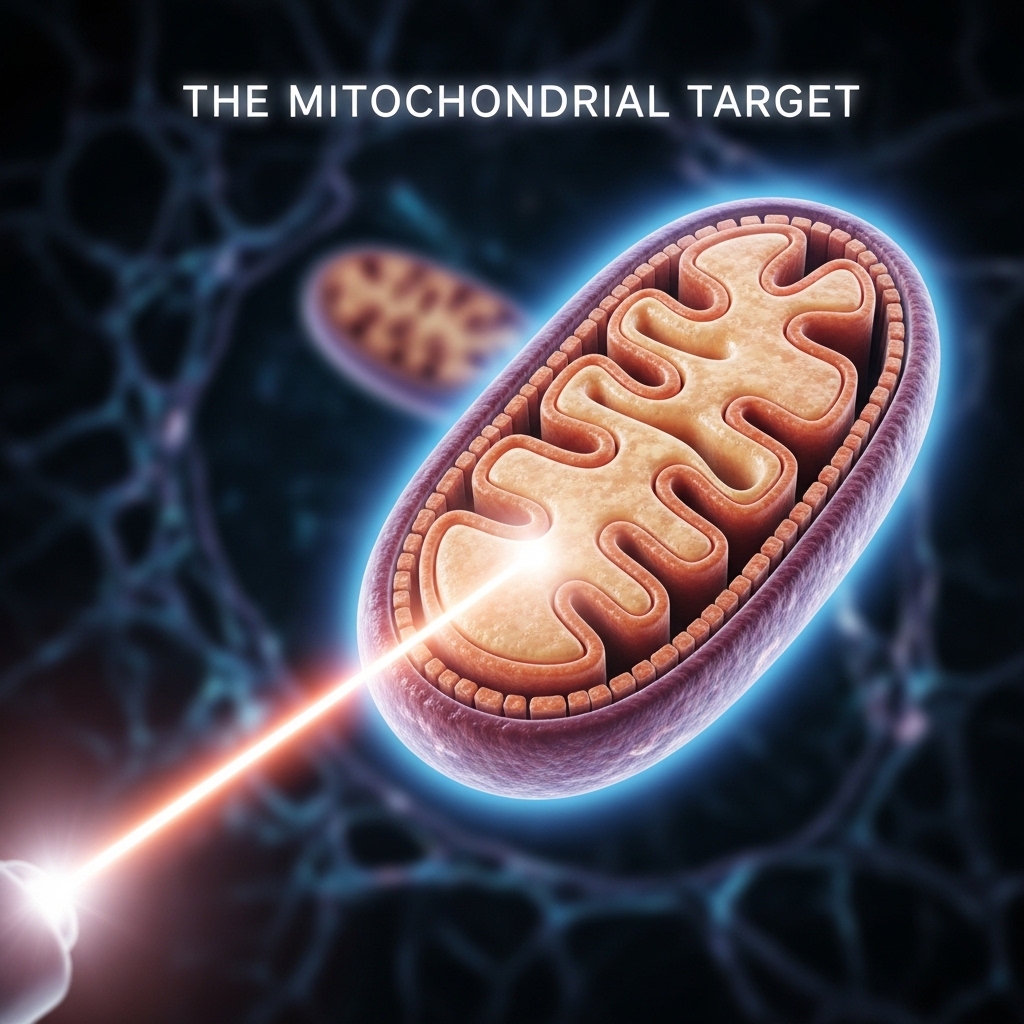
The main target of Zone 2 Training is mitochondrial function. Mitochondria help cells turn oxygen and fuel into usable energy. When they work well, the body can hold effort with less fatigue. When they decline, energy production becomes less efficient. That can affect exercise capacity, metabolic control, and daily resilience.
This is not only a sports issue. In midlife, reduced mitochondrial function can make stress feel heavier and recovery slower. High performers often notice it as fading endurance, unstable energy, or reduced tolerance for long workdays. Zone 2 Training applies a signal that supports better aerobic energy production. That is one reason it sits at the center of many longevity models.
PGC-1α and Mitochondrial Growth
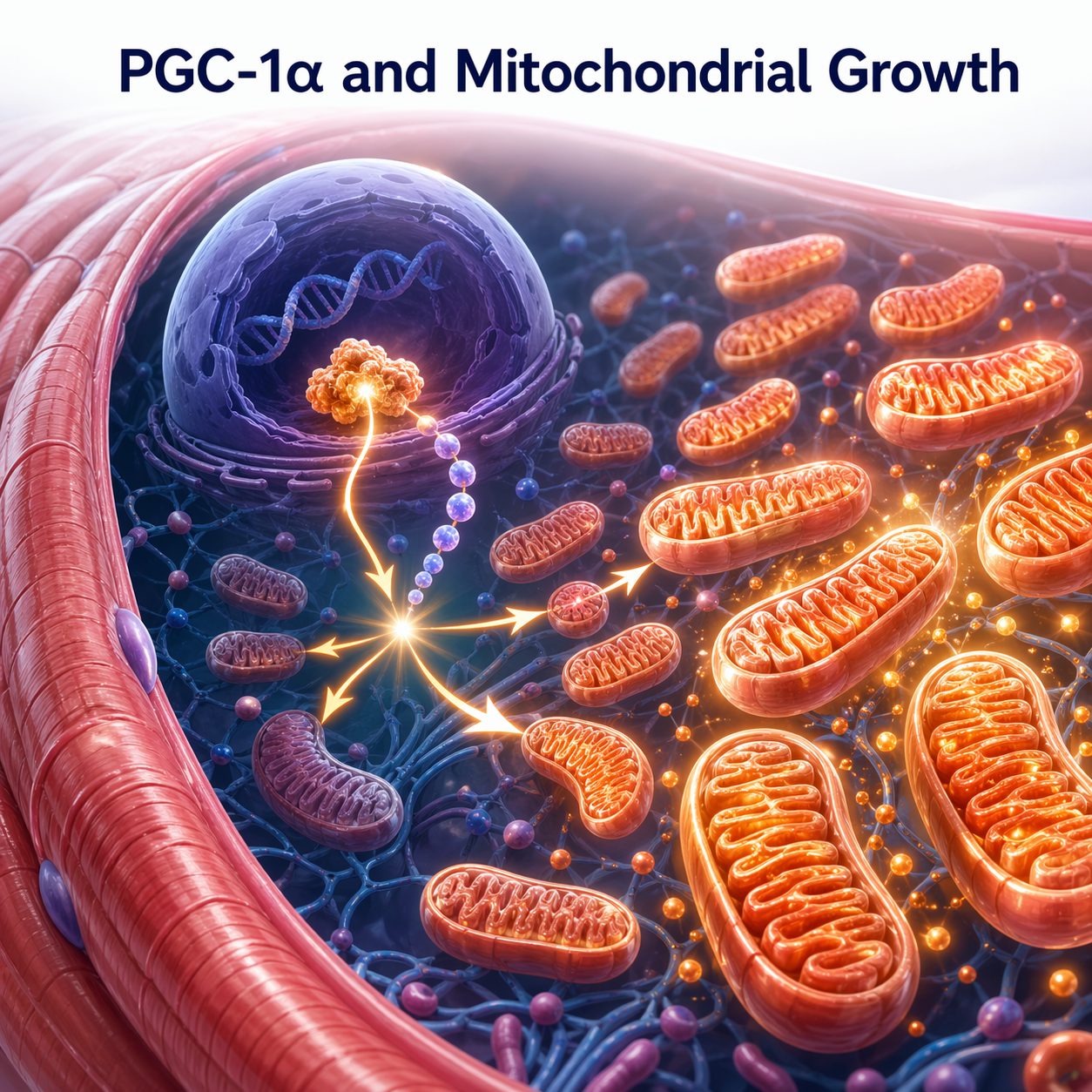
Exercise science often points to PGC-1α as a key regulator of aerobic adaptation. This signaling pathway helps drive mitochondrial biogenesis, which means the body builds more mitochondrial capacity over time. Research on endurance exercise supports this general mechanism. Repeated aerobic work changes muscle in a useful way. It becomes better at producing energy through oxygen-based pathways.
For a serious longevity reader, the detail matters because it explains why Zone 2 Training is different from short bursts of hard exercise. The method does not only burn calories. It changes the machinery that handles energy. That is a deeper and more durable adaptation. It supports health and performance at the same time.
VO2 Max as Functional Reserve
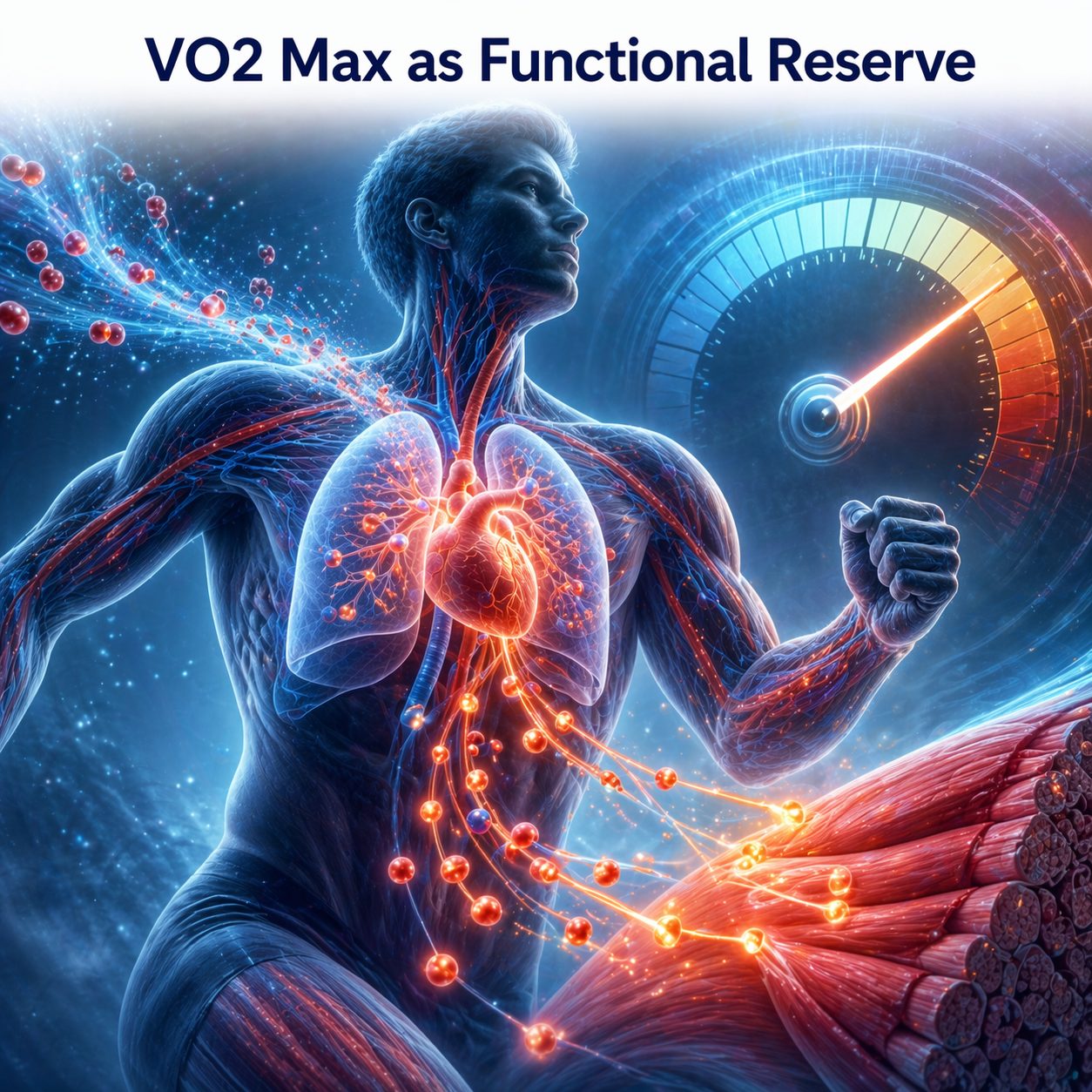
VO2 max is one of the clearest markers of aerobic capacity. It reflects the highest rate at which the body can use oxygen during hard effort. That number matters because it summarizes integrated system function. It tells us how much work the body can support when demand rises. For professionals, that means more than athletic output.
A higher VO2 max often means more margin. It can support better recovery after travel, illness, poor sleep, or heavy work periods. A lower value means less reserve. That makes ordinary stress more costly. Zone 2 Training helps build the aerobic base that supports higher peak capacity. It improves the floor beneath performance, not only the ceiling.
Cardiac Efficiency and Resting Physiology
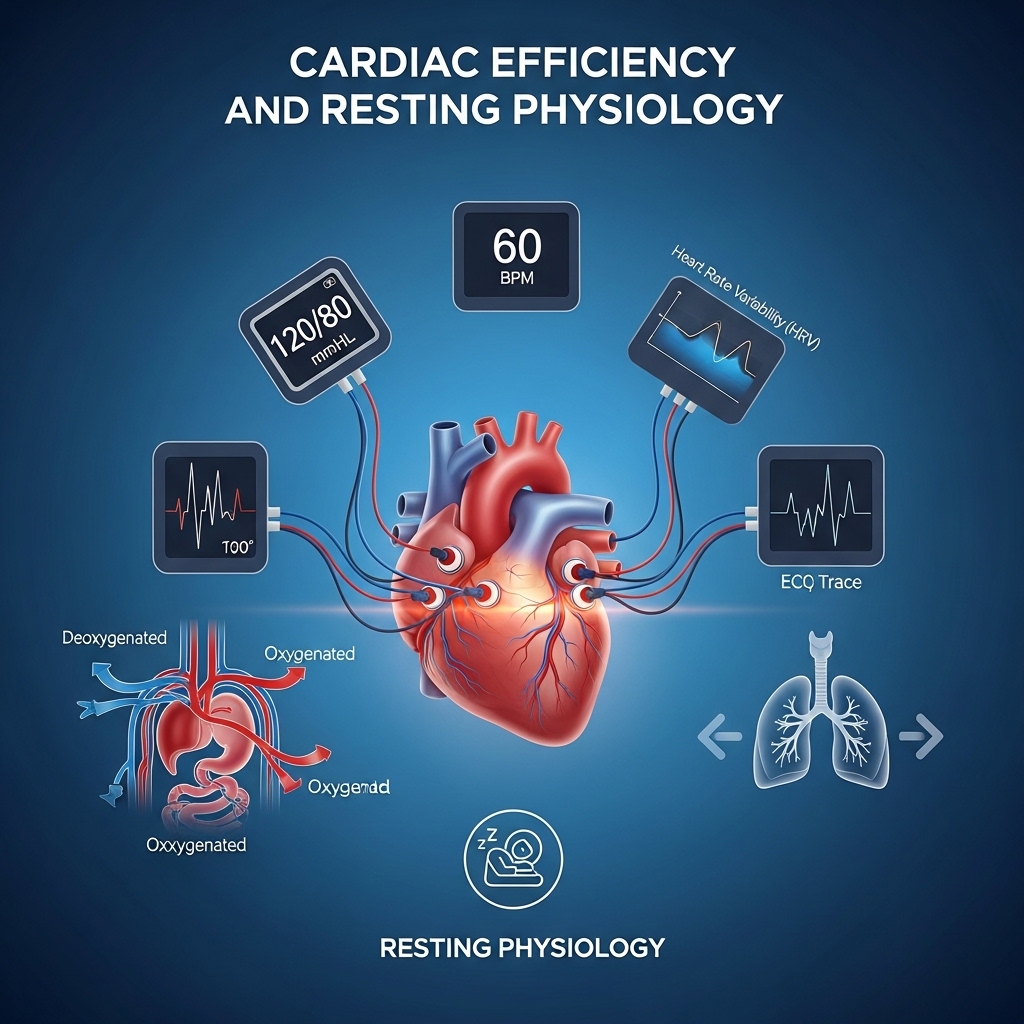
One benefit of Zone 2 Training is improved cardiac efficiency. Over time, the heart can pump more blood with less effort. That often shows up as a lower resting heart rate and better exercise tolerance. These are not superficial changes. They reflect useful adaptation in the cardiovascular system.
The Framingham Heart Study linked resting heart rate and heart rate variability to cardiovascular outcomes. These markers are not complete on their own, but they help describe autonomic balance and cardiac strain. For professionals with chronic stress, this matters. Zone 2 Training can improve cardiovascular function without relying on repeated high-stress sessions.
Lactate and Sustainable Effort

The physiology of Zone 2 Training is closely tied to lactate handling. Older models treated lactate as waste. George Brooks’ lactate shuttle work changed that view. Lactate is a fuel and a signal, not only a marker of fatigue. The body produces and uses it during exercise in a dynamic way.
At the right intensity, the body can manage lactate without losing control of the effort. That is one reason Zone 2 Training can continue for longer periods. The work stays productive without becoming chaotic. This makes it easier to build useful aerobic volume. For longevity, that matters because adaptation depends on repeated exposure, not heroic output.
Fat Oxidation and Metabolic Flexibility
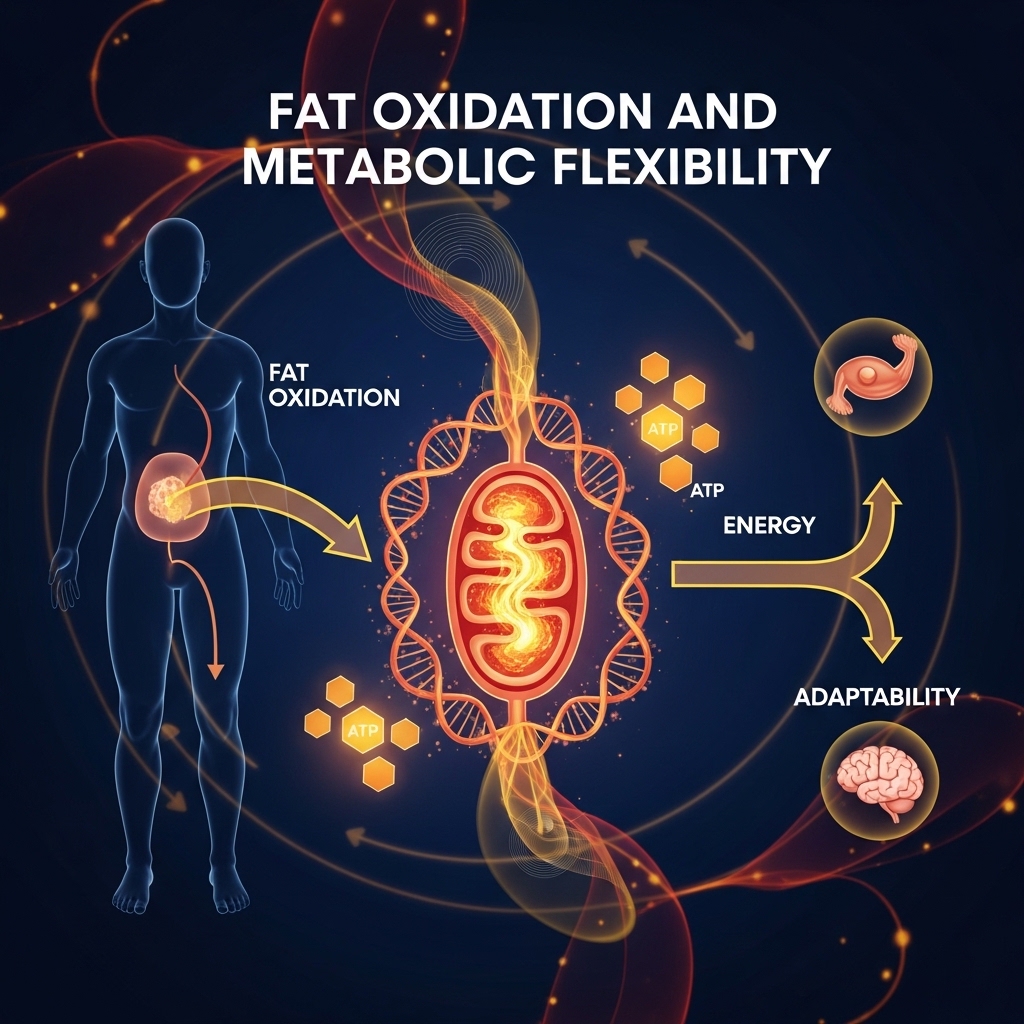
A major effect of Zone 2 Training is better fat oxidation. The body becomes more able to use fat as fuel during lower-intensity work. That improves metabolic flexibility, which is the ability to shift between fuel sources based on need. People with poor metabolic flexibility often rely too much on carbohydrate. They also fatigue sooner and show more unstable energy patterns.
This matters beyond exercise. Better fuel use can support more stable appetite, better glucose control, and less metabolic noise across the day. For a high-performing adult, that means more predictable energy. It can also support healthier body composition. Zone 2 Training helps create that shift through repeated aerobic demand.
Insulin Sensitivity and Glucose Control
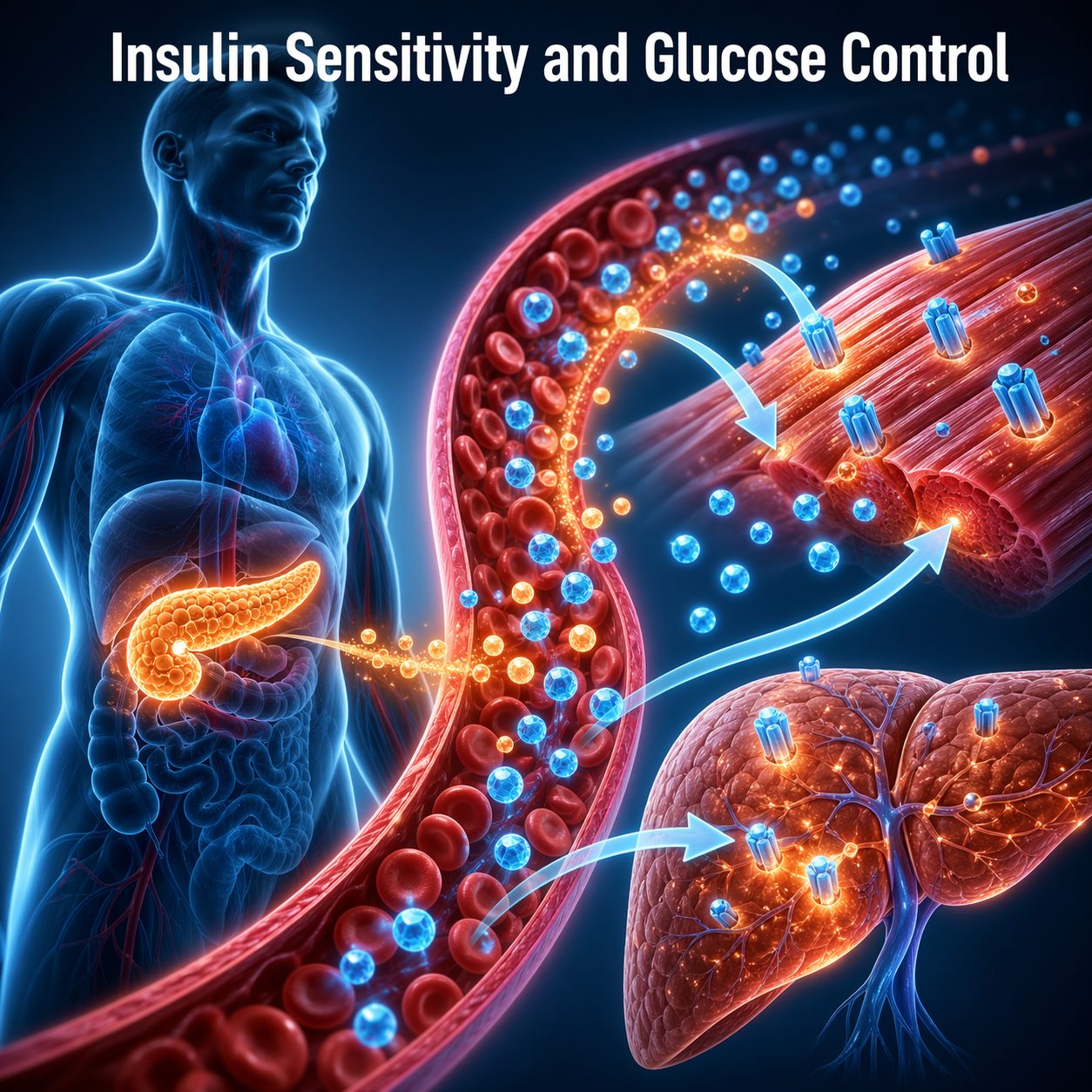
The American Diabetes Association has noted that regular aerobic exercise improves insulin sensitivity and supports glucose regulation. That makes Zone 2 Training clinically relevant even outside diabetes care. Many midlife adults show early signs of insulin resistance long before diagnosis. They may have rising fasting glucose, larger waist size, or strong post-meal swings in energy.
A structured aerobic base can help address that pattern. Working muscle takes up glucose more effectively during and after exercise. Over time, the body becomes more responsive to insulin. This is one reason Zone 2 Training fits well inside a longevity plan. It supports metabolic health without needing extreme intensity.
Inflammation and Inflammaging

Low-grade chronic inflammation is a core aging pathway. It has been linked to vascular disease, insulin resistance, cognitive decline, and frailty. In longevity medicine, this background state is often called inflammaging. It describes a slow but harmful rise in inflammatory burden across the years. That burden does not stay confined to one organ system.
Exercise can help, but the dose matters. Moderate aerobic work is often linked to lower inflammatory markers such as C-reactive protein and IL-6 over time. Excessive hard training can raise stress and tissue damage when recovery fails. Zone 2 Training offers a useful middle path. It allows meaningful aerobic work with lower recovery cost and less risk of turning exercise into another inflammatory load.
Cortisol and Stress Physiology
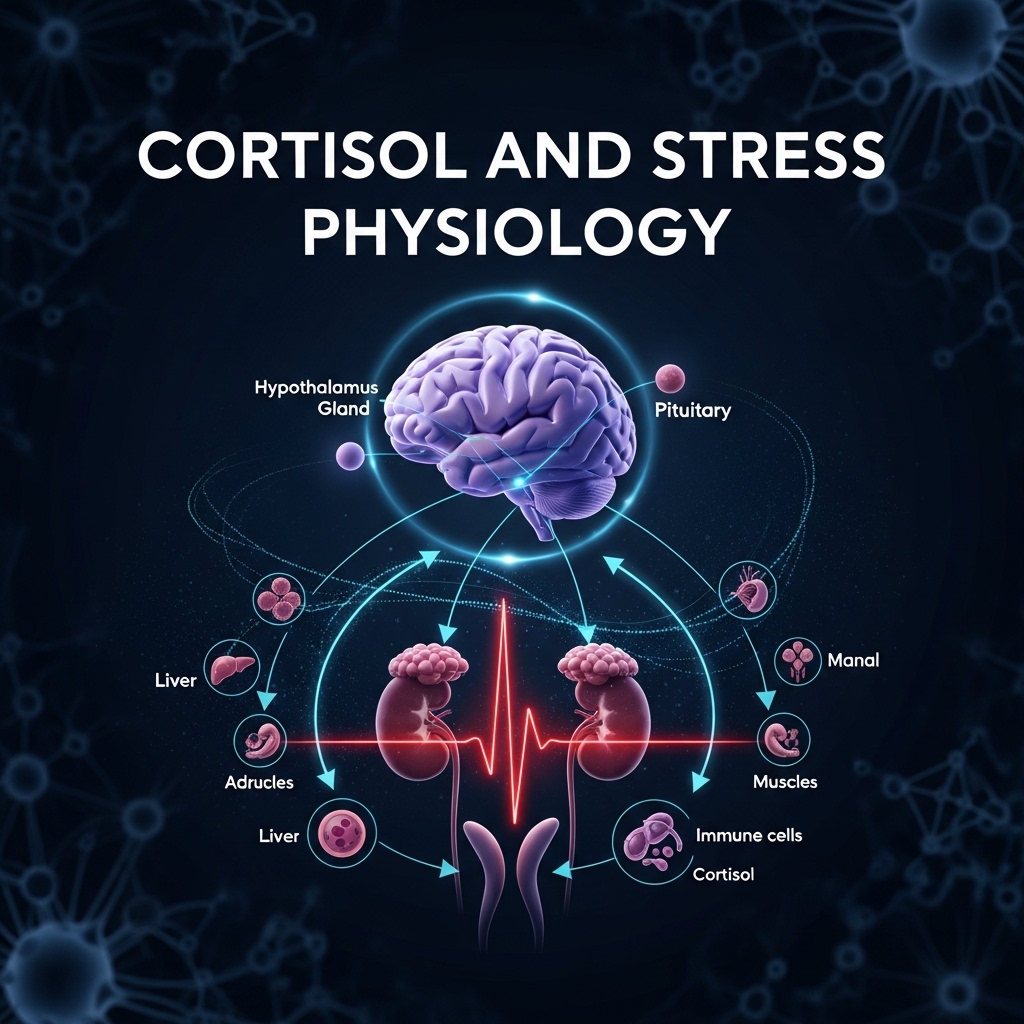
Professionals in leadership roles often live with constant sympathetic activation. Their calendar may look normal, but their physiology does not. Long work hours, poor sleep, global travel, alcohol, and decision fatigue all shape the stress response. In that setting, exercise choice matters. A training plan that piles extra stress on top of chronic strain can backfire.
This is where Zone 2 Training becomes especially useful. It can improve fitness without demanding the same hormonal and nervous system response as repeated threshold or sprint work. Hard sessions still have value, but they carry a larger recovery bill. Zone 2 Training often fits better when baseline stress is already high. It can build aerobic capacity while protecting recovery.
Cognitive Performance and Brain Health
The case for Zone 2 Training extends beyond the heart and muscles. Aerobic fitness is also linked to brain health. Studies in older adults have shown benefits in executive function, memory, and brain structure. A randomized trial by ten Brinke and colleagues reported increased hippocampal volume after aerobic training in older women with probable mild cognitive impairment. That is a meaningful finding for any longevity platform.
For executives, brain performance is the primary asset. Attention, working memory, judgment, and emotional control shape output more than gym metrics do. Aerobic conditioning supports the biology behind those functions. It improves blood flow and may support structural brain maintenance over time. That makes Zone 2 Training relevant to cognitive longevity, not only physical conditioning.
BDNF and Neuroplasticity
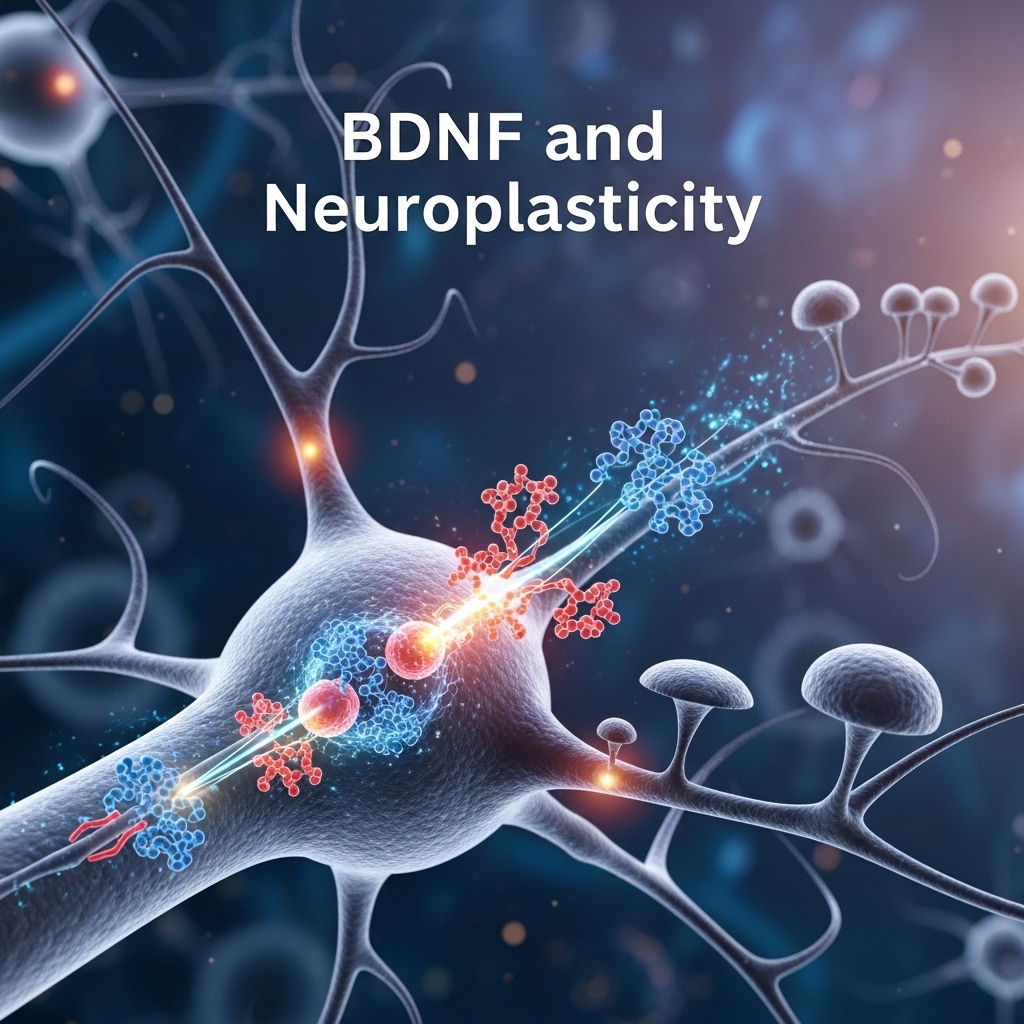
One mechanism behind these brain effects involves brain-derived neurotrophic factor, or BDNF. This protein supports neuron survival, learning, and plasticity. Exercise research suggests that aerobic activity can raise BDNF levels and support cognitive function. The literature is not perfectly uniform, but the overall direction is clear. Aerobic work does more than move blood. It interacts with brain biology.
In a professional context, that matters because mental sharpness declines when brain systems lose flexibility. The goal is not to market exercise as a cognitive shortcut. The goal is to recognize that Zone 2 Training supports biological conditions linked to better brain maintenance. That is a serious longevity concern, especially after 40.
Sleep Quality and Recovery
Sleep is one of the clearest places where Zone 2 Training can show value. Poor sleep raises glucose, worsens mood, reduces pain tolerance, and weakens decision quality. It also pushes cortisol and appetite in the wrong direction. For many professionals, sleep is the first system to break under pressure. That makes recovery a primary issue, not an afterthought.
Research supports an association between regular aerobic activity and better sleep quality. In adults with chronic insomnia, moderate aerobic exercise has improved sleep and mood in clinical studies. Zone 2 Training fits this pattern well because it builds fitness without the same evening stimulation seen with harder sessions. The result may be better next-day function, not only better gym numbers.
Muscle Aging and Sarcopenia
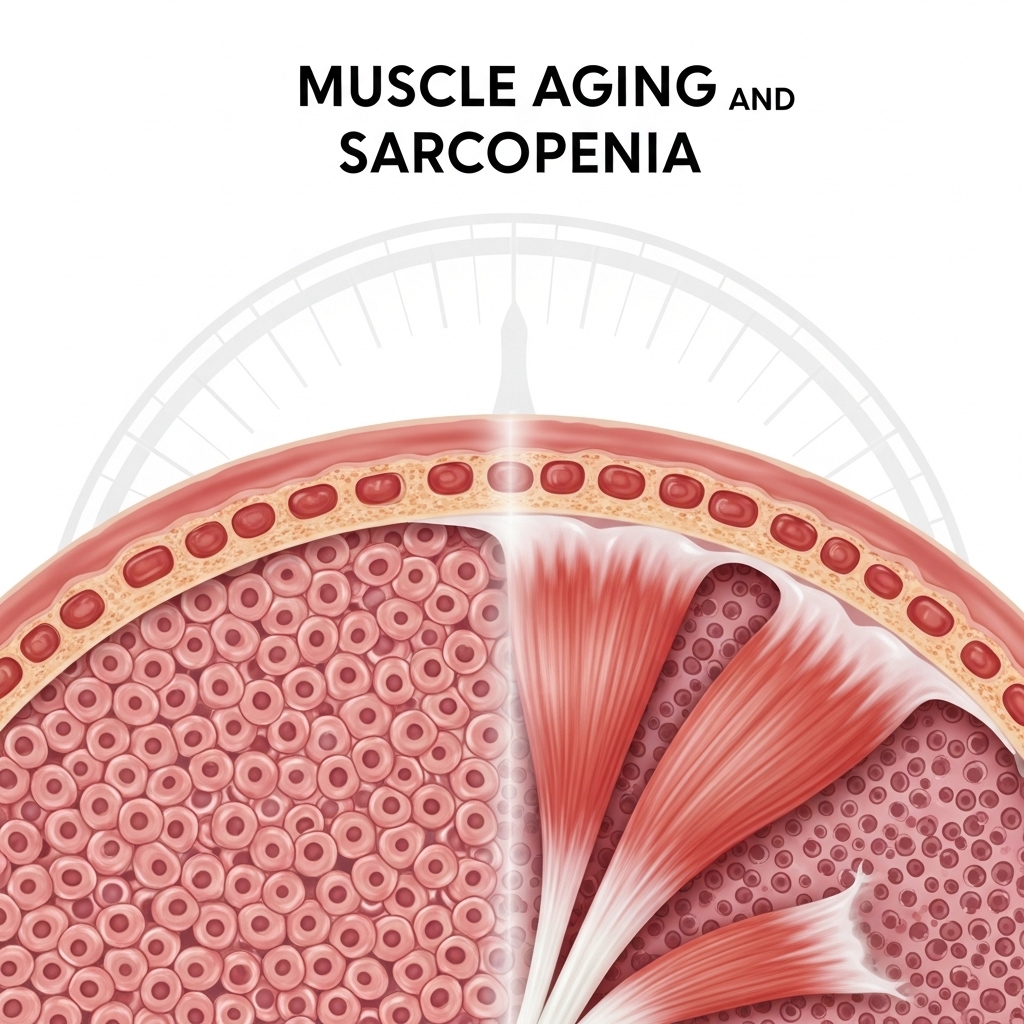
Zone 2 Training is not a replacement for strength work. Muscle mass still depends heavily on resistance training. But aerobic base work plays a different role in muscle aging. It supports the health of Type I muscle fibers, which are important for endurance, glucose use, and fatigue resistance. These fibers matter more than most people think.
Sarcopenia, or age-related muscle loss, affects strength, mobility, and metabolic health. It becomes more relevant after midlife. A strong longevity plan needs both muscle size and muscle quality. Zone 2 Training helps improve oxidative function inside muscle. That supports work capacity and metabolic stability. It complements strength training rather than competing with it.
Biological Age and Epigenetic Signals

The link between Zone 2 Training and biological age is still emerging, but it deserves attention. Newer studies have associated higher cardiorespiratory fitness with younger DNA methylation age markers. That does not prove that aerobic training reverses aging in a simple way. The biology is more complex than that. Still, the direction is meaningful.
The value of these findings lies in overlap. The systems improved by aerobic training are also the systems tracked by many aging biomarkers. These include inflammation, metabolic function, and cardiovascular health. That does not make Zone 2 Training a magic answer. It does make it a credible part of an evidence-based longevity strategy.
Why More Intensity Is Not Always Better
Public fitness culture often treats hard effort as proof of value. That idea does not hold up well in a professional longevity model. High-intensity work can be effective, but it is not the only useful form of exercise. It also creates more fatigue and recovery demand. For athletes with strong recovery support, that may be manageable. For executives under chronic stress, it often is not.
The mortality data do not say that maximal strain is the goal. They show that high cardiorespiratory fitness is protective. There are many ways to build that fitness, but Zone 2 Training offers an efficient path with lower disruption. It supports consistency. For long-term health, that usually matters more than a few dramatic sessions.
READ ALSO: How Strategic Home Gym Equipment Selection Drives VO2 Max Gains and Slows Biological Age Decline
Measurement Matters
One weakness in the public discussion of Zone 2 Training is poor measurement. Many people depend on a formula and assume precision. In reality, the target is a usable aerobic intensity that stays controlled and repeatable. Laboratory testing gives the best detail, but field methods still help. Heart rate, breathing pattern, and the ability to speak in full sentences all offer useful signals.
The main point is practical. If the effort is too hard, the session drifts into threshold work. If it is too easy, the signal may be weak. Precision matters more than branding. A serious professional does not need trend language. They need a training zone that works and can be repeated over time.
READ ALSO: Tricep Muscle Mass as a Longitudinal Marker of Upper Body Strength, Metabolic Health, and Functional Longevity
Consistency Beats Heroic Effort

The benefits of Zone 2 Training come from repetition. Aerobic adaptation builds over months and years. It does not arrive through occasional ambition. This is one reason the method fits real professional life. It can survive a full calendar better than an aggressive program that depends on perfect recovery.
This is also why the method matters for longevity. Aging is cumulative, and so are the protective effects of aerobic fitness. A person who builds a steady aerobic base usually gains more than one who alternates between hard pushes and long gaps. In this context, consistency is not a softer choice. It is the more rational one.
READ ALSO: How Incremental Behavioral Design Drives Measurable Longevity Outcomes in High-Performing Adults
Evidence-Based Options for Practice

For a high-performing professional, the evidence supports treating Zone 2 Training as a base layer of health and performance work. The most defensible approach is to use regular aerobic sessions to improve fitness, pair them with strength training, and track objective markers such as resting heart rate, exercise tolerance, sleep quality, and metabolic response. When available, formal fitness testing can add precision. For those with rising cardiovascular risk, poor recovery, worsening glucose control, or concern about accelerated biological aging, the literature from the American Heart Association, JAMA Network Open, the American Diabetes Association, the Framingham Heart Study, and aerobic exercise research on brain and sleep outcomes supports a structured aerobic base as part of a broader longevity strategy.