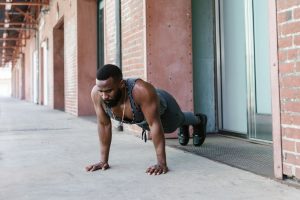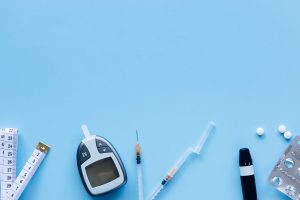
For executives whose schedules compress or eliminate structured training windows, the physiological cost is measurable — VO2 max declines at approximately one percent per year after 40 without deliberate high-intensity stimulus, accelerating cardiovascular risk and biological age advancement in parallel. Home gym exercise equipment removes the single most cited barrier to training consistency: time lost to commute and facility scheduling. When equipment selection aligns with evidence-based training protocols rather than consumer marketing, a private training environment produces cardiovascular, metabolic, and neuromuscular adaptations clinically equivalent to those achieved in commercial facilities — with significantly higher adherence rates among high-output professional populations.
Why Equipment Selection Determines Physiological Outcome
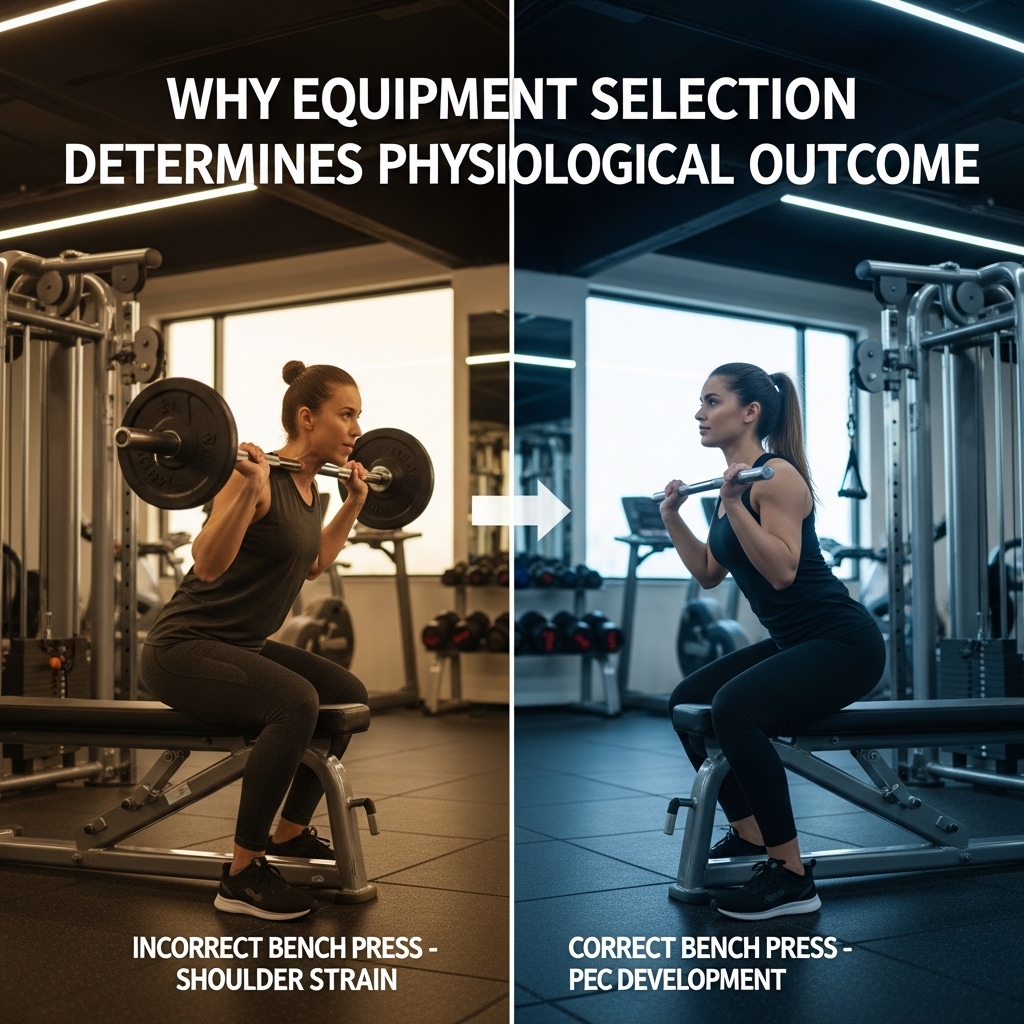
Not all home gym exercise equipment produces equal physiological results. The gap between a well-configured home training environment and a poorly selected one mirrors the gap between a structured clinical exercise protocol and casual movement. Equipment choice directly determines which energy systems get trained, which adaptive signals get triggered, and which longevity variables shift in a measurable direction over time.
The most common error professionals make is purchasing equipment based on aesthetics or space rather than training specificity. A decorative stationary bike used at low intensity produces fundamentally different outcomes than a calibrated rowing ergometer used at threshold intensity. The distinction matters clinically. Moderate steady-state exercise and high-intensity interval protocols activate different molecular pathways and produce different long-term changes in VO2 max, insulin sensitivity, and inflammatory markers.
Evidence-based equipment selection starts with identifying which physiological systems need the most attention. For most executives between 40 and 60, the priority systems are cardiovascular capacity, muscle mass, and metabolic regulation. The equipment categories that most directly address these systems form the foundation of a clinically sound home gym.
Cardiovascular Equipment and VO2 Max Development
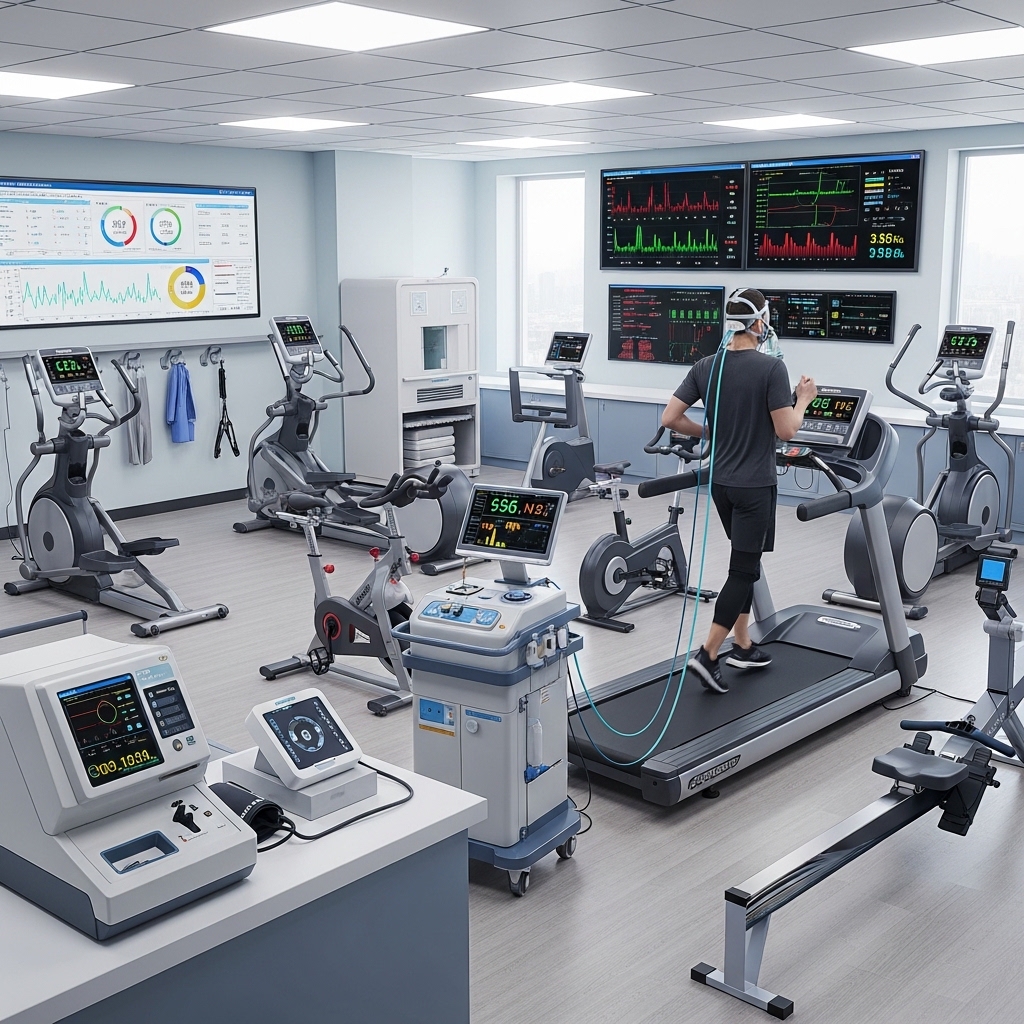
VO2 max is the most clinically validated predictor of long-term cardiovascular health and all-cause mortality available to researchers and clinicians. The American College of Sports Medicine classifies cardiorespiratory fitness as a vital sign. This position draws support from large-scale research including the Cooper Center Longitudinal Study, which tracked cardiovascular fitness across decades in tens of thousands of adults. Improving VO2 max by even one metabolic equivalent produces a statistically significant reduction in cardiovascular mortality risk.
Among home gym exercise equipment categories, rowing ergometers and ski ergometers produce the highest whole-body cardiovascular demand per unit of time. Both engage the upper and lower body together, drive heart rate into the high-intensity zone efficiently, and allow precise output measurement. That precision is critical for executing and monitoring interval training protocols. Air-resistance bikes achieve similar cardiovascular intensity and self-regulate resistance, making them well-suited for both sprint intervals and longer aerobic work.
Treadmills remain the most studied piece of cardiovascular equipment in the clinical literature. For professionals who prefer running or benefit from weight-bearing stimulus, a motorized treadmill with incline capability offers a well-researched cardiovascular training platform for home use. The key variable across all cardiovascular equipment is intensity management. Equipment that measures resistance, speed, or output precisely enables the interval programming that drives meaningful VO2 max adaptation.
Resistance Equipment and the Sarcopenia Intervention Window
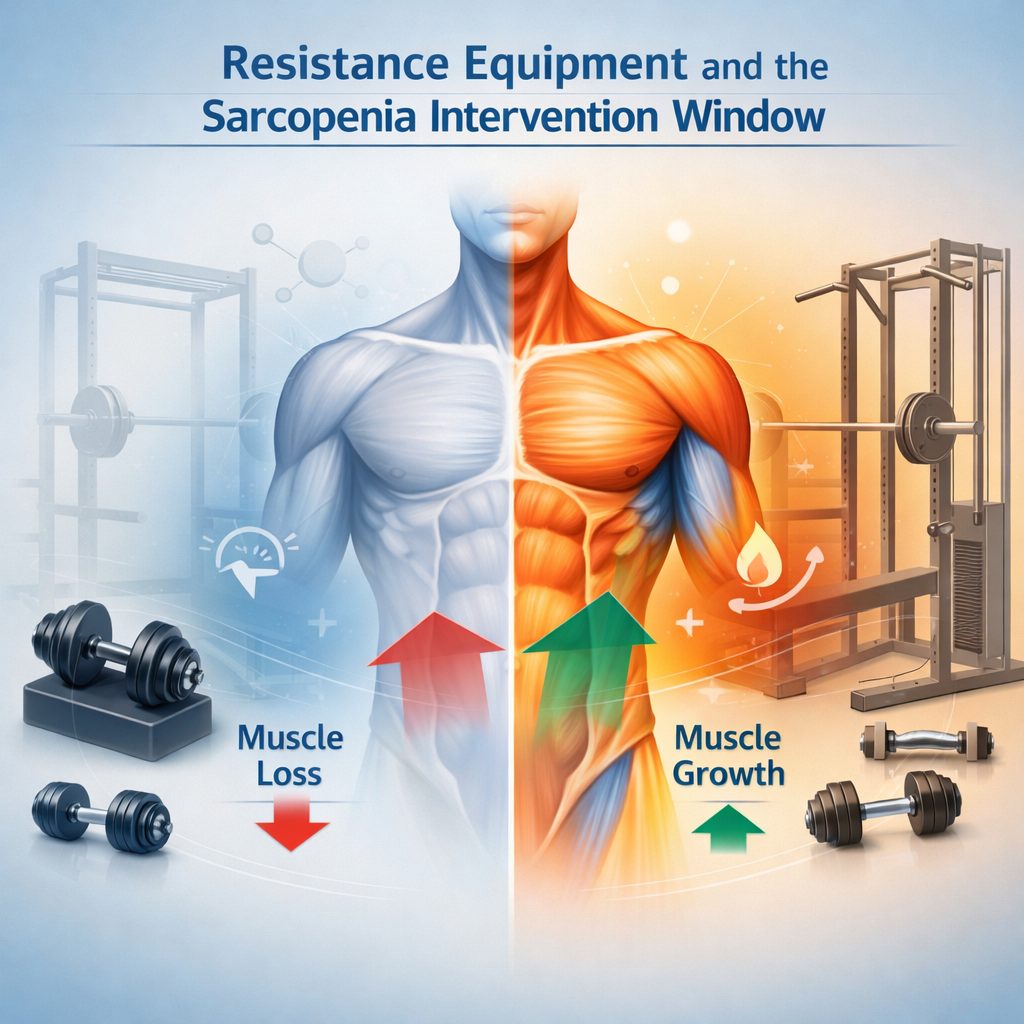
Skeletal muscle mass peaks in the early 30s and declines without deliberate resistance training. Research from the Harvard T.H. Chan School of Public Health and affiliated aging cohorts shows this decline accelerates through the 40s and 50s. The consequences are well-documented — reduced insulin sensitivity, lower resting metabolic rate, impaired immune regulation, and increased biological age markers. Resistance training is the primary evidence-based intervention for slowing this trajectory.
For home gym exercise equipment targeting sarcopenia risk, adjustable dumbbells and a barbell-and-rack system offer the highest clinical return. Adjustable dumbbells allow progressive overload across a wide range of movements without requiring significant floor space. A barbell with a power rack enables compound lower-body and posterior chain movements — squats, deadlifts, Romanian deadlifts — that produce the greatest anabolic hormonal response and the most significant muscle mass stimulus per session.
Cable systems and resistance bands play a secondary but relevant role. They provide continuous tension through a full range of motion — a training variable that free weights alone do not replicate. They also enable the unilateral and rotational movement patterns that support joint health and injury resilience. For professionals managing prior injuries or joint limitations, resistance-based cable systems often allow continued progressive loading where barbell work may be restricted.
The Metabolic Case for Multi-Modal Home Training
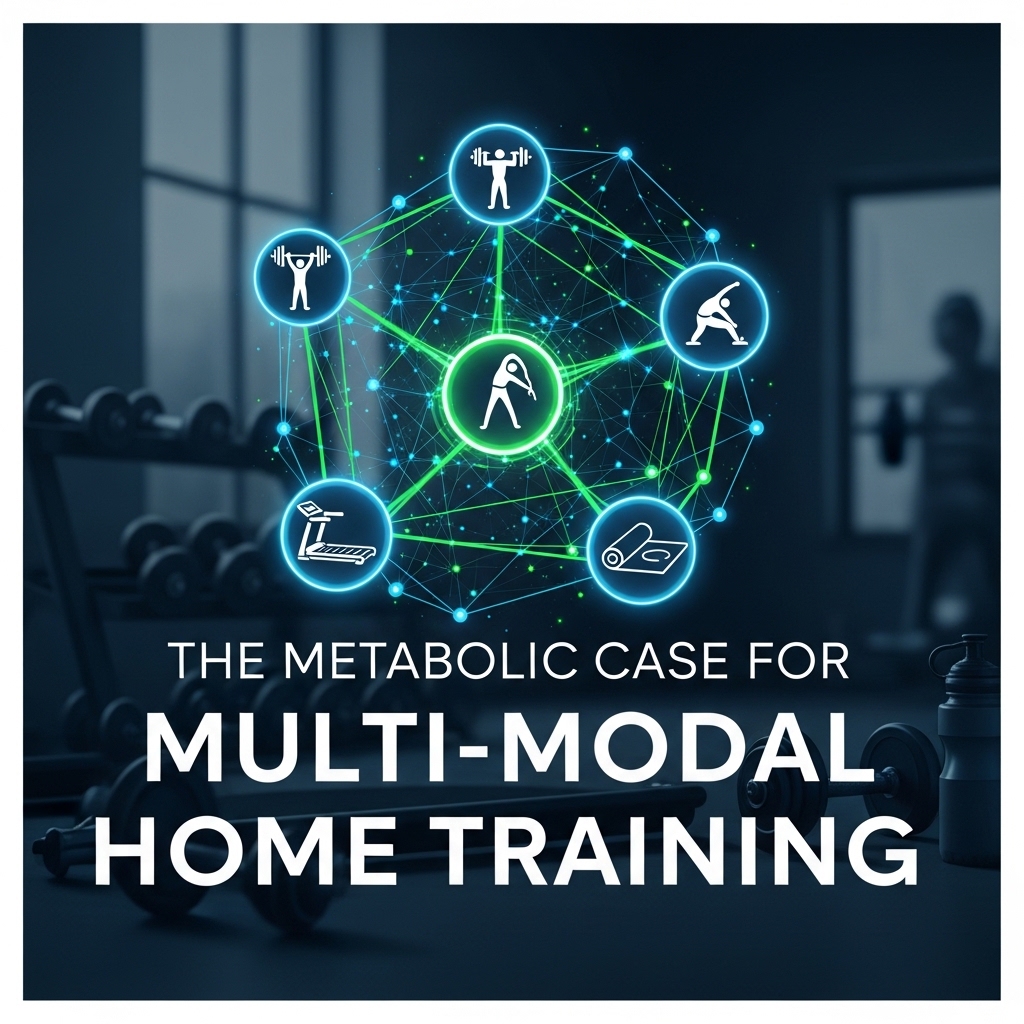
Metabolic health encompasses insulin sensitivity, blood glucose regulation, lipid profile, and visceral fat. It responds to exercise through multiple distinct pathways. Cardiovascular training improves insulin sensitivity through mitochondrial adaptation. Resistance training adds to this by expanding muscle mass, which increases the body's glucose storage and disposal capacity. Combining both modalities produces additive metabolic benefits that neither approach achieves alone.
A home gym that includes both cardiovascular and resistance equipment enables the training structure that research most consistently links to metabolic improvement. The Framingham Heart Study and subsequent research it has informed show that individuals who combine aerobic and resistance training display superior metabolic profiles — lower fasting glucose, better lipid ratios, and reduced visceral fat — compared to those who practice either modality exclusively. This combined approach is especially relevant for executives in their 40s and 50s, when insulin resistance commonly begins to emerge without overt symptoms.
The practical metabolic advantage of a home gym over a commercial facility is session frequency. Metabolic adaptations to exercise are largely frequency-dependent. The more consistently training occurs, the more robustly insulin sensitivity, mitochondrial density, and lipid metabolism improve. Removing logistical barriers raises session frequency in professional populations, which directly amplifies the metabolic signal each session produces.
Flooring, Space Configuration, and Injury Risk Reduction
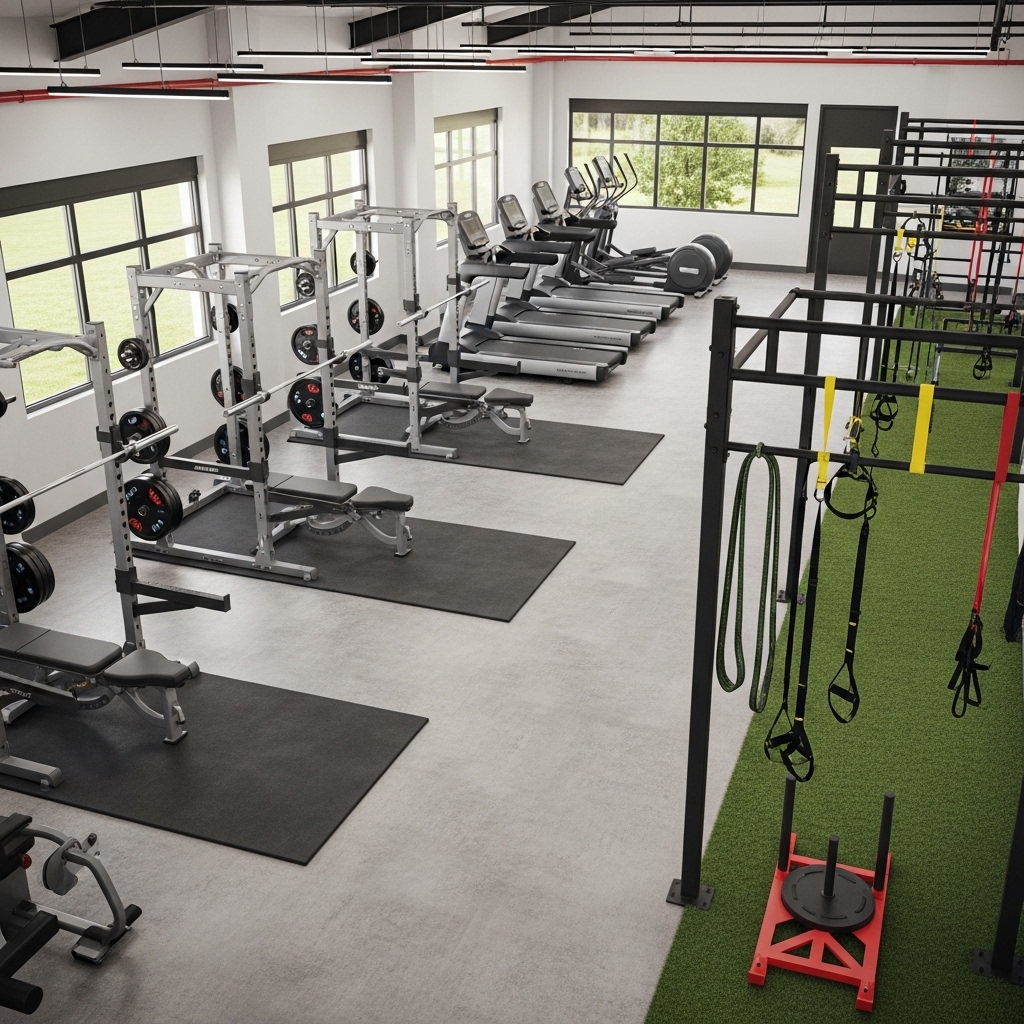
The structural environment of a home gym directly influences both training quality and injury risk. Inadequate flooring increases joint impact forces during cardiovascular work and raises fall risk during loaded movements. Rubber flooring in the 8-to-10 millimeter thickness range provides sufficient shock absorption for jumping and barbell work. It also protects the subfloor and reduces noise — a practical consideration in residential settings.
Space configuration affects training quality more than most professionals anticipate. A rack system requires ceiling clearance of at least eight feet for safe overhead pressing and pull-up work. Cardiovascular equipment placed too close to walls limits natural movement and raises contact injury risk. Planning the spatial layout of home gym exercise equipment before purchase prevents the common outcome of under-used equipment that does not physically allow its intended use.
Adequate floor space for mobility drills, core work, and bodyweight movements is frequently overlooked. A cleared area of at least six by eight feet supports the full range of movement preparation and recovery work that underpins training longevity. Professionals who neglect this often find that accumulated movement restrictions become the binding constraint on training quality — well before equipment availability does.
READ ALSO: Lat Pulldown Training and Its Role in Preserving Postural Integrity and Metabolic Resilience After 40
Monitoring Equipment and Data-Driven Training
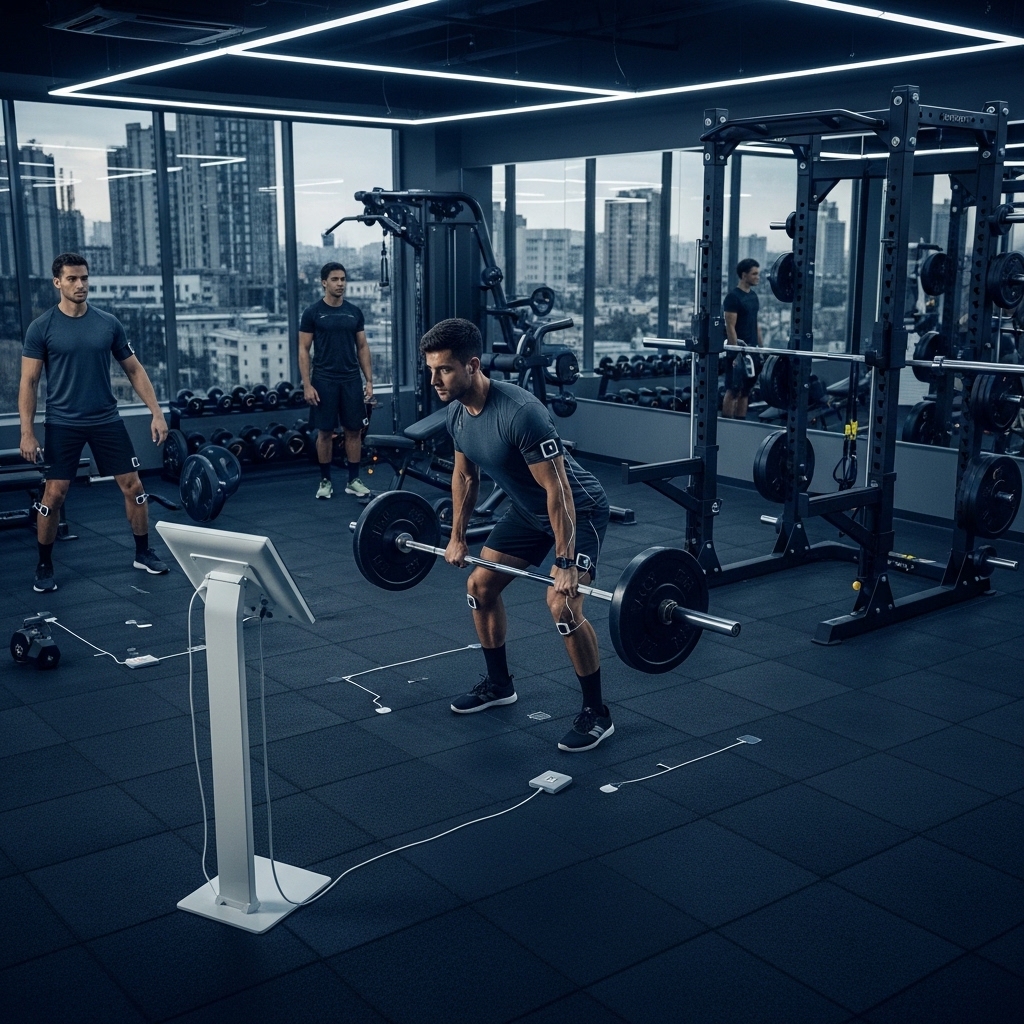
The gap between training effort and training outcome narrows when professionals use objective monitoring tools. Heart rate monitors — particularly chest-strap devices that measure beat-to-beat variability — provide real-time data needed to execute interval protocols accurately. They also track HRV trends as a recovery indicator between sessions.
Smart cardiovascular equipment with direct power or output measurement enables training precision that heart rate alone cannot provide. Power output responds immediately to effort changes. Heart rate, by contrast, lags by 30 to 60 seconds. For interval protocols designed to drive VO2 max adaptation, real-time power feedback allows more accurate intensity targeting than heart rate monitoring alone.
Body composition scales using bioelectrical impedance provide a practical home-based tool for tracking muscle mass and fat mass trends over time. Their value lies in trend tracking rather than precise measurement. A consistent downward trend in fat mass paired with stable or increasing lean mass signals that the combined training approach is producing the intended physiological direction. Periodic DEXA scanning can validate these trends with greater precision.
READ ALSO: Snack Before Gym? Here’s What to Choose
Acoustic and Environmental Factors That Affect Training Quality
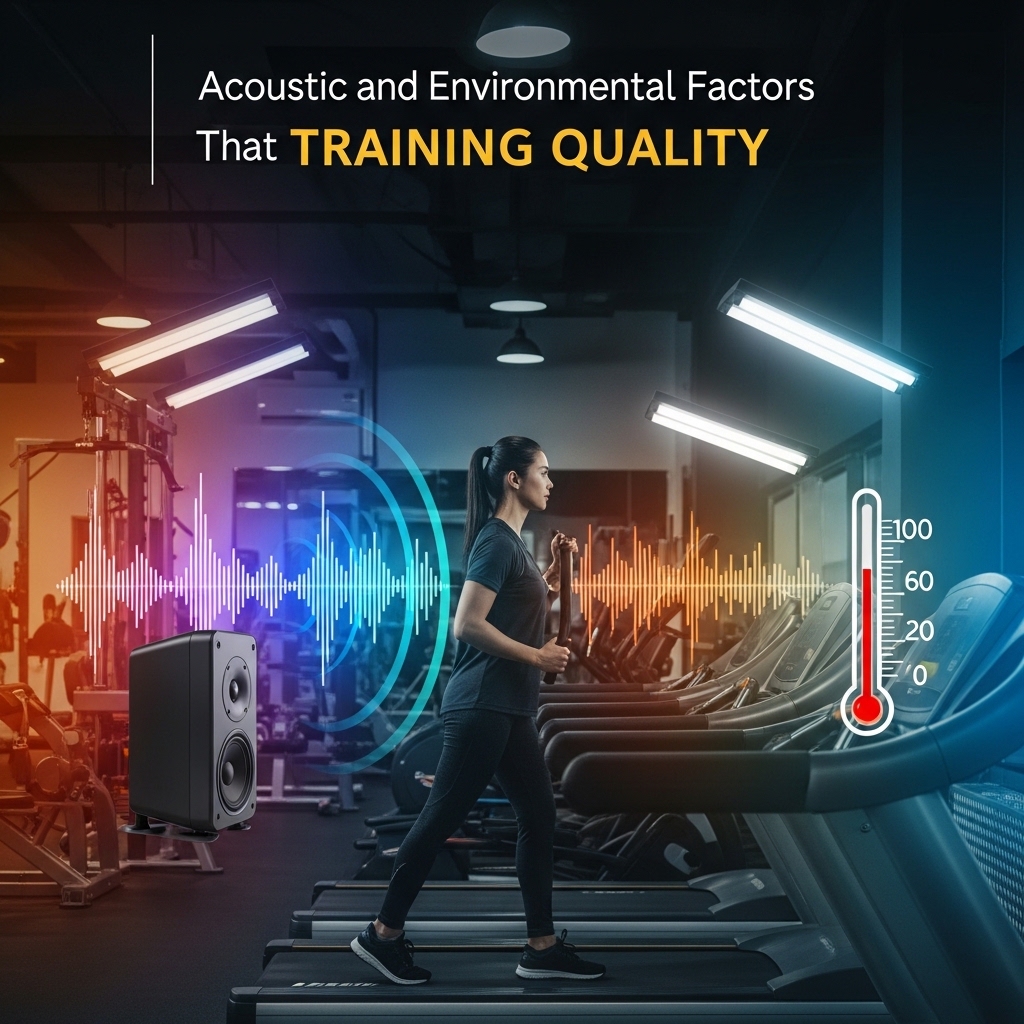
The sensory environment of a home gym influences training intensity and recovery quality. Ambient temperature affects cardiovascular performance directly. A room maintained between 65 and 72 degrees Fahrenheit supports optimal output across most training modalities. Adequate ventilation reduces CO2 buildup during high-intensity sessions, which research links to faster fatigue onset and reduced mental clarity.
Acoustic design affects focus and session quality in ways that translate to training outcomes. Hard surfaces and poor sound dampening create an environment where high-intensity work feels cognitively taxing beyond the demands of physical effort. Rubber flooring, wall-mounted foam panels, and ceiling treatments reduce reverberation and support sustained concentration during technically demanding work.
Lighting quality carries measurable physiological relevance. Bright, full-spectrum lighting during morning training supports circadian rhythm and the cortisol awakening response — a hormonal pattern that primes the body for physical and cognitive output. High-intensity training under warm or dim lighting in the evening can blunt this signal and disrupt the sleep architecture that recovery depends on. Professionals who train at varying times of day benefit from lighting systems with adjustable color temperature.
READ ALSO: Tricep Muscle Training to Boost Your Gratitude for Health
Practical Evidence-Based Considerations for High-Performing Professionals

Professionals building or refining a home gym have several well-supported options based on the evidence reviewed here. Prioritizing cardiovascular equipment that enables precise intensity measurement — rowing ergometers, air bikes, or calibrated treadmills — provides the foundation for interval-based training most strongly linked to VO2 max improvement. Adding a barbell-and-rack system or adjustable dumbbells addresses the resistance training stimulus that the sarcopenia and metabolic health literature most consistently supports. Pairing this with objective monitoring tools — HRV tracking and periodic body composition assessment — creates a feedback loop that allows training adjustments based on physiological response rather than perceived effort. Baseline clinical assessment, including cardiorespiratory fitness testing and metabolic panels, provides the individual context needed to connect home gym activity to the longevity variables that determine long-term health outcomes.
UP NEXT: Protein Powder for Building Muscle: Your Aging Fitness Secret
Consistent use of home gym exercise equipment — specifically combining cardiovascular and resistance training at sufficient intensity — is one of the most direct behavioral levers for reducing biological age, with research linking high cardiorespiratory fitness and preserved muscle mass to a biological age measurably younger than chronological age in middle-aged adults. WholeLiving's Biological Age Estimation Model incorporates this factor directly — your assessment takes under five minutes.
Ready to understand how these factors are influencing your biological age right now? [Take the Biological Age Assessment →]