
Suboptimal pre-workout nutrition is not merely an inconvenience. It is a measurable performance liability. Poor macronutrient choices directly compromise ATP production, glycogen availability, and post-exercise recovery efficiency. Executives and founders who treat physical training as a non-negotiable performance input cannot afford to arrive metabolically underprepared. Doing so compounds cortisol elevation, accelerates muscle protein breakdown, and blunts the hormonal adaptations that training drives. Macronutrient timing in the pre-exercise window is a clinical variable, not a preference.
The Metabolic Foundation of Exercise Performance

Physical training places immediate and substantial demands on metabolic systems. The body draws on stored glycogen, circulating glucose, and fatty acids to fuel muscular contraction. When these substrates are inadequately available before exercise begins, the body compensates by up-regulating cortisol and catecholamine release. This stress response accelerates muscle protein breakdown and reduces the anabolic signaling that training is designed to stimulate.
Glycogen availability is the primary determinant of high-intensity exercise capacity. Research from the American College of Sports Medicine consistently identifies pre-exercise glycogen depletion as a direct limiting factor in both strength output and cardiovascular endurance. Professionals who train in a fasted or under-fueled state may complete their sessions, but they do so at a measurable physiological cost.
The consequences extend beyond the session itself. Cortisol elevation triggered by metabolic under-preparation persists into the post-exercise recovery window. This suppresses testosterone and growth hormone secretion — the primary anabolic drivers of muscle adaptation. Over time, chronically under-fueled training blunts the adaptive response that justifies the time investment in exercise.
Understanding this metabolic sequence reframes pre-workout nutrition from a preference into a performance variable. The goal is not simply to feel energized. It is to present the body with adequate substrate so that training produces its intended physiological output.
Carbohydrate Timing and Glycogen Dynamics

Carbohydrates remain the most evidence-supported pre-workout macronutrient for performance. They replenish liver and muscle glycogen, supply circulating glucose, and sustain blood sugar stability during exertion. The timing and type of carbohydrate consumed determines how effectively these functions are fulfilled.
Research published in the Journal of Applied Physiology has examined the relationship between pre-exercise carbohydrate intake and glycogen utilization during sustained effort. Findings consistently show that carbohydrate consumption in the one-to-three hour window before training increases time to fatigue and preserves force output during resistance exercise. The effect is dose-dependent and modulated by exercise intensity and individual metabolic rate.
Complex carbohydrates — oats, sweet potato, whole grain varieties — release glucose more gradually than refined sources. This blunted glycemic response maintains blood sugar within a performance-supportive range without triggering the reactive hypoglycemia that high-glycemic foods can produce mid-session. For executives training before high-cognitive-demand workdays, stable blood glucose also supports post-exercise mental clarity.
The practical implication is that carbohydrate quality and timing work together. Consuming complex carbohydrates one to three hours before training produces a different metabolic profile than consuming simple sugars thirty minutes prior. Both approaches have their place depending on session timing and individual digestive tolerance.
Protein's Role Before Exercise

Protein consumed before training does more than support post-exercise recovery. It elevates circulating amino acid availability during the session itself, which reduces net muscle protein breakdown during exertion. This matters particularly for professionals in the 35-to-60 age range, where anabolic sensitivity declines and muscle protein synthesis requires greater nutritional support to match younger baselines.
The National Institutes of Health have supported research demonstrating that pre-exercise protein intake enhances muscle protein synthesis rates in the hours following training, independent of post-exercise protein consumption. This finding challenges the common assumption that protein timing only matters after a session. The pre-exercise window makes an independent contribution to the anabolic response.
Leucine-rich protein sources — whey, eggs, Greek yogurt — activate mTOR signaling more effectively than lower-leucine alternatives. mTOR is the primary intracellular pathway governing muscle protein synthesis. Selecting leucine-dense sources before training provides a more potent anabolic signal than equivalent protein quantities from lower-leucine foods.
This becomes especially relevant in the context of sarcopenia prevention. Muscle mass preservation after age 35 requires consistent anabolic stimulation through both resistance training and adequate protein availability. Pre-workout protein consumption addresses both the training stimulus and the nutritional substrate simultaneously.
READ ALSO: Snacks for Low Carb Diet That Satisfy Without Stress
Fat as a Pre-Workout Variable
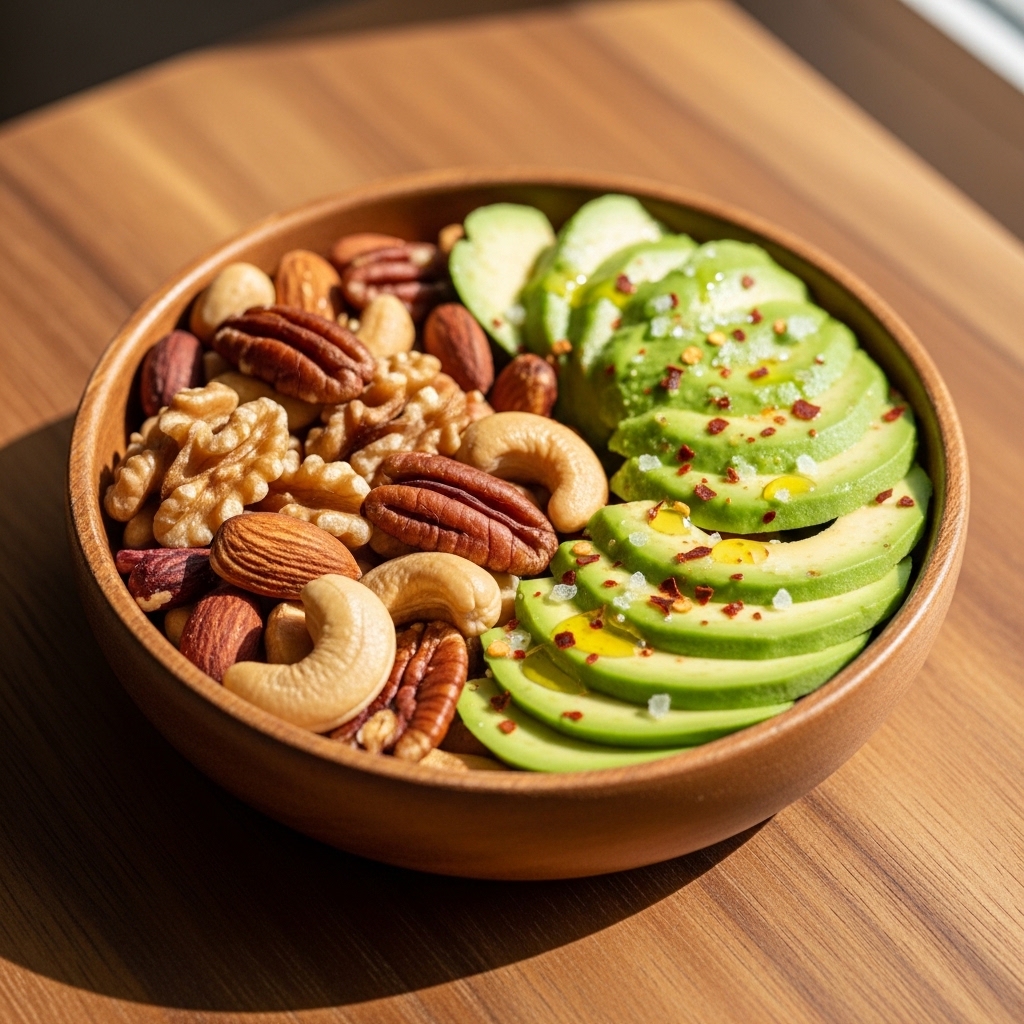
Dietary fat serves a different function in the pre-workout context than carbohydrates or protein. Fat digests slowly and delays gastric emptying. This slows carbohydrate absorption and can blunt the glycemic response when consumed alongside other macronutrients. In moderate quantities, fat contributes to sustained energy release during lower-intensity or longer-duration sessions.
However, excessive fat intake in the immediate pre-workout window creates a competing metabolic demand. Digesting large fat quantities diverts blood flow to the gastrointestinal tract and can impair exercise performance through discomfort and reduced substrate availability. The clinical recommendation from sports nutrition research favors modest fat inclusion rather than fat-dominant pre-workout meals.
For professionals training at high intensity — interval protocols, heavy compound lifting — minimizing fat in the one-to-two hour pre-workout window reduces the risk of gastrointestinal interference. Fat-rich meals are better positioned three or more hours before training, where digestion completes without competing with exercise demands.
This does not mean avoiding fat entirely in pre-workout nutrition. A small quantity of healthy fat alongside carbohydrates and protein can support satiety and moderate glycemic response. The key variable is proportion and timing relative to session start.
The Pre-Workout Window: Timing Matters

Nutrient timing is not a secondary consideration. It determines whether macronutrients are available as active metabolic substrates during exercise or are still in the digestive queue when demand peaks. The pre-exercise window spans broadly from three hours to thirty minutes before training, with meaningfully different nutritional strategies appropriate at each interval.
Three hours before training allows for a complete mixed meal. Full macronutrient inclusion — moderate carbohydrates, complete protein, modest fat — provides comprehensive substrate availability without digestive interference. This window suits professionals who train midday or in the evening following an earlier meal.
One to two hours before training narrows the appropriate meal composition. Carbohydrates and protein remain highly relevant. Fat and fiber should be reduced to minimize gastric delay. A moderate-complexity snack — oats with a protein source, whole grain toast with eggs — fits this window effectively.
Thirty minutes before training favors fast-digesting options. Simple carbohydrates and rapidly absorbed protein, such as a small fruit serving with whey protein, can elevate circulating substrate without gastric burden. This window is particularly relevant for professionals who train early in the morning and cannot consume a full meal hours in advance.
READ ALSO: Easy Healthy Snacks to Stay Full & Energized
Hydration as a Performance Input

Pre-workout hydration status directly affects cardiovascular efficiency and thermoregulatory capacity during exercise. Even mild dehydration — a body water deficit of one to two percent — measurably reduces VO2 max, increases perceived exertion, and elevates heart rate at submaximal workloads. These effects are well-documented across multiple research populations.
The American College of Sports Medicine identifies pre-exercise euhydration as a baseline performance requirement, not an optional enhancement. Professionals who arrive at training sessions in a mildly dehydrated state — common after early mornings or long flights — begin at a physiological disadvantage that nutrition alone cannot correct.
Electrolyte status compounds this effect. Sodium, potassium, and magnesium support neuromuscular function and fluid retention. Low electrolyte availability impairs muscle contractility and increases cramping risk during high-intensity efforts. Pre-workout hydration strategies that include electrolyte replenishment address both fluid and electrolyte deficits simultaneously.
Practically, this means hydration management begins before the pre-workout meal, not alongside it. Consuming adequate fluid in the hours preceding training ensures that the body enters exercise in a euhydrated state where nutritional inputs can operate at full effectiveness.
Cortisol, Fasted Training, and Hormonal Consequences

Fasted training has gained traction in some professional performance communities. The premise — that training without prior fuel enhances fat oxidation and metabolic flexibility — has partial research support in specific contexts. However, the cortisol consequences of sustained fasted training deserve equal attention.
Exercising in a fasted state significantly elevates cortisol compared to fed-state training. This cortisol surge is not merely a transient stress response. In professionals already carrying high chronic stress loads, fasted training adds an additional hormonal burden that compounds existing HPA axis activation. The cumulative effect suppresses testosterone, impairs recovery, and over time contributes to muscle protein catabolism.
Research from the International Journal of Sport Nutrition and Exercise Metabolism has examined cortisol responses across fed and fasted exercise conditions. Findings indicate that even modest carbohydrate availability before training attenuates the cortisol response without eliminating the metabolic benefits associated with moderate fasted-state fat oxidation.
For professionals optimizing for both performance and longevity, a fully fasted approach to regular high-intensity training carries hormonal risks that outweigh the metabolic benefits in most cases. A strategically light pre-workout meal represents a more hormonal-cost-effective option.
Muscle Mass, Sarcopenia, and the Long-Term Stakes

Muscle mass preservation after 40 represents one of the highest-leverage longevity interventions available. Sarcopenia — age-related muscle loss — associates independently with cardiovascular mortality, metabolic dysfunction, cognitive decline, and reduced healthspan. Training preserves and builds muscle mass, but only when supported by adequate nutritional substrate.
Pre-workout nutrition directly influences the anabolic signaling that training stimulates. Arriving at a session with depleted glycogen and low circulating amino acids blunts the mTOR activation and insulin-like growth factor response that resistance training drives. The training stimulus exists, but the biological machinery to act on it lacks adequate raw material.
The Harvard T.H. Chan School of Public Health has highlighted the interaction between protein adequacy and muscle mass preservation in aging adults. Their nutritional research consistently supports higher protein distribution across all meals — including pre-workout contexts — as a protective strategy against sarcopenia in the 40-to-60 age range.
Each training session represents a finite anabolic opportunity. Pre-workout nutrition determines whether the body can capitalize fully on that opportunity or operates at a metabolic deficit that limits adaptive returns. Over years of training, this cumulative difference produces meaningfully different muscle mass and metabolic health outcomes.
READ ALSO: Benefits of Eating Celery: A Simple Wellness Boost
Cognitive Performance and the Post-Training Window

Physical training produces acute cognitive benefits — enhanced executive function, improved working memory, elevated BDNF — but these benefits depend on the metabolic state the body enters and exits the session with. Blood glucose instability during or after training impairs the cognitive dividend that exercise delivers.
Hypoglycemia during exercise — driven by inadequate pre-workout carbohydrate intake — triggers a counter-regulatory hormonal response that elevates epinephrine and cortisol. These hormones restore blood glucose but simultaneously impair prefrontal cortex function. Professionals who train before cognitively demanding workdays may inadvertently undermine the mental performance benefits they trained to achieve.
Stable blood glucose through the exercise window, supported by appropriate pre-workout carbohydrate selection, preserves the cognitive dividend of training. The goal is not to prevent all glycemic fluctuation but to avoid the reactive hypoglycemia that stress-hormone counter-regulation triggers.
This positions pre-workout nutrition as a cognitive performance input, not merely a physical one. For executives whose training sessions precede board meetings, high-stakes decisions, or complex negotiations, the metabolic state they carry into the post-training window has direct operational consequences.
Inflammatory Markers and Nutritional Quality
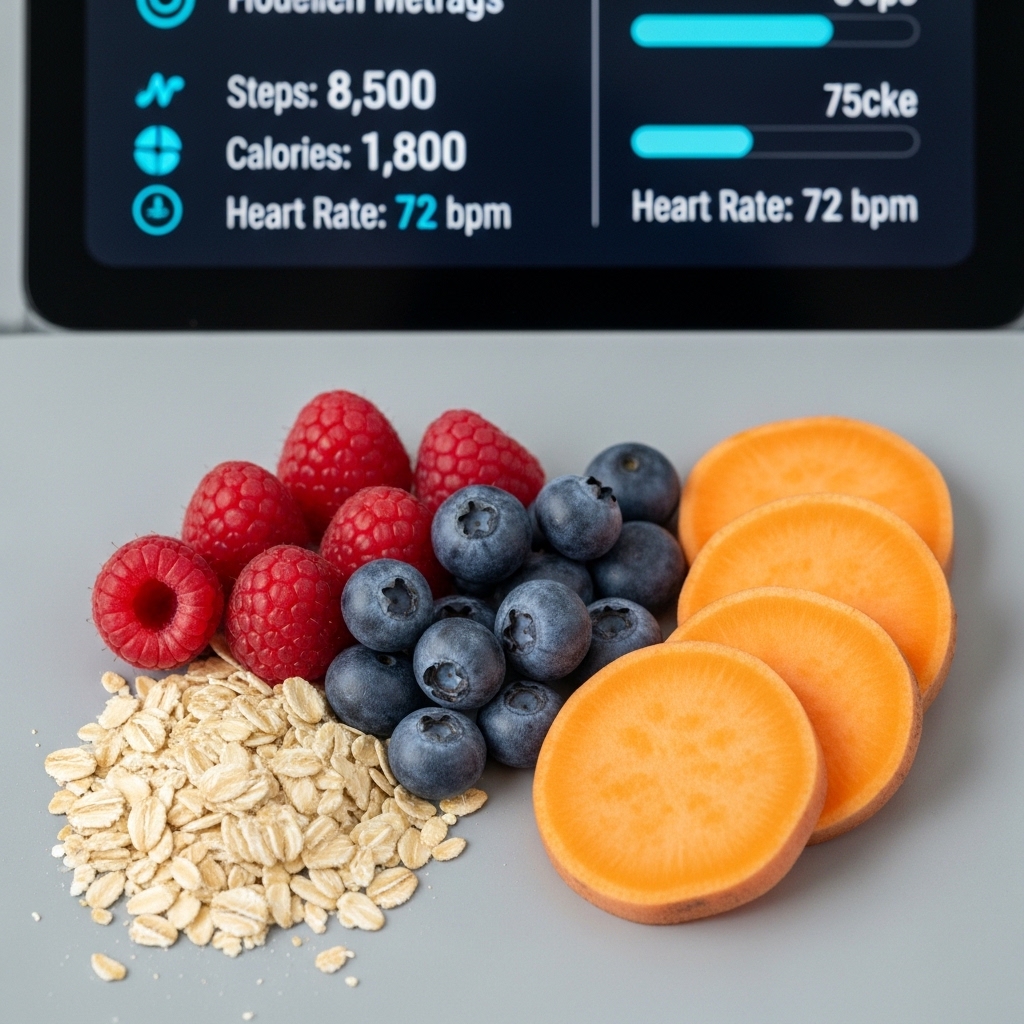
Chronic systemic inflammation is a primary driver of accelerated biological aging, cardiovascular disease, and metabolic dysfunction. Exercise has well-established anti-inflammatory effects — but these effects are modulated by nutritional quality both before and after training. Poor pre-workout nutrition can amplify the acute inflammatory response to exercise rather than supporting its resolution.
High-glycemic pre-workout foods that trigger rapid glucose spikes promote oxidative stress and NF-κB activation — a primary transcription factor driving pro-inflammatory gene expression. This inflammatory amplification partially offsets the anti-inflammatory adaptations that regular training generates. Nutritional quality therefore interacts directly with training's anti-inflammatory benefit.
Whole food carbohydrate sources — oats, sweet potato, whole grain varieties — carry polyphenol content and fiber that modulate the glycemic response and support a more controlled post-meal inflammatory profile. Selecting these over refined alternatives does not merely affect energy availability. It affects the inflammatory environment in which exercise-driven adaptation occurs.
Over time, professionals who consistently combine high-quality pre-workout nutrition with structured training accumulate a meaningfully lower inflammatory baseline than those whose nutrition is inconsistent or refined-food-dominant. This difference registers in inflammatory biomarkers such as C-reactive protein and interleukin-6 — the same markers that predict long-term cardiovascular and cognitive health outcomes.
Evidence-Based Options for the Practicing Professional

Research supports several structured approaches for professionals seeking to optimize pre-workout nutrition without adding decision complexity. Consuming a mixed meal of complex carbohydrates and leucine-rich protein two to three hours before training supports glycogen availability and anabolic signaling simultaneously. For early morning sessions where a full meal is impractical, a smaller carbohydrate-protein combination preserves performance output. Prioritizing whole food carbohydrate sources over refined alternatives reduces the inflammatory amplification associated with high-glycemic pre-workout intake. Tracking heart rate variability and post-session recovery quality can surface patterns that indicate whether current pre-workout nutrition is supporting or undermining training adaptation. For professionals managing sarcopenia risk, ensuring consistent pre-workout protein inclusion across all training days — not selectively — addresses the cumulative anabolic deficit that sporadic protein timing creates.
UP NEXT: Managing Glucose Response Without Sacrificing Palatability: A Nutrient-Dense Approach to Sweet Cravings
Chronically under-fueled training elevates cortisol, accelerates muscle protein breakdown, and sustains systemic inflammation at levels that compound sarcopenia risk and blunt the longevity adaptations that structured exercise is designed to produce — outcomes that consistently poor pre-workout nutrition can meaningfully accelerate biological aging beyond what training alone can offset. WholeLiving's Biological Age Estimation Model incorporates this factor directly — your assessment takes under five minutes.
Ready to understand how these factors are influencing your biological age right now? [Take the Biological Age Assessment →]