
For high-performing professionals, managing inflammation and maintaining cardiovascular health are critical to sustaining long-term productivity and resilience. Research shows that chronic inflammation is linked to accelerated biological aging, cognitive decline, and an increased risk of cardiovascular diseases. The benefits of eating celery extend beyond basic nutrition, as it contains compounds that help reduce inflammation and support heart health. By incorporating celery into the diet, professionals can support their body’s ability to manage stress, optimize physical performance, and mitigate age-related health risks, contributing to both short-term well-being and long-term longevity.
Anti-Inflammatory Properties of Celery

Chronic inflammation accelerates aging and contributes to diseases like heart disease, arthritis, and cognitive decline. Celery contains antioxidants and bioactive compounds that help reduce inflammation in the body. A study published in Nature Medicine showed that anti-inflammatory foods lower systemic inflammation, helping prevent chronic diseases and promote longevity.
Celery contains luteolin, a compound known for its ability to reduce pro-inflammatory cytokines such as TNF-alpha and IL-6. These cytokines drive inflammation, and their levels are linked to cardiovascular risks and accelerated aging. According to the American Heart Association, reducing inflammation through diet can lower heart disease risk. For professionals, this means celery can help manage stress and optimize both mental and physical performance.
Celery's anti-inflammatory properties are especially beneficial for stress management. Chronic stress increases cortisol production, which raises inflammation levels. Consuming anti-inflammatory foods like celery helps balance the body’s response to stress, leading to improved health outcomes and better performance.
Celery’s Role in Cardiovascular Health
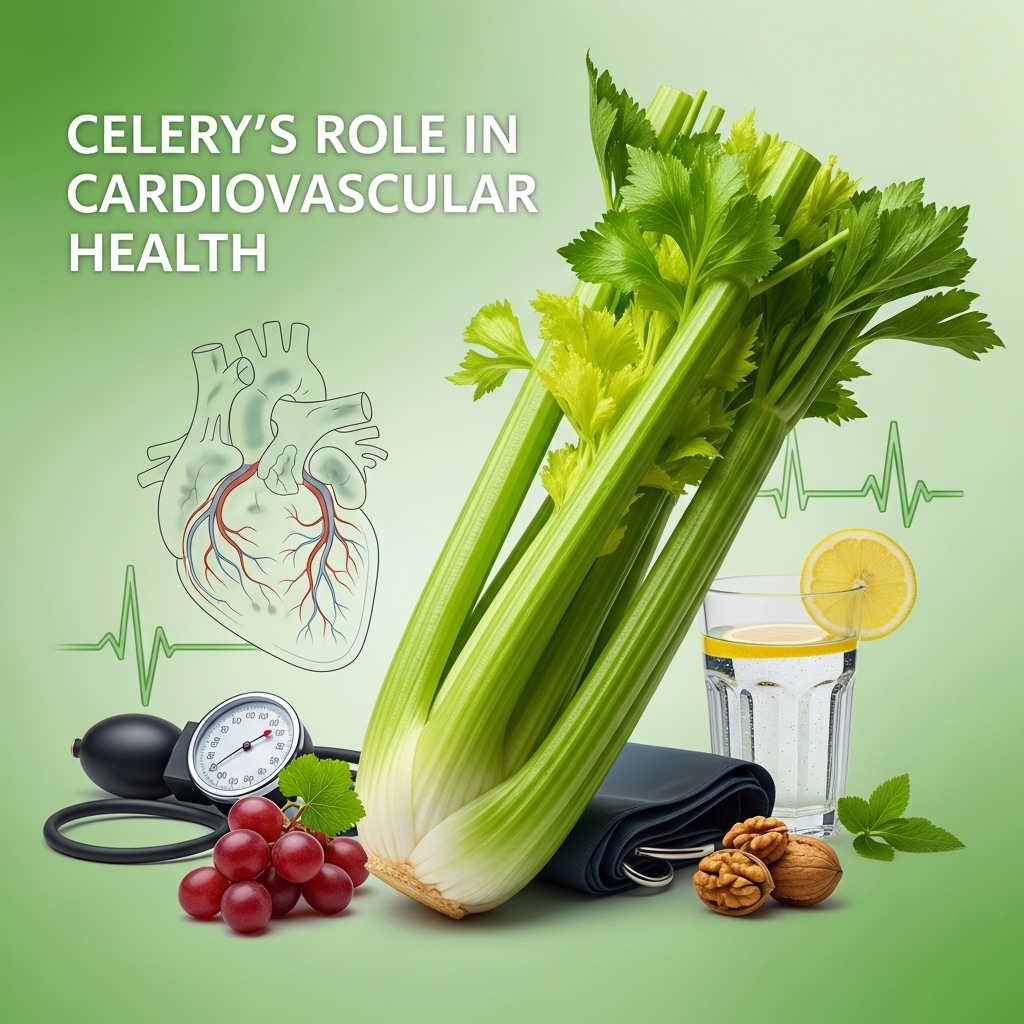
Celery plays a key role in supporting cardiovascular health, a critical factor for long-term performance. Rich in potassium, celery helps regulate blood pressure. A study in The American Journal of Clinical Nutrition confirmed that potassium-rich foods help reduce blood pressure, a major risk factor for heart disease and stroke.
Celery also contains phthalides, which help relax the muscles around the arteries, improving blood flow and reducing blood pressure. Research published in The Journal of the American College of Cardiology showed that foods rich in phthalides, like celery, can lower blood pressure, particularly in those with hypertension. For professionals, maintaining healthy blood pressure is essential to long-term cardiovascular health.
Celery’s antioxidant compounds also help reduce oxidative stress, a factor contributing to heart disease. Antioxidants combat free radicals, which can damage blood vessels and increase the risk of cardiovascular conditions. By incorporating celery into their diet, professionals can protect their heart health, reduce stress, and maintain physical stamina for peak performance.
Celery and Metabolic Health
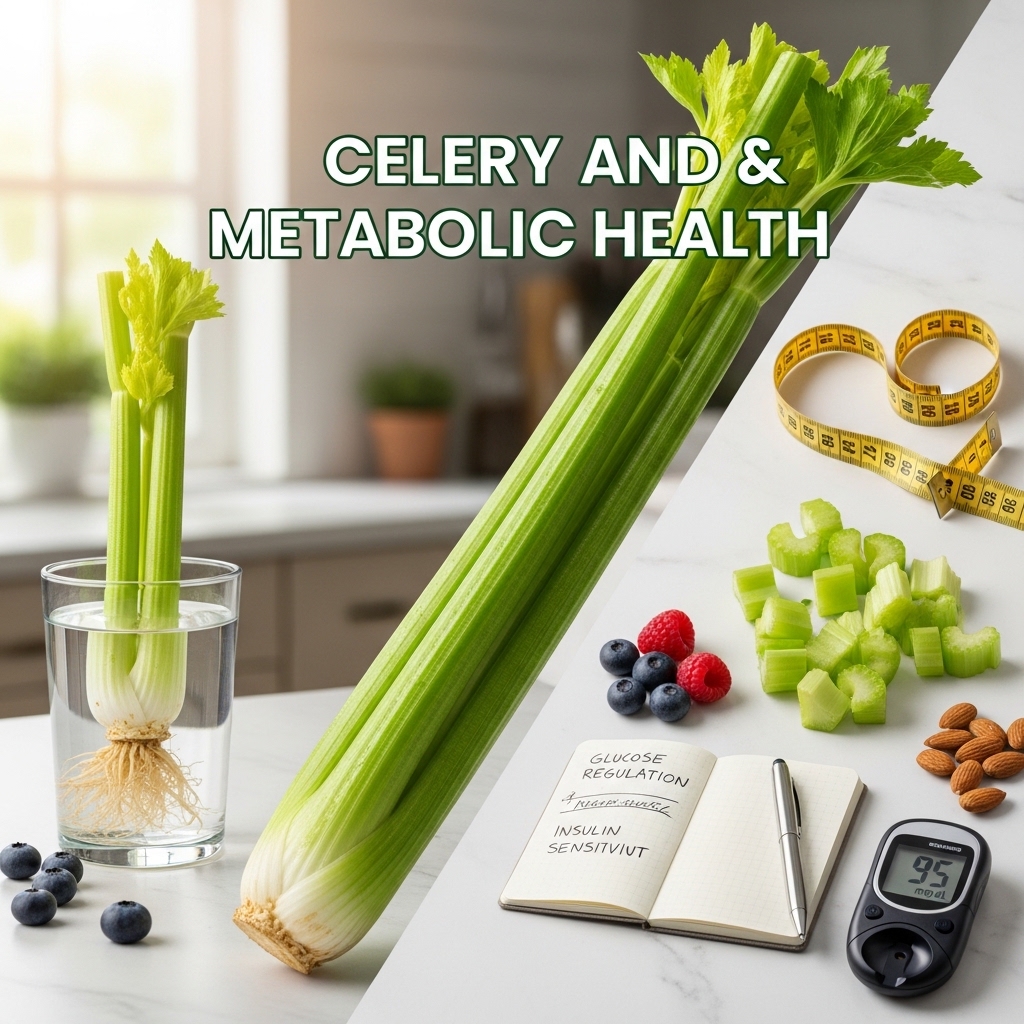
Metabolic health is vital for sustaining energy levels and mental clarity. Celery supports healthy metabolism by providing fiber, which helps regulate blood sugar levels. Research from The Lancet Diabetes & Endocrinology confirmed that a high-fiber diet improves insulin sensitivity and reduces the risk of type 2 diabetes.
Celery’s fiber content also aids in digestion and helps control appetite. Fiber slows the absorption of sugars, stabilizing blood glucose levels and reducing fat storage. Celery’s low calorie count also makes it an ideal food for weight management. Maintaining a balanced metabolism ensures consistent energy throughout the day, which is essential for high-performing professionals.
Celery also supports metabolic function by reducing oxidative stress, which can lead to insulin resistance and obesity. Studies have shown that antioxidants found in celery can improve insulin function, helping professionals manage weight and blood sugar levels. By including celery in their diet, professionals can enhance their metabolic health and sustain high energy levels.
Celery’s Impact on Cognitive Function

Cognitive function is crucial for high-performing professionals who rely on mental sharpness. Celery’s high antioxidant content, particularly flavonoids like luteolin, has been shown to protect brain cells from oxidative stress. A study in The Journal of Nutritional Biochemistry found that luteolin reduces oxidative damage in the brain, improving cognitive performance and protecting against age-related cognitive decline.
Luteolin also has anti-inflammatory effects, which are critical for protecting the brain from neurodegeneration. Research published in The Journal of Neuroscience indicates that reducing brain inflammation may help prevent conditions like Alzheimer's and Parkinson's disease. For professionals, maintaining cognitive function is essential for decision-making, problem-solving, and leadership.
Incorporating celery into the diet offers a simple, effective way to support brain health. The antioxidants in celery help protect the brain from oxidative damage, enhance memory retention, and improve focus. Maintaining optimal cognitive function is crucial for professionals to perform at their highest level and remain competitive in their field.
READ ALSO: French Lentils with Caramelized Celery Root and Parsley | Whole Living Eat Well
Celery as a Hydrating Superfood

Hydration is vital for maintaining physical and cognitive performance, particularly for busy professionals. Celery is made up of about 95% water, making it an excellent food for hydration. Proper hydration is essential for supporting digestion, nutrient absorption, and mental clarity. A study published in Frontiers in Nutrition showed that adequate hydration improves cognitive performance and reduces fatigue, both of which are essential for maintaining productivity.
In addition to water, celery provides electrolytes like potassium, which help regulate fluid balance in the body. Maintaining electrolyte balance is important for staying hydrated, particularly during high-intensity mental or physical work. Celery’s high water content and electrolytes help professionals stay hydrated, focused, and energized throughout the day.
Including celery in the diet can be an easy and efficient way to stay hydrated and support optimal metabolic function. Whether in salads, juices, or snacks, celery can help replenish fluids and electrolytes, improving overall physical and cognitive performance.
READ ALSO: Celery, Sunchoke, and Green Apple Salad with Walnuts and Mustard Vinaigrette – Whole Living Eat Well
The Anti-Aging Benefits of Celery

Celery is rich in antioxidants, which help protect against oxidative stress and cellular aging. Oxidative stress accelerates the aging process and is linked to diseases like heart disease, cancer, and Alzheimer’s. A study in Nature Medicine found that reducing oxidative stress through diet can slow biological aging and reduce the risk of chronic diseases. Celery’s antioxidants, including vitamin C and flavonoids, help combat free radicals and protect the body from aging-related damage.
In addition to antioxidants, celery contains vitamin K, which supports bone health and helps prevent cartilage breakdown. As professionals age, maintaining bone strength and joint health is crucial for preserving mobility and physical function. Celery’s nutrients support both anti-aging and longevity, helping to reduce the risk of age-related diseases and promote healthier aging.
For high-performing professionals, incorporating celery into their diet can provide a natural way to combat the effects of aging. The antioxidants in celery reduce oxidative damage, support healthy aging, and promote overall vitality, allowing individuals to stay active and perform at their best for longer.
READ ALSO: Sweet Potato, Celery, and Apple Salad – Whole Living Eat Well
Practical Steps for High-Performing Professionals

To optimize the benefits of eating celery, professionals can incorporate it into their daily routine in a variety of ways. Celery can be added to salads, smoothies, or enjoyed as a quick snack. For those with busy schedules, drinking celery juice or consuming pre-cut celery can provide a convenient and nutritious option. Pairing celery with other antioxidant-rich foods, such as berries or leafy greens, further enhances its anti-inflammatory and anti-aging effects.
Celery’s versatility makes it easy to integrate into meals, providing hydration, fiber, and key nutrients that support metabolic health, cardiovascular function, and cognitive performance. By incorporating celery regularly, professionals can benefit from its numerous health benefits, enhancing both short-term performance and long-term well-being. Ensuring a balanced diet rich in nutrient-dense foods like celery can help high-performing professionals stay at the top of their game.
UP NEXT: Caramelized-Onion Dip with Vegetables | Whole Living Eat Well
The benefits of eating celery, particularly its antioxidants and anti-inflammatory compounds, help reduce oxidative stress, slowing biological aging and supporting long-term health. WholeLiving's Biological Age Estimation Model incorporates this factor directly — your assessment takes under five minutes.
Ready to understand how these factors are influencing your biological age right now? [Take the Biological Age Assessment →]