
For high-performing professionals, strained relationships can directly impact both personal well-being and professional success. Chronic interpersonal conflict triggers elevated cortisol levels, increasing stress and diminishing cognitive performance, which undermines decision-making and focus. Research has shown that poor relationship dynamics contribute to long-term health consequences, including accelerated biological aging and increased risk of cardiovascular disease. Tips for relationship success highlight the importance of healthy relationship dynamics in reducing stress and fostering emotional well-being. Maintaining healthy relationships is not only essential for emotional well-being but also for sustaining productivity and resilience in demanding professional environments. Optimizing relationship dynamics is a crucial factor in managing stress and ensuring peak performance, both in and out of the workplace.
The Impact of Relationships on Stress Physiology and Performance
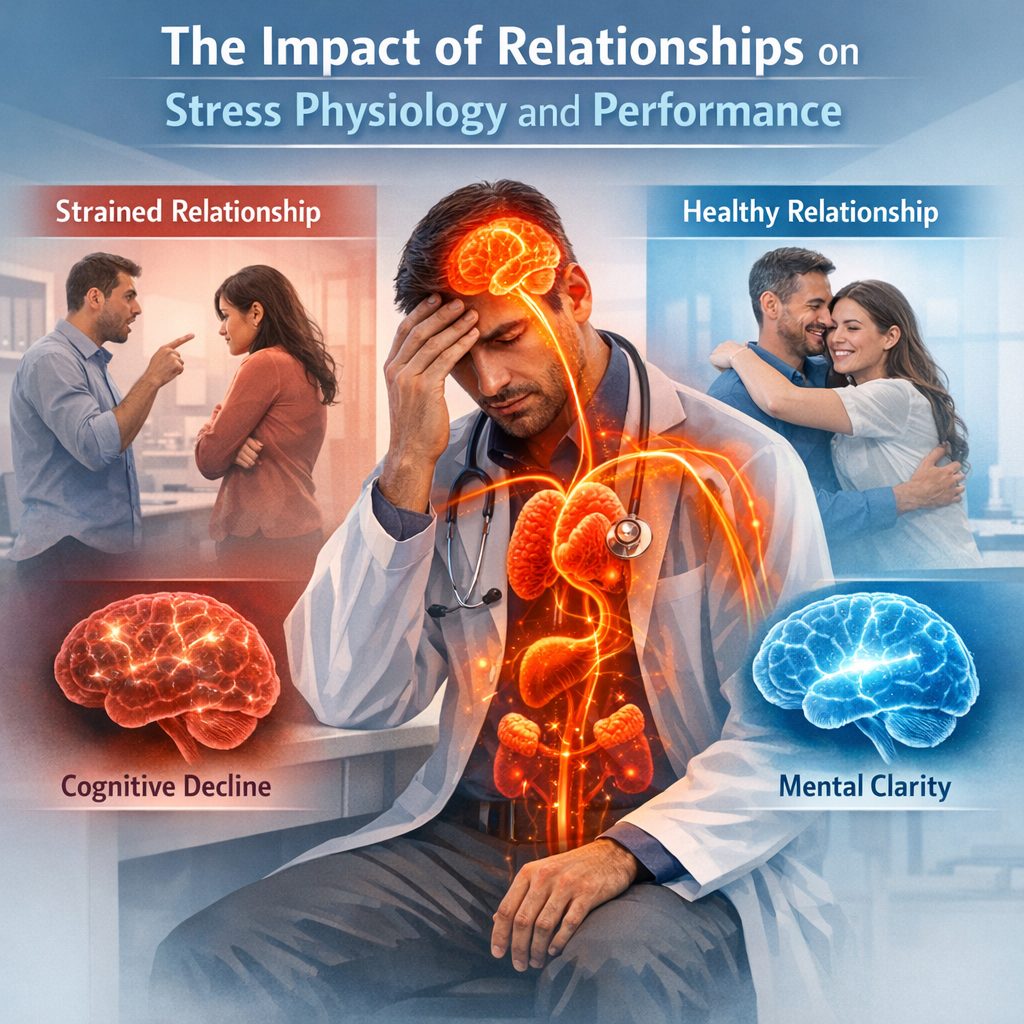
Healthy relationships significantly affect stress levels, which is a key factor for high-performing professionals. Relationship stress increases cortisol, a hormone that can negatively impact both cognitive function and overall health. Research from the Framingham Heart Study has linked chronic high cortisol levels to cardiovascular disease, metabolic issues, and impaired decision-making. Managing relationship stress is one of the best tips for relationship health that can support better productivity, mental clarity, and physical well-being.
Conflicts in relationships contribute to emotional strain and can lead to sleep disturbances. A study from The Journal of Clinical Endocrinology & Metabolism found that unresolved relationship stress can lead to poor sleep quality, which then directly impacts mental clarity, cognitive performance, and energy levels. Keeping relationship dynamics positive is one of the best tips for relationship management that reduces stress and promotes better overall health.
Professionals who manage stress from relationships effectively benefit from improved emotional stability, reduced cortisol levels, and greater cognitive function. Healthy relationships contribute directly to better performance, mental clarity, and longevity.
Emotional Intelligence and Relationship Success

Emotional intelligence (EQ) is crucial in maintaining healthy, supportive relationships. A study by Harvard T.H. Chan School of Public Health shows that people with higher EQ tend to have stronger, more satisfying relationships, which help manage stress and improve overall health. High EQ enables professionals to better understand and manage emotions, navigate conflicts, and communicate more effectively.
Building emotional intelligence also fosters trust and empathy in relationships, which are vital for emotional well-being. According to the American Psychological Association, couples with high trust levels report lower levels of anxiety and stress, which benefit mental health and cardiovascular health. The development of EQ is one of the most effective tips for relationship improvement, enabling better stress management and higher quality interpersonal dynamics.
Professionals who develop emotional intelligence can navigate high-stress work environments and personal relationships more successfully. Improving EQ helps professionals foster healthier relationships, reduce stress, and maintain both physical and mental well-being.
Relationship Satisfaction and Cardiovascular Health

Healthy relationships are directly linked to improved cardiovascular health, a critical concern for professionals with demanding careers. Studies show that individuals in supportive relationships have lower blood pressure and reduced risk of heart disease. A study in The Journal of the American College of Cardiology demonstrated that individuals with fulfilling relationships experienced significantly lower cardiovascular disease risk.
Conversely, chronic relationship stress leads to inflammation and higher blood pressure, which are key risk factors for heart disease. The American Heart Association has documented the connection between ongoing relationship conflict and increased pro-inflammatory cytokines, which promote the development of atherosclerosis and increase the risk of cardiovascular conditions.
For high-performing professionals, maintaining satisfying and healthy relationships is essential for heart health. Relationship satisfaction helps reduce inflammation and lowers cardiovascular risks, directly contributing to better physical and emotional performance.
How Relationship Quality Impacts Cognitive Function
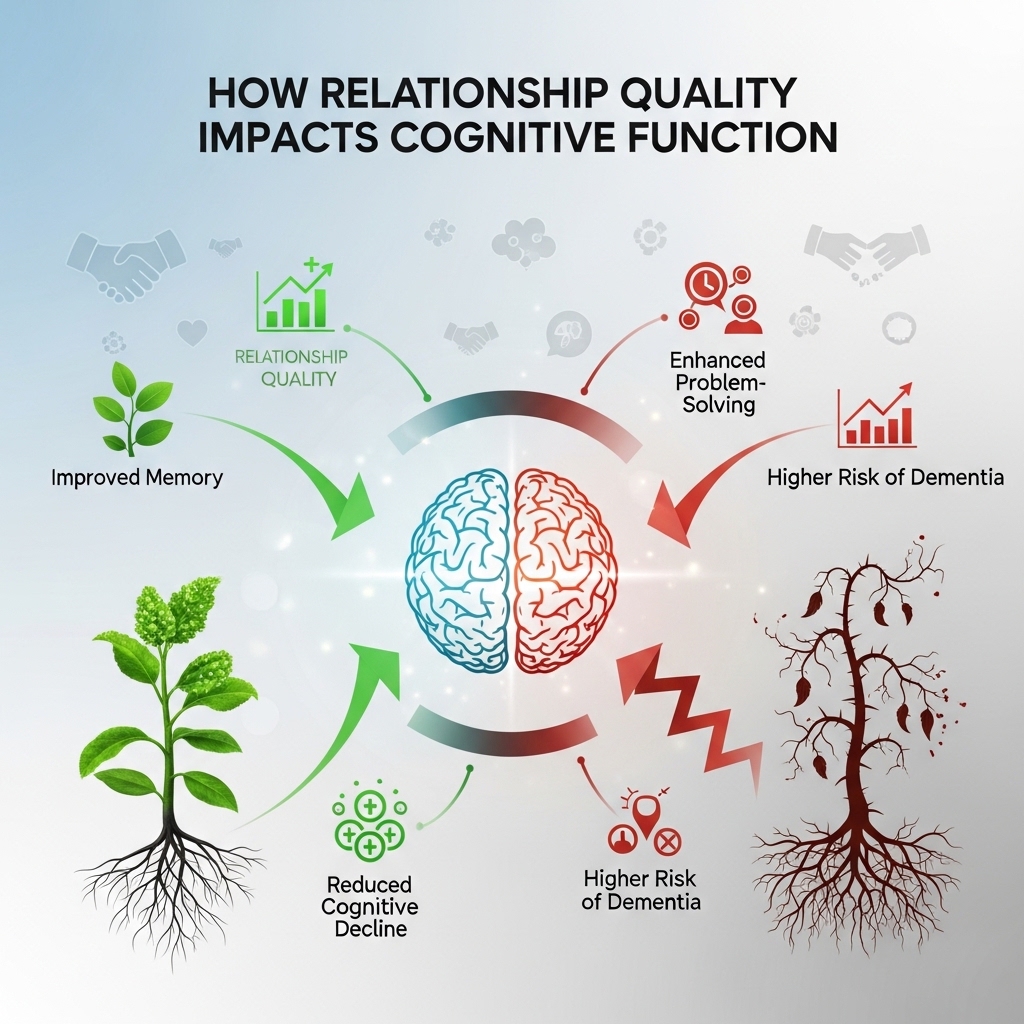
The quality of relationships is closely tied to cognitive performance. Research shows that individuals in healthy, supportive relationships experience better cognitive function and memory retention, essential for professionals who rely on mental sharpness. A study published in Nature Neuroscience found that individuals in positive relationships performed better on cognitive tasks and exhibited higher levels of mental clarity and focus.
Strained relationships, however, lead to stress, which negatively impacts cognitive performance. A study from the National Institutes of Health found that individuals experiencing high relationship stress showed accelerated cognitive decline. Chronic stress raises cortisol levels, impairing brain function and cognitive abilities. This is particularly relevant for professionals who need to maintain mental clarity for decision-making, problem-solving, and leadership.
To maintain cognitive performance, high-performing professionals should focus on nurturing healthy relationships. Supportive relationships reduce stress, enhance brain function, and promote better mental clarity, ensuring professionals stay sharp and focused under pressure.
Conflict Resolution as a Key to Relationship Longevity

Effective conflict resolution is vital for the longevity of relationships and the reduction of stress. A study in The Journal of Marriage and Family found that couples who engage in healthy conflict resolution strategies experience less stress and better health. Resolving conflicts constructively helps prevent prolonged emotional strain, reduces anxiety, and supports both cardiovascular and cognitive health.
On the other hand, unresolved conflicts raise stress levels and contribute to negative health outcomes. According to the American Psychological Association, ongoing conflicts lead to higher cortisol levels, increased anxiety, and a higher risk of stress-related health issues. One of the best tips for relationship success is to address conflicts early, promoting healthier emotional and physical outcomes for both partners.
Professionals who excel at resolving conflicts in their relationships are better equipped to manage stress, leading to improved health and greater productivity. By focusing on healthy conflict resolution, individuals can ensure that their relationships support both their emotional well-being and professional success.
READ ALSO: Healing Relationship OCD: Mindfulness Techniques That Work
The Role of Communication in Relationship Health

Clear, open communication is a cornerstone of healthy relationships and overall well-being. Research published by the National Institutes of Health shows that individuals with open, honest communication in their relationships report lower stress and better mental health. Effective communication prevents misunderstandings, reduces conflict, and strengthens emotional bonds.
In contrast, poor communication can lead to frustration, stress, and relationship strain. A study in The Journal of Marriage and Family Therapy found that communication problems are closely linked to higher levels of anxiety and depression, contributing to stress and reduced cognitive performance. Strengthening communication skills is one of the best tips for relationship success, helping to foster understanding, emotional support, and overall health.
For professionals, improving communication within personal relationships can reduce stress and improve overall well-being. By focusing on transparent, empathetic communication, individuals can cultivate healthier relationships and ensure better mental and physical health.
READ ALSO: Navigating Relationship Challenges: Mindful Approaches
Supportive Relationships and Sleep Quality

Quality relationships directly impact sleep quality, which is essential for optimal performance and health. Research in Sleep Medicine Reviews found that individuals in supportive relationships experience better sleep, which improves cognitive function, mood, and stress resilience. Positive relationships foster emotional security, making it easier to relax and achieve restorative sleep.
Conversely, relationship stress leads to sleep disturbances. A study in Sleep Medicine showed that individuals experiencing high relationship stress were more likely to suffer from insomnia and disrupted sleep patterns. Poor sleep quality affects mood, decision-making, and work performance, which underscores the importance of fostering healthy relationships.
For high-performing professionals, maintaining strong relationships that reduce stress is key to improving sleep quality. Healthy, supportive relationships help ensure restful sleep, contributing to better overall performance and mental clarity.
READ ALSO: Relationship Scriptures: Wisdom for Stronger Bonds
Practical Steps for High-Performing Professionals
High-performing professionals can take several evidence-based steps to optimize their relationship health. First, focusing on developing emotional intelligence and communication skills will improve conflict resolution and reduce stress. Relationship counseling or attending workshops on effective communication strategies can provide valuable tools for improving relationship dynamics.
Professionals should regularly check in with their partners and address any issues before they escalate. Practicing mindfulness and stress management techniques, such as meditation, can help manage relationship-related stress more effectively. Dedicating time to emotional connection, even in busy schedules, ensures that relationships remain strong and supportive.
By improving communication, conflict resolution, and emotional intelligence, professionals can enhance their relationships and reduce stress. Healthy relationships are directly tied to better mental and physical health, leading to long-term success and well-being.
UP NEXT: Relationship Symbiosis: Nurturing Balanced Partnerships
Healthy relationship dynamics help reduce stress and lower cortisol levels, both of which can slow biological aging and improve long-term health outcomes. WholeLiving's Biological Age Estimation Model incorporates this factor directly — your assessment takes under five minutes.
Ready to understand how these factors are influencing your biological age right now? [Take the Biological Age Assessment →]