The quality of your closest platonic bonds is not a soft variable — it is a measurable determinant of cardiovascular risk, cortisol regulation, and immune function. Research from the Harvard Study of Adult Development, one of the longest-running longitudinal studies on human health, has established that relationship quality predicts physical health outcomes more reliably than cholesterol levels or exercise frequency in mid-life adults. For executives and founders operating under sustained performance pressure, the absence of deep, trust-based connection is not merely an emotional deficit — it is a physiological stressor that elevates baseline inflammatory markers and accelerates biological aging at the cellular level.
Defining the Bond That Drives Biological Outcomes
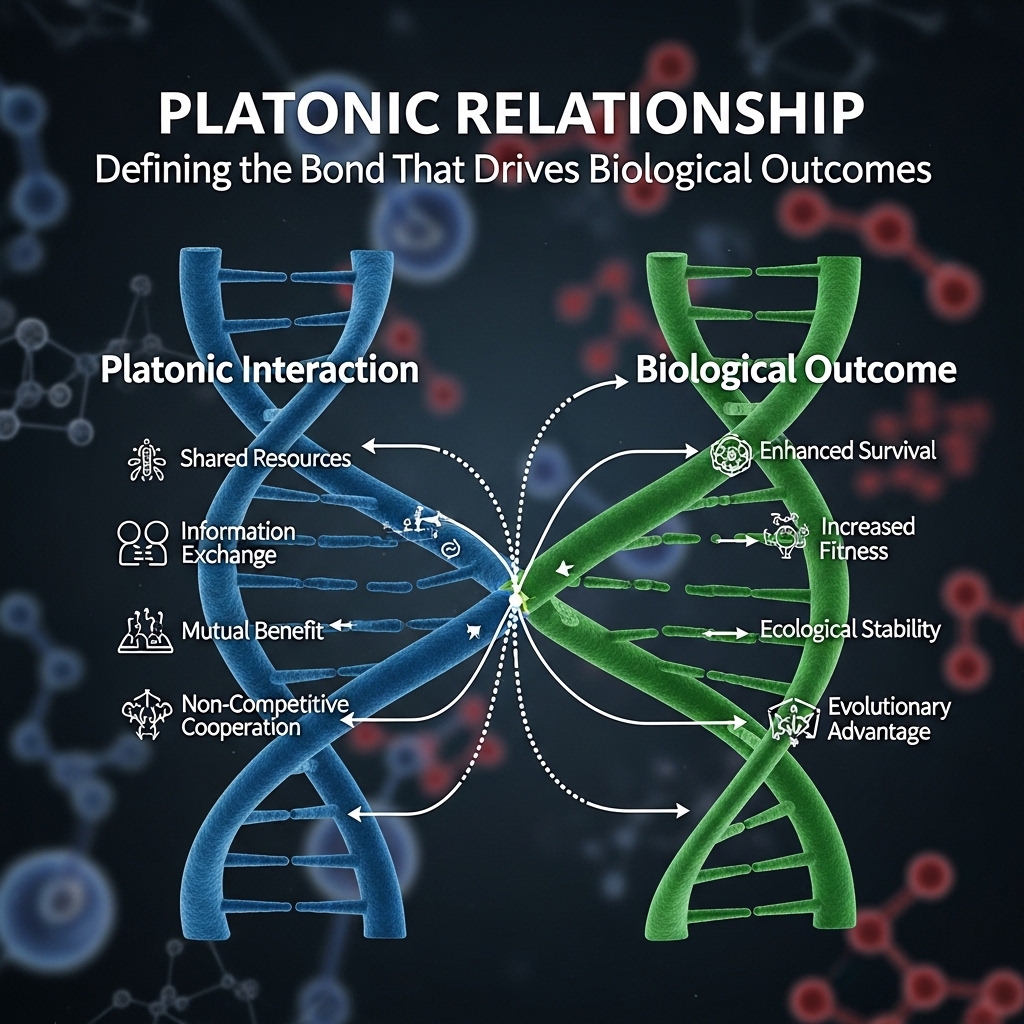
Platonic relationships — built on trust, mutual respect, and shared understanding — hold a distinct place in social brain science. They are not incidental to health.
In fact, according to decades of long-term evidence, they are among the most powerful drivers of lasting physical function available to adults in midlife.
The distinction matters considerably. Most high-performing professionals invest heavily in romantic partnerships and work networks. At the same time, they underinvest in deep platonic bonds. As a result, the social life that looks full on the surface often lacks the specific biological inputs that only trust-based connection can provide.
READ ALSO: Rainbow Friendship To Find Beauty In Simple Bonds
What the Science of Trust Actually Measures
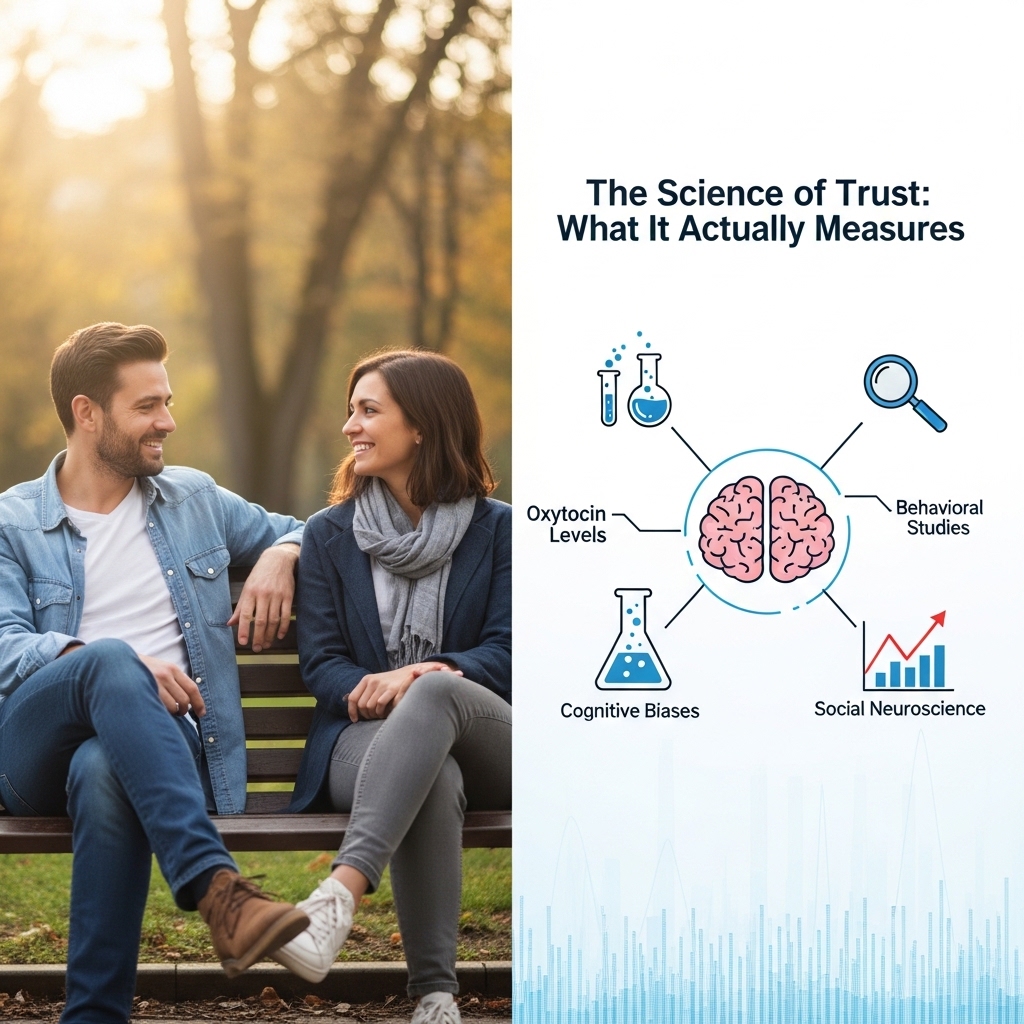
Trust is not an abstract idea. At the biological level, it is driven primarily by oxytocin — a brain chemical that governs social bonding, stress response, and inflammation. When a bond feels genuinely safe — consistent, fair, and free of social threat — oxytocin release lowers the body's stress system.
That drop, in turn, directly lowers cortisol output under pressure.
Research from the National Institutes of Health has shown oxytocin's role in reducing the brain's threat response. For an executive whose daily work involves sustained social pressure, conflict, and uncertainty, a relationship that triggers this response is not a luxury. Rather, it is a recovery tool with clear physical effect.
READ ALSO: Proportional Relationship and the Power of Mutual Effort
Mutual Respect as a Cortisol Regulator

Respect within a relationship — the steady recognition of the other person's worth and ability — acts as a chronic stress buffer. Relationships marked by low-level disrespect or status rivalry keep cortisol high in both parties. Notably, this holds even outside of active conflict.
Chronically high cortisol weakens immune function. Beyond that, it also shrinks the memory center of the brain, disrupts blood sugar control, and speeds up cellular aging. The Whitehall II Study — a large long-term study of British civil servants — found that close relationship quality predicted heart disease and all-cause death over decades. Specifically, perceived respect and fairness within those bonds drove the outcome.
For high-performing professionals, the point is clear. The nature of your closest bonds — not merely their existence — determines their value to your health.
READ ALSO: Tips for Relationship Harmony That Begin With You
Shared Understanding and Mental Load Reduction

Shared understanding is the degree to which two people accurately read each other's values, intentions, and inner states. When this is high, less mental effort is needed to manage the relationship. As a result, intent is clearer, threat is lower, and ambiguity fades.
This matters directly for mental output. The front part of the brain governs focus, working memory, and decision-making. Chronic social mental load — the effort of managing relationships where trust is uncertain or intent is unclear — draws on those same resources.
Deep platonic bonds, by contrast, free up mental space. Consequently, that space becomes available for the high-stakes work that demands it most.
READ ALSO: Purpose-Driven Life: Are You Living or Just Checking Boxes?
The Harvard Data: Relationship Quality Over Quantity

The Harvard Study of Adult Development has tracked participants across eight decades. Its findings are consistent. Relationship quality — not quantity, status, or network size — is the strongest predictor of lasting physical and mental health in midlife and beyond.
Participants with at least one close, trusting relationship in midlife showed better memory and lower rates of mental decline. They also experienced less heart disease in later life. Those with broad but shallow social lives, however, did not show the same outcomes.
This finding, therefore, directly challenges the tendency to treat networking as a stand-in for genuine connection. The biological inputs that drive longevity are not triggered by work ties. Instead, they require trust, respect, and shared understanding.
READ ALSO: Therapy for Relationship Problems Isn’t Just for “Broken” Couples
Inflammation, Loneliness, and the Immune Penalty
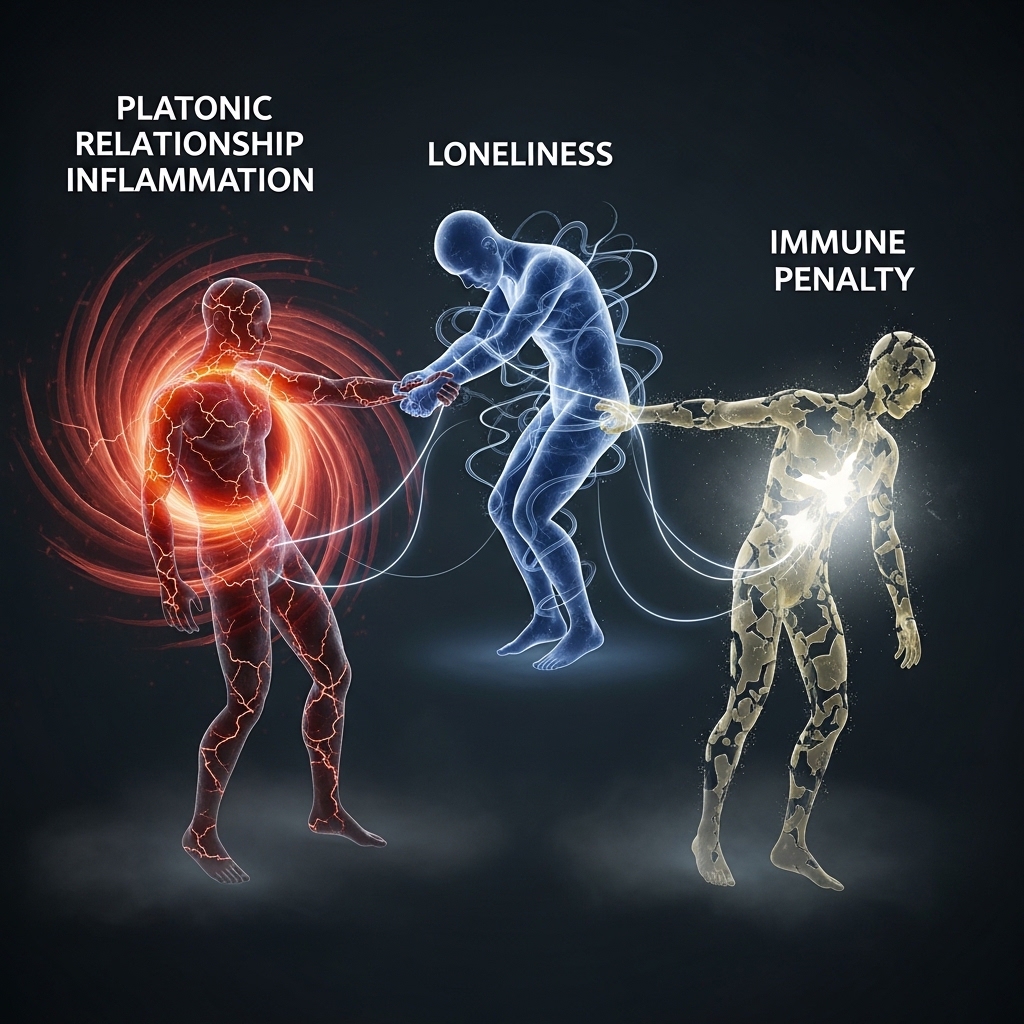
Social disconnection triggers a conserved biological response. Researchers call it the Threat to the Social Self. Specifically, it raises inflammatory gene activity and increases levels of interleukin-6, tumor necrosis factor-alpha, and C-reactive protein in the blood. These are the same markers tied to faster biological aging, heart disease, and metabolic problems.
Research published in the Proceedings of the National Academy of Sciences found that perceived social isolation predicts inflammation more strongly than actual contact frequency.
As a result, a professional who attends twenty dinners a month but maintains no genuinely trusting relationship may carry a higher inflammatory burden than one with a smaller but deeper social circle.
READ ALSO: Bear Hug Effect: Softness That Stays With You
Sleep Quality and the Relational Safety Signal

Sleep quality is directly shaped by perceived safety. Specifically, the brain assesses whether the current setting is secure enough to allow full rest. Deep platonic bonds support this signal through a process called co-regulation — the calming effect that occurs in the presence of a trusted person.
Research bodies including the National Sleep Foundation have shown the link between social support quality and sleep structure. Accordingly, people with high-quality close relationships show more stable sleep, faster sleep onset, and greater time in deep and REM sleep.
These variables affect next-day focus, emotional control, and metabolic function. For executives whose output depends on sharp thinking, therefore, the relational roots of sleep quality are an underused recovery tool.
READ ALSO: Essential Sleep Hygiene for Teens: Tips for Better Rest and Health
Heart Health Outcomes: The Structural Evidence
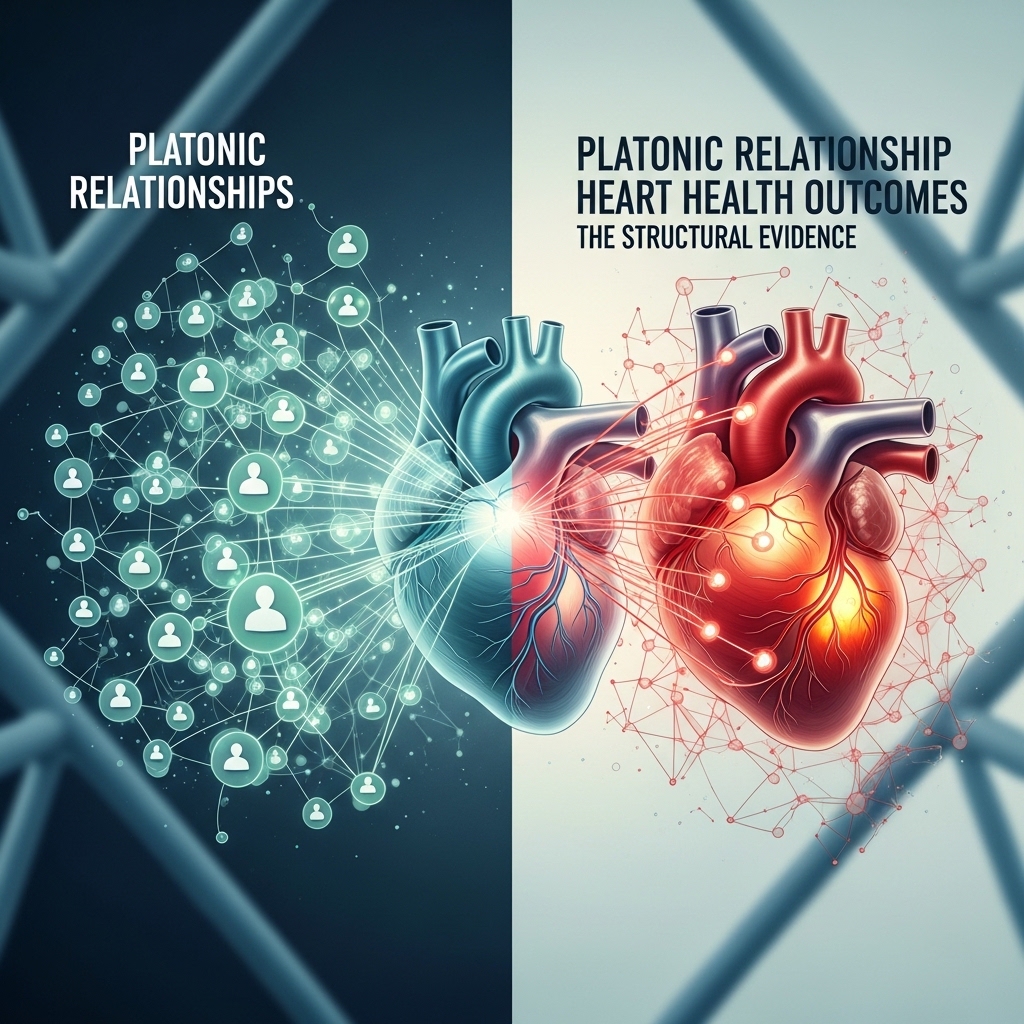
The heart health evidence on social connection is among the strongest in the field. A meta-analysis published in PLOS Medicine drew on data from over 300,000 participants across multiple countries. It found that strong social relationships reduced death risk by 50% — a figure comparable to quitting smoking and greater than the effect of exercise or weight control.
The mechanism runs through multiple paths. Trust-based relationships lower the body's cumulative stress load and, furthermore, reduce resting patterns tied to chronic stress activation. They also lower the inflammatory signals that drive artery damage.
In addition, they support the steady behaviors — sleep, nutrition, exercise — that underlie heart health over time.
READ ALSO: Heart Attack Pain Isn’t Always What You Expect
The Executive Vulnerability: Time Scarcity and Relational Erosion

High-performing professionals face a specific risk: deep platonic bonds erode under time pressure. As careers intensify through the 35 to 55 age window, social time shifts toward work, family, and recovery. Consequently, deep friendships — which require sustained, low-agenda contact to stay alive — are typically the first to go.
The health cost of this erosion builds quietly. Inflammatory markers rise, cortisol baseline shifts upward, and sleep degrades. None of these changes produce obvious symptoms. Instead, they show up as reduced resilience, slower recovery, and a background sense of operating below full capacity.
High performers typically attribute this to workload. Often, however, the cause is relational.
READ ALSO: Diet Food: What You Need to Know for a Healthier Life
Gender Differences in Platonic Bond Maintenance

Research consistently shows gender differences in how deep platonic bonds are maintained across midlife. Women generally sustain more emotionally open friendships and are, moreover, more likely to draw on social support under stress.
Men in professional settings, by contrast, are more likely to let platonic bonds become activity-based or work-tied — reducing both their depth and their biological value.
The health consequences are clear. Male executives show higher rates of isolation-related inflammation and lower rates of stress buffering through peer relationships. This gap, in turn, contributes to the well-documented difference in heart disease and all-cause death rates between men and women in the same professional group.
READ ALSO: Emotional Damage: Understanding and Healing with Care
Reciprocity as a Biological Requirement

Reciprocity — the balanced exchange of support, attention, and openness — is not just a social norm. It is, in fact, a biological requirement. Without it, a relationship does not produce its health-protective effects.
One-sided relationships, where one party consistently gives without receiving, produce a distinct stress profile. Specifically, they raise fatigue markers, reduce oxytocin response, and over time weaken immune function.
For professionals whose roles often involve supporting others — teams, clients, family — the absence of relationships where they also receive genuine support is a specific physical gap. The bond that drives longevity outcomes is, therefore, two-way by definition.
READ ALSO: Adulthood Friends and The Ones Who Really Stay
Translating the Evidence Into Relational Practice

The evidence points to several clear directions for high-performing professionals.
First, reviewing existing relationships for trust, reciprocity, and mutual respect is more useful than expanding contact volume. Second, protecting low-agenda time with established deep relationships — contact without professional framing or task focus — maintains the biological conditions that make these bonds valuable. Third, and perhaps most critically, treating relational erosion as a health risk — comparable to poor sleep or physical inactivity — reframes the place of deep platonic connection in a performance-driven life.
It is not indulgence. Rather, it is a clinical necessity. For professionals already tracking biomarkers, HRV, or biological age, relationship quality is, moreover, an additional variable with direct and measurable effects on the same outcomes those tools are designed to improve.
Deep platonic bonds drive biological age outcomes directly. Low relationship quality links to higher inflammation and telomere shortening. These factors push biological age four to eight years ahead of chronological age. WholeLiving's Biological Age Estimation Model incorporates this factor directly — your assessment takes under five minutes.
Ready to understand how these factors are influencing your biological age right now? [Take the Biological Age Assessment →]