Missing or misread heart attack pain in women can carry an immediate cost in survival, cardiac muscle preservation, and long-term executive performance, particularly when delayed recognition increases infarct size and recovery burden. For high-performing professionals, this is not a general awareness issue but a cardiovascular risk problem with direct implications for cognitive stamina, exercise capacity, autonomic resilience, and biological aging trajectory after a major cardiac event. Female heart attack pain often presents outside the expected male-centered pattern, making symptom interpretation more clinically complex and raising the likelihood of delayed intervention, impaired myocardial recovery, and reduced long-term functional capacity.
Female Heart Attack Pain Often Looks Different, Not Less Serious
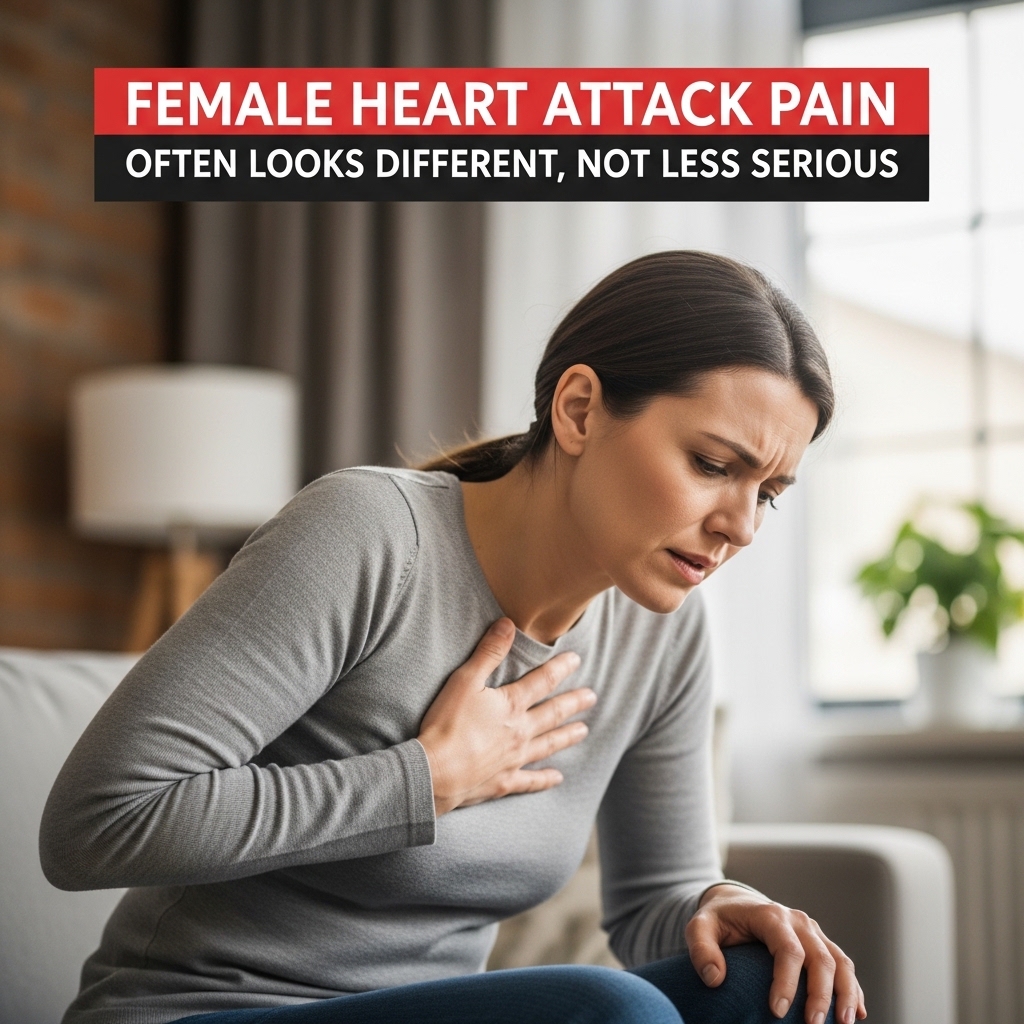
Female heart attack pain often gets framed the wrong way. Many people assume women do not get chest pain. That is false. Women often do feel chest pressure, tightness, or pain, but the feeling may seem less dramatic than the old male-centered picture of a heart attack.
That gap in perception creates real risk. When a person delays care, blood flow stays blocked longer. That can increase heart muscle damage and slow recovery. The American Heart Association has stressed that chest discomfort is still a common symptom in women.
The problem is not only survival in the first hours. Delayed care can also reduce later work capacity, exercise tolerance, and mental stamina. For a high-performing professional, that means lower physical reserve and a harder return to full output.
The Pain May Spread Beyond the Chest
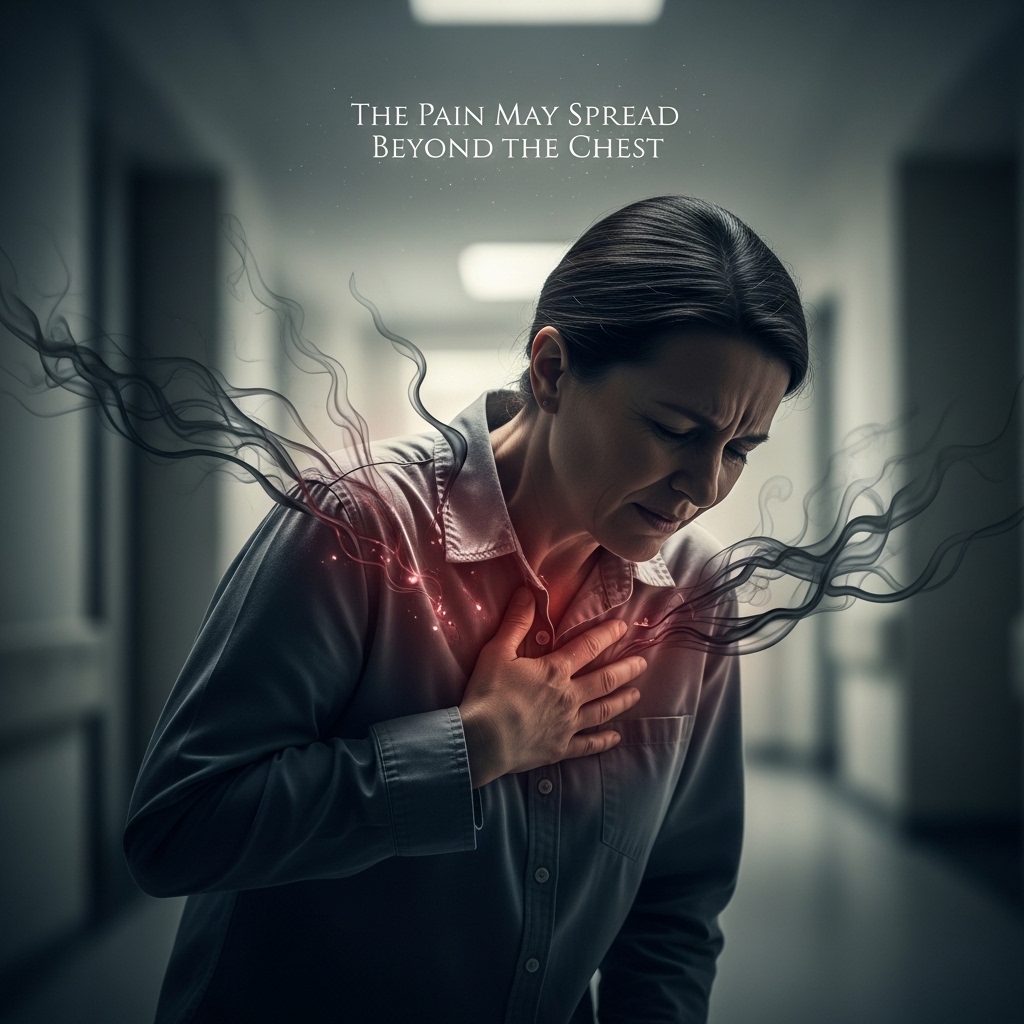
Women may feel pain in the chest, but they may also feel it in the jaw, neck, shoulders, upper back, or upper stomach. Some describe pressure, burning, squeezing, or heaviness. Others report shortness of breath, nausea, or unusual fatigue at the same time.
This wider symptom pattern can blur the picture. A woman may think the problem is stress, poor sleep, reflux, or muscle tension. She may keep working because the symptoms do not match the old image of sudden collapse.
That is one reason female heart attack pain gets missed. The symptom is there, but the meaning gets missed. In clinical care, that delay can change how much heart tissue doctors can save.
Women Often Delay Care Because the Signs Seem Manageable

Many women do not seek help right away because they can still function. They may walk, talk, finish meetings, or drive. That can create a false sense of safety. A person can remain composed and still be having a heart attack.
High-performing women face an added problem. They often have a high pain tolerance and a strong habit of pushing through discomfort. That mindset helps in work. It does not help during acute heart injury.
Research from the American Heart Association and related studies has shown that women often delay care because they do not see the symptoms as cardiac at first. That delay can increase damage and raise the burden of recovery.
Female Heart Attack Pain Does Not Come From One Cause Alone
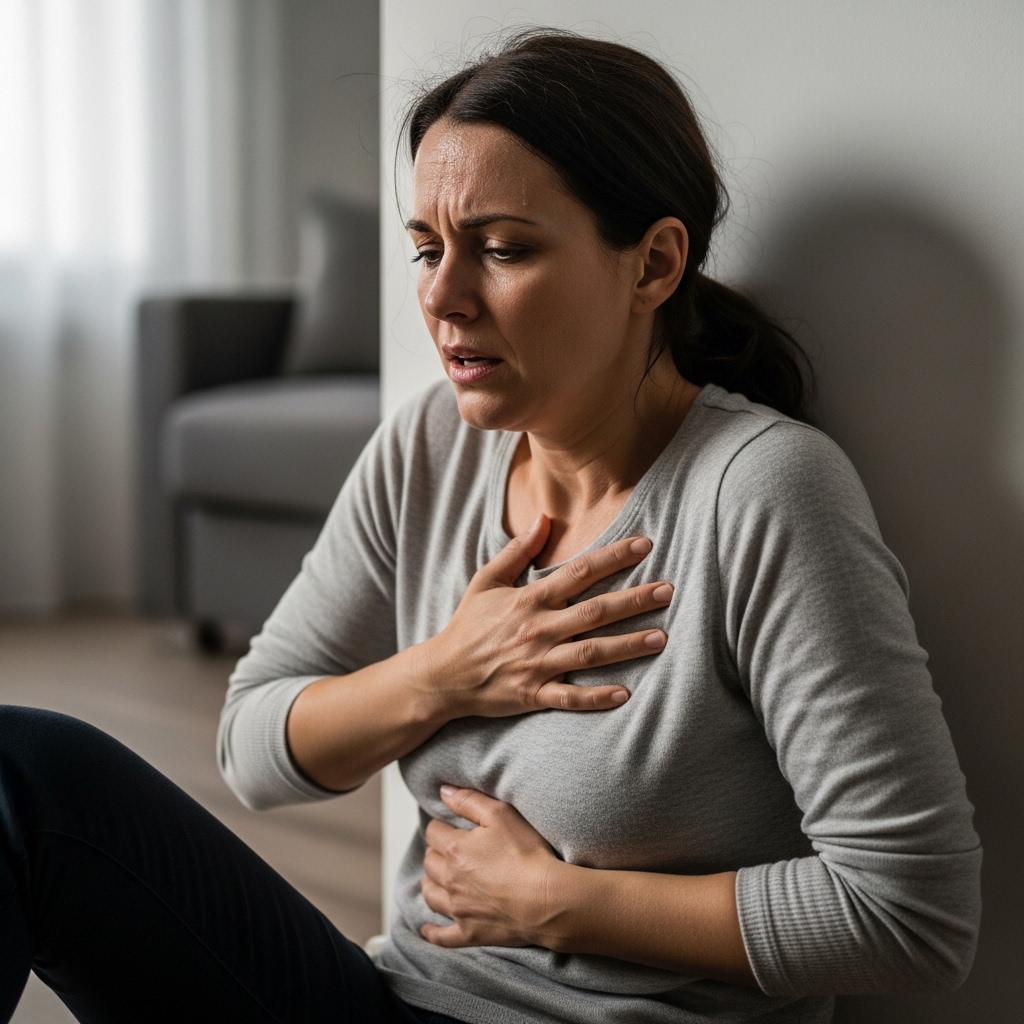
Not every heart attack follows the same path. Some come from a blocked artery caused by plaque rupture. Others involve smaller blood vessels, spasm, or other changes in blood flow. In women, these patterns appear more often than many people realize.
One key term is MINOCA. This stands for myocardial infarction with nonobstructive coronary arteries. In simple terms, it means a heart attack can happen even when the large arteries do not show a major blockage on first imaging.
That matters because a normal-looking scan does not erase the event. The NIH-supported WISE research program helped show that women can have real heart risk and real ischemia without classic large-vessel blockage. That is one reason symptom history matters so much.
Stress Can Hide the Cardiac Signal
Heart attack symptoms can overlap with stress symptoms. A woman may feel sweating, chest pressure, shortness of breath, nausea, and alarm. That can look like panic, burnout, or acute stress. In a busy life, that overlap can be dangerous.
This does not mean the event is psychological. It means the body can produce signals that look similar on the surface. A woman under heavy work strain may label the episode as stress and delay urgent care.
That delay has long-term costs. Poorer heart recovery can affect stamina, sleep, and focus. Over time, reduced cardiovascular health also raises the risk of later cognitive decline.
Delayed Recognition Can Lower Long-Term Fitness
A heart attack is not only an emergency event. It can change how the body performs for months or years. If treatment comes late, more heart muscle may get injured. That can reduce endurance and slow the return to high-level work.
One useful measure here is VO2 max. This term refers to the body’s ability to use oxygen during exercise. It is a strong marker of cardiorespiratory fitness. Lower values often reflect lower physical reserve.
The American Heart Association has linked low cardiorespiratory fitness with higher cardiovascular risk. After a heart attack, reduced fitness can show up as earlier fatigue, weaker exercise capacity, and less tolerance for sleep loss or intense schedules.
Inflammation Extends the Damage Beyond the First Event
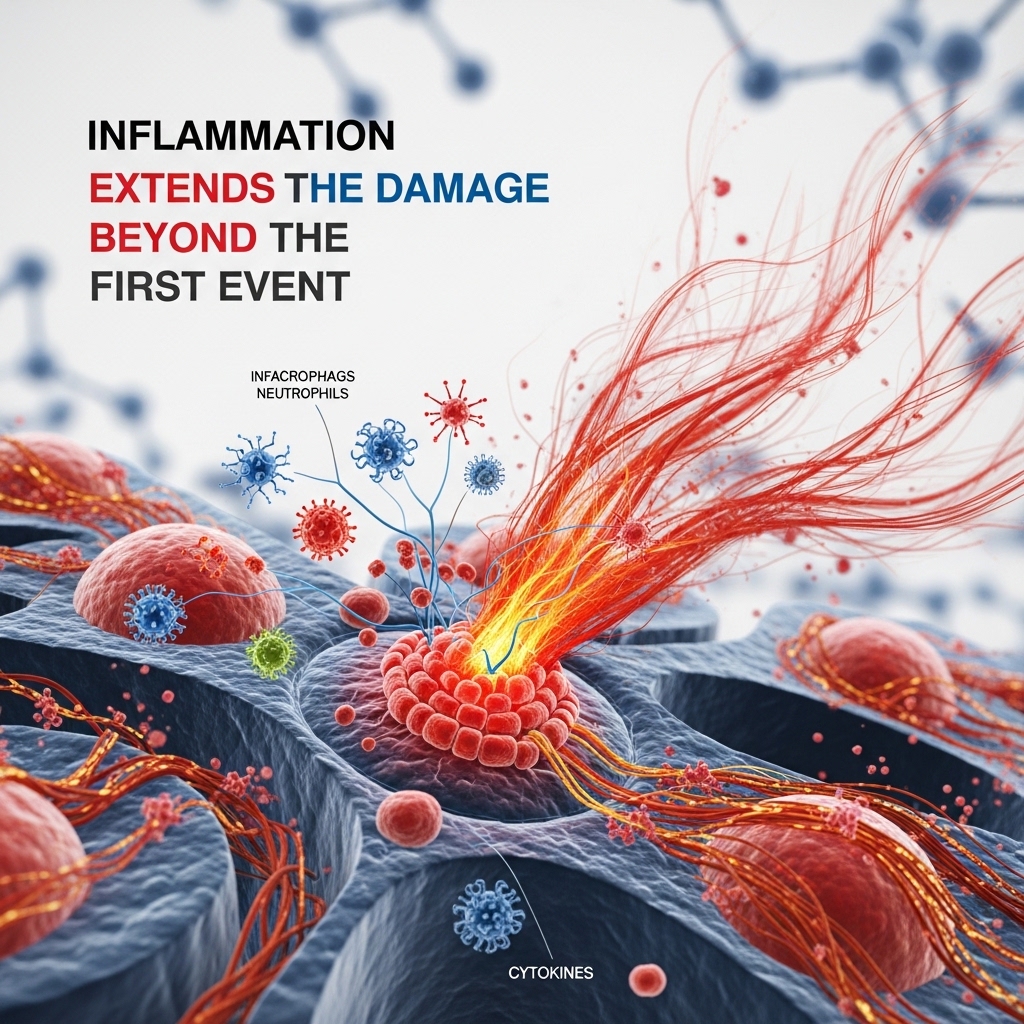
A heart attack triggers more than pain. It also sets off inflammation in the body. That process affects healing, heart remodeling, and future risk. The event may end, but the body still has work to do.
One marker often discussed in this setting is hs-CRP. This stands for high-sensitivity C-reactive protein. It is a blood marker linked with inflammation and cardiovascular risk. It does not diagnose a heart attack by itself, but it helps frame the recovery picture.
This matters for longevity because chronic inflammation can reduce recovery quality. It can also link with broader vascular risk. For professionals who depend on stable energy and high output, that means the impact can extend far beyond the acute event.
READ ALSO: The Physiology of Touch: How Physical Contact Regulates Autonomic Function and Sustains Emotional Resilience
Sleep and Recovery Also Shape the Outcome
Poor sleep can make heart attack symptoms harder to read. Fatigue changes pain perception. It can also make chest discomfort, nausea, or breathlessness feel like a normal result of overwork. That makes symptom delay more likely.
Sleep also matters after the event. Recovery depends on nervous system balance, tissue repair, and steady cardiovascular healing. If sleep stays poor, the body may regain capacity more slowly.
For women with high work strain, this creates a double problem. Sleep debt can hide the early warning signs, and it can weaken recovery after the event. That makes female heart attack pain a body-wide performance issue, not only a symptom issue.
READ ALSO: Cardiac Biomarkers That Predict Executive Performance Decline Before Symptoms Emerge
The Clinical Threshold Must Be Broader and Faster
The old rule of “severe crushing chest pain or nothing” misses too many women. A more accurate threshold includes new chest pressure, tightness, upper back pain, jaw pain, shortness of breath, nausea, or unusual fatigue, especially when the pattern is sudden or worsening.
That does not mean every symptom signals a heart attack. It means the cost of underreacting can be high. When symptoms fit a cardiac pattern, speed matters more than self-explanation.
Women often lose time by trying to solve the problem as stress, indigestion, or muscle pain first. That habit can delay diagnosis. Clinical care works best when the event gets treated as time-sensitive from the start.
READ ALSO: Chronic Stress, Cognitive Clarity Degradation, and the Mindfulness-Based Interventions That Reverse It
Evidence-Based Options for High-Performing Professionals

The evidence supports a clearer and more structured response to female heart attack pain. Chest pain still matters in women, but the pain may feel different and may arrive with other symptoms. That wider pattern needs faster recognition, not more doubt.
Named sources such as the American Heart Association, the National Institutes of Health, and research from the WISE study support a broader clinical view of women’s heart symptoms. That view also connects heart health to fitness, inflammation, sleep, and cognitive function over time.
Evidence-based options include regular review of cardiovascular risk with a clinician, clear attention to family and personal history, rapid medical evaluation for new chest or upper-body symptoms that fit a cardiac pattern, and structured recovery support such as cardiac rehabilitation when a cardiac event occurs. These steps do not offer certainty, but they can reduce delay, protect function, and preserve long-term cardiovascular reserve.