Physical touch deprivation is a measurable physiological stressor, not a social inconvenience. In high-performing professionals, insufficient tactile and relational contact sustains sympathetic nervous system dominance, suppresses parasympathetic recovery, and keeps heart rate variability chronically depressed — a pattern directly associated with accelerated cardiovascular aging and reduced cognitive resilience. The executives and founders who optimize sleep, nutrition, and exercise while neglecting physical connection are managing an incomplete longevity protocol. The autonomic data makes this gap impossible to rationalize away.
What the Autonomic Nervous System Actually Does
The autonomic nervous system operates below conscious awareness. It governs heart rate, respiration, digestion, immune activation, and vascular tone — simultaneously and continuously. It divides into two primary branches: the sympathetic system, which mobilizes resources for threat response, and the parasympathetic system, which governs recovery, repair, and restoration. High-performing professionals live disproportionately in sympathetic activation. The question is not whether this creates physiological cost — it does — but what effectively shifts the balance back toward parasympathetic dominance.
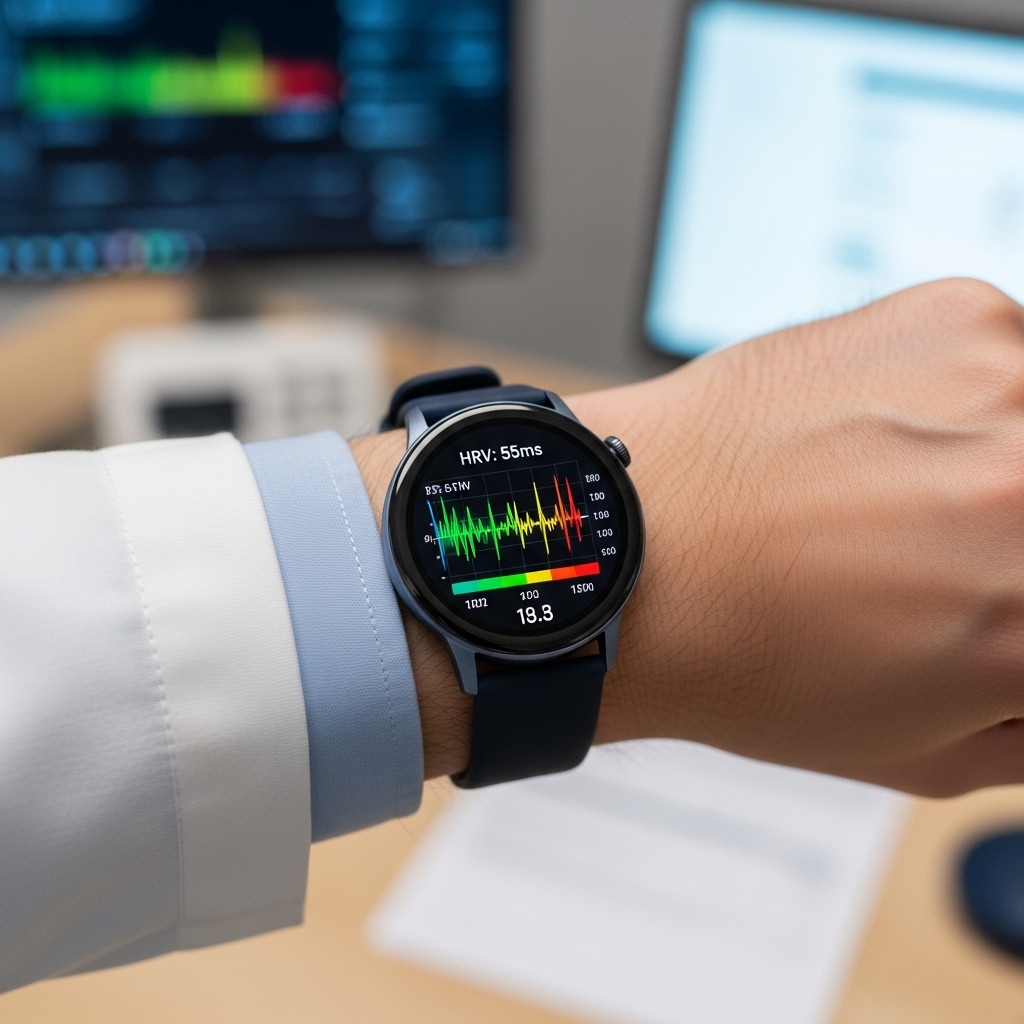
Heart rate variability measures the beat-to-beat variation in cardiac rhythm. Higher HRV reflects stronger parasympathetic tone and greater autonomic flexibility. Lower HRV correlates with cardiovascular disease risk, cognitive rigidity, emotional dysregulation, and reduced stress resilience. Research published in Frontiers in Psychology confirms HRV as a reliable biomarker of both physical health and emotional regulation capacity. For executives tracking performance variables, HRV offers a direct window into autonomic state — and into how effectively the nervous system recovers between demands.
What most performance protocols miss is that autonomic recovery does not occur through optimization alone. The nervous system requires specific biological inputs to shift into parasympathetic dominance. Physical touch and relational connection represent two of the most potent and underutilized inputs available. Understanding the mechanism — not just the outcome — is what separates an evidence-based approach from a wellness platitude.
The Neuroscience of Touch
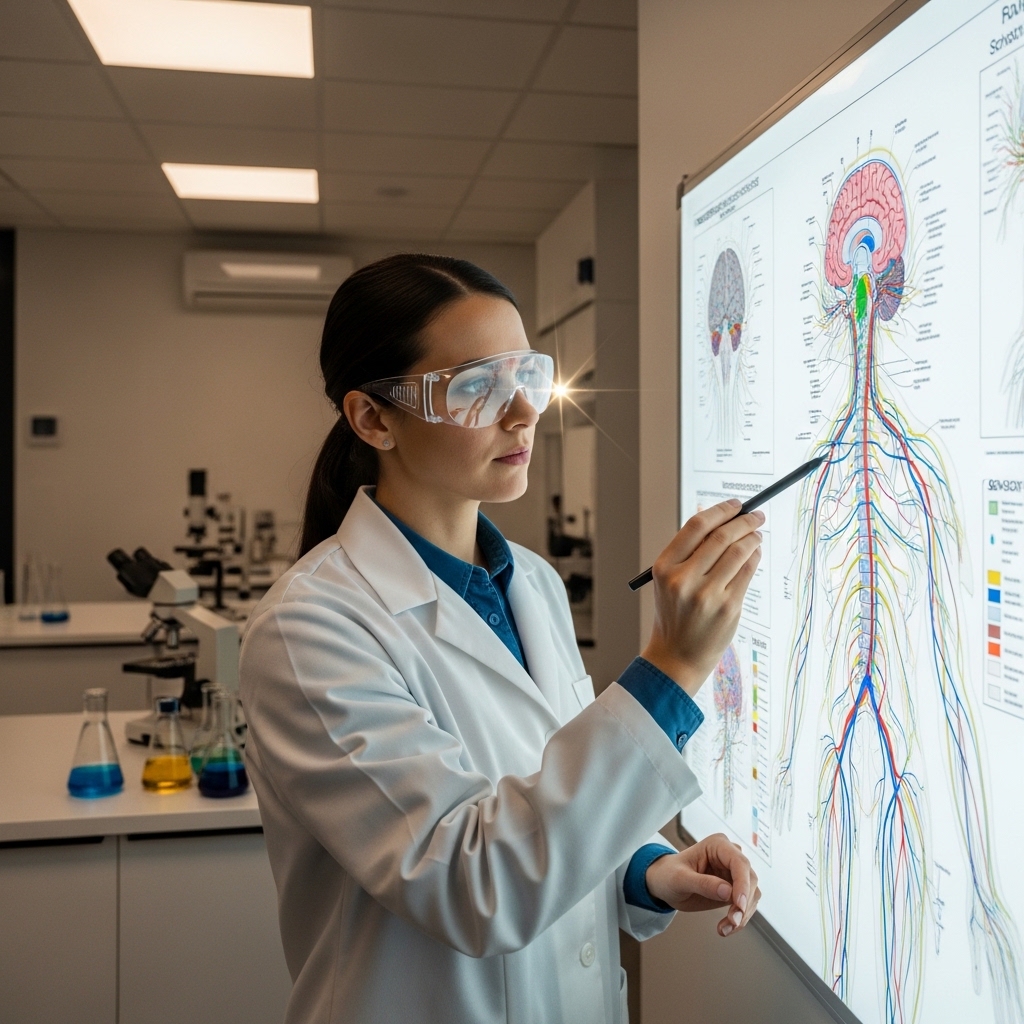
Human skin contains a specialized class of nerve fibers called C-tactile afferents. These fibers respond specifically to gentle, stroking touch at a velocity of approximately two to ten centimeters per second. Unlike other sensory fibers, C-tactile afferents project directly to the insular cortex — a brain region central to interoception, emotional processing, and autonomic regulation. Their activation produces measurable parasympathetic responses, including reduced heart rate, lowered blood pressure, and cortisol suppression. This is not a soft psychological effect. It is a hard neurobiological pathway.
Research from the Karolinska Institute has mapped C-tactile afferent activity extensively, demonstrating that the social touch system evolved specifically to support affiliative bonding and stress buffering. The system is distinct from the pathways that process pressure or pain. It responds to interpersonal touch in ways that impersonal contact — a massage chair, a weighted blanket — only partially replicates. The presence of another person activates a neurobiological response that proximity alone does not fully reproduce.
This distinction matters clinically. Professionals who substitute social touch with mechanical alternatives may gain partial benefit but miss the full autonomic signal. The nervous system reads the social context of touch, not just the tactile input. The implication is that relational quality and physical presence together produce outcomes that neither achieves independently.
Oxytocin and the Stress-Buffering Mechanism

Oxytocin releases in response to physical contact, social bonding, and positive relational interaction. Its primary physiological function is not romantic bonding — that is a popular oversimplification. Its primary function is stress regulation. Oxytocin directly inhibits HPA axis activation, reducing cortisol output and dampening the sympathetic stress response. Research published in Psychoneuroendocrinology demonstrates that oxytocin attenuates cortisol reactivity to psychosocial stressors, with effects measurable within minutes of physical contact initiation.
Beyond cortisol suppression, oxytocin promotes parasympathetic tone by activating vagal pathways. The vagus nerve — the primary conduit of parasympathetic signaling — responds to oxytocin receptor activation in the brainstem. This produces downstream effects including reduced inflammatory cytokine production, improved gut motility, and stabilized cardiac rhythm. For professionals managing chronic occupational stress, this pathway represents a pharmacologically relevant biological mechanism that requires no intervention beyond relational contact.
The dose-response relationship is also worth noting. Research suggests that sustained, warm physical contact — rather than brief or perfunctory touch — produces stronger and more durable oxytocin release. Duration and relational context both modulate the neurochemical response. This finding has direct implications for how professionals structure their relational environments, particularly those navigating high-demand schedules that compress personal time.
READ ALSO: Physically Intimate Practices for a Stronger Connection
Cortisol, Touch, and the Recovery Window

Cortisol follows a diurnal rhythm. It peaks shortly after waking, declines through the day, and reaches its lowest point during early sleep. Chronic stress disrupts this rhythm. Professionals under sustained occupational pressure often show flattened cortisol curves — elevated evening cortisol, blunted morning peaks, and reduced overall variability. This pattern associates with metabolic dysregulation, immune suppression, and accelerated biological aging. Physical touch intervenes directly in this dysregulated rhythm.
Studies examining couples who engage in regular affectionate physical contact show more normalized cortisol curves than socially isolated counterparts. Research from Carnegie Mellon University found that frequent hugging buffered against stress-induced cortisol elevation in adults exposed to experimental stressors. The effect size was clinically meaningful — not marginal. Participants who reported more frequent physical affection showed both lower cortisol output during stress and faster recovery to baseline afterward.
For professionals, the cortisol recovery window — the period between peak activation and baseline return — directly affects cognitive performance the following day. A nervous system that recovers cortisol to baseline by early evening produces higher quality sleep, better morning cognitive readiness, and more durable attentional capacity across the workday. Physical touch, by accelerating this recovery, functions as an upstream intervention for next-day performance — not a downstream comfort measure.
Inflammatory Markers and Social Connection

Chronic social isolation elevates pro-inflammatory cytokines. This is not a correlational observation — it reflects a well-established biological mechanism. The immune system interprets social disconnection as a threat signal, triggering low-grade inflammation as a preparatory response. Research from the National Institutes of Health has consistently linked social isolation to elevated interleukin-6 (IL-6) and tumor necrosis factor-alpha (TNF-α) — the same inflammatory markers that associate with cardiovascular disease, cognitive decline, and accelerated cellular aging.
Physical touch and relational connection directly counteract this inflammatory trajectory. Oxytocin and parasympathetic activation both suppress pro-inflammatory cytokine production. Regular affectionate contact associates with lower baseline IL-6 and C-reactive protein in longitudinal studies. For professionals in the 35–60 age range — when inflammatory burden begins compounding against other aging variables — this represents a clinically relevant lever that most performance protocols ignore entirely.
Telomere length also responds to social connection quality. Research examining social isolation and biological aging consistently shows faster telomere attrition in chronically isolated adults compared to socially connected counterparts. The mechanism runs through both cortisol-mediated oxidative stress and inflammatory cytokine activity. Both pathways accelerate cellular aging. Both respond, measurably, to regular physical and relational connection.
READ ALSO: Platonic Relationships: A Guide to Strong Friendships
The Vagal Pathway: Touch as a Parasympathetic Signal

The vagus nerve carries approximately 80 percent of parasympathetic signaling in the body. It connects the brainstem to the heart, lungs, liver, gut, and immune organs. Vagal tone — the degree to which the vagus nerve actively regulates these systems — predicts cardiovascular health, immune competence, emotional regulation, and cognitive flexibility. High vagal tone correlates with better outcomes across all four domains. Low vagal tone correlates with disease risk, emotional dysregulation, and reduced stress resilience.
Physical touch directly stimulates vagal afferent pathways. Gentle contact on the skin activates mechanoreceptors that send signals to the nucleus tractus solitarius in the brainstem — the primary entry point for vagal afferent input. This activation increases parasympathetic outflow, raises HRV, and produces the physiological signature of calm. Stephen Porges' polyvagal theory, now well-supported by subsequent neuroimaging and physiological research, describes this as the social engagement system — a dedicated neurobiological architecture that links relational safety to autonomic recovery.
Professionals who understand vagal tone as a trainable physiological variable — rather than a fixed trait — approach physical connection differently. Breathwork, cold exposure, and cardiovascular exercise all influence vagal tone. Physical touch, however, activates a social-specific pathway that the others do not. A comprehensive autonomic recovery protocol that excludes relational and tactile inputs leaves a meaningful biological lever unused.
Sleep Quality as a Downstream Variable

Sleep architecture depends heavily on parasympathetic dominance during the transition into and through deep sleep stages. The shift from wakefulness to slow-wave sleep requires the nervous system to move from sympathetic to parasympathetic dominance. Individuals with chronically low vagal tone and elevated sympathetic activation struggle to complete this transition efficiently. The result is sleep that is technically sufficient in hours but structurally degraded — reduced slow-wave sleep, fragmented REM cycles, and inadequate overnight cortisol clearance.
Physical touch and relational connection improve sleep architecture through multiple pathways. Oxytocin release promotes sleep onset by reducing hypothalamic arousal. Vagal activation lowers heart rate and respiratory rate, facilitating the physiological conditions sleep requires. Research published in Psychosomatic Medicine found that adults who reported higher levels of physical affection with partners showed significantly better sleep quality scores, independent of sleep duration. The mechanism operates through autonomic state, not psychological comfort.
For professionals who already invest in sleep hygiene — consistent schedules, temperature control, blue light reduction — adding relational and tactile inputs addresses a biological variable that no optimization protocol alone can fully replicate. The nervous system requires social inputs to complete its overnight recovery cycle. Engineering those inputs deliberately, rather than leaving them to circumstance, represents the next layer of sleep optimization that evidence supports.
Emotional Resilience as a Physiological Construct

Emotional resilience is frequently discussed as a psychological attribute — the ability to recover from adversity, maintain perspective, and sustain function under pressure. This framing is incomplete. Emotional resilience is equally a physiological construct. It reflects the speed at which the autonomic nervous system returns to baseline after activation, the flexibility of HRV under varying demands, and the capacity of the prefrontal cortex to regulate limbic reactivity. All three are directly shaped by the quality and frequency of physical and relational connection.
Research consistently shows that adults with strong social bonds demonstrate faster autonomic recovery after stressors, higher resting HRV, and more robust prefrontal regulation of the amygdala. These are not personality traits. They are physiological outcomes of a nervous system that receives adequate social buffering. The Harvard Study of Adult Development — one of the longest-running studies on adult health and happiness — found that relationship quality, more than wealth, fame, or professional achievement, predicted both physical health and emotional resilience across the lifespan.
For executives who build performance systems around measurable variables, this reframes emotional resilience as something trainable and trackable — not a fixed disposition or a soft skill. The inputs that build it include sleep, exercise, nutrition, and, critically, the quality and regularity of physical and relational connection. Excluding the last category leaves the system biologically incomplete.
READ ALSO: What Does Intimacy Mean in a World That’s Always On?
What Isolation Does to the Executive Brain

Social isolation produces measurable structural changes in the brain over time. Research using neuroimaging has identified reduced grey matter volume in the prefrontal cortex, anterior cingulate cortex, and hippocampus in chronically isolated adults. These regions govern executive function, emotional regulation, and memory consolidation — the exact cognitive capabilities that professional performance depends on most. The structural changes are not incidental. They reflect the brain's dependence on social input for maintenance and repair.
Isolation also activates the default mode network in ways that increase rumination and threat monitoring. A brain deprived of relational connection allocates disproportionate resources to scanning for social threats, anticipating rejection, and processing past relational failures. This activation pattern consumes prefrontal resources that would otherwise support strategic thinking, creative problem-solving, and sustained attention. The cost is not emotional — it is cognitive and operational.
The implications for high-performing professionals are direct. A leader whose social environment is thin, transactional, or geographically fragmented is not simply missing warmth. The leader operates with a chronically taxed prefrontal cortex, elevated inflammatory burden, and a nervous system that cannot fully restore between demands. The performance cost accumulates invisibly, then surfaces — in decision quality, relational function, or health markers — after the deficit has compounded significantly.
Touch Deprivation as a Clinical Variable

Touch deprivation — sometimes called skin hunger — describes the physiological state produced by prolonged absence of meaningful physical contact. It is not a colloquial complaint. Research in Comprehensive Psychoneuroendocrinology identifies touch deprivation as a clinically relevant stressor associated with elevated cortisol, reduced oxytocin, increased inflammatory markers, and degraded sleep quality. The condition is common among high-achieving professionals whose schedules, travel demands, and social structures limit regular physical contact.
The professional demographic most affected includes frequent travelers, remote executives, those in long-distance relationships, and individuals whose work cultures deprioritize physical warmth. These individuals often present with symptom profiles that resemble overtraining or burnout — elevated resting heart rate, poor sleep recovery, emotional blunting, and reduced motivation — without a clear occupational cause. Touch deprivation as a contributing variable is rarely assessed in standard executive health evaluations, despite its measurable physiological footprint.
Recognizing touch deprivation as a clinical variable rather than a personal complaint changes how professionals approach it. It moves the conversation from preference to physiology — from “I miss connection” to “my autonomic recovery system lacks a required input.” That reframe opens the door to deliberate, evidence-based action rather than passive acceptance of a depleted state.
What the Evidence Supports for High-Performing Professionals
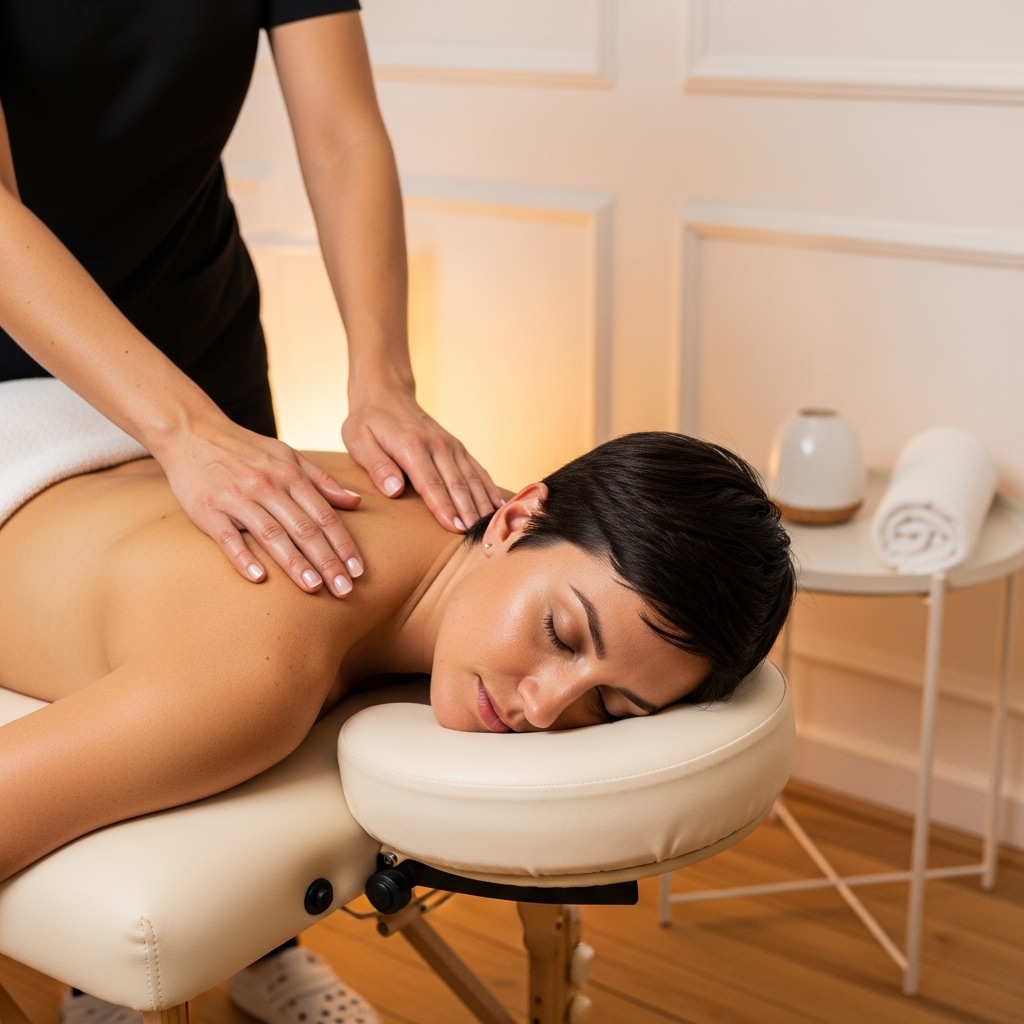
The research base on touch, autonomic regulation, and emotional resilience points toward several evidence-grounded options. Prioritizing regular, warm physical contact with a partner, family member, or close social connection directly activates C-tactile afferents, stimulates oxytocin release, and raises HRV. Professionals who travel frequently benefit from scheduling deliberate relational contact — not as a social event, but as an autonomic recovery input. Bodywork including therapeutic massage produces partial but meaningful vagal activation, with research supporting reductions in cortisol and improvements in HRV following regular sessions. HRV monitoring allows professionals to track whether relational and tactile inputs are producing measurable autonomic benefit over time. Those whose HRV data shows persistent suppression despite optimized sleep, nutrition, and exercise may find that social and tactile deprivation represents the remaining gap in their recovery architecture.
UP NEXT: What Are Intimate Relationship: Insights to Nurture Closeness
Chronic touch deprivation and social disconnection accelerate biological aging through sustained sympathetic dominance, suppressed vagal tone, and elevated inflammatory markers — the same pathways that drive telomere attrition and cardiovascular aging — with research linking prolonged social isolation to cellular aging profiles measurably older than chronological age. WholeLiving's Biological Age Estimation Model incorporates this factor directly — your assessment takes under five minutes.
Ready to understand how these factors are influencing your biological age right now? [Take the Biological Age Assessment →]