What a Purpose-Driven Life Actually Means Clinically
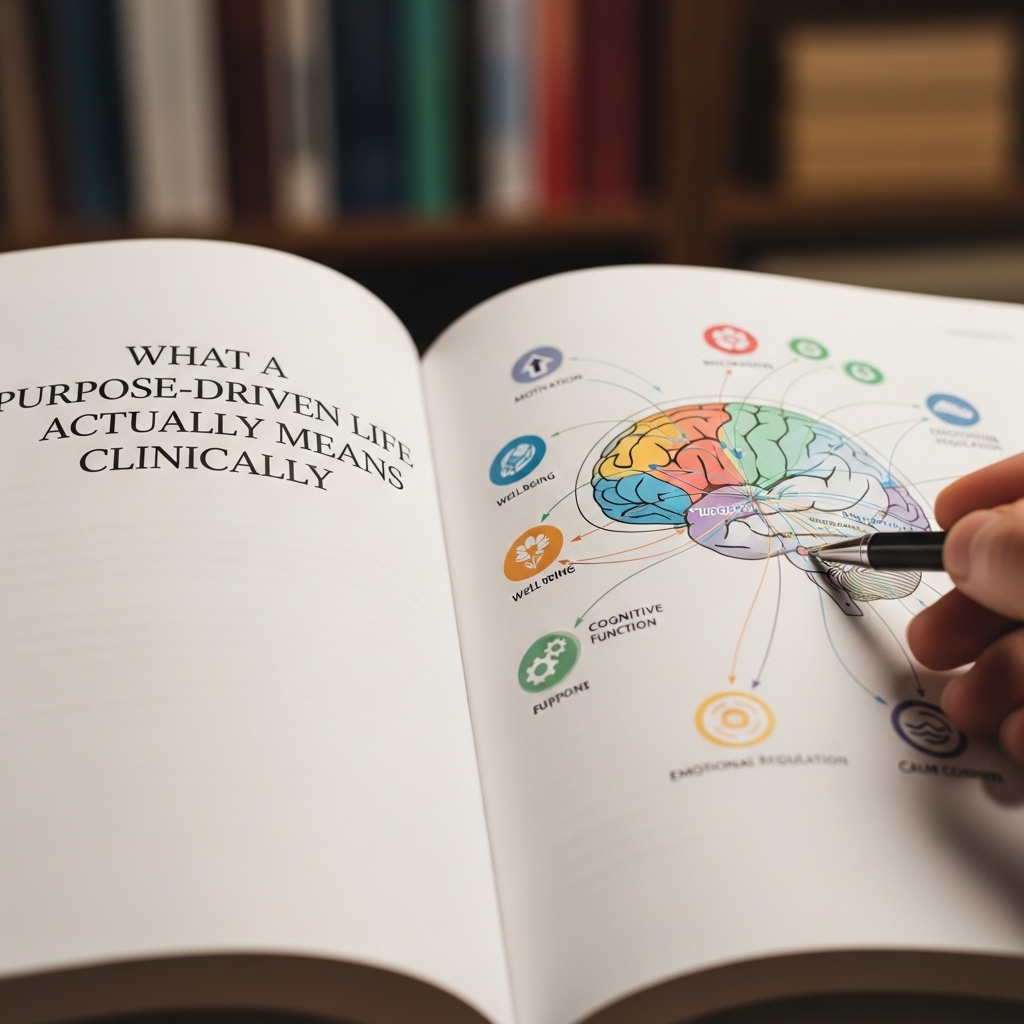
The term “purpose-driven life” carries cultural baggage that hides its clinical precision. In research, purpose means the degree to which a person feels their daily activities have direction, meaning, and intent. It differs from happiness, optimism, or life satisfaction — though it correlates with all three.
Researchers measure it through validated tools including the Ryff Scales of Psychological Well-Being and the Life Engagement Test. These tools produce scores that reliably predict health outcomes across large population samples. This distinction matters for high-performing professionals. Many score high on conventional success measures while scoring low on purpose.
This is especially true for those whose identity ties closely to achievement rather than values-aligned activity. The gap between external success and internal meaning is not a philosophical problem. Rather, it is a physiological one — with measurable effects on cortisol regulation, inflammatory load, and cardiovascular function.
The Mortality Data Behind Purpose
The mortality evidence for a purpose-driven life is now strong and consistent across multiple independent research bodies. The Rush Memory and Aging Project tracked older adults in the United States over more than a decade. It found that participants with higher purpose scores had significantly lower all-cause mortality rates.
Critically, this held after controlling for depression, personality traits, and baseline health — ruling out the idea that healthier people simply report more purpose. A separate analysis in JAMA Network Open drew on data from the Health and Retirement Study — a nationally representative study of adults over 50.
It found that low purpose scores linked to significantly higher mortality risk over a four-year follow-up. Furthermore, the effect size matched that of established cardiovascular risk factors. Purpose, therefore, functions as a protective physiological variable — not a soft psychological trait.
Purpose and Cardiovascular Risk: The Mechanistic Link
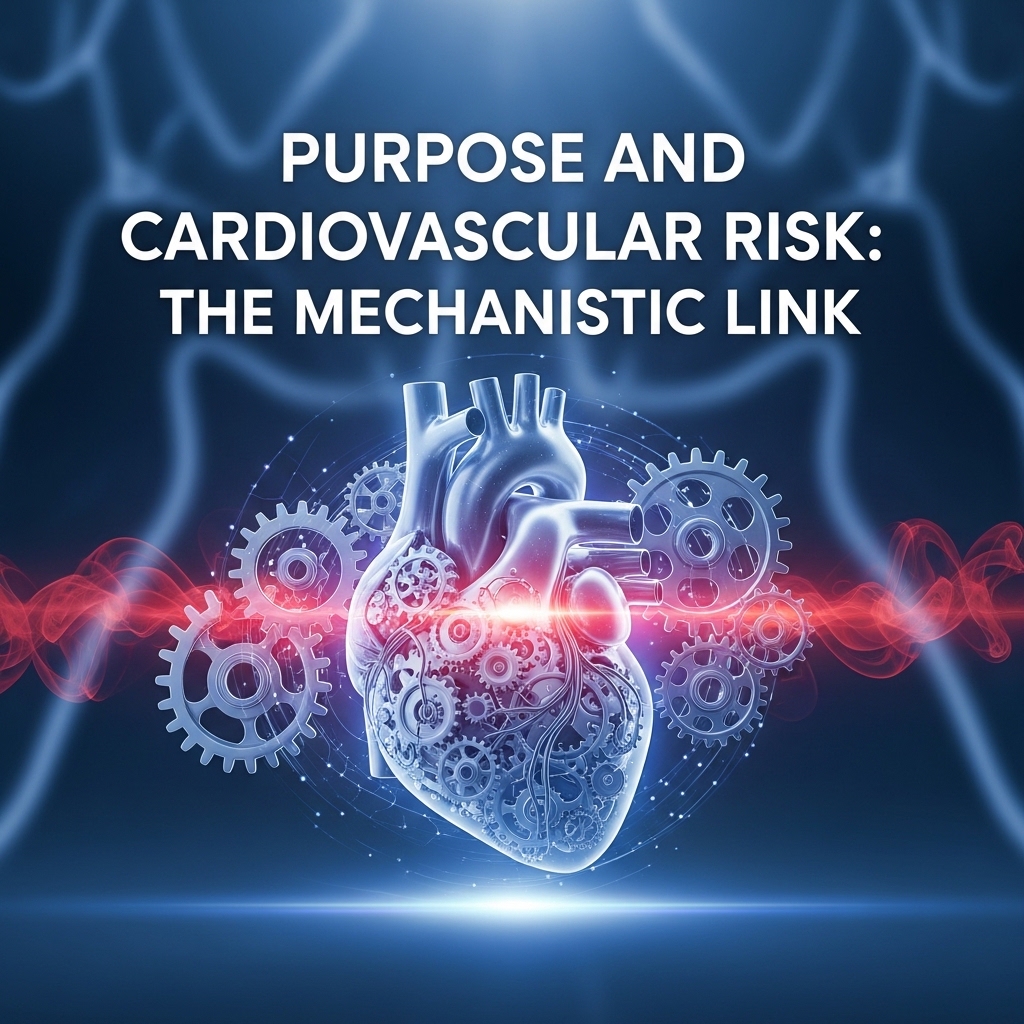
The cardiovascular benefits of a purpose-driven life are not incidental. Research in the Journal of the American College of Cardiology linked higher purpose scores to lower rates of stroke, heart attack, and cardiovascular death in prospective cohort data. The mechanism runs through the autonomic nervous system.
Specifically, people with stronger purpose show more favorable heart rate variability — a marker of cardiovascular resilience — and lower resting inflammatory markers including interleukin-6 and tumor necrosis factor-alpha. For executives managing sustained high-demand professional environments, this pathway is directly relevant.
Purpose does not eliminate stress. Instead, it modulates the physiological stress response. As a result, it reduces the cortisol overreaction that drives cumulative cardiovascular damage across years of high-output professional life.
Cortisol Dysregulation and the Absence of Meaning
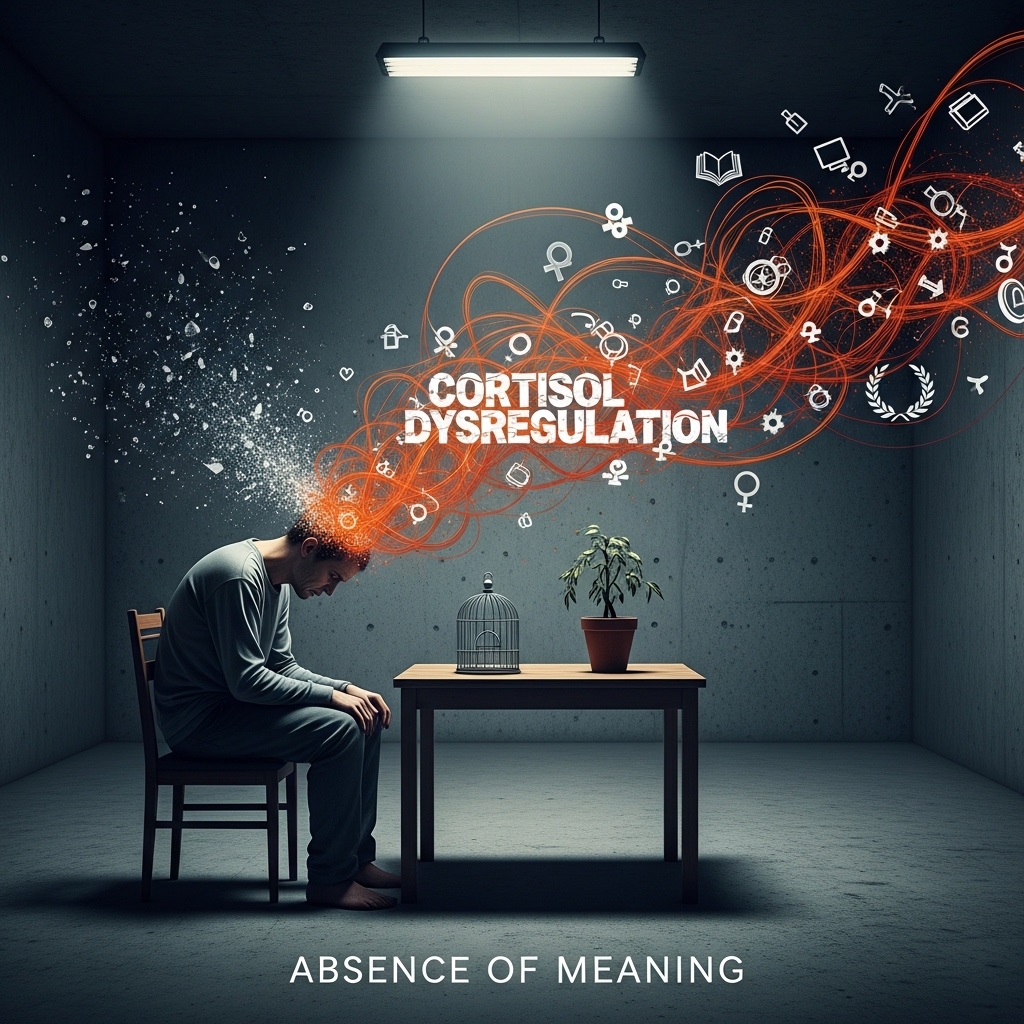
Cortisol‘s role in the purpose-health relationship is well documented. The body's central stress system — the hypothalamic-pituitary-adrenal axis — responds to both perceived threat and perceived meaning. When daily activity lacks coherent meaning or direction, the brain's threat-detection systems stay in a low-grade active state.
This produces sustained cortisol elevation even without discrete stressor events. Over time, this chronic cortisol elevation carries cumulative physiological costs. It contributes to reduced hippocampal volume, impaired glucose regulation, suppressed immune function, and faster telomere shortening — a direct marker of cellular aging.
The National Institutes of Health has documented links between chronic psychological stress, cortisol dysregulation, and faster epigenetic aging. This positions purpose deficit as a biological age risk factor — comparable in mechanism to poor sleep or physical inactivity.
Cognitive Performance and the Direction Effect
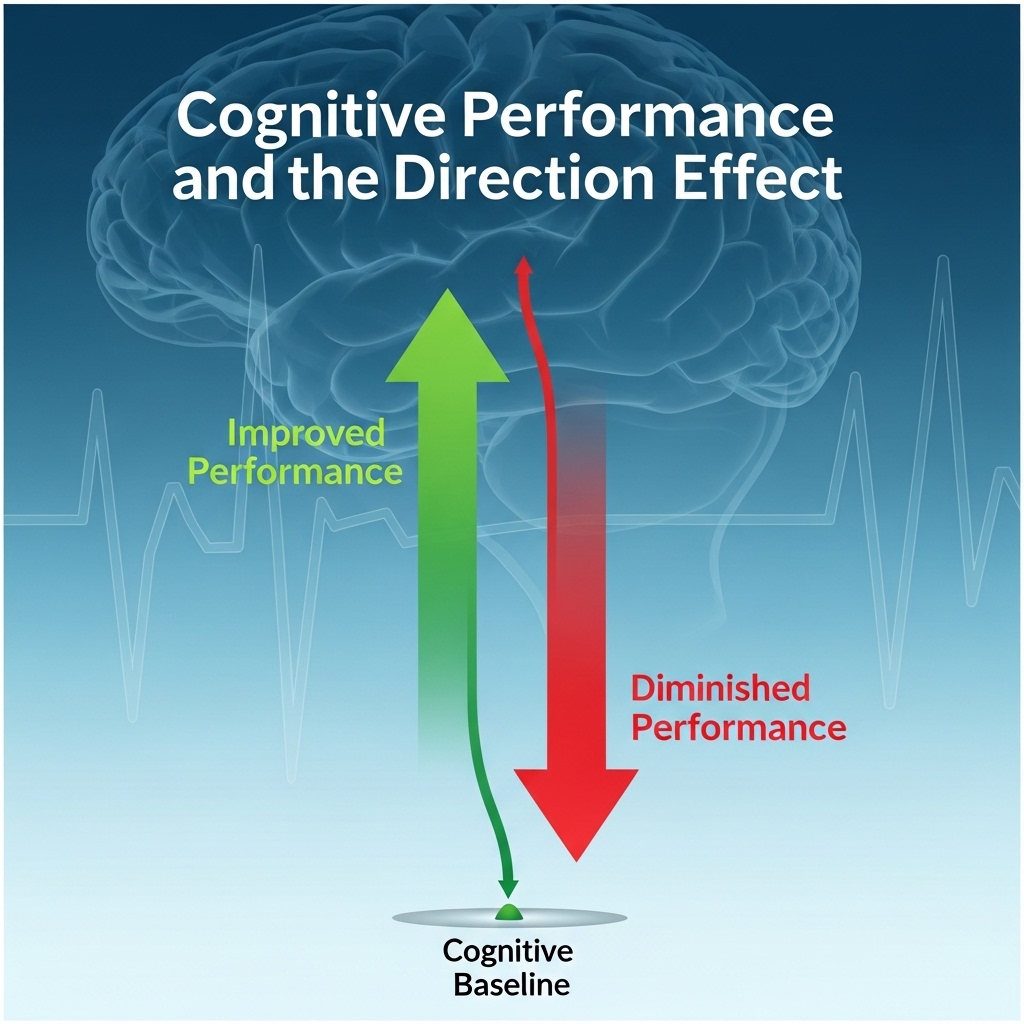
A purpose-driven life also produces measurable effects on cognitive performance. Longitudinal data from the Rush Memory and Aging Project found that higher purpose scores linked to significantly lower rates of cognitive decline. This included lower incidence of mild cognitive impairment and Alzheimer's disease over extended follow-up periods.
Moreover, the protective effect held after controlling for social engagement, physical activity, and education level. The proposed mechanism involves both structural and functional brain changes. Purpose orientation links to greater use of the prefrontal cortex in daily decision-making and stronger cognitive reserve development over time.
For professionals whose careers depend on sustained executive function and strategic thinking, this finding represents a direct performance case for investing in purpose-aligned activity.
How High Achievers Lose a Purpose-Driven Life

The pattern is consistent and clinically predictable. High-performing professionals build careers around clearly defined external goals — revenue targets, market position, professional recognition, organizational scale. During the ascent phase, these goals serve as a functional substitute for deeper purpose. Over time, however, achievement-based identity becomes fragile.
When external metrics plateau or professional transitions occur, the absence of deeper meaning becomes physiologically detectable. Occupational health research documents this pattern as a driver of executive burnout. Burnout is not simply fatigue. Instead, it involves depersonalization, reduced sense of efficacy, and profound meaning deficit.
Its physiological markers include HPA axis dysregulation, elevated inflammatory markers, and disrupted sleep architecture. Addressing burnout through workload reduction alone — without tackling the underlying purpose deficit — produces limited and temporary recovery.
Everyday Meaning vs. Grand Narrative Purpose

A clinically useful distinction exists between grand narrative purpose and everyday meaning. Grand narrative purpose refers to a single defining life mission. Everyday meaning, by contrast, refers to the steady buildup of small, values-aligned moments across the daily routine.
Research from the University of Pennsylvania's Positive Psychology Center suggests that everyday meaning contributes more reliably to measurable well-being outcomes. In fact, pursuing a single overarching purpose can itself become a source of chronic stress when it feels unattained. For high-performing professionals, this reframe is operationally significant.
A purpose-driven life does not require a dramatic career pivot or existential overhaul. Instead, it requires deliberate identification of activities, interactions, and contributions that produce genuine engagement — and a structured increase of their frequency within an existing professional and personal life.
READ ALSO: Adventure with a Purpose for a New Kind of Growth
The Role of Values Clarification in Purpose Recovery
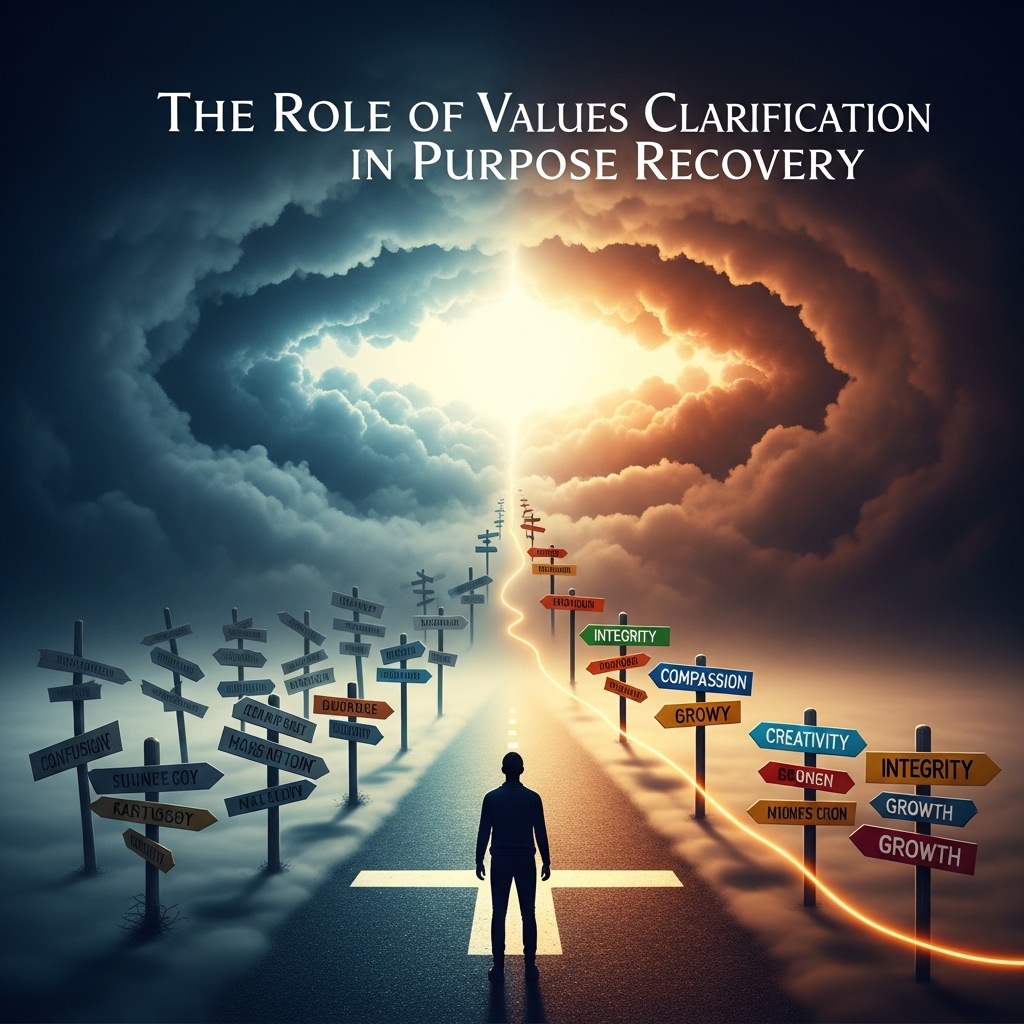
Values clarification is a documented first step in purpose recovery for high-achieving individuals experiencing meaning deficit. It involves identifying and ranking core personal values independent of social expectations or professional conditioning. Clinicians use it within Acceptance and Commitment Therapy frameworks.
Research validates it as a mechanism for reducing psychological inflexibility — a cognitive pattern strongly linked to burnout, anxiety, and reduced life satisfaction. Importantly, the process does not require formal therapeutic intervention to produce benefit.
Structured self-assessment tools including the Valued Living Questionnaire allow individuals to identify gaps between stated values and current behavioral investment. This gap, once acknowledged, provides a precise target for behavioral change toward a more purpose-driven life.
Social Connection as a Purpose Amplifier

Social connection and purpose share overlapping neurobiological pathways. Oxytocin release — associated with genuine relational connection — modulates the body's stress axis, reducing cortisol reactivity and dampening inflammatory signaling.
The Harvard Study of Adult Development, one of the longest-running studies of adult life, consistently identifies relationship quality as the single strongest predictor of late-life health and well-being. Notably, it outperforms income, professional achievement, and baseline health status as a predictor.
For high-performing professionals whose relationships have been progressively subordinated to professional demands, this finding carries direct clinical weight. Investing in relationship quality is not a lifestyle preference. Rather, it is a purpose-reinforcing, cortisol-modulating, longevity-relevant behavior backed by decades of longitudinal data.
Contribution and the Meaning-Health Feedback Loop
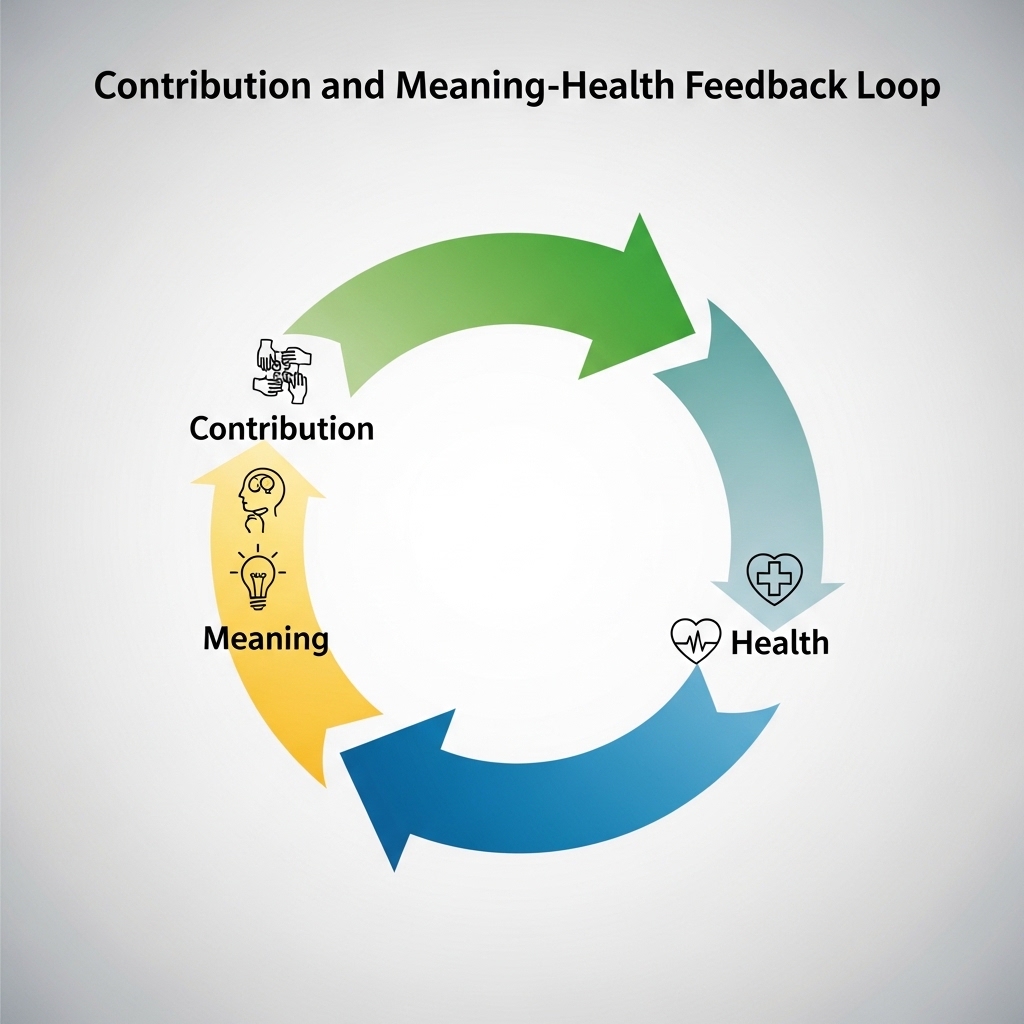
Contributing to outcomes beyond personal gain is among the most reliable activators of purpose-related neurobiological responses. Prosocial behavior — actions oriented toward benefiting others — activates the brain's reward circuitry through pathways distinct from those activated by personal achievement.
This produces measurable reductions in cortisol and increases in natural killer cell activity, supporting immune function. For executives and founders, contribution-oriented purpose is often already present in professional activity — in team development, organizational mission, or industry impact.
The clinical gap, however, is frequently not absence of contribution but absence of conscious recognition of it. Deliberately connecting daily professional activity to its downstream human impact is a low-effort intervention with documented effects on meaning perception and stress physiology.
READ ALSO: Search for Meaning: Finding Purpose and Clarity as You Age
Sleep Quality as a Purpose-Health Mediator
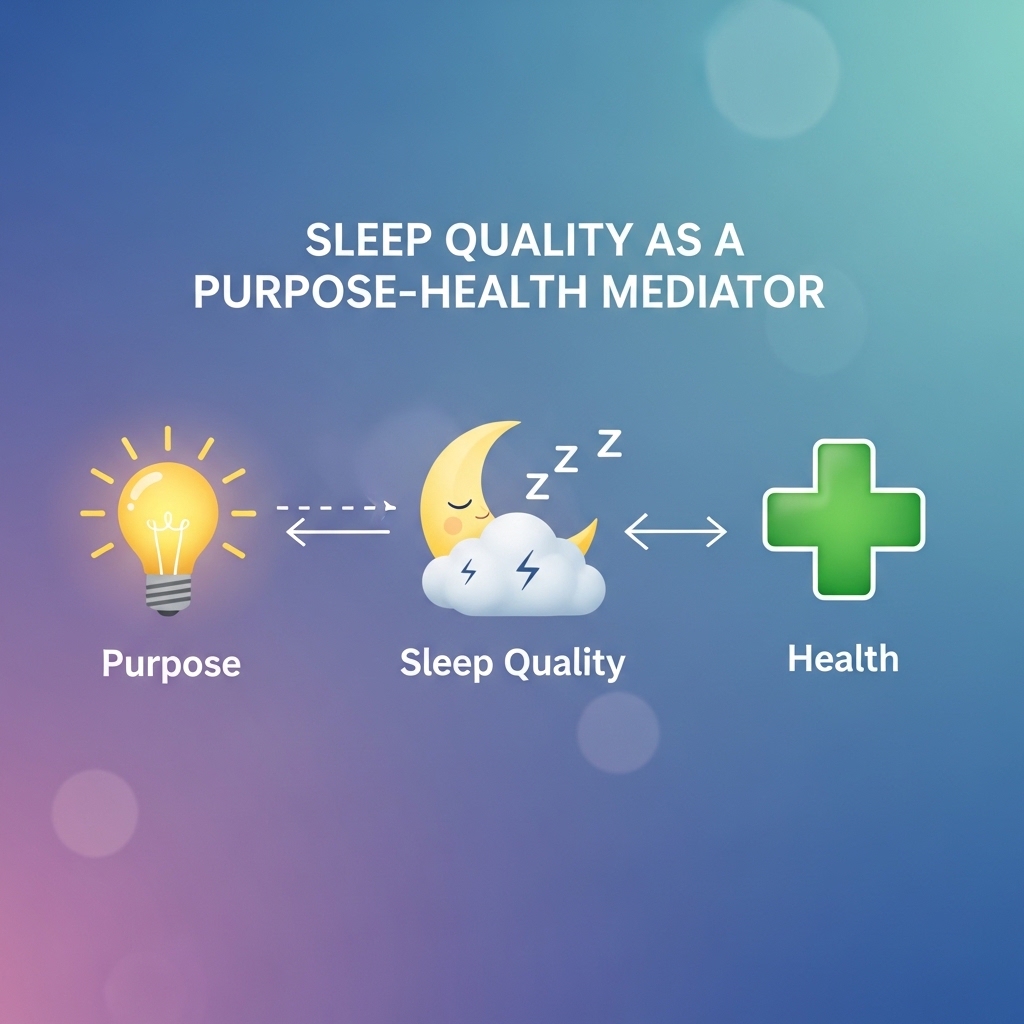
Sleep quality mediates a significant portion of purpose's health effects. People with stronger purpose orientation show more favorable sleep architecture — including longer slow-wave sleep and lower nighttime cortisol levels.
This matters because slow-wave sleep drives cellular repair, metabolic regulation, and memory consolidation. For professionals already managing sleep deficits, the two-way nature of this relationship is clinically relevant.
Poor sleep erodes purpose perception by impairing prefrontal function and increasing emotional reactivity. Reduced purpose, in turn, disrupts sleep through elevated evening cortisol and increased rumination. Consequently, addressing both variables together produces more durable outcomes than targeting either one alone.
READ ALSO: The Purpose Filled Life: Small Steps to Daily Fulfillment
Evidence-Based Options for Practical Implementation
The research across longitudinal cohort studies, cardiovascular research, and cognitive neuroscience supports one consistent clinical position: living a purpose-driven life produces measurable physiological returns across multiple longevity and performance variables. Professionals seeking to act on this evidence might begin with a structured values clarification exercise to identify the gap between current behavioral investment and core personal values.
From there, deliberately scheduling values-aligned activities — however small — within existing routines provides a low-friction entry point. Strengthening close relationship quality, consciously linking daily professional activity to its human impact, and treating sleep as a purpose-health mediator rather than a productivity variable all represent evidence-supported options.
The returns compound over time. The physiological difference between a purpose-deficit and a purpose-aligned professional life is ultimately measurable in biomarkers, biological age, and long-term cognitive resilience.
UP NEXT: What is the Purpose of Life: Finding Calm Clarity
How This Affects Your Biological Age
Low psychological purpose is one of the most consistently documented behavioral drivers of accelerated biological aging, with purpose deficit linked to faster telomere shortening, elevated inflammatory markers, and epigenetic age running measurably ahead of chronological age in longitudinal population research. WholeLiving's Biological Age Estimation Model incorporates this factor directly — your assessment takes under five minutes.
Ready to understand how these factors are influencing your biological age right now? [Take the Biological Age Assessment →]