For executives operating at peak cognitive and physiological demand, dietary composition is not a matter of preference — it is a determinant of biological age trajectory and systemic inflammatory load. Halal diet food, when understood beyond its religious framework, represents a structured nutritional protocol with measurable implications for cardiovascular biomarkers, metabolic efficiency, and mitochondrial function. Research indicates that halal dietary principles — emphasizing lean animal protein, prohibiting certain lipid-dense processed products, and enforcing strict sourcing standards — can meaningfully influence C-reactive protein levels and insulin sensitivity, two variables with direct downstream effects on executive cognitive output and long-term healthspan.
Structural Logic of Halal Diet Food
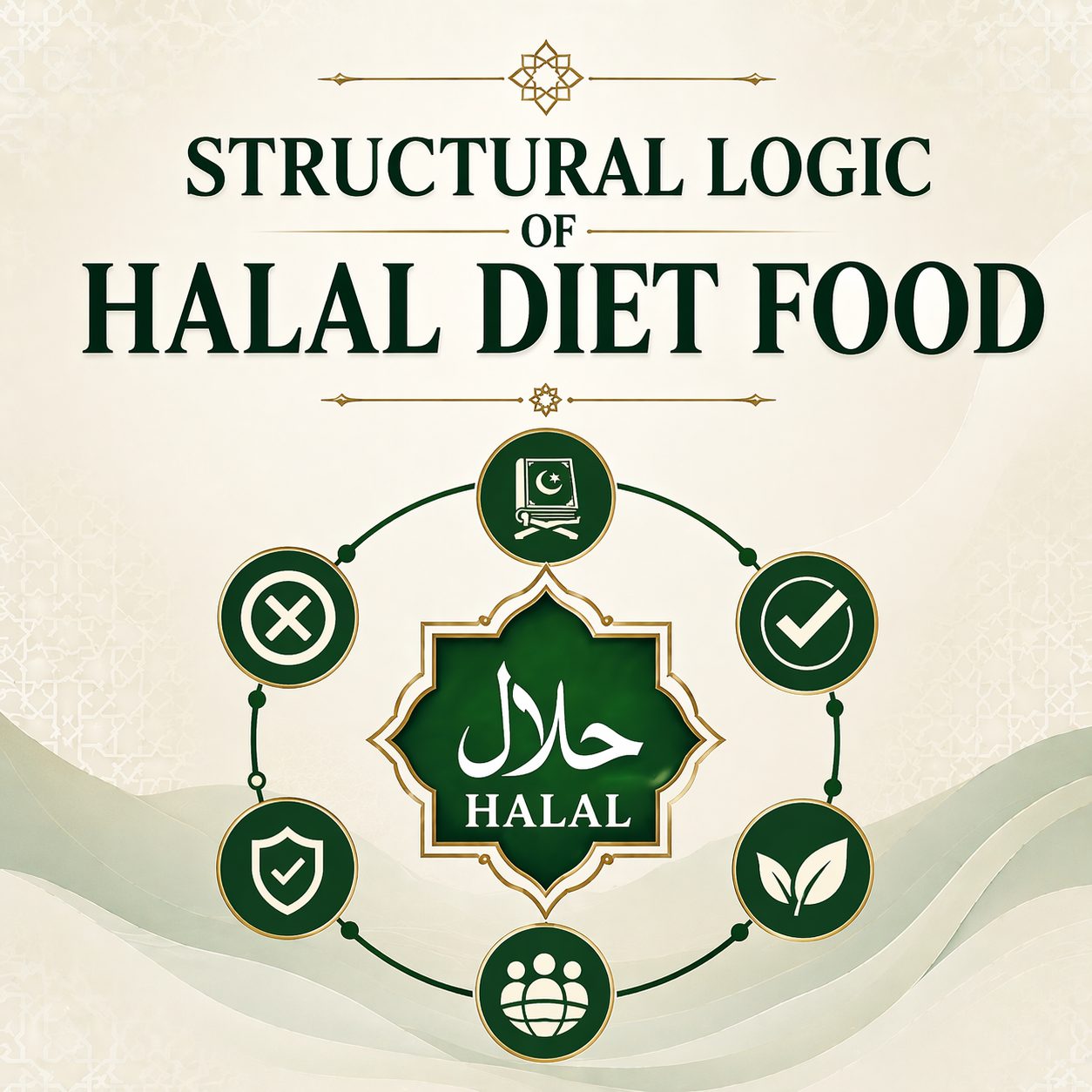
Halal diet food follows a clear set of rules. These rules prohibit pork, blood-based products, alcohol, and animals not slaughtered according to tazkiyah (ritual purification). What remains is a diet built on lean meats, poultry, fish, legumes, vegetables, grains, and dairy. This structure closely aligns with dietary patterns linked to lower rates of early death in long-term population studies.
The slaughter method in halal diet food — known as dhabiha — requires complete blood drainage from the carcass. As a result, the final meat product contains less heme iron. This matters because high dietary heme iron raises oxidative stress and damages blood vessel walls, which speeds up atherosclerosis. The American Heart Association identifies oxidative stress as a primary driver of heart disease, making this feature of halal food preparation clinically relevant.
Halal diet food also removes alcohol entirely. Even moderate drinking suppresses deep sleep cycles, raises morning cortisol, and weakens prefrontal cortex function the next day. By eliminating alcohol, halal dietary patterns remove one of the most overlooked variables in executive cognitive decline. This single structural feature alone carries measurable performance consequences for high-output professionals.
Halal Diet Food and Protein Quality for Muscle Preservation
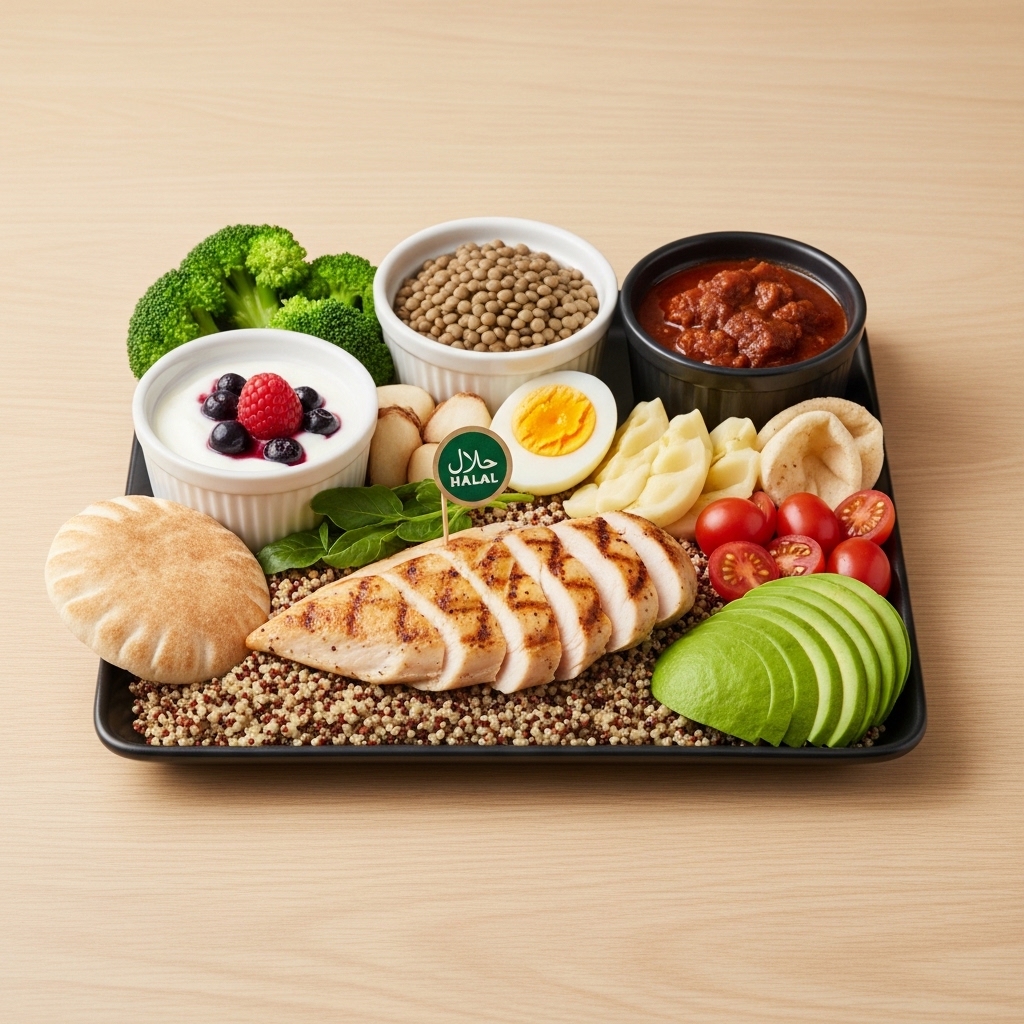
Halal diet food delivers complete amino acid profiles through certified poultry, lamb, beef, and fish. These proteins support muscle protein synthesis and directly help prevent sarcopenia — the gradual loss of muscle mass that begins around age 35. The National Institutes of Health links sarcopenia to higher death rates, lower insulin sensitivity, and reduced physical capacity as adults age.
Furthermore, the leucine content in halal-compliant meats activates the mTORC1 pathway, which signals the body to build muscle. Grass-fed and pasture-raised halal beef and lamb also carry higher levels of conjugated linoleic acid (CLA) and omega-3 fatty acids. Both compounds lower body-wide inflammation and support healthier lipid panels. For executives following structured body composition protocols, these qualities make halal diet food a strong nutritional foundation.
In addition, fish within halal diet food provides EPA and DHA — long-chain omega-3 fats with strong evidence for heart and brain protection. Research from Harvard T.H. Chan School of Public Health consistently links higher omega-3 intake to lower triglyceride levels, better blood vessel function, and slower cognitive decline in mid-career professionals. Regular oily fish consumption within a halal dietary pattern delivers a clinically meaningful dose of these brain-protecting compounds.
Inflammatory Markers and Halal Diet Food
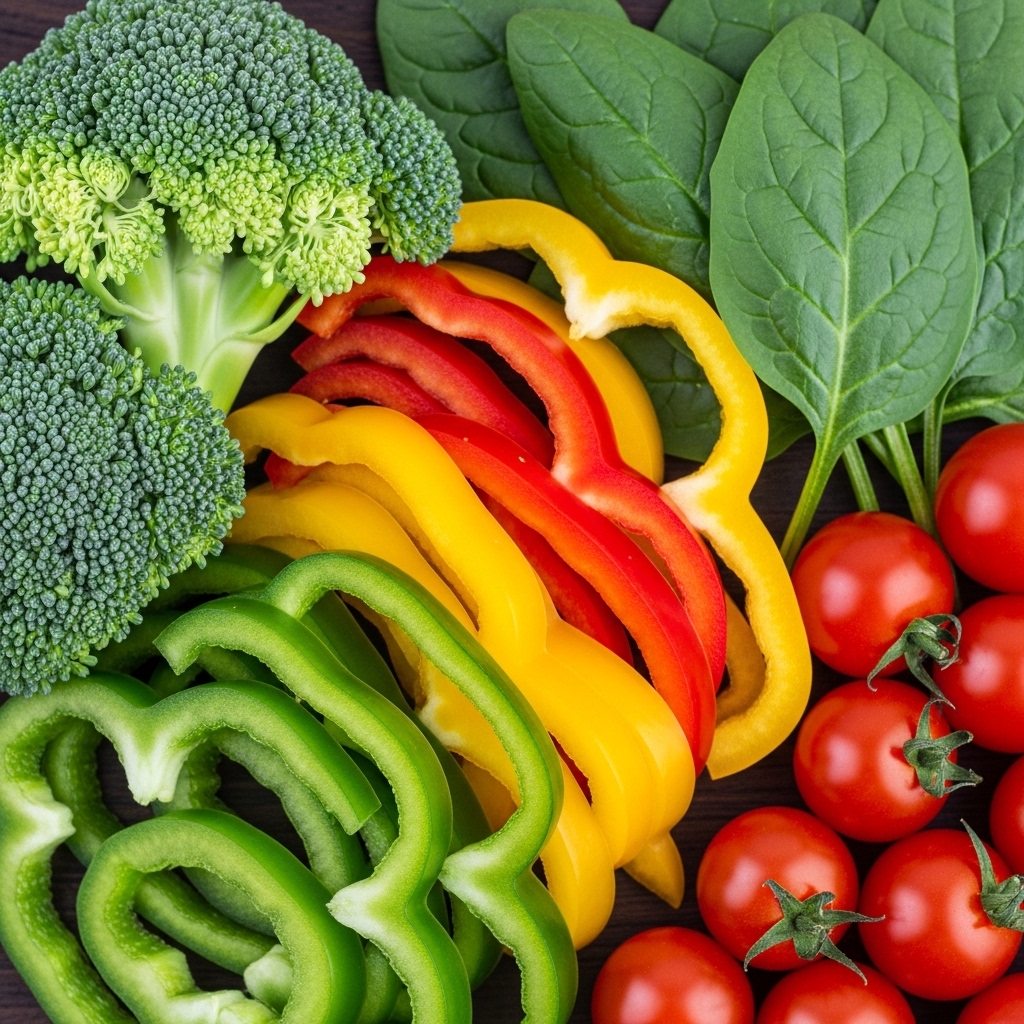
Ongoing low-grade inflammation — tracked through C-reactive protein (CRP), interleukin-6 (IL-6), and TNF-α — speeds up biological ageing. Halal diet food removes processed pork, cured meats, and alcohol from daily intake. Each of these inputs raises inflammatory signalling in the body. Their removal creates a lower inflammatory baseline, which benefits arterial health and brain cell regeneration over time.
Moreover, Harvard's Nurses' Health Study and Health Professionals Follow-Up Study both document the link between processed meat and higher inflammatory markers. Processed meats contain nitrates, advanced glycation end-products (AGEs), and heterocyclic amines — all of which raise CRP and increase colorectal cancer risk. Halal diet food standards prohibit pork-derived ingredients and set stricter sourcing rules that cut exposure to these compounds.
The glycaemic load of well-planned halal diet food also carries clinical weight. Because the framework favours whole grains, legumes, and vegetables, blood sugar responses after meals stay more stable. Research in Diabetologia shows that post-meal blood sugar spikes independently predict cardiovascular events. Keeping these spikes low through halal dietary choices reduces long-term strain on insulin-producing cells and supports lasting metabolic resilience.
Halal Diet Food and Cardiovascular Risk
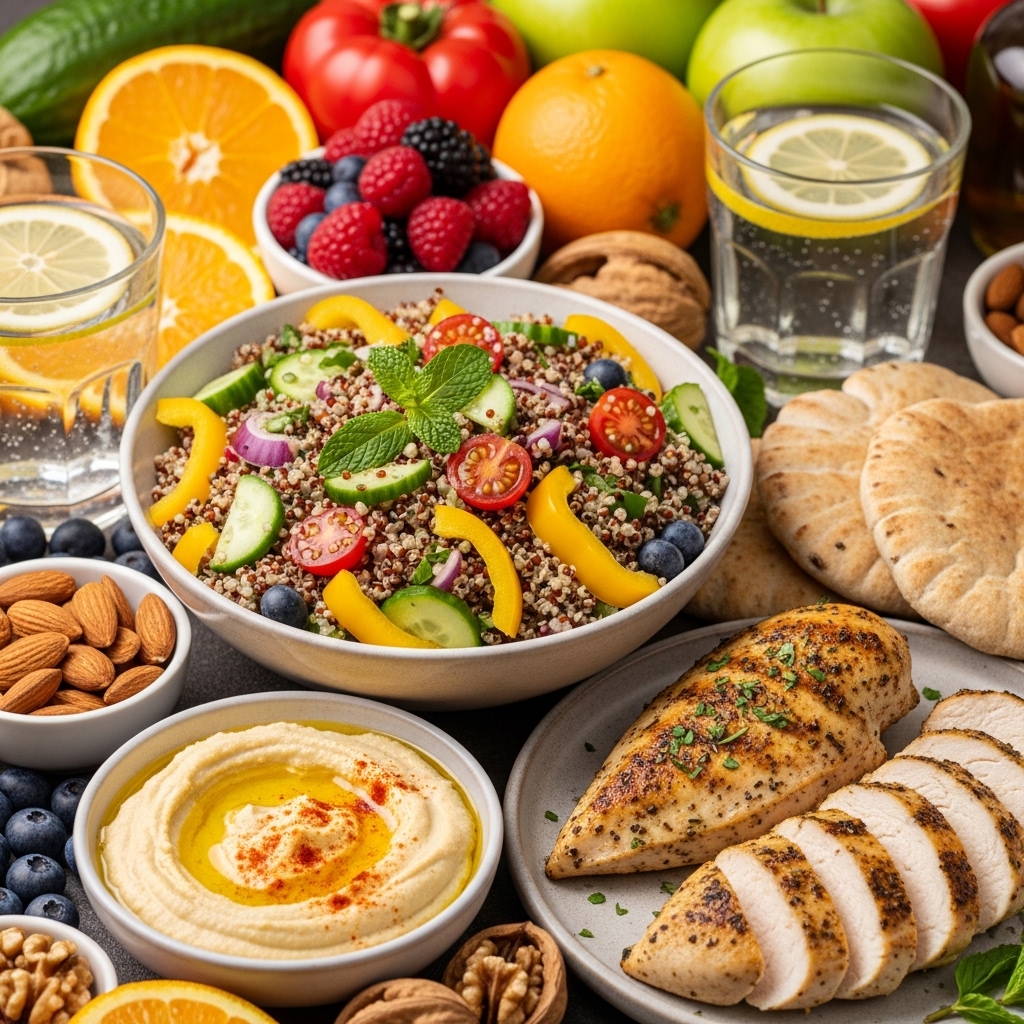
Heart disease remains the leading cause of death in adults aged 40 to 65. Diet ranks among the most changeable risk factors in this equation. Halal diet food, followed with nutritional intention rather than compliance alone, produces a food environment low in trans fats, processed lipids, and inflammatory additives. The Framingham Heart Study identified dietary fat quality and inflammatory load as primary long-term predictors of heart disease risk.
Executives in this age group often focus on lipid panel results. Clinicians now use LDL particle size, lipoprotein(a), and triglyceride-to-HDL ratios as more precise risk markers than total cholesterol alone. Halal diet food that limits processed fats while including oily fish, olive oil, and legumes aligns with interventions shown in controlled trials to reduce the smallest, most harmful LDL particles — those most strongly linked to plaque build-up and arterial hardening.
Additionally, halal-certified production restricts lard and pork-derived emulsifiers — both common sources of palmitic acid, a saturated fat that reduces the liver's ability to clear LDL from the blood. Each individual change produces a modest effect on its own. However, a dietary framework that removes several cardiovascular risk inputs at once creates a meaningful cumulative benefit. This is especially relevant for professionals managing elevated apolipoprotein B or a family history of heart disease.
READ ALSO: Jamaican Diet: Energizing Foods for a Restful Life
Metabolic Function Within Halal Diet Food Patterns
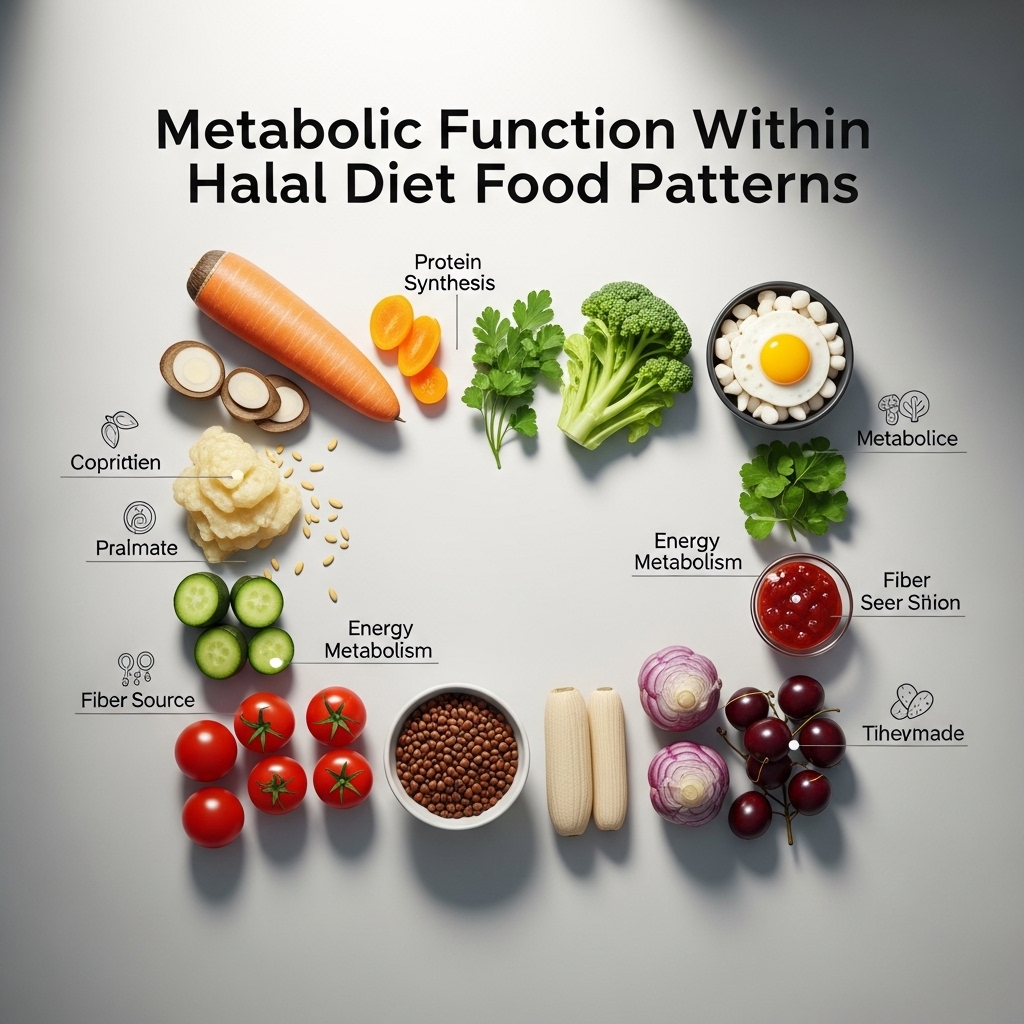
Insulin resistance underlies type 2 diabetes, fatty liver disease, and metabolic syndrome. It also serves as one of the earliest measurable signs of accelerated biological ageing. Halal diet food — built on lean proteins, legumes, vegetables, and complex carbohydrates — mirrors the nutritional interventions most consistently linked to better insulin sensitivity in clinical research.
Beyond protein quality, alcohol elimination through halal diet food directly supports metabolic health. Even moderate drinking impairs how the liver regulates blood sugar and promotes fat storage around the abdominal organs. This visceral fat secretes adipokines — including resistin and leptin — that directly block insulin signalling. Removing this variable entirely, rather than reducing it partially, creates meaningfully better conditions for metabolic balance.
Executives managing high workloads carry chronically elevated cortisol — a hormone that raises blood sugar and promotes abdominal fat storage. Halal diet food centred on whole foods, lean protein, and low-glycaemic index carbohydrates does not suppress cortisol directly. However, it reduces a key dietary input that compounds cortisol-driven metabolic damage. Emerging research suggests that dietary choices can partially offset the metabolic consequences of chronic stress, making this interaction practically relevant for high-output professionals.
READ ALSO: Kosher Diet Foods for a Healthier, More Grateful You
Sleep Quality and Recovery in Halal Diet Food Adherence
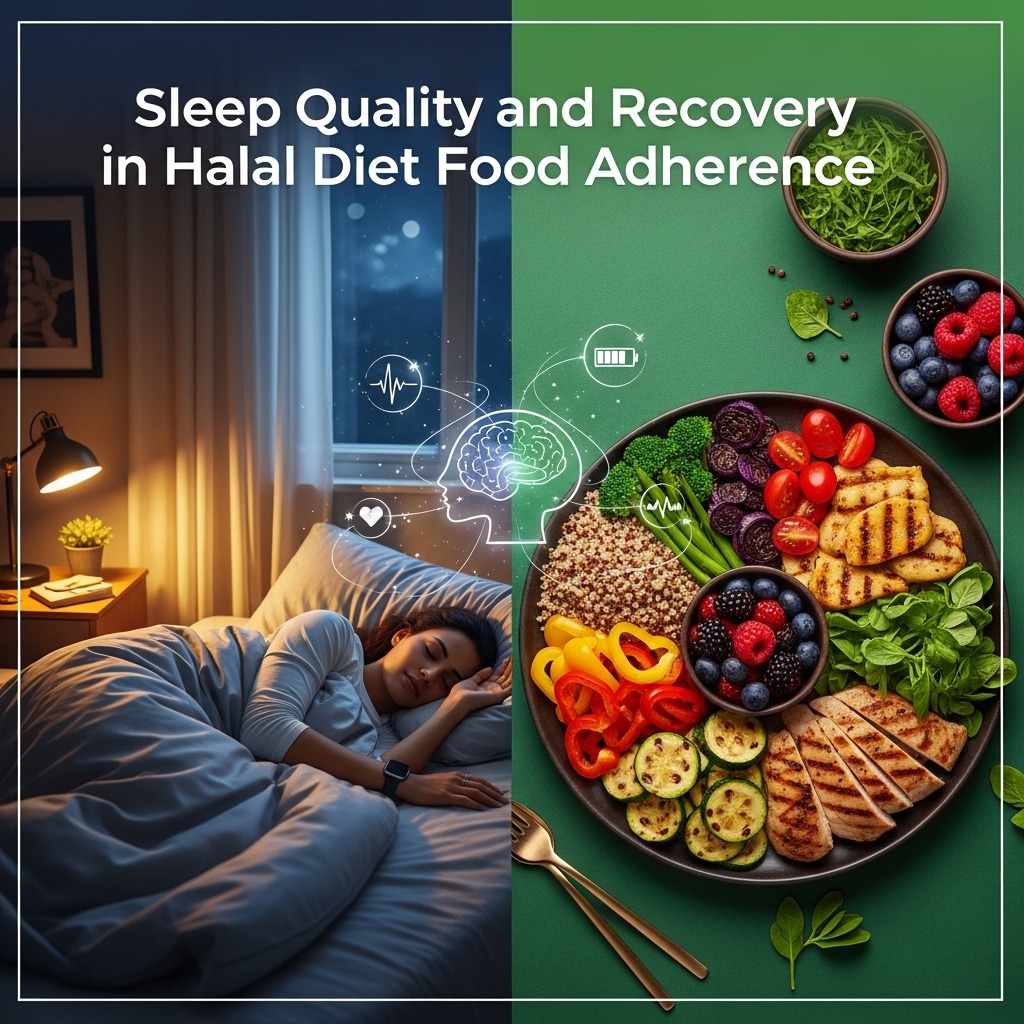
Sleep quality directly drives cognitive performance, immune function, and the speed of biological ageing. Diet affects sleep through serotonin-melatonin production, overnight blood sugar stability, and gut health. Halal diet food removes alcohol — one of the most clinically documented dietary disruptors of deep sleep and REM cycles — and replaces it with whole food sources that support overnight recovery.
Tryptophan — found in poultry, lamb, fish, and dairy, all central to halal diet food — is the raw material the body uses to make both serotonin and melatonin. Research in the Journal of Sleep Research links adequate dietary tryptophan to faster sleep onset and better cortisol suppression during the night. As a result, a halal dietary pattern with consistent protein variety supports sleep quality through nutritional means rather than supplementation alone.
Furthermore, halal-certified products restrict processed additives and artificial preservatives. This matters because gut bacteria produce approximately 90% of the body's serotonin, and gut dysbiosis — microbial imbalance — links to disrupted sleep, higher anxiety, and more inflammation. The lower additive load and higher whole food density of halal diet food therefore provides a plausible basis for gut health benefits, though this area continues to develop in the clinical literature.
READ ALSO: Peruvian Diet and Nourishing Foods for Balanced Energy
Evidence-Based Applications of Halal Diet Food for High-Performing Professionals
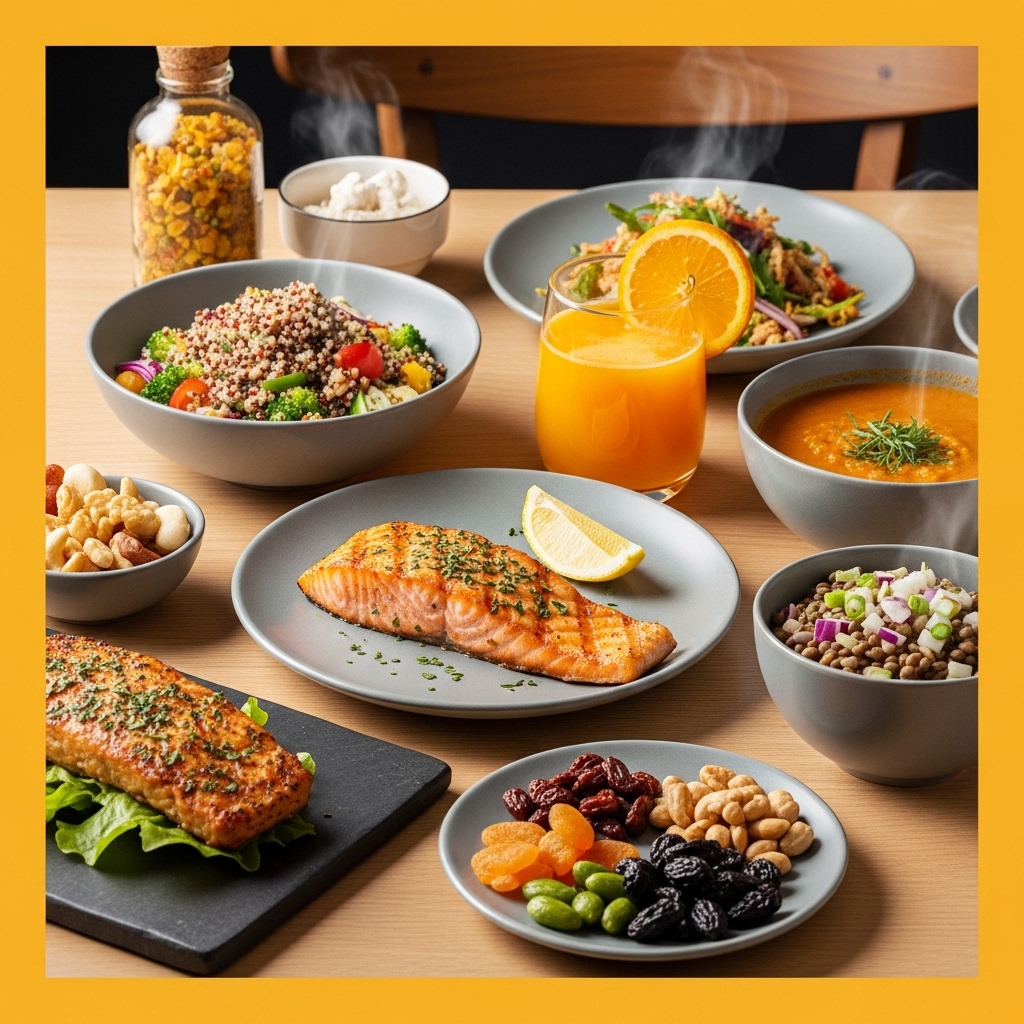
Professionals considering halal diet food as a structured nutrition protocol have several evidence-supported starting points. First, switching to halal-certified lean proteins — including grass-fed beef, free-range poultry, and oily fish — reduces exposure to inflammatory fats and raises amino acid availability for muscle repair. Second, removing alcohol eliminates a direct disruptor of sleep, cortisol balance, and liver function. Third, anchoring carbohydrate choices to whole grains, legumes, and vegetables within halal diet food principles reduces post-meal blood sugar swings and long-term glycaemic strain. Finally, professionals with access to clinical monitoring can track these dietary shifts through CRP, fasting insulin, triglyceride-to-HDL ratio, and HbA1c — the markers most responsive to dietary change over a 12-to-16-week period.
UP NEXT: Daily Dietary Choices That Reshape Gut Microbiome Balance and Systemic Inflammatory Response
How This Affects Your Biological Age
Consistent adherence to halal diet food principles — particularly the elimination of alcohol, reduction of inflammatory processed meats, and prioritisation of lean proteins and low-glycaemic carbohydrates — has been associated with lower C-reactive protein levels and improved insulin sensitivity, two biomarkers that large-scale longitudinal studies directly link to slower biological ageing and reduced all-cause mortality risk. WholeLiving's Biological Age Estimation Model incorporates this factor directly — your assessment takes under five minutes.
Ready to understand how these factors are influencing your biological age right now? [Take the Biological Age Assessment →]