
Dietary structure — the rules governing what is eaten, how it is prepared, and which food combinations are permitted — has measurable consequences for metabolic function, inflammatory load, and long-term cardiovascular risk. The kosher dietary framework, observed for religious reasons by millions and increasingly examined for its physiological implications, imposes a degree of food categorization and preparation discipline that produces identifiable nutritional patterns. For executives and founders evaluating dietary protocols through a performance and longevity lens, kosher diet foods warrant clinical scrutiny: the framework's inherent restrictions on certain fats, its separation of animal proteins from dairy, and its emphasis on supervised food sourcing create a dietary environment with quantifiable effects on lipid profiles and systemic inflammation.
What Defines a Kosher Dietary Framework
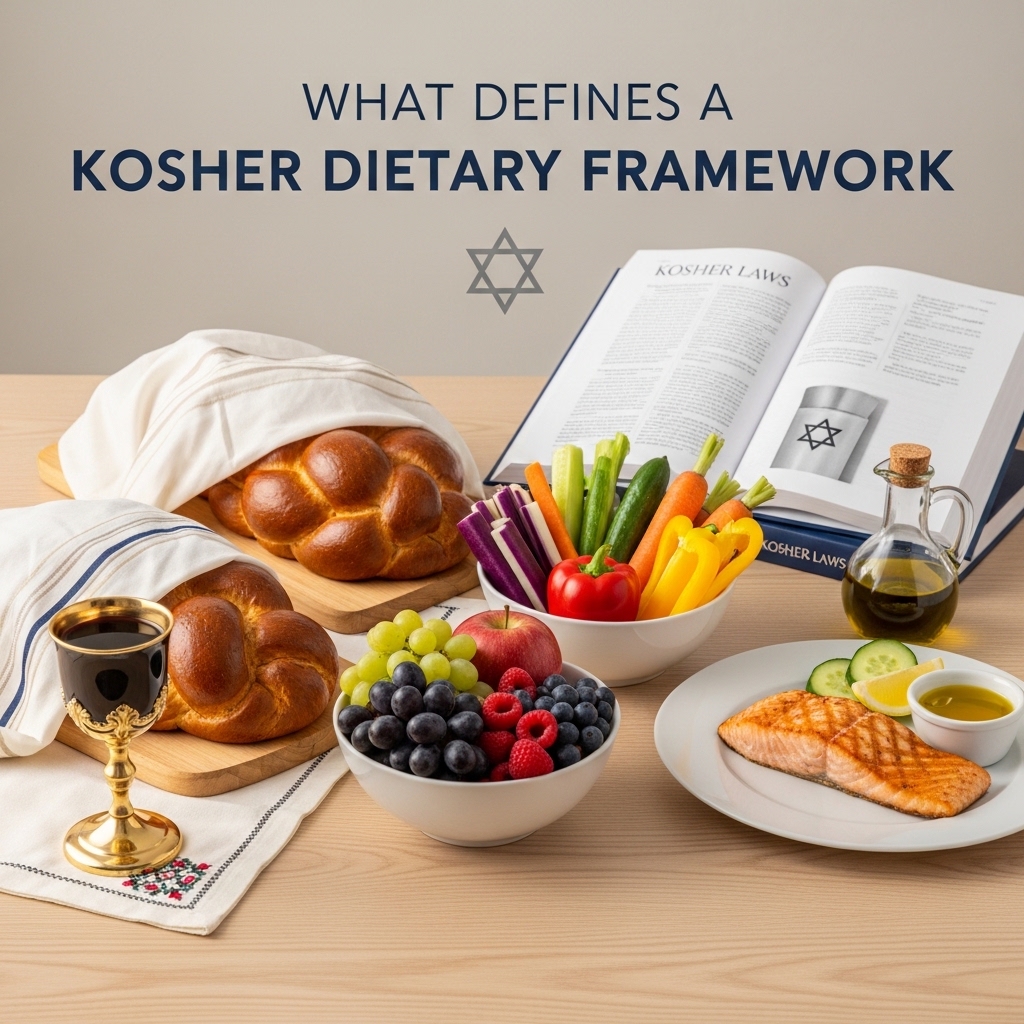
The term kosher derives from the Hebrew word meaning “fit” or “proper.” In dietary terms, it refers to a set of laws — collectively known as kashrut — that govern which foods are permitted, how they are prepared, and how they are combined. These laws originate in the Torah and draw on centuries of rabbinical interpretation. For nutritional analysis, kashrut functions as a structured dietary framework with consistent, enforceable rules.
The core categories divide foods into three groups: fleishig (meat), milchig (dairy), and pareve (neutral — neither meat nor dairy). Meat and dairy may not be eaten together. Additionally, separate utensils, cookware, and preparation surfaces are required for each. Permitted animals must meet specific criteria and undergo a supervised slaughter process known as shechita, which includes salting to draw out blood — a step relevant to sodium content in clinical contexts.
Pareve foods — including fish, eggs, fruits, vegetables, and grains — pair with either meat or dairy meals. This three-part structure creates meal patterns that differ meaningfully from standard Western diets. As a result, the enforced separation of protein sources and the restriction of certain animal fats produce a dietary environment that researchers have begun to examine for metabolic and cardiovascular relevance.
The Fat Profile of Kosher Meat Consumption
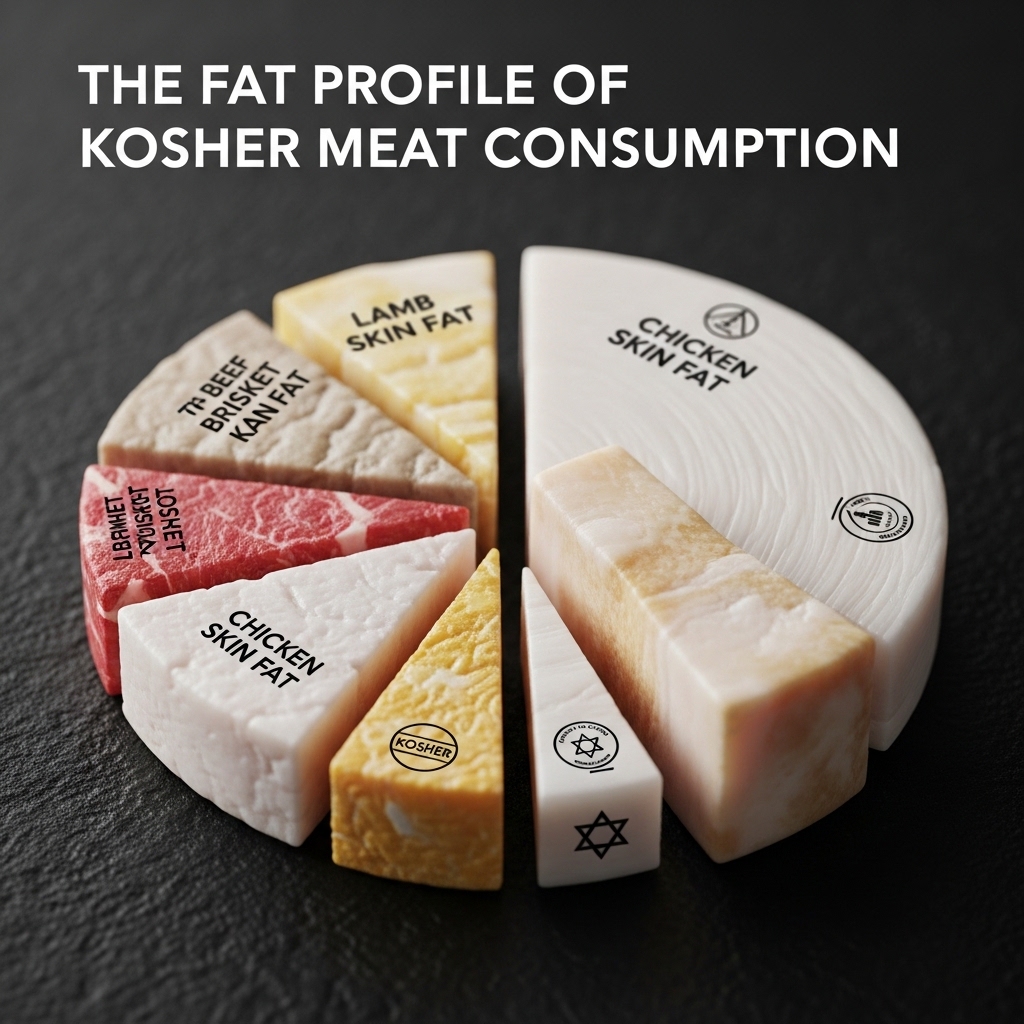
One of the more clinically relevant features of kosher meat preparation is the removal of certain fats. Kosher law prohibits the consumption of chelev — specific internal fats surrounding the organs and parts of the hindquarters. Consequently, this restriction reduces intake of some saturated fatty acids compared to non-kosher cuts from the same animal.
The American Heart Association maintains that replacing saturated fat with unsaturated fat sources reduces LDL cholesterol and lowers cardiovascular event risk. To that extent, kosher meat preparation — by removing certain saturated fat fractions — may carry a modest but measurable lipid benefit for regular observers of kashrut. However, the size of this benefit varies by cut and preparation method.
Kosher certification alone does not guarantee a low-fat diet. In fact, kosher processed foods can be high in refined carbohydrates, sodium, and industrial seed oils. The fat-reduction benefit therefore applies specifically to whole kosher meat cuts prepared by traditional methods — not to the broader kosher food market, which includes a wide range of processed products.
Dairy Separation and Its Metabolic Implications
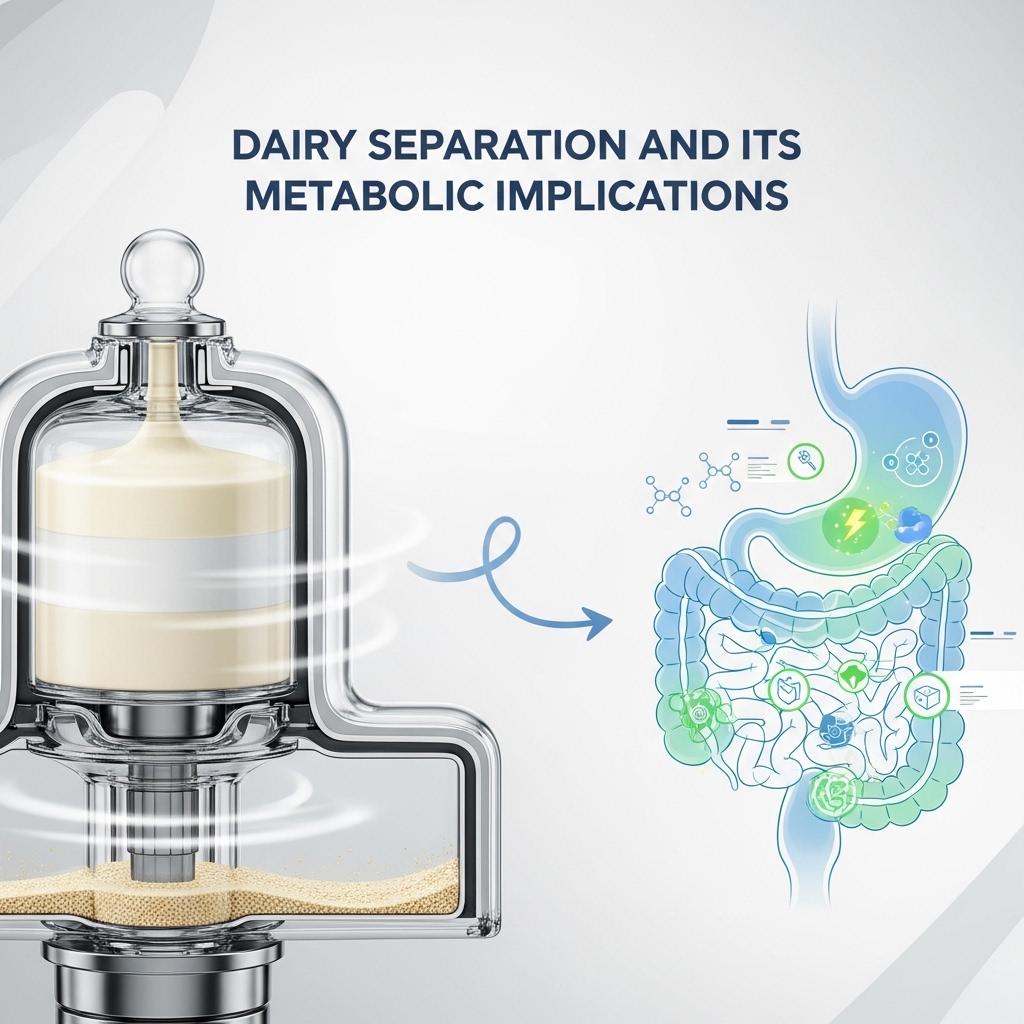
The prohibition on combining meat and dairy changes meal composition in ways that extend beyond religious intent. Meat meals tend to be higher in protein and lower in saturated dairy fat. By contrast, dairy meals tend to be lower in iron-containing animal protein and higher in calcium. Each meal type carries a distinct macronutrient profile.
This separation may influence postprandial — post-meal — metabolic responses. Specifically, meal composition affects insulin response, triglyceride clearance, and gastric emptying rate. The resulting pattern — alternating high-protein, dairy-free meals with dairy-containing, meat-free meals — aligns with certain principles of protein cycling found in performance nutrition research.
The calcium-protein interaction also warrants attention. When dairy is consumed separately from high-iron meat, calcium absorption may improve. This matters because heme iron and calcium compete for absorption through overlapping intestinal pathways. For professionals monitoring bone density and osteoporosis risk — relevant from the fifth decade onward — this structural meal separation may therefore offer a subtle but compounding benefit.
Kosher Fish: Omega-3 Intake and Cardiovascular Relevance
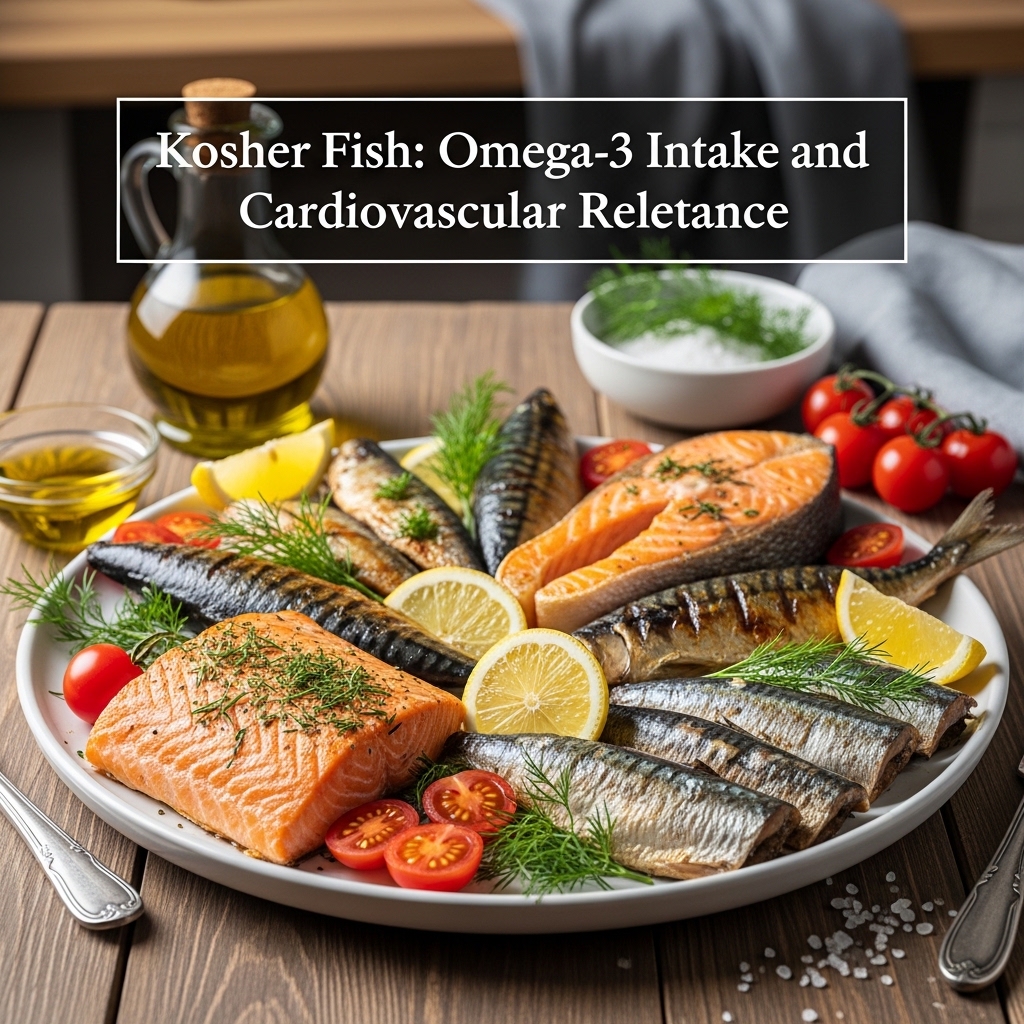
Kosher law permits only fish with both fins and scales. This rule excludes shellfish but preserves full access to the most clinically significant species: salmon, sardines, mackerel, herring, and tuna. All of these are rich sources of omega-3 fatty acids — specifically EPA (eicosapentaenoic acid) and DHA (docosahexaenoic acid).
Research published in the Journal of the American College of Cardiology links higher EPA and DHA consumption to reduced triglyceride levels, improved endothelial function, and lower rates of fatal cardiac events. Furthermore, the kosher framework excludes shellfish while preserving access to these high-value fatty fish. As a result, omega-3 availability within the kosher diet remains strong.
DHA is also the primary structural fat of the brain. Consequently, adequate intake associates with preserved cognitive function, reduced neuroinflammation, and lower risk of age-related cognitive decline. For professionals tracking cognitive longevity, the fish permitted under kosher law therefore represent a nutritionally dense protein category with strong clinical backing.
Produce and Grain Consumption Within Kosher Eating Patterns
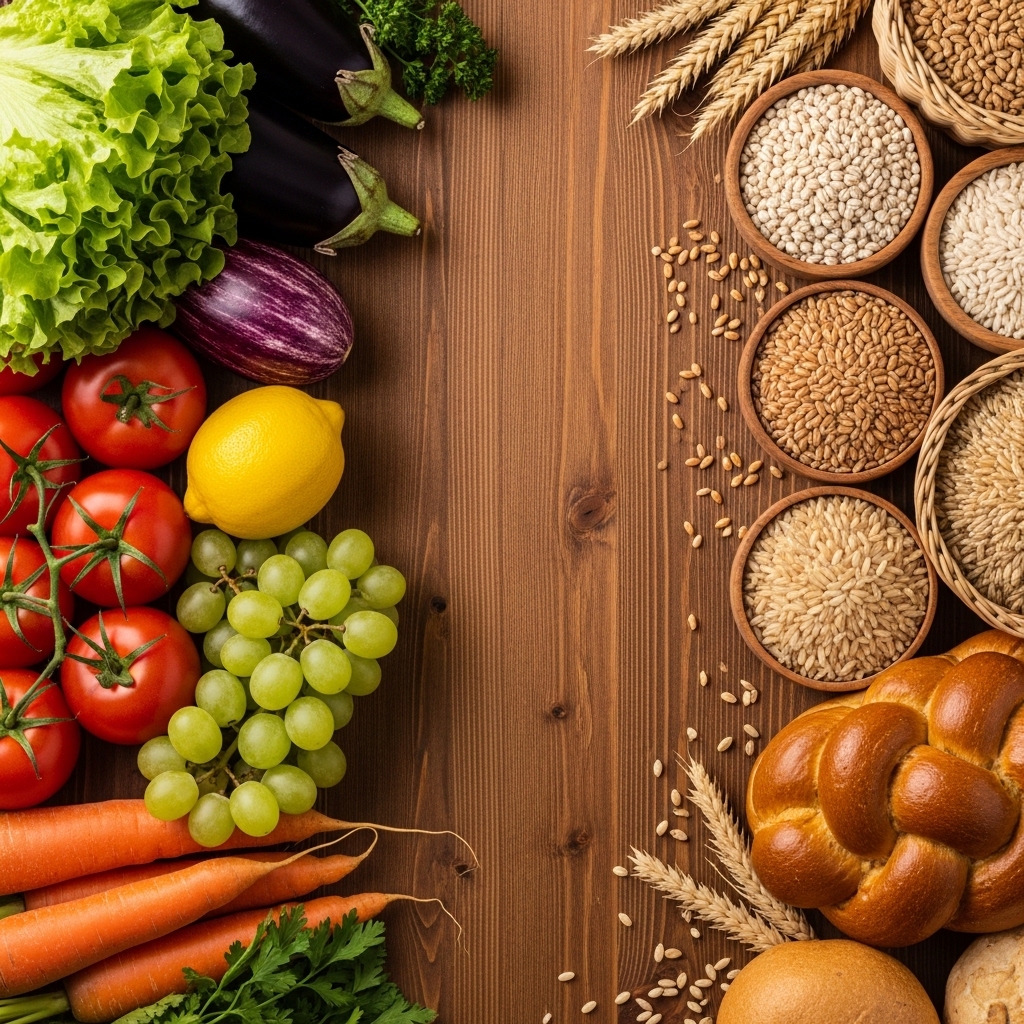
All fruits, vegetables, and grains are inherently kosher, though they require inspection for insects. This practice encourages closer engagement with whole food sourcing. As a result, observant individuals tend to consume more whole, unprocessed plant foods compared to those following less structured dietary patterns.
Data from the Harvard T.H. Chan School of Public Health links greater produce consumption to lower all-cause mortality, reduced oxidative stress markers, and slower biological aging. The underlying mechanisms include higher polyphenol intake, greater dietary fiber, and improved gut microbiome diversity. Each of these variables carries downstream effects on inflammation and metabolic function.
Grain consumption varies by tradition. Ashkenazi customs differ from Sephardic ones — particularly during Passover, when leavened grain products are prohibited. This elimination of chametz (leavened foods) functions as a short-term reduction in processed carbohydrate intake. Repeated annually, it therefore represents a form of structured dietary change with potential metabolic relevance.
Passover, Dietary Restriction, and Metabolic Reset
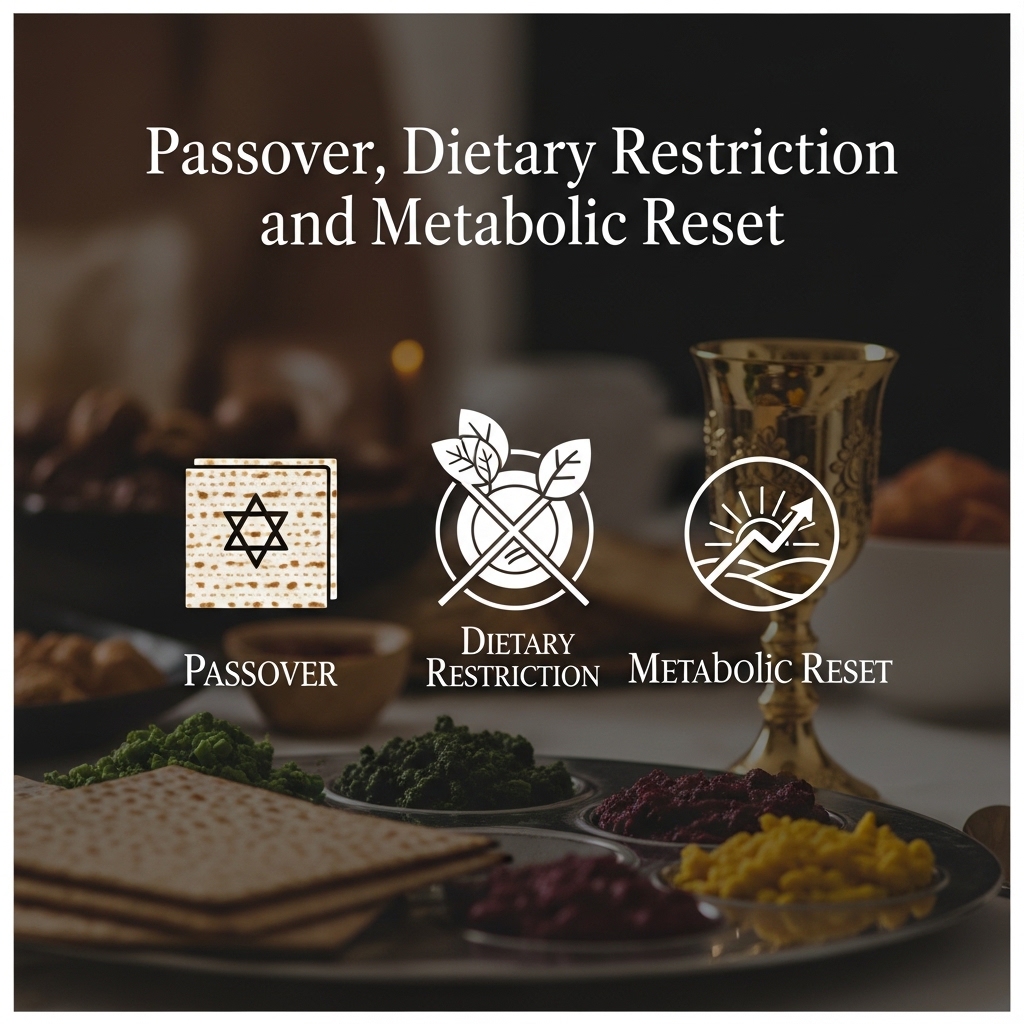
The Passover period — typically eight days — eliminates all leavened grain products. For Ashkenazi observers, legumes and certain grains face exclusion as well. What remains is a diet centered on eggs, meat, fish, vegetables, fruits, nuts, and unleavened products from permitted ingredients. Consequently, processed carbohydrate and refined sugar intake drops sharply.
Short-term restriction of refined carbohydrates produces documented effects on fasting insulin, blood glucose variability, and triglyceride levels. Eight days alone does not produce lasting metabolic change. However, cyclical periods of reduced carbohydrate load — repeated annually — may reduce cumulative refined carbohydrate exposure over decades.
For professionals tracking continuous glucose monitoring data or HbA1c trends, Passover offers a natural annual window for observing dietary responses. Biomarker changes during and after this period can reveal useful personal data on carbohydrate sensitivity. That data directly relates to metabolic age and insulin-related cardiovascular risk.
READ ALSO: Nutrition for Muscle Growth and Fat Loss: A Balanced Approach
Food Sourcing, Supervision, and Ultra-Processed Food Exposure

Kosher certification requires ongoing supervision of production facilities, ingredient sourcing, and preparation processes. This infrastructure creates a degree of ingredient transparency. Specifically, kosher-certified products undergo scrutiny that can limit certain additives, animal-derived processing agents, and undisclosed ingredient combinations.
That said, this does not make kosher food inherently healthier. The kosher food market includes a substantial volume of ultra-processed foods — products high in refined ingredients, artificial additives, and caloric density. These carry the same metabolic risks as their non-kosher counterparts. The certification reflects religious compliance, not nutritional quality.
For professionals who prioritize food sourcing transparency, kosher certification can serve as one marker of supply chain oversight. However, the framework only supports a nutritionally dense diet when combined with a focus on whole foods — meat, fish, eggs, produce, and minimally processed grains. Ultimately, food selection within the framework determines the outcome.
Inflammatory Load and the Kosher Dietary Pattern
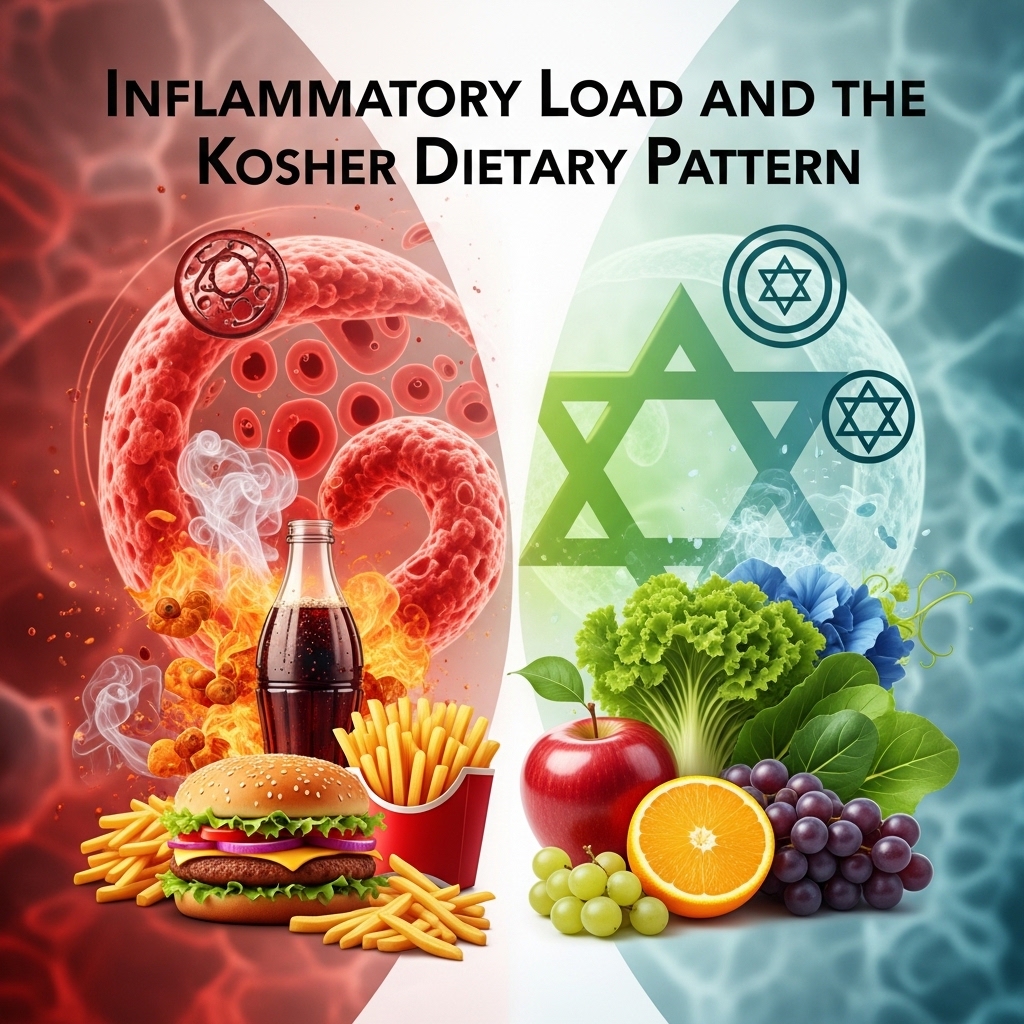
Systemic inflammation ranks among the most clinically significant variables in biological aging. Elevated C-reactive protein (CRP), interleukin-6 (IL-6), and tumor necrosis factor-alpha (TNF-α) all associate with faster cellular aging, cardiovascular disease, and metabolic dysfunction. Moreover, diet remains one of the most modifiable drivers of chronic inflammatory load.
A kosher diet built around whole permitted foods — fatty fish, lean meats, eggs, fruits, vegetables, and whole grains — closely resembles the Mediterranean dietary pattern. Research in The Lancet and Nature Medicine consistently links Mediterranean-style eating to lower CRP, improved endothelial function, and reduced cardiovascular mortality across large population studies.
Whether a kosher diet achieves these outcomes, however, depends entirely on food selection. A kosher diet centered on processed meats, refined grains, and high-sodium packaged foods produces an inflammatory profile no different from any low-quality Western diet. The framework creates the structural conditions for anti-inflammatory eating — but deliberate food choices determine whether those conditions translate into measurable benefit.
READ ALSO: Nutrition for Lean Muscle Growth: Fuel Your Body Right
Practical Alignment Between Kosher Structure and Longevity Nutrition
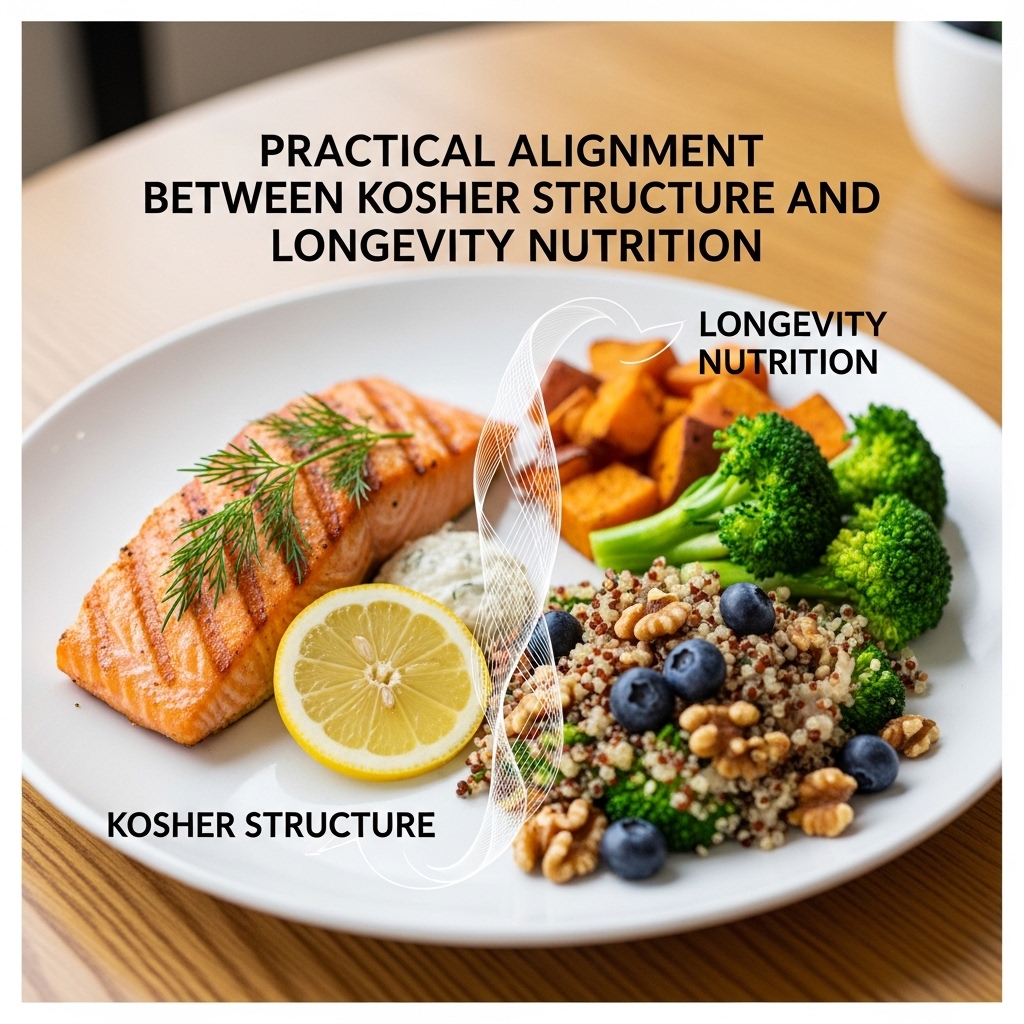
Several features of traditional kosher eating align directly with current longevity nutrition research. The meat-dairy separation limits the combination of saturated animal fat with refined carbohydrates in a single meal. That combination associates with elevated postprandial triglycerides and oxidative stress. Avoiding it consistently — even for structural rather than health reasons — produces a measurable dietary effect over time.
Furthermore, the emphasis on traceable animal products supports protein quality. The inclusion of fatty fish within permitted foods supports omega-3 adequacy. These structural alignments carry the most relevance when the diet centers on whole, minimally processed kosher foods rather than certified packaged products.
The processed kosher food market is where the framework's health alignment breaks down. Packaged kosher products carry the same risks as any ultra-processed food category. Treating kosher certification as a proxy for nutritional quality is therefore a clinical error. The framework provides structure — but outcomes depend on the choices made within it.
READ ALSO: Weight Loss Nutrition Strategies for Executives to Improve Insulin Sensitivity and Preserve Metabolic Performance
Evidence-Based Options for the Informed Professional

For professionals evaluating kosher diet foods through a longevity lens, the evidence points toward a clear set of options. Building meals around permitted fatty fish — salmon, sardines, mackerel — maximizes omega-3 intake and directly supports cardiovascular and cognitive longevity variables. Using the meat-dairy separation as a deliberate meal structure tool creates natural opportunities for high-protein, lower-fat meals alongside calcium-rich, plant-forward dairy meals. Additionally, tracking biomarker responses during the Passover restriction period can generate useful personal data on carbohydrate sensitivity and metabolic flexibility. Prioritizing whole, minimally processed foods within the kosher framework — rather than treating certification as a nutritional quality signal — remains the variable that most determines whether the diet produces favorable inflammatory and metabolic outcomes. Finally, consulting a registered dietitian with experience in both clinical nutrition and kashrut can support a dietary protocol that is both compliant and optimized for the specific longevity variables most relevant to the individual's biomarker profile.
UP NEXT: Raw Nutrition and Its Impact on Glycemic Control Mitochondrial Function and Biological Aging Trajectories
How This Affects Your Biological Age
Dietary pattern quality — including the structured food separation, whole food emphasis, and omega-3 density characteristic of traditional kosher eating — is one of the most direct modifiable inputs into inflammatory load and metabolic function, two variables that large-scale studies consistently link to biological age differences of three to seven years between high-quality and low-quality dietary patterns. WholeLiving's Biological Age Estimation Model incorporates this factor directly — your assessment takes under five minutes.
Ready to understand how these factors are influencing your biological age right now? [Take the Biological Age Assessment →]