
For high-performing professionals, nutritional inputs directly influence mitochondrial efficiency, glycemic control, and the rate of biological age progression—variables that determine sustained cognitive output and long-term metabolic resilience. Raw nutrition, defined by minimally processed, enzyme-rich food intake, has been associated with reduced postprandial glucose spikes and improved oxidative stress markers, both critical for maintaining executive-level performance. This approach is not positioned as a lifestyle preference but as a targeted intervention to support cellular energy production, stabilize cortisol regulation, and mitigate cumulative metabolic strain that accelerates cardiovascular and cognitive decline over time.
Metabolic Implications of Raw Nutrition on Glycemic Stability
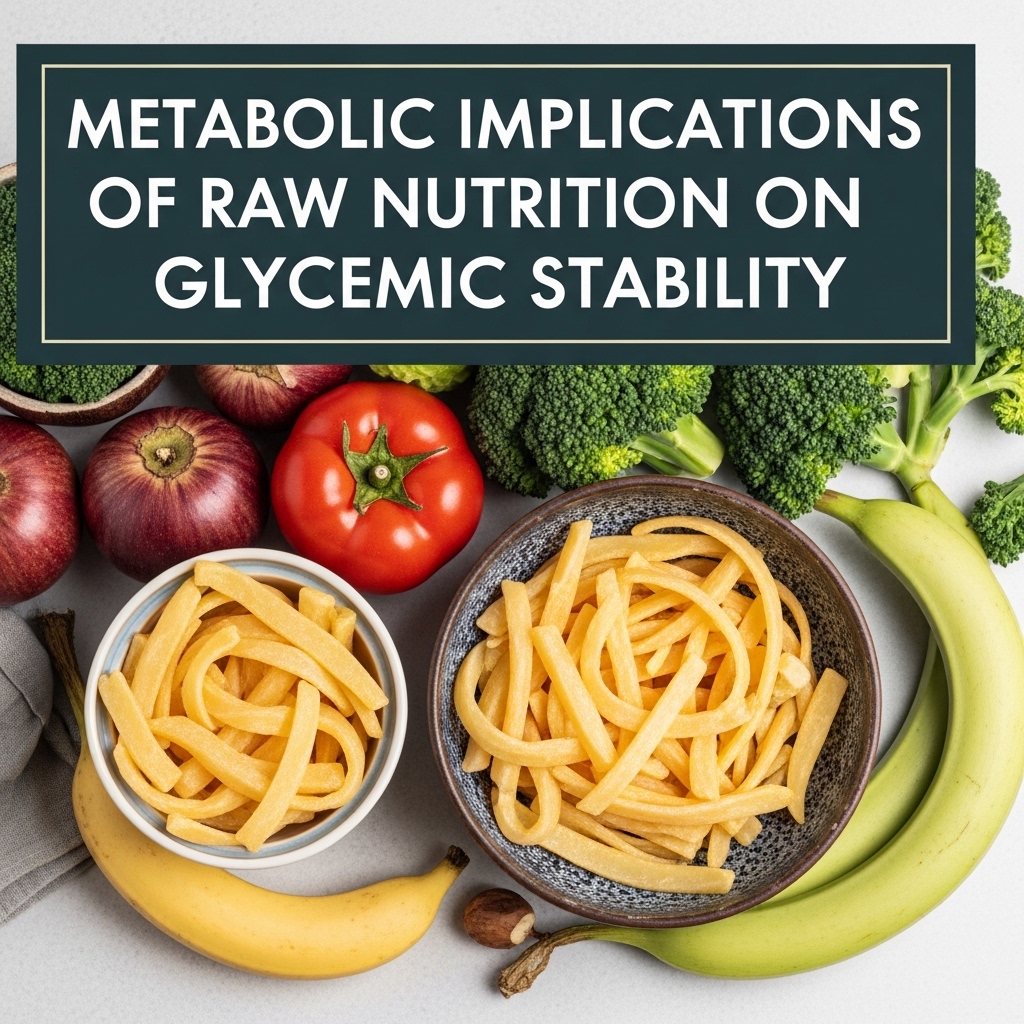
Raw nutrition shifts post-meal glucose response by focusing on fiber-rich, low-glycemic foods. These foods slow digestion and reduce glycemic spikes. As a result, the body maintains steadier blood sugar levels throughout the day.
Moreover, research from the Harvard T.H. Chan School of Public Health shows that whole, unprocessed foods improve insulin response. This pattern reduces the risk of metabolic disorders over time. In contrast, processed foods often increase glucose variability and strain metabolic function.
For high-performing professionals, stable glucose supports consistent energy and sharper thinking. On the other hand, sudden drops in glucose often lead to fatigue and poor focus. Therefore, raw nutrition plays a role in maintaining daily performance stability.
Mitochondrial Function and Cellular Energy Efficiency
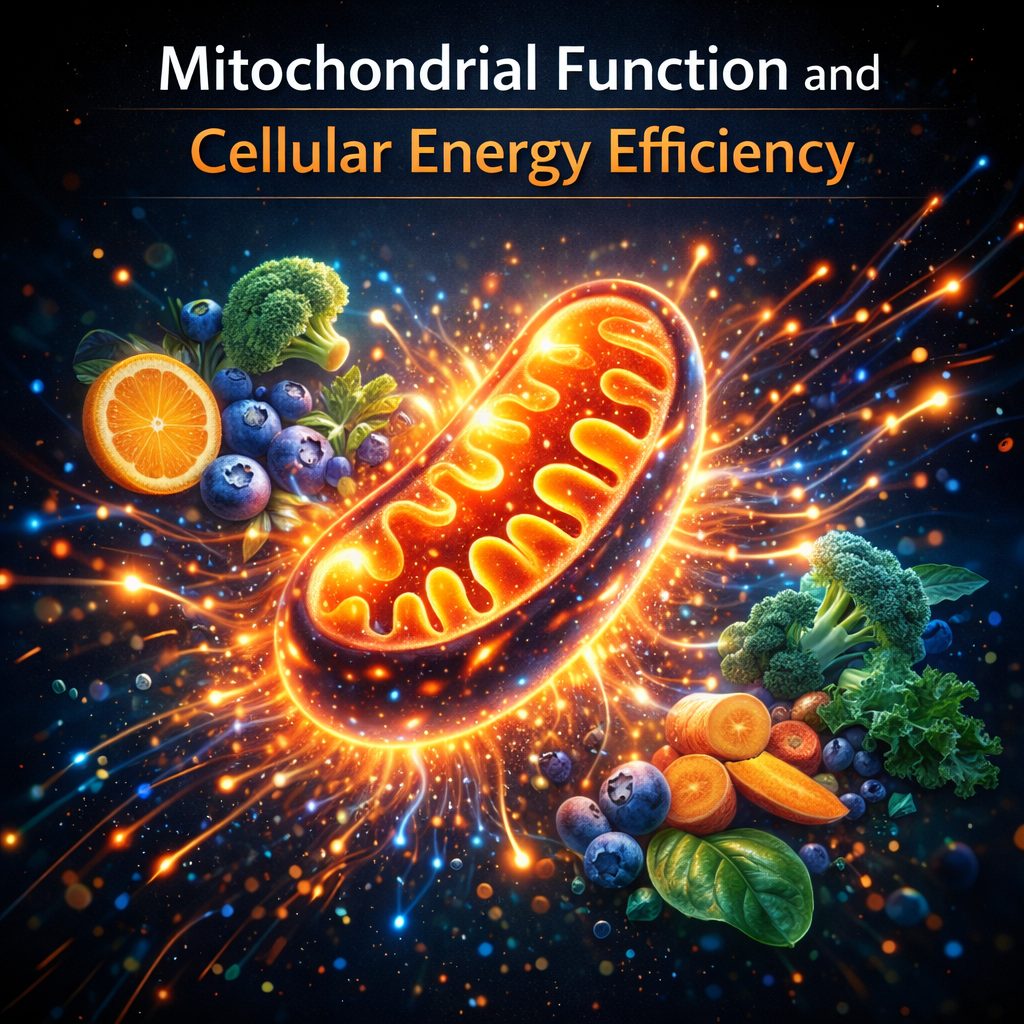
Raw nutrition supports mitochondrial health by providing antioxidants and plant compounds. These nutrients protect cells from oxidative damage. As a result, the body produces energy more efficiently.
According to the National Institutes of Health, antioxidants reduce damage to mitochondrial DNA. This protection helps maintain strong cellular energy systems. In addition, better mitochondrial function supports endurance and recovery.
For professionals under constant demand, energy efficiency matters. When mitochondria perform well, the body handles stress and workload more effectively. Therefore, raw nutrition supports long-term energy output.
Inflammatory Load and Cardiovascular Risk Markers
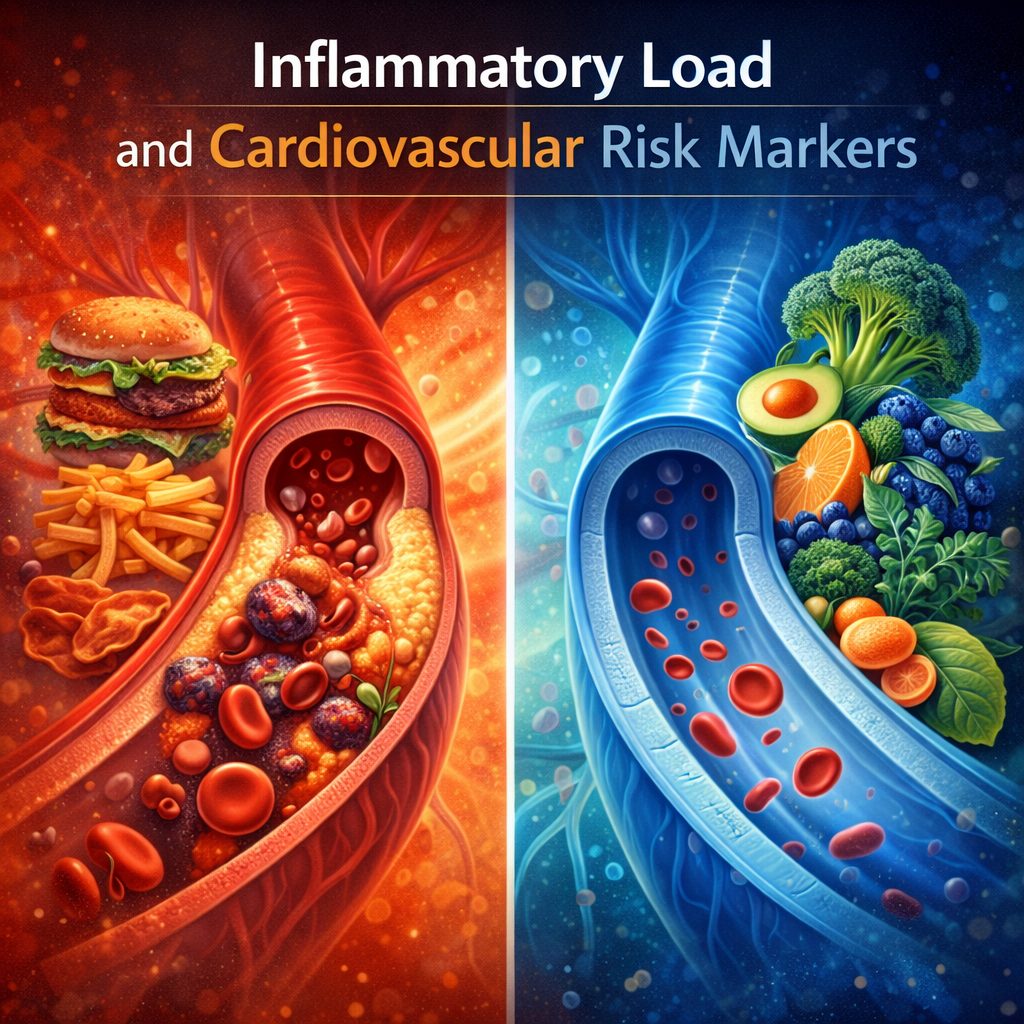
Raw nutrition lowers inflammation by increasing intake of natural plant compounds. These compounds include polyphenols and flavonoids. As a result, the body reduces levels of inflammatory markers such as C-reactive protein.
Furthermore, the American Heart Association links whole food diets to improved heart health. These diets support better cholesterol levels and blood vessel function. In contrast, processed diets often increase cardiovascular risk.
For high-performing individuals, lower inflammation supports faster recovery and better health outcomes. Chronic inflammation can damage blood vessels over time. Therefore, raw nutrition helps protect cardiovascular function.
Cortisol Regulation and Stress Physiology
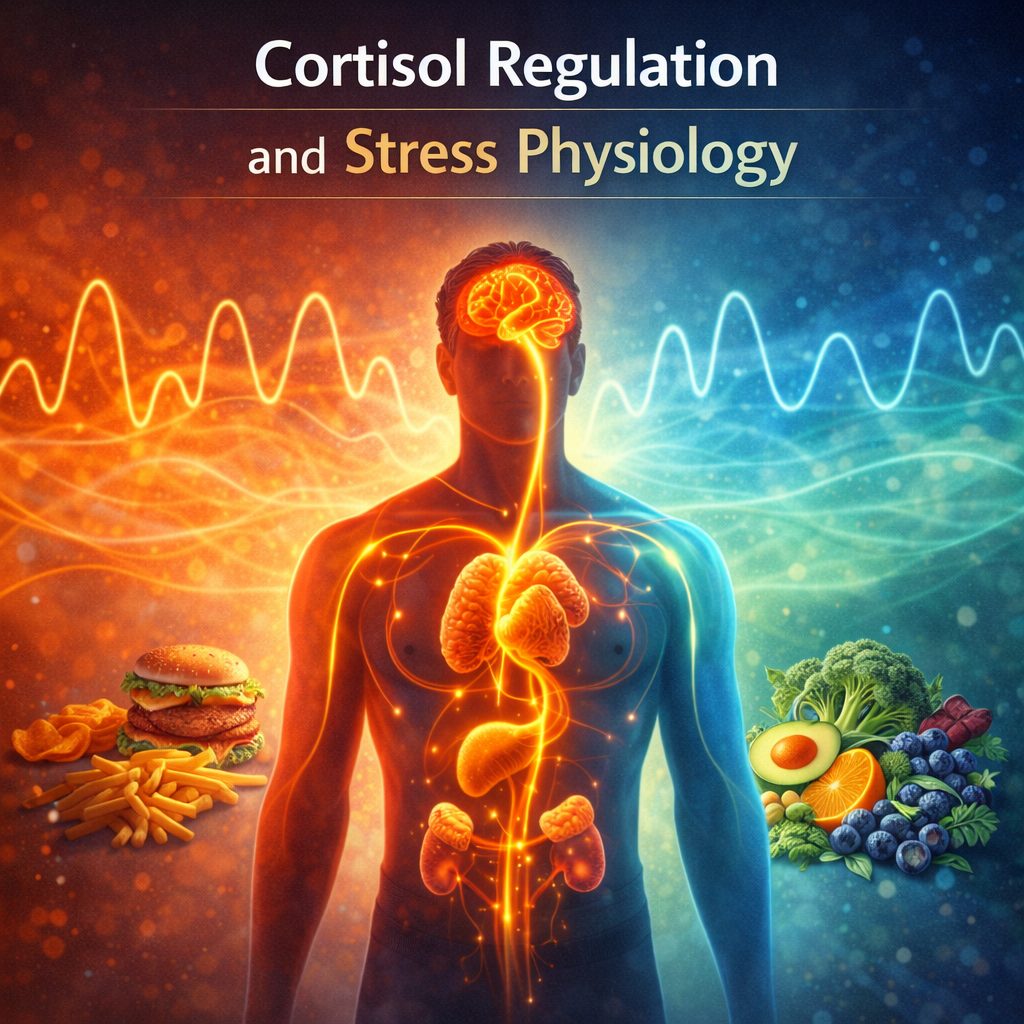
Raw nutrition helps regulate cortisol by stabilizing blood sugar and reducing inflammation. This effect supports balance in the stress response system. As a result, the body handles pressure more efficiently.
In addition, raw foods provide nutrients such as magnesium and vitamin C. These nutrients support the body's stress response. When cortisol stays balanced, the body avoids prolonged stress activation.
For professionals under pressure, cortisol control matters. High cortisol levels often lead to fatigue, poor sleep, and reduced focus. Therefore, raw nutrition supports better stress resilience.
Impact on Biological Age and Longevity Trajectories
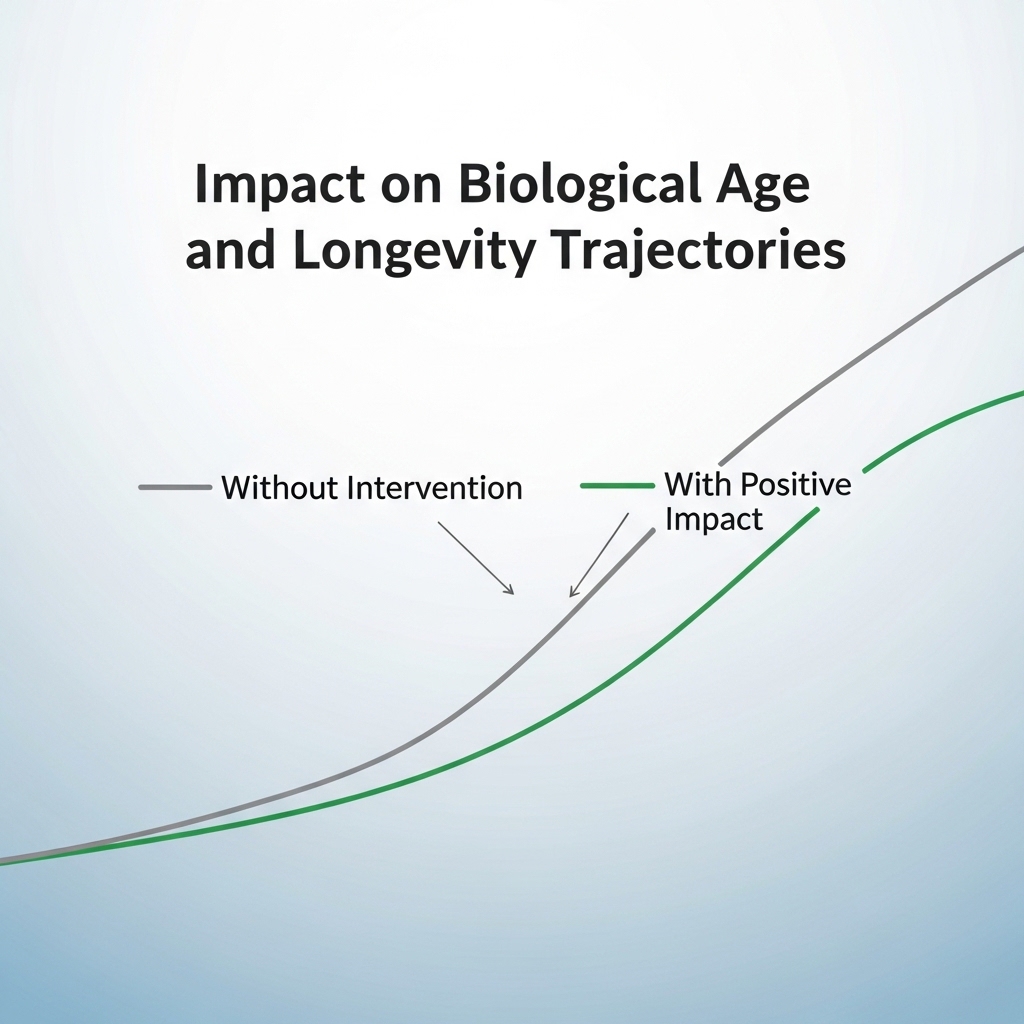
Raw nutrition supports slower aging by reducing oxidative stress. It also improves cellular repair processes. As a result, the body maintains a lower biological age over time.
Research from Nature Medicine shows that diet quality affects aging markers. Diets rich in whole foods link to slower aging patterns. In contrast, poor diets accelerate cellular decline.
For high-net-worth professionals, longevity links to performance. Slower aging supports sustained output and resilience. Therefore, raw nutrition becomes a key factor in long-term health strategy.
READ ALSO: Precision Nutrition and Hydration for Optimal Health
Cognitive Performance and Neuroprotection
Raw nutrition supports brain health by providing stable energy and key nutrients. These nutrients reduce inflammation in the brain. As a result, cognitive function remains more consistent.
Polyphenols found in raw foods support brain cell function. They also improve communication between neurons. In addition, these compounds protect against cognitive decline.
For professionals, mental clarity drives decision-making. Poor nutrition often leads to brain fog and slower thinking. Therefore, raw nutrition supports sustained cognitive performance.
Digestive Efficiency and Microbiome Diversity
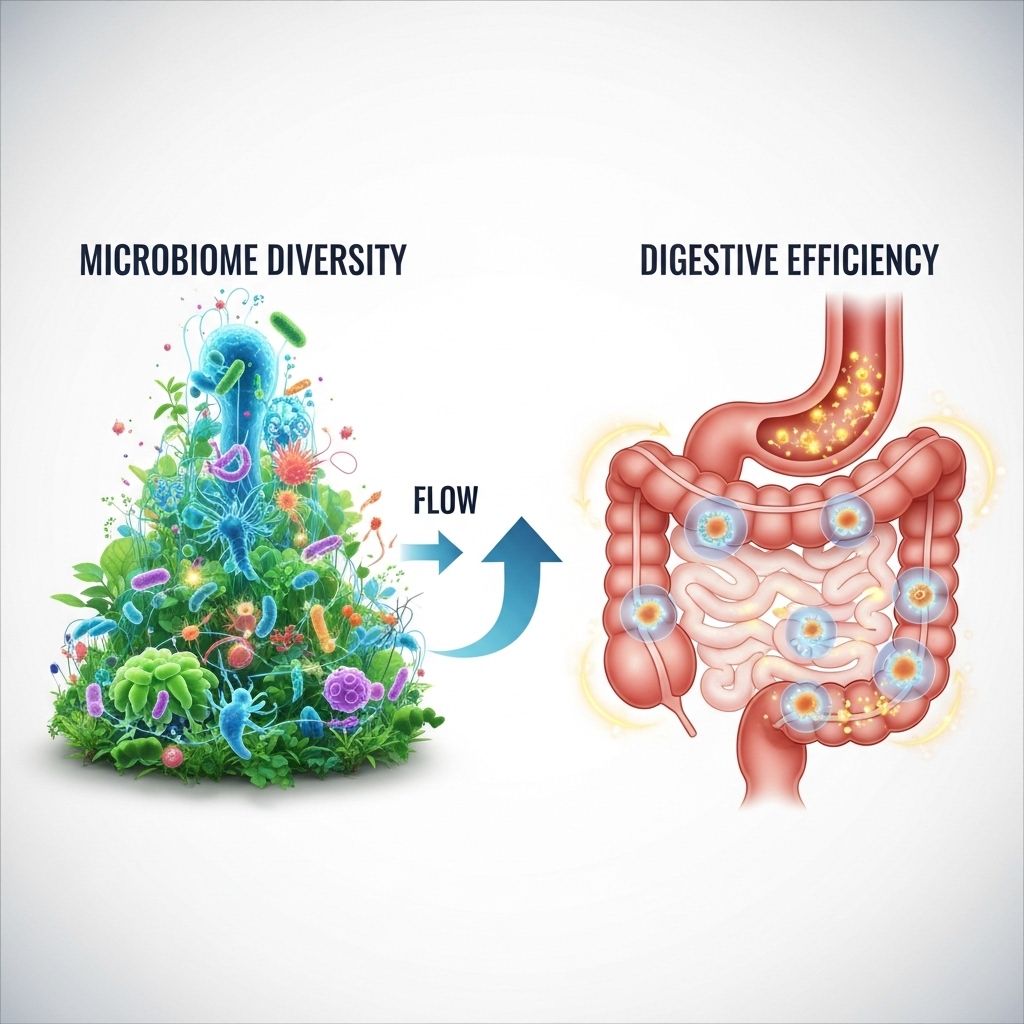
Raw nutrition improves gut health by increasing fiber intake. Fiber feeds beneficial bacteria in the gut. As a result, the microbiome becomes more diverse and stable.
According to the National Institutes of Health, gut diversity supports overall health. A strong microbiome improves digestion and immune response. In contrast, poor diets reduce microbial balance.
For performance-focused individuals, gut health influences energy and recovery. Poor digestion often leads to fatigue and inflammation. Therefore, raw nutrition supports better digestive efficiency.
Muscle Preservation and Sarcopenia Risk
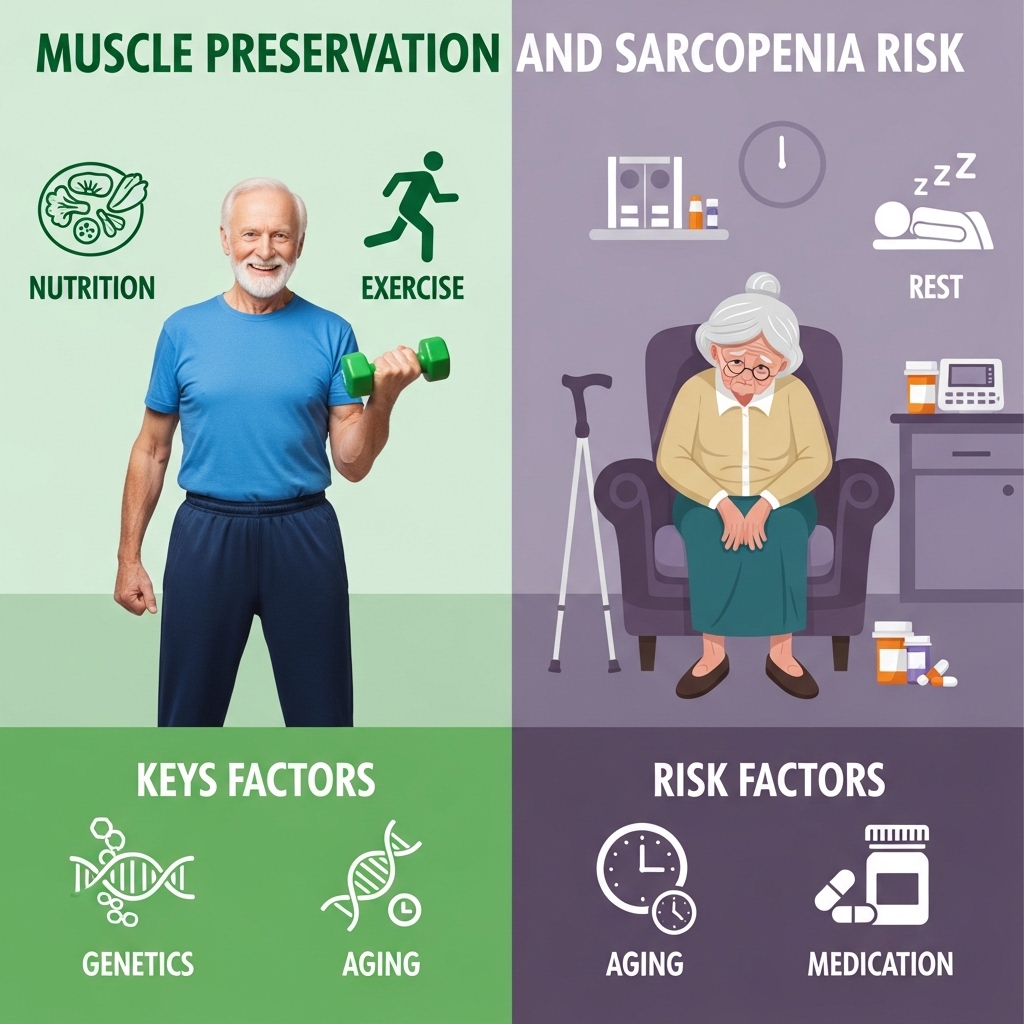
Raw nutrition can support muscle health when balanced correctly. Plant-based foods provide nutrients needed for muscle maintenance. However, protein intake must remain adequate.
Research shows that balanced diets support muscle preservation. Without enough protein, muscle loss can occur over time. Therefore, dietary structure matters for maintaining strength.
For aging professionals, muscle mass supports metabolic health. Loss of muscle reduces strength and energy levels. Therefore, raw nutrition must align with performance needs.
READ ALSO: The Truth About Artificial Hydration and Nutrition
Evidence-Based Integration for High-Performance Lifestyles

Raw nutrition works best as part of a broader dietary strategy. It emphasizes whole, unprocessed foods. As a result, the body receives higher nutrient quality.
Research consistently shows benefits from reducing processed food intake. These benefits include improved metabolic and cardiovascular markers. In addition, overall health outcomes improve over time.
For professionals, integration matters more than strict adherence. A flexible approach supports sustainability and performance. Therefore, raw nutrition can enhance long-term health strategies.
READ ALSO: Nutrition for Muscle Growth and Fat Loss: A Balanced Approach
Practical Applications Based on Current Evidence

Professionals can increase intake of raw, plant-based foods to support health markers. In addition, they can track metrics such as glucose levels and inflammation. This approach allows for data-driven adjustments.
Moreover, combining raw nutrition with balanced macronutrient intake supports performance. Monitoring energy, recovery, and cognitive output provides useful feedback. As a result, individuals can refine their approach over time.